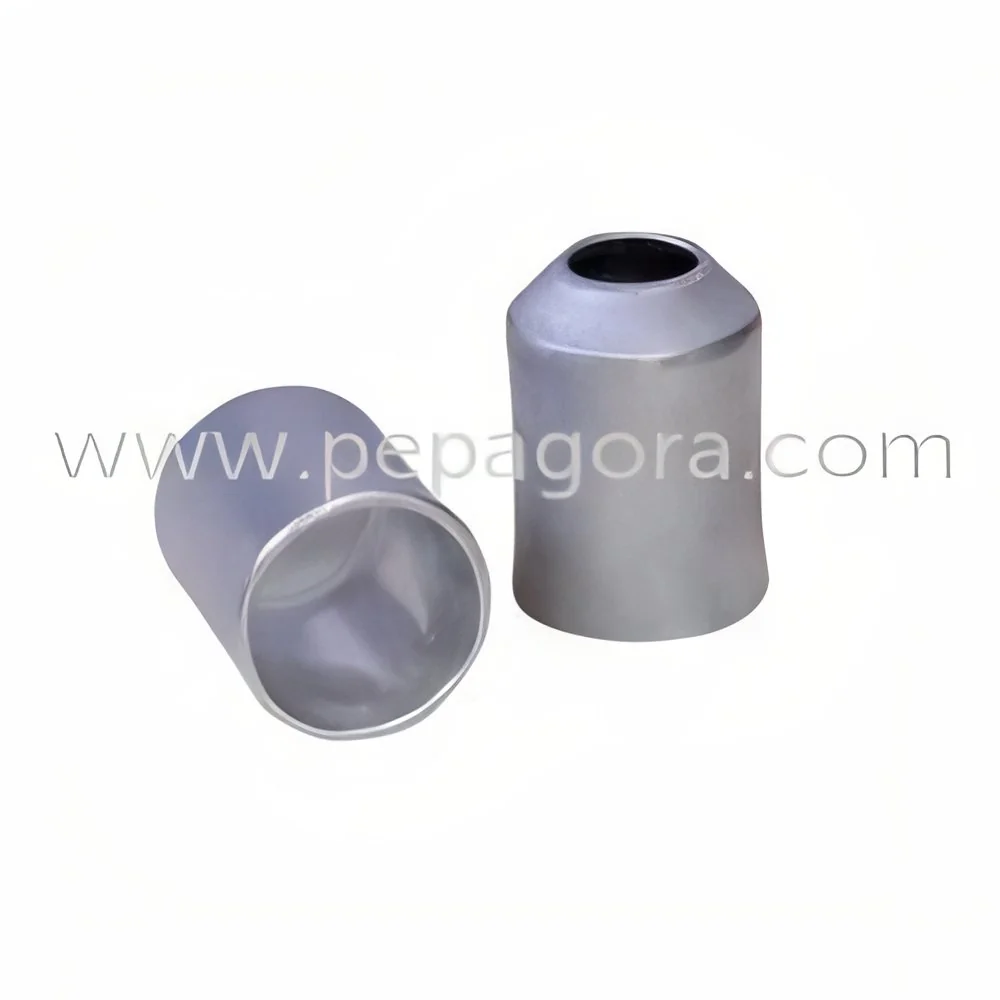
What are Hose Pipes & Connectors?
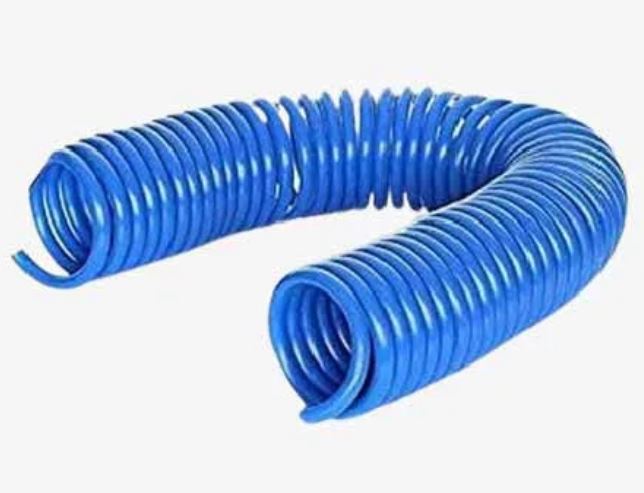
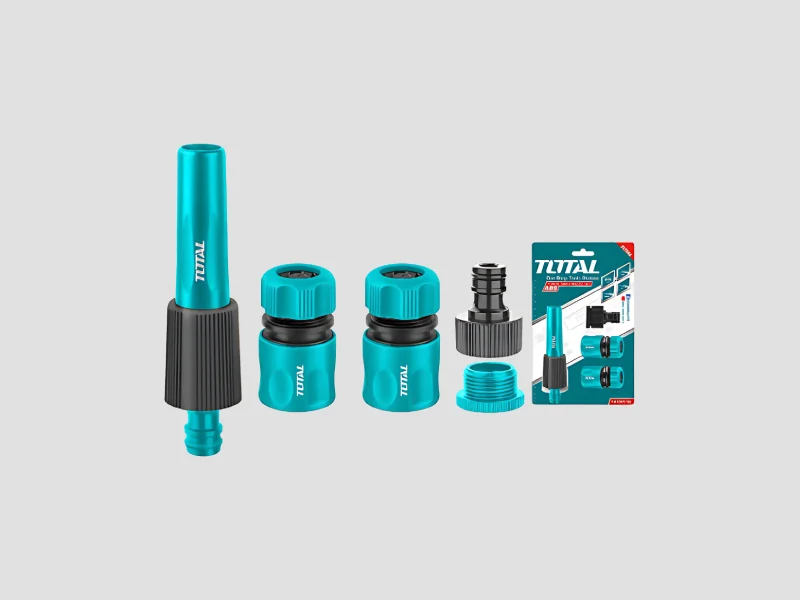
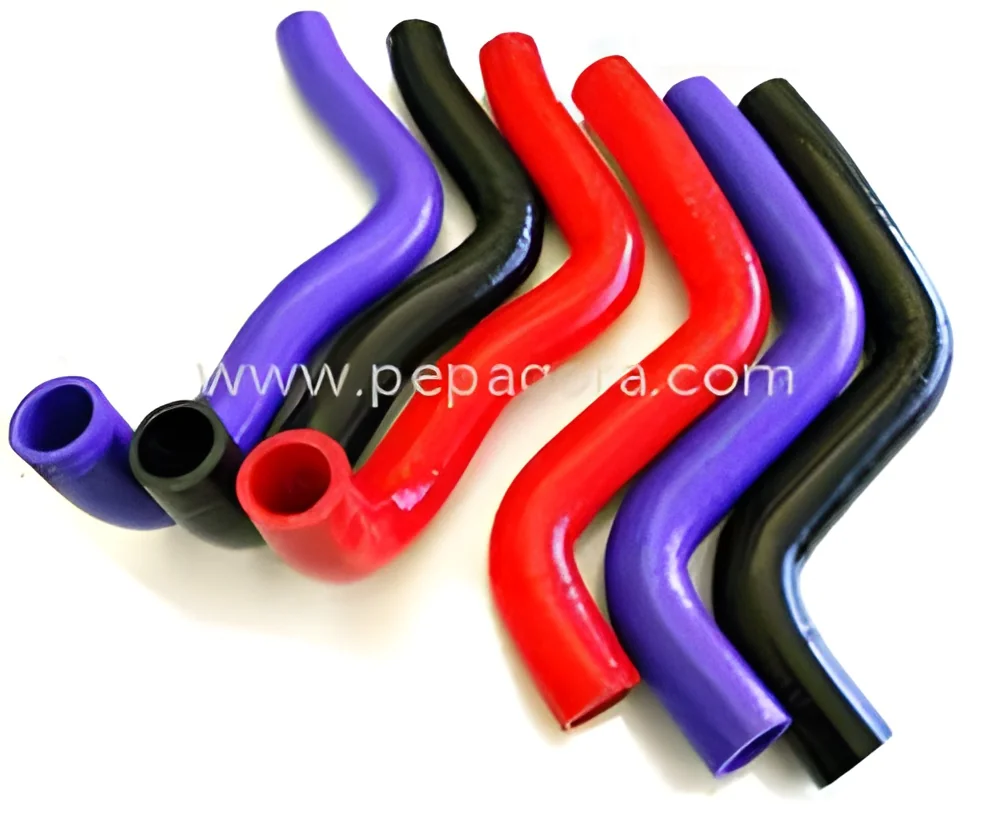
Hose pipes and connectors are essential components used in various industrial applications for the transfer of fluids, gases, and other materials. Hose pipes are flexible tubes designed to transport substances under pressure or vacuum, while connectors serve as joining mechanisms that link hoses to equipment or other hoses. Together, they facilitate efficient and safe movement of materials across numerous sectors.
In business applications, hose pipes and connectors are widely utilized in industries such as manufacturing, construction, agriculture, and automotive. They are crucial in water transfer, chemical delivery, fuel supply, and air circulation systems. Their versatility and reliability make them indispensable in both operational and maintenance contexts within these industries.
The relevance of hose pipes and connectors in the industrial market cannot be overstated. With the ongoing advancements in material science and engineering, these products continue to evolve, meeting stringent safety and performance standards. As businesses prioritize efficient resource management, the demand for high-quality hose pipes and connectors continues to grow, positioning them as critical components in modern industrial operations.
Key Features and Specifications
Hose pipes and connectors come with various features and specifications tailored to meet specific industrial needs. Understanding these specifications is essential for selecting the right products for different applications.
Key specifications include:
1. Material Composition
- Common materials include rubber, PVC, and polyurethane.
- Each material offers different levels of flexibility, durability, and resistance to chemicals.
2. Pressure Rating
- Indicates the maximum pressure the hose can withstand.
- Typically ranges from low-pressure (up to 150 PSI) to high-pressure (over 300 PSI).
3. Temperature Range
- Specifies the range of temperatures the hose can endure.
- Data not available.
4. Diameter Options
- Available in various diameters to suit different flow requirements.
- Common sizes range from 1/4 inch to 6 inches.
5. Length Variability
- Hose pipes can be ordered in standard lengths or custom lengths as needed.
- Typical lengths range from 25 feet to 100 feet depending on application.
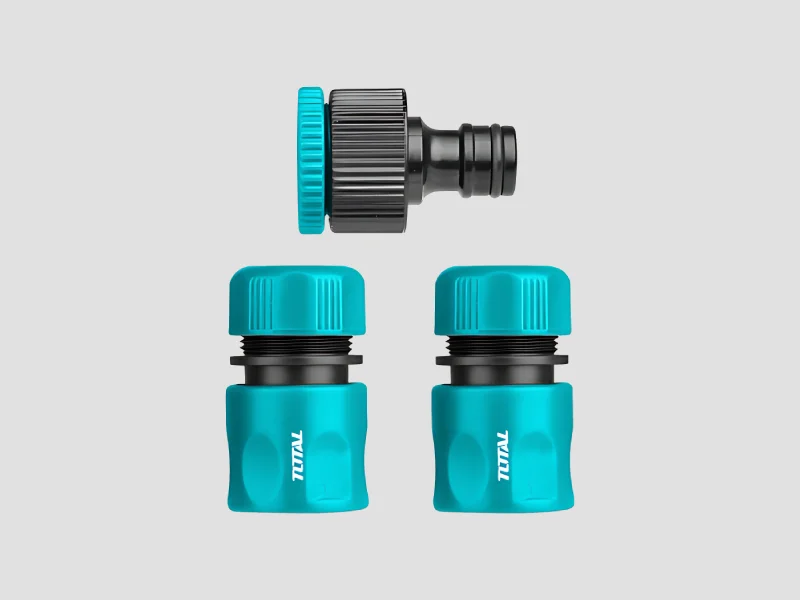
6. Connector Types
- Various connector types include quick couplers, threaded, and camlock.
- Each type serves different connection needs and ease of assembly.
7. Compliance Standards
- Many hoses and connectors adhere to industrial standards for safety and performance.
- Certifications may include CE marking.
8. Flexibility and Bend Radius
- Indicates how easily the hose can bend without kinking.
- Essential for applications requiring tight spaces.
In summary, understanding the key features and specifications of hose pipes and connectors allows businesses to make informed choices, ensuring optimal performance and safety in their operations.
Common Applications and Use Cases
Hose pipes and connectors are integral to a wide array of industries, facilitating the transfer of fluids and gases efficiently.
1. Agriculture: In farming, hose pipes are used for irrigation and transferring fertilizers. Connectors ensure secure fittings to pumps and sprayers.
2. Manufacturing: Production lines utilize hose pipes for transporting materials like oils and chemicals. Connectors allow quick changes in machinery setups.
3. Construction: Hose pipes are essential for delivering water and concrete mixtures. Connectors enable easy attachment to various construction equipment.
4. Automotive: In vehicle manufacturing and maintenance, hoses are used for coolant and fuel delivery. Connectors provide reliable links between systems.
5. Food Processing: Sanitary hoses are used for transporting food products. Connectors must meet strict hygiene standards to prevent contamination.
6. Mining: High-pressure hoses transport water and slurry in mining operations. Durable connectors withstand harsh conditions.
7. HVAC: Hose pipes are crucial for air conditioning and heating systems. Connectors facilitate the integration of various components.
Product Variants and Subcategories
Hose pipes and connectors come in a variety of forms to cater to diverse industrial needs. Each variant is designed with specific features and applications.
Industrial Hose Pipes
These hoses are designed for heavy-duty applications, often resistant to abrasion and chemicals. They are commonly used in manufacturing and construction environments.
Flexible Hoses
Flexible hoses are ideal for applications requiring movement and bending. They are often used in automotive systems and HVAC installations.
Reinforced Hoses
Reinforced hoses have added layers for enhanced strength and pressure resistance. They are suitable for high-pressure applications in industrial settings.
Specialized Connectors
These connectors are tailored for specific industries, such as food processing or automotive. They ensure secure and safe connections in demanding environments.
Benefits and Advantages
Hose pipes and connectors offer numerous benefits that enhance operational efficiency and safety.
1. Versatility: These products can be used across various industries, adapting to different applications and requirements.
2. Durability: High-quality materials ensure long-lasting performance, reducing the need for frequent replacements.
3. Ease of Use: Many connectors are designed for quick assembly and disassembly, streamlining operations and maintenance.
4. Safety: Compliance with industry standards helps prevent leaks and failures, ensuring safe transportation of fluids and gases.
5. Cost-Effectiveness: Investing in reliable hose pipes and connectors can lead to long-term savings by minimizing downtime and maintenance costs.
6. Customization: Many suppliers offer customization options to meet specific requirements, enhancing usability in unique applications.
Buying Guide for B2B Buyers
When sourcing hose pipes and connectors, several important factors should be considered to ensure optimal selection and procurement.
1. Quality Assessment: Evaluate the materials and manufacturing processes to ensure that the products meet your operational standards. Look for certifications and compliance with industry regulations.
2. Supplier Verification: Vet potential suppliers by checking their reputation, customer reviews, and previous projects. A reliable supplier will have a proven track record in delivering quality products.
3. Pricing and MOQ: Understand the pricing structure and minimum order quantities. Compare costs among suppliers while considering the quality of the products.
4. Delivery and Lead Times: Consider logistics and the supplier's ability to meet your delivery timelines. Timely delivery is crucial for maintaining operational efficiency.
5. Compliance Requirements: Ensure that the products meet relevant regulatory standards for your industry. This includes safety, environmental, and quality compliance.
Compliance and Certifications
Compliance and certifications are vital for ensuring the quality and safety of hose pipes and connectors. Relevant quality standards such as ISO 9001 highlight the commitment to quality management systems. Additionally, industry certifications like CE mark indicate that the products meet European safety requirements.
Safety and testing requirements are essential in verifying that hose pipes and connectors can withstand operational pressures and conditions. Regular testing ensures that products perform as expected without failure.
Regional compliance considerations may vary based on local regulations, making it essential for suppliers and buyers to be aware of the specific requirements applicable in their regions.
Why Source Hose Pipes & Connectors from Pepagora?
Pepagora provides a trusted platform for sourcing hose pipes and connectors, offering several key advantages to B2B buyers.
Verified Supplier Network: Pepagora ensures that all suppliers are thoroughly vetted, providing buyers with confidence in the quality and reliability of the products. This network of verified suppliers helps mitigate risks associated with sourcing.
Streamlined RFQ Process: The Request for Quotation (RFQ) system simplifies the procurement process, allowing buyers to quickly receive competitive quotes from multiple suppliers. This efficiency helps businesses make informed purchasing decisions.
Trade Assurance and Support: Pepagora offers buyer protection features, ensuring that transactions are secure. Additionally, dedicated support teams assist buyers throughout the sourcing process, addressing any concerns or queries.
Regional Coverage: With a strong presence in India, the GCC, and Southeast Asia, Pepagora connects buyers with suppliers across these regions. This geographic reach allows businesses to find local suppliers, reducing lead times and shipping costs.

 IN
IN