What are Trellis Support Equipment?
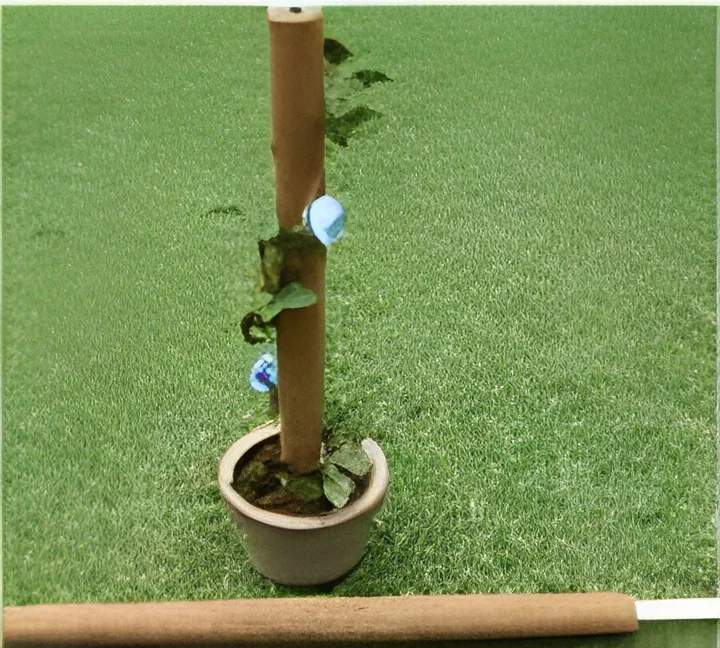
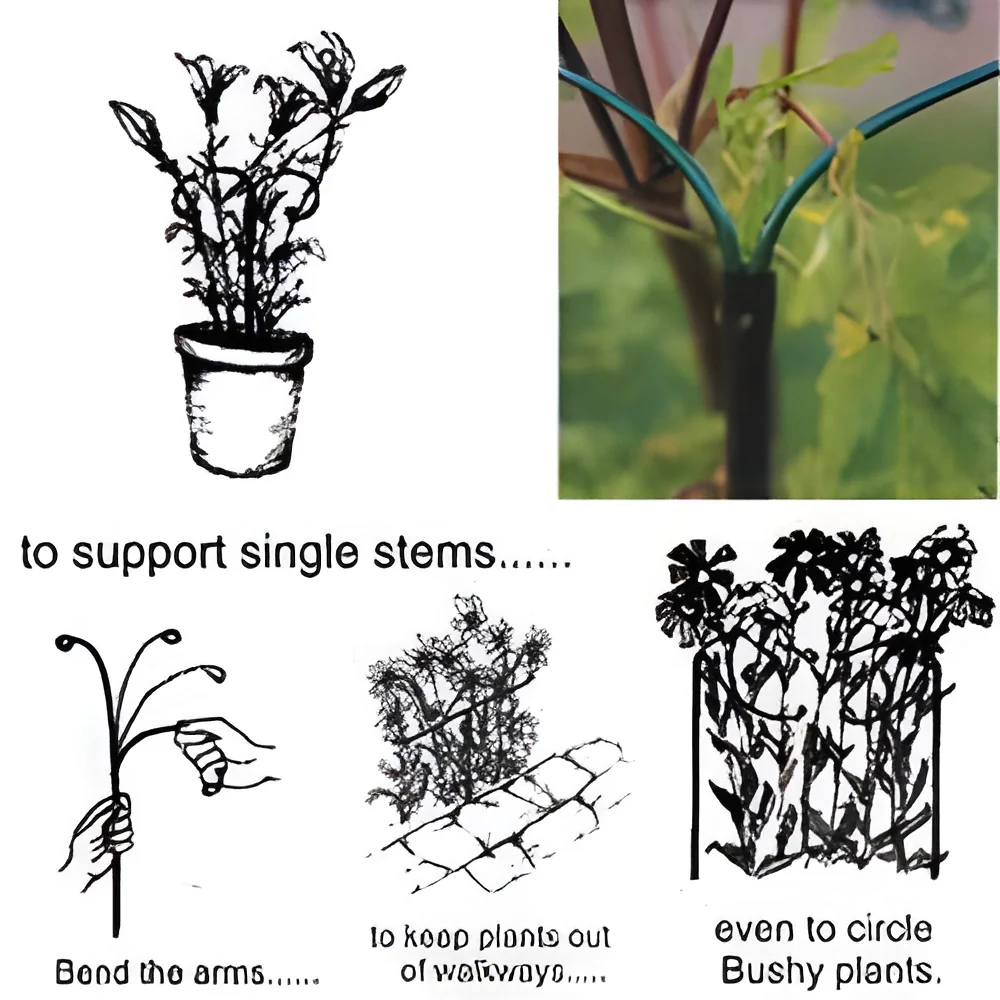
Trellis Support Equipment refers to a range of structures and systems designed to support various types of plants in agricultural settings. This equipment serves as an essential tool for growers, enabling better management of crops by providing the necessary support for climbing or sprawling plants. The design typically includes frameworks made of durable materials that can withstand environmental pressures while ensuring plants receive adequate light and air circulation.
The primary uses of Trellis Support Equipment are found in horticulture and agriculture, where it enhances the growth and productivity of crops such as tomatoes, cucumbers, and grapes. By utilizing trellis systems, farmers can optimize space, improve accessibility for harvesting, and reduce the risk of disease through better airflow. This equipment plays a critical role in increasing yields and improving the overall efficiency of farming operations.
In the context of the agriculture industry, Trellis Support Equipment is increasingly relevant due to the growing demand for sustainable farming practices and the need for efficient land use. As the global population rises, the pressure on agricultural systems to produce more food with limited resources has led to innovations in support structures. The market for Trellis Support Equipment is expanding, reflecting the importance of these tools in modern agricultural practices.
Key Features and Specifications
Trellis Support Equipment is characterized by several key features that enhance its functionality and application across different farming scenarios. These specifications are essential for buyers to understand when selecting the appropriate equipment for their needs.
Key specifications include:
1. Material Composition
- Typically made from high-strength materials such as steel, aluminum, or durable plastics.
- Resistance to corrosion and UV degradation.
2. Load Capacity
- Designed to support specific weight limits based on plant type and growth stage.
- Varies by model, with some supporting up to several hundred pounds.
3. Height and Width Options
- Available in multiple sizes to accommodate different plant growth requirements.
- Adjustable designs for flexibility in various growing conditions.
4. Assembly and Installation
- Easy-to-assemble components that can be installed without specialized tools.
- Modular designs for customizable setups.
5. Weather Resistance
- Built to endure various weather conditions, including wind and rain.
- Often includes features for enhanced stability.
6. Maintenance Requirements
- Low-maintenance options available, designed for durability over time.
- Some models require periodic inspections and adjustments.
In summary, understanding these features and specifications helps buyers make informed decisions, ensuring they select the right Trellis Support Equipment for their agricultural needs.
Common Applications and Use Cases
Trellis Support Equipment serves a diverse range of industries, enhancing productivity and efficiency in agricultural practices.
1. Horticulture: In this sector, trellis systems are used to support flowering plants and vegetables, improving access for pollination and harvesting.
2. Vineyards: Trellis equipment is essential for grape cultivation, allowing vines to grow upwards, optimizing sunlight exposure and air circulation.
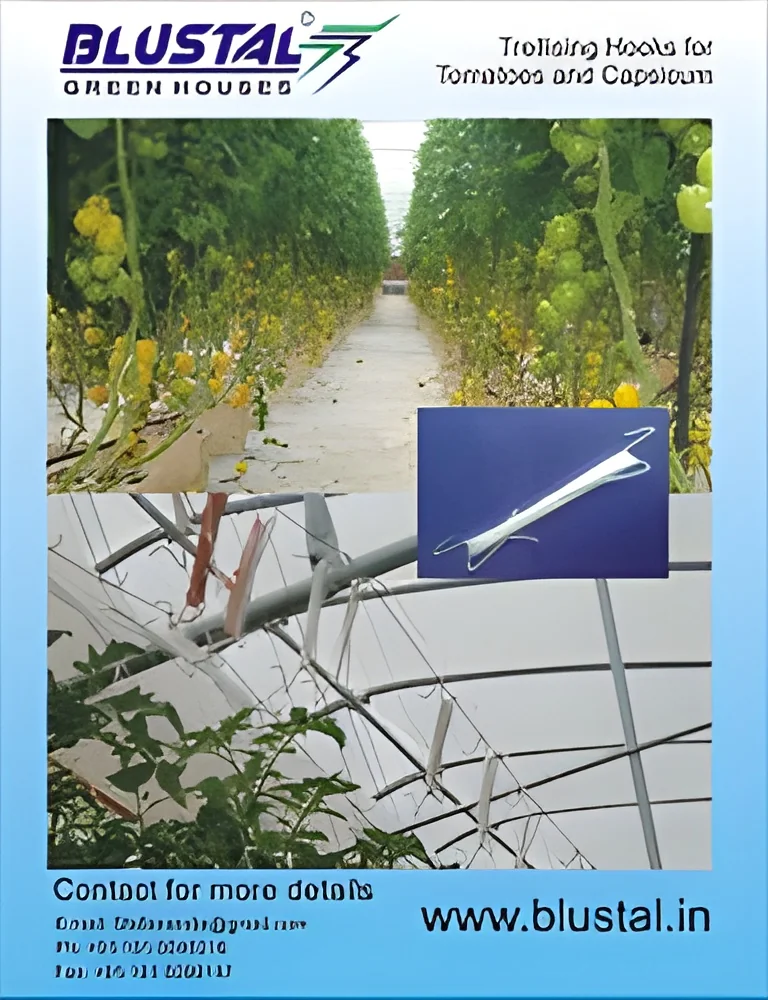
3. Greenhouses: In controlled environments, trellis systems help manage space and support plants, contributing to efficient growing operations.
4. Orchards: Trellis support can assist in maintaining fruit trees, ensuring healthy growth and simplifying fruit picking.
5. Vertical Farming: With the rise of urban agriculture, trellis systems are increasingly utilized in vertical farms to maximize space and yield.
6. Landscaping: Trellis structures can be used in decorative landscaping, supporting climbing plants and enhancing visual appeal.
7. Organic Farming: In organic practices, trellis support is crucial for ensuring healthy plant growth without the use of harmful chemicals.
Product Variants and Subcategories
Trellis Support Equipment comes in various forms, catering to different agricultural needs and preferences.
Heavy-Duty Trellis Systems
These variants are designed for robust applications, featuring strong materials that support heavy crops. Ideal for large-scale farming operations, they provide long-lasting durability and stability.
Portable Trellis Units
These units are lightweight and easy to relocate, making them perfect for small gardens or temporary setups. They offer flexibility for growers who may change their planting arrangements seasonally.
Adjustable Trellis Frames
These frames can be modified in height and width, accommodating various plant types. Their versatility makes them suitable for both commercial and home gardening.
Foldable Trellis Solutions
Designed for easy storage, these foldable options are perfect for seasonal use. They are particularly useful for gardeners looking to maximize space when not in use.
Benefits and Advantages
Investing in Trellis Support Equipment offers numerous advantages for growers and agricultural businesses.
1. Increased Yield: Trellis systems help maximize plant growth by providing necessary support, leading to higher crop yields.
2. Improved Airflow: By elevating plants, trellis equipment enhances airflow around crops, reducing disease risks and promoting healthier growth.
3. Space Optimization: Trellis systems allow for vertical growth, enabling farmers to use space more efficiently and increasing planting density.
4. Easier Harvesting: With plants supported off the ground, harvesting becomes more accessible and less labor-intensive.
5. Enhanced Crop Quality: Trellis support can lead to better fruit and vegetable quality by providing adequate sunlight and reducing contact with soil.
6. Sustainable Practices: Implementing trellis systems can contribute to sustainable farming by improving land use and resource efficiency.
Buying Guide for B2B Buyers
When sourcing Trellis Support Equipment, it is essential for B2B buyers to consider several key factors to ensure they choose the right products for their operations.
1. Quality Assessment: Look for products made from durable materials that meet industry standards. Assessing quality ensures longevity and reliability in various environmental conditions.
2. Supplier Verification: Vet suppliers by checking their credentials, reviews, and certifications. A verified supplier network can help ensure a reliable supply chain.
3. Pricing and MOQ: Understand the price range and minimum order quantities (MOQ) that suppliers offer. This knowledge helps in budgeting and planning purchases effectively.
4. Delivery and Lead Times: Confirm logistics details, including delivery times and shipping options. Timely delivery is crucial for maintaining farming schedules.
5. Compliance Requirements: Ensure that the equipment meets relevant regulatory and safety standards. Compliance with local laws and industry practices is essential for operational success.
Compliance and Certifications
Trellis Support Equipment is subject to various quality standards and certifications that ensure safety and reliability in agricultural practices.
Relevant quality standards, such as ISO 9001, establish a framework for consistent quality management, which is crucial in the manufacturing of agricultural equipment. Additionally, HACCP guidelines may apply to ensure that equipment used in food production does not compromise food safety.
Industry certifications like CE indicate compliance with European health, safety, and environmental protection standards. This certification assures buyers that the equipment meets rigorous testing and quality assurance processes.
Safety and testing requirements are vital, particularly for equipment used in environments where safety is paramount. Buyers should look for compliance with safety standards that govern agricultural tools.
Regional compliance considerations can vary, so it is essential for buyers to be aware of local regulations and standards, ensuring that the equipment meets all necessary legal requirements.
Why Source Trellis Support Equipment from Pepagora?
Pepagora provides a trusted platform for sourcing Trellis Support Equipment, offering several key advantages to B2B buyers.
Verified Supplier Network: Pepagora connects buyers with a network of verified suppliers, ensuring that the equipment sourced meets high-quality standards. This verification process adds a layer of security for buyers looking to make informed purchasing decisions.
Streamlined RFQ Process: The platform features a streamlined Request for Quotation (RFQ) system, simplifying the process of obtaining quotes from multiple suppliers. This efficiency saves time and helps buyers compare options easily.
Trade Assurance and Support: Pepagora offers trade assurance, protecting buyers throughout the purchasing process. This support includes dispute resolution and ensures that transactions are secure.
Regional Coverage: With a strong presence in markets like India, the GCC, and Southeast Asia, Pepagora provides regional coverage that helps buyers access local suppliers and services. This reach facilitates better logistics and support tailored to specific market needs.

 IN
IN