What are Fertilizer Spreaders?
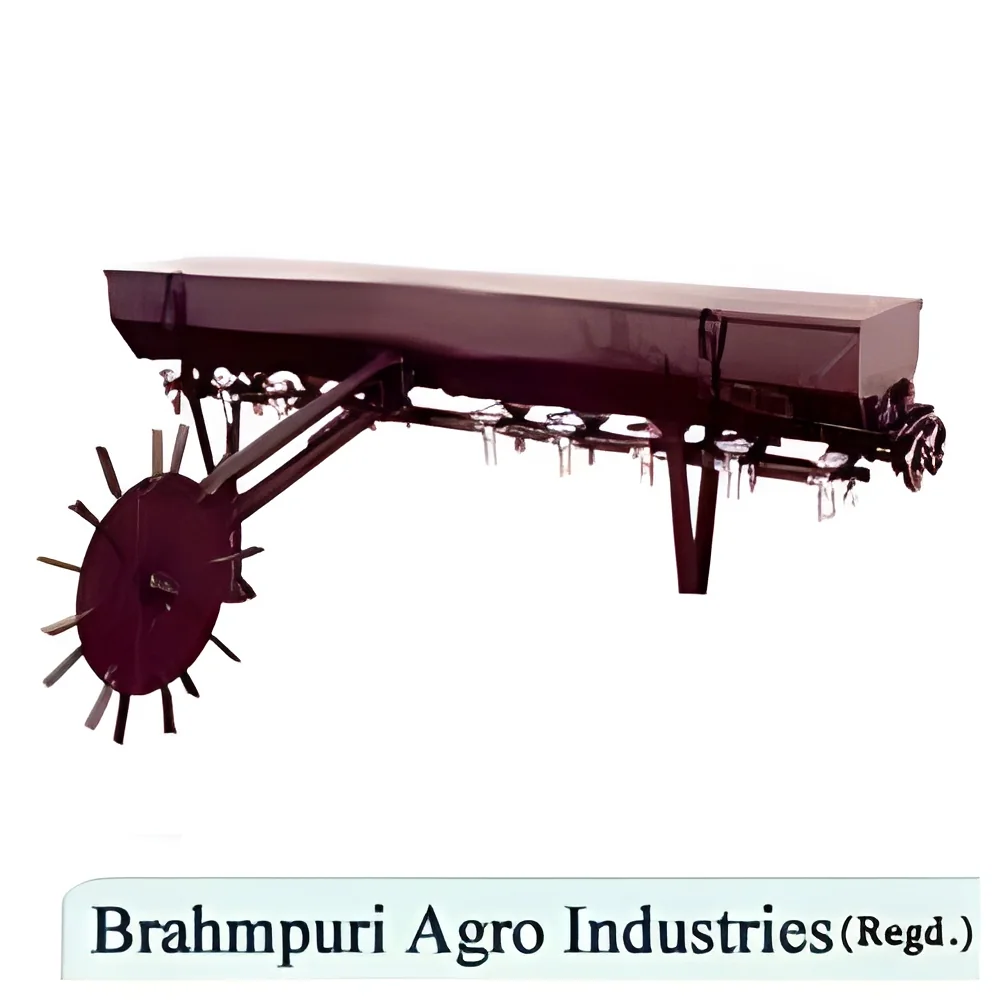
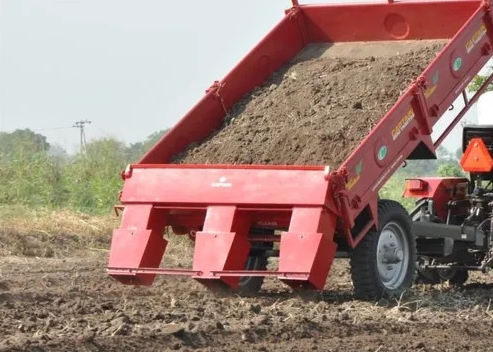
Fertilizer spreaders are agricultural tools designed to distribute fertilizer evenly across fields and gardens. They are essential for efficient crop management, ensuring that nutrients are applied uniformly, which promotes healthy plant growth. These machines can be towed behind vehicles or operated manually, depending on their size and design.
Fertilizer spreaders are primarily used in farming, landscaping, and gardening industries. They help in applying various types of fertilizers, including granular and liquid forms. Businesses utilize these spreaders to enhance productivity and maintain soil health, making them a vital part of modern agricultural practices.
The relevance of fertilizer spreaders in the current market is significant, as the demand for efficient farming practices continues to rise. With increasing global food production needs, these tools are crucial in maximizing crop yields while minimizing waste. As such, they play a pivotal role in the agricultural supply chain and are an essential investment for businesses focused on sustainability and efficiency.
Key Features and Specifications
Fertilizer spreaders come equipped with various features that enhance their performance and usability. Understanding these specifications is key when selecting the right model for your needs.
Key specifications include:
1. Capacity
- The capacity of fertilizer spreaders usually ranges from 50 liters to over 1,500 liters, depending on the model. A higher capacity means less frequent refilling.
2. Distribution Width
- This specification indicates the width over which the fertilizer is spread, typically ranging from 1 meter to 12 meters. Wider distribution allows for more efficient coverage of large areas.
3. Application Rate
- The application rate refers to the quantity of fertilizer distributed per hectare, often adjustable to meet specific crop needs. Rates can vary from 100 kg/ha to 500 kg/ha.
4. Type of Spread
- Spreaders can be either centrifugal or drop types, each providing different methods for distributing materials based on terrain and crop type.
5. Material Construction
- Most spreaders are made from corrosion-resistant materials, ensuring durability and longevity in various weather conditions.
6. Drive Type
- Fertilizer spreaders may be manually operated, or powered by electric or gasoline engines, depending on user preference and application requirements.
7. Calibration Features
- Many modern spreaders come with built-in calibration systems that allow users to set precise application rates for different fertilizers.
8. Adjustable Settings
- Adjustable settings help customize the spread pattern and rate, making it easier to adapt to different field conditions and fertilizer types.
In summary, understanding these key features and specifications is crucial for selecting a fertilizer spreader that meets specific agricultural needs.
Common Applications and Use Cases
Fertilizer spreaders serve a variety of industries and applications, making them versatile tools in agricultural management.
1. Agriculture: Farmers use fertilizer spreaders to apply nutrients across large fields, maximizing crop yield and improving soil health.
2. Landscaping: Landscaping companies utilize spreaders to evenly distribute fertilizers and soil amendments in residential and commercial properties, promoting lush growth.
3. Golf Courses: Golf course maintenance teams use fertilizer spreaders to maintain healthy greens and fairways, ensuring optimal playing conditions.
4. Sports Fields: Groundskeepers apply fertilizers using spreaders to enhance the growth and durability of grass on sports fields.
5. Horticulture: Nurseries and greenhouses use fertilizer spreaders to ensure that plants receive the necessary nutrients for healthy growth.
6. Public Parks: Municipalities employ fertilizer spreaders for the care of public parks, helping to maintain attractive and healthy green spaces.
7. Organic Farming: Organic farmers leverage spreaders designed for organic fertilizers, ensuring compliance with organic farming standards while enhancing soil fertility.
Product Variants and Subcategories
Fertilizer spreaders come in various types, each designed for specific applications and operational needs.
Towed Fertilizer Spreaders: These spreaders are designed to be attached to tractors or other vehicles. They are ideal for large-scale farming operations and can cover extensive areas efficiently.
Broadcast Fertilizer Spreaders: These units distribute fertilizer over a wide area through centrifugal force. They are commonly used in both agricultural and landscaping applications for even coverage.
Drop Fertilizer Spreaders: These spreaders place fertilizer directly on the soil, minimizing waste and ensuring precise application. They are often used in garden beds and smaller fields.
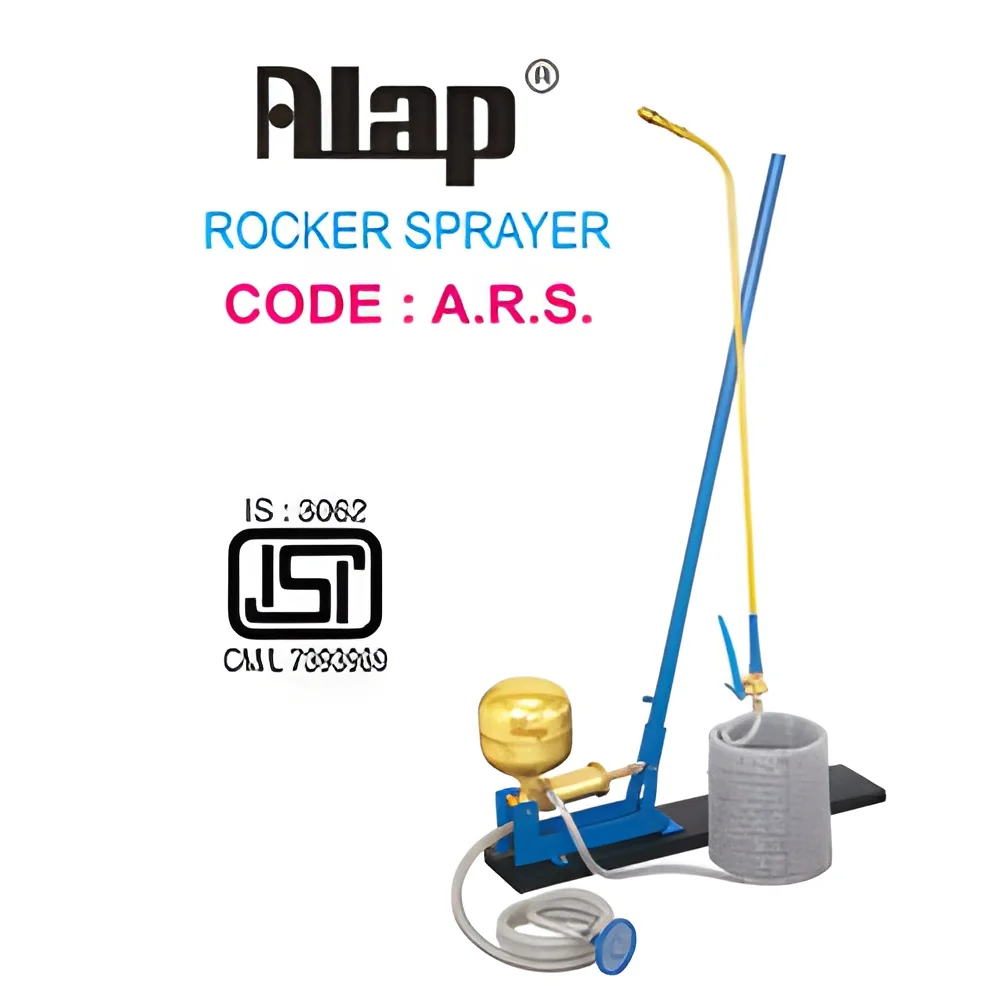
Handheld Fertilizer Spreaders: Designed for smaller areas, these manual spreaders are ideal for home gardeners and small-scale landscaping projects. They provide flexibility and ease of use.
Benefits and Advantages
Investing in fertilizer spreaders offers several benefits that enhance agricultural productivity and efficiency.
1. Improved Efficiency: Fertilizer spreaders ensure uniform application of nutrients, reducing waste and improving crop yields.
2. Time Savings: Automated or towed models significantly reduce the time required for fertilizer application compared to manual methods.
3. Customization: Many spreaders allow for adjustable settings, enabling users to tailor application rates and patterns to specific crop requirements.
4. Labor Reduction: Utilizing spreaders minimizes the need for manual labor, freeing up resources for other essential tasks.
5. Versatility: Fertilizer spreaders can be used for various applications, from large-scale farming to small gardens, making them a valuable tool across industries.
6. Enhanced Soil Health: By ensuring even nutrient distribution, fertilizer spreaders contribute to improved soil quality and plant health over time.
Buying Guide for B2B Buyers
When sourcing fertilizer spreaders, it is essential to consider various factors to ensure a suitable purchase for your business needs.
1. Quality Assessment: Evaluate the build quality and material of the spreaders. Look for models made from durable, corrosion-resistant materials that can withstand various environmental conditions.
2. Supplier Verification: Research potential suppliers thoroughly. Check their reputation, customer reviews, and quality certifications to ensure they can deliver reliable products.
3. Pricing and MOQ: Compare prices across different suppliers and inquire about minimum order quantities. Understanding your budget and needs will help make an informed decision.
4. Delivery and Lead Times: Confirm the supplier’s delivery capabilities and lead times to ensure that you can receive the equipment when needed for your operations.
5. Compliance Requirements: Ensure that the fertilizer spreaders meet any relevant regulatory standards and safety certifications required in your region or industry.
Compliance and Certifications
Fertilizer spreaders must adhere to several quality and safety standards to ensure they meet industry regulations.
ISO 9001 is a critical quality management standard that ensures manufacturers maintain effective processes for producing high-quality products. Compliance with this standard is essential for ensuring consistent performance and reliability.
CE certification indicates that a product meets European safety and environmental protection standards. This certification is important for products being sold in European markets and reflects the manufacturer's commitment to safety and quality.
Safety and testing requirements are crucial for fertilizer spreaders to ensure safe operation. Manufacturers should conduct thorough testing to meet safety standards and provide reliable protection for users.
Regional compliance considerations may vary based on local regulations. It is advisable for buyers to confirm that the spreaders comply with any specific regional agricultural and environmental laws.
Why Source Fertilizer Spreaders from Pepagora?
Pepagora provides a trusted platform for sourcing fertilizer spreaders, offering several key advantages that benefit B2B buyers.
Verified Supplier Network: Pepagora features a network of verified suppliers, ensuring that buyers have access to reputable manufacturers who meet quality and safety standards. This verification process adds a layer of confidence when making purchasing decisions.
Streamlined RFQ Process: The platform simplifies the request for quotation process, allowing buyers to easily compare prices and specifications from multiple suppliers. This efficiency helps businesses find the best deals and make informed choices.
Trade Assurance and Support: Pepagora offers buyer protection through trade assurance policies, ensuring that transactions are secure and that customers receive the products as promised. This support fosters trust between buyers and suppliers.
Regional Coverage: With a strong presence in India, the GCC, and Southeast Asia, Pepagora provides extensive geographic reach for sourcing fertilizer spreaders. This coverage allows businesses to access quality products tailored to their specific market needs, enhancing their operational capabilities.

 IN
IN