IN
IN₹
Apparel & Fashion
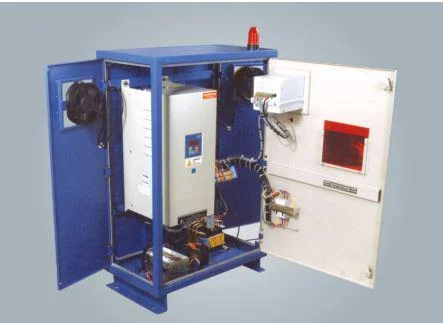
Description
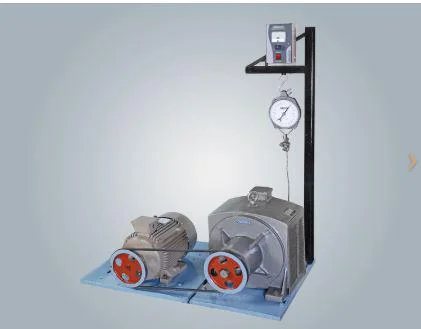
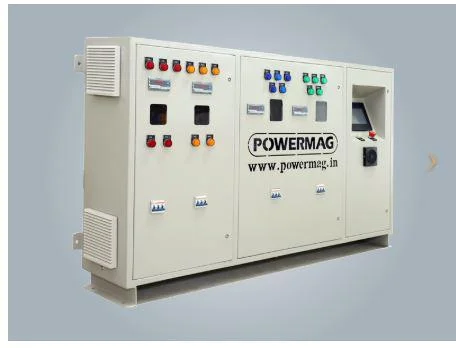
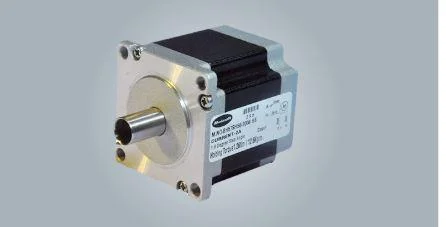
Texdrive AC variable speed drives represent advanced control technology specifically engineered for ring frame and spinning frame applications in textile manufacturing. These drives provide precise stepless speed control that enables optimal adjustment of spinning operations, allowing manufacturers to fine-tune production parameters for different yarn types and quality requirements. The system's microprocessor-based design supports customizable speed-time patterns that optimize spinning cycles while minimizing yarn wastage and improving overall product consistency. Field testing has demonstrated measurable improvements in production efficiency and energy savings, making these drives a valuable investment for textile operations seeking to modernize their production capabilities.

In textile manufacturing environments, these variable speed drives serve critical functions across various production stages. They are particularly valuable in ring spinning operations where consistent yarn qua...
Texdrive AC variable speed drives represent advanced control technology specifically engineered for ring frame and spinning frame applications in textile manufacturing. These drives provide precise stepless speed control that enables optimal adjustment of spinning operations, allowing manufacturers to fine-tune production parameters for different yarn types and quality requirements. The system's microprocessor-based design supports customizable speed-time patterns that optimize spinning cycles while minimizing yarn wastage and improving overall product consistency. Field testing has demonstrated measurable improvements in production efficiency and energy savings, making these drives a valuable investment for textile operations seeking to modernize their production capabilities.

In textile manufacturing environments, these variable speed drives serve critical functions across various production stages. They are particularly valuable in ring spinning operations where consistent yarn quality and production efficiency are paramount. The technology supports operations processing cotton, wool, synthetic fibers, and blended materials by providing the precise speed control needed for different fiber characteristics and yarn specifications. Manufacturing facilities implementing these drives benefit from enhanced process control that translates to more consistent output quality and reduced material waste throughout production cycles.

The business value of Texdrive AC variable speed drives extends beyond immediate production improvements to encompass long-term operational reliability and cost efficiency. These drives are engineered for durability in demanding textile manufacturing environments, featuring robust construction that withstands continuous operation. The energy-efficient design reduces power consumption while maintaining optimal performance, contributing to lower operational costs over time. Manufacturers implementing this technology gain competitive advantages through improved product quality, reduced waste, and enhanced production flexibility that supports diverse customer requirements and market demands.

Key Features:
- Precise stepless speed control for optimal spinning cycle adjustment
- Microprocessor-based design supporting customizable speed-time patterns
- Robust construction suitable for demanding textile manufacturing environments
- Energy-efficient operation reducing power consumption during production
- Seamless integration with existing ring frame and spinning frame machinery

Benefits:
- Optimized spinning cycles that improve production efficiency and output
- Reduced yarn wastage through precise speed control and process optimization
- Enhanced yarn quality and consistency across different fiber types and blends
- Lower energy consumption contributing to reduced operational costs
- Improved equipment reliability and reduced mechanical stress on spinning machinery
Specifications
| Additional Information | |
|---|---|
| Country of Origin | India |
Application
Texdrive AC variable speed drives are engineered specifically for textile ring and spinning frames, providing smooth stepless speed control that adapts to various yarn production requirements. These drives integrate seamlessly with existing machinery to optimize spinning cycles and improve operational efficiency across different textile manufacturing environments.
These variable speed drives support diverse textile operations by allowing precise adjustment of spinning speeds for different fiber types and yarn counts. The technology enhances production consistency while reducing mechanical stress on equipment, making it suitable for both new installations and retrofit applications in established mills seeking modernization.
Real-world applications:
- Ring frame spinning machines in textile mills producing cotton, wool, or synthetic yarns
- Spinning frames requiring precise speed adjustments for different yarn counts and fiber blends
- Textile manufacturing facilities seeking to optimize production cycles and reduce yarn breakage
- Mills implementing energy efficiency improvements through controlled motor operation
- Production lines requiring consistent yarn quality through stable, adjustable spinning speeds
Trade Details
| Available Stock | In Stock |
| Sample Availability | No |
Payment Terms
| Payment Terms |
|
| Payment Methods |
|
Company Profile

Powermag Control Systems Pvt Ltd, Tamil Nadu
 Tamil Nadu, India
Tamil Nadu, IndiaElectronics & Electrical•Distributor / Wholesaler•Retailer
Factory Details
Factory SizeBelow 1000 sqm
Texdrive AC Variable Speed Drives For Ring Frame Spinning Frame Applications
Texdrive AC variable speed drives for ring frame and spinning frame applications deliver precise stepless speed control, optimize spinning cycles, reduce wastage, and enhance energy efficiency in textile manufacturing operations.
Min. Order Quantity: 1 piece
Shipping
Shipping fee and delivery date to be negotiated. Contact supplier now for more details.
Powermag Control Systems Pvt Ltd
 Tamil Nadu, India
Tamil Nadu, IndiaElectronics & ElectricalDistributor / Wholesaler