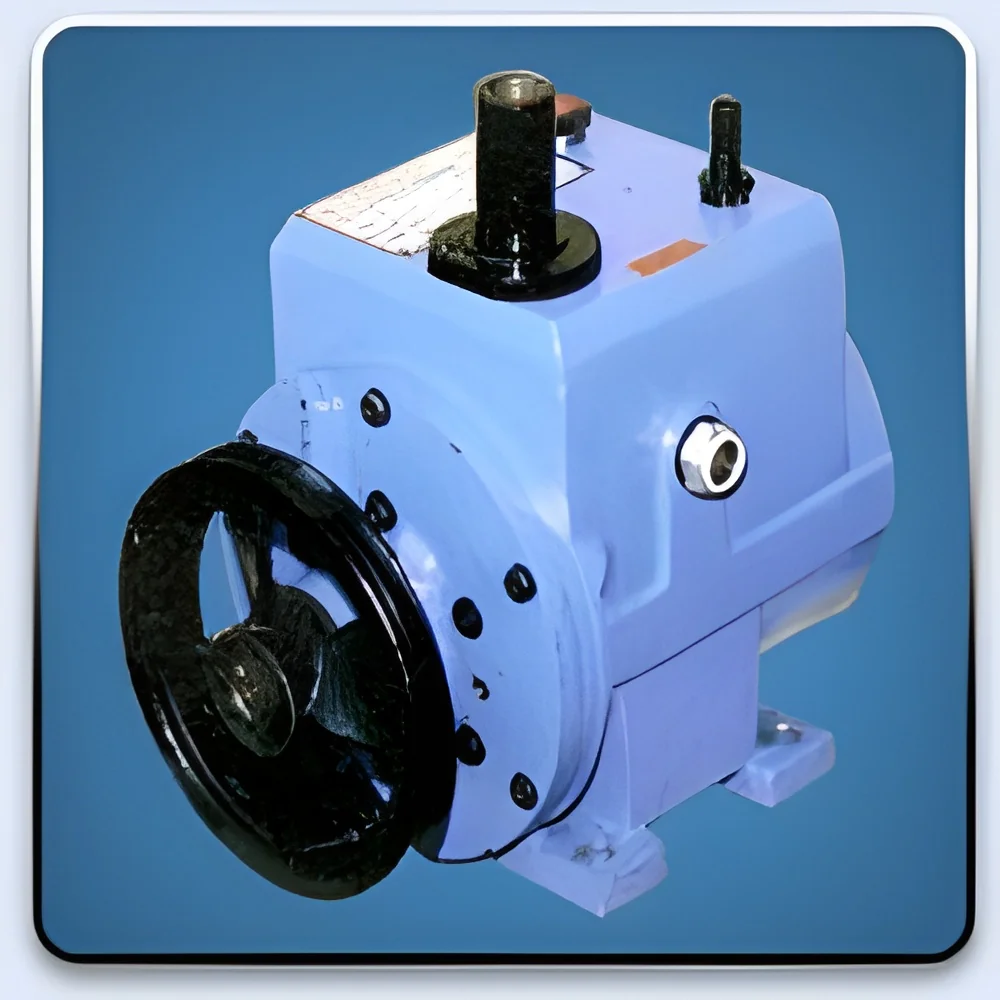
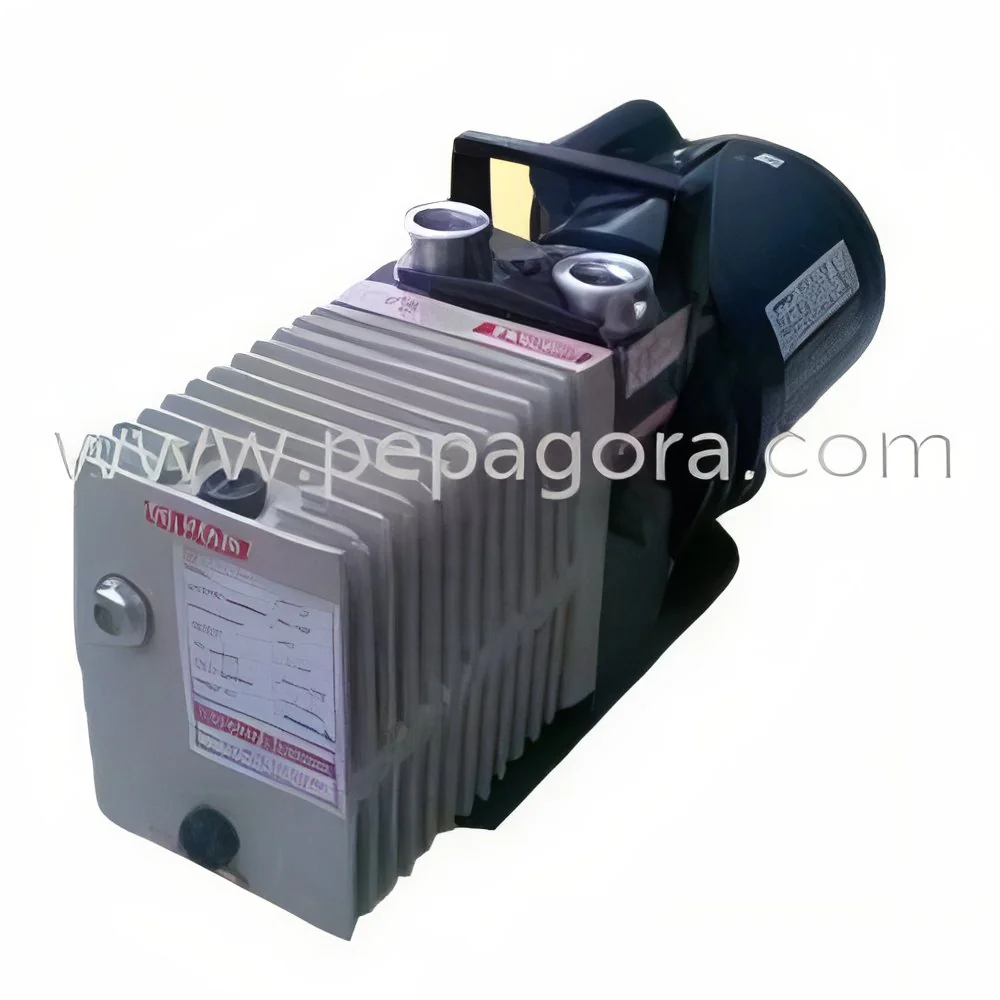
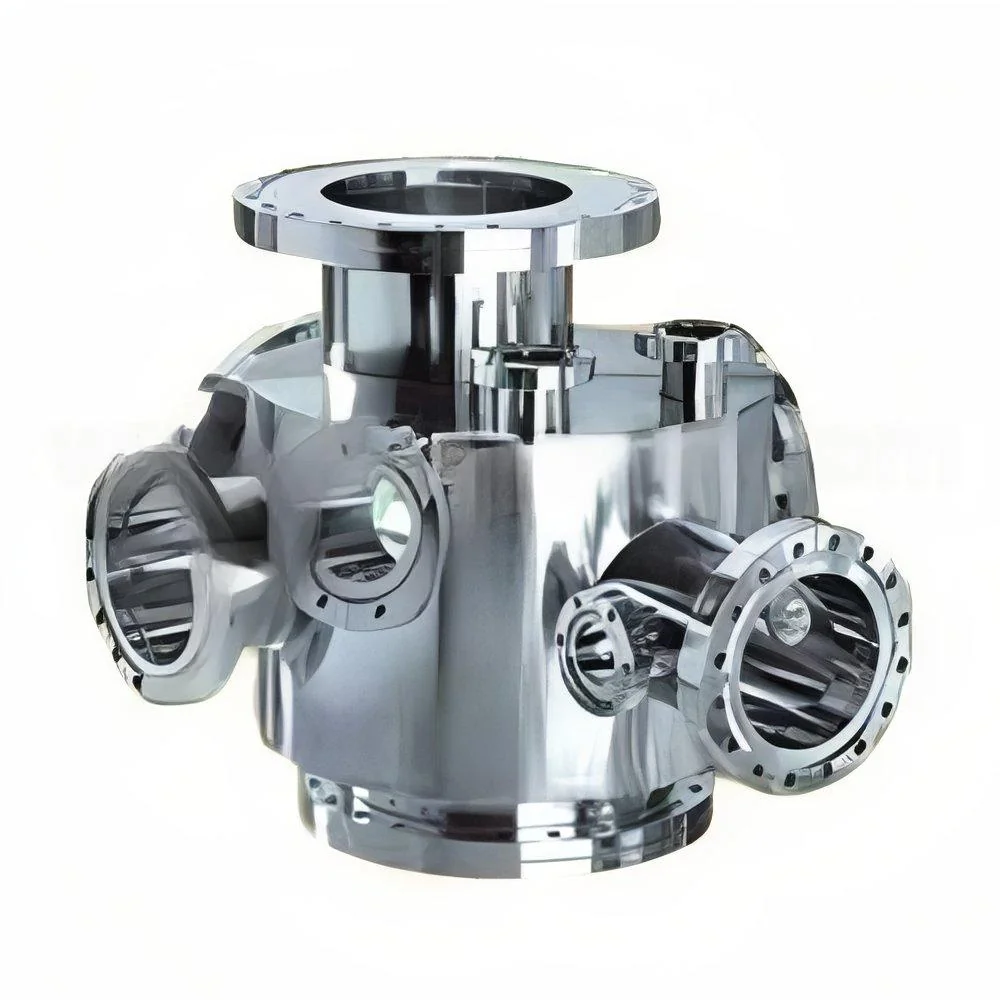
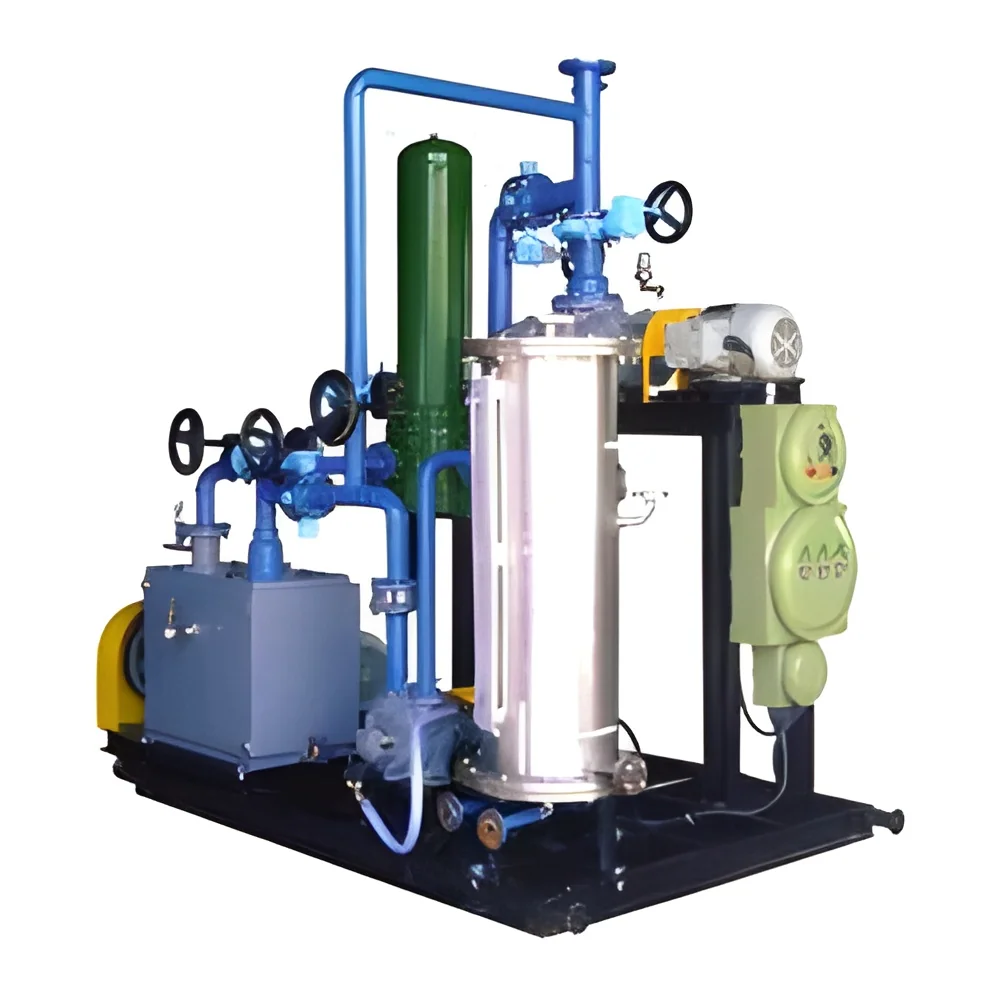
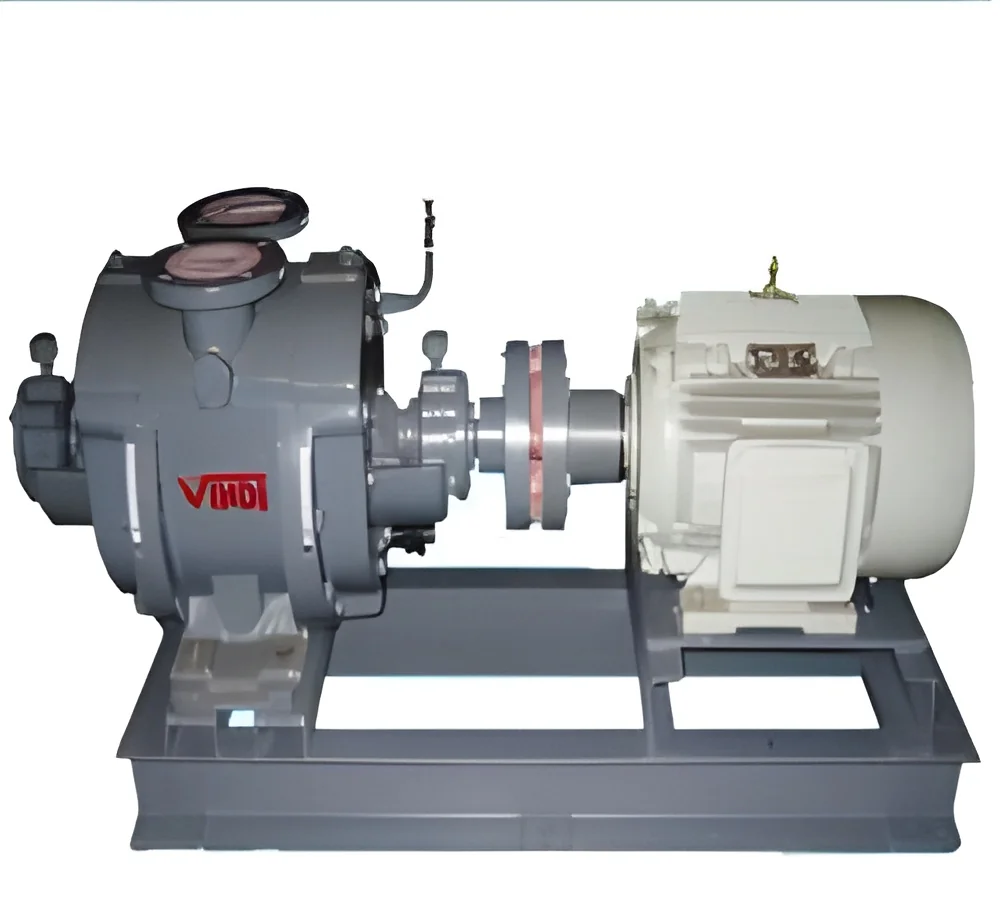
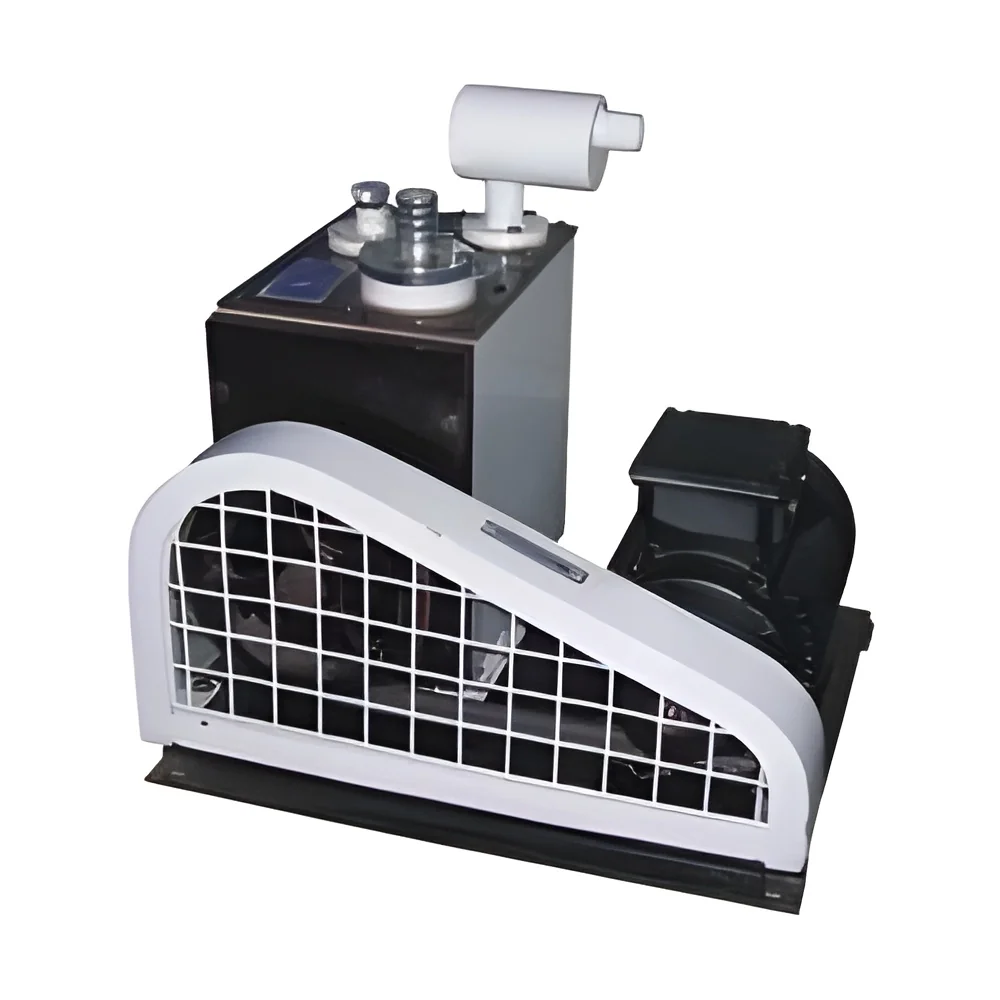
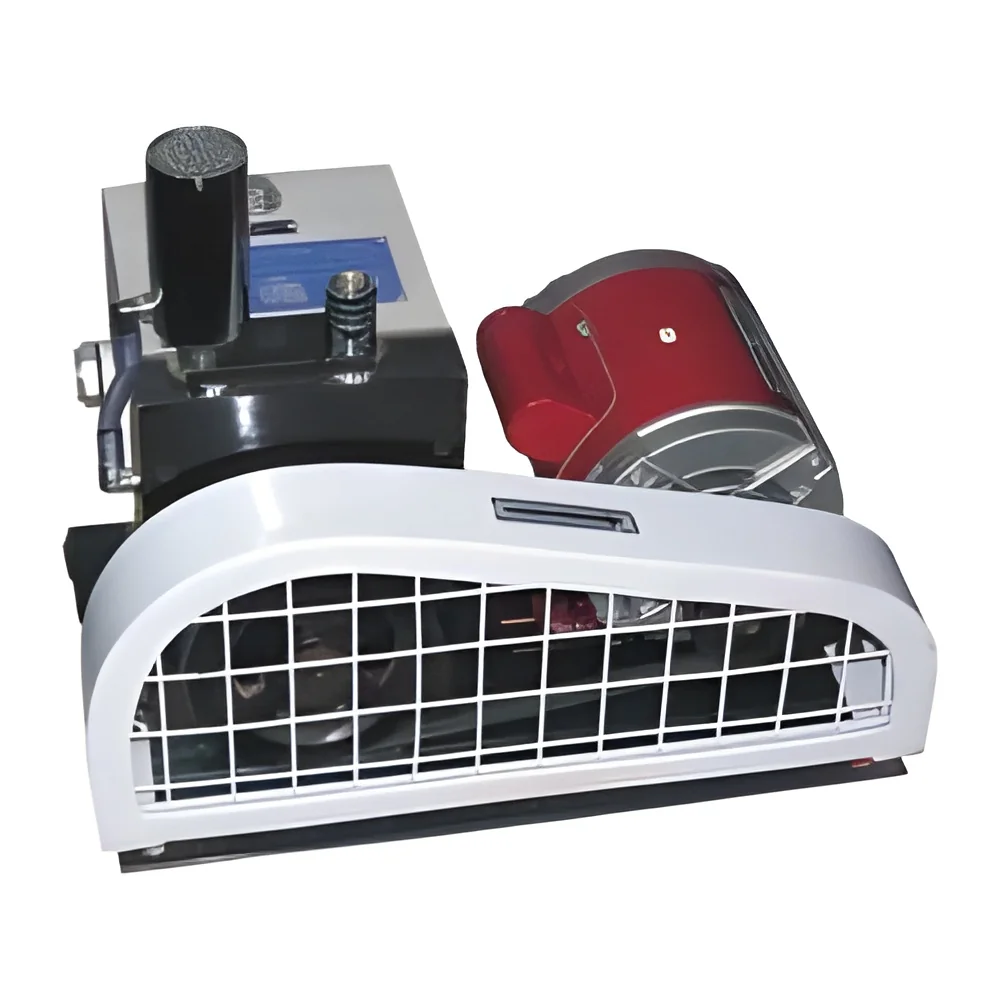
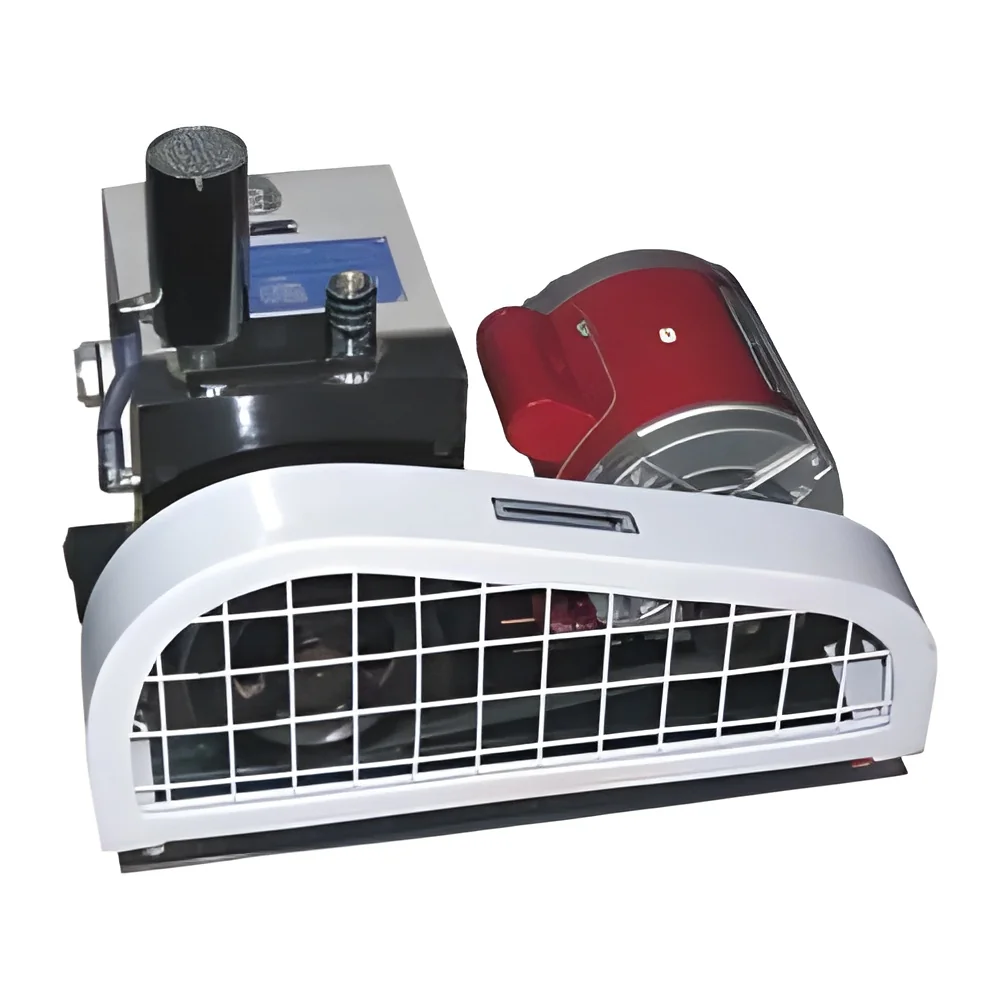
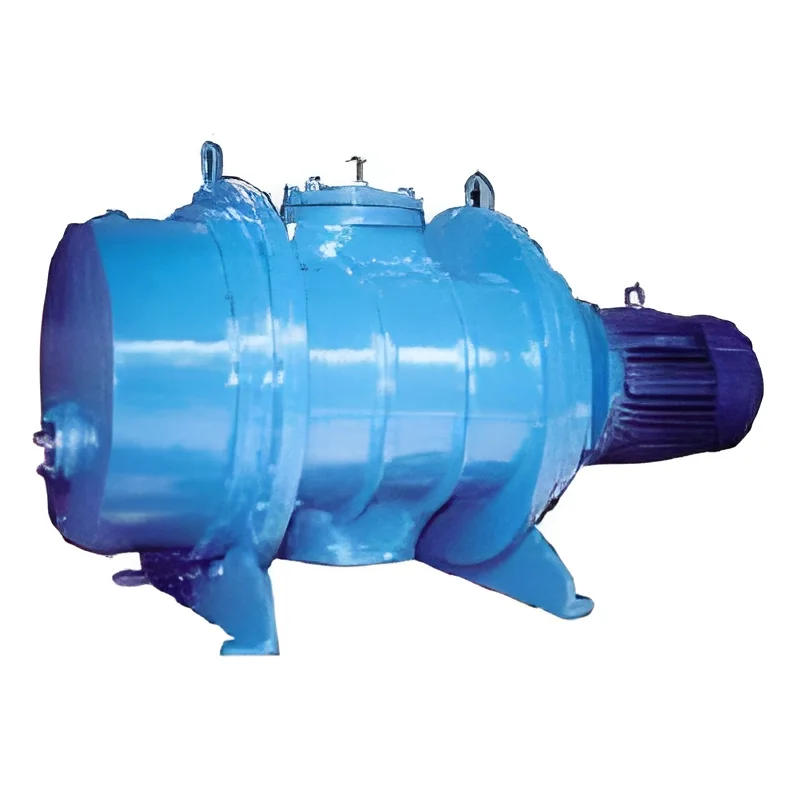
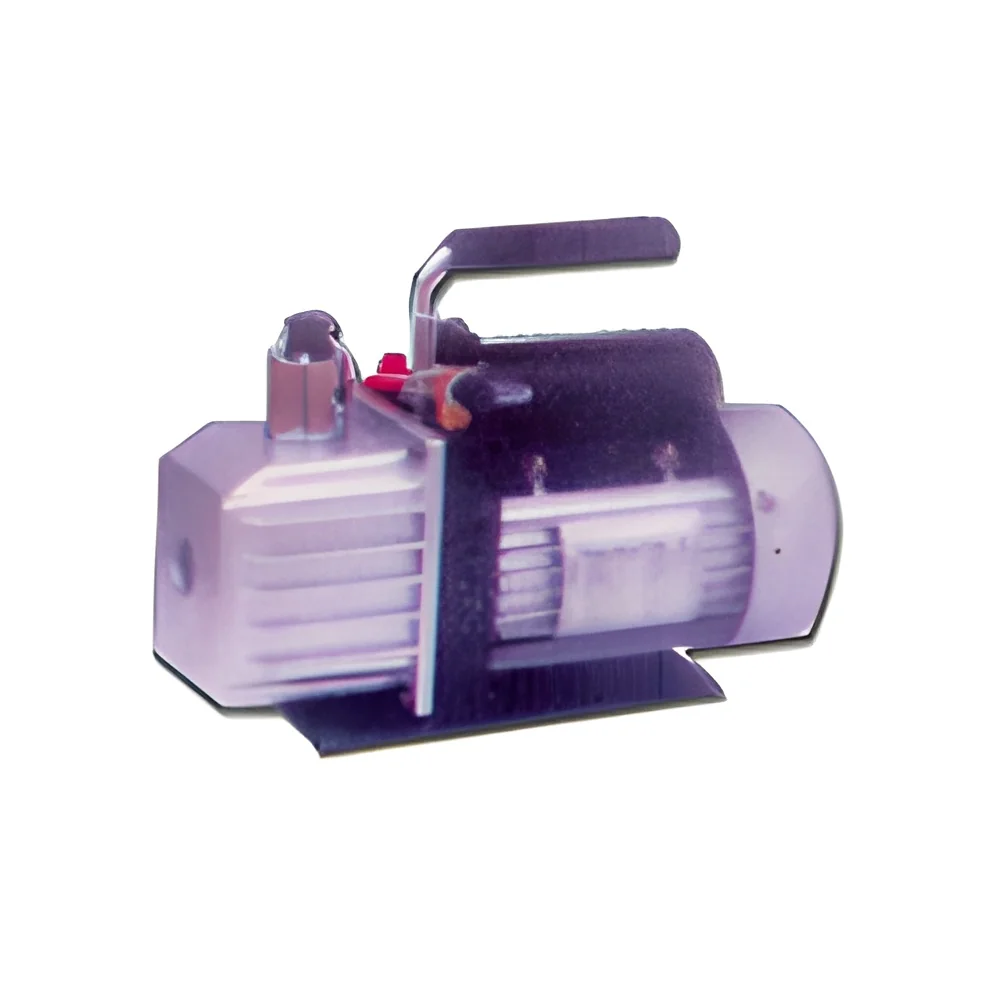
What are Vacuum Tray Dryers?
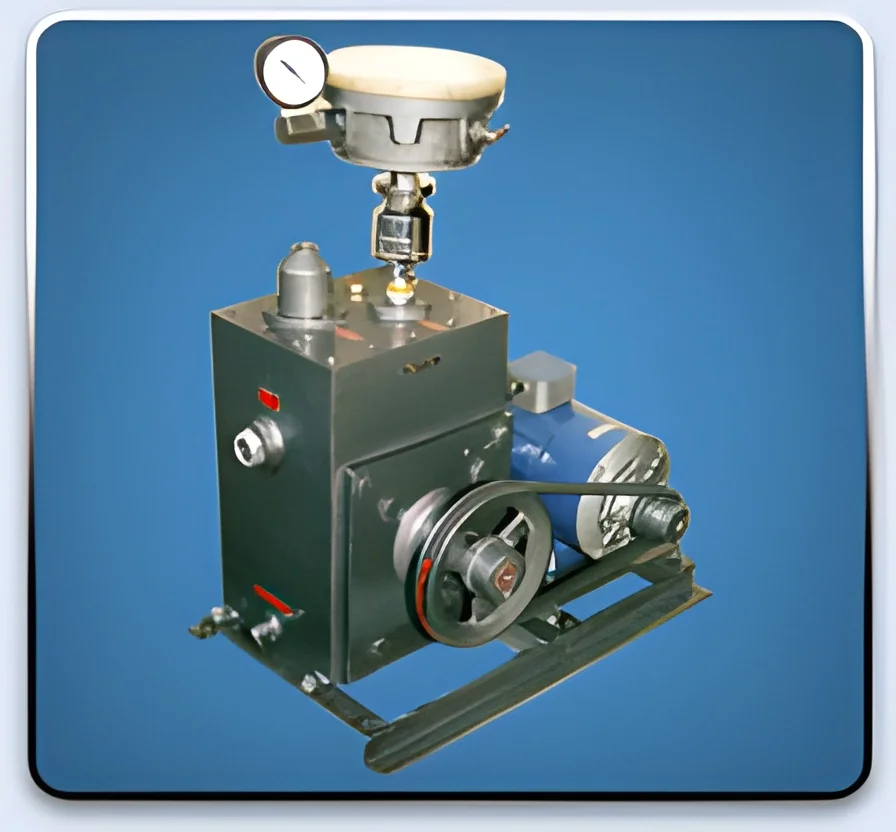
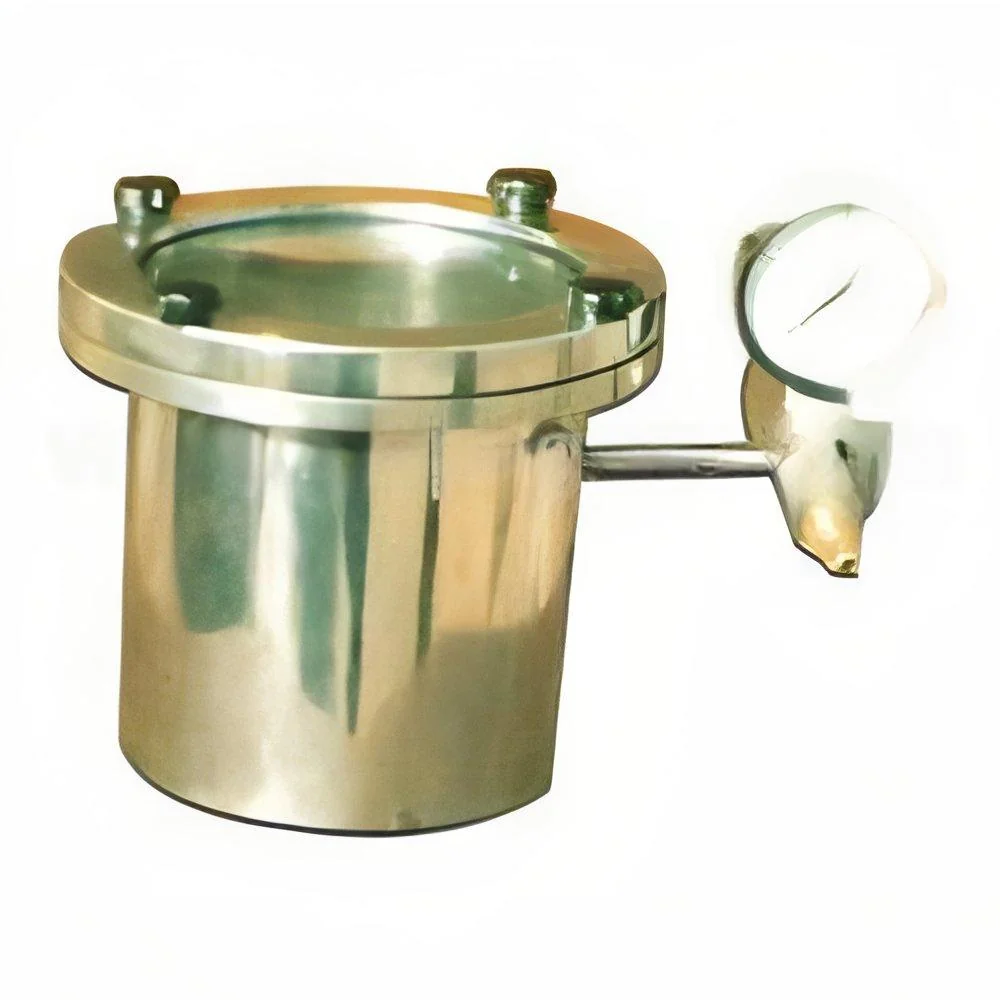
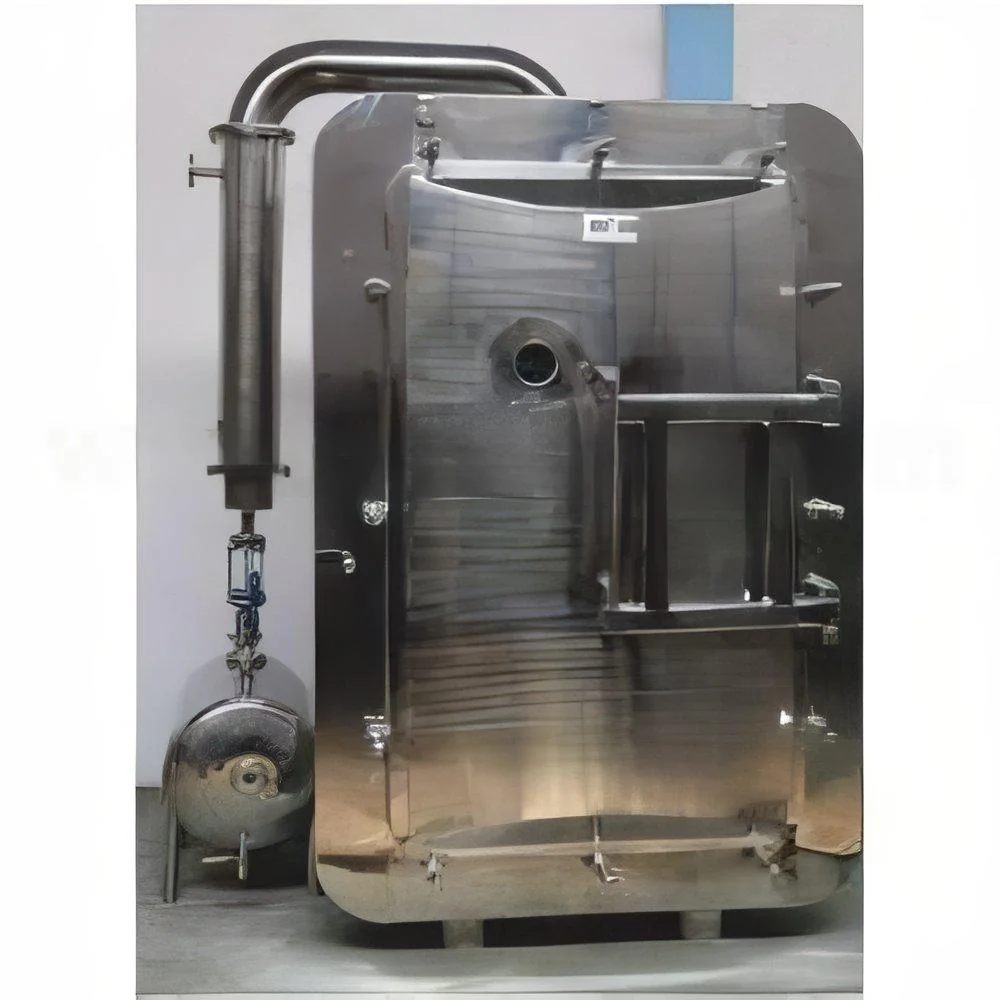
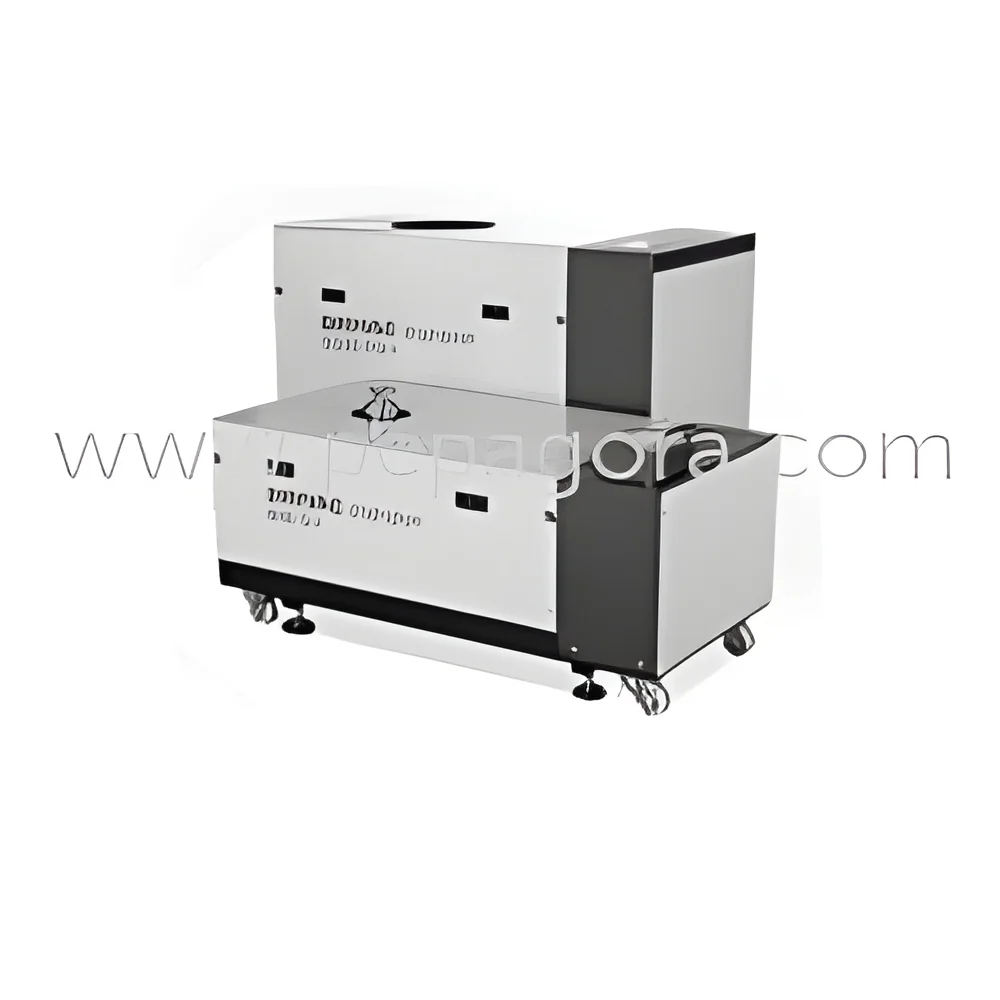
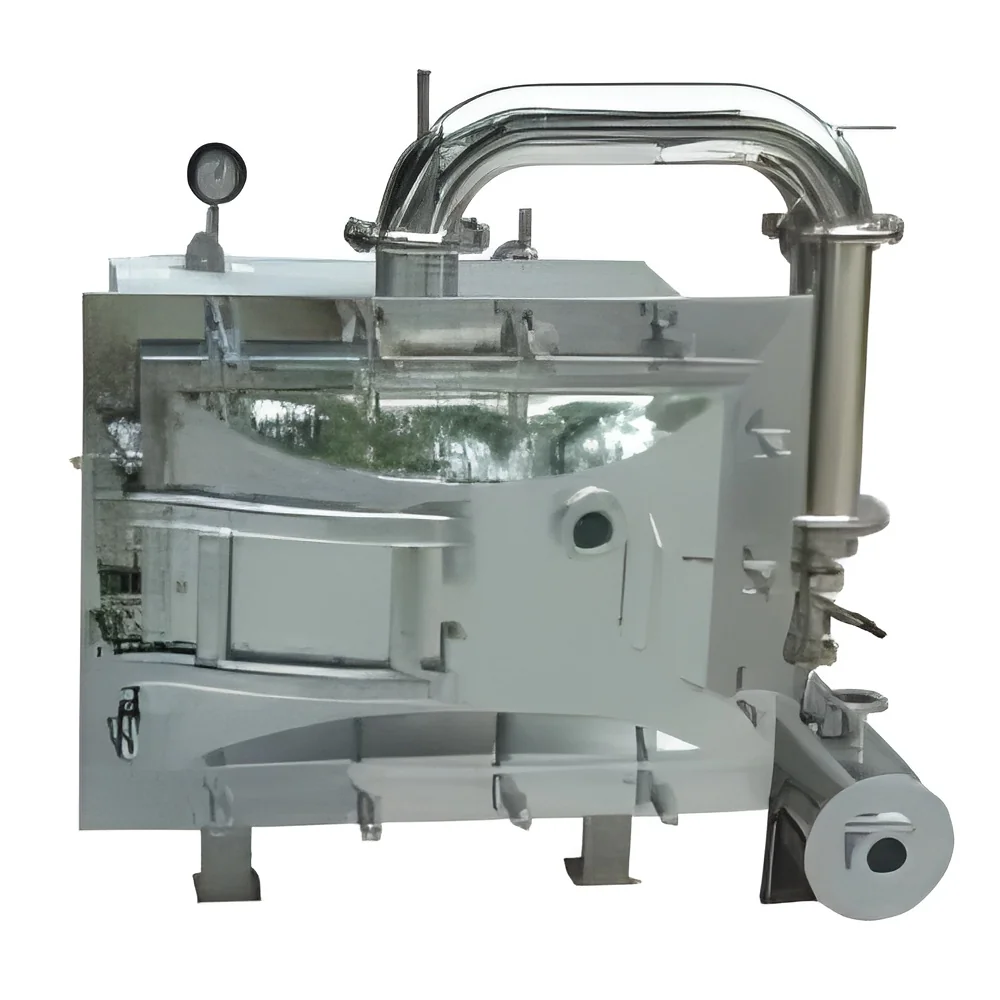
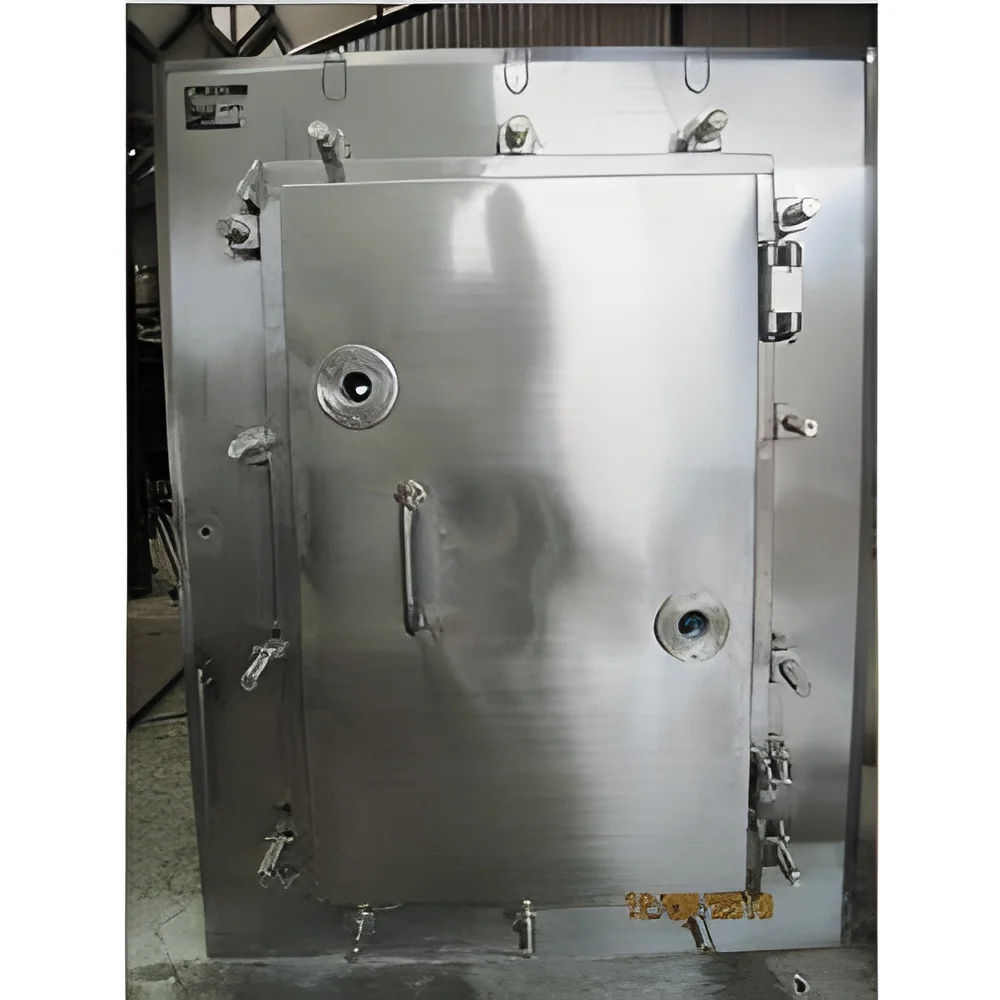
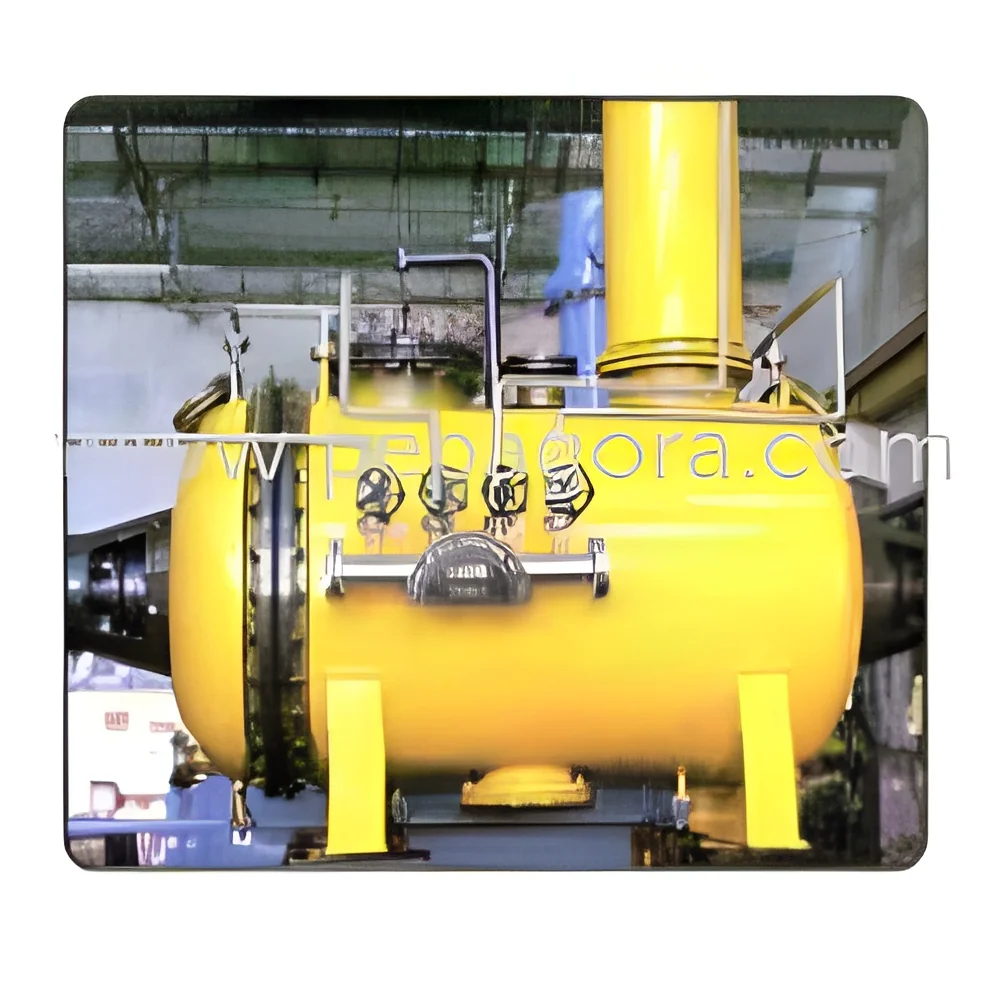
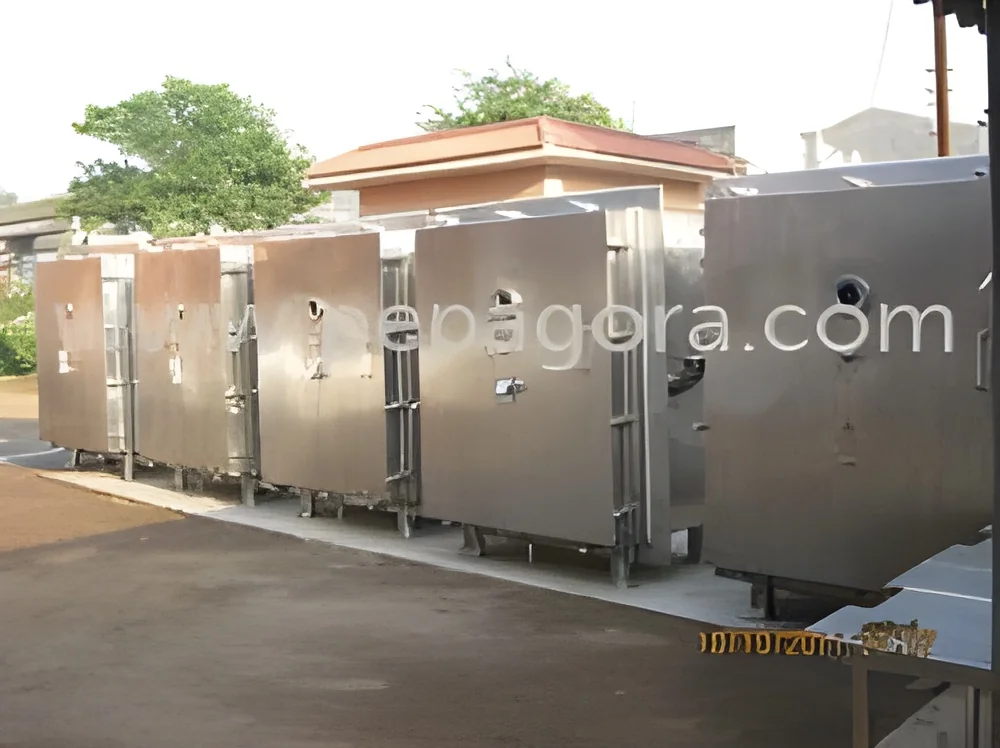
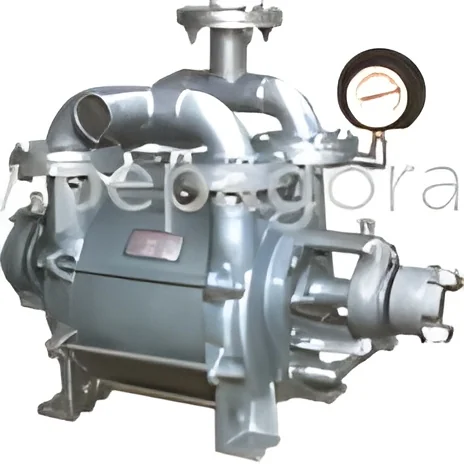
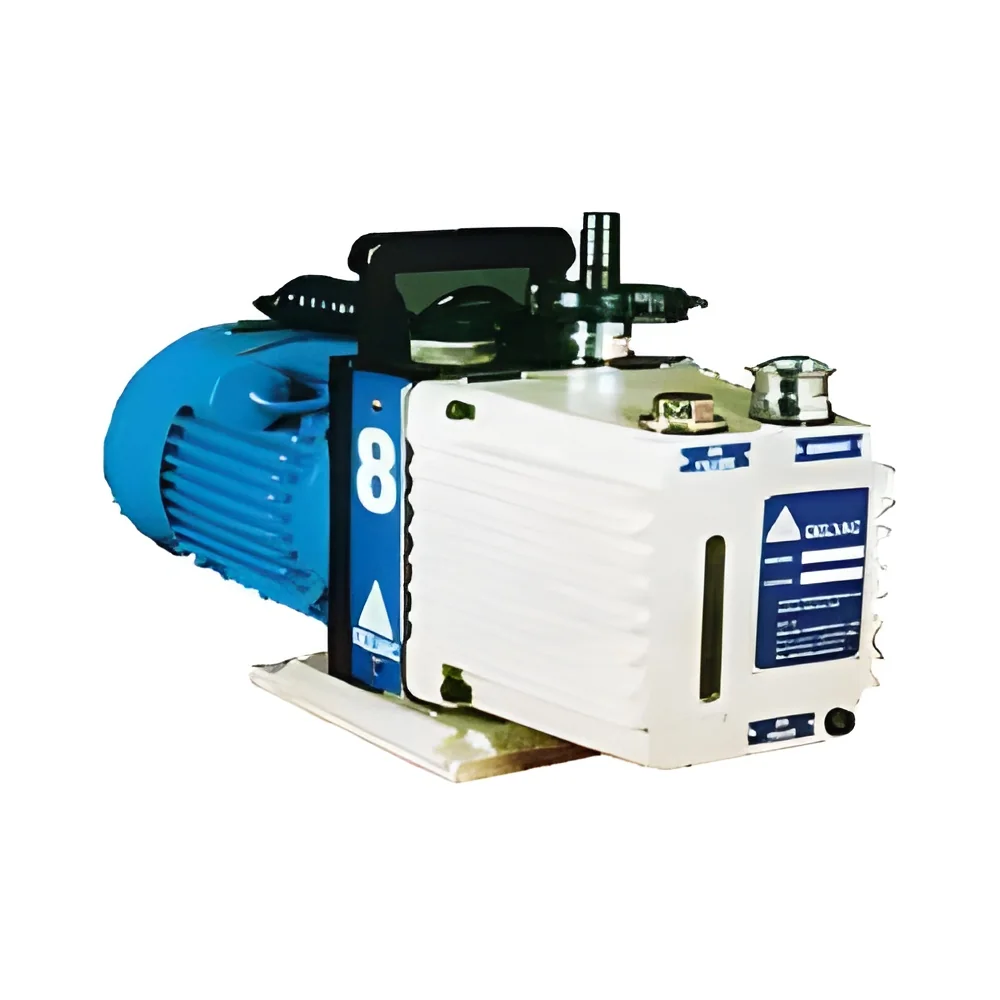
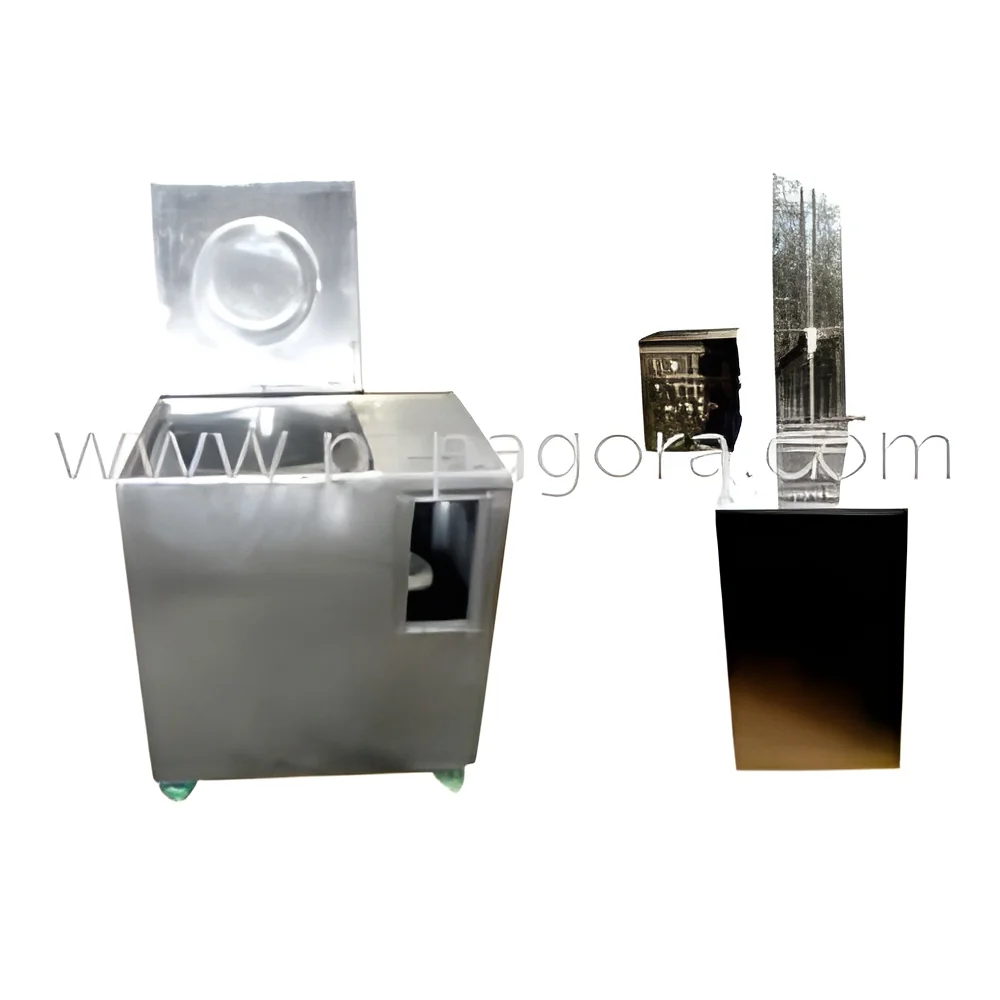
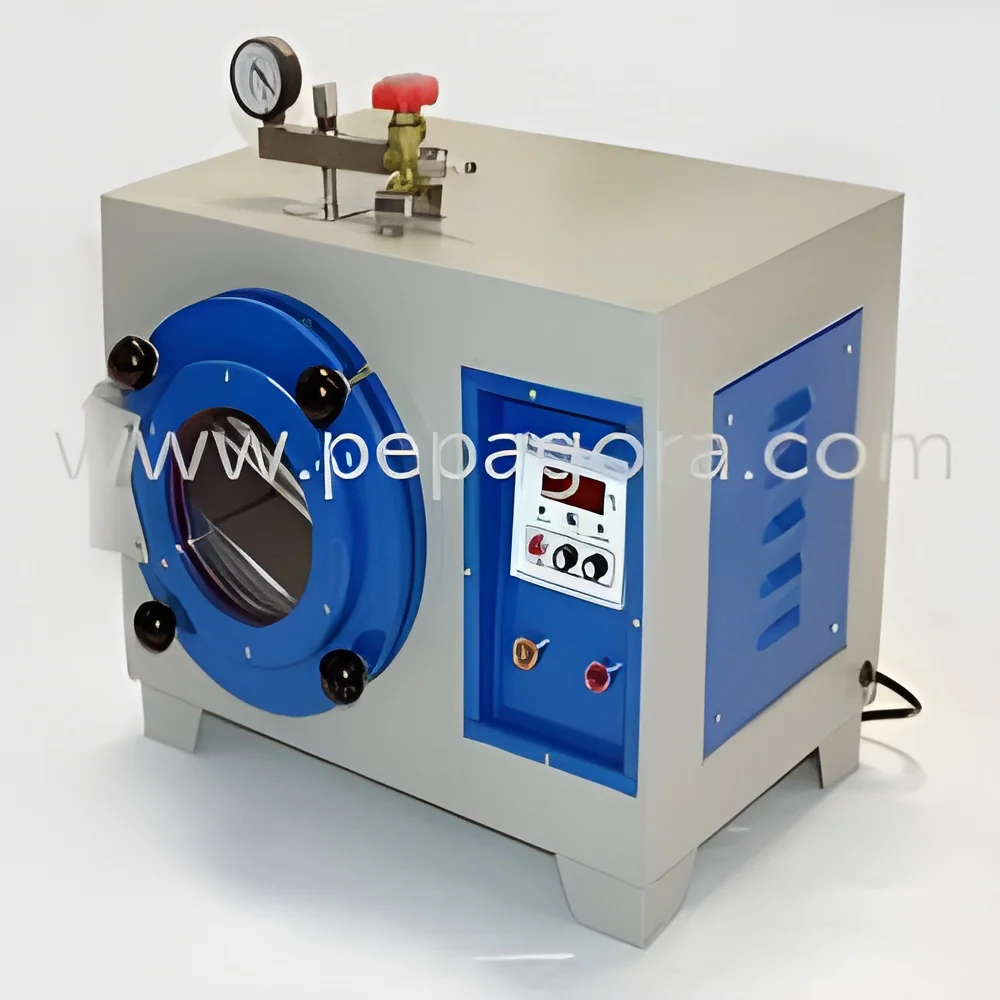
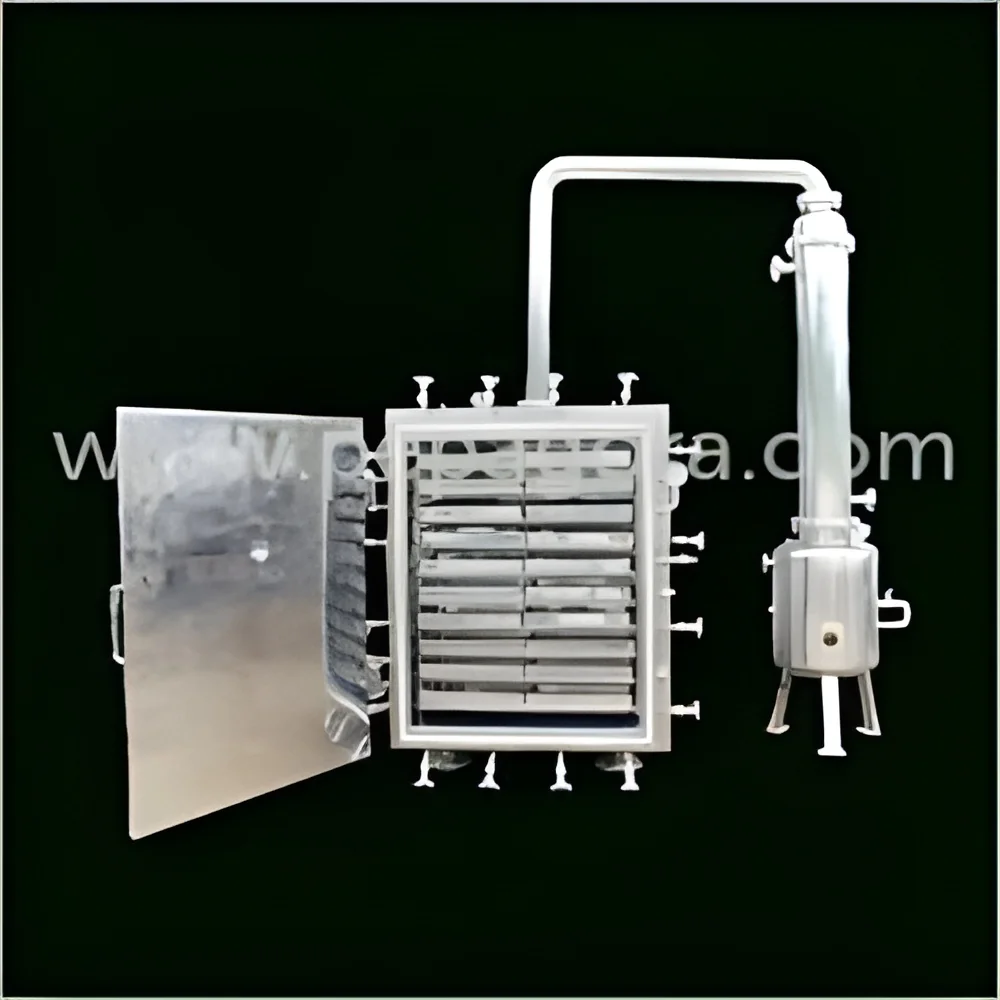
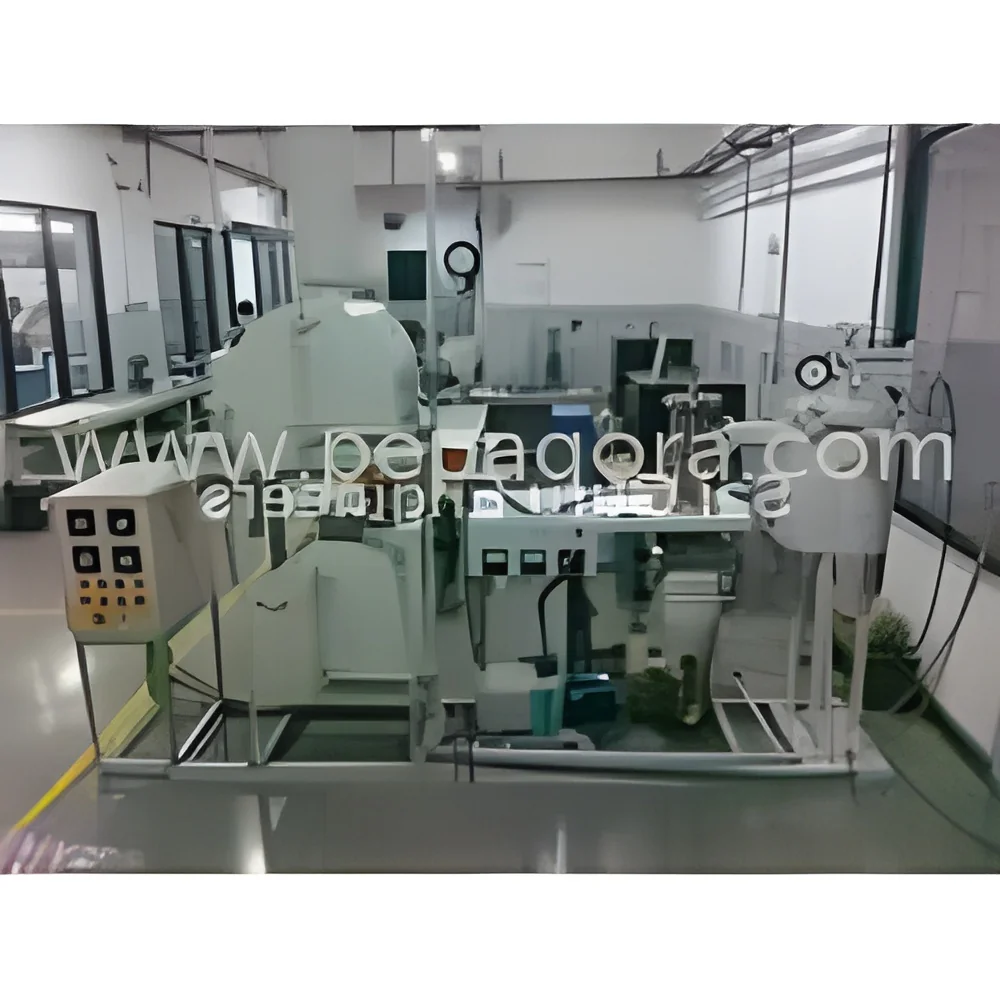
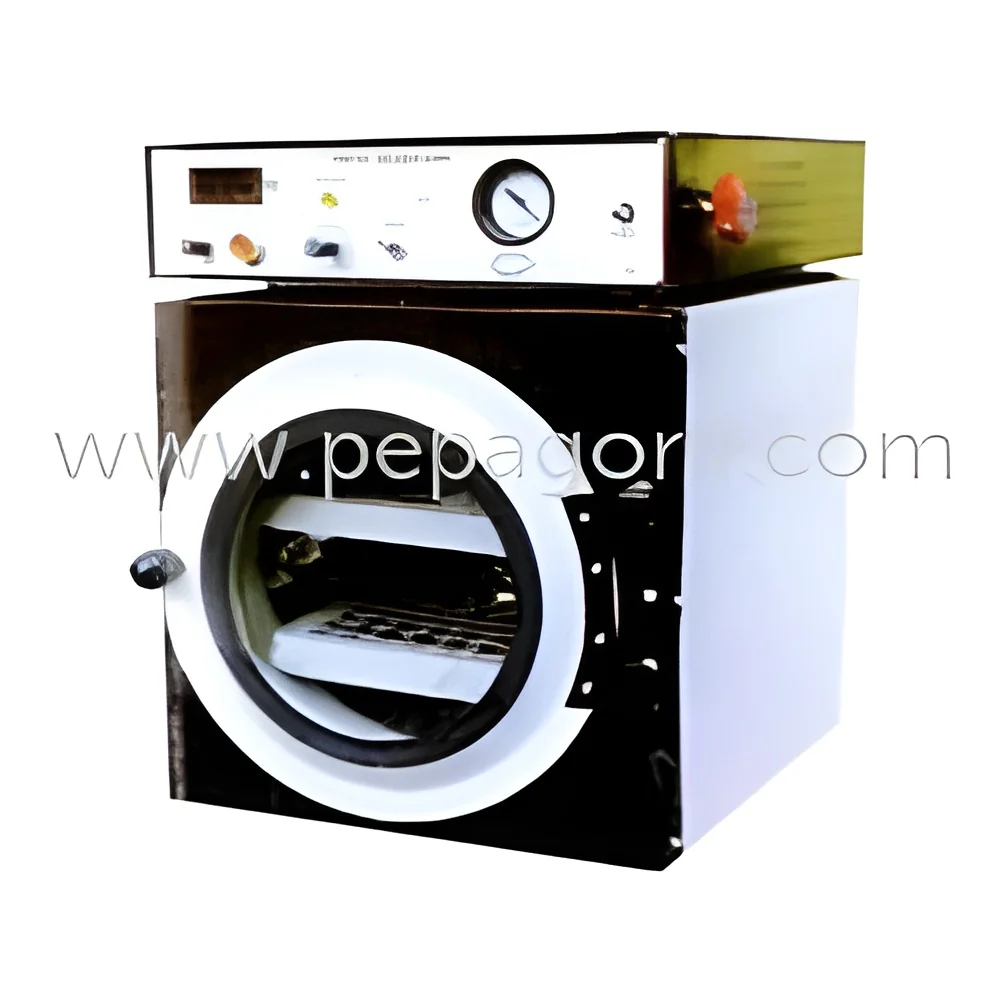
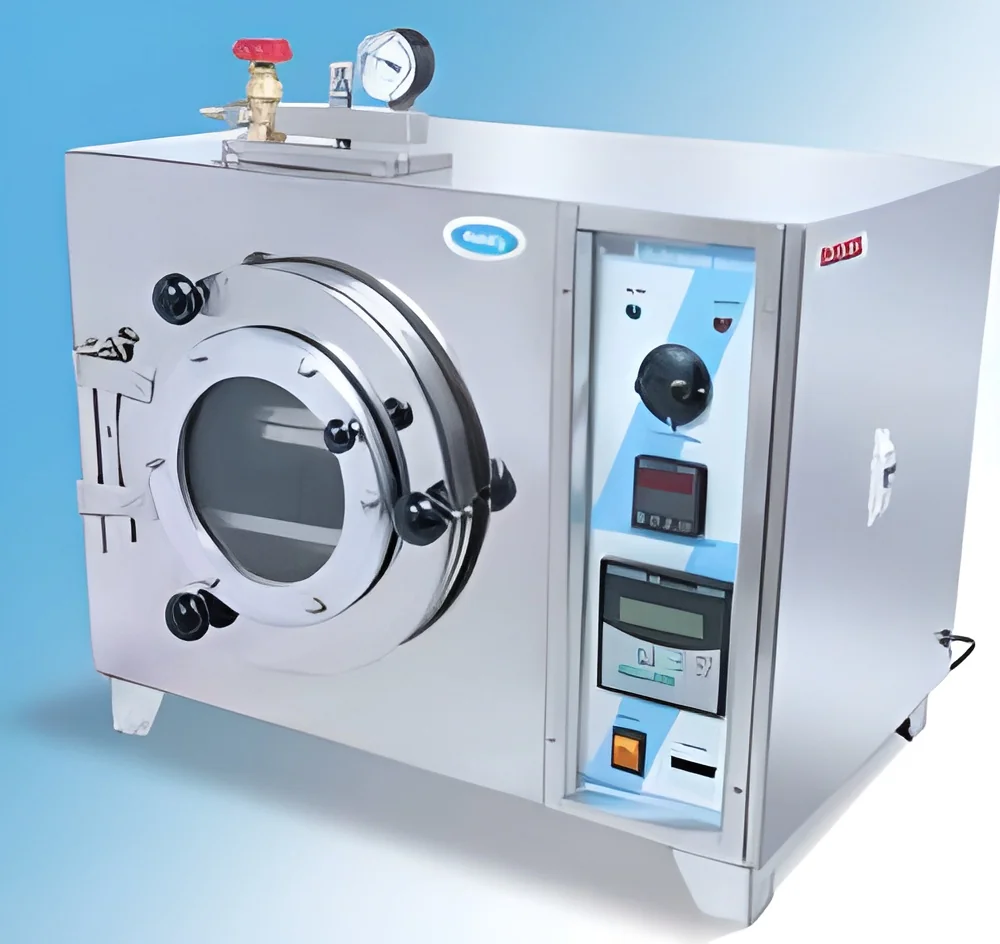
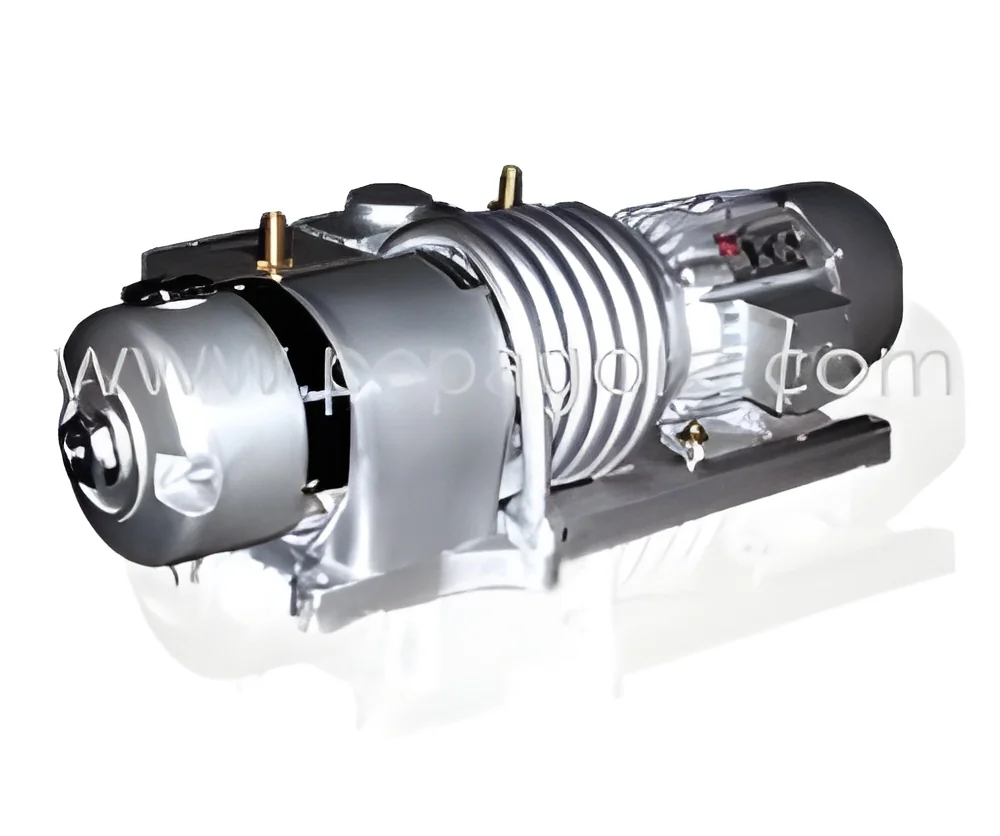
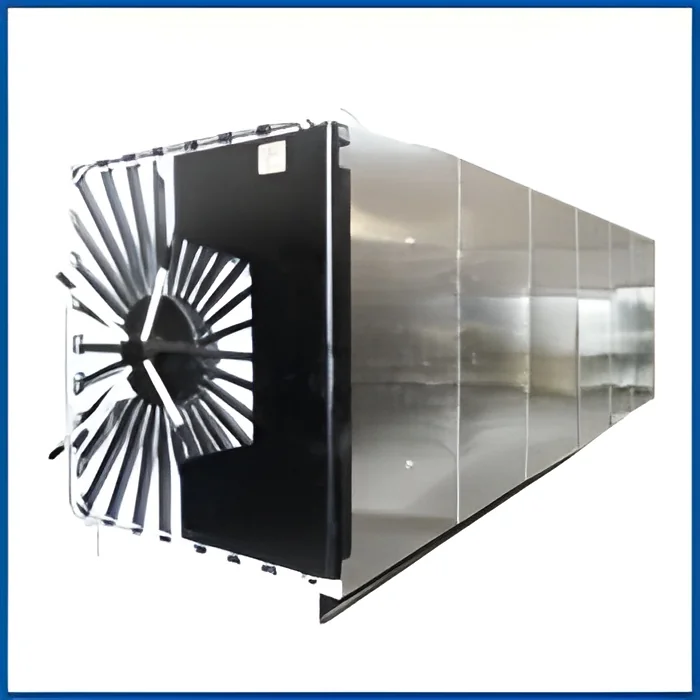
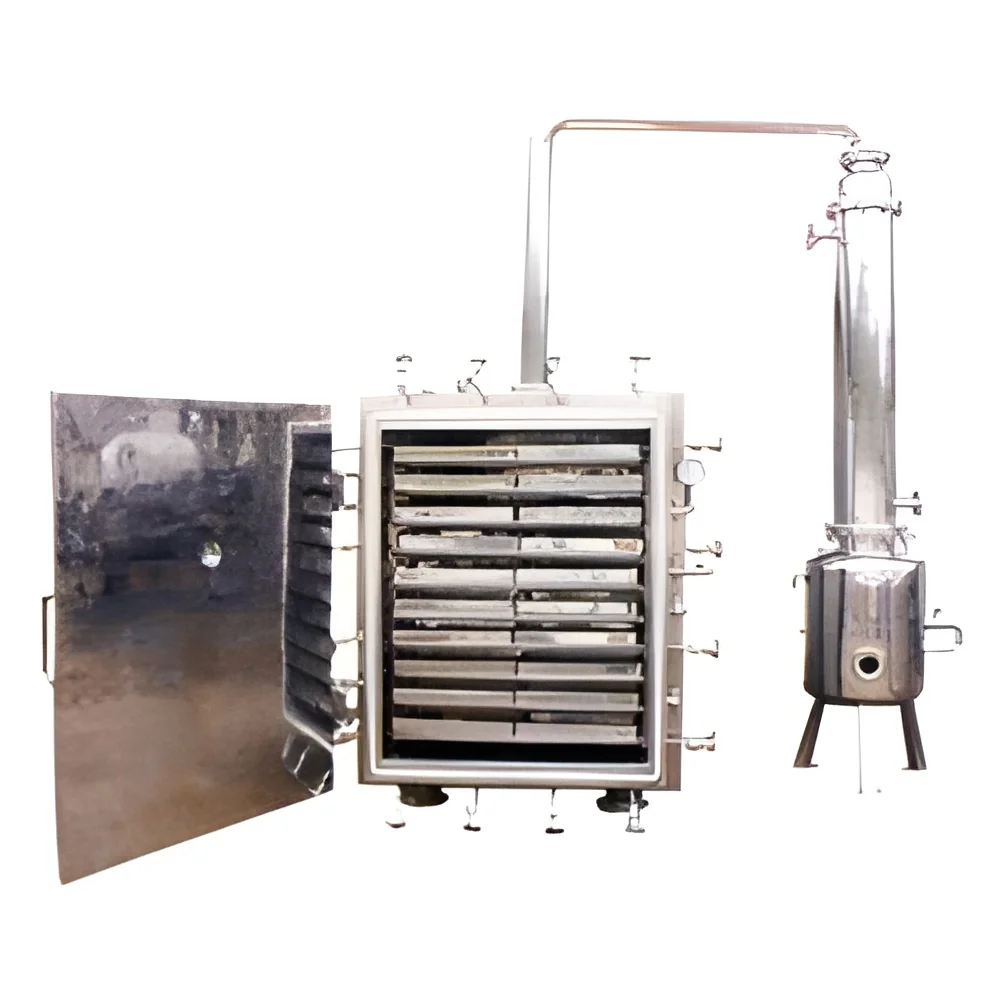
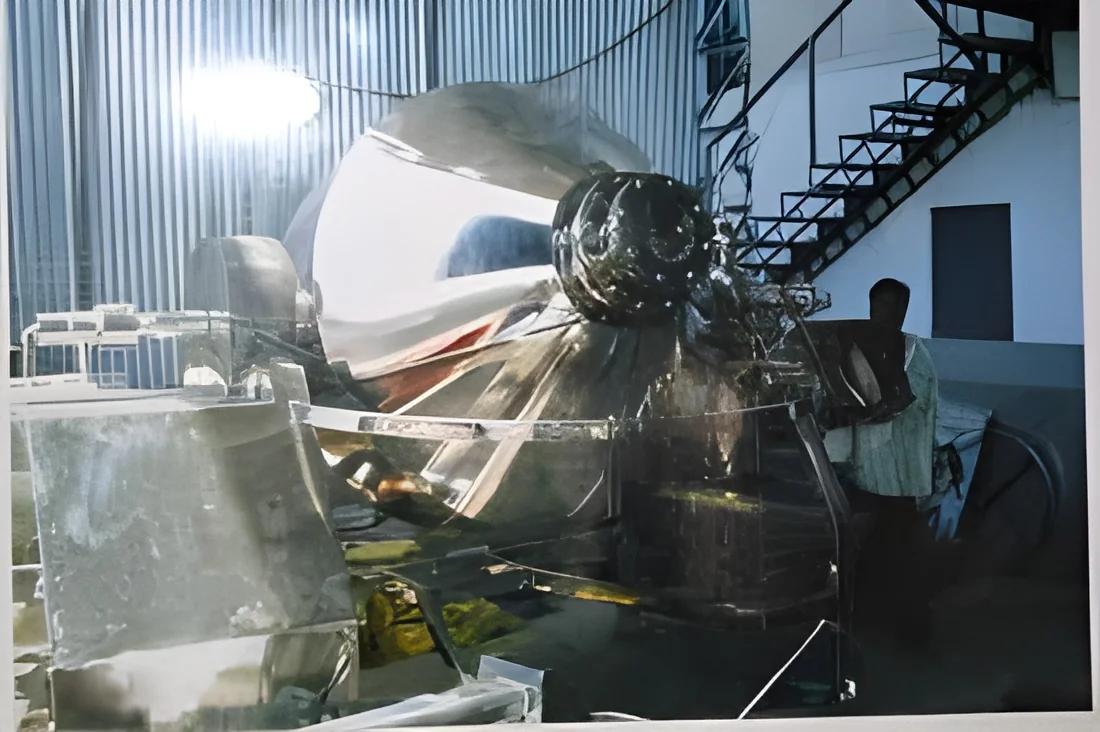
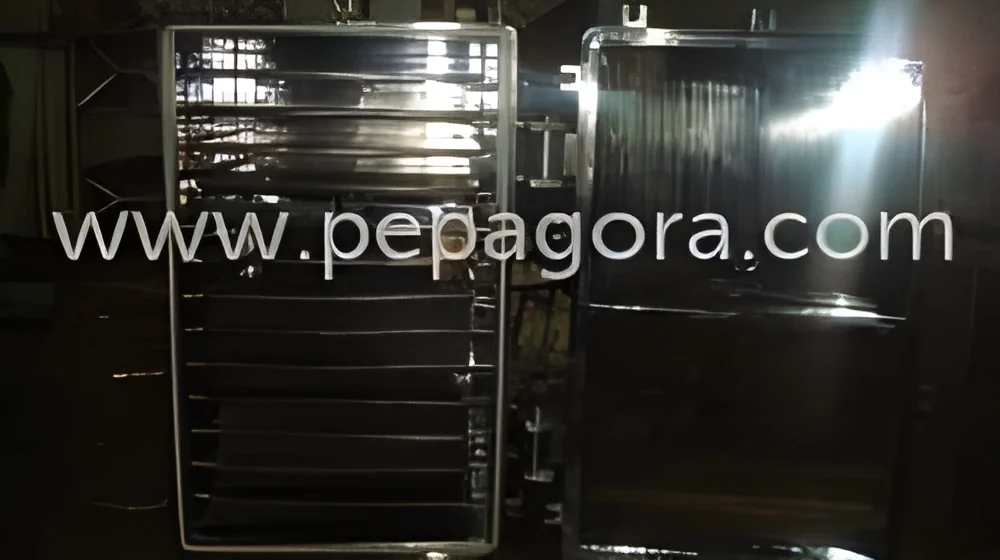
Vacuum tray dryers are specialized industrial equipment designed to efficiently remove moisture from materials through the application of heat in a vacuum environment. This process reduces the boiling point of water, allowing for gentle drying at lower temperatures, which is essential for sensitive materials that may degrade or lose quality when exposed to high heat. The dryers typically consist of multiple trays placed within a chamber, where the vacuum is created to facilitate the drying process.
These dryers are widely used in various industries, including pharmaceuticals, food processing, and chemicals, where maintaining product integrity is crucial. They are ideal for drying heat-sensitive products, powders, and granules. Businesses rely on vacuum tray dryers to enhance their production capabilities, reduce drying times, and ensure uniform moisture content across batches. In today's competitive market, the relevance of vacuum tray dryers is evident as industries seek efficient and reliable solutions for drying processes.
Key Features and Specifications
Vacuum tray dryers come with several features that enhance their performance and usability. Understanding these specifications is essential for businesses looking to invest in this equipment.
Key specifications include:
1. Chamber Material
- Typically constructed from stainless steel to resist corrosion and ensure hygiene.
- Often meets standards for food and pharmaceutical applications.
2. Heating Method
- May use steam, electric, or hot water heating systems.
- Allows for precise temperature control during the drying process.
3. Vacuum Level
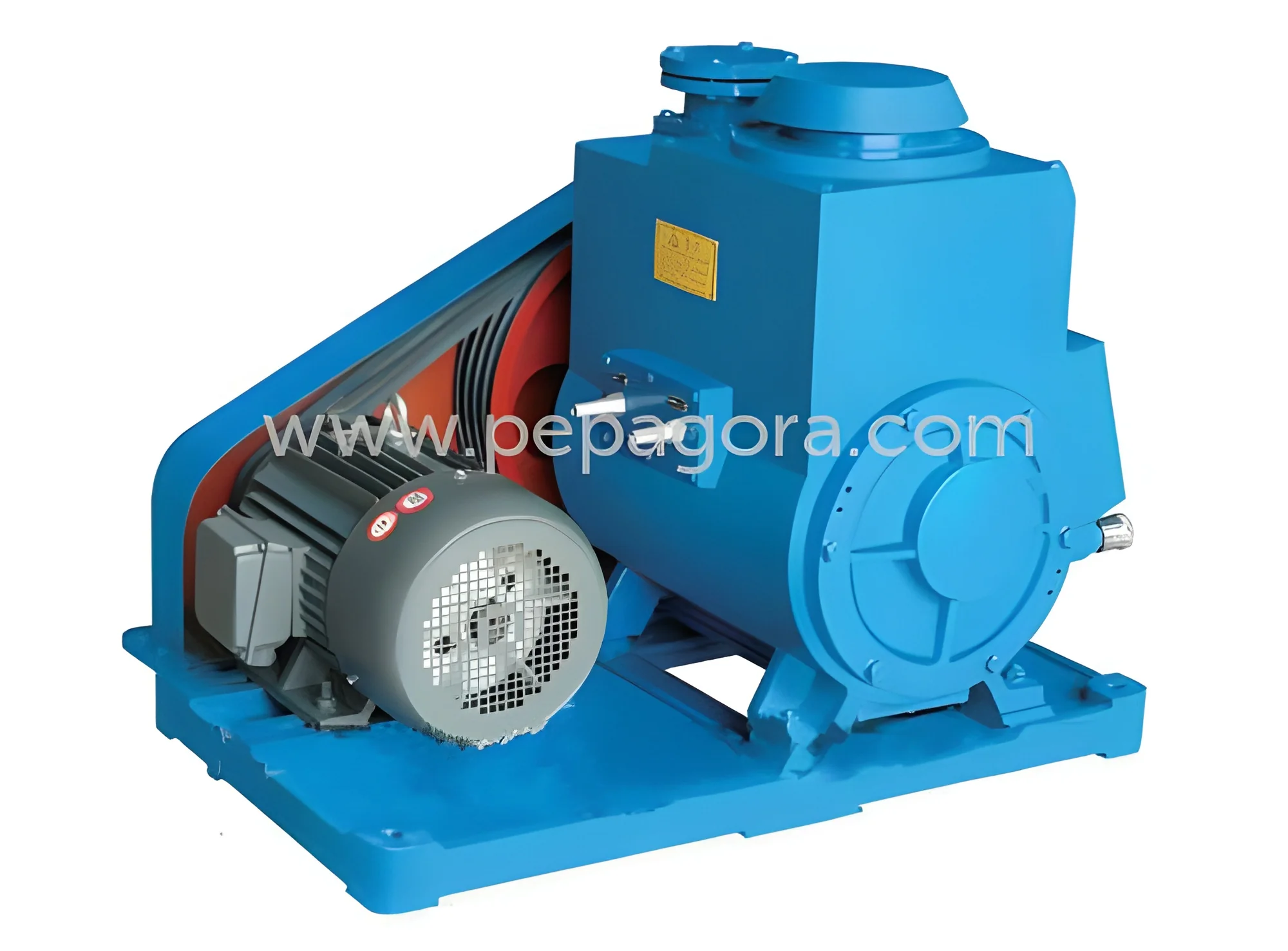
- Can achieve varying degrees of vacuum, usually measured in millibar or torr.
- Higher vacuum levels lead to more efficient drying.
4. Tray Capacity
- Varies depending on the model, accommodating different batch sizes.
- Commonly ranges from small laboratory units to large industrial systems.
5. Temperature Range
- Generally supports a wide range of temperatures suitable for various materials.
- Specific temperature parameters are often tailored to user requirements.
6. Control System
- Many models feature advanced control systems for monitoring and adjusting temperature and vacuum levels.
- Automation options are available for improved efficiency.
7. Energy Efficiency
- Designed to minimize energy consumption while optimizing drying performance.
- Some units may include heat recovery systems.
8. Safety Features
- Equipped with alarms and shut-off systems to prevent overheating or pressure issues.
- Compliance with industry safety standards is crucial.
In summary, vacuum tray dryers are versatile machines with essential features that cater to diverse drying needs across multiple industries.
Common Applications and Use Cases
Vacuum tray dryers find applications in a range of industries due to their efficiency and effectiveness.
1. Pharmaceuticals: Used for drying active pharmaceutical ingredients and formulations while preserving their integrity.
2. Food Processing: Ideal for dehydrating fruits, vegetables, and herbs without compromising flavor or nutritional value.
3. Chemicals: Employed in drying powders and granules, particularly in specialty chemical manufacturing.
4. Biotechnology: Utilized for drying biological materials where temperature control is critical to maintain viability.
5. Laboratory Research: Commonly found in research facilities for drying samples in a controlled environment.
6. Cosmetics: Applied in the production of powders and creams that require low moisture content for stability.
7. Agriculture: Used for drying agricultural products and by-products, enhancing shelf life and usability.
Product Variants and Subcategories
Vacuum tray dryers come in various configurations to meet specific needs within different industries.
Laboratory Vacuum Tray Dryer
This variant is designed for small-scale applications, ideal for research and development purposes. It features a compact design and precise control for testing moisture removal from various materials.
Industrial Vacuum Tray Dryer
Built for large-scale production, this variant can handle significant batch sizes. It often includes advanced automation features and is tailored for high-volume manufacturing processes.
Batch Vacuum Tray Dryer
This type is suitable for processing discrete batches of materials, allowing for flexibility and quick changeovers between different products.
Continuous Vacuum Tray Dryer
Designed for uninterrupted operation, this variant supports continuous material feed and provides consistent drying results, suitable for high-demand environments.
Benefits and Advantages
Investing in vacuum tray dryers offers numerous benefits that enhance operational efficiency.
1. Improved Product Quality: The gentle drying process prevents thermal degradation, ensuring product integrity.
2. Energy Efficiency: These dryers typically consume less energy compared to traditional drying methods, leading to reduced operational costs.
3. Versatility: Capable of handling a wide variety of materials, making them suitable for various industries.
4. Enhanced Control: Advanced monitoring systems allow for precise adjustments in temperature and vacuum, ensuring optimal drying conditions.
5. Reduced Drying Times: The vacuum environment accelerates moisture removal, increasing production efficiency.
6. Compliance with Standards: Many vacuum tray dryers meet industry-specific regulations, ensuring safety and quality in production.
Buying Guide for B2B Buyers
When sourcing vacuum tray dryers, several factors should be considered to make an informed purchase decision.
1. Quality Assessment: Evaluate the quality of materials and manufacturing processes. Look for certifications like CE to ensure product reliability.
2. Supplier Verification: Vet suppliers through reviews and industry reputation. A verified supplier network can provide assurance of quality and service.
3. Pricing and MOQ: Understand pricing structures and minimum order quantities. This can impact budget planning and financial feasibility.
4. Delivery and Lead Times: Inquire about delivery schedules and lead times. Timely delivery is crucial for maintaining production schedules.
5. Compliance Requirements: Ensure that the equipment meets relevant regulatory standards for your industry. This is essential for safety and legal compliance.
Compliance and Certifications
Vacuum tray dryers must adhere to various quality standards and certifications to ensure safe and effective operation.
ISO 9001 is a commonly recognized quality management standard that outlines requirements for maintaining consistent product quality. Compliance with this standard reflects a commitment to quality assurance in manufacturing processes.
HACCP (Hazard Analysis Critical Control Point) certification is particularly important in the food industry, ensuring that the drying process does not compromise food safety.
Additionally, CE certification indicates that the equipment meets European safety and environmental requirements, which is crucial for market access in Europe.
Safety and testing requirements are also vital, ensuring that the equipment operates without hazards to personnel or the environment. Regional compliance considerations should be taken into account based on local regulations governing equipment used in industrial processes.
Why Source Vacuum Tray Dryers from Pepagora?
Pepagora provides a trusted platform for sourcing vacuum tray dryers, offering several key advantages to B2B buyers.
Verified Supplier Network: Pepagora ensures that all suppliers in their network are thoroughly vetted, providing buyers with confidence in the quality and reliability of products.
Streamlined RFQ Process: The request for quotation system is designed to simplify the purchasing process, allowing buyers to quickly obtain and compare quotes from multiple suppliers.
Trade Assurance and Support: Pepagora offers buyer protection through trade assurance programs, ensuring that transactions are secure and that buyers receive the products as promised.
Regional Coverage: With a strong presence in India, the GCC, and Southeast Asia, Pepagora connects buyers with local suppliers, facilitating easier access to vacuum tray dryers tailored to regional needs.

 IN
IN

 India
India