What are Plate & Frame Filter Presses?
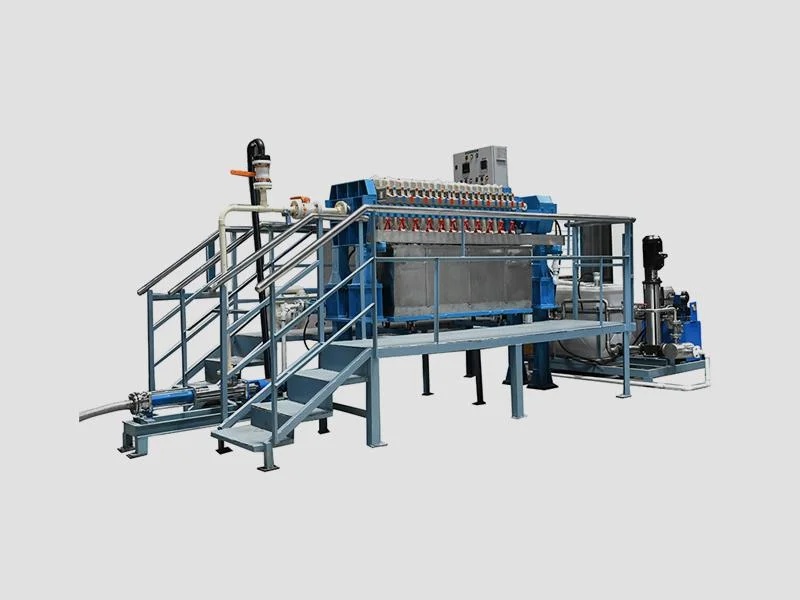
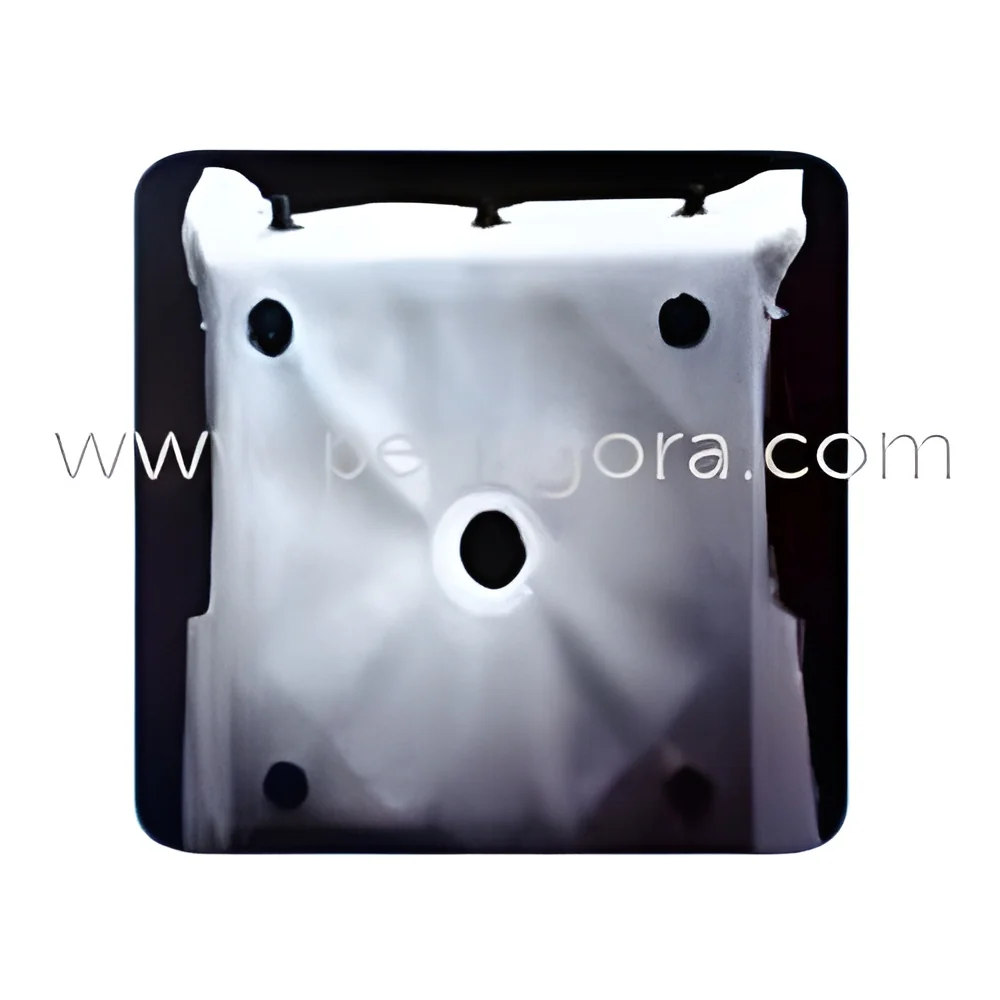
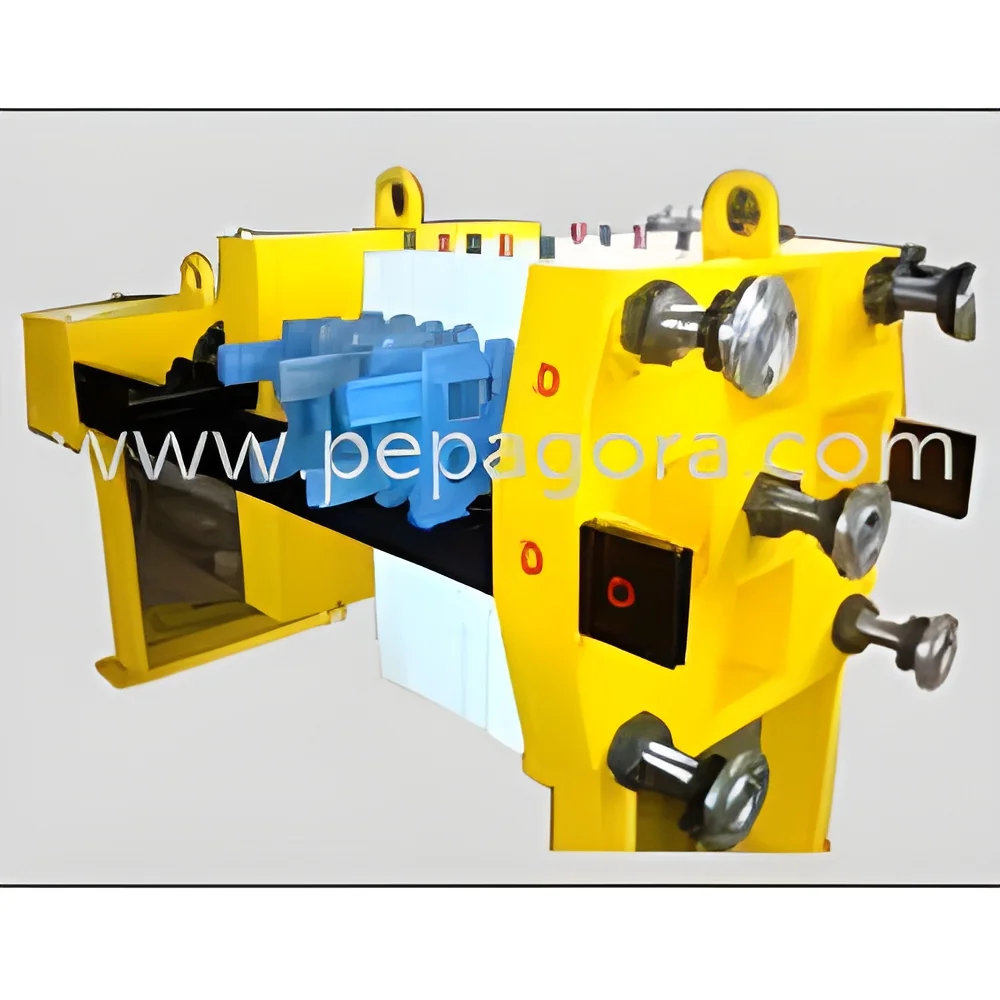
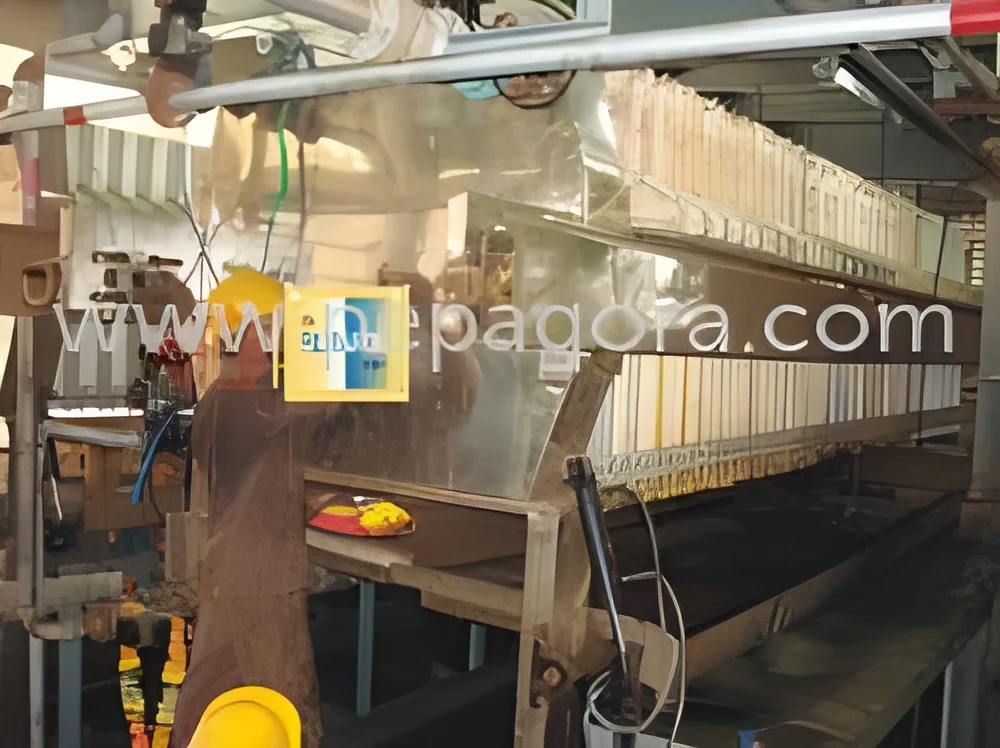
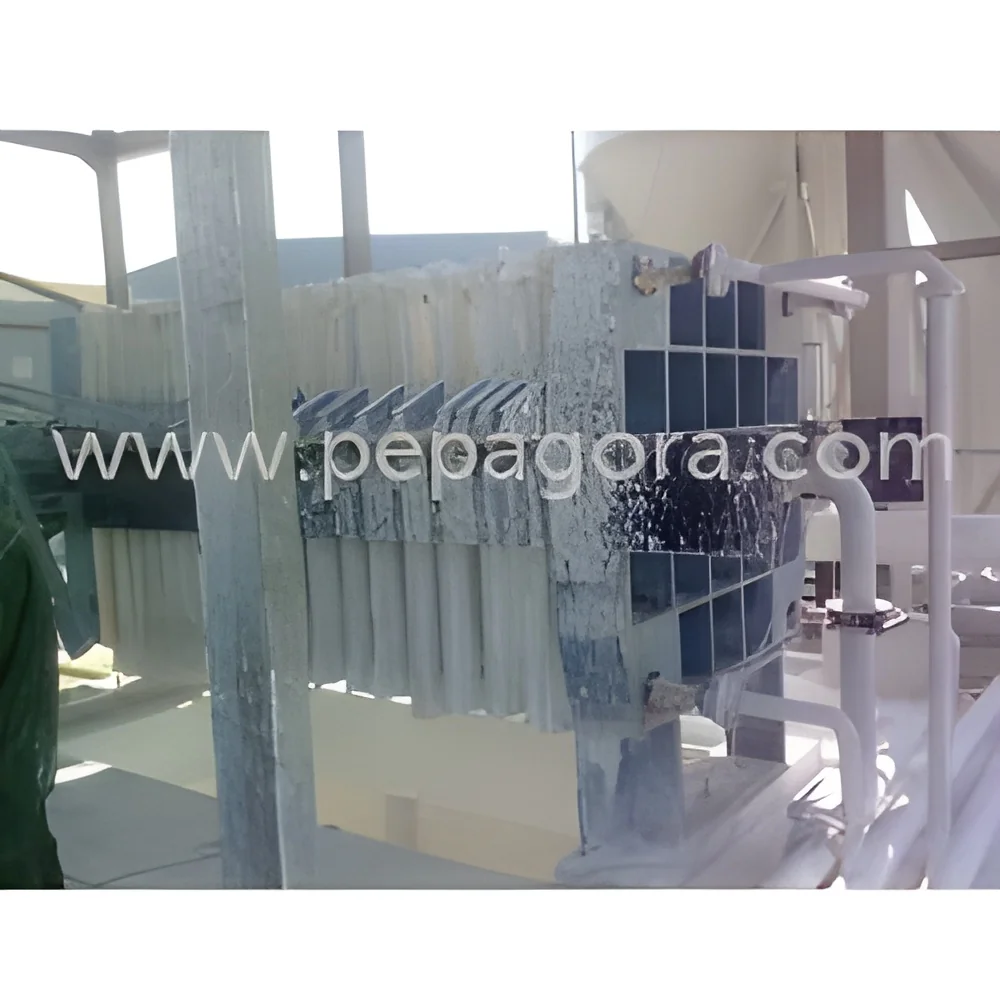
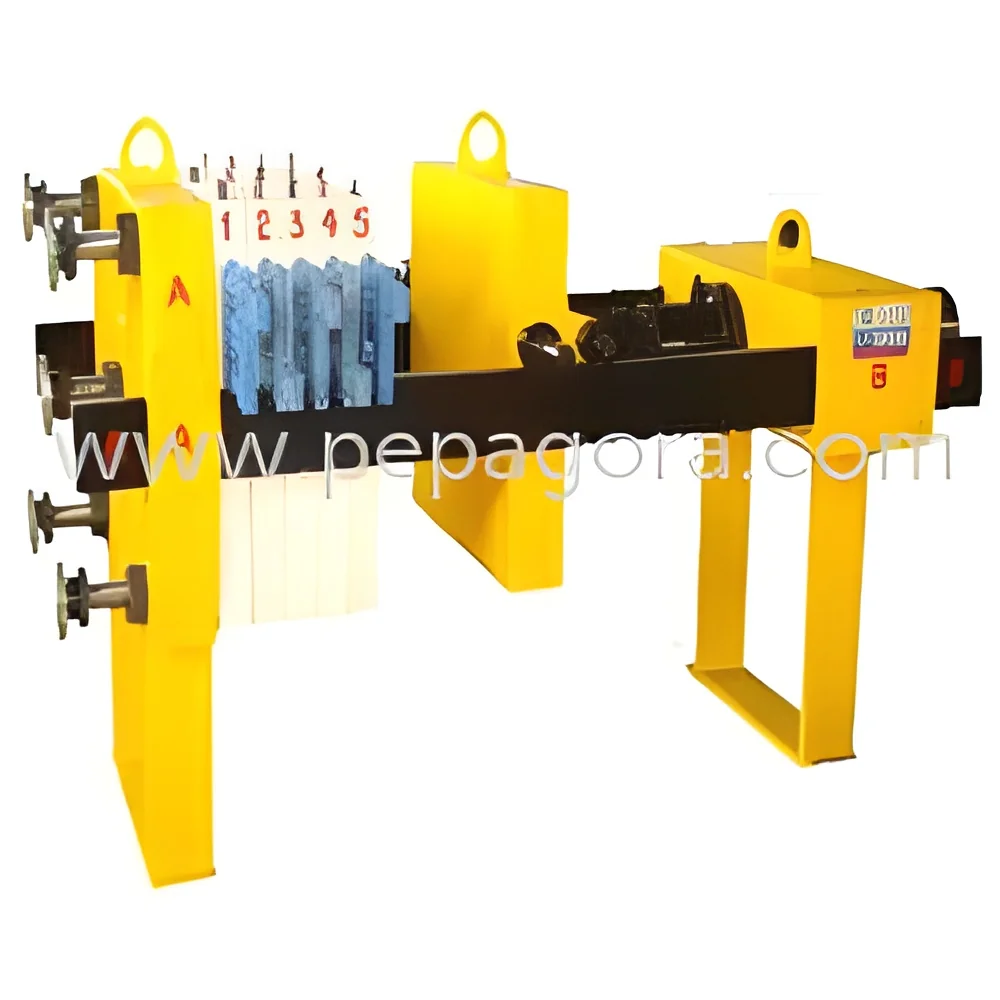
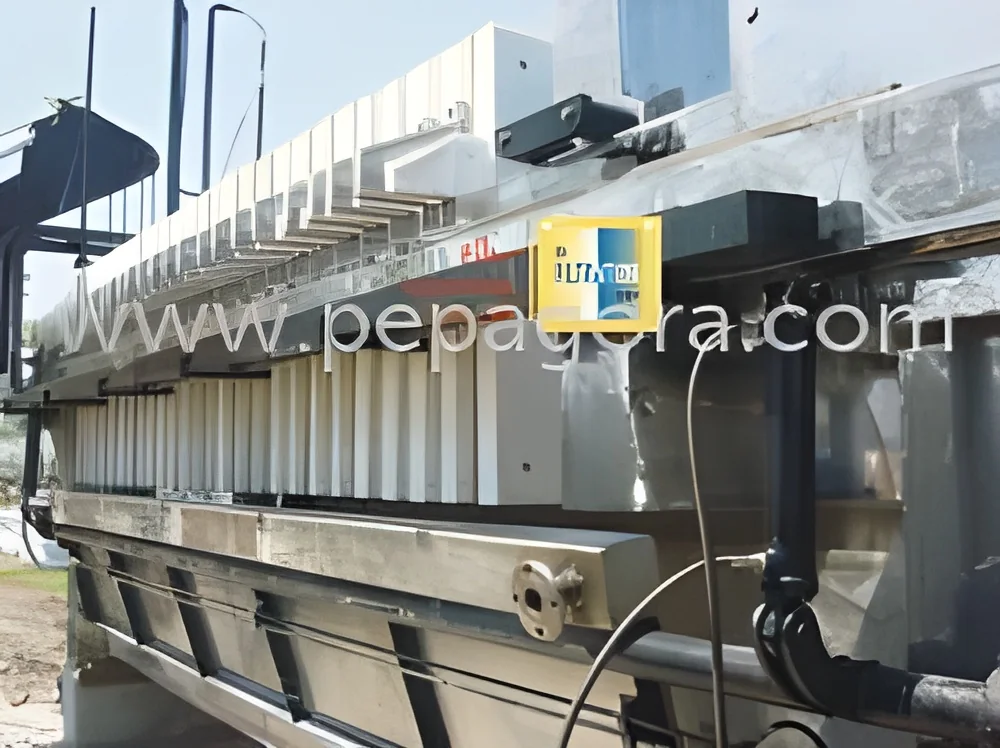
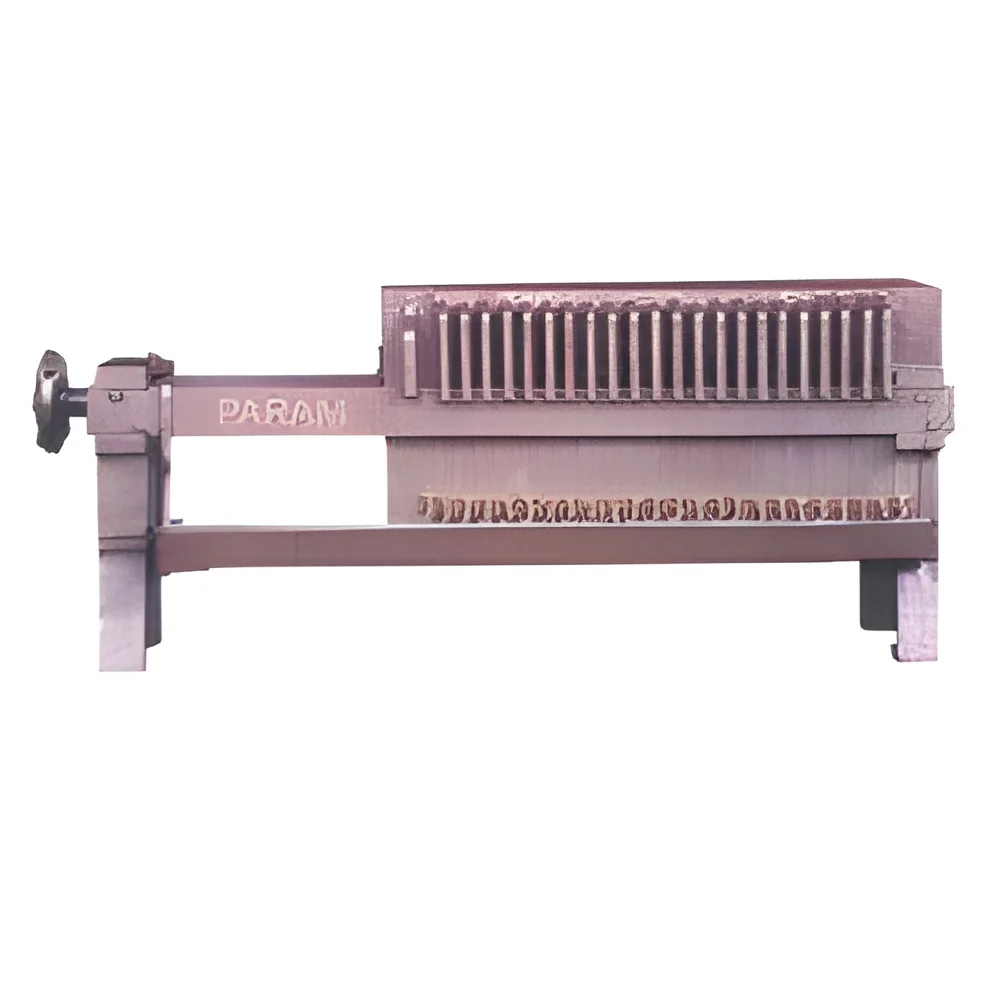
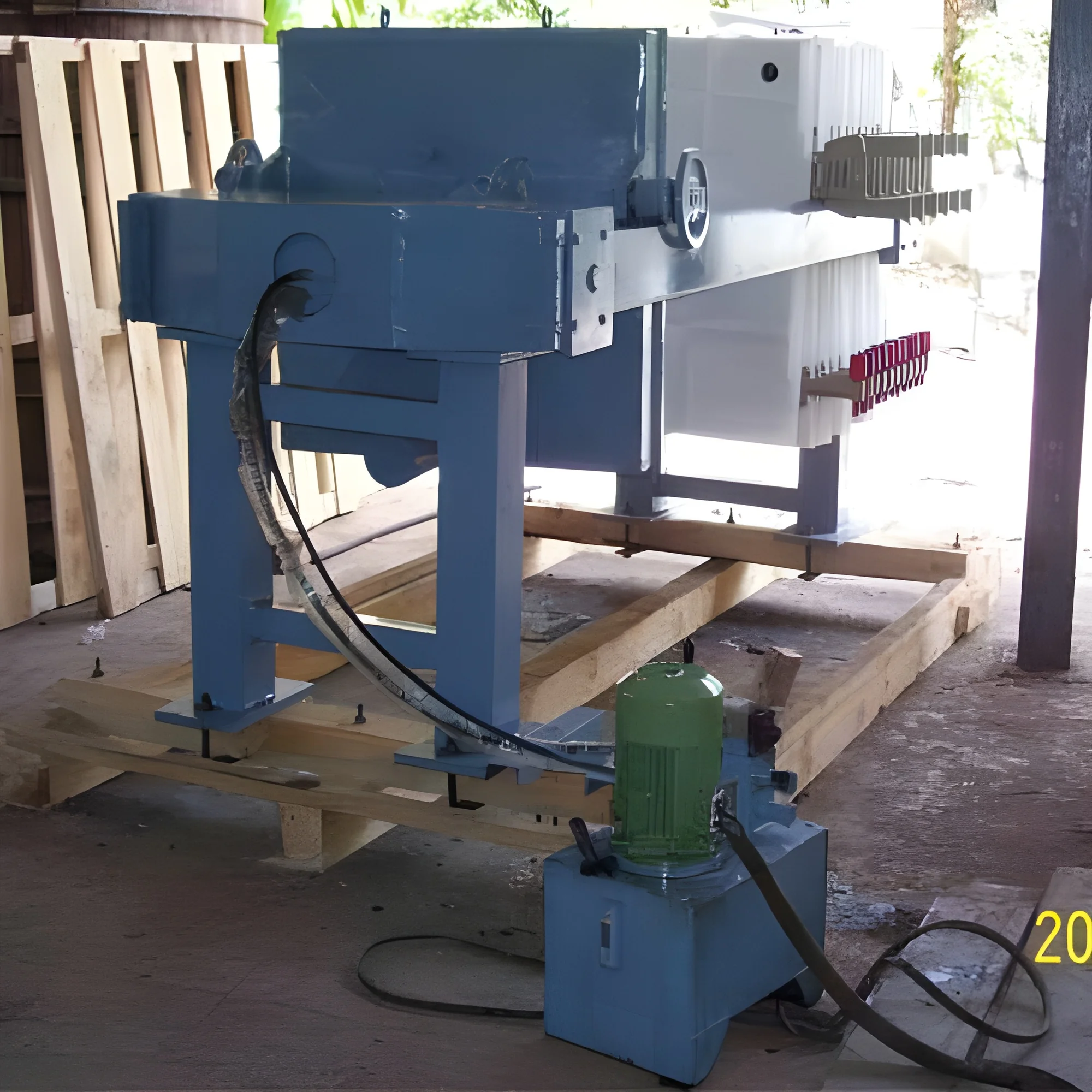
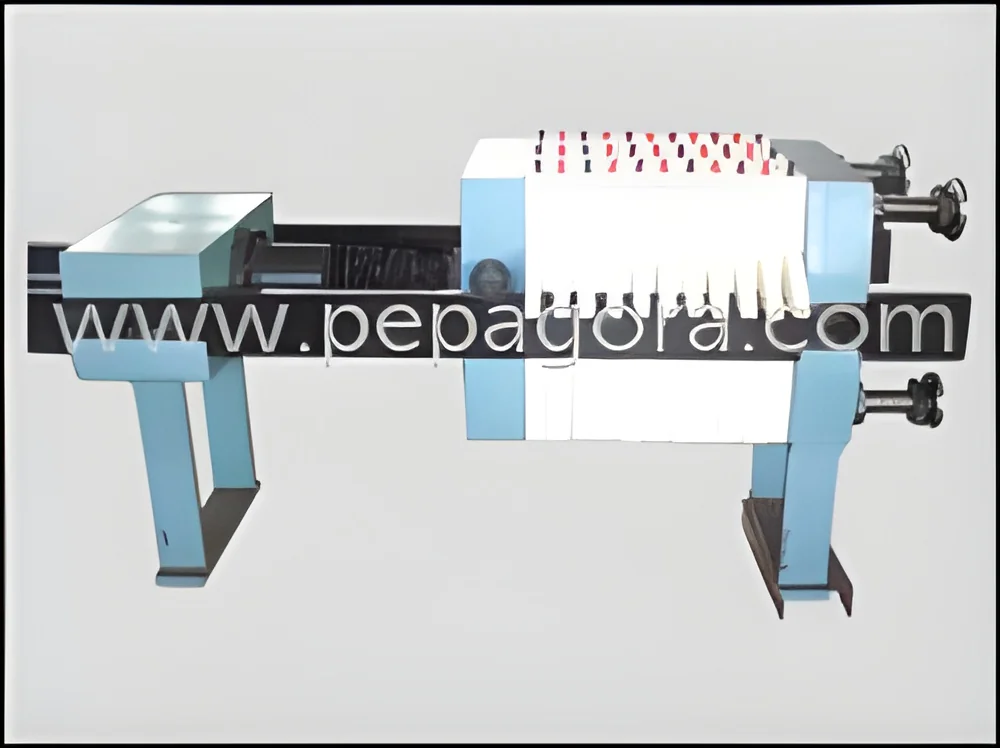
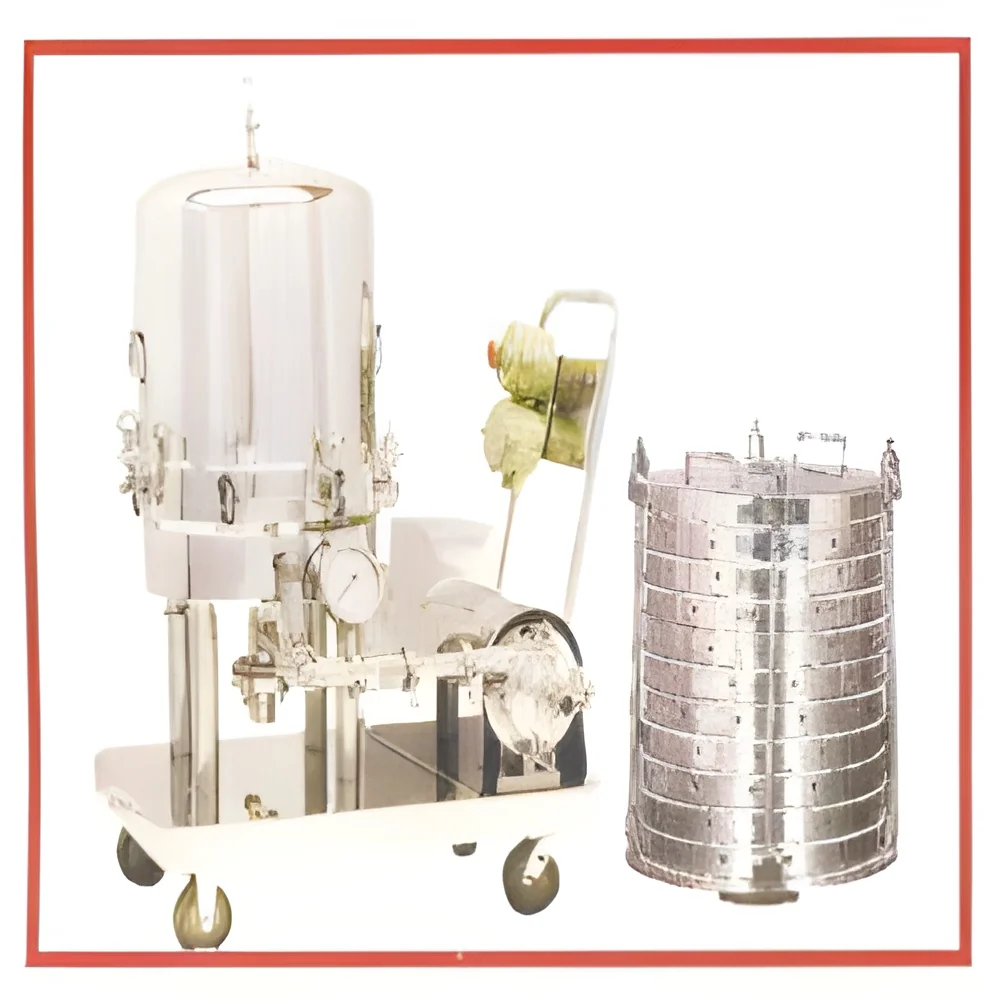
Plate and frame filter presses are essential equipment used for solid-liquid separation in various industrial processes. They consist of a series of plates and frames that create chambers for the filtration of slurries. The process involves pumping the slurry into the chambers, where the liquid is forced through a filter medium, leaving behind the solid particles. This method is highly efficient and effective in removing impurities from liquids.
These filter presses are widely used across multiple sectors, including food and beverage, pharmaceuticals, chemicals, and wastewater treatment. In the food industry, they help in clarifying juices and oils. In pharmaceuticals, they ensure that products meet stringent purity standards. Their versatility makes them invaluable in any operation requiring the separation of solids from liquids.
As industries continue to focus on sustainability and efficiency, the demand for plate and frame filter presses remains strong. The growth of sectors like wastewater treatment and food processing drives innovation and improvement in filtration technologies. This equipment is not only crucial for process optimization but also for meeting environmental regulations and quality standards.
Key Features and Specifications
Plate and frame filter presses come with several important features that enhance their performance and usability. These features are designed to meet the rigorous demands of various industries, ensuring reliable and efficient filtration.
Key specifications include:
1. Filtration Area
- This specifies the effective surface area for filtration.
- Ranges from small units for laboratory use to large units for industrial applications.
2. Plate Thickness
- Refers to the thickness of the filter plates.
- Typically ranges from 20 mm to 50 mm, depending on the application.
3. Frame Material
- Common materials include stainless steel or carbon steel, depending on the application requirements.
- Offers durability and resistance to corrosion.
4. Operating Pressure
- Indicates the maximum pressure the system can handle during filtration.
- Generally ranges from 5 to 20 bar.
5. Plate Configuration
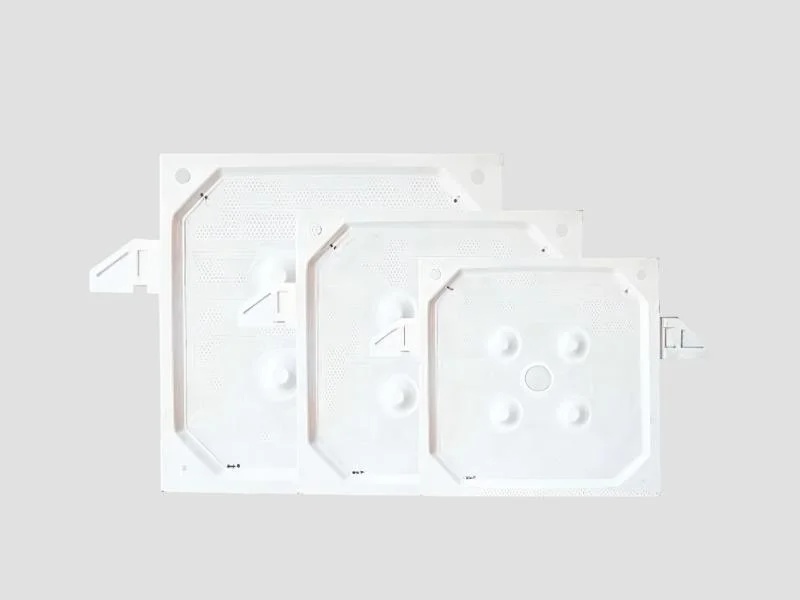
- Plates can be configured in various ways, such as recessed or membrane types.
- Each configuration serves different filtration requirements.
6. Automation Features
- Some models include automated controls for improved efficiency.
- Features may include automatic plate shifting and washing cycles.
7. Size and Dimensions
- Available in various sizes to accommodate different volumes and processing needs.
- Can be customized based on specific requirements.
In summary, the combination of these features ensures that plate and frame filter presses are capable of handling diverse filtration tasks while providing consistent results and operational efficiency.
Common Applications and Use Cases
Plate and frame filter presses serve various industries, offering tailored solutions for solid-liquid separation.
1. Food and Beverage: They are used for juice clarification, oil filtration, and wine production, ensuring high product purity and quality.
2. Pharmaceuticals: In this sector, they help in the separation of active ingredients from solvents, maintaining strict hygiene and quality standards.
3. Chemical Processing: Used for filtering chemicals and pigments, they ensure that products meet desired specifications.
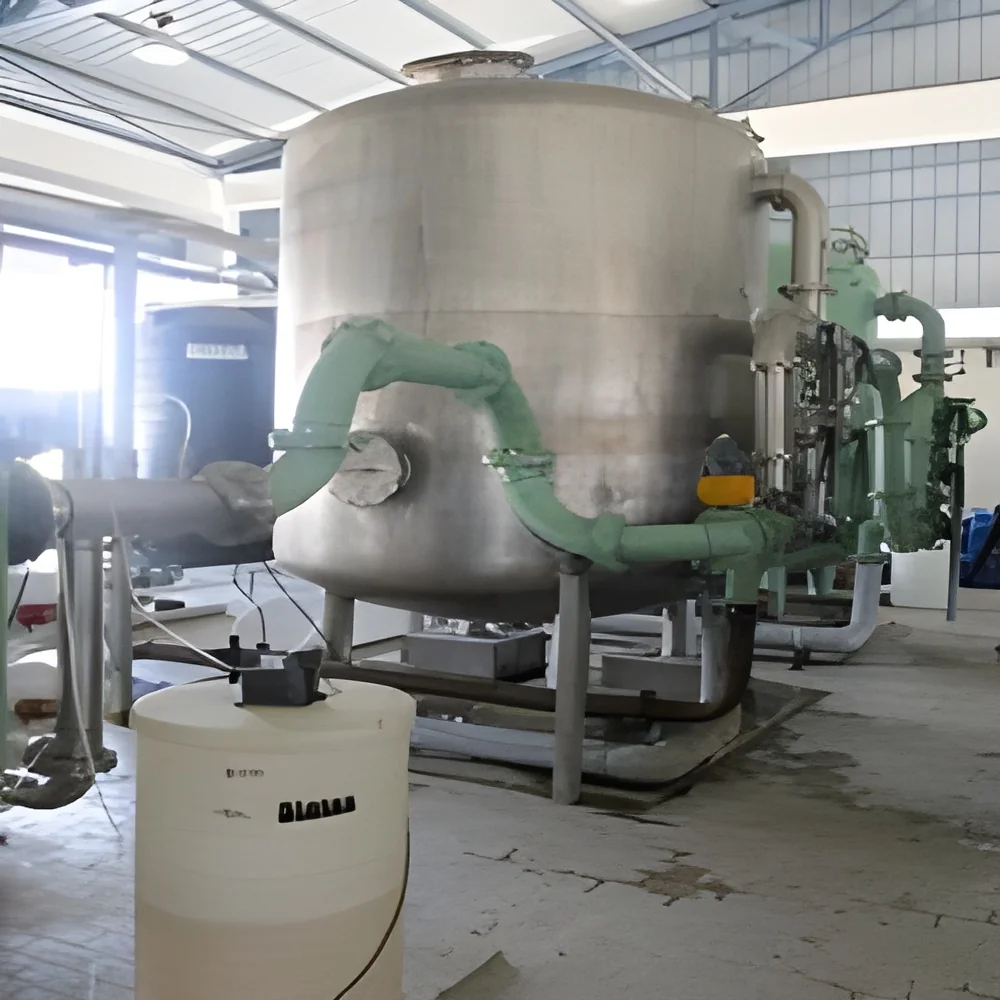
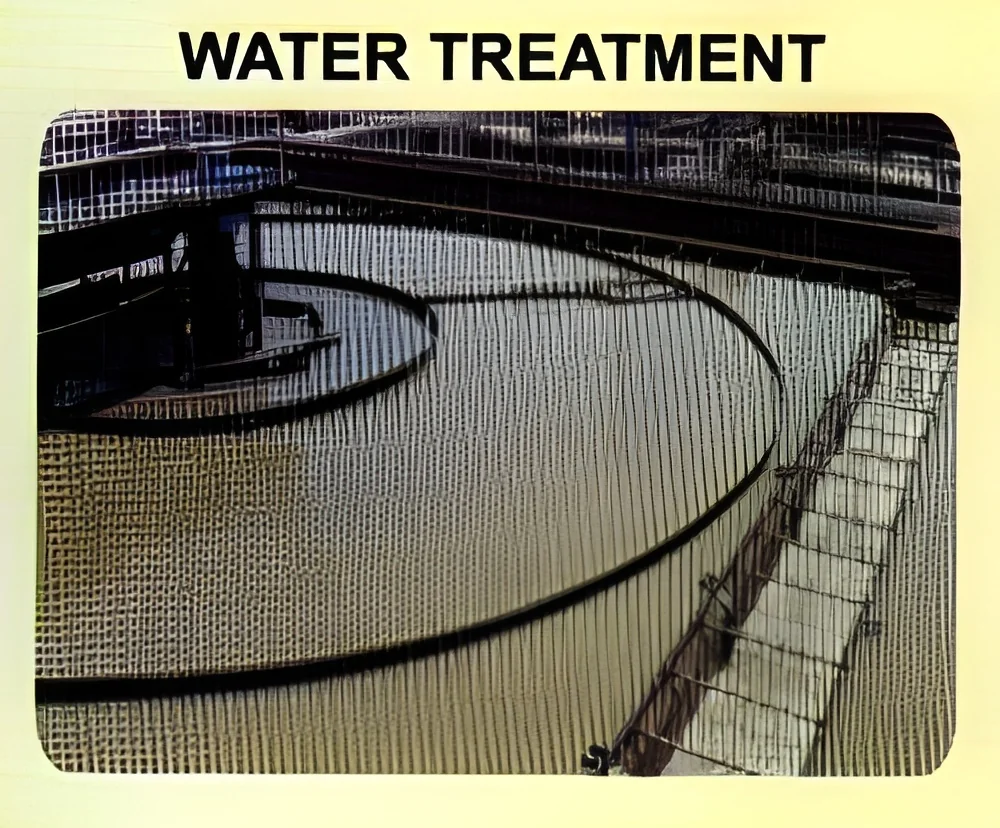
4. Wastewater Treatment: These presses play a critical role in separating solids from wastewater, helping facilities comply with environmental regulations.
5. Mining and Mineral Processing: They are employed to dewater tailings and concentrate, improving recovery rates and reducing waste.
6. Pulp and Paper: Used for dewatering pulp slurries, they enhance the efficiency of the paper-making process.
7. Agriculture: They assist in separating solids from liquid fertilizers, ensuring better nutrient delivery.
Product Variants and Subcategories
While there are no specific subcategories for plate and frame filter presses, the product itself can be diversified based on features and applications.
Automatic Plate and Frame Filter Press
This variant includes automation features that streamline the filtration process. It is designed for high-volume applications, reducing manual labor and increasing efficiency.
Membrane Filter Press
This type utilizes membrane technology to enhance the dewatering process. It is particularly effective in applications requiring high cake dryness and is commonly used in wastewater treatment.
Recessed Plate Filter Press
Characterized by its recessed plate design, this variant allows for larger volumes of slurry to be processed. It is ideal for applications with high solid content.
Benefits and Advantages
Plate and frame filter presses offer several key benefits that make them a preferred choice for many industries.
1. High Efficiency: They provide effective solid-liquid separation, resulting in high-quality liquid output.
2. Versatile Applications: Suitable for a wide range of industries, they can be tailored to meet specific filtration needs.
3. Cost-Effective: Their durability and efficiency lead to lower operational costs over time.
4. Easy Maintenance: Many models are designed for easy cleaning and maintenance, minimizing downtime.
5. Customizable: Capable of being tailored in size and features, they can fit the specific requirements of diverse applications.
6. Environmental Compliance: These presses help in meeting environmental regulations by ensuring proper waste management and treatment.
Buying Guide for B2B Buyers
When sourcing plate and frame filter presses, it is essential to consider several factors to ensure that you make an informed purchase.
1. Quality Assessment: Look for products that meet established quality standards. Consider certifications like CE and ISO 9001, which indicate reliable manufacturing processes.
2. Supplier Verification: Vet potential suppliers by checking their reputation and experience in the industry. Reliable suppliers should provide references and product samples.
3. Pricing and MOQ: Understand the price range for different models and be aware of minimum order quantities. Compare quotes from multiple suppliers to ensure competitive pricing.
4. Delivery and Lead Times: Inquire about the lead times for delivery to avoid any disruptions in your operations. Timely delivery is crucial in maintaining production schedules.
5. Compliance Requirements: Ensure that the filter presses meet regional compliance standards. This includes safety regulations and environmental guidelines.
Compliance and Certifications
Plate and frame filter presses must adhere to various quality standards to ensure their reliability and safety. One key standard is ISO 9001, which focuses on quality management systems and ensures that products meet customer and regulatory requirements.
Additionally, certifications such as CE indicate that the equipment complies with European safety standards. Manufacturers should also follow safety and testing requirements to ensure the equipment operates efficiently and safely.
Regional compliance considerations are vital, especially for businesses operating in multiple jurisdictions. Different regions may have specific regulations regarding manufacturing practices, environmental standards, and safety protocols that must be adhered to.
Why Source Plate & Frame Filter Presses from Pepagora?
Pepagora provides a trusted platform for sourcing plate and frame filter presses, offering several key advantages that benefit B2B buyers.
Verified Supplier Network: Pepagora connects buyers with a network of verified suppliers who meet industry standards. This ensures that buyers can trust the quality of the products they are purchasing.
Streamlined RFQ Process: The platform features an efficient request for quotation (RFQ) process that allows buyers to easily compare prices and specifications from multiple suppliers, making the procurement process smoother.
Trade Assurance and Support: Pepagora offers trade assurance to protect buyers against potential risks. This includes support for resolving disputes and ensuring that transactions are completed safely.
Regional Coverage: With a geographic reach that includes India, the GCC, and Southeast Asia, Pepagora is positioned to serve a wide range of markets and industries, ensuring accessibility to high-quality filter presses.

 IN
IN