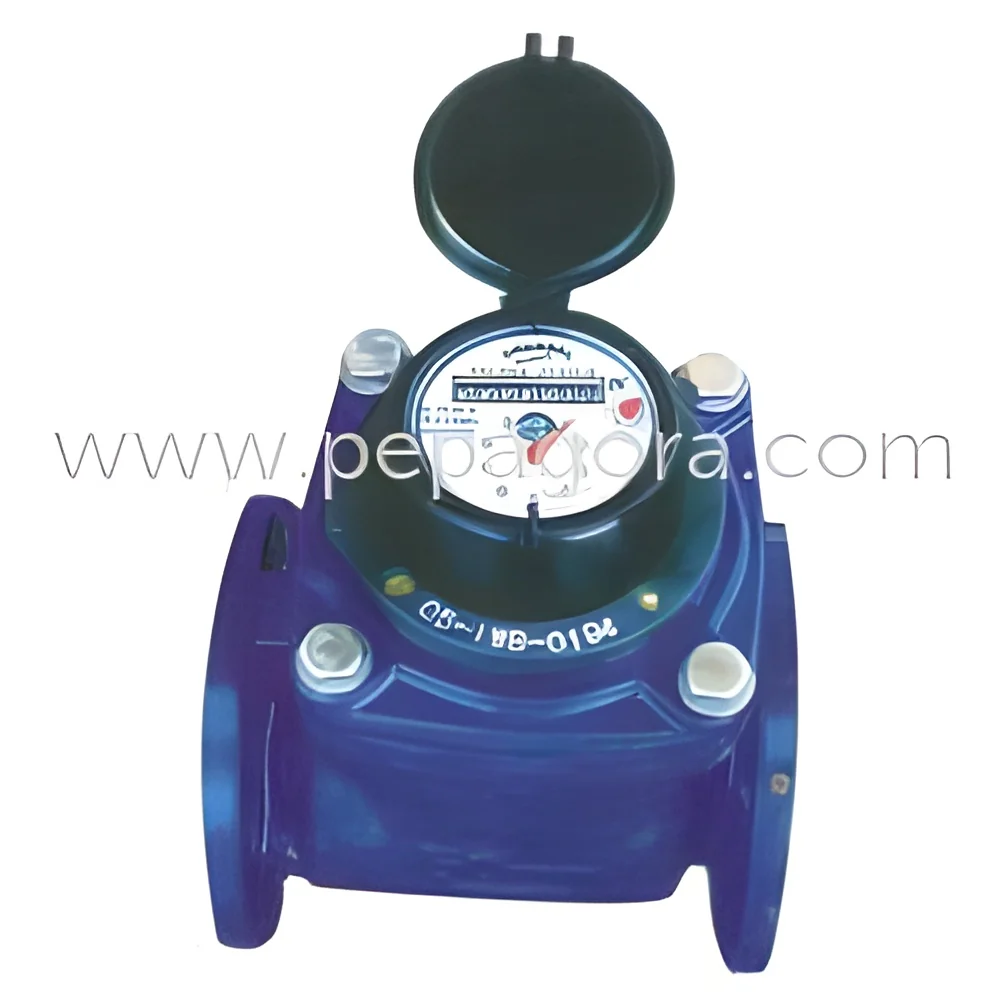
What are Flowmeters for Corrosive Fluids?
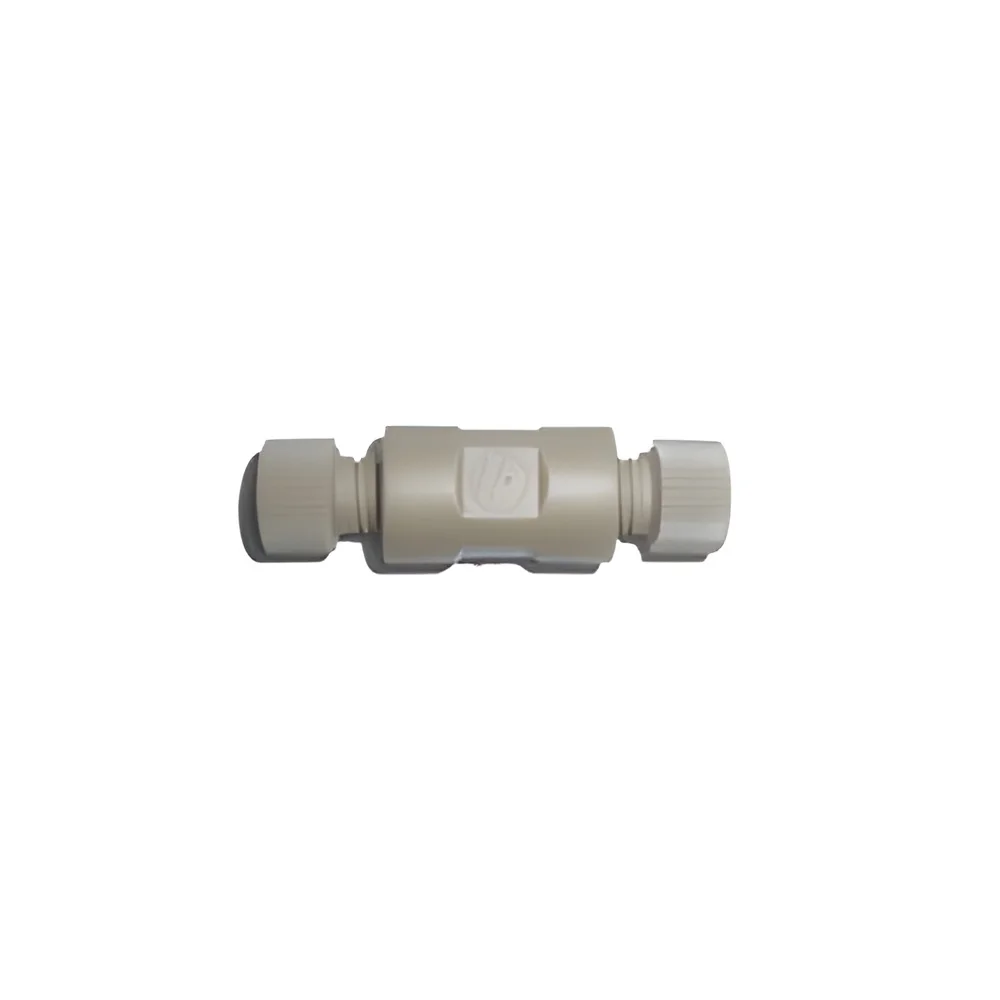
Flowmeters for corrosive fluids are specialized instruments designed to measure the flow rate of liquids that can cause damage to standard flow measurement devices. These flowmeters are constructed with materials that can withstand harsh chemical environments, ensuring accuracy and longevity even when handling aggressive substances. They play a crucial role in industries where the monitoring of fluid flow is essential for operational efficiency and safety.
The primary uses of flowmeters for corrosive fluids include applications in chemical processing, wastewater treatment, and pharmaceutical manufacturing. In these sectors, accurate flow measurement is vital for process control, ensuring compliance with environmental regulations, and maintaining product quality. These flowmeters help businesses optimize their operations by providing real-time data on fluid dynamics, enabling prompt decision-making.
In today's market, the demand for flowmeters that can handle corrosive fluids is growing due to increasing industrial activities and stringent safety regulations. Industries are investing in advanced technologies to minimize downtime and enhance productivity. As a result, flowmeters for corrosive fluids have become a critical component in the operational toolkit of many businesses, ensuring they can manage their processes safely and efficiently.
Key Features and Specifications
Flowmeters for corrosive fluids come with a variety of features tailored to meet the demands of harsh environments. These features ensure reliability, accuracy, and durability, which are essential for effective fluid management.
Key specifications include:
1. Material Compatibility
- Constructed from corrosion-resistant materials such as PTFE, PVDF, or stainless steel.
- Suitable for a wide range of corrosive chemicals.
2. Measurement Technology
- Types include electromagnetic, ultrasonic, and positive displacement flowmeters.
- Each type offers specific advantages in terms of accuracy and application suitability.
3. Flow Range
- Designed to measure flow rates across various ranges, typically from low to high flow conditions.
- Specific models may have a flow range from 1 L/min to over 1000 L/min.
4. Temperature Tolerance
- Suitable for high and low-temperature applications, often rated from -20°C to 120°C.
- Important for industries that deal with extreme fluid temperatures.
5. Pressure Rating
- Capable of withstanding high pressure, often up to 10 bar or more.
- Essential for maintaining safety and operational integrity in pressurized systems.
6. Accuracy Levels
- Typically provides accuracy rates of ±0.5% to ±2% of reading.
- Critical for ensuring precise fluid management and regulatory compliance.
7. Installation Flexibility
- Available in various configurations, including inline, clamp-on, and portable models.
- Allows for integration into existing systems with minimal disruption.
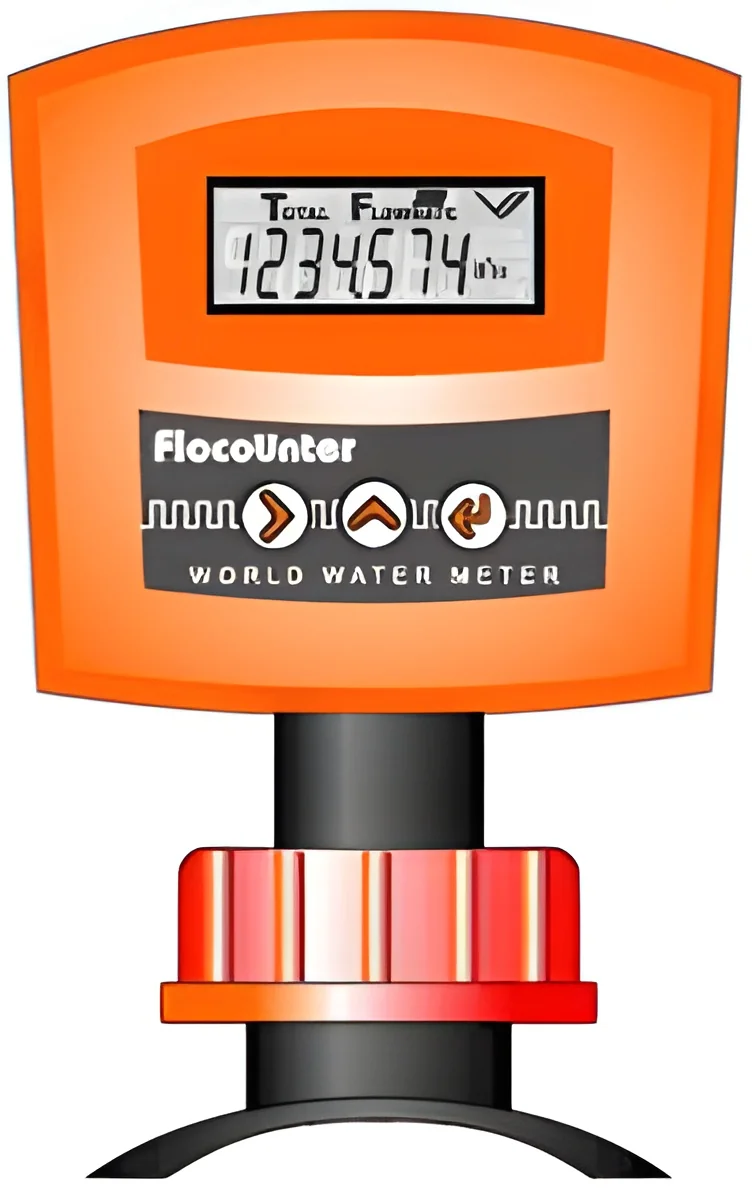
8. Digital Output and Monitoring
- Many models feature digital interfaces for easy integration with control systems.
- Supports remote monitoring and data logging for enhanced operational oversight.
These specifications highlight the advanced capabilities of flowmeters for corrosive fluids, making them essential tools for various industries.
Common Applications and Use Cases
Flowmeters for corrosive fluids are utilized across multiple industries, where they ensure precise measurement and monitoring of fluid flow.
1. Chemical Manufacturing: These flowmeters are critical in processes involving acids, bases, and solvents, providing accurate flow measurements to maintain product quality and safety.
2. Water Treatment: In wastewater treatment plants, flowmeters monitor corrosive chemicals used in treatment processes, helping in compliance with environmental regulations.
3. Pharmaceutical Production: Flowmeters are essential in pharmaceutical manufacturing processes for the accurate dosing of corrosive substances, ensuring quality and efficacy.
4. Oil and Gas: In the oil and gas industry, these flowmeters measure corrosive fluids in pipelines, ensuring safe transport and processing.
5. Food and Beverage: Certain food processing applications require the monitoring of acidic ingredients, where specialized flowmeters ensure safe and accurate measurements.
6. Pulp and Paper: Flowmeters are used to measure corrosive chemicals in the pulping process, helping to optimize production efficiency.
7. Electroplating: In electroplating applications, flowmeters measure corrosive plating solutions, ensuring uniform coating and quality control.
Product Variants and Subcategories
Flowmeters for corrosive fluids are available in various variants, each designed to meet specific application needs.
Electromagnetic Flowmeters
These devices utilize electromagnetic principles for measuring the flow rate of conductive liquids. They are highly accurate and ideal for corrosive fluids, providing non-invasive measurement without moving parts.
Ultrasonic Flowmeters
Using sound waves, ultrasonic flowmeters offer non-contact measurements suitable for corrosive liquids. They are versatile and can be used in various applications, including those with low flow rates.
Positive Displacement Flowmeters
These flowmeters measure the flow of liquids by capturing fixed volumes of fluid and counting them. They provide high accuracy and are suitable for various corrosive applications.
Benefits and Advantages
Flowmeters for corrosive fluids offer numerous benefits that enhance operational efficiency and safety.
1. Enhanced Accuracy: These flowmeters provide reliable measurements, crucial for process control and compliance.
2. Durability: Constructed from robust materials, they withstand harsh environments, reducing the need for frequent replacements.
3. Versatility: Suitable for various applications across multiple industries, making them a valuable addition to any operational setup.
4. Reduced Downtime: Reliable performance minimizes process interruptions, leading to increased productivity.
5. Improved Safety: By accurately measuring corrosive fluids, these devices help prevent leaks and spills, ensuring a safer working environment.
6. Cost Efficiency: Optimal flow measurement reduces waste and improves resource management, leading to lower operational costs.
Buying Guide for B2B Buyers
When sourcing flowmeters for corrosive fluids, certain factors are crucial for making informed purchasing decisions.
1. Quality Assessment: Evaluate the quality of materials and construction to ensure they meet industry standards. Look for proven durability in corrosive environments.
2. Supplier Verification: Vet suppliers for their reputation and reliability. Ensure they have a track record of providing quality products and customer support.
3. Pricing and MOQ: Consider the pricing structure and minimum order quantities. Compare costs across different suppliers to ensure competitive pricing.
4. Delivery and Lead Times: Assess logistics capabilities to ensure timely delivery. Understand lead times to avoid disruptions in operations.
5. Compliance Requirements: Ensure that the flowmeters meet relevant regulatory standards and certifications, such as CE, to guarantee compliance with industry regulations.
Compliance and Certifications
Flowmeters for corrosive fluids must adhere to various compliance standards and certifications to ensure safety and reliability.
Relevant quality standards include ISO 9001, which ensures a consistent quality management system. Compliance with HACCP (Hazard Analysis and Critical Control Points) and GDP (Good Distribution Practices) is essential for industries such as food and pharmaceuticals.
Industry certifications, such as CE marking, indicate that the flowmeters meet European safety, health, and environmental protection standards.
Safety and testing requirements are paramount, especially when dealing with corrosive substances. Flowmeters must undergo rigorous testing to ensure they can perform reliably under expected operating conditions.
Regional compliance considerations may vary, so it is essential to understand local regulations regarding corrosive materials and fluid handling. This ensures that businesses operate within legal frameworks while maintaining safety and efficiency.
Why Source Flowmeters for Corrosive Fluids from Pepagora?
Pepagora provides a trusted platform for sourcing flowmeters for corrosive fluids, offering several key advantages.
Verified Supplier Network: Pepagora features a network of verified suppliers who meet stringent quality standards. This ensures that buyers receive reliable products that perform as expected.
Streamlined RFQ Process: The request for quotation system simplifies the procurement process, allowing buyers to easily compare offers from multiple suppliers, facilitating informed decision-making.
Trade Assurance and Support: Pepagora offers trade assurance for buyers, providing protection against potential transaction risks. This support ensures a secure purchasing experience.
Regional Coverage: With a broad reach across India, the GCC, and Southeast Asia, Pepagora connects buyers to suppliers in these regions, enhancing accessibility and convenience for businesses seeking flowmeters for corrosive fluids.

 IN
IN