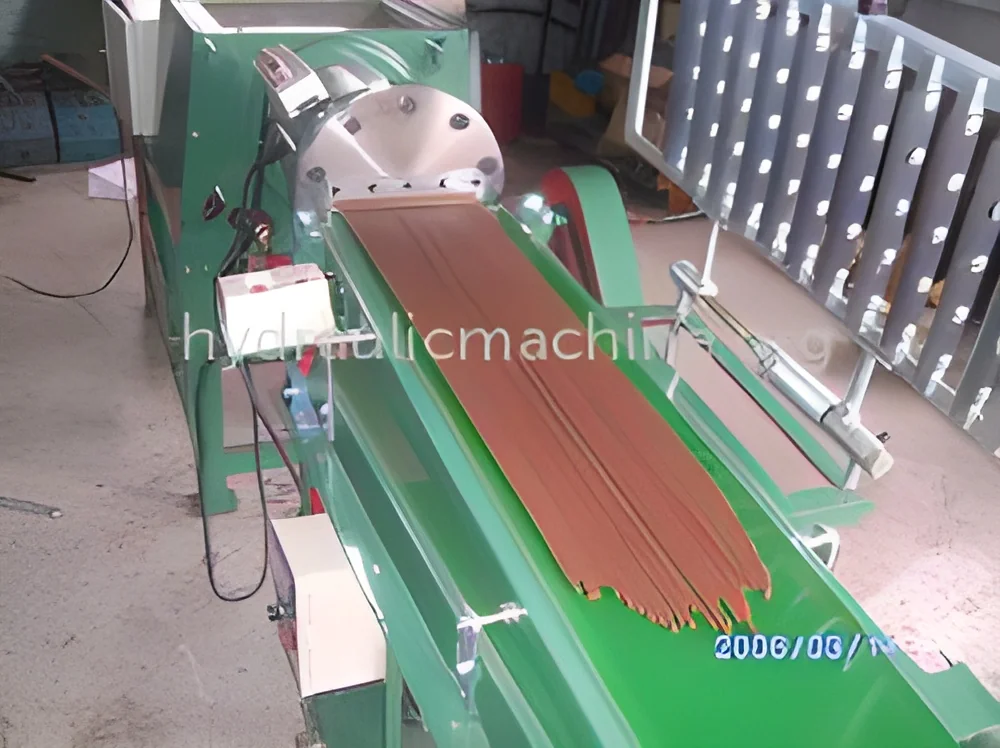
What are Vacuum Mixers & Blenders?
Vacuum mixers and blenders are specialized equipment designed for mixing and blending materials under vacuum conditions. This process helps eliminate air from the mixture, preventing oxidation and enhancing the quality of the final product. These machines typically combine various ingredients, including powders, liquids, and pastes, into a uniform and consistent blend while maintaining the integrity of sensitive components.
These mixers and blenders are primarily used in industries such as food processing, pharmaceuticals, and cosmetics. In food production, they help create emulsions and homogenize ingredients for sauces and dressings. In pharmaceuticals, they ensure the accurate mixing of active ingredients in creams and ointments. Their ability to operate under vacuum makes them particularly valuable in applications where reducing air exposure is critical to product stability and shelf life.
The relevance of vacuum mixers and blenders in the market is growing, driven by the increasing demand for high-quality products across various sectors. Industries are investing in advanced mixing technologies to enhance production efficiency and product quality. As competition intensifies, businesses are looking for reliable equipment that ensures consistency, reduces waste, and meets regulatory requirements.
Key Features and Specifications
Vacuum mixers and blenders come with several key features that enhance their performance and usability. Understanding these specifications can help buyers make informed decisions when selecting equipment.
Key specifications include:
1. Mixing Capacity
- Refers to the maximum volume of materials that can be processed in one batch.
- Typically ranges from small units for laboratory use (10 liters) to large industrial systems (up to 1000 liters).
2. Vacuum Level
- Indicates the degree of vacuum achieved within the mixing chamber during operation.
- Standard vacuum levels can range from 0.1 to 0.5 bar.
3. Mixing Speed
- Describes the rate at which the mixing blades rotate.
- Mixing speeds can vary from 50 to 300 RPM, depending on the application.
4. Material Construction
- Refers to the materials used in the tank and components, which can include stainless steel for durability and hygiene.
- Common grades include 304 and 316 stainless steel.
5. Control System
- Indicates the type of controls available, such as manual, semi-automatic, or fully automatic.
- Advanced models may include programmable logic controllers (PLC) for precise operation.
6. Heating and Cooling Options
- Some models offer integrated heating or cooling systems to maintain specific temperatures.
- Temperature control can be critical for sensitive materials.
7. Safety Features
- Important for ensuring operator safety and equipment protection.
- Features may include pressure relief valves and emergency stop buttons.
8. Certification
- Indicates compliance with industry standards, such as CE certification.
- Ensures that the equipment meets safety and quality regulations.
In summary, vacuum mixers and blenders are equipped with features that enhance mixing efficiency, safety, and compliance with industry standards. Buyers should consider these specifications when selecting the right equipment for their needs.
Common Applications and Use Cases
Vacuum mixers and blenders are utilized across various industries, each with specific applications that leverage their unique capabilities.
1. Food Processing: These machines are used for making sauces, soups, and dressings, where the uniformity of the mix is crucial. They help create emulsions that are stable and visually appealing.
2. Pharmaceutical Industry: Vacuum mixers are essential for producing creams, gels, and granules. They ensure that active ingredients are evenly distributed without introducing air, which could affect potency.
3. Cosmetic Manufacturing: In cosmetics, vacuum mixing is used for lotions, creams, and serums. It helps preserve the quality of sensitive ingredients and enhances product texture.
4. Chemical Production: These mixers are also employed in chemical formulations, where precise mixing is necessary for consistency and quality.
5. Adhesives and Sealants: In the production of adhesives, vacuum mixing prevents air bubbles from forming, ensuring a smooth application and strong bond.
6. Paints and Coatings: For paints, vacuum blenders help achieve a homogeneous blend of pigments and solvents, improving color consistency and application.
7. Nutraceuticals: In the nutraceutical sector, vacuum mixers are used to create powders and supplements, ensuring active ingredients are well mixed without degradation.
Product Variants and Subcategories
Vacuum mixers and blenders come in various configurations to cater to different industrial needs. Their diversity allows businesses to select equipment that best fits their production process.
Batch Vacuum Mixer
This variant is designed for processing specific amounts of materials in individual batches. It is ideal for smaller production runs or specialized products.
Continuous Vacuum Mixer
These units are built for ongoing processing, allowing for a continuous flow of materials. They are suitable for large-scale production where efficiency is critical.
Portable Vacuum Mixer
A more mobile option, portable vacuum mixers can be moved easily within a facility. They are perfect for small-scale operations or when space is limited.
Inline Vacuum Mixer
This design integrates seamlessly into existing production lines, providing continuous mixing without interrupting workflow. It is ideal for high-throughput environments.
Benefits and Advantages
Investing in vacuum mixers and blenders offers several key benefits that can enhance production processes.
1. Improved Product Quality: Vacuum mixing minimizes air exposure, preserving the integrity of sensitive ingredients and improving the overall quality of the final product.
2. Enhanced Efficiency: These mixers can significantly reduce mixing times compared to traditional methods, increasing overall productivity.
3. Consistency in Production: With precise control over mixing parameters, vacuum mixers ensure uniform blending, leading to consistent product quality.
4. Reduced Waste: By preventing oxidation and other reactions, vacuum mixers help minimize product loss and waste during production.
5. Versatility: These machines can handle a wide range of materials, making them suitable for diverse applications across various industries.
6. Compliance with Standards: Many vacuum mixers are designed to meet industry regulations, ensuring that production processes adhere to safety and quality standards.
Buying Guide for B2B Buyers
When sourcing vacuum mixers and blenders, it is essential to consider multiple factors to ensure the right choice for your business needs.
1. Quality Assessment: Look for equipment that meets industry standards and certifications. Check for warranties and service agreements to ensure long-term reliability.
2. Supplier Verification: Vet potential suppliers by reviewing their reputation, past performance, and customer feedback. Reliable suppliers should provide transparent information about their products.
3. Pricing and MOQ: Understand the pricing structure and minimum order quantities. Compare quotes from multiple suppliers to find the best deal while considering quality.
4. Delivery and Lead Times: Assess the supplier's ability to meet your delivery timelines. Efficient logistics can significantly impact production schedules.
5. Compliance Requirements: Ensure that the equipment complies with necessary regulations in your region. This includes checking for certifications like CE and adherence to safety standards.
Compliance and Certifications
Vacuum mixers and blenders must adhere to various compliance and certification standards to ensure safety and quality in production processes.
Relevant quality standards like ISO 9001 are crucial for manufacturers, ensuring consistent quality management systems. This standard helps organizations demonstrate their ability to deliver products that meet customer and regulatory requirements.
Industry certifications, such as CE, indicate that a product conforms to European health, safety, and environmental protection standards. This is particularly important for equipment used in sectors like food and pharmaceuticals, where safety is paramount.
Safety and testing requirements are also integral, ensuring that the equipment operates safely during use. This includes regular inspections and compliance with safety protocols to mitigate risks.
Regional compliance considerations must also be taken into account, as different regions may have specific regulations governing industrial equipment. Understanding these requirements is essential for ensuring the correct operation of vacuum mixers and blenders.
Why Source Vacuum Mixers & Blenders from Pepagora?
Pepagora offers a trusted platform for sourcing vacuum mixers and blenders, providing several key advantages to buyers.
Verified Supplier Network: Pepagora's rigorous supplier verification process ensures that buyers connect with reliable manufacturers. This helps mitigate risks and ensures quality products.
Streamlined RFQ Process: The platform simplifies the request for quotation (RFQ) process, allowing buyers to quickly receive and compare multiple quotes from different suppliers. This efficiency can save time and improve purchase decisions.
Trade Assurance and Support: Pepagora provides buyer protection through trade assurance programs, ensuring that transactions are secure and that buyers receive the products as promised.
Regional Coverage: With a presence in India, the GCC, and Southeast Asia, Pepagora offers geographic reach that facilitates sourcing for businesses across various regions. This broad coverage enables buyers to find suitable suppliers close to their operations.

 IN
IN