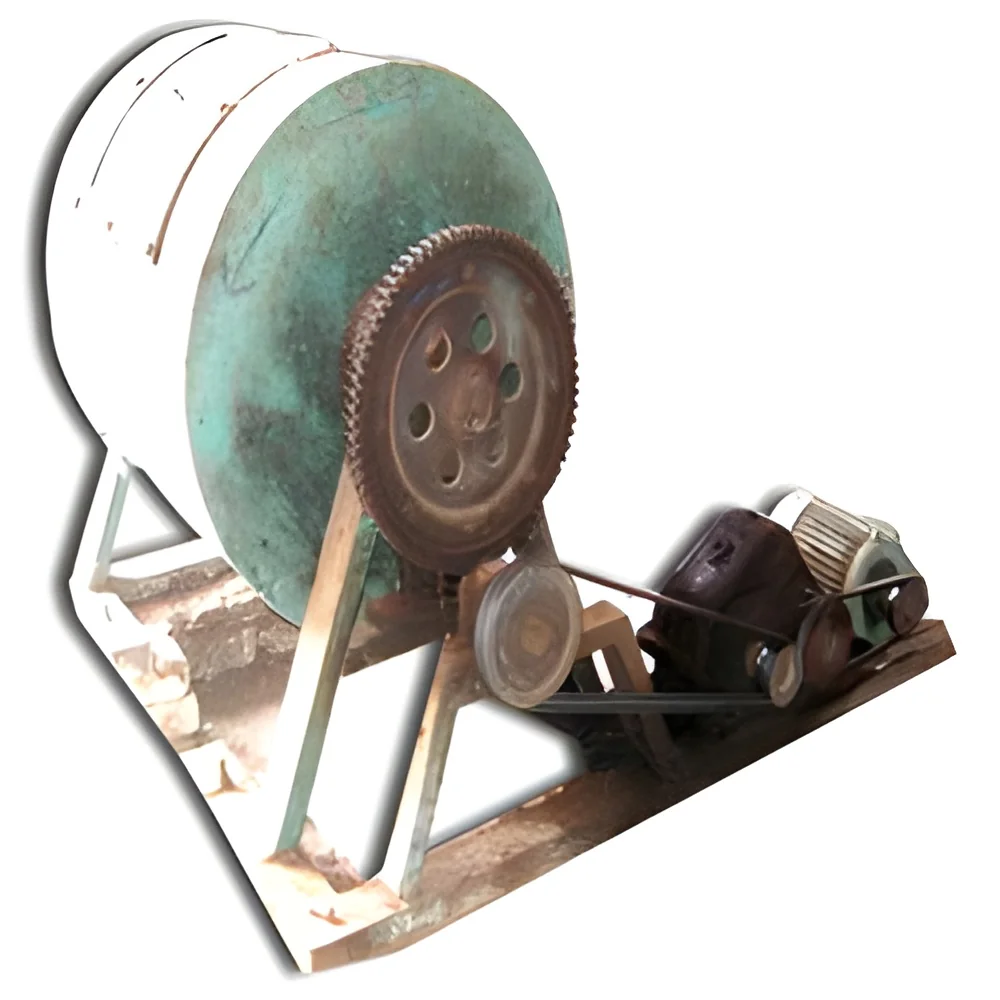
What are Ball Mills?
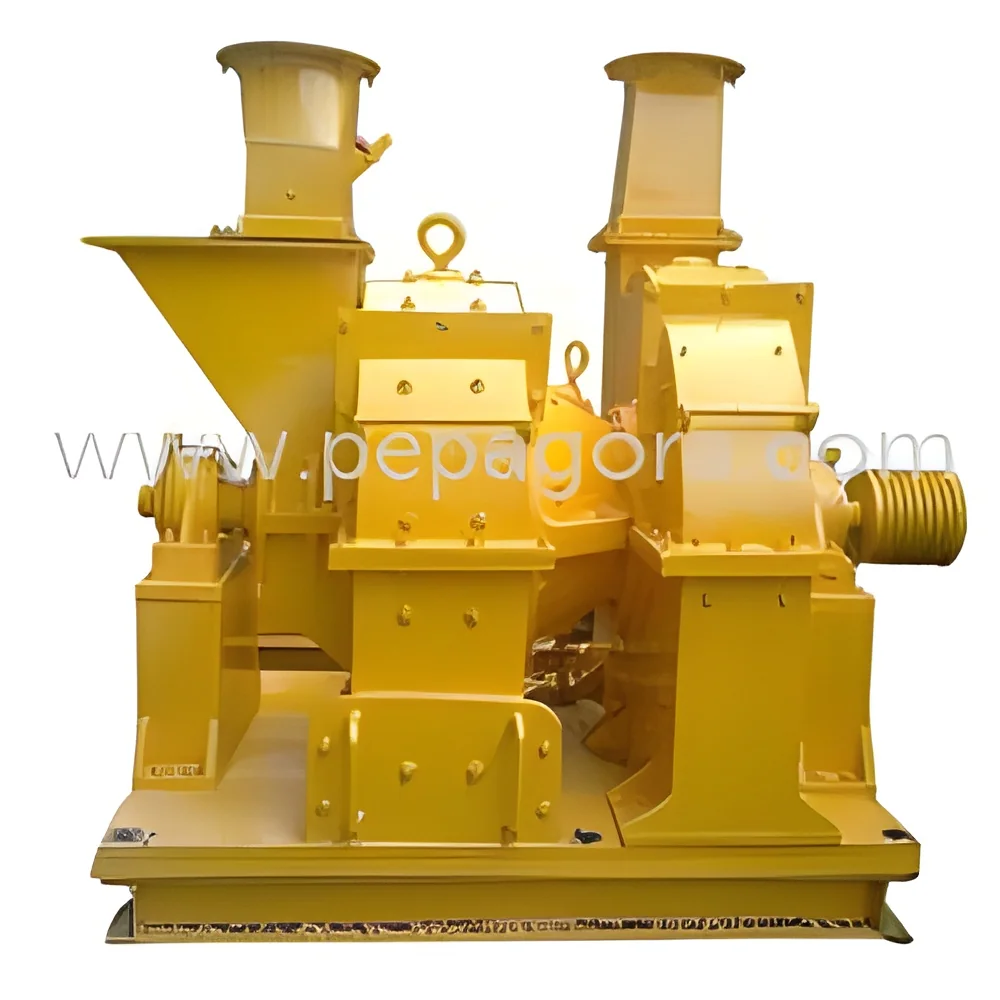
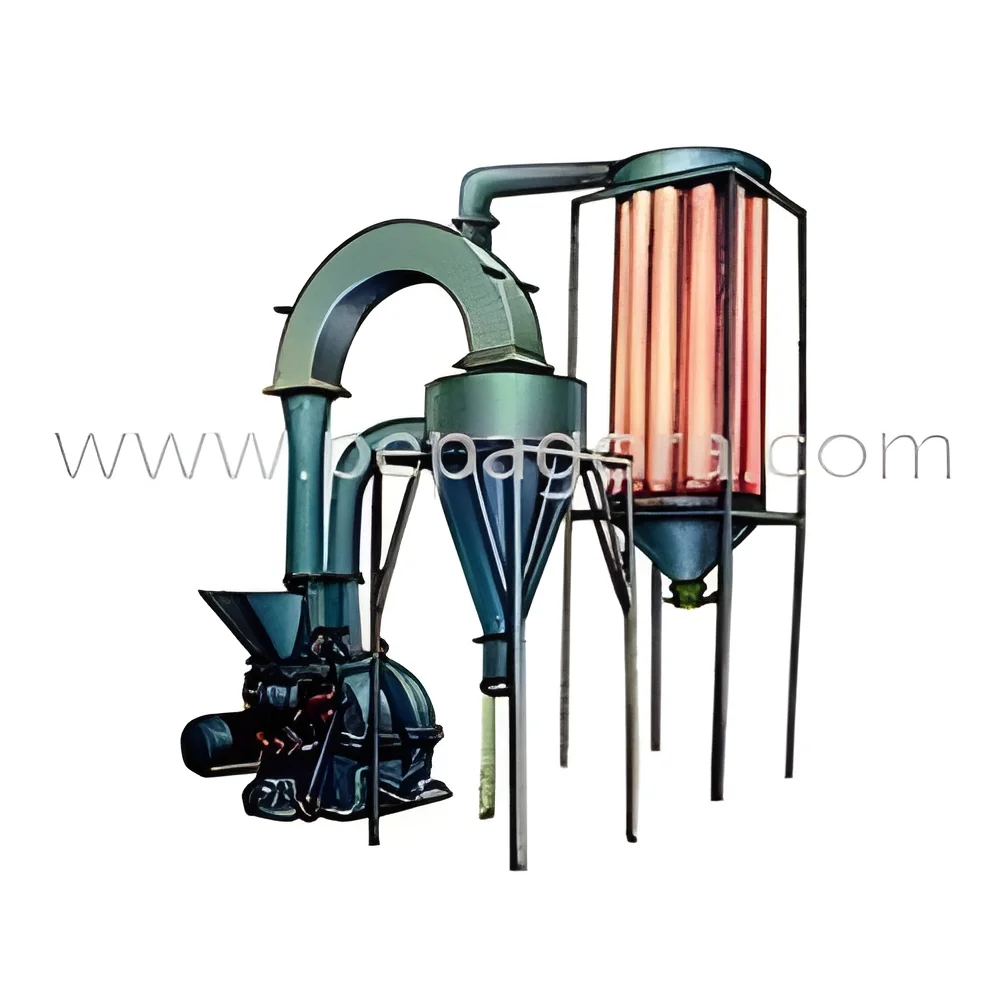
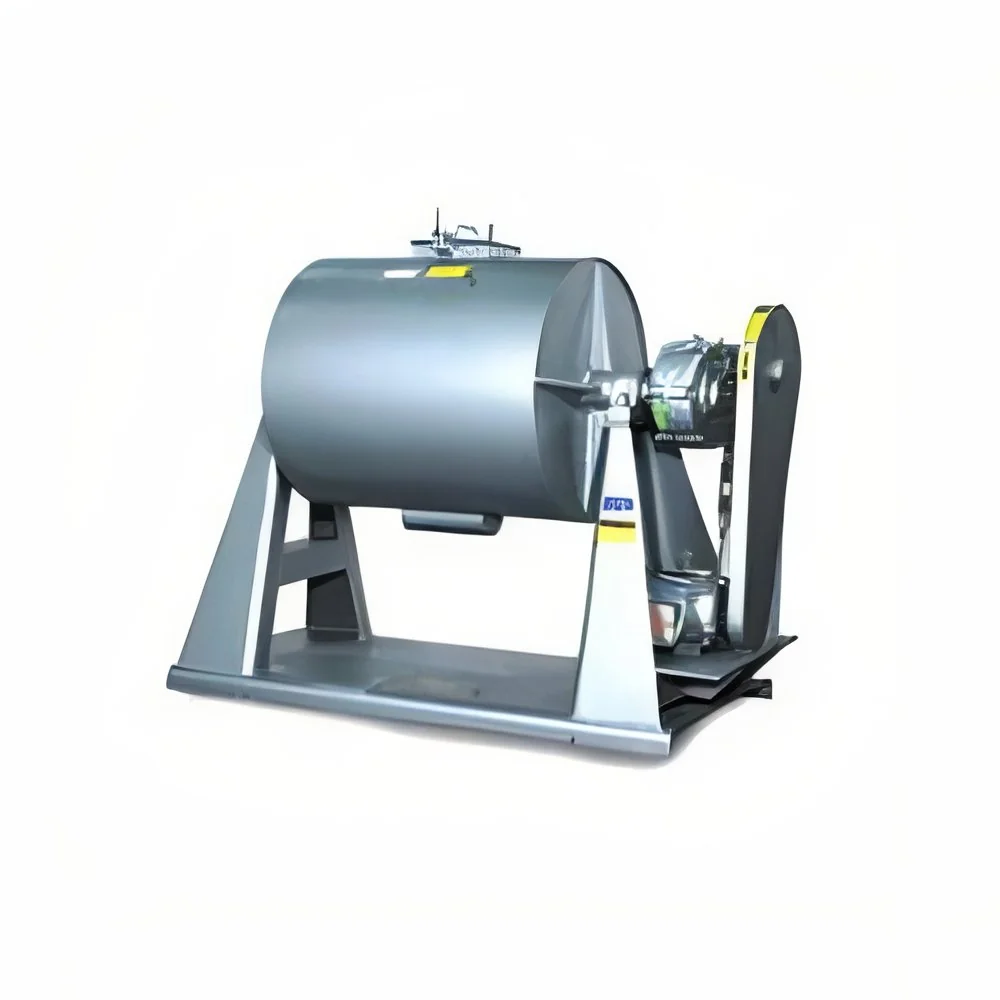
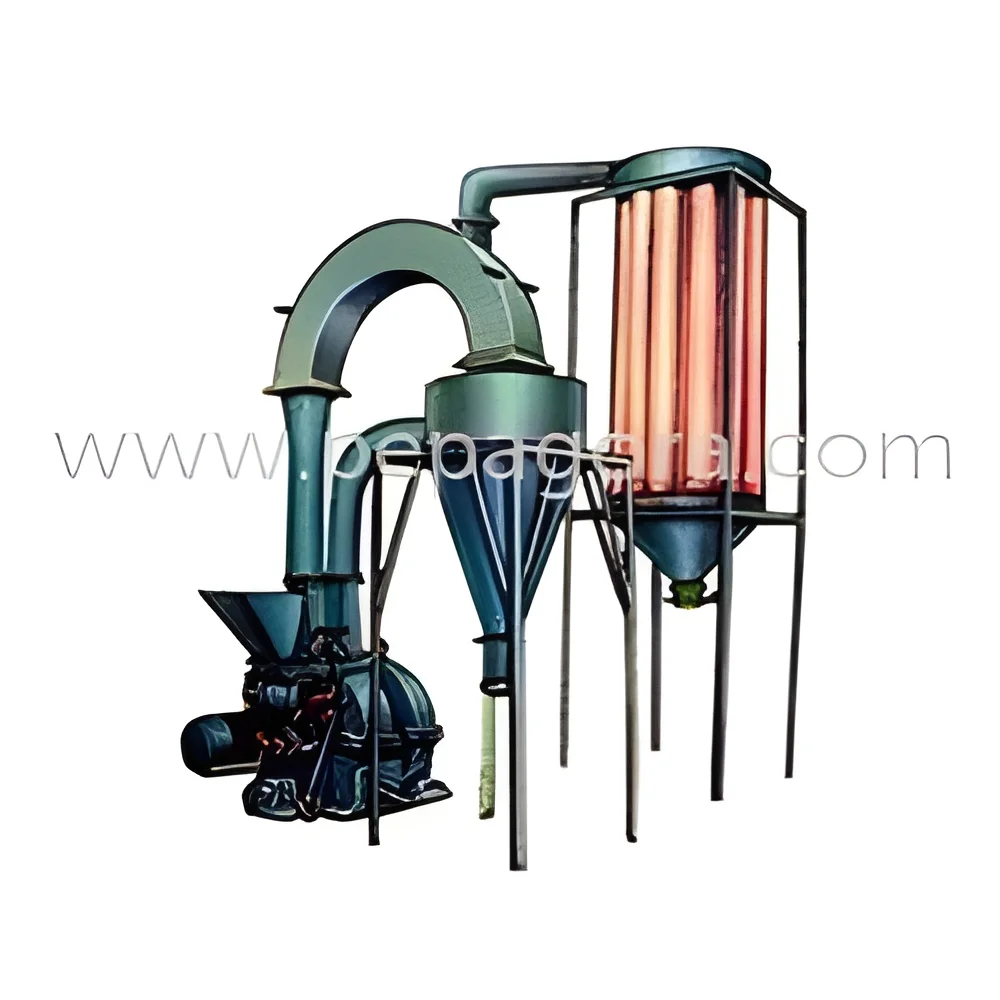
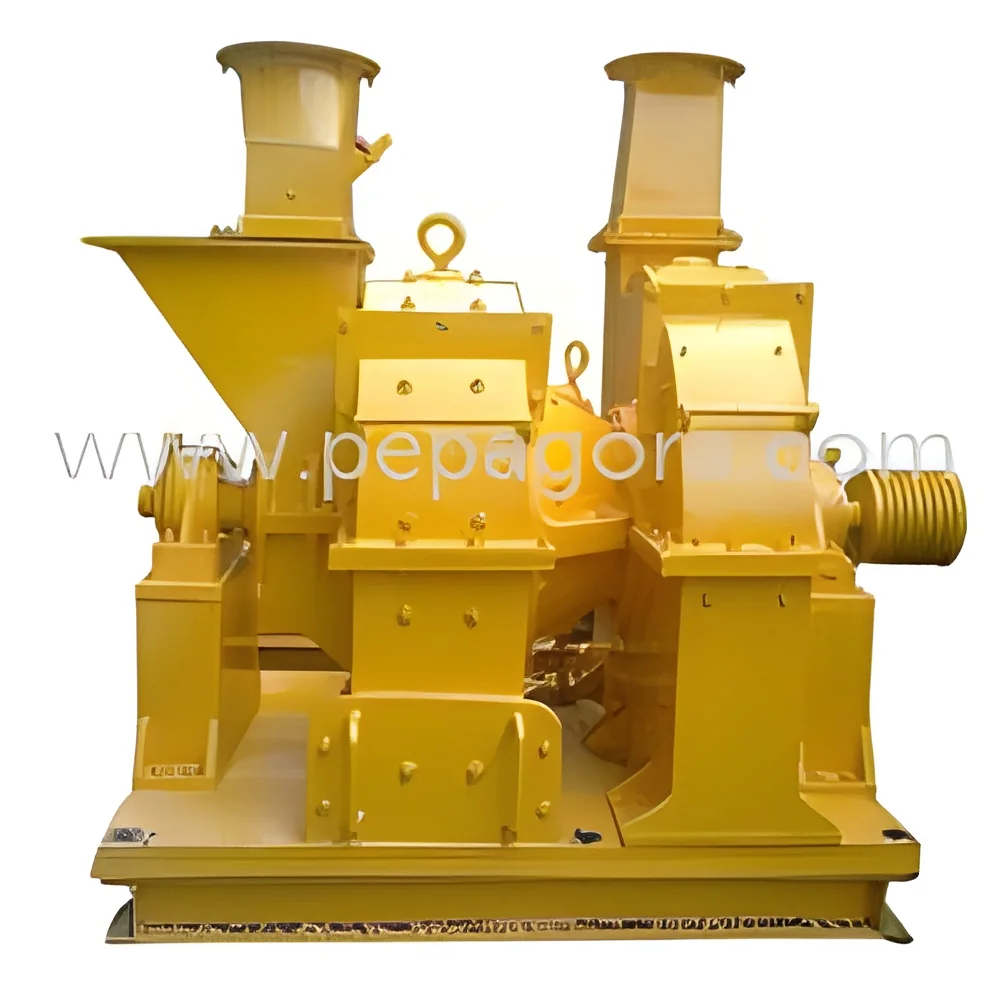
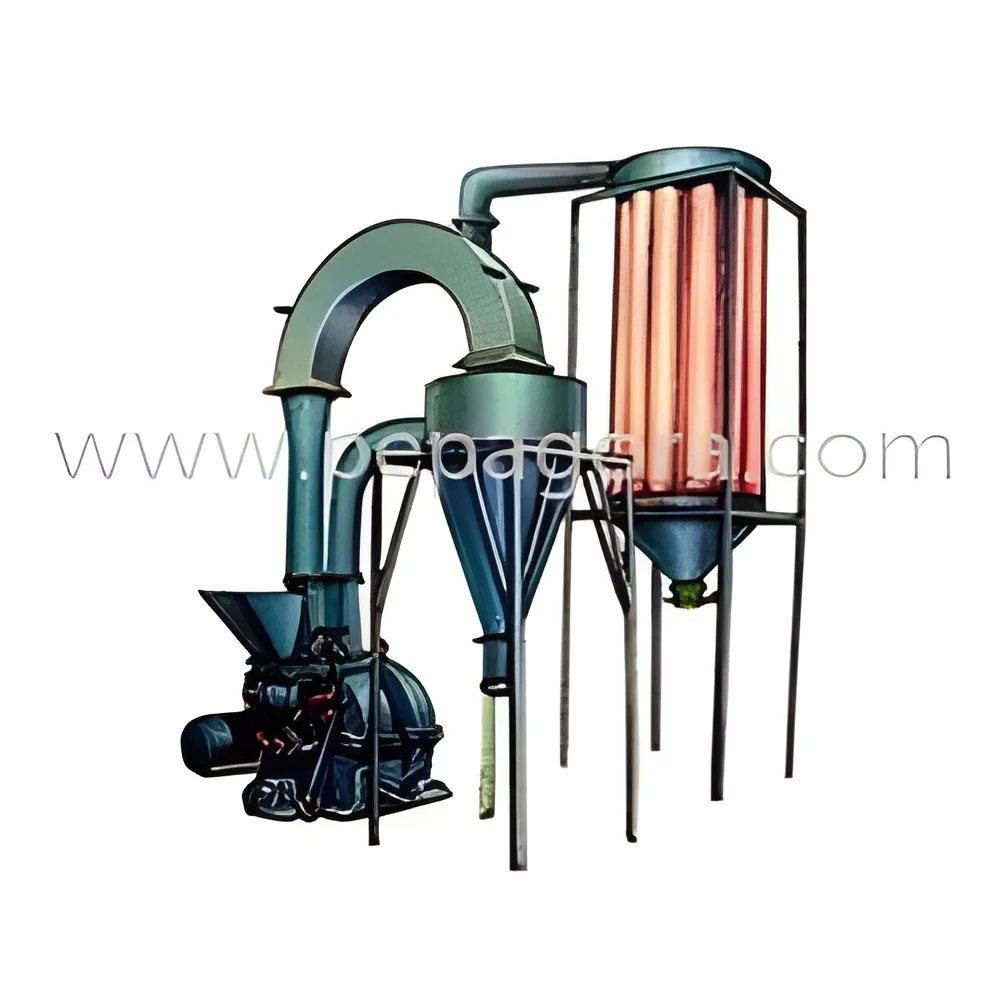
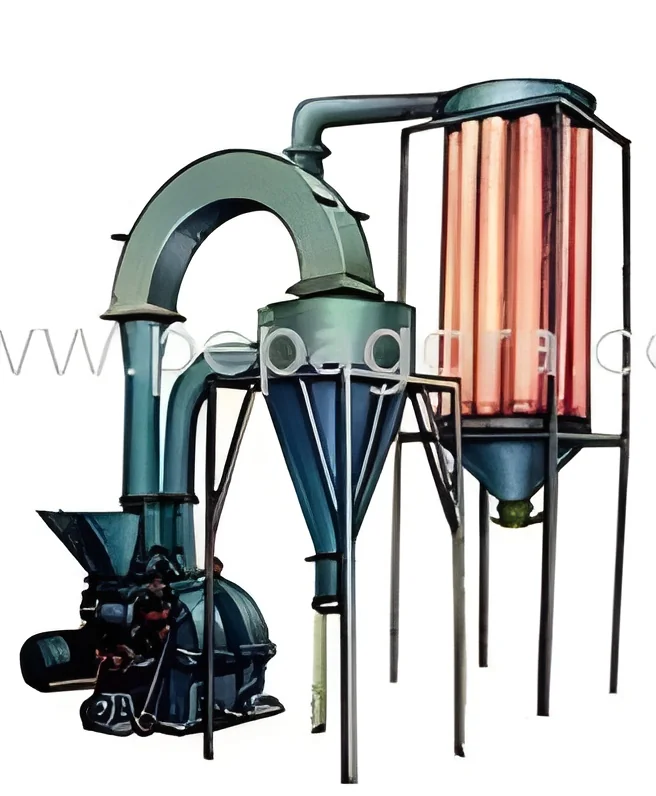
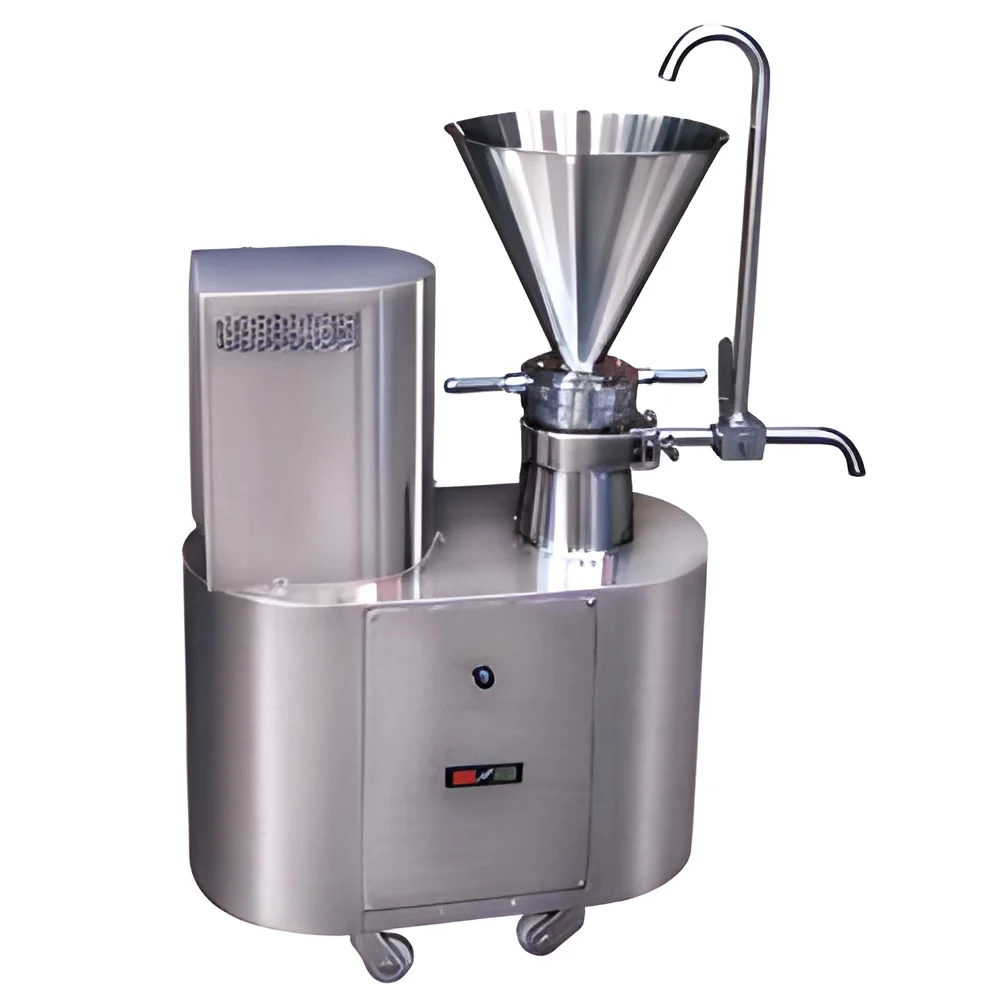
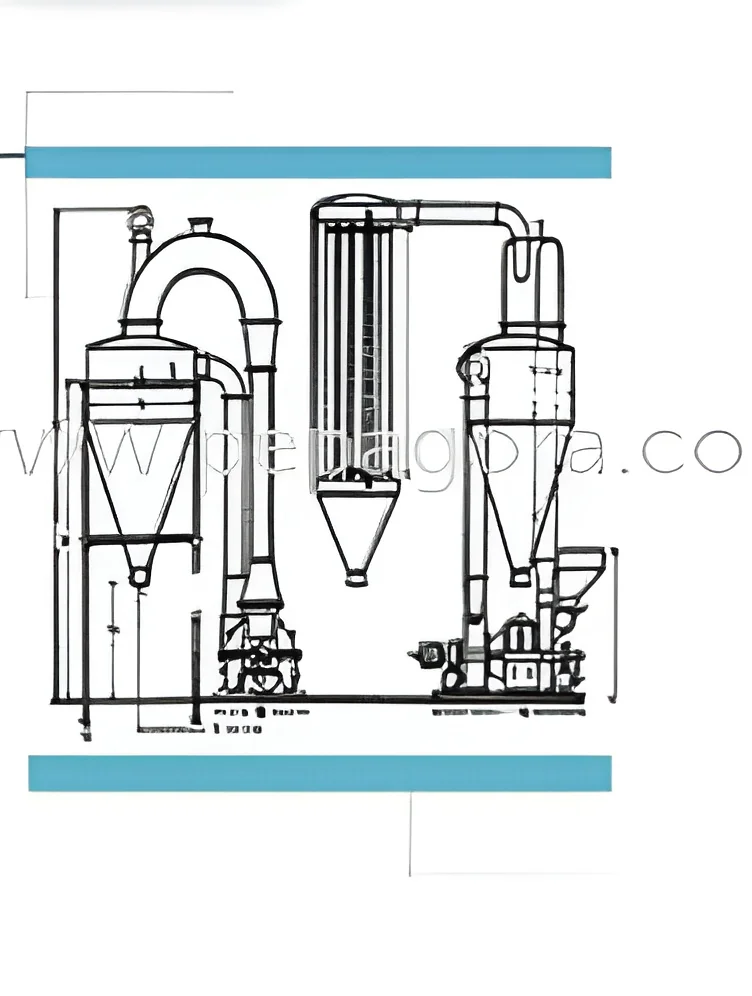
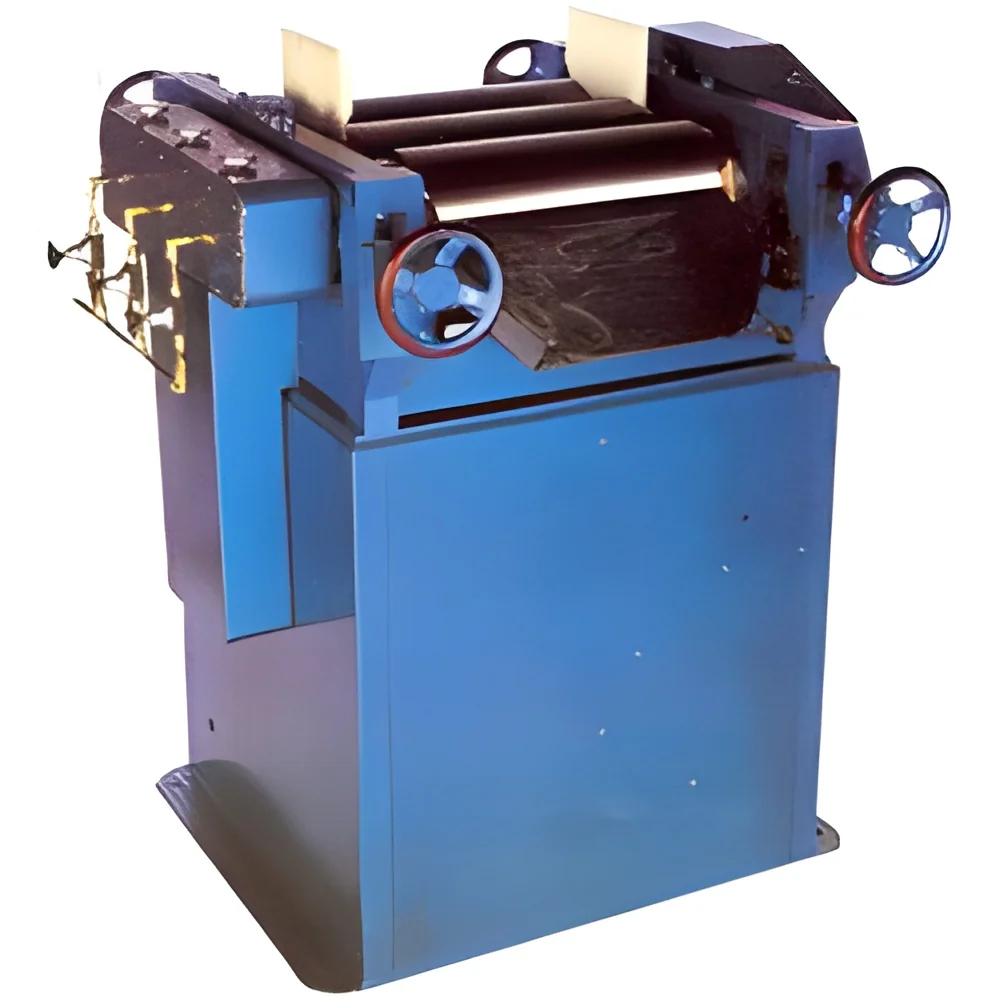
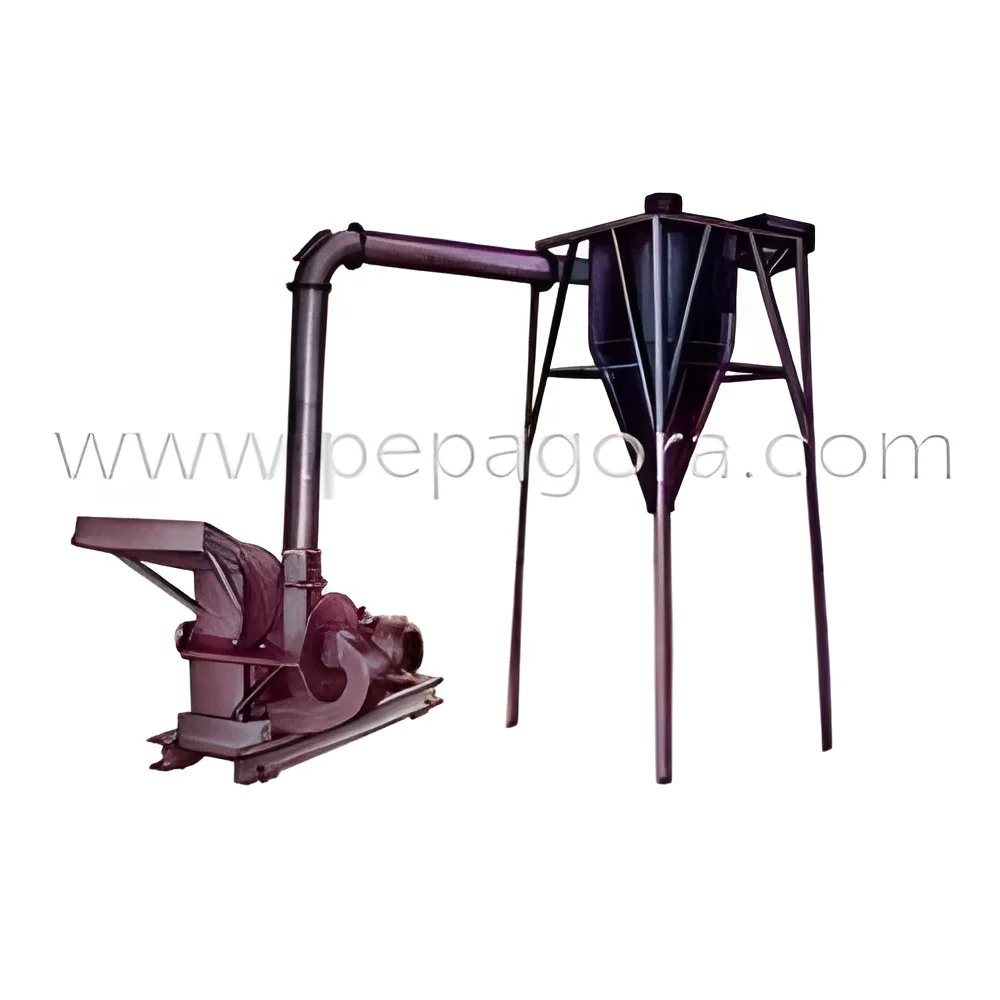
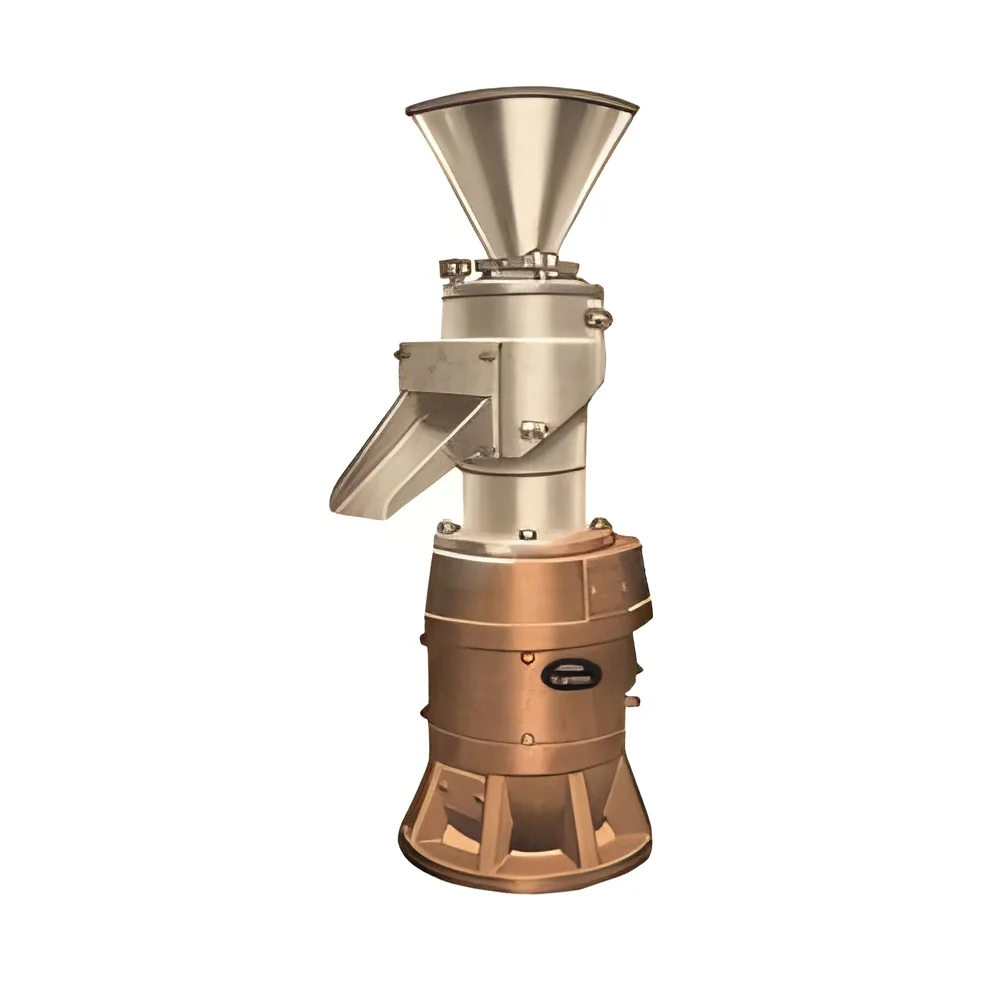
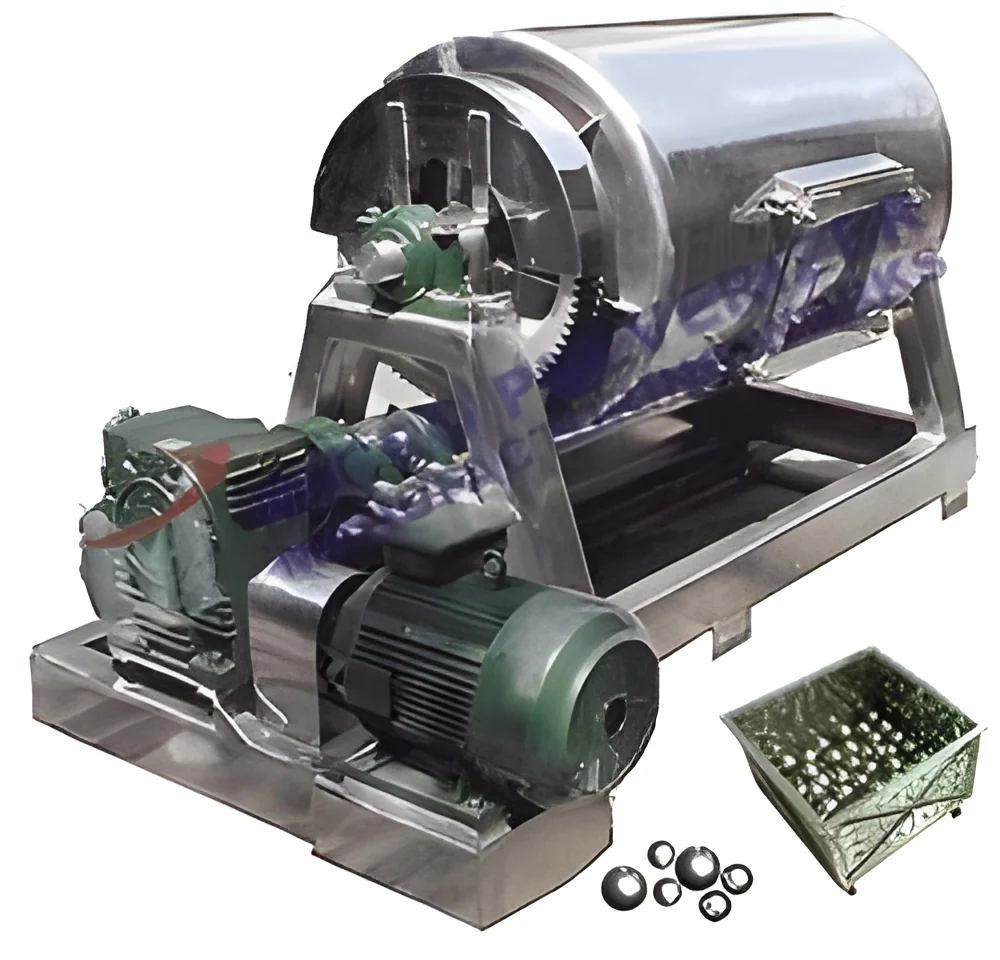
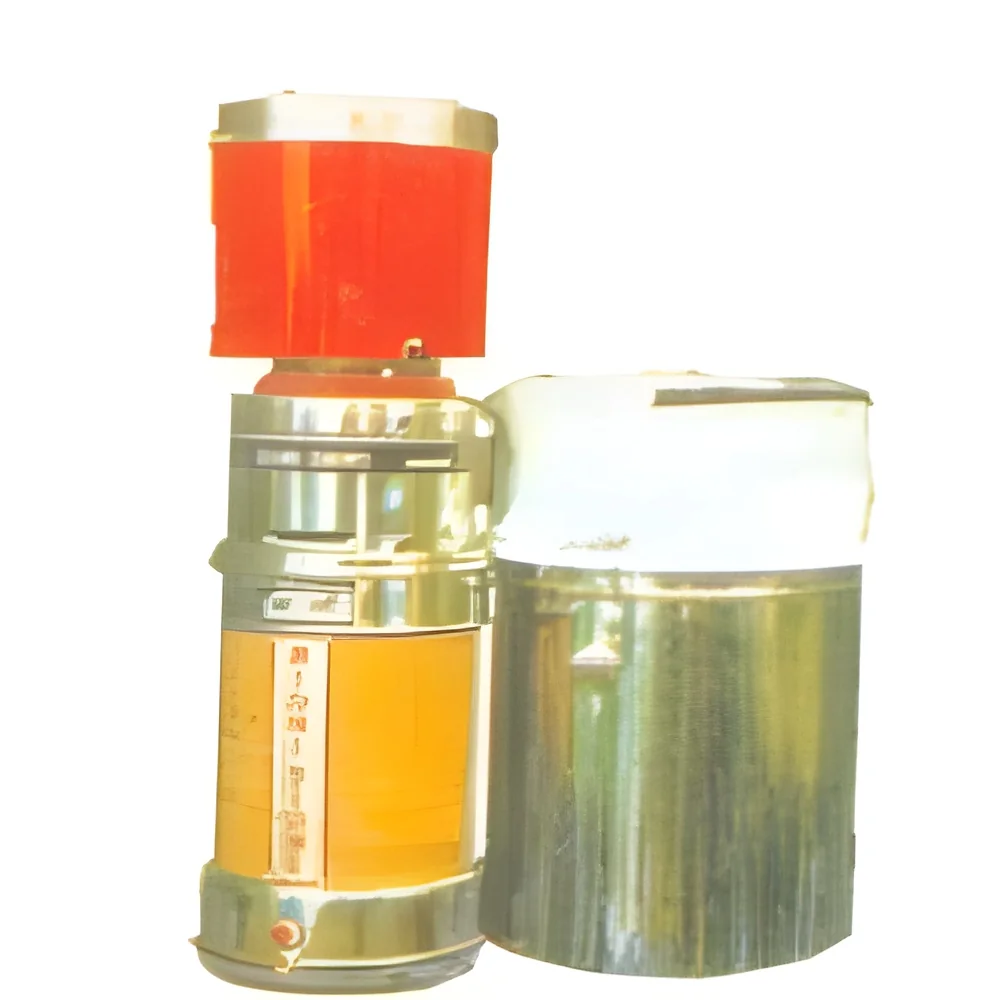
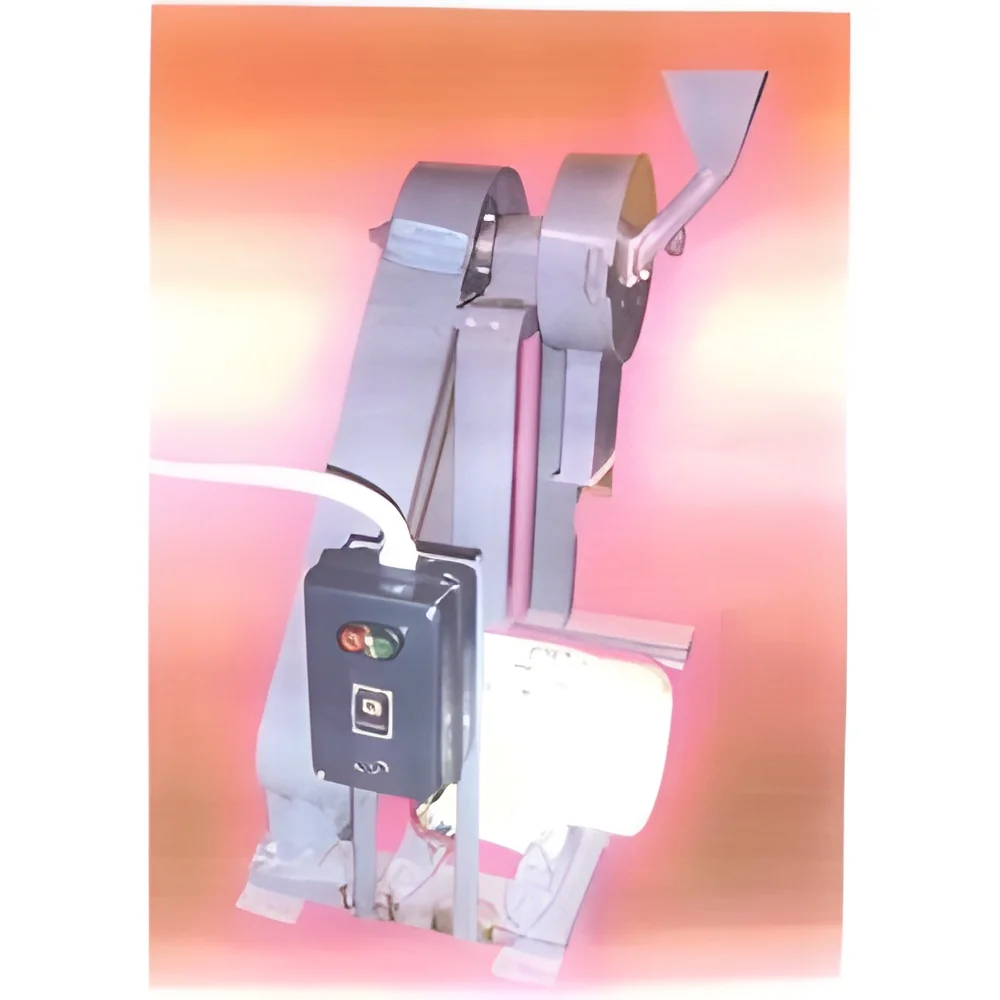
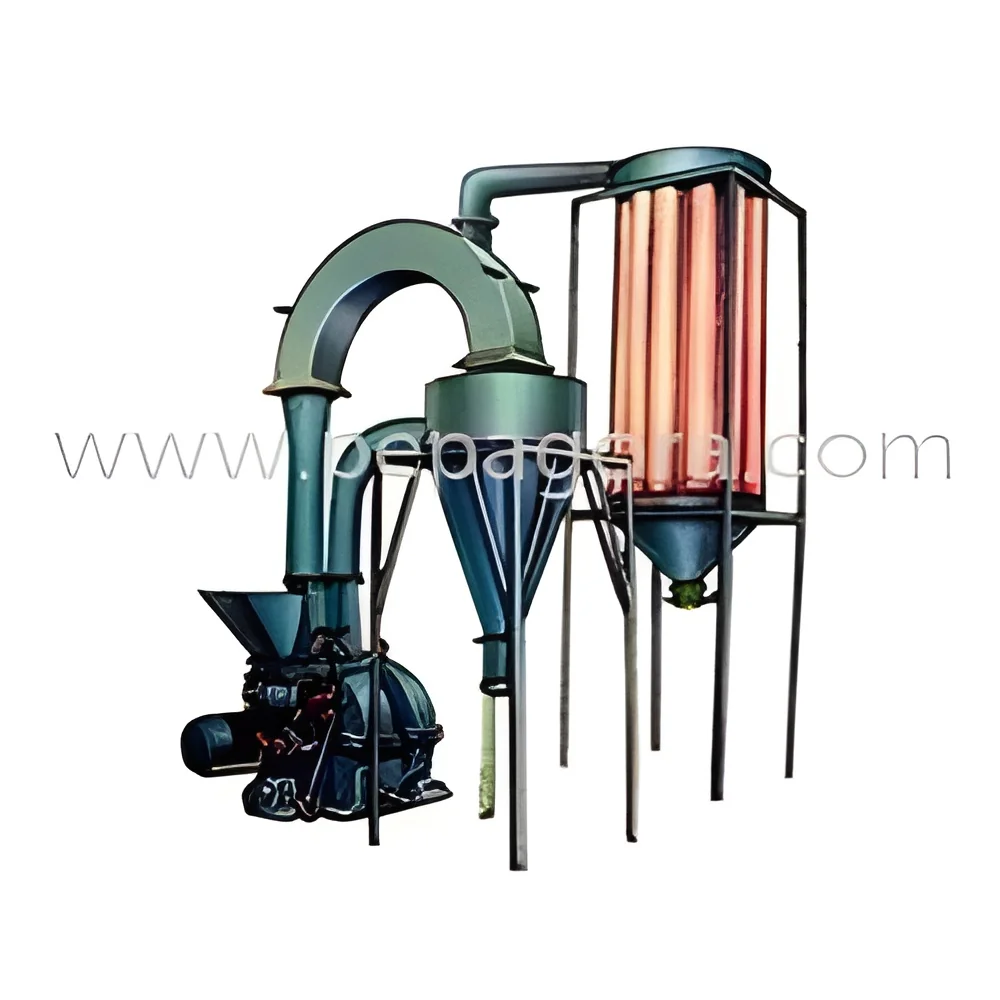
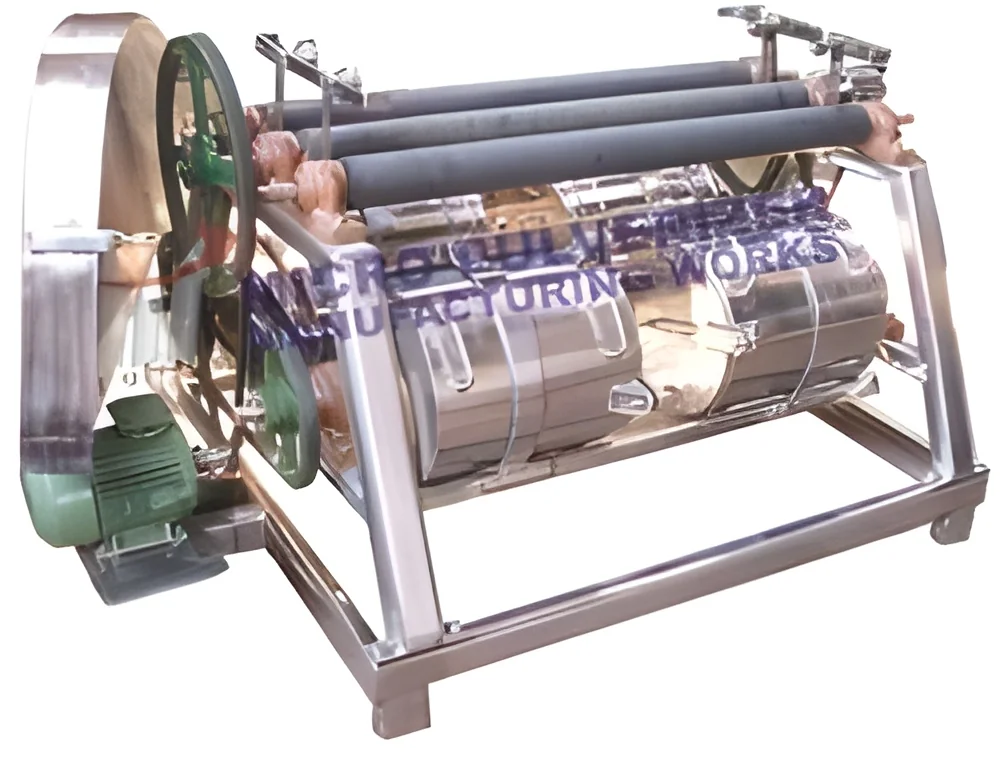
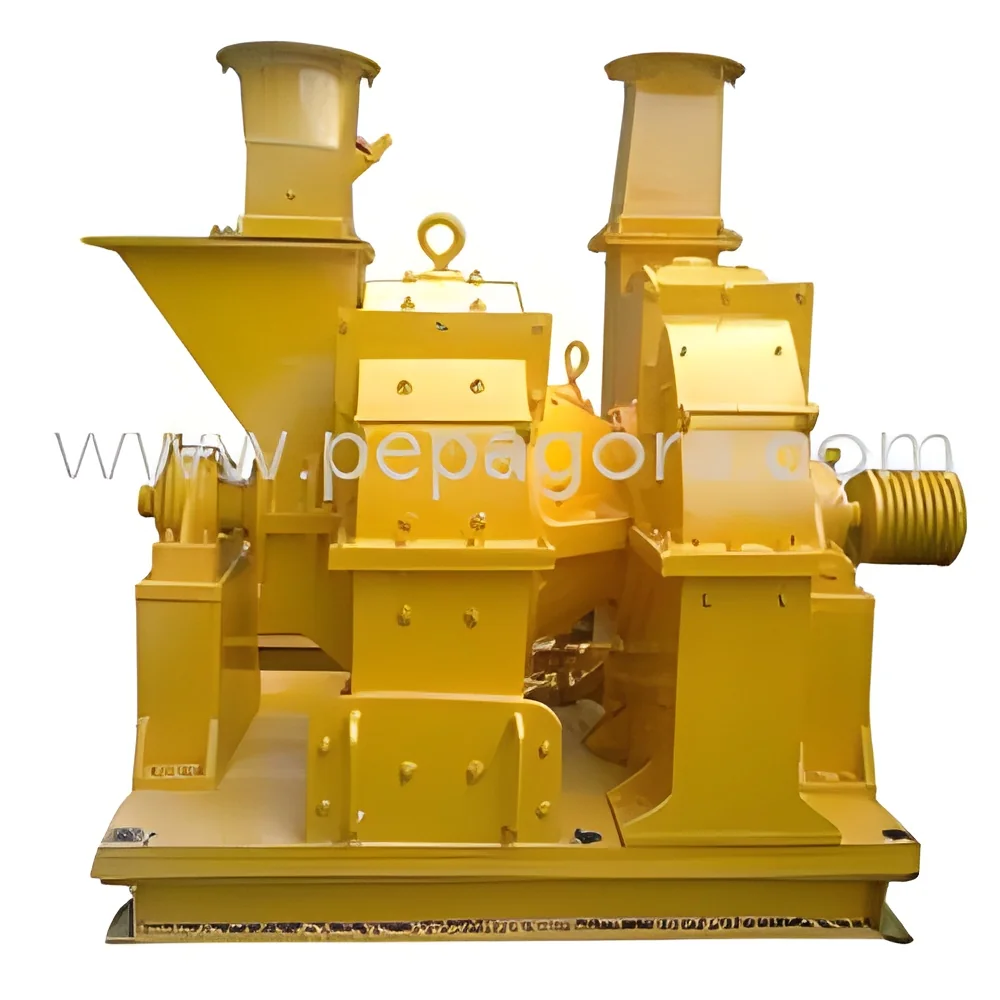
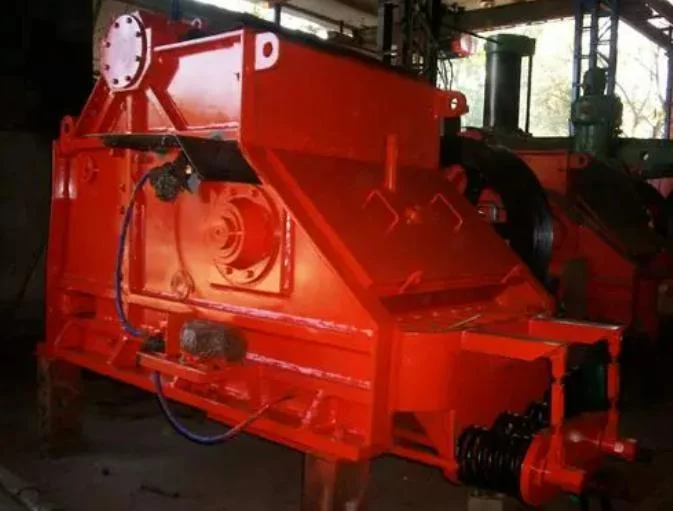
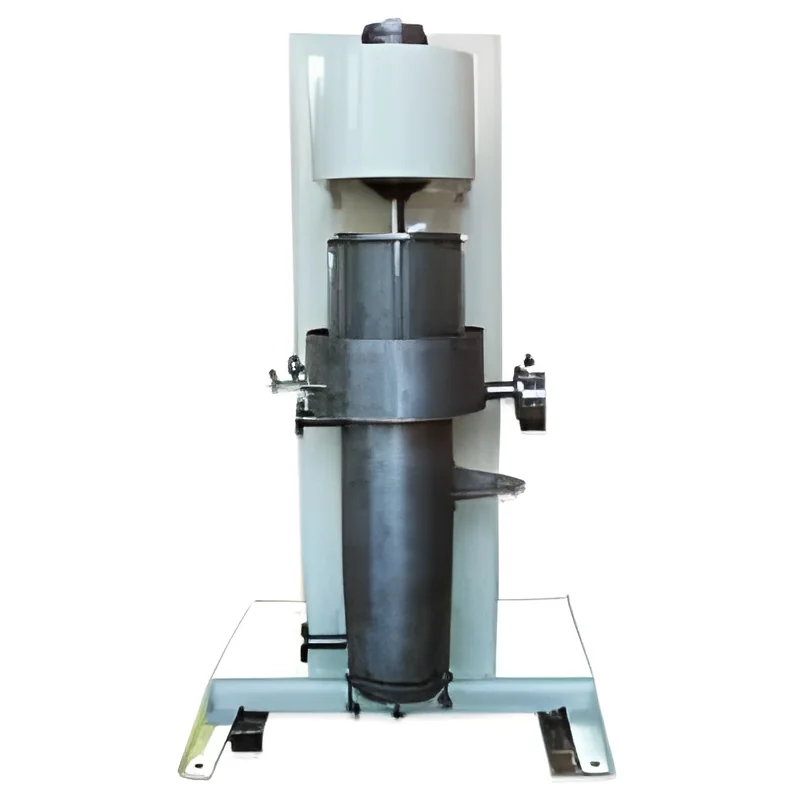
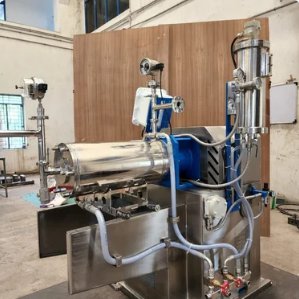
Ball mills are essential equipment in various industrial sectors, primarily used for grinding materials into fine powder. They consist of a rotating cylindrical shell filled with grinding media, such as balls made of steel or ceramic. The motion of the cylinder causes the media to tumble and crush the material inside, enabling efficient size reduction. Ball mills can operate in either a wet or dry state, allowing for versatility based on the specific requirements of the application.
The primary uses of ball mills include mineral processing, cement manufacturing, and chemical production. In mineral processing, they are used to grind ores and extract valuable minerals. In cement production, ball mills help in the fine grinding of clinker and other additives. Additionally, they play a crucial role in the production of paints, pyrotechnics, and pharmaceuticals. The relevance of ball mills in these industries underscores their importance in the market, as they support key processes that enhance productivity and product quality.
Key Features and Specifications
Ball mills are designed with several key features that enhance their performance and efficiency. Understanding these specifications is crucial for B2B buyers when selecting the right equipment for their needs.
Key specifications include:
1. Capacity
- Refers to the volume of material that can be processed.
- Typically ranges from a few kilograms to several tons per hour.
2. Grinding Media Size
- The diameter of the grinding balls used.
- Usually varies from 10 mm to 150 mm, depending on the application.
3. Shell Material
- The material used to construct the ball mill shell.
- Commonly made from steel, rubber, or composite materials for durability.
4. Motor Power
- The power rating of the motor driving the ball mill.
- Can range from a few horsepower to several hundred horsepower.
5. Dimensions
- The overall size of the ball mill, including length and diameter.
- Varies based on the specific design and capacity requirements.
6. Speed
- The rotational speed of the mill.
- Measured in revolutions per minute (rpm) and typically ranges from 50 to 200 rpm.
7. Feed Size
- The maximum size of the material that can be fed into the mill.
- Generally ranges from a few millimeters to several centimeters.
8. Control System
- The technology used for monitoring and controlling the milling process.
- Can include manual controls or advanced automation systems.
In summary, understanding the key features and specifications of ball mills helps buyers make informed decisions, ensuring they select equipment that meets their operational requirements.
Common Applications and Use Cases
Ball mills are utilized across various industries, each with specific applications that highlight their versatility.
1. Mining: In the mining sector, ball mills are crucial for grinding ore to liberate valuable minerals. They help in the extraction process, ensuring higher recovery rates.
2. Cement: Ball mills are widely used in cement production to grind clinker and additives. This process is essential for achieving the desired fineness of the final product.
3. Chemical: In the chemical industry, ball mills facilitate the grinding of raw materials and the mixing of compounds, contributing to the production of paints, coatings, and chemicals.
4. Pharmaceuticals: Ball mills are employed in the pharmaceutical sector to grind active ingredients and excipients, ensuring uniformity in drug formulation.
5. Food Processing: In food production, ball mills are used to grind grains and spices, enhancing the texture and flavor profile of end products.
6. Recycling: Ball mills can aid in the recycling process by grinding materials like glass and plastics, making them easier to process and repurpose.
7. Energy: In the energy sector, ball mills are used for grinding biomass and other materials for biofuel production, contributing to sustainable energy solutions.
Product Variants and Subcategories
Ball mills are available in various designs and configurations to meet different industrial needs.
Planetary Ball Mills
These mills are designed for high-energy milling and are ideal for producing ultra-fine powders. They operate on the principle of high-velocity impact and are suitable for laboratory and research applications.
Industrial Ball Mills
Typically larger in size, industrial ball mills are used for bulk material processing. They are designed for continuous operation and can handle large quantities of material efficiently.
Laboratory Ball Mills
These smaller mills are specifically designed for laboratory use, allowing for precise grinding and experimentation with various materials. They are essential for R&D purposes.
Benefits and Advantages
Investing in ball mills offers numerous advantages for businesses seeking efficient processing solutions.
1. Enhanced Efficiency: Ball mills provide high grinding efficiency, allowing for quicker processing times and increased output.
2. Versatility: Capable of grinding various materials, ball mills can be adapted for different applications across multiple industries.
3. Customization: Many ball mills can be tailored to specific requirements, including size, speed, and grinding media, ensuring optimal performance.
4. Low Operating Costs: Once installed, ball mills typically have low maintenance and energy costs, making them a cost-effective solution in the long run.
5. Consistent Quality: Ball mills produce uniform particle sizes, contributing to the overall quality and consistency of the final product.
6. Safety Features: Modern ball mills are equipped with safety mechanisms to protect operators and maintain safe working conditions.
Buying Guide for B2B Buyers
When sourcing ball mills, it is crucial for buyers to consider various factors to ensure they make an informed decision.
1. Quality Assessment: Evaluate the quality of materials and construction of the ball mill. Look for reliable manufacturers that adhere to industry standards.
2. Supplier Verification: Conduct thorough background checks on potential suppliers. Verify their reputation, experience, and customer feedback to ensure reliability.
3. Pricing and MOQ: Consider the pricing structure and minimum order quantities. Different suppliers may offer varying terms that can impact overall costs.
4. Delivery and Lead Times: Discuss logistics and delivery times. Timely delivery is essential for ensuring production schedules are met without delays.
5. Compliance Requirements: Ensure that the ball mills meet relevant industry standards and regulations. This includes safety certifications and environmental compliance.
Compliance and Certifications
Ball mills must adhere to various compliance and certification standards to ensure quality and safety in industrial applications. Key quality standards include ISO 9001, which focuses on quality management systems, ensuring products meet customer and regulatory requirements.
Industry certifications, such as CE marking, indicate that the ball mills comply with European safety standards, making them suitable for use in various applications. Additionally, safety and testing requirements must be met to ensure that the equipment operates safely and effectively.
Regional compliance considerations may vary, and it is essential for manufacturers and suppliers to stay updated on local regulations to avoid potential legal issues.
Why Source Ball Mills from Pepagora?
Pepagora offers a trusted platform for sourcing ball mills, providing several key advantages for B2B buyers.
Verified Supplier Network: Pepagora connects buyers with a network of verified suppliers, ensuring that only reputable manufacturers are considered. This reduces risks associated with sourcing equipment.
Streamlined RFQ Process: The platform features a straightforward Request for Quotation (RFQ) process, allowing buyers to easily compare offers and make informed purchasing decisions.
Trade Assurance and Support: Pepagora provides trade assurance to protect buyers, ensuring that transactions are secure and that buyers receive the products they ordered.
Regional Coverage: With a strong presence in India, the GCC, and Southeast Asia, Pepagora facilitates access to a wide range of ball mills tailored to meet the demands of various markets. This broad geographic reach enhances sourcing opportunities for businesses across these regions.

 IN
IN