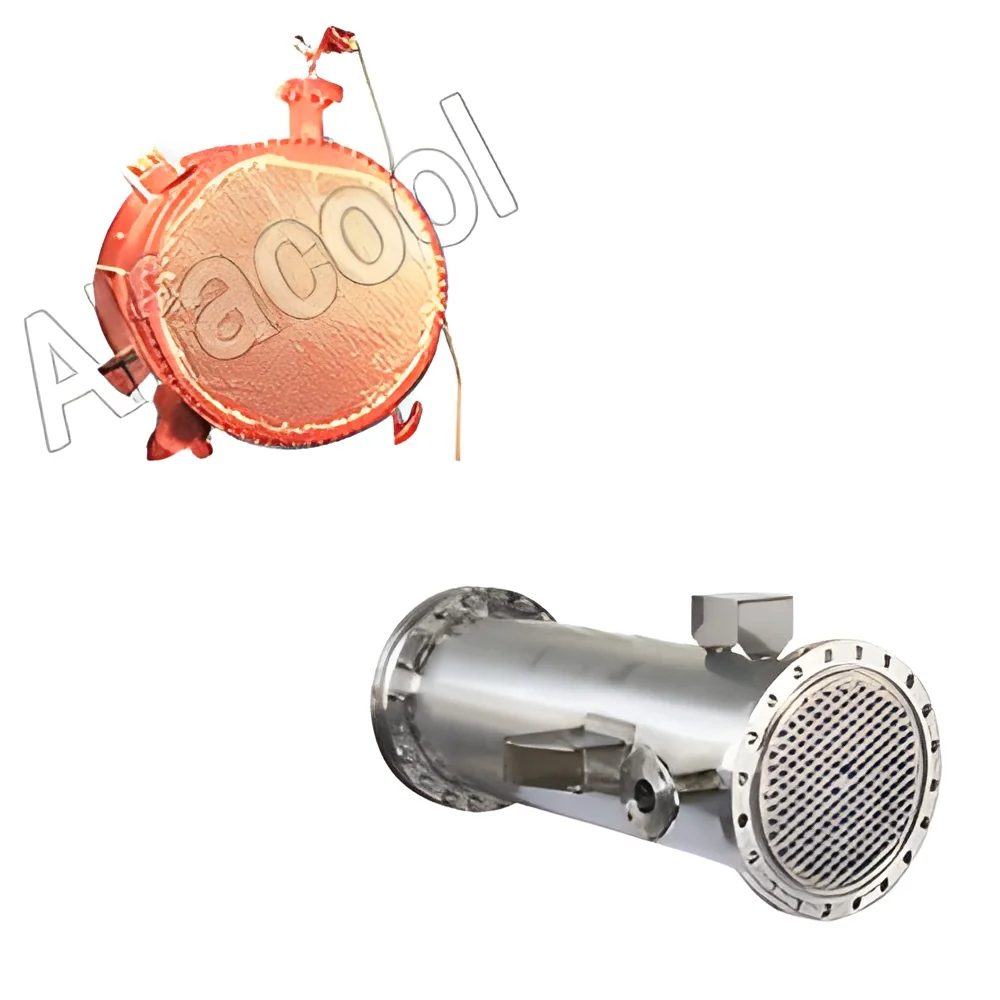
What are Shell & Tube Heat Exchangers?
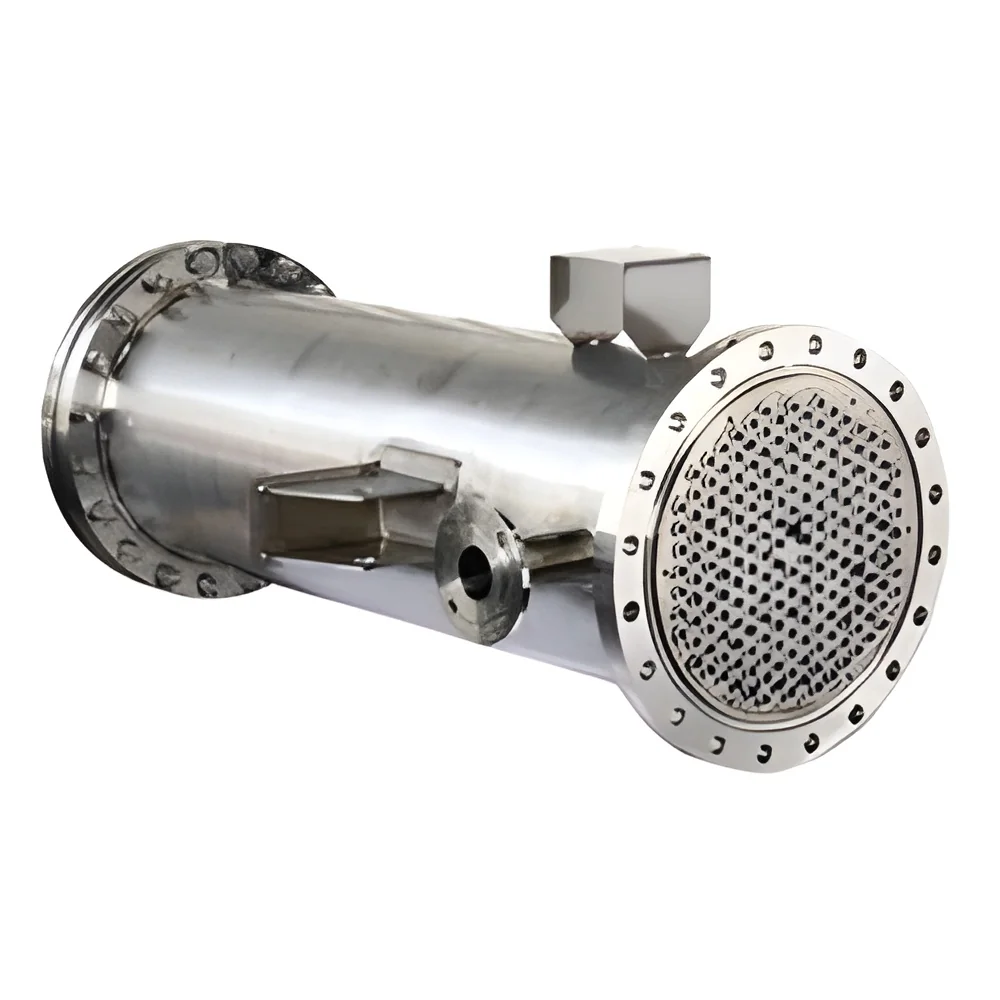
Shell and tube heat exchangers are essential components in various industrial processes. They consist of a series of tubes, one set of which contains the fluid to be heated or cooled, while the other set, housed in a shell, contains a second fluid that facilitates heat transfer. This design allows for efficient thermal exchange between the two fluids, making shell and tube heat exchangers a preferred choice for applications requiring effective heat management.
Primarily, these heat exchangers are utilized in industries such as oil and gas, chemical processing, power generation, and HVAC. Their ability to handle high pressures and temperatures makes them suitable for a range of applications, from cooling water in power plants to heating oil in refineries. The versatility of shell and tube heat exchangers ensures that they remain highly relevant in the market, catering to the needs of businesses looking for reliable heat transfer solutions.
As industries continue to grow and evolve, the demand for efficient heat exchangers remains strong. Shell and tube heat exchangers are crucial in improving energy efficiency and reducing operational costs across various sectors. Their robust design and adaptability to different operating conditions contribute to their ongoing relevance in the global marketplace.
Key Features and Specifications
Shell and tube heat exchangers are characterized by several important features that enhance their performance and suitability for industrial applications. These features contribute to their effectiveness in heat transfer, reliability, and operational efficiency.
Key specifications include:
1. Design Configuration
- Most commonly available in a single or multi-pass design.
- Multi-pass designs allow for greater heat transfer efficiency.
2. Material of Construction
- Typically constructed from stainless steel, carbon steel, or other corrosion-resistant materials.
- Material choice depends on the operating conditions and the fluids involved.
3. Tube Diameter
- Commonly ranges from 0.5 inches to 2 inches.
- Tube diameter affects flow rates and heat transfer capabilities.
4. Shell Diameter
- Varies based on the design and application, usually from 10 inches to 60 inches.
- A larger shell diameter can accommodate more tubes for increased heat exchange.
5. Pressure Ratings
- Designed to operate at pressures from 150 psi to over 4000 psi.
- Pressure ratings are critical for ensuring safety and compliance in high-pressure applications.
6. Heat Transfer Area
- The effective area can range from a few square feet to several thousand square feet.
- The heat transfer area directly influences the efficiency of thermal exchange.
7. Temperature Range
- Typically suitable for temperatures ranging from -50°C to 400°C.
- High-temperature capabilities make them ideal for demanding industrial processes.
8. Customization Options
- Can be tailored to meet specific operational requirements, including size, materials, and configurations.
- Custom solutions ensure optimal performance for unique applications.
In summary, shell and tube heat exchangers offer a range of features and specifications that make them adaptable for various industrial applications. Their design flexibility and robust construction are key factors in their widespread use.
Common Applications and Use Cases
Shell and tube heat exchangers are utilized across multiple industries due to their efficiency and reliability in heat transfer.
1. Oil and Gas: These exchangers are used in refineries to heat crude oil and in cooling systems for various processes, ensuring optimal performance and energy efficiency.
2. Chemical Processing: They play a vital role in maintaining temperature control during chemical reactions, helping to ensure product quality and safety.
3. Power Generation: Used in steam power plants for cooling and heating applications, they aid in improving the overall thermal efficiency of the power generation cycle.
4. HVAC: Shell and tube heat exchangers are employed in heating, ventilation, and air conditioning systems to regulate indoor temperatures effectively.
5. Food and Beverage: In pasteurization and refrigeration processes, they help maintain product safety and quality by controlling temperatures.
6. Pharmaceuticals: These exchangers are critical in maintaining precise temperature controls during the production of medications and vaccines.
7. Marine Applications: They are utilized in ship cooling systems to ensure engine temperatures remain within operational limits.
Product Variants and Subcategories
Shell and tube heat exchangers come in various designs, each tailored to meet specific operational needs. This diversity ensures that businesses can find the right solution for their applications.
Standard Shell and Tube Heat Exchanger
This variant is designed for general industrial applications, featuring a simple yet effective construction that supports a wide range of operating conditions.
High-Pressure Shell and Tube Heat Exchanger
Engineered for applications requiring higher pressure tolerances, this variant is built with reinforced materials to withstand extreme conditions while maintaining efficiency.
Compact Shell and Tube Heat Exchanger
Ideal for applications with space constraints, this variant features a smaller footprint while providing effective heat transfer capabilities.
Benefits and Advantages
Selecting shell and tube heat exchangers comes with several key benefits that enhance operational efficiency and cost-effectiveness.
1. High Efficiency: These heat exchangers provide superior heat transfer capabilities, ensuring optimal energy use.
2. Versatility: They can be used in various applications across multiple industries, making them a flexible solution for businesses.
3. Robust Design: Their durable construction allows them to withstand high pressures and temperatures, enhancing reliability.
4. Customization: They can be tailored to meet specific needs, ensuring optimal performance for unique applications.
5. Easy Maintenance: Shell and tube heat exchangers are designed for straightforward maintenance, reducing downtime and operational costs.
6. Long Lifespan: Built with high-quality materials, they offer a long service life, providing value for investment.
Buying Guide for B2B Buyers
When sourcing shell and tube heat exchangers, it is essential for B2B buyers to consider several key factors that impact their purchasing decisions.
1. Quality Assessment: Ensure that the heat exchangers meet relevant quality standards and have undergone rigorous testing to guarantee reliability and performance.
2. Supplier Verification: Vet suppliers thoroughly to confirm their credibility and experience in manufacturing shell and tube heat exchangers.
3. Pricing and MOQ: Understand the pricing structure and minimum order quantities to make informed purchasing decisions while staying within budget.
4. Delivery and Lead Times: Discuss logistics with suppliers to ensure timely delivery and avoid disruptions in production schedules.
5. Compliance Requirements: Ensure that the heat exchangers meet industry regulations and standards, such as CE certification, to avoid compliance issues.
Compliance and Certifications
Shell and tube heat exchangers are subject to various compliance and certification requirements to ensure safety and reliability.
Quality standards such as ISO 9001 ensure that manufacturers adhere to consistent quality management practices. These standards are essential for maintaining product integrity and customer satisfaction.
Industry certifications, including CE marking, signify that the products meet European safety, health, and environmental protection standards. This certification is vital for companies looking to operate within the European market.
In addition to these, manufacturers must also comply with safety and testing requirements to ensure that their heat exchangers can withstand the pressures and temperatures expected in industrial applications. This compliance protects not only the equipment but also personnel and the environment.
Regional considerations may also apply, as different regions may have specific regulations governing the use and manufacturing of heat exchangers. Understanding these compliance requirements is crucial for companies sourcing shell and tube heat exchangers.
Why Source Shell & Tube Heat Exchangers from Pepagora?
Pepagora offers a trusted platform for sourcing shell and tube heat exchangers, providing several key advantages for businesses.
Verified Supplier Network: Pepagora features a robust network of pre-vetted suppliers, ensuring that buyers have access to reliable manufacturers with a proven track record in quality and performance.
Streamlined RFQ Process: The platform simplifies the request for quotation process, allowing buyers to easily compare suppliers and obtain competitive pricing tailored to their needs.
Trade Assurance and Support: Pepagora provides trade assurance that protects buyers against potential risks, ensuring that transactions are secure and that products meet specified standards.
Regional Coverage: With a presence in India, the GCC, and Southeast Asia, Pepagora offers extensive geographic reach, enabling companies in these regions to source high-quality shell and tube heat exchangers efficiently.
By choosing Pepagora, businesses can make informed purchasing decisions while ensuring they receive top-quality products that meet their operational requirements.

 IN
IN