What are PLC & SCADA for Chemical Plants?
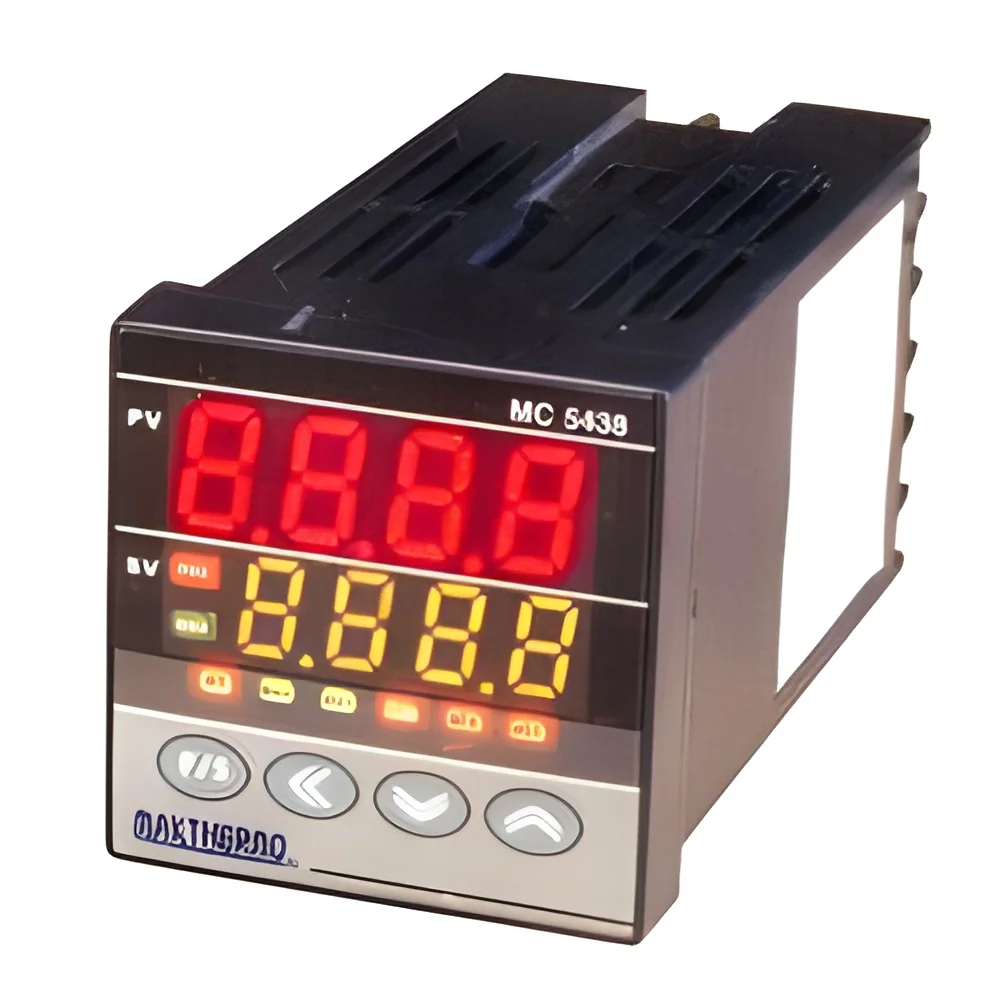
PLC (Programmable Logic Controller) and SCADA (Supervisory Control and Data Acquisition) systems are essential tools in the automation of chemical plants. A PLC is a digital computer designed for industrial environments, responsible for controlling machinery and processes through inputs and outputs. SCADA, on the other hand, is a system that allows for remote monitoring and control of industrial processes, providing operators with real-time data on system performance.
The primary uses of PLC and SCADA systems in chemical plants include process automation, monitoring of operations, data collection, and alarm management. These systems enhance operational efficiency by enabling quick responses to process changes and potential issues. Businesses leverage these systems to optimize production, reduce downtime, and improve safety measures. Given the complexity and scale of chemical manufacturing, PLC and SCADA are vital for ensuring that operations run smoothly and safely.
In the context of the industrial market, PLC and SCADA technologies have become increasingly relevant due to the growing demand for automation and remote monitoring solutions. As chemical plants face challenges such as regulatory compliance, environmental concerns, and the need for operational excellence, these systems provide the necessary tools to meet these demands effectively. The integration of advanced technologies into these systems further enhances their capabilities, making them indispensable in modern chemical production.
Key Features and Specifications
PLC and SCADA systems come with a variety of features that cater to the specific needs of chemical plants. These features enhance functionality, reliability, and user experience. Key specifications include:
1. Control Capability
- Enables precise control of machinery and processes
- Typically supports multiple I/O points for complex operations
2. Data Acquisition
- Collects real-time data from various sensors and devices
- Capable of handling large volumes of data for analysis
3. User Interface
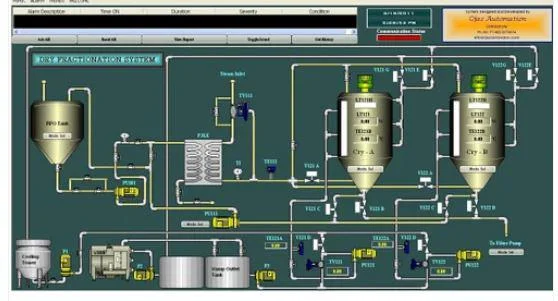
- Offers intuitive graphical user interfaces for easy operation
- Customizable dashboards for performance monitoring
4. Communication Protocols
- Supports multiple protocols such as Modbus, TCP/IP, and Ethernet
- Ensures compatibility with various devices and systems
5. Remote Access
- Allows operators to monitor and control processes from remote locations
- Enhances operational flexibility and responsiveness
6. Alarm Management
- Provides alerts for abnormal conditions and system failures
- Enables quick response to potential safety issues
7. Historical Data Logging
- Stores historical data for compliance and analysis
- Facilitates trend analysis and reporting
8. Security Features
- Implements user authentication to protect against unauthorized access
- Data encryption for secure communication
In summary, PLC and SCADA systems for chemical plants are characterized by their robust control capabilities, extensive data acquisition features, and user-friendly interfaces, making them critical components for efficient operations.
Common Applications and Use Cases
PLC and SCADA systems are utilized across various industries, each benefiting from their advanced functionalities.
1. Oil and Gas: These systems monitor pipeline operations, manage drilling activities, and control production processes to ensure safety and efficiency.
2. Pharmaceuticals: In this sector, PLC and SCADA systems manage complex batch processes, ensuring strict compliance with regulatory standards.
3. Water Treatment: They are used to monitor treatment processes, control chemical dosing, and ensure the quality of treated water.
4. Food and Beverage: These systems help in controlling production lines, monitoring environmental conditions, and managing packaging processes.
5. Power Generation: PLC and SCADA systems are essential for monitoring grid operations, managing generation units, and ensuring the stability of the power supply.
6. Mining: In mining operations, these systems control machinery, monitor environmental conditions, and enhance safety measures.
7. Chemical Processing: They manage continuous processes, monitor chemical reactions, and control mixing operations to ensure product quality and safety.
Product Variants and Subcategories
PLC and SCADA systems come in various forms, catering to different operational needs.
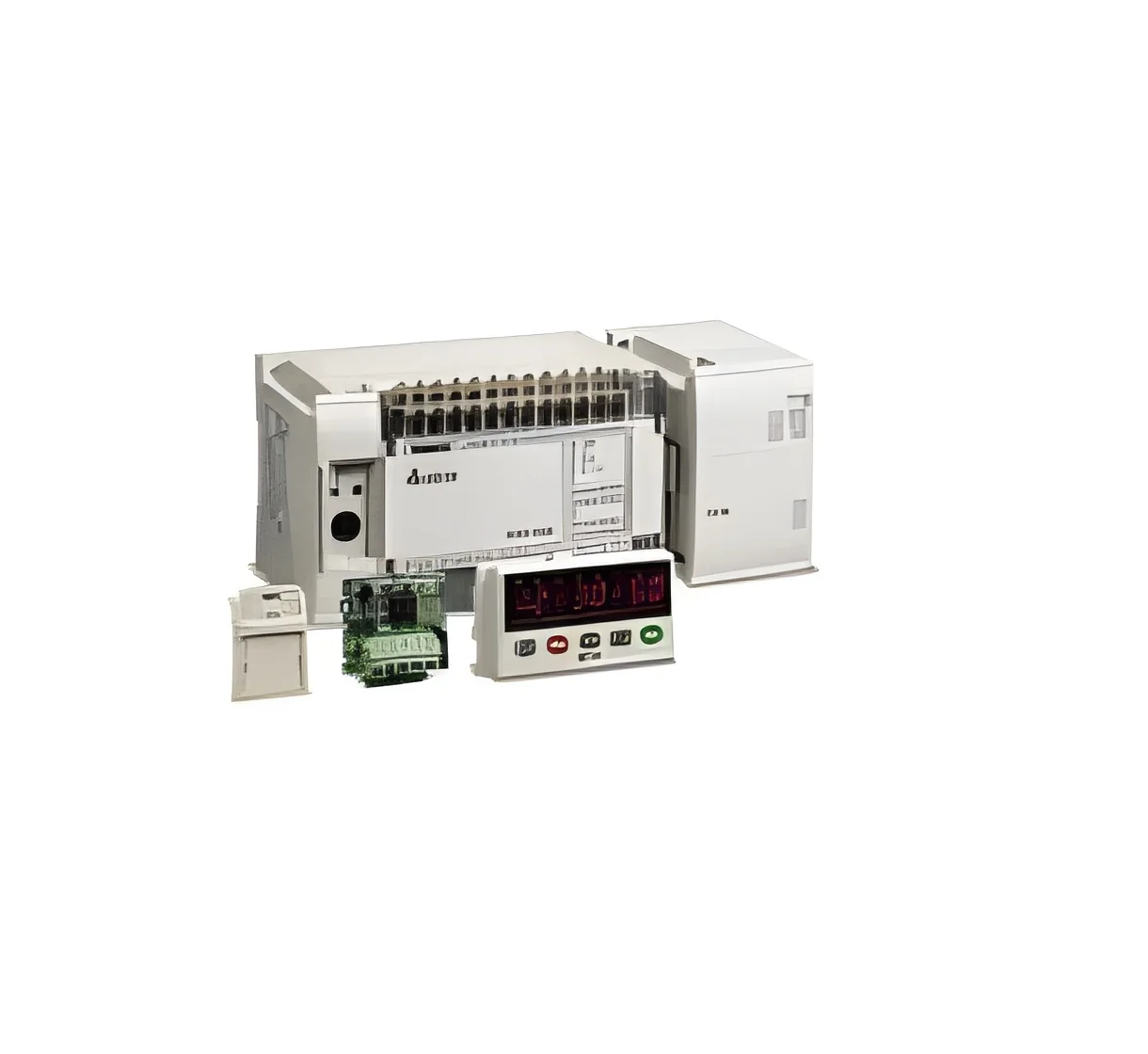
Compact PLC Systems
These systems are designed for smaller applications and offer essential control features. They are easy to install and maintain, making them ideal for smaller chemical plants.
Modular PLC Systems
These systems allow for scalable solutions, enabling users to add or remove modules as needed. This flexibility makes them suitable for growing operations.
SCADA Software Solutions
These software platforms provide advanced monitoring and data analysis capabilities. They are often used in conjunction with PLC systems for enhanced performance.
Benefits and Advantages
Investing in PLC and SCADA systems offers numerous advantages for chemical plants.
1. Increased Efficiency: Automation of processes leads to improved operational efficiency and reduced manual intervention.
2. Enhanced Safety: Real-time monitoring and alarm systems help identify potential hazards, improving workplace safety.
3. Cost Reduction: Streamlined operations and reduced downtime contribute to significant cost savings in production.
4. Improved Data Management: These systems facilitate better data collection and analysis, leading to informed decision-making.
5. Compliance Assurance: PLC and SCADA systems help maintain compliance with industry regulations and standards.
6. Scalability: Modular systems can easily adapt to changing operational requirements, ensuring long-term usability.
Buying Guide for B2B Buyers
When sourcing PLC and SCADA systems for chemical plants, consider several critical factors to make an informed decision.
1. Quality Assessment: Evaluate the quality of systems based on performance benchmarks and reliability. Look for certifications that indicate adherence to industry standards.
2. Supplier Verification: Ensure that suppliers have a proven track record in the industry. Check references and reviews to validate their experience and reliability.
3. Pricing and MOQ: Analyze the pricing structure and minimum order quantities set by suppliers. Understand the cost implications for your specific requirements.
4. Delivery and Lead Times: Assess the logistics involved in the procurement process. Ensure that suppliers can meet your lead time expectations for timely project completion.
5. Compliance Requirements: Be aware of the regulatory standards applicable to the systems you intend to purchase. Ensure that the products are compliant with relevant industry regulations.
Compliance and Certifications
Compliance and certifications are crucial aspects of PLC and SCADA systems for chemical plants. These systems must adhere to relevant quality standards such as ISO 9001, which ensures consistent quality management practices. Other standards, such as HACCP and GDP, may also apply depending on the specific industry requirements.
Industry certifications like CE mark indicate that the products meet European safety and environmental protection standards. Additionally, safety and testing requirements must be met to ensure that these systems operate effectively without posing risks to personnel or the environment.
Regional compliance considerations vary by location and may include specific regulations that govern chemical processing and control systems. It is essential to stay informed about these requirements to maintain compliance and avoid penalties.
Why Source PLC & SCADA for Chemical Plants from Pepagora?
Pepagora offers a trusted platform for sourcing PLC and SCADA systems tailored for chemical plants, ensuring buyers can find reliable solutions with several key advantages.
Verified Supplier Network: Pepagora connects buyers with a network of verified suppliers, minimizing risks associated with procurement. Each supplier undergoes rigorous vetting to ensure they meet industry standards.
Streamlined RFQ Process: The quotation system simplifies the procurement process, enabling buyers to request and receive competitive quotes from multiple suppliers quickly. This efficiency enhances decision-making.
Trade Assurance and Support: Pepagora provides trade assurance to protect buyers throughout the procurement process. Dedicated support teams assist in addressing any concerns or questions.
Regional Coverage: With a strong presence in India, the GCC, and Southeast Asia, Pepagora offers extensive geographic reach, ensuring buyers can access the best solutions available in their respective markets.

 IN
IN