What are Fume Scrubbers (Wet, Dry)?
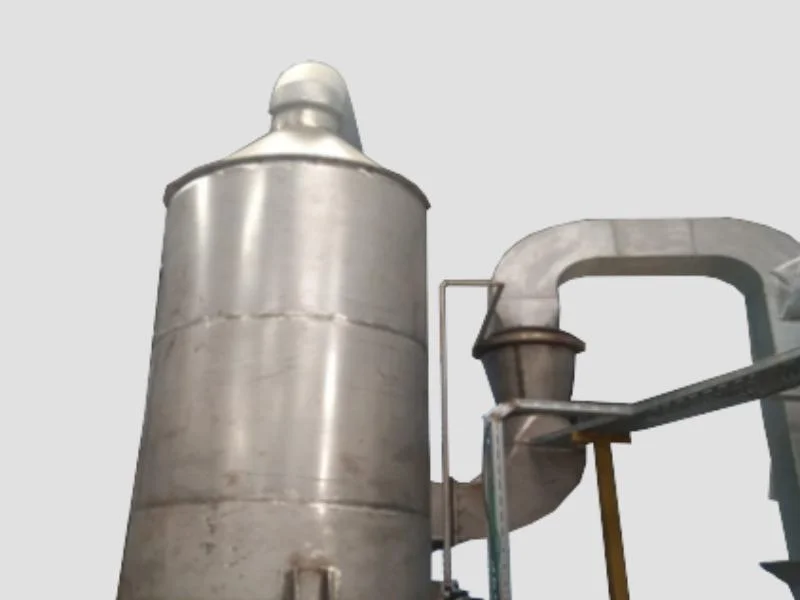
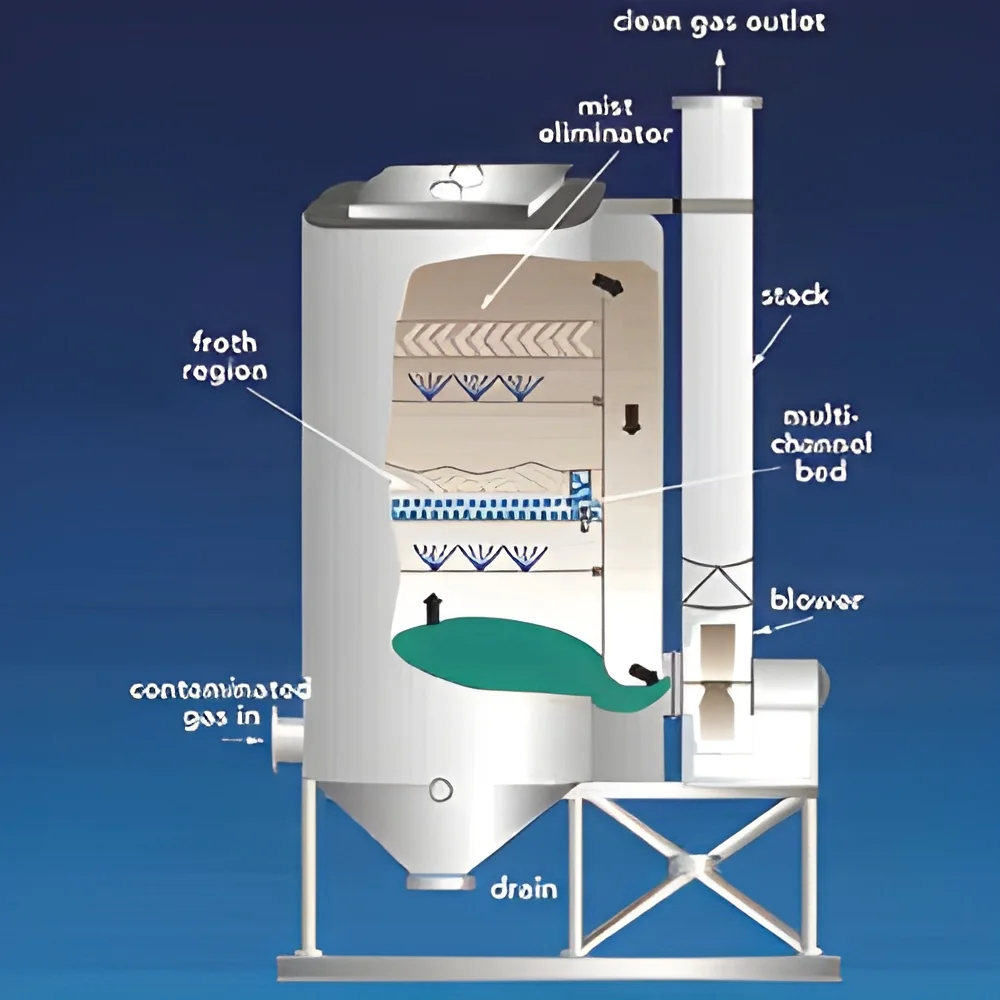
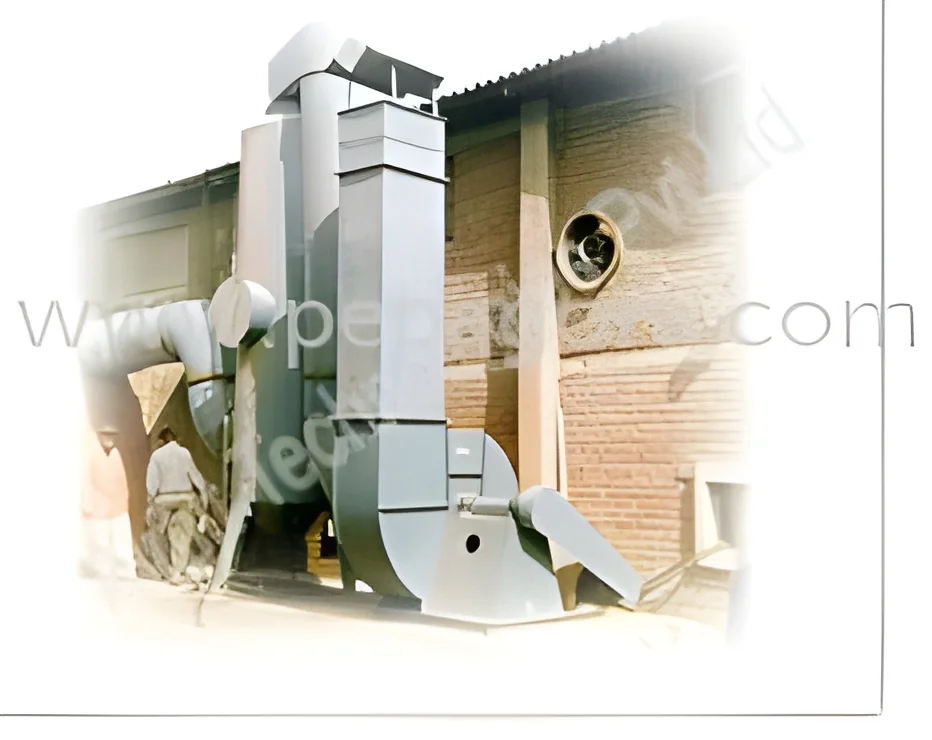
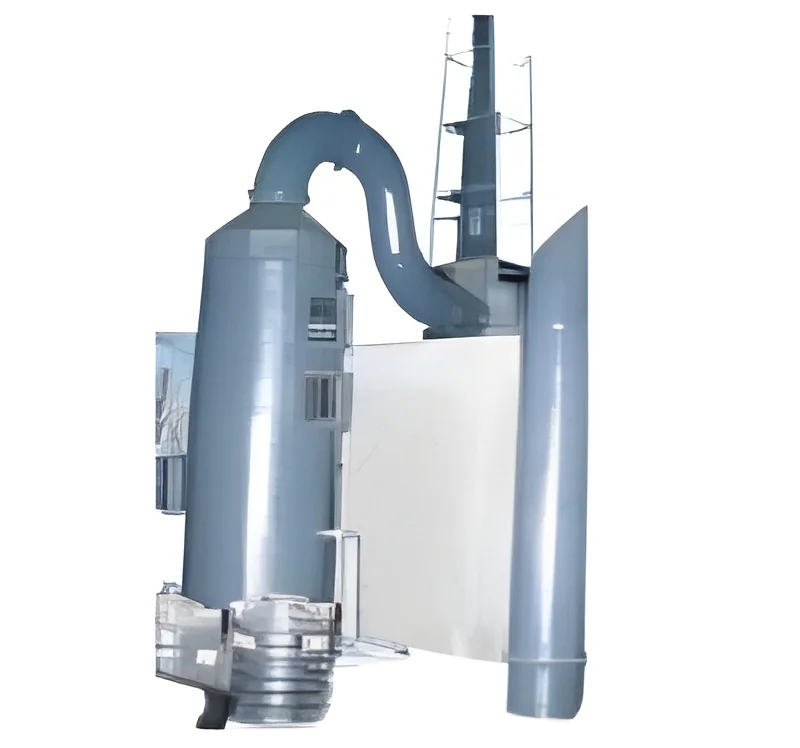
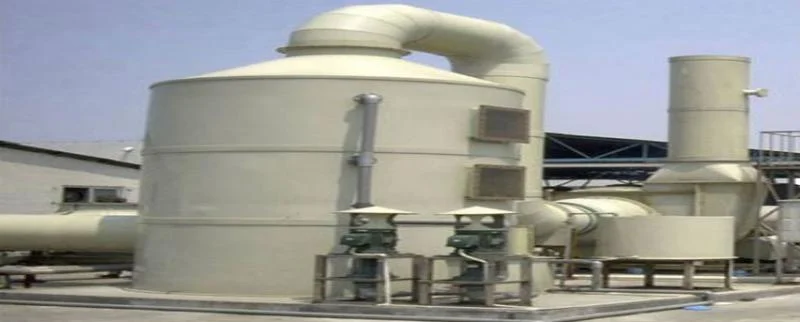
Fume scrubbers are industrial devices designed to remove pollutants from exhaust gases before they are released into the atmosphere. These systems utilize either wet or dry methods to capture harmful substances, ensuring compliance with environmental regulations. Wet scrubbers employ liquid to absorb contaminants, while dry scrubbers use solid materials to capture particulates and gases. Both types are essential in maintaining air quality and protecting human health.
Fume scrubbers find primary applications in industries such as chemical manufacturing, pharmaceuticals, metal processing, and food production. They are critical in processes that generate volatile organic compounds (VOCs), particulate matter, and other hazardous emissions. By effectively treating exhaust gases, businesses can minimize their environmental impact and adhere to stringent regulatory standards. The growing emphasis on sustainability and environmental responsibility further enhances the relevance of fume scrubbers in today's market.
šš²š šš²š®šššæš²š š®š»š± š¦š½š²š°š¶š³š¶š°š®šš¶š¼š»š
Fume scrubbers (wet and dry) are equipped with various features that enhance their performance and efficiency. Understanding these specifications is crucial for selecting the right system for specific industrial applications.
Key specifications include:
1. Scrubbing Efficiency
- Measures the effectiveness of contaminant removal
- Typically ranges from 90% to 99% depending on design
2. Flow Rate
- Indicates the volume of gas processed per hour
- Commonly ranges from 500 to 20,000 cubic meters per hour
3. Operating Pressure
- Reflects the pressure levels at which the scrubber functions
- Usually operates within a range of 0.5 to 2 bar
4. Temperature Range
- Specifies the temperature limits for operation
- Data not available
5. Construction Material
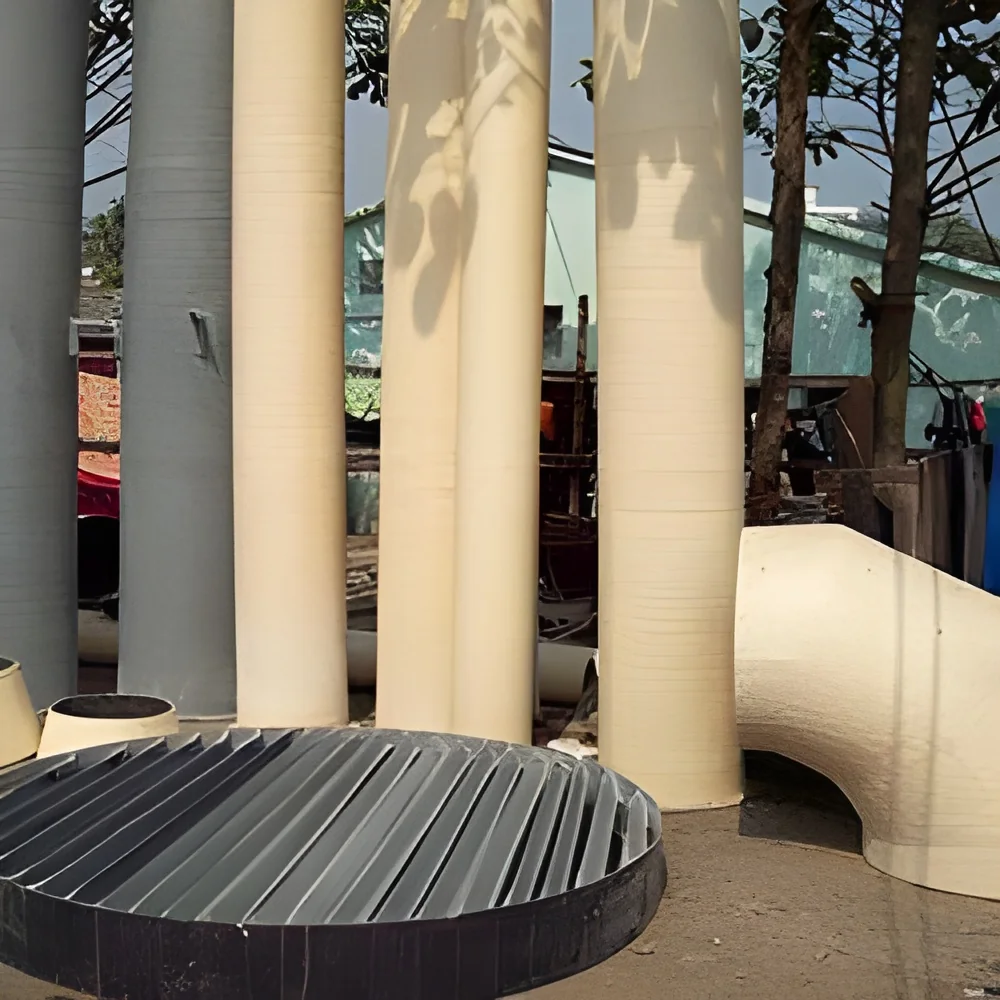
- Commonly made from corrosion-resistant materials like PVC, FRP, or stainless steel
- Material choice affects durability and maintenance
6. Maintenance Requirements
- Frequency and complexity of maintenance tasks
- Varies based on the design and application
7. Noise Level
- Sound produced during operation
- Typically measured in decibels (dB); data not available
8. Compliance Standards
- Adheres to environmental regulations and safety standards
- Must meet local and international compliance requirements
In summary, understanding these specifications helps businesses select the appropriate fume scrubber that meets their operational needs while ensuring regulatory compliance.
šš¼šŗšŗš¼š» šš½š½š¹š¶š°š®šš¶š¼š»š š®š»š± šØšš² šš®šš²š
Fume scrubbers are utilized across various industries to manage emissions and maintain air quality.
1. Chemical Manufacturing: These facilities use fume scrubbers to capture harmful vapors and gases emitted during chemical reactions, ensuring worker safety and environmental compliance.
2. Pharmaceuticals: In the pharmaceutical industry, scrubbers are essential for removing toxic byproducts generated during drug production, protecting both employees and the environment.
3. Metal Processing: Fume scrubbers play a crucial role in capturing metal fumes and particulate matter produced during welding, cutting, and plating processes.
4. Food Production: In food processing, these systems help eliminate odors and volatile compounds from cooking and packaging operations, enhancing air quality.
5. Waste Management: Fume scrubbers are used to control emissions from incineration processes, ensuring that harmful pollutants are effectively treated before being released.
6. Electronics Manufacturing: These scrubbers are employed to mitigate the release of solvents and chemicals used in the production of electronic components.
7. Automotive Industry: Fume scrubbers are utilized to manage emissions from painting and coating processes, ensuring compliance with environmental standards.
š£šæš¼š±šš°š š©š®šæš¶š®š»šš š®š»š± š¦ššÆš°š®šš²š“š¼šæš¶š²š
Fume scrubbers come in various designs to meet different industrial needs.
Wet Scrubbers
Wet scrubbers use liquid to absorb and neutralize contaminants from exhaust gases. They are effective for a wide range of pollutants, including particulate matter and acidic gases. Their versatility makes them suitable for industries such as chemical manufacturing and waste management.
Dry Scrubbers
Dry scrubbers utilize solid absorbents to capture harmful gases and particulates. They are particularly effective for industries that generate low volumes of pollutants and prefer a more compact solution. Common applications include metal processing and electronics manufacturing.
šš²š»š²š³š¶šš š®š»š± šš±šš®š»šš®š“š²š
Fume scrubbers offer numerous advantages that can enhance operational efficiency and sustainability.
1. Environmental Compliance: They help businesses meet local and international environmental regulations, avoiding potential fines and penalties.
2. Improved Air Quality: By capturing harmful emissions, fume scrubbers contribute to a healthier workplace and community.
3. Cost Savings: Investing in fume scrubbers can lead to reduced operational costs through lower energy consumption and minimized waste disposal fees.
4. Enhanced Worker Safety: These systems protect employees from exposure to hazardous substances, reducing health risks and associated costs.
5. Versatility: Fume scrubbers can be customized for various applications, making them suitable for diverse industries.
6. Long-Term Durability: Many scrubbers are constructed from high-quality materials that ensure longevity and reduce maintenance needs.
šššš¶š»š“ ššš¶š±š² š³š¼šæ šš®š šššš²šæš
When sourcing fume scrubbers (wet, dry), it is essential for B2B buyers to consider several key factors.
1. Quality Assessment: Evaluate the quality of materials and components used in the scrubber design. Look for systems that meet recognized industry standards and have a proven track record.
2. Supplier Verification: Vet potential suppliers by checking references, certifications, and customer reviews. A reliable supplier should provide detailed information about their products and services.
3. Pricing and MOQ: Understand the pricing structure and minimum order quantities (MOQ) to ensure they align with your budget and operational needs. Request quotes from multiple suppliers for comparison.
4. Delivery and Lead Times: Inquire about the lead times for delivery and installation. Ensure that the supplier can meet your project timelines to avoid delays.
5. Compliance Requirements: Verify that the scrubbers meet all necessary regulatory standards for your industry. This includes checking for certifications such as CE.
šš¼šŗš½š¹š¶š®š»š°š² š®š»š± šš²šæšš¶š³š¶š°š®šš¶š¼š»š
Compliance with quality standards and regulations is critical for the effective operation of fume scrubbers. Relevant quality standards, such as ISO 9001, ensure that manufacturing processes meet consistent quality criteria. Certifications like CE indicate that the products comply with European safety, health, and environmental protection standards.
Safety and testing requirements vary by region and application, necessitating thorough scrutiny during the purchasing process. Businesses must also consider regional compliance, as regulations can differ significantly across countries and industries. Ensuring that scrubbers meet these standards helps maintain operational integrity and protects against legal liabilities.
Why Source Fume Scrubbers (Wet, Dry) from Pepagora?
Pepagora stands out as a trusted platform for sourcing fume scrubbers (wet, dry), providing several key advantages for B2B buyers.
Verified Supplier Network: Pepagora's extensive network includes suppliers that undergo rigorous verification processes, ensuring that buyers receive high-quality products from reputable sources.
Streamlined RFQ Process: The platform offers a user-friendly Request for Quotation (RFQ) system that simplifies the purchasing process. Buyers can easily compare quotes and select the best options for their needs.
Trade Assurance and Support: Pepagora provides trade assurance to protect buyers, ensuring that transactions are secure and that they receive the products as promised.
Regional Coverage: With a strong presence in markets such as India, GCC, and Southeast Asia, Pepagora facilitates access to local and international suppliers, enhancing sourcing opportunities for businesses across various regions.