
 IN
Fluid Bed Dryers
2 products available
What are Fluid Bed Dryers?
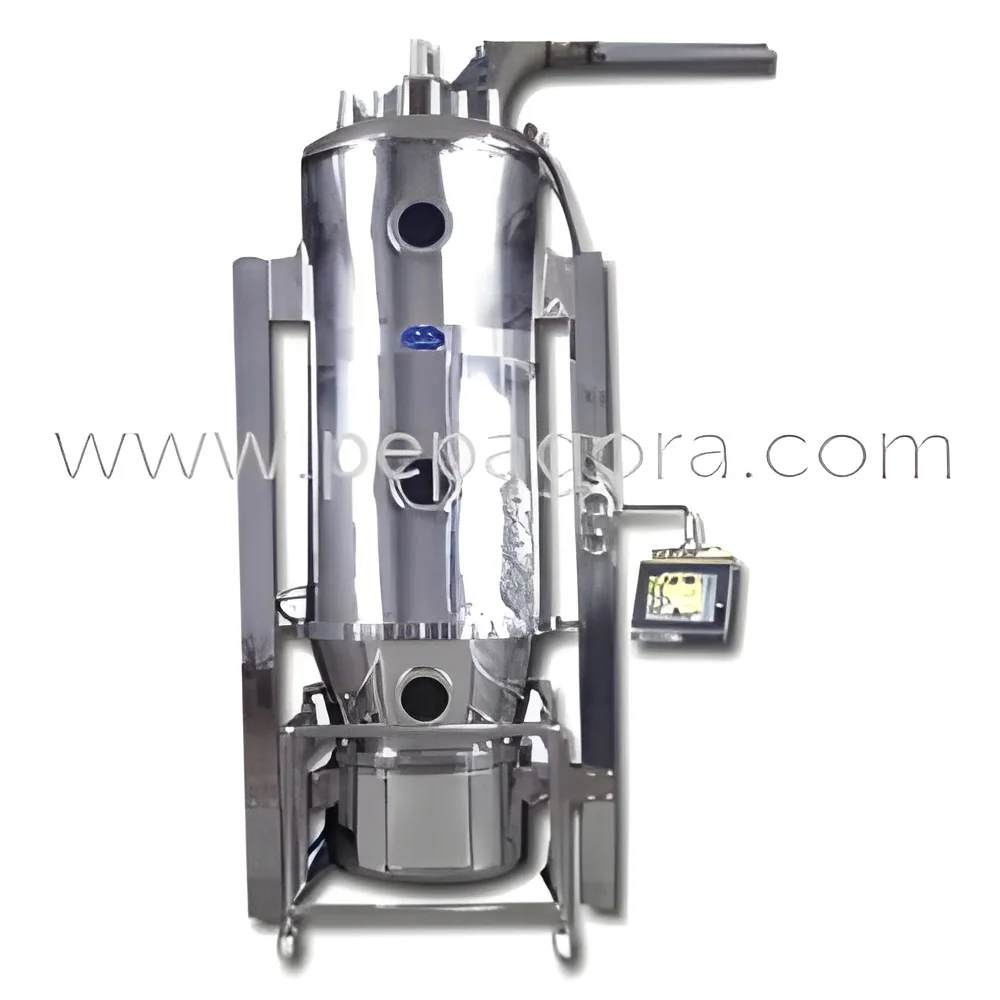
Fluid bed dryers are advanced pieces of equipment used for drying a wide range of granular and powdered materials. They operate on the principle of fluidization, where air or gas is passed through a bed of material, causing the particles to become suspended and behave like a liquid. This results in uniform heat distribution and efficient moisture removal. Fluid bed dryers are known for their ability to provide consistent drying results and can be fine-tuned to meet specific moisture content requirements.
These dryers find primary applications in various industries, including pharmaceuticals, food processing, chemicals, and plastics. In the pharmaceutical sector, they are used for drying active ingredients and excipients, ensuring that products meet stringent quality standards. The food industry utilizes fluid bed dryers for processing grains, powders, and other ingredients, enhancing product shelf life and quality. Their versatility makes them a critical component in many production processes.
The relevance of fluid bed dryers in the market is significant, as industries increasingly focus on efficiency and quality. With growing demand for high-quality products and stringent regulatory requirements, fluid bed dryers offer a reliable solution for achieving optimal drying results. Their ability to adapt to different materials and processes further solidifies their importance in the manufacturing landscape.
Key Features and Specifications
Fluid bed dryers are characterized by their innovative design and performance capabilities. They are engineered to provide efficient drying while maintaining product integrity. Key specifications that buyers should consider include:
1. Airflow Capacity
- This specification indicates the volume of air that can be circulated through the dryer.
- Typically measured in cubic meters per hour (m³/h).
2. Heating Source
- Fluid bed dryers can use various heating sources such as electric, steam, or gas.
- The choice of heating source can affect energy consumption and operational costs.
3. Temperature Range
- Fluid bed dryers operate within specific temperature limits to effectively dry materials.
- Typical ranges vary based on the material being processed.
4. Bed Height
- The height of the fluidized bed impacts drying efficiency and material processing capacity.
- Generally, bed heights can vary from 0.5 to 1.5 meters.
5. Control Systems
- Advanced dryers may feature automated control systems for monitoring temperature and humidity.
- These systems enhance precision in the drying process.
6. Material of Construction
- Common materials include stainless steel for durability and resistance to corrosion.
- The choice of material affects maintenance and longevity.
7. Batch Size Capacity
- Fluid bed dryers can handle various batch sizes depending on design.
- Capacities may range from small laboratory models to large industrial units.
8. Compliance and Safety Standards
- Equipment must meet specific industry regulations and safety standards such as CE marking.
- Compliance ensures safe operation and product quality.
In summary, understanding these specifications is crucial for selecting the right fluid bed dryer that meets specific operational needs and industry standards.
Common Applications and Use Cases
Fluid bed dryers serve a multitude of industries, each with unique applications that leverage their drying capabilities.
1. Pharmaceuticals: In this sector, fluid bed dryers are essential for drying granules, powders, and active pharmaceutical ingredients. Their ability to maintain uniform temperature and humidity is vital for ensuring product efficacy.
2. Food Processing: Food manufacturers utilize fluid bed dryers for drying fruits, vegetables, and other food items. This process helps in enhancing shelf life while preserving the nutritional value of the products.
3. Chemicals: Chemical manufacturers rely on fluid bed dryers for drying various powdered chemicals and intermediates. The efficiency and precision of these dryers contribute to improved product quality and consistency.
4. Plastics: In the plastics industry, fluid bed dryers are used to remove moisture from plastic pellets and resins. This step is crucial for preventing defects in the final products.
5. Agriculture: Fluid bed dryers are applied in the drying of seeds, grains, and fertilizers. Their capability to handle bulk materials makes them ideal for agricultural applications.
6. Mining: In the mining industry, these dryers are used to process minerals and ores, helping to reduce moisture content for better processing and shipping.
7. Cosmetics: Fluid bed dryers are increasingly used in the cosmetics industry to dry powders and granules, ensuring high-quality products for consumers.
Product Variants and Subcategories
Fluid bed dryers come in various configurations, each designed to meet specific industry needs.
Batch Fluid Bed Dryer: This variant is designed for batch processing, allowing manufacturers to dry a specific quantity of material at a time. It is ideal for pilot projects and small-scale production.
Continuous Fluid Bed Dryer: This type is suitable for high-volume production, enabling the continuous flow of materials through the drying chamber. It is efficient for large-scale operations where consistent output is necessary.
Mobile Fluid Bed Dryer: These units are designed for flexibility and can be moved between different production locations. They are particularly useful for companies with multiple processing sites.
Benefits and Advantages
Fluid bed dryers offer numerous benefits that enhance operational efficiencies and product quality.
1. Uniform Drying: The fluidization process ensures even drying across all particles, minimizing the risk of over or under-drying.
2. Energy Efficiency: These dryers typically consume less energy compared to traditional drying methods, leading to lower operational costs.
3. Space Optimization: Fluid bed dryers have a compact design, making them suitable for facilities with limited space.
4. Versatility: They can process a wide range of materials, from powders to granules, making them applicable in diverse industries.
5. Reduced Processing Time: The efficient drying process allows for quicker turnaround times, enhancing overall productivity.
6. Easy Maintenance: Many modern fluid bed dryers are designed for easy access, simplifying maintenance and reducing downtime.
Buying Guide for B2B Buyers
When sourcing fluid bed dryers, buyers should carefully consider various factors to ensure they select the most suitable equipment.
1. Quality Assessment: Evaluate the quality of construction and performance of the fluid bed dryer. Look for manufacturers with a reputation for producing durable and efficient equipment.
2. Supplier Verification: Conduct thorough research on potential suppliers. Check their credentials, customer reviews, and experience in the industry to ensure reliability.
3. Pricing and MOQ: Understand the pricing structures and minimum order quantities (MOQ) associated with the equipment. This information can impact budget planning and procurement strategies.
4. Delivery and Lead Times: Inquire about delivery schedules and lead times. Timely delivery is crucial for maintaining production timelines.
5. Compliance Requirements: Ensure that the equipment meets all relevant industry standards and regulatory requirements. This will help in avoiding legal issues and ensuring product safety.
Compliance and Certifications
Fluid bed dryers must adhere to several quality standards and certifications to ensure safety and performance.
ISO 9001: This international standard for quality management systems ensures that manufacturers maintain consistent quality in their processes and products.
HACCP: The Hazard Analysis and Critical Control Points certification is particularly relevant in the food industry, ensuring that the equipment is designed to minimize food safety risks.
CE Certification: This mark indicates that the fluid bed dryer meets European health, safety, and environmental protection standards.
Safety and Testing Requirements: Regular safety inspections and performance testing are essential to verify that the dryers operate efficiently and safely.
Regional Compliance Considerations: Depending on the geographical location, additional regulations may apply. It is important for buyers to understand local compliance requirements to ensure that their equipment meets all necessary standards.
Why Source Fluid Bed Dryers from Pepagora?
Pepagora provides a trusted platform for sourcing fluid bed dryers, offering numerous advantages to buyers.
Verified Supplier Network: Pepagora connects buyers with a network of verified suppliers, ensuring that all listed manufacturers meet strict quality standards. This helps buyers make informed choices and reduces the risk of sourcing issues.
Streamlined RFQ Process: The request for quotation (RFQ) process is designed to be straightforward, allowing buyers to easily compare quotes from multiple suppliers. This efficiency simplifies the procurement process and helps in securing the best deals.
Trade Assurance and Support: Pepagora offers trade assurance programs that protect buyers throughout the purchasing process. This feature enhances buyer confidence and provides support in case of disputes.
Regional Coverage: With a strong presence in markets such as India, the GCC, and Southeast Asia, Pepagora is well-positioned to cater to diverse regional needs. Buyers can benefit from localized support and expertise, ensuring that their sourcing needs are met effectively.

Frequently Asked Questions
What are Fluid Bed Dryers?
Fluid Bed Dryers are industrial equipment used for drying granulated or powdered materials. They operate by passing hot air through a bed of material, creating a fluid-like state that enhances heat and mass transfer.
What are the different types of Fluid Bed Dryers?
The different types of Fluid Bed Dryers include batch fluid bed dryers, continuous fluid bed dryers, and laboratory fluid bed dryers. Each type is designed to meet specific production requirements and material characteristics.
How do I choose the right Fluid Bed Dryers?
Choosing the right Fluid Bed Dryer involves considering factors such as the nature of the material, required drying capacity, and energy efficiency. It's also important to evaluate the specific application needs and any industry regulations that may apply.
What are the standard specifications for Fluid Bed Dryers?
Standard specifications for Fluid Bed Dryers typically include airflow rate, temperature range, bed height, and material compatibility. Manufacturers may also provide details on control systems and safety features.
What is the price range for Fluid Bed Dryers?
The price range for Fluid Bed Dryers can vary widely based on size, features, and manufacturer. Generally, prices can range from several thousand to several lakhs of Indian Rupees, depending on the specifications.
What quality standards apply to Fluid Bed Dryers?
Quality standards for Fluid Bed Dryers often include compliance with ISO certifications, as well as industry-specific standards such as GMP for pharmaceutical applications. Manufacturers should provide documentation to verify adherence to these standards.
Where can I find Fluid Bed Dryers suppliers in India?
You can find Fluid Bed Dryers suppliers in India through B2B marketplaces, industry trade shows, and manufacturer directories. Websites like Pepagora.com can help connect you with reputable manufacturers and suppliers.
Can Fluid Bed Dryers be customized?
Yes, Fluid Bed Dryers can often be customized to meet specific customer requirements. Customizations may include changes in size, configuration, and additional features to suit particular applications.
What is the typical minimum order quantity for Fluid Bed Dryers?
The typical minimum order quantity (MOQ) for Fluid Bed Dryers varies by manufacturer but is often set at one unit for standard models. Bulk orders may result in better pricing and availability.
What is the typical lead time for Fluid Bed Dryers?
The typical lead time for Fluid Bed Dryers can range from 4 to 12 weeks, depending on the complexity of the order and the manufacturer's production schedule. It's advisable to confirm the lead time with the supplier at the time of order.
Why Businesses Trust Pepagora
Thousands of companies trust Pepagora to source smarter and sell faster
Expand Your Sales Globally

Source Smarter,Grow Faster
