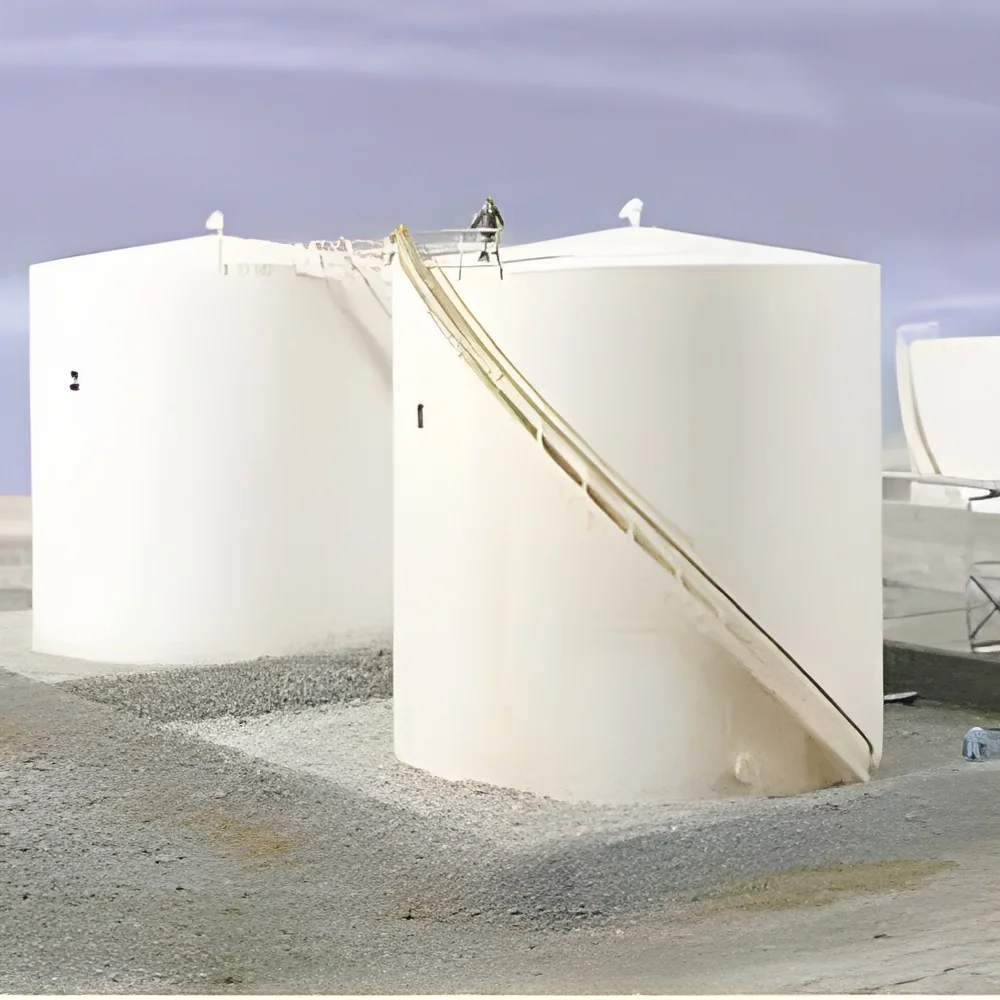
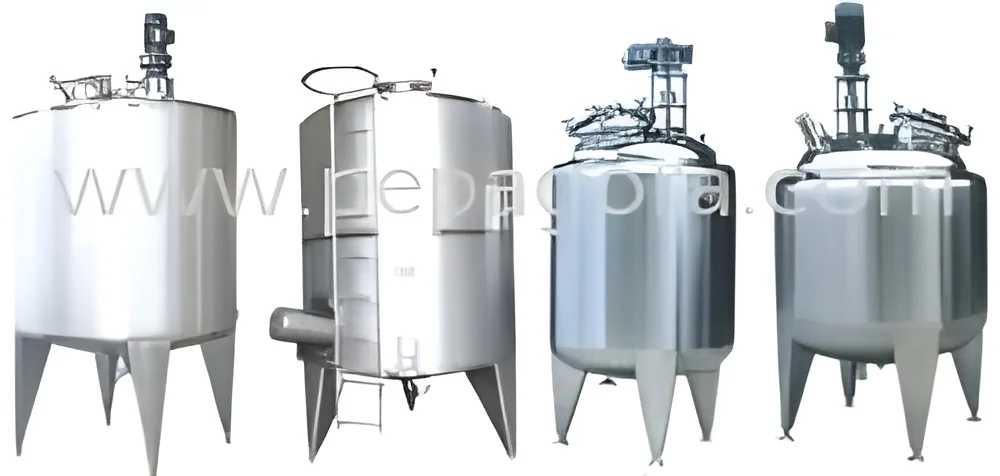
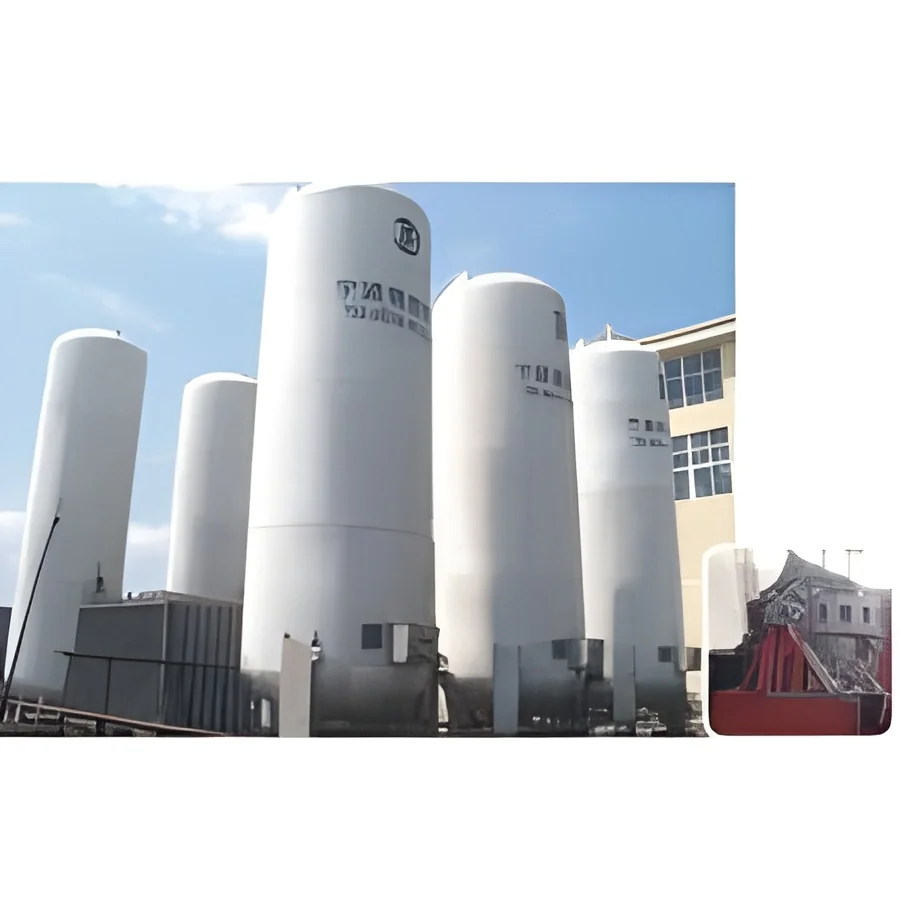
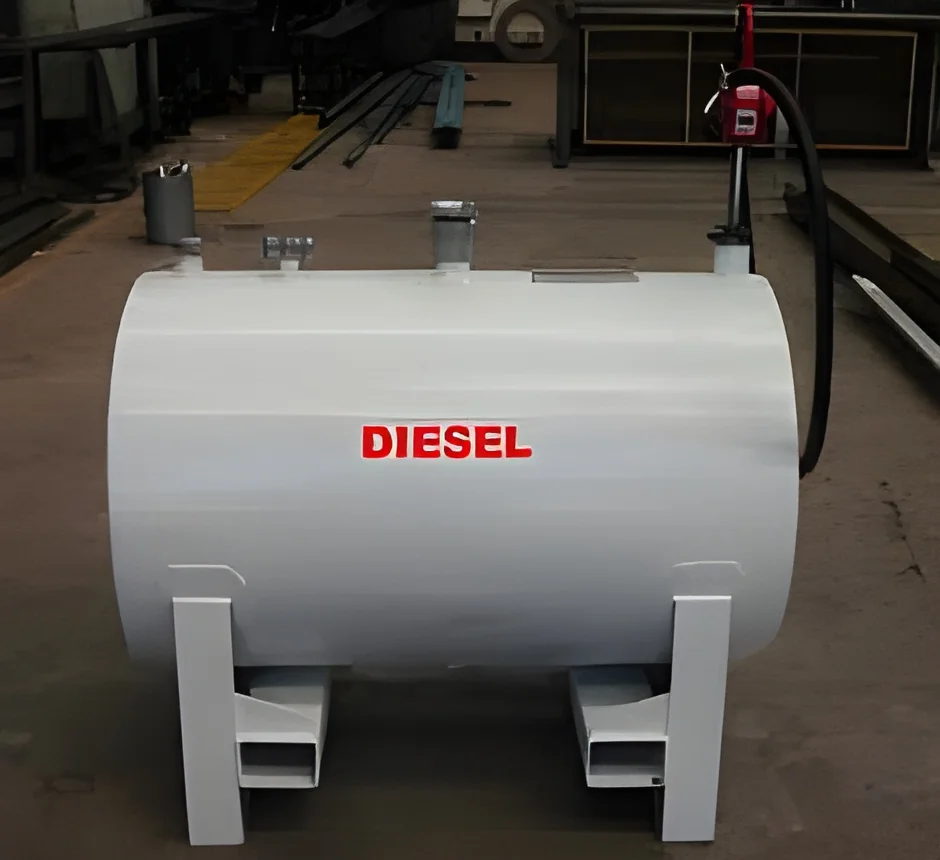
What are Chemical Storage Tanks (SS, HDPE, FRP)?
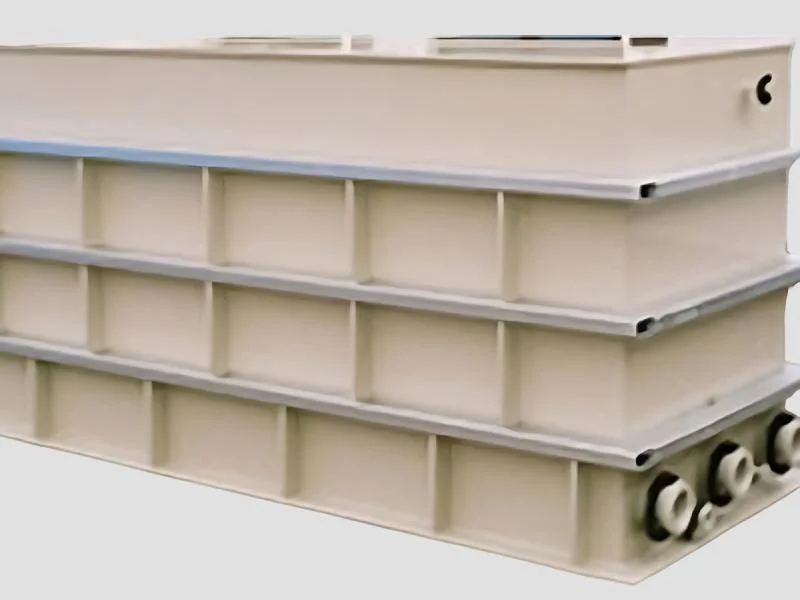
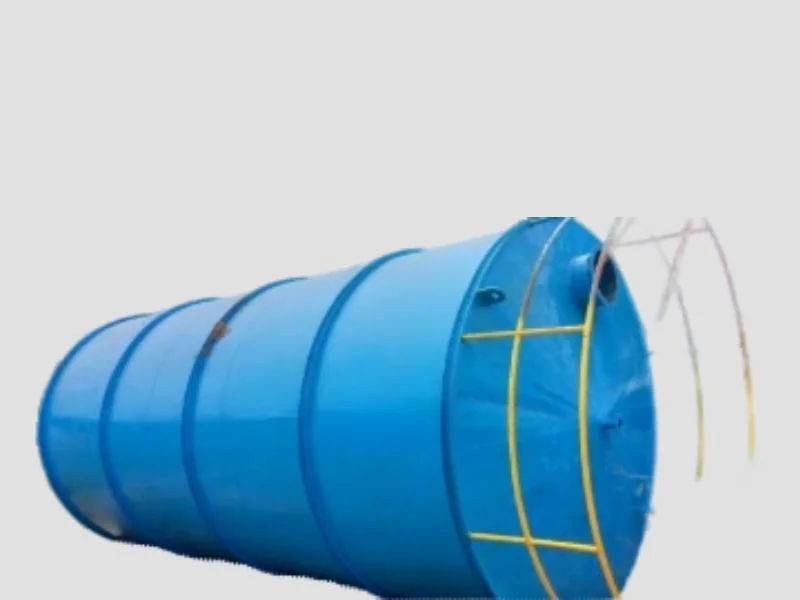
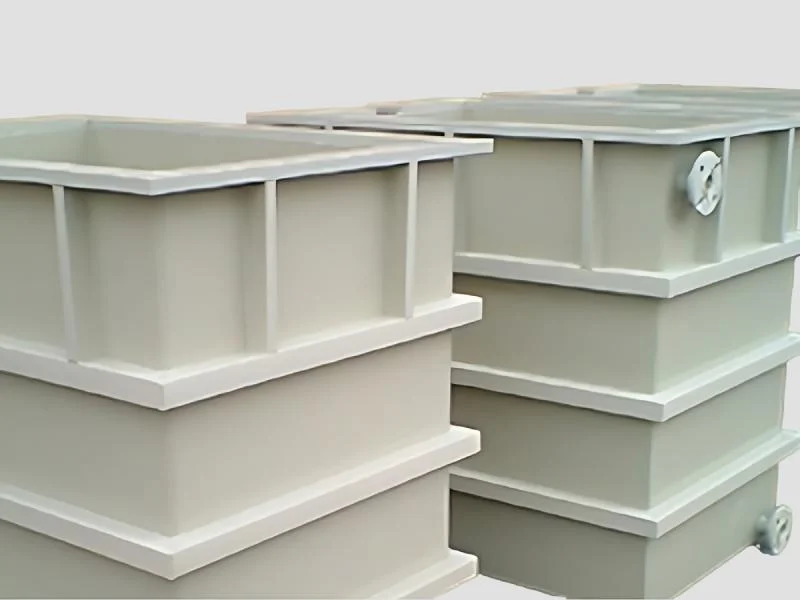
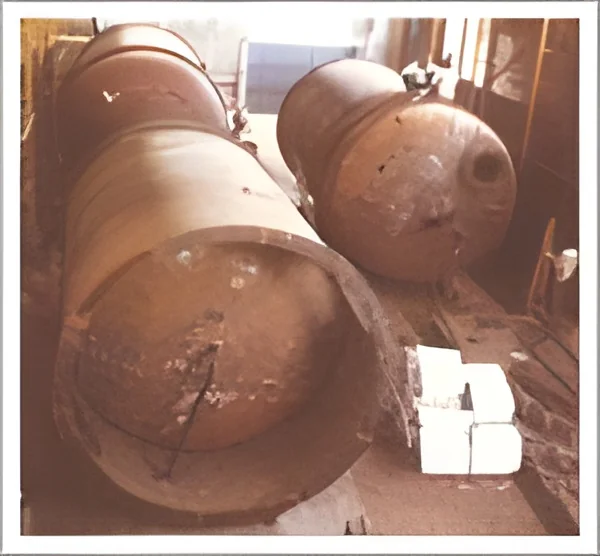
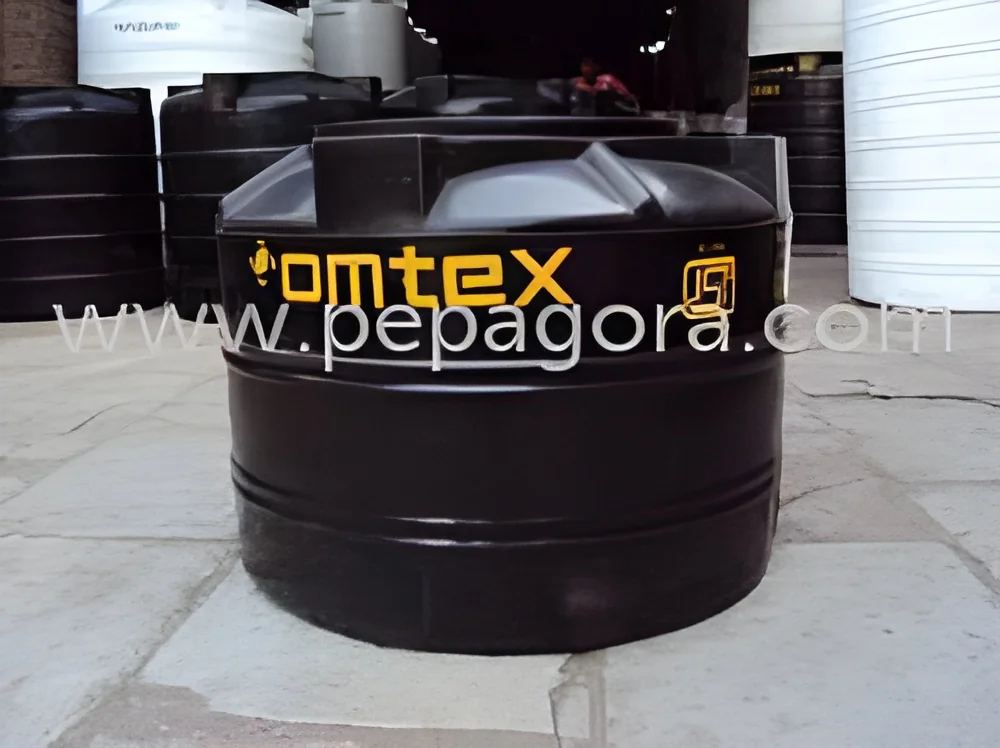
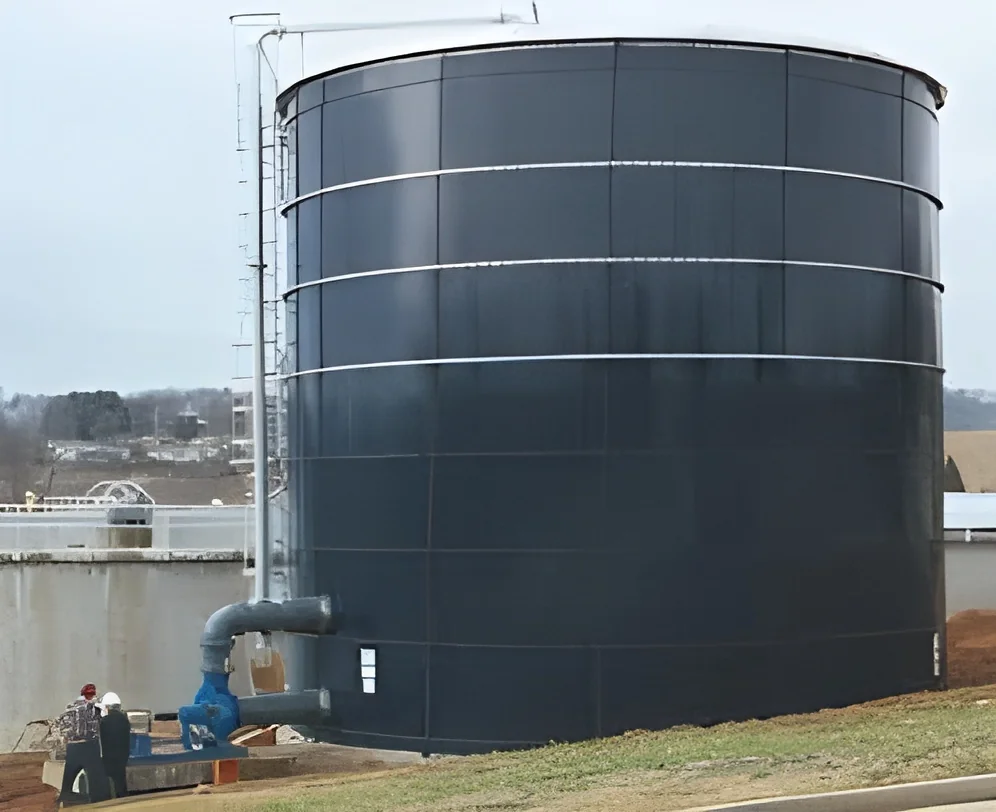
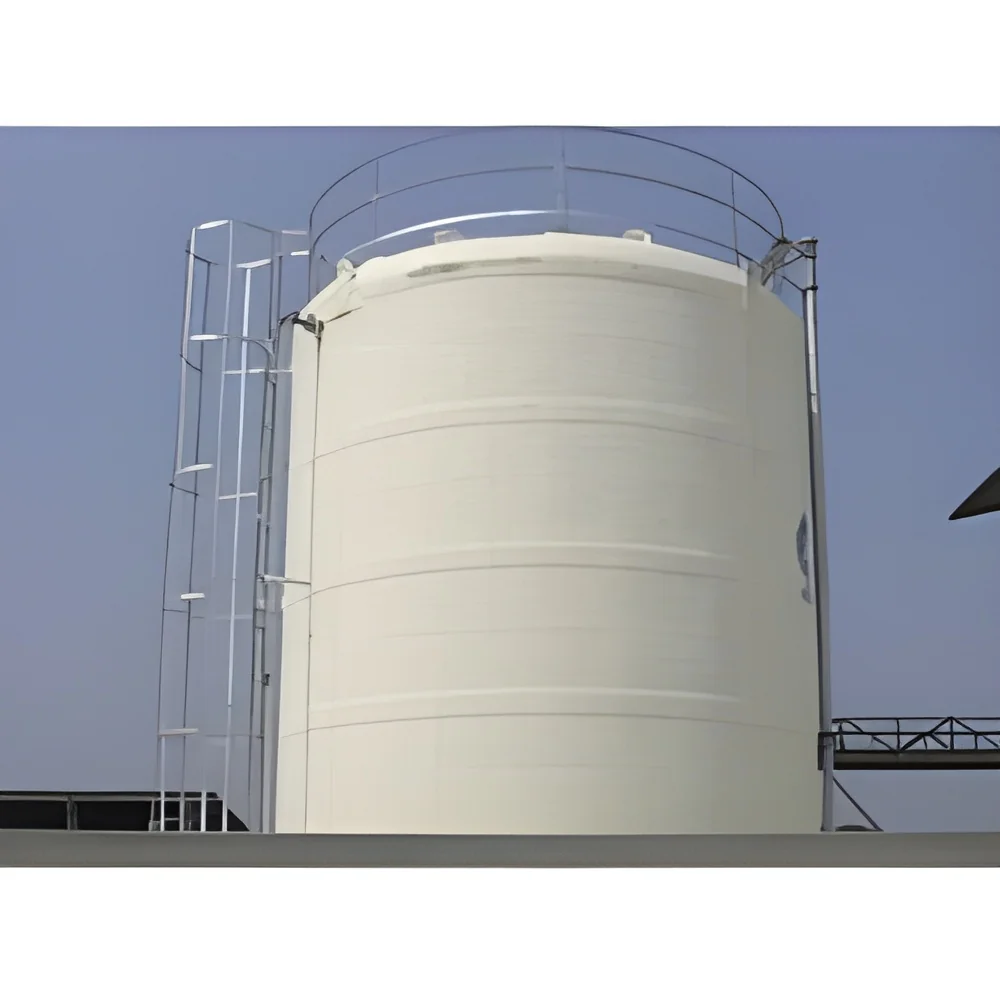
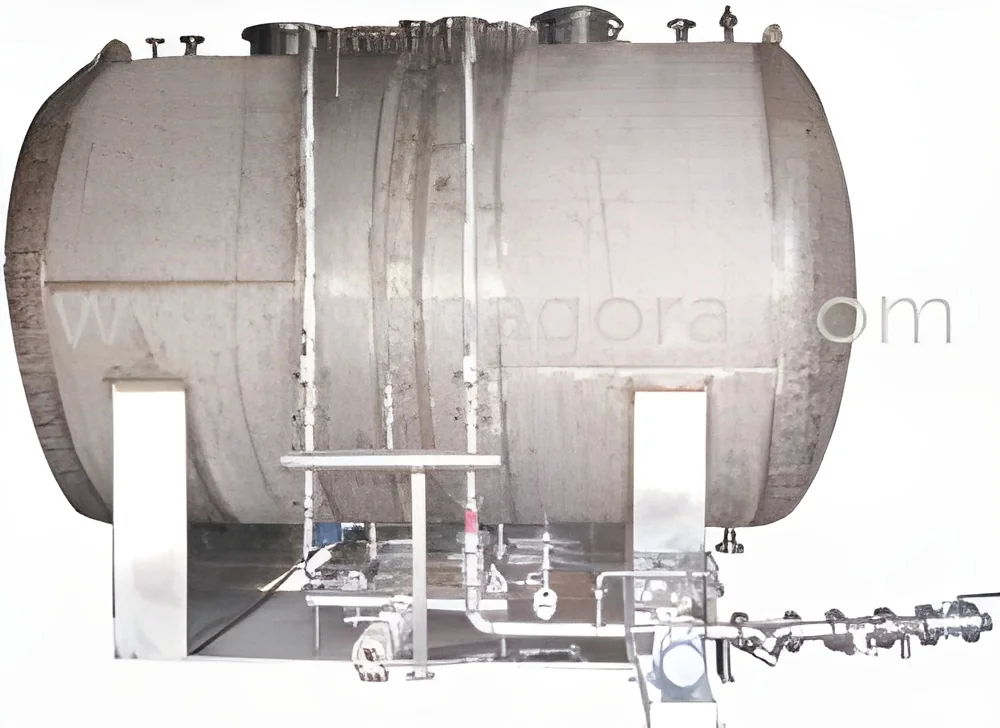
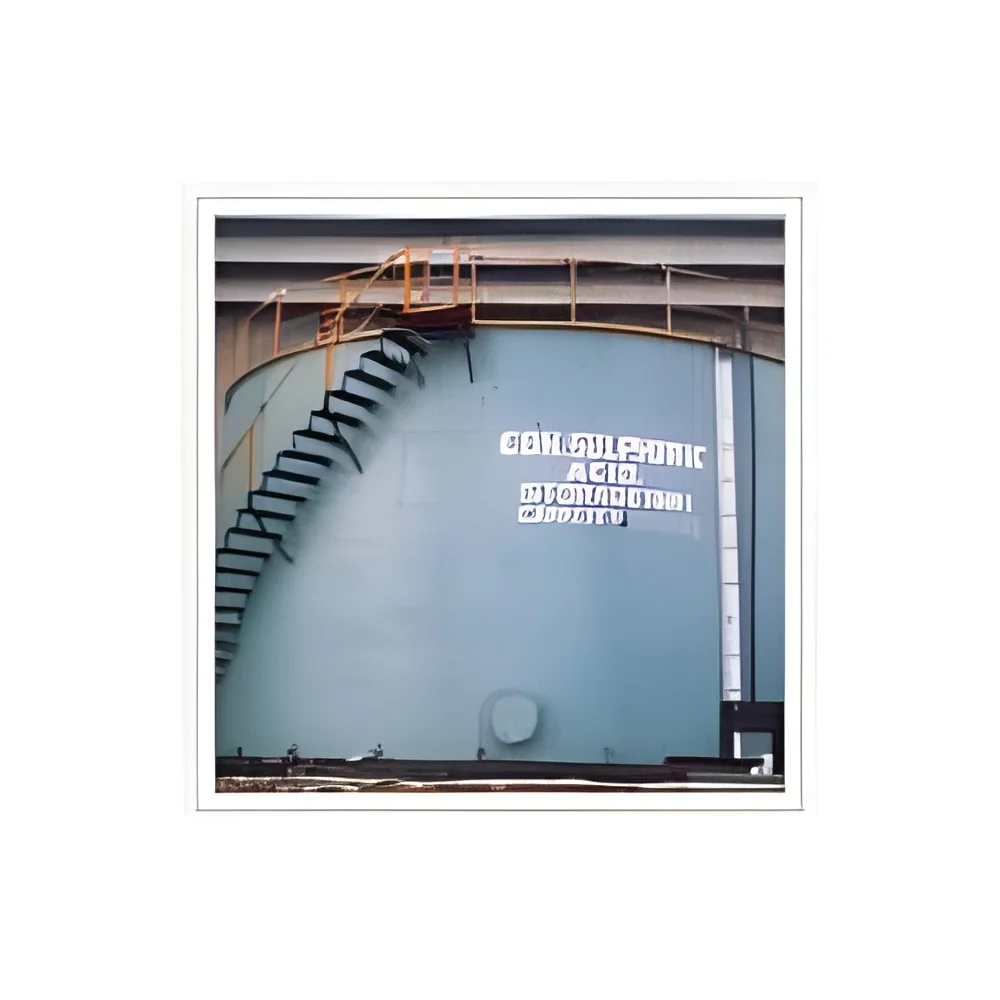
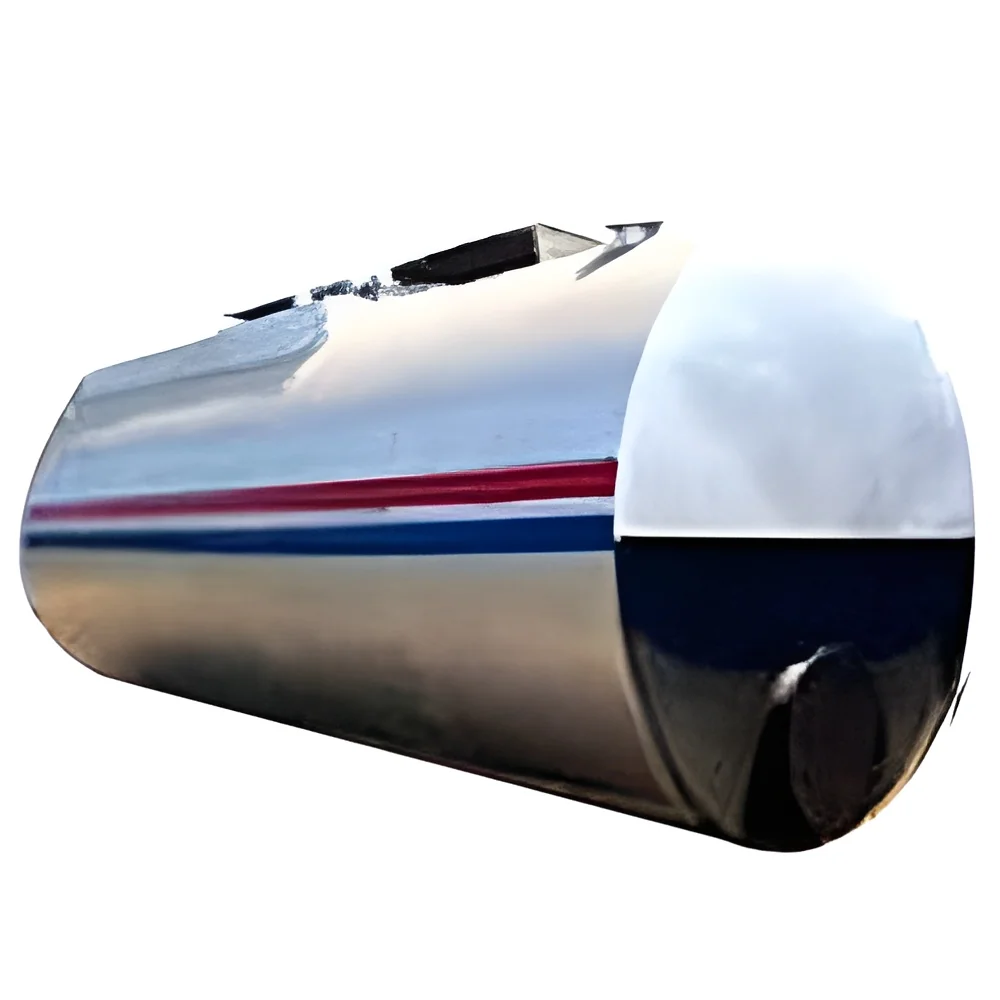
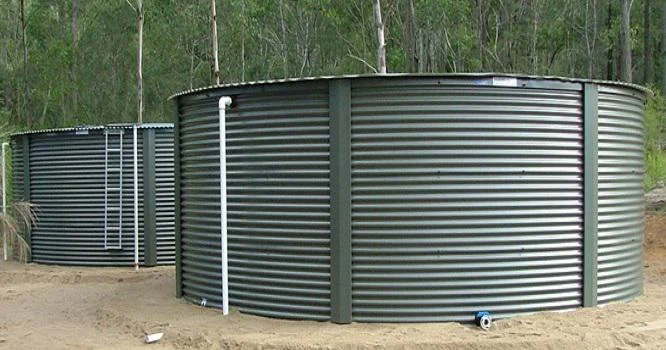
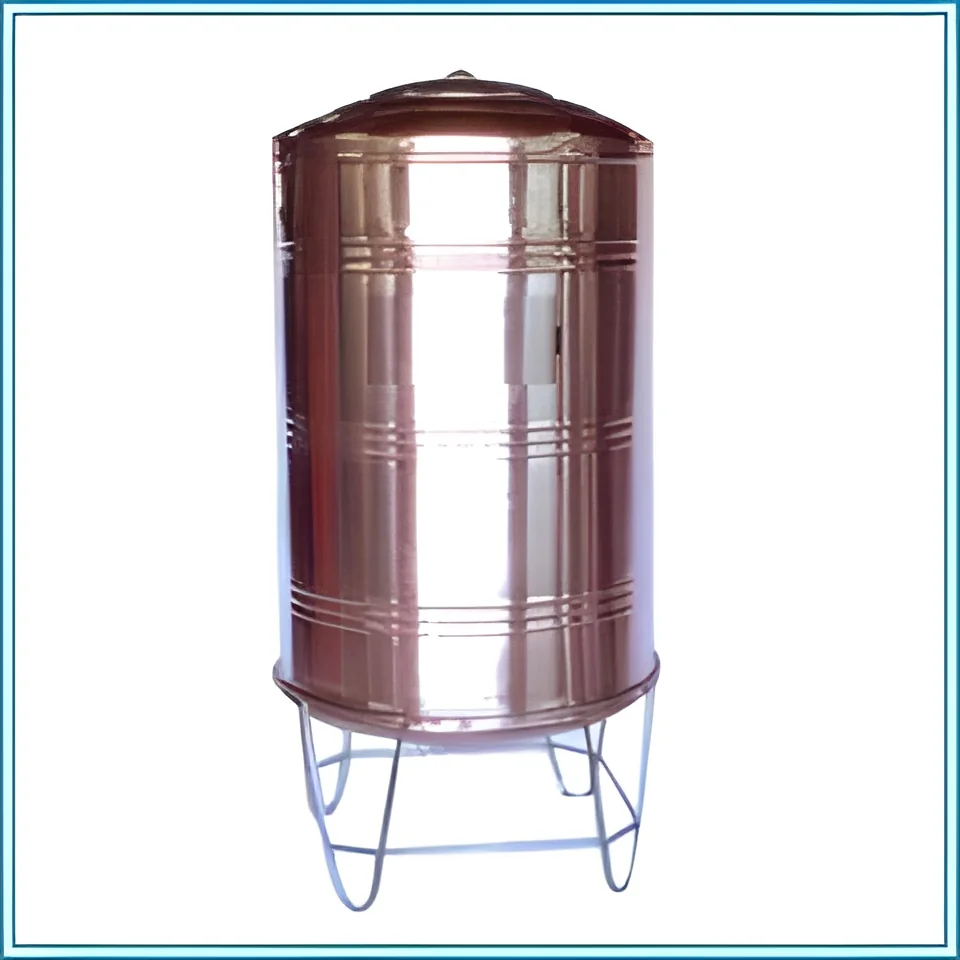
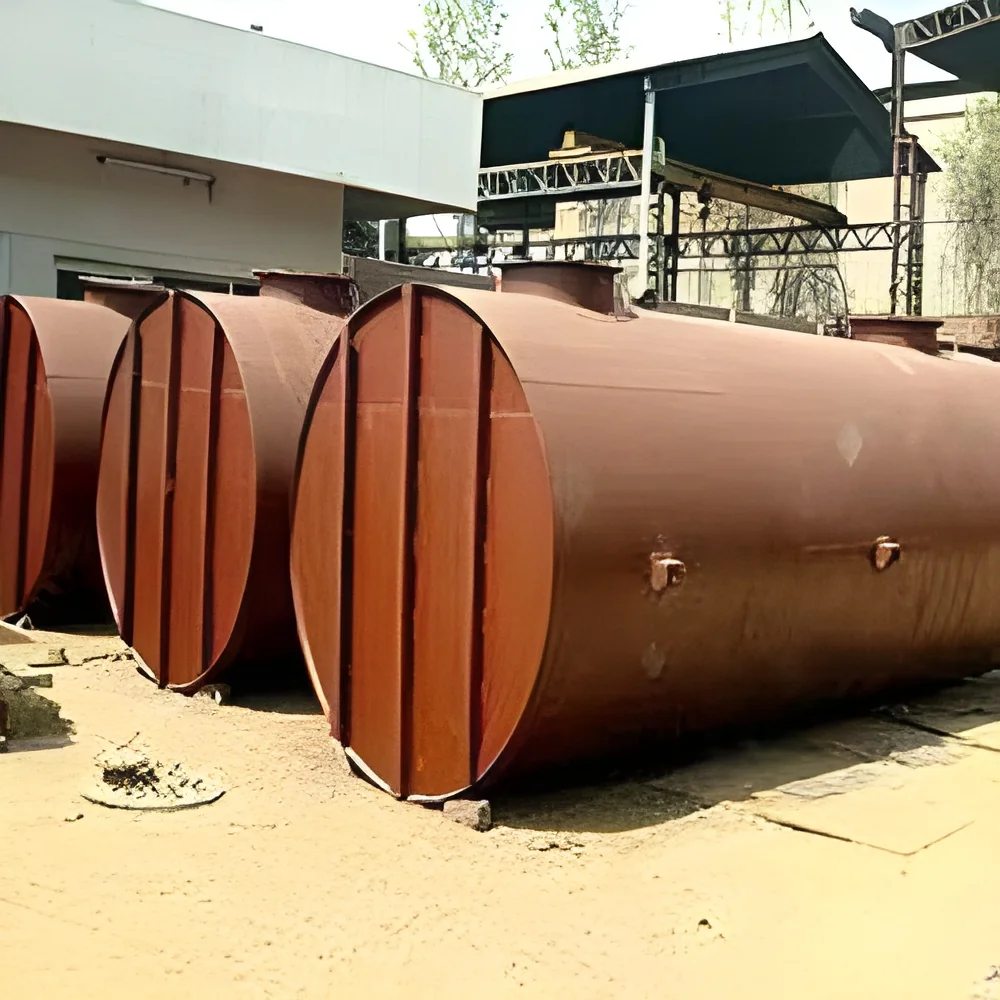
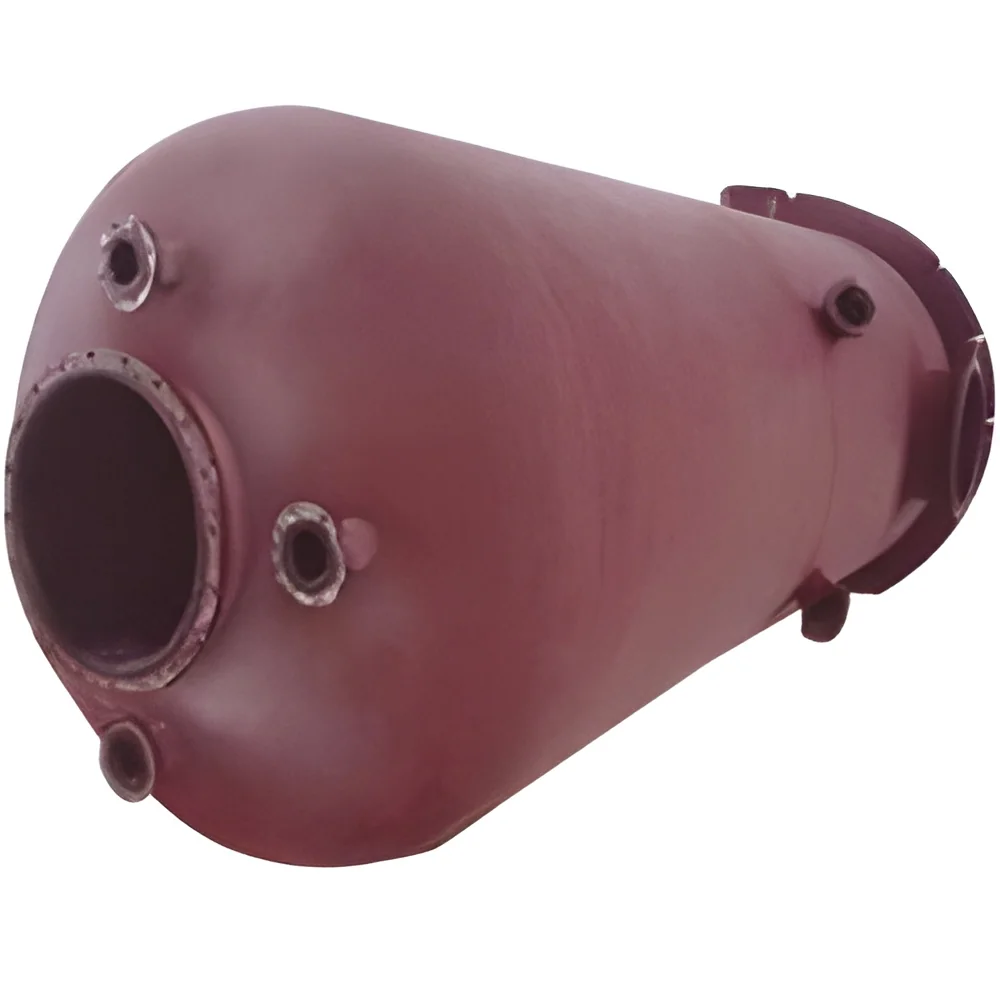
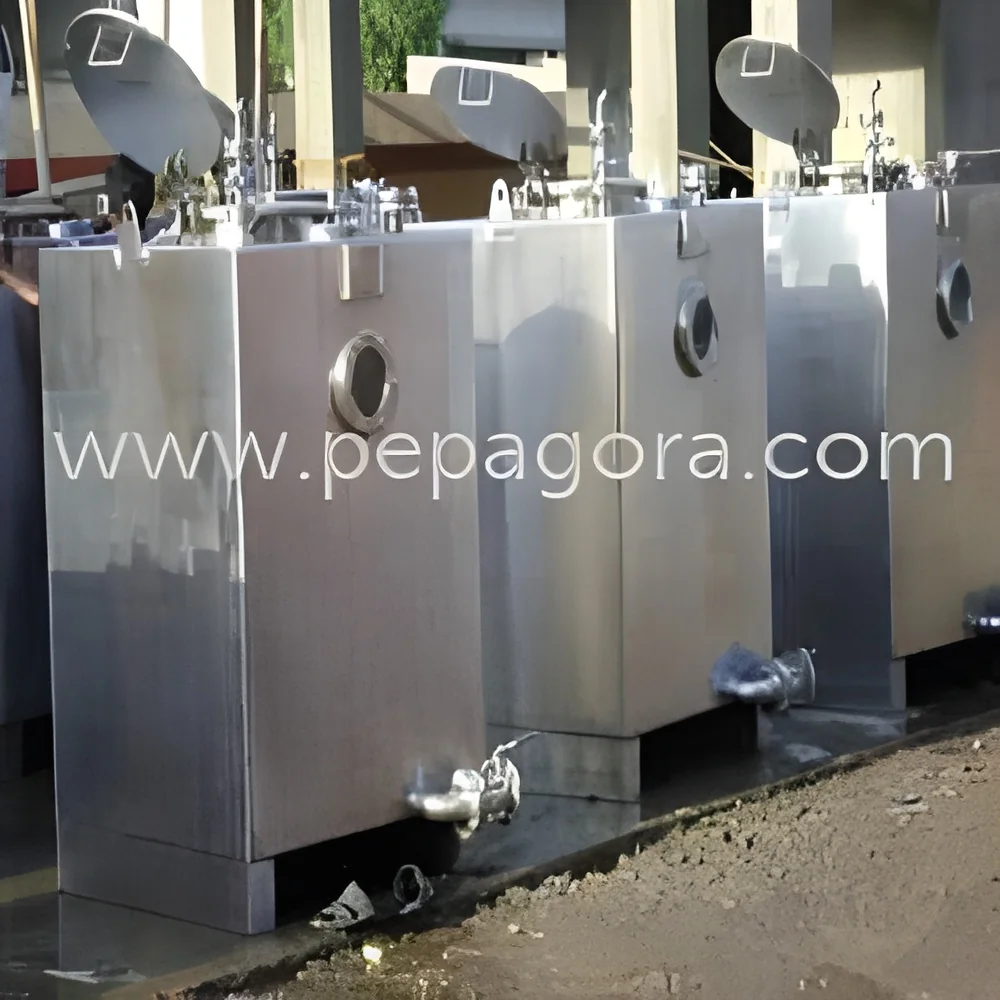
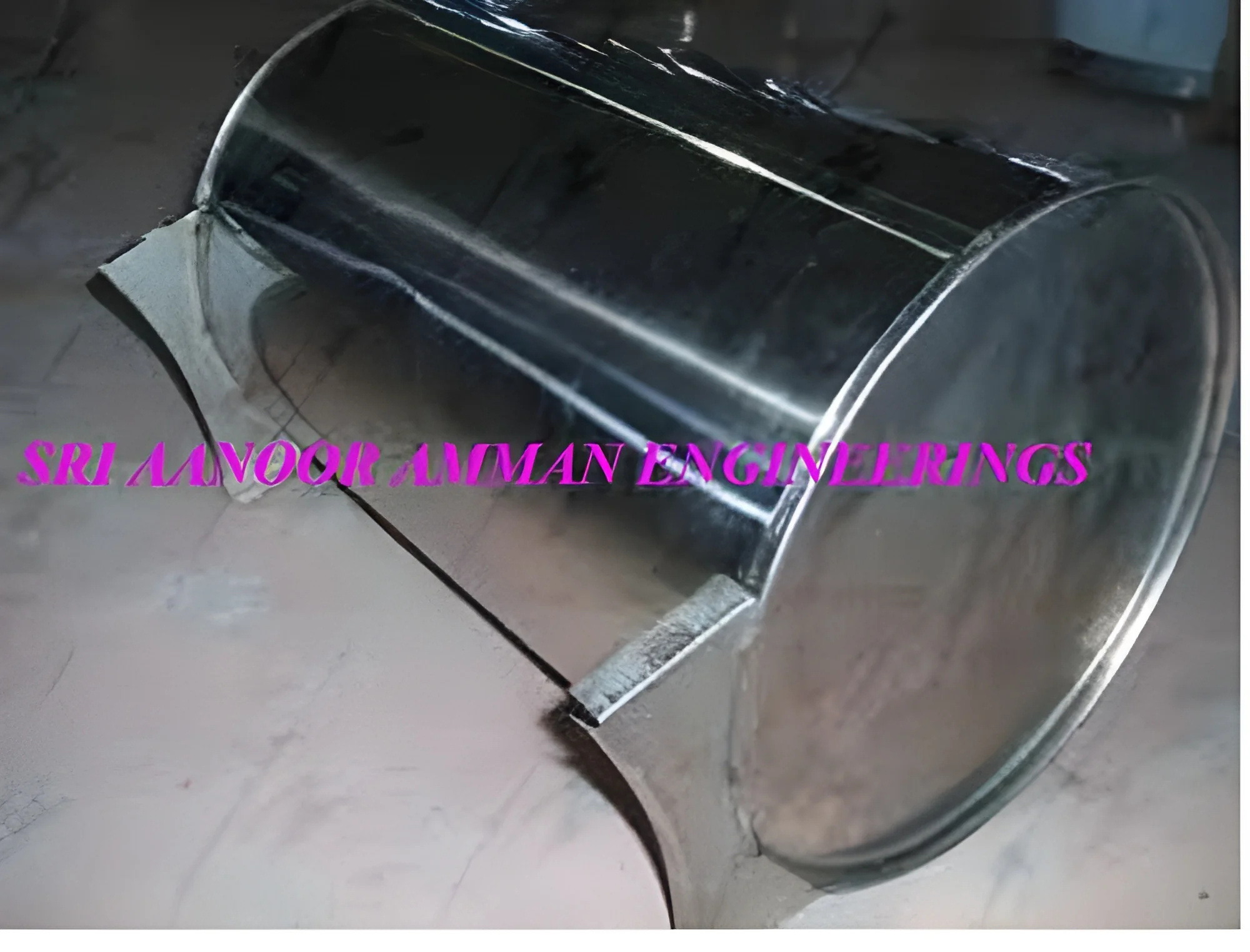
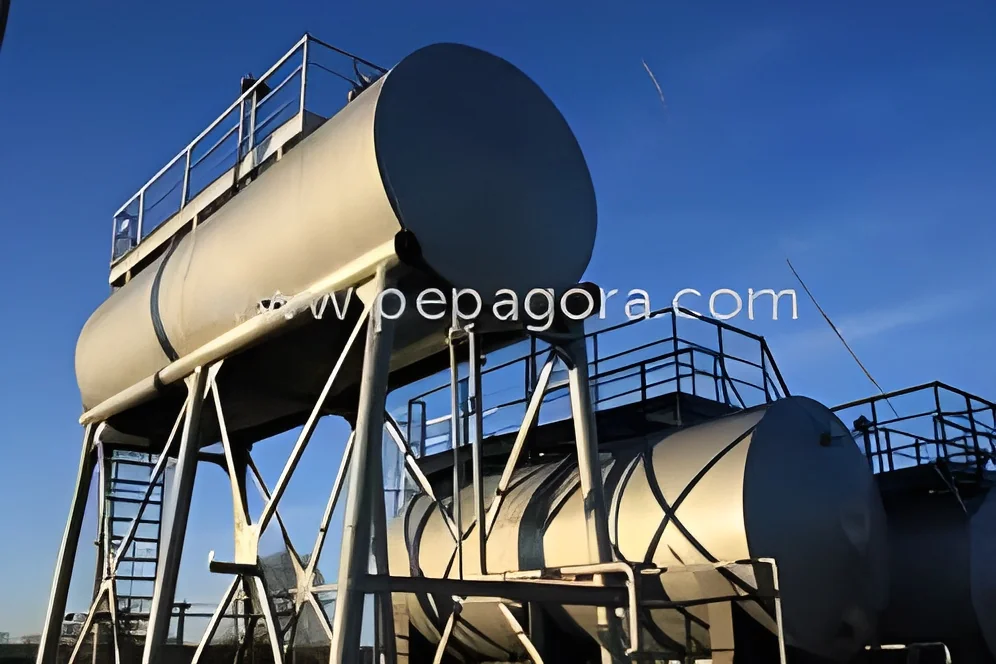
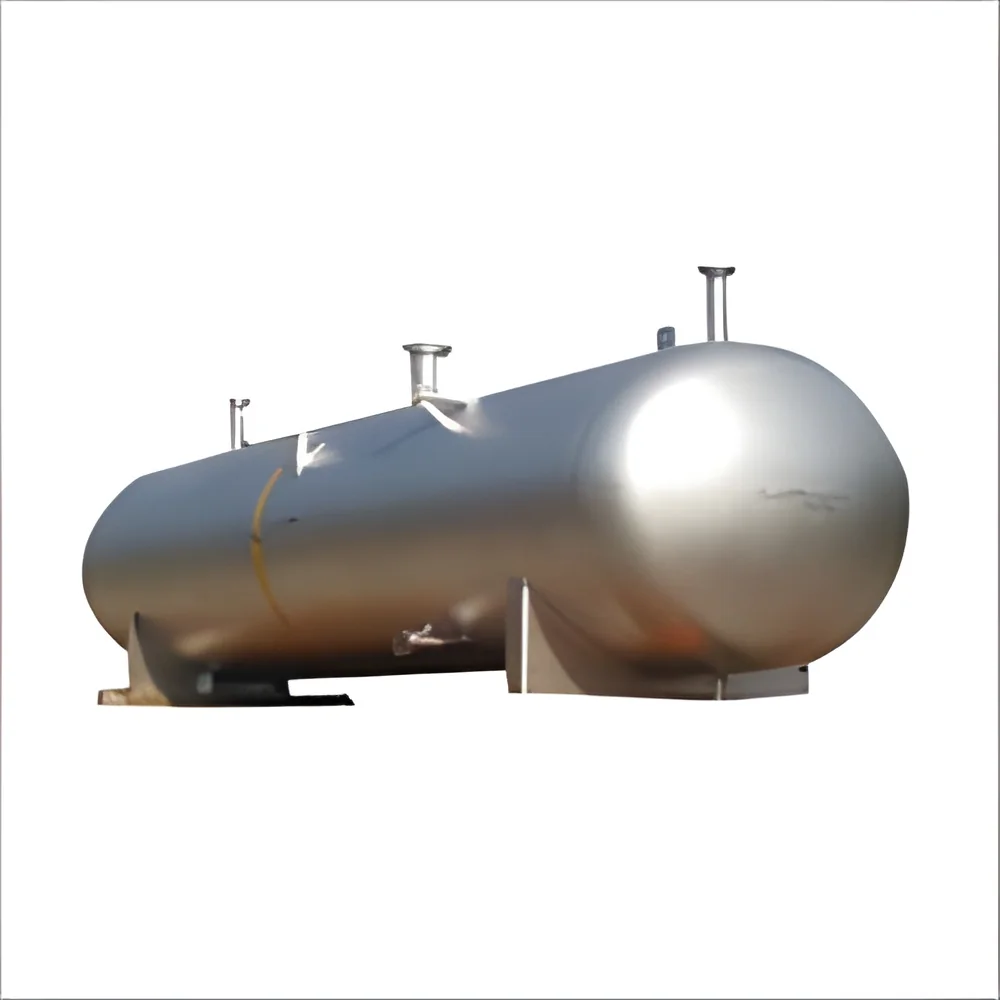
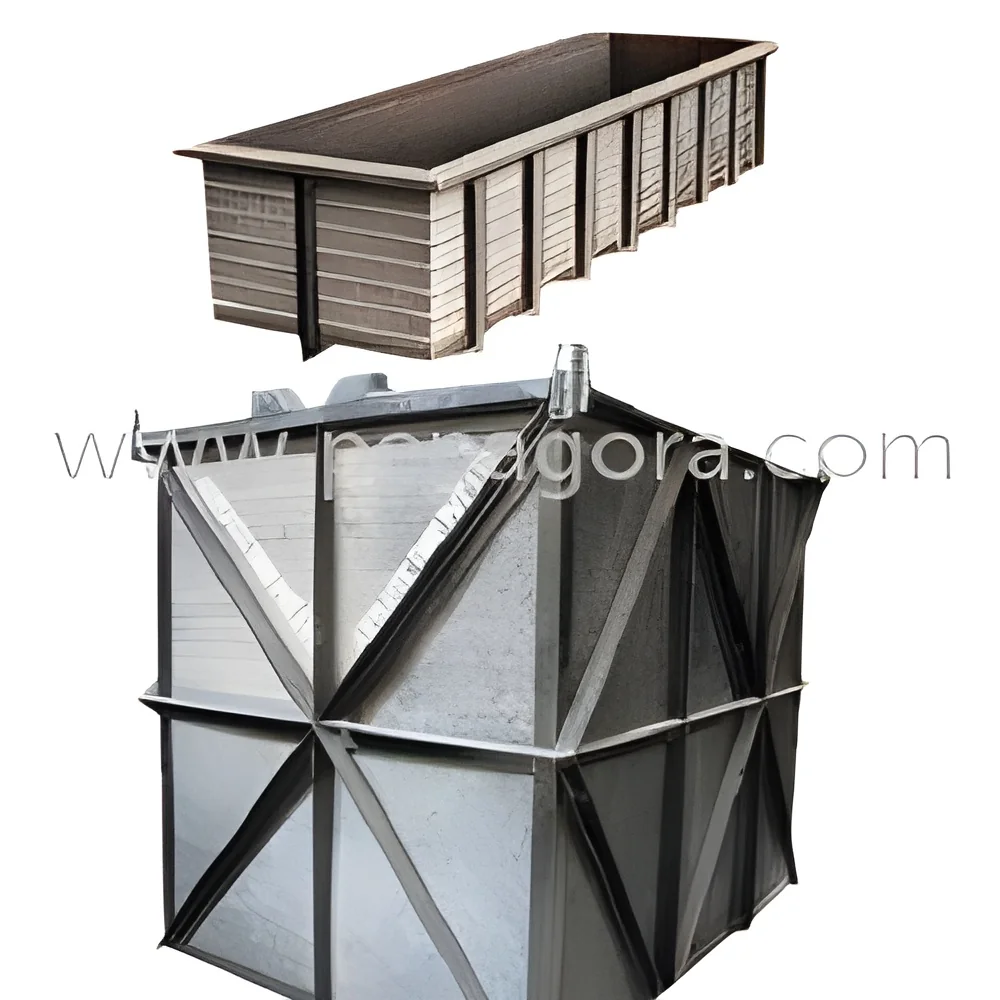
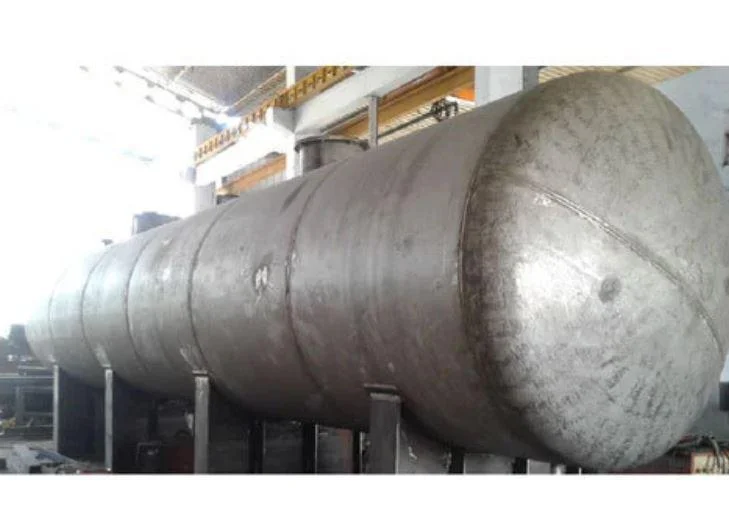
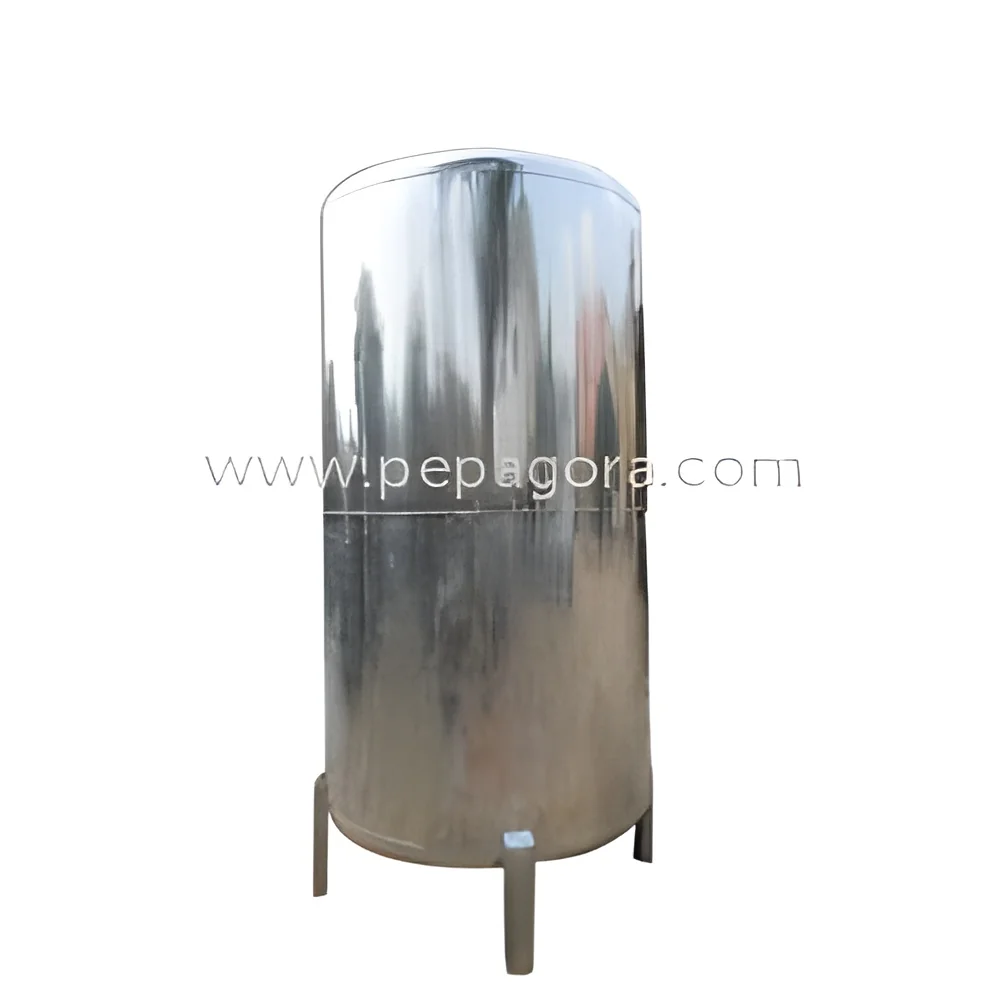
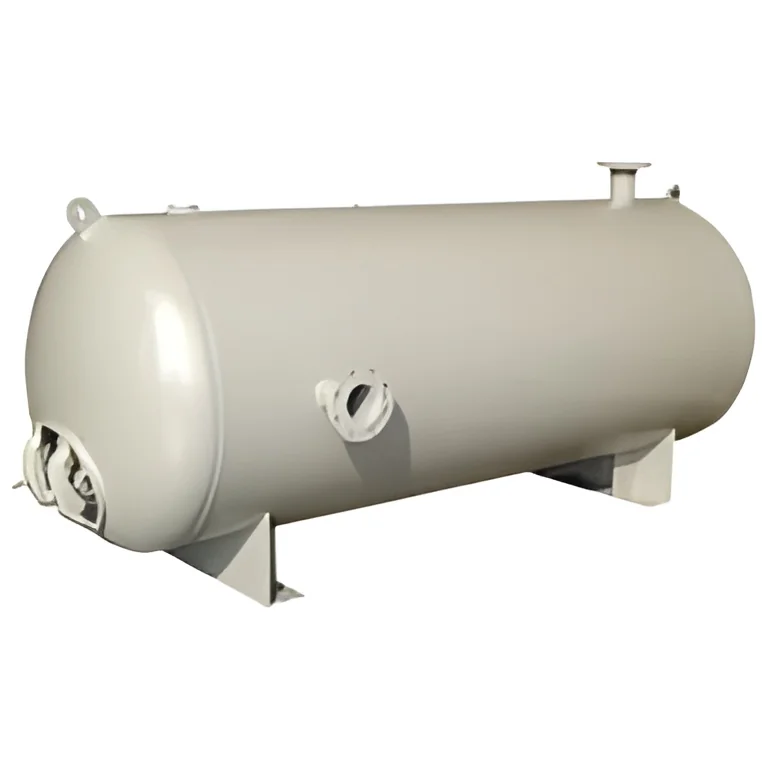
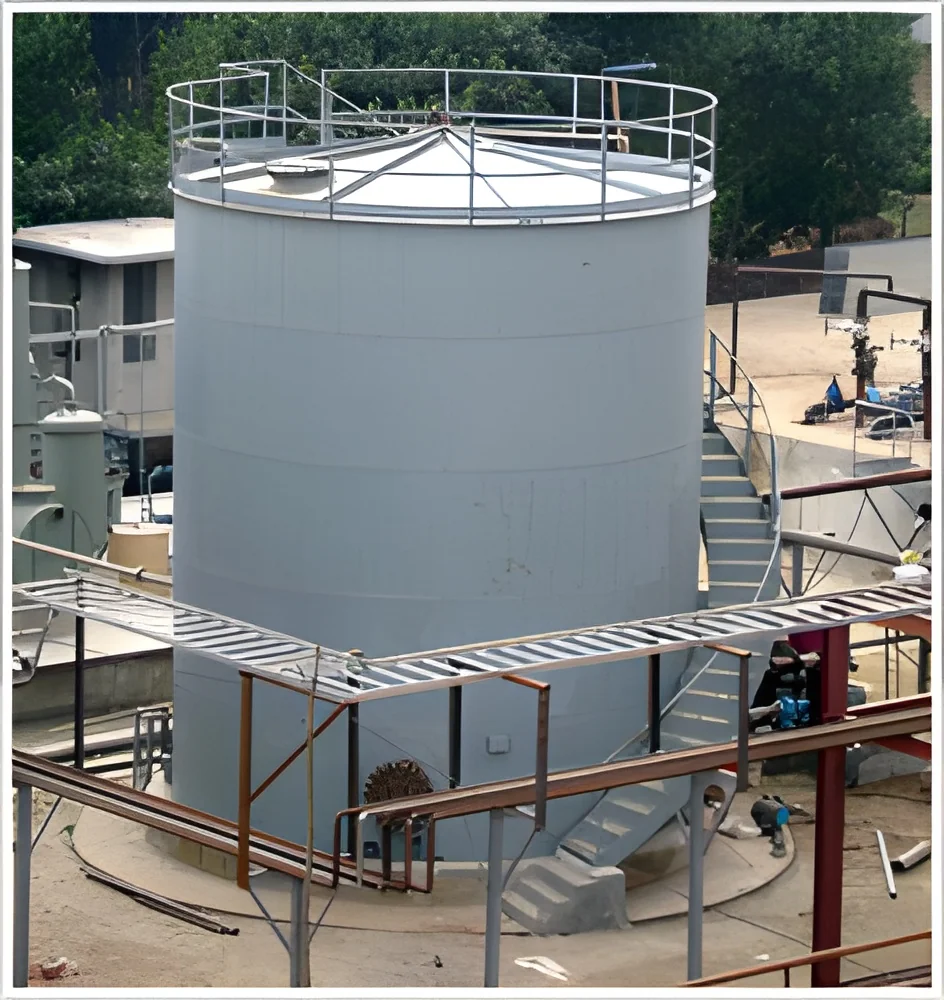
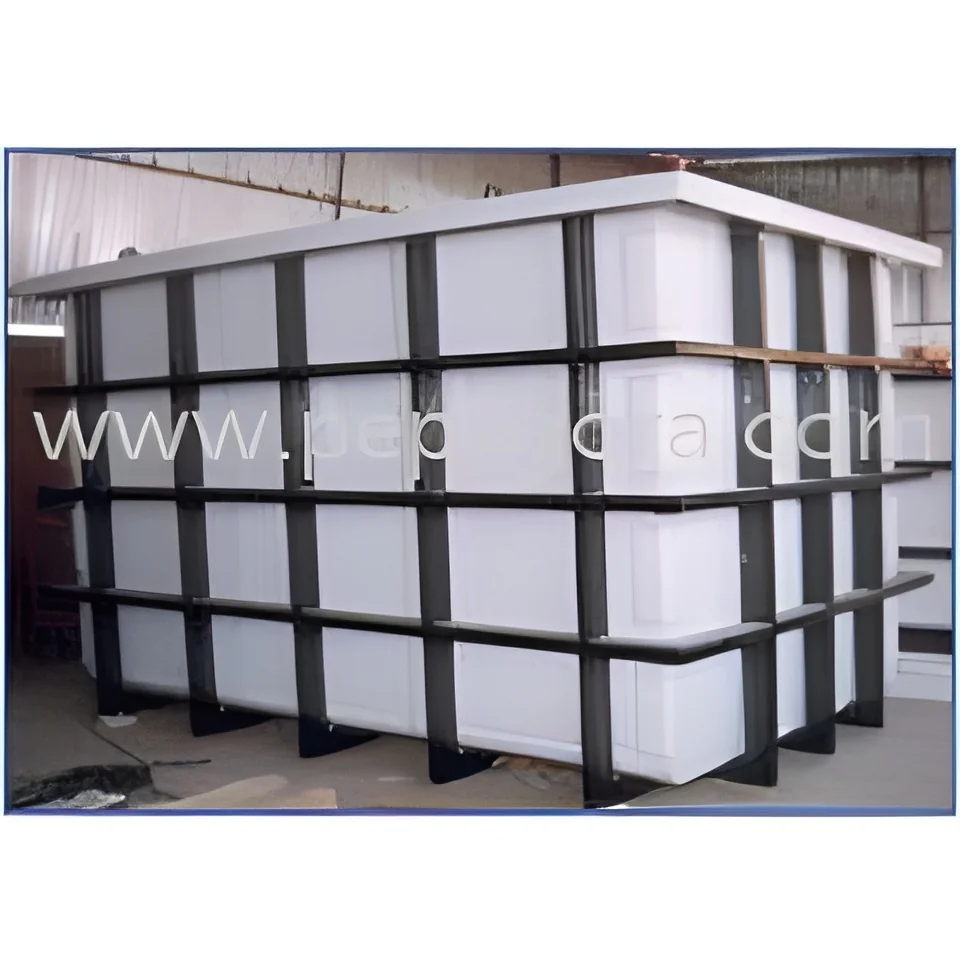
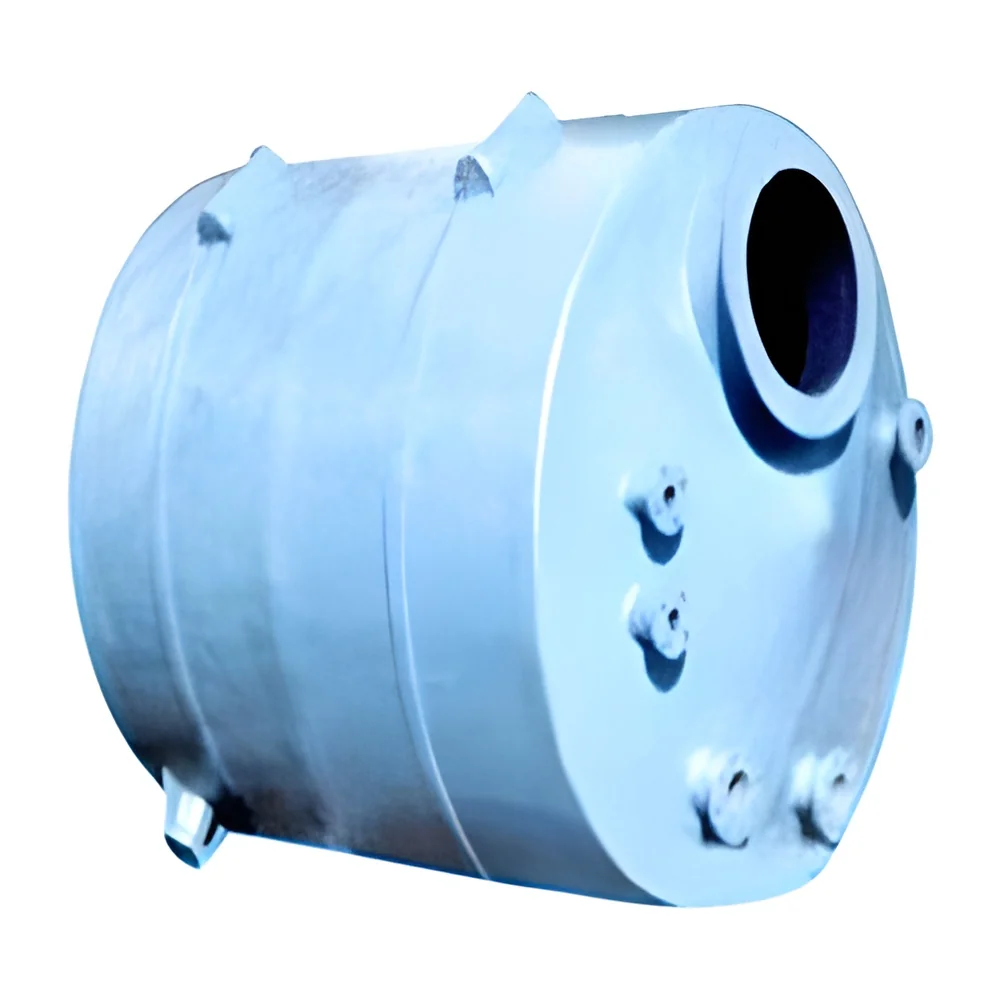
Chemical Storage Tanks are essential industrial containers designed to safely store various chemicals. These tanks can be made from stainless steel (SS), high-density polyethylene (HDPE), or fiberglass reinforced plastic (FRP). Each material offers distinct advantages, such as corrosion resistance, durability, and the ability to withstand various environmental conditions. The choice of material often depends on the type of chemicals being stored, as well as the operational requirements.
These tanks are widely utilized across multiple industries, including chemical manufacturing, pharmaceuticals, food processing, and water treatment. They serve critical functions such as holding raw materials, intermediates, or finished products. Proper storage is vital to ensure safety, compliance with regulations, and the integrity of the chemicals stored. As industries expand, the demand for reliable chemical storage solutions continues to grow, making these tanks an integral part of operational efficiency and safety protocols.
𝗞𝗲𝘆 𝗙𝗲𝗮𝘁𝘂𝗿𝗲𝘀 𝗮𝗻𝗱 𝗦𝗽𝗲𝗰𝗶𝗳𝗶𝗰𝗮𝘁𝗶𝗼𝗻𝘀
Chemical Storage Tanks come with various features to meet industry needs. These features ensure safety, compliance, and efficiency in chemical handling. The specifications may vary based on the material and application, providing flexibility to buyers.
Key specifications include:
1. Material Type
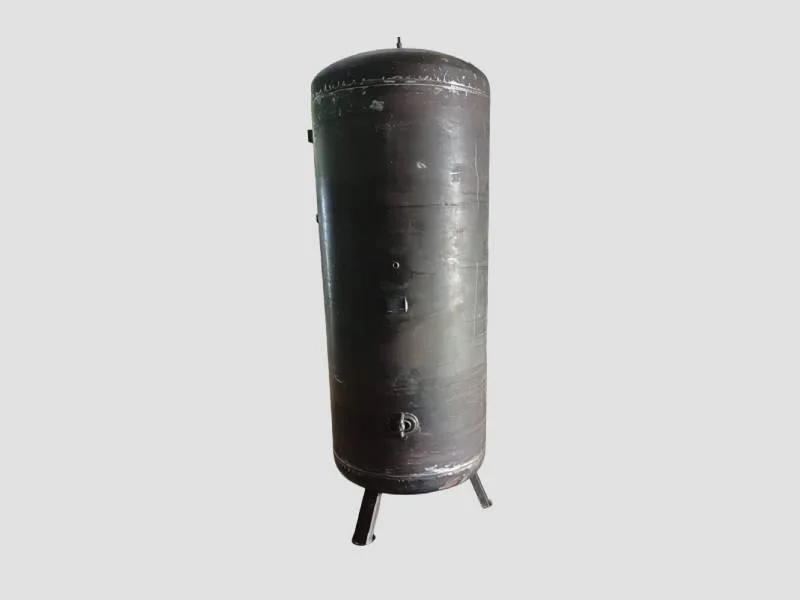
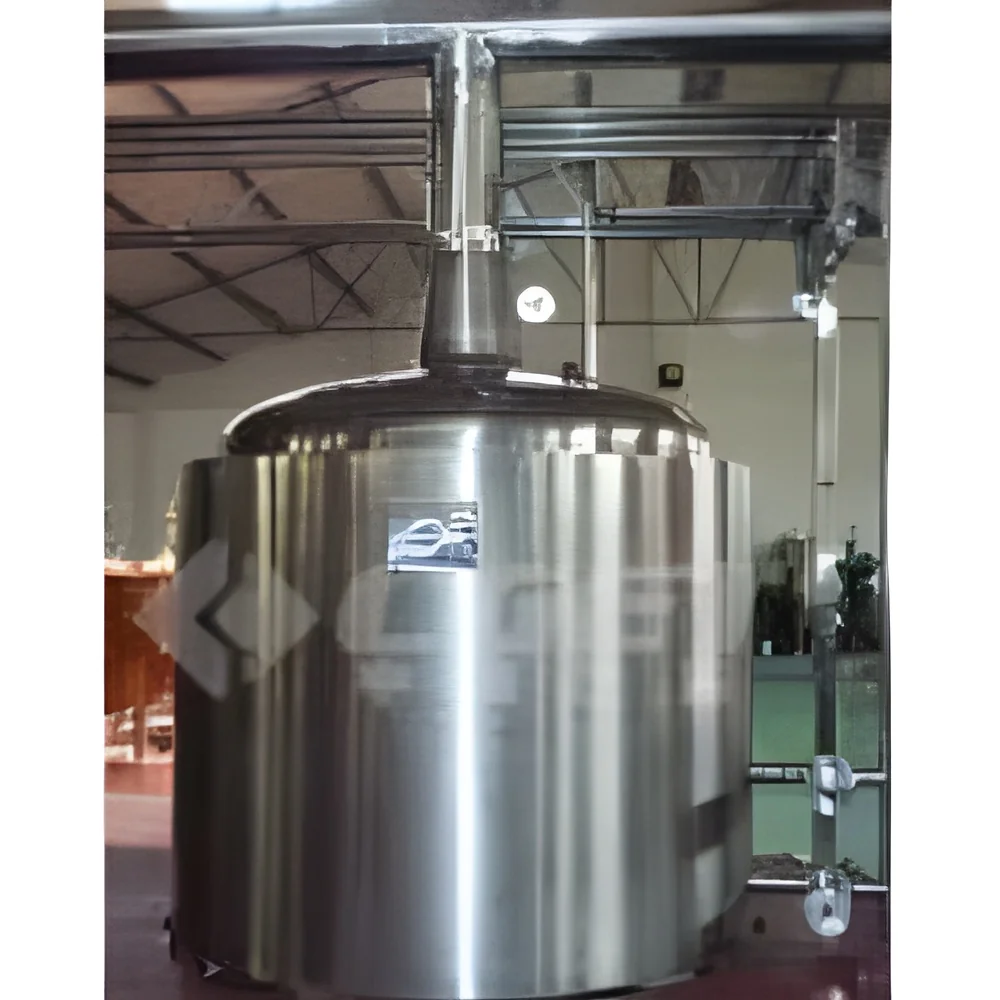
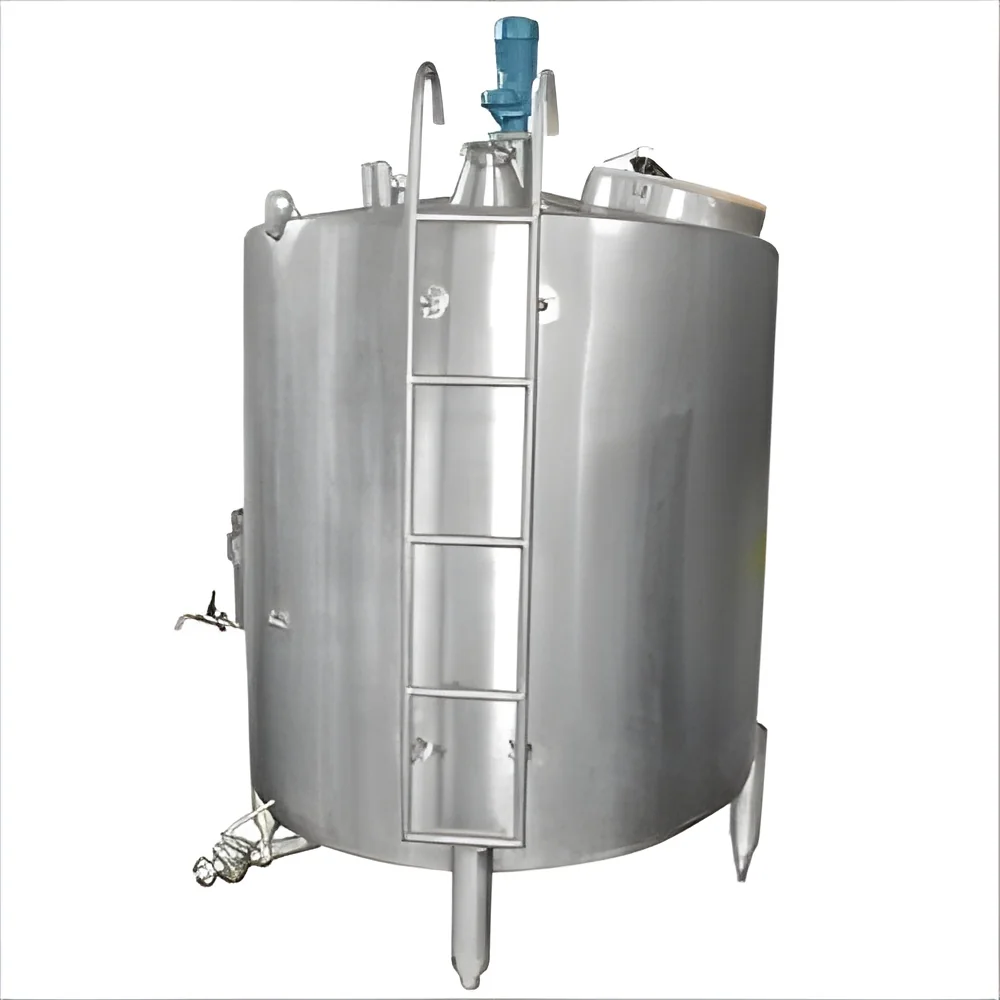
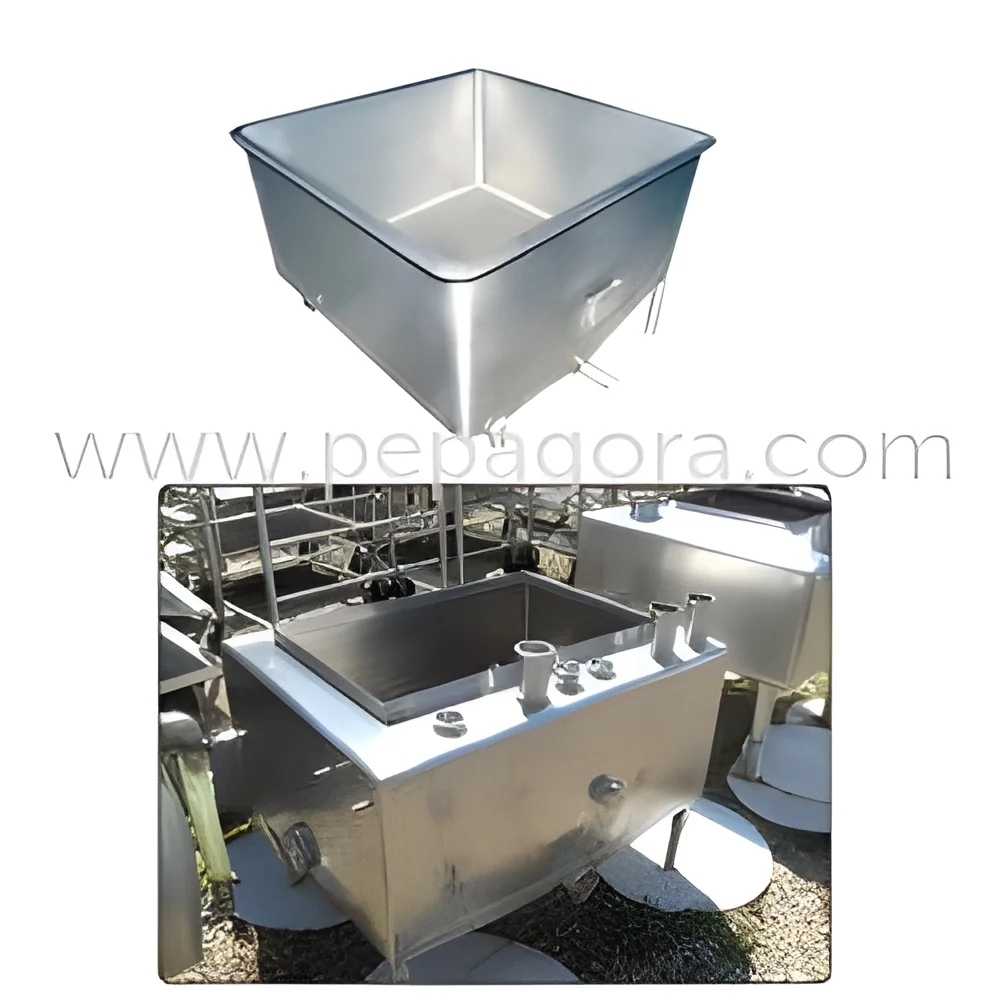
- Stainless Steel: High strength, corrosion resistant, ideal for hazardous chemicals.
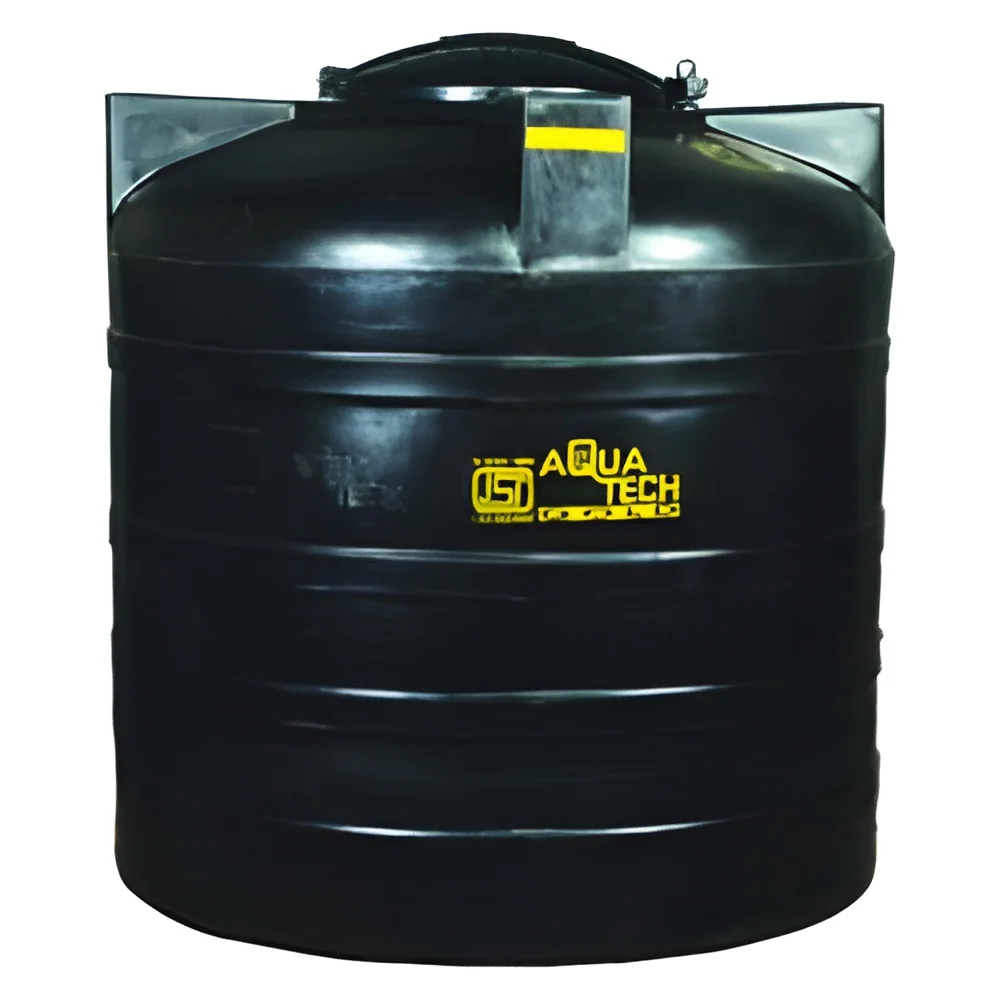
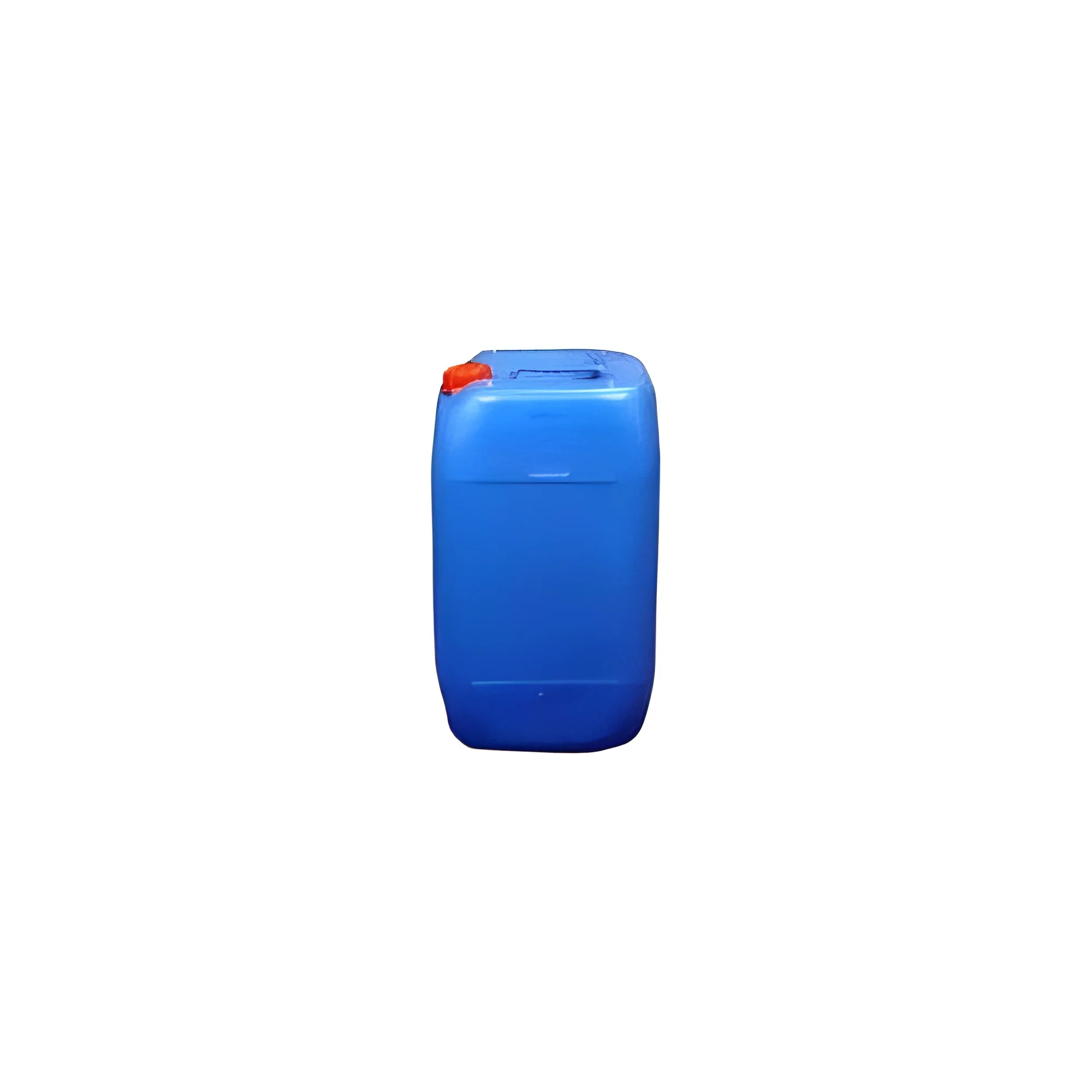
- HDPE: Lightweight, cost-effective, suitable for non-corrosive liquids.
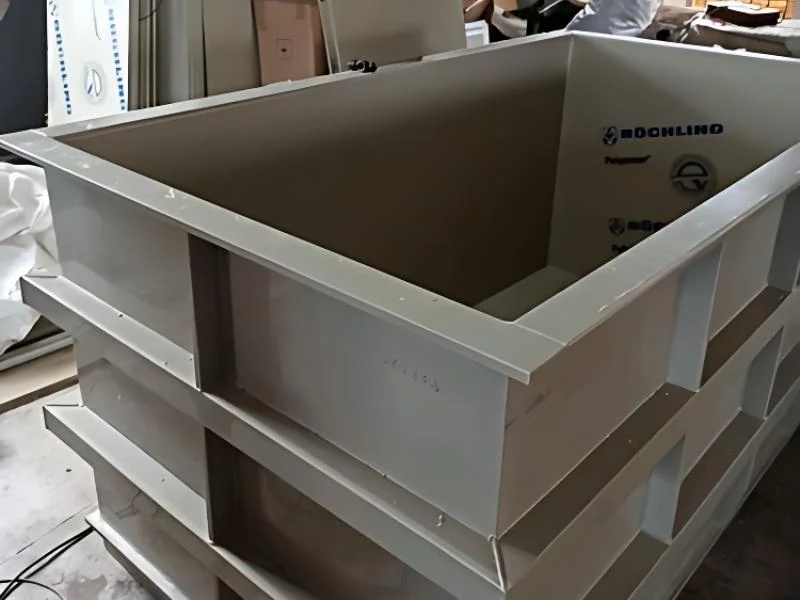
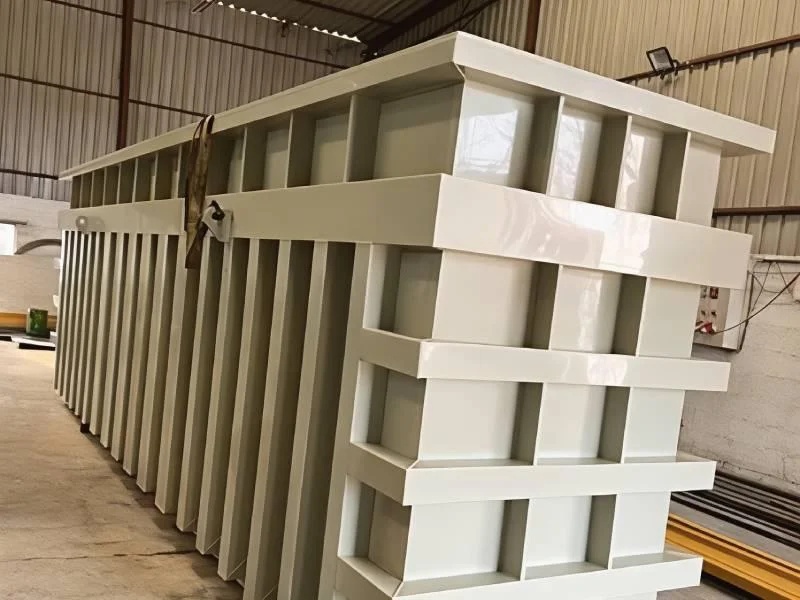
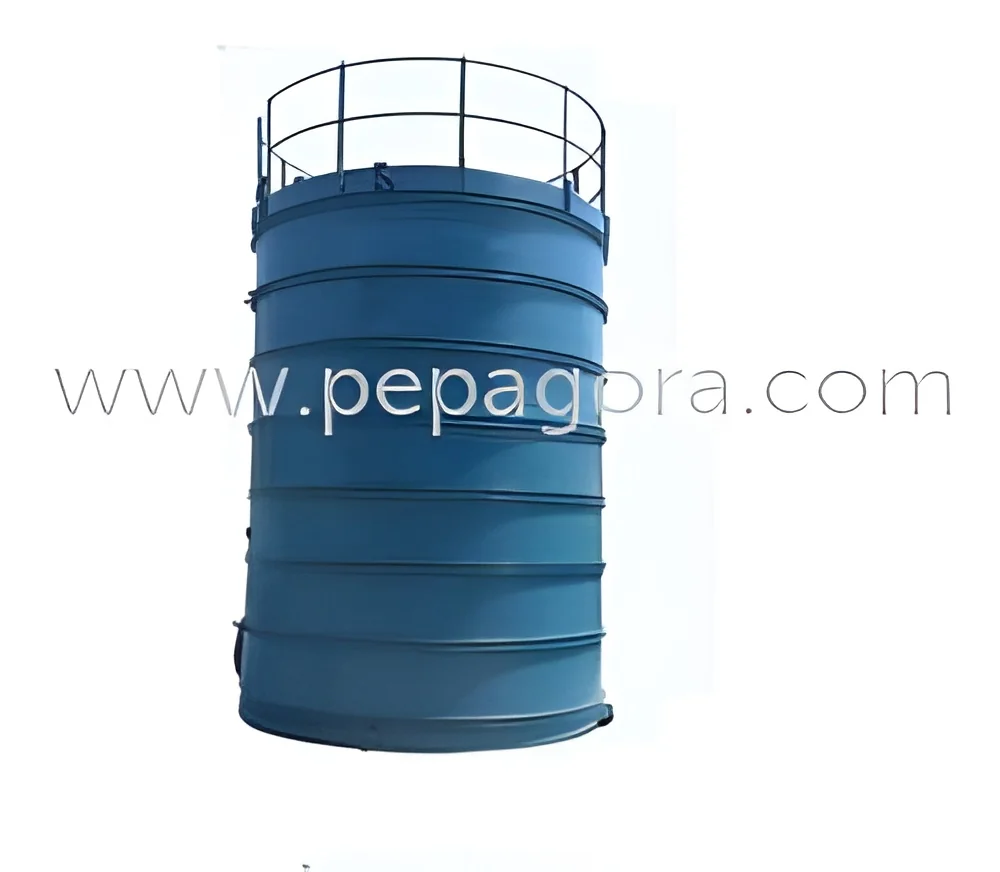
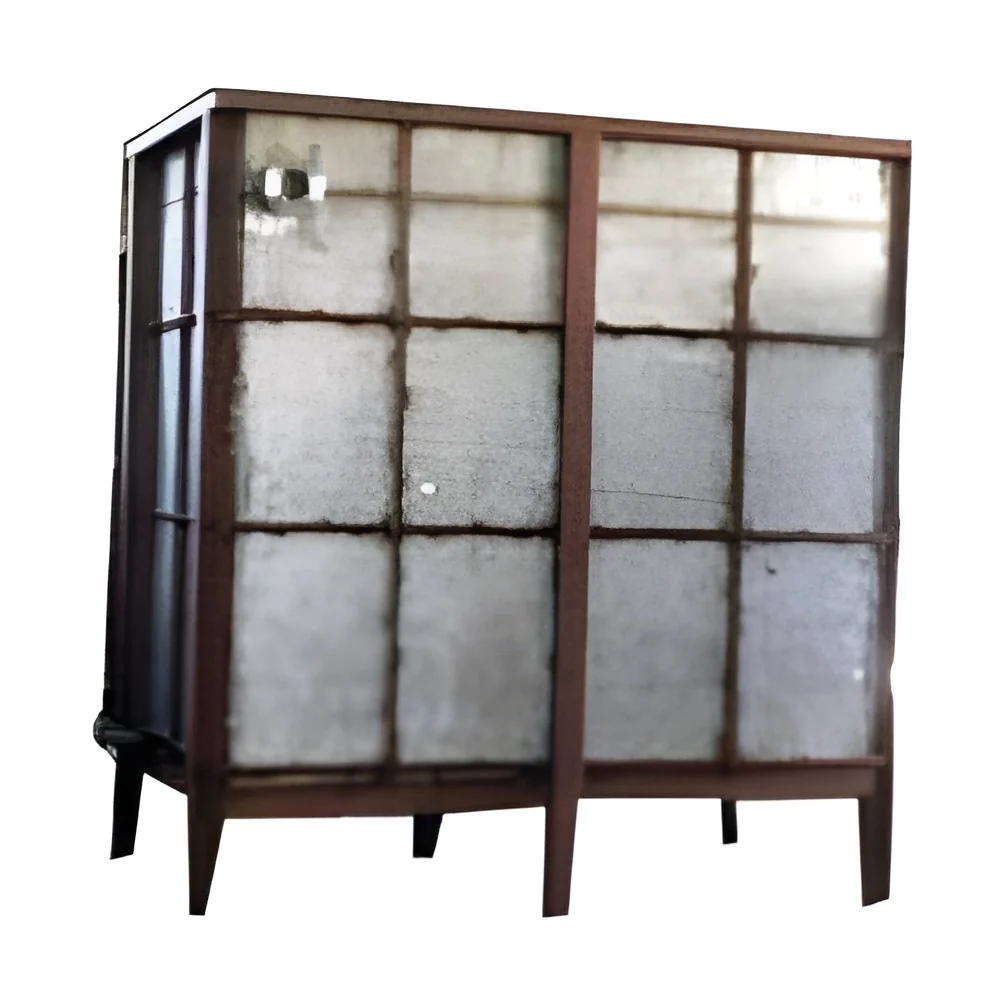
- FRP: Excellent chemical resistance, lightweight, and durable.
2. Capacity
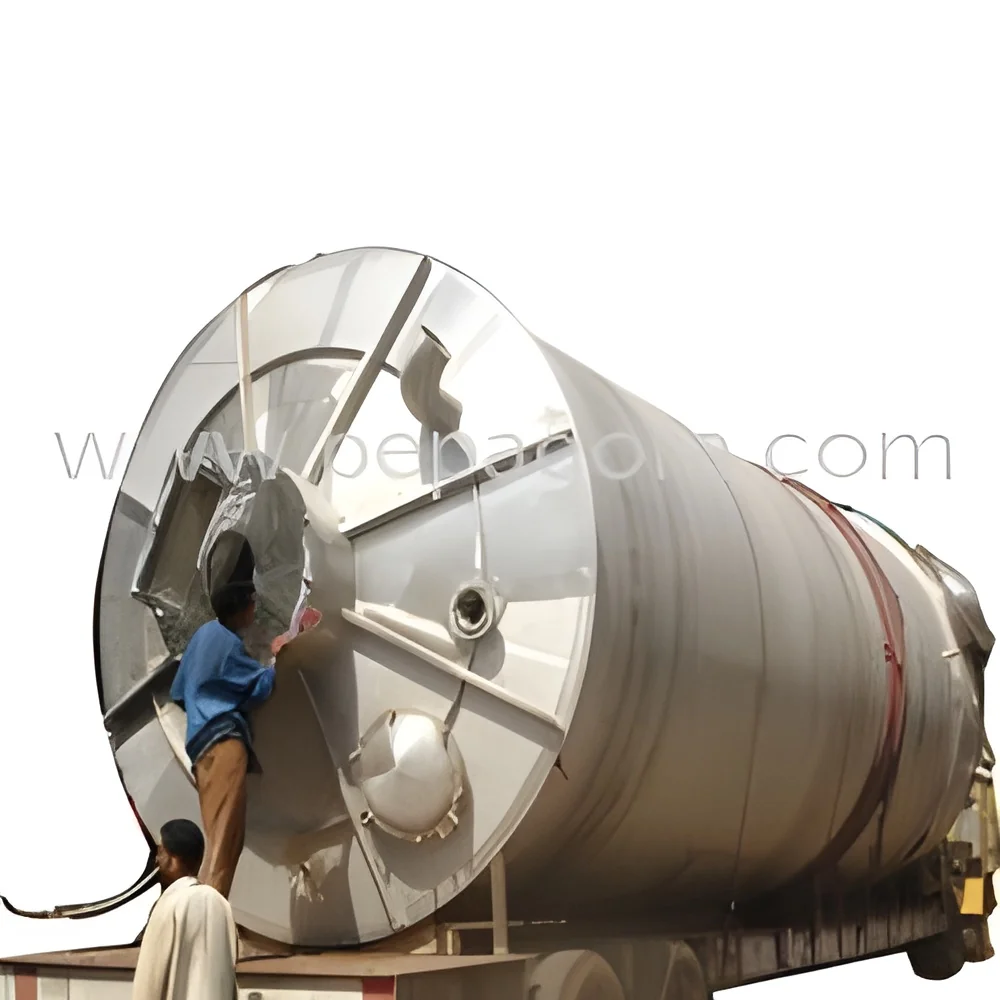
- Available in various sizes ranging from small tanks (100 liters) to large industrial tanks (over 100,000 liters) to accommodate different storage needs.
3. Design Standards
- Tanks are designed in accordance with industry standards to ensure safety and compliance, including CE certification.
4. Temperature Resistance
- Varies by material; stainless steel can handle high temperatures, while HDPE has limitations due to its lower melting point.
5. Pressure Rating
- Tanks can be designed to withstand specific pressure levels depending on the application and stored chemicals.
6. Compatibility
- Each tank is designed to store specific types of chemicals, ensuring material compatibility to prevent reactions or degradation.
7. Installation Options
- Tanks can be installed above ground or underground, based on site requirements and local regulations.
8. Additional Features
- Some models come equipped with monitoring systems to ensure safe storage and easy management of chemical levels.
In summary, Chemical Storage Tanks provide robust and versatile solutions for safely storing chemicals, with specifications tailored to meet diverse industry needs.
𝗖𝗼𝗺𝗺𝗼𝗻 𝗔𝗽𝗽𝗹𝗶𝗰𝗮𝘁𝗶𝗼𝗻𝘀 𝗮𝗻𝗱 𝗨𝘀𝗲 𝗖𝗮𝘀𝗲𝘀
Chemical Storage Tanks are used across various sectors due to their versatility and reliability.
1. Chemical Manufacturing: These tanks are crucial for storing raw materials and finished products, ensuring that production processes run smoothly.
2. Pharmaceuticals: In this industry, chemical storage tanks are essential for holding active pharmaceutical ingredients (APIs) and solvents, maintaining strict quality control standards.
3. Food Processing: Tanks made from food-grade materials are used to store various food chemicals and additives, adhering to health and safety regulations.
4. Water Treatment: Tanks are utilized to store treatment chemicals, ensuring that water quality meets regulatory standards.
5. Agriculture: Used for storing fertilizers and pesticides, these tanks help in effective management of agricultural chemicals.
6. Oil and Gas: Chemical storage tanks are vital for holding various chemicals used in drilling and refining processes.
7. Paint and Coatings: These tanks store raw materials for paint production, ensuring a continuous supply for manufacturing processes.
𝗣𝗿𝗼𝗱𝘂𝗰𝘁 𝗩𝗮𝗿𝗶𝗮𝗻𝘁𝘀 𝗮𝗻𝗱 𝗦𝘂𝗯𝗰𝗮𝘁𝗲𝗴𝗼𝗿𝗶𝗲𝘀
Chemical Storage Tanks come in various configurations to meet specific industry requirements.
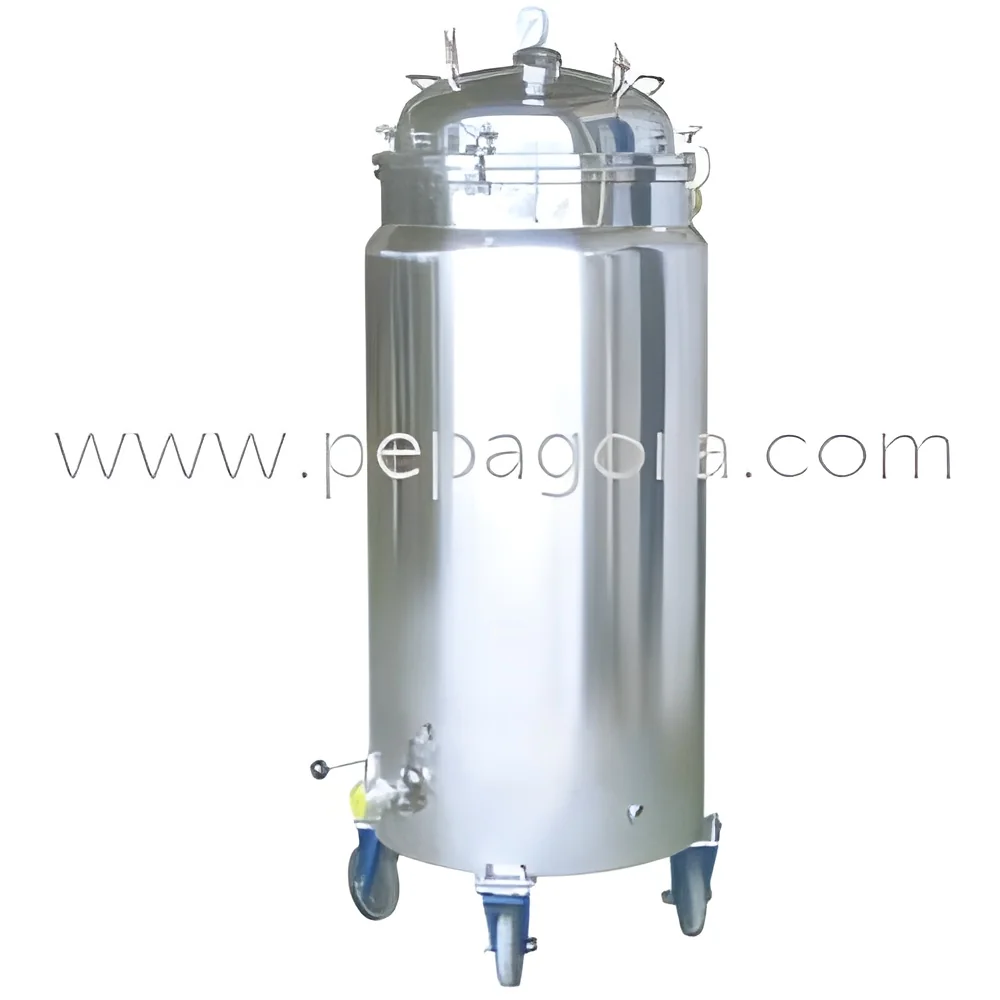
Stainless Steel Tanks
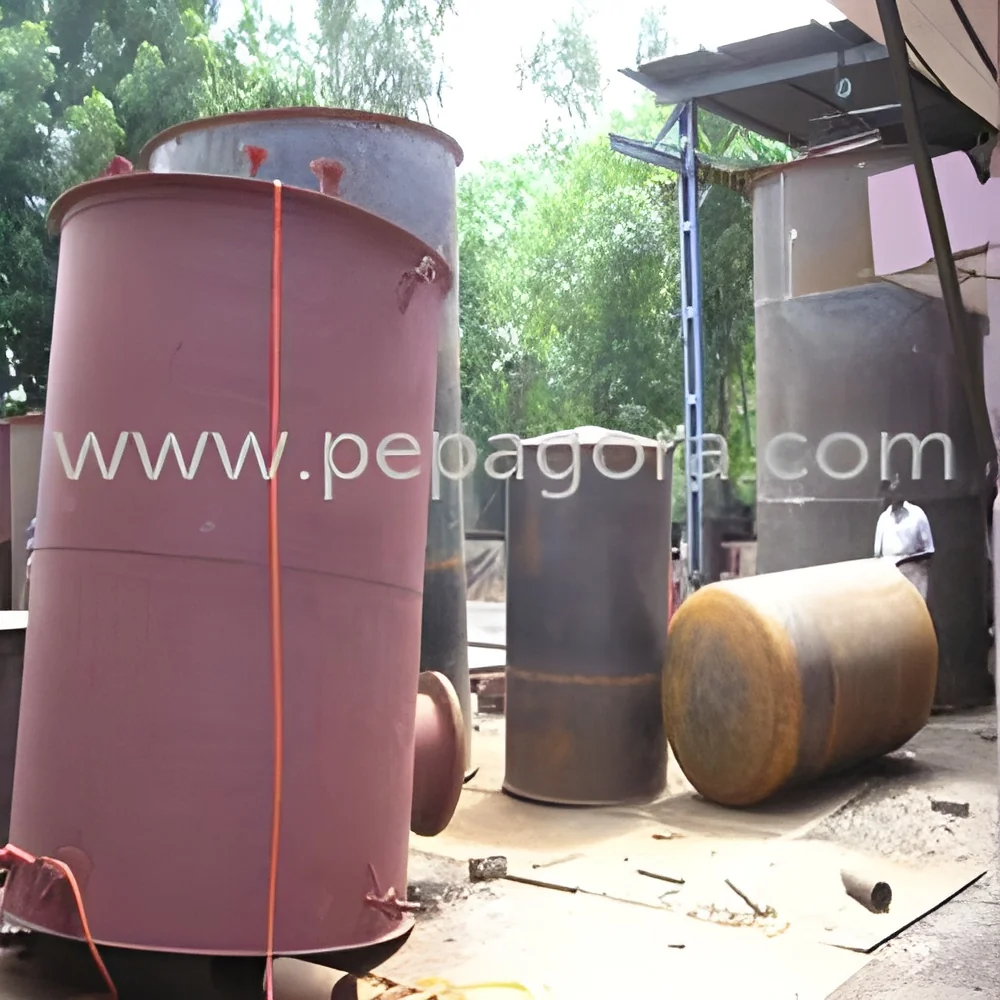
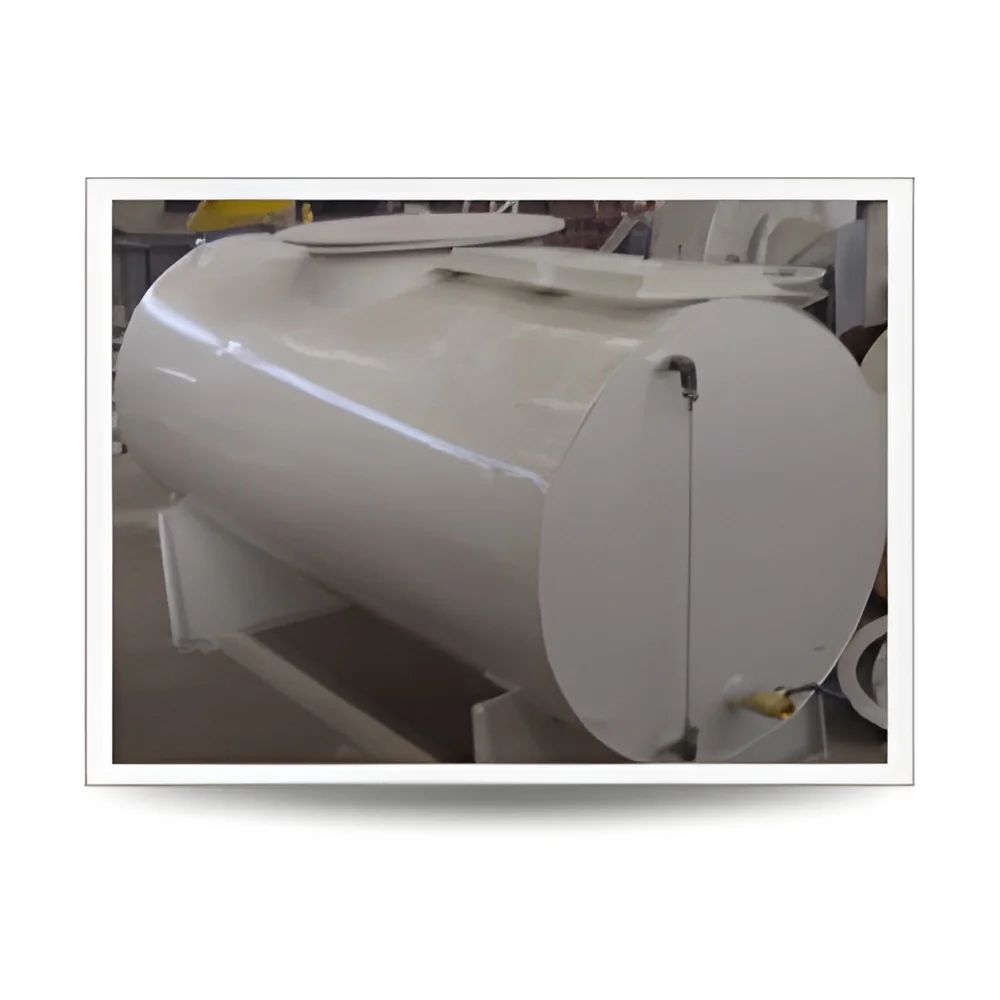
These tanks are known for their durability and resistance to harsh chemicals. They are often used in industries that require high sanitary standards, such as pharmaceuticals and food processing.
HDPE Tanks
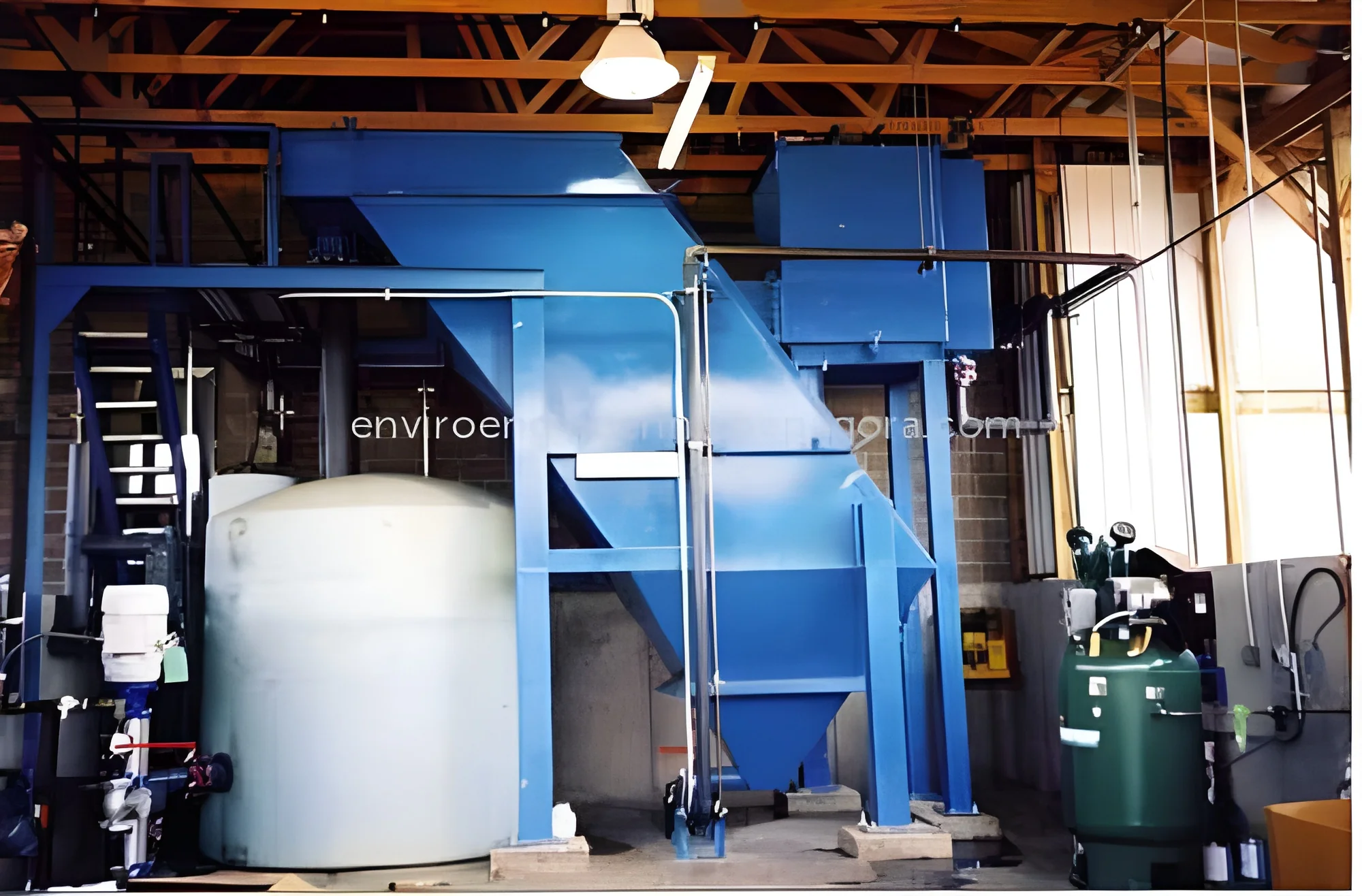
Lightweight and cost-effective, HDPE tanks are ideal for storing non-corrosive liquids. They are commonly used in agriculture and water treatment applications.
FRP Tanks
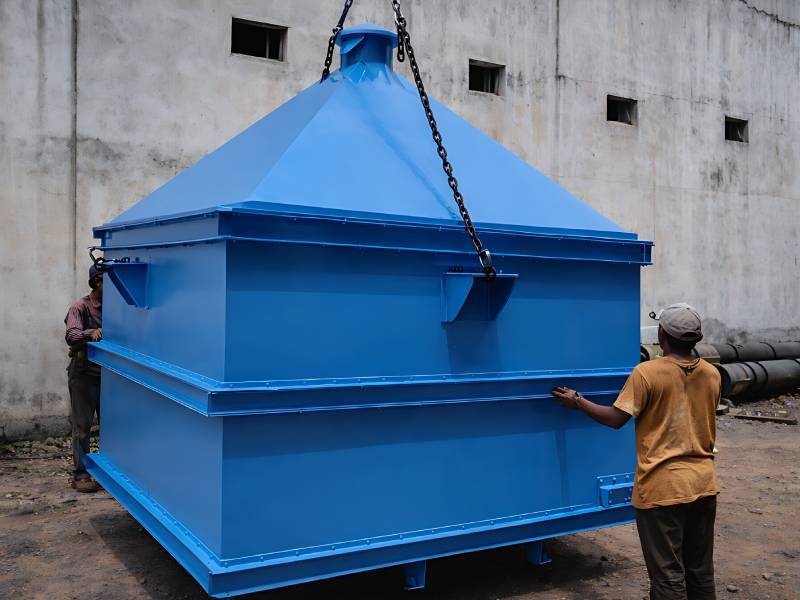
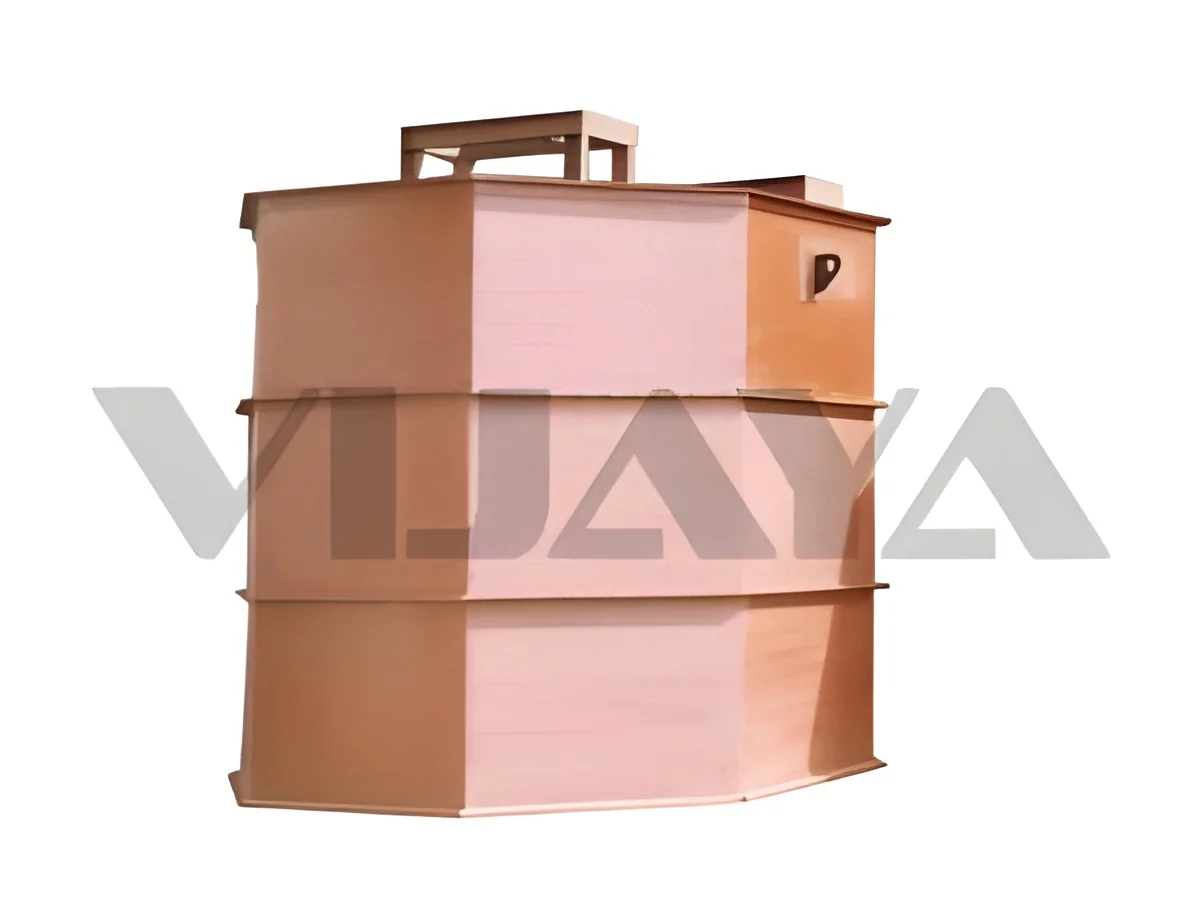
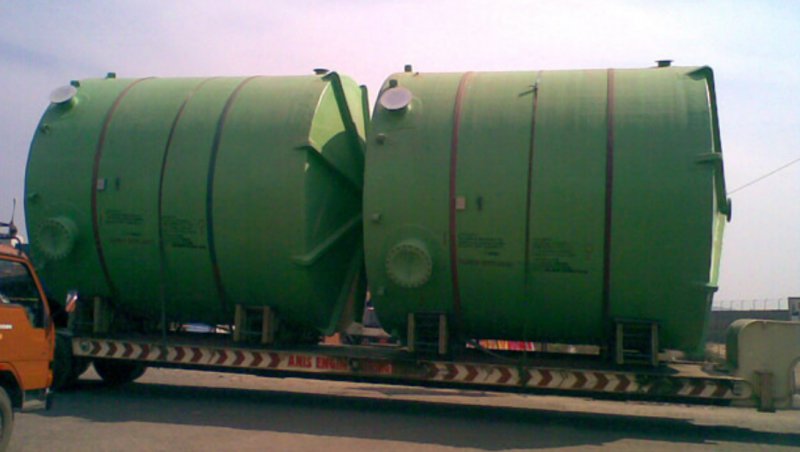
Fiberglass reinforced plastic tanks offer excellent chemical resistance and are often used in industries that store aggressive chemicals. They are lightweight and can be customized for specific applications.
𝗕𝗲𝗻𝗲𝗳𝗶𝘁𝘀 𝗮𝗻𝗱 𝗔𝗱𝘃𝗮𝗻𝘁𝗮𝗴𝗲𝘀
Investing in Chemical Storage Tanks provides numerous advantages to businesses.
1. Safety: These tanks are designed to prevent leaks and spills, reducing the risk of accidents and ensuring workplace safety.
2. Compliance: Tanks meet regulatory standards, helping businesses comply with local and international safety and environmental regulations.
3. Durability: Made from robust materials, these tanks can withstand harsh conditions, ensuring a long service life.
4. Cost-Effectiveness: By reducing the risk of leaks and spills, businesses can save on cleanup costs and potential fines.
5. Versatility: Available in various materials and sizes, these tanks can be tailored to meet specific storage needs.
6. Easy Maintenance: Many tanks come with features that simplify inspection and maintenance, ensuring that they remain in good condition.
𝗕𝘂𝘆𝗶𝗻𝗴 𝗚𝘂𝗶𝗱𝗲 𝗳𝗼𝗿 𝗕𝟮𝗕 𝗕𝘂𝘆𝗲𝗿𝘀
When sourcing Chemical Storage Tanks, several factors should be considered to ensure the right choice is made.
1. Quality Assessment: Look for tanks that meet established quality standards. Evaluate the materials used and any certifications that assure compliance with safety regulations.
2. Supplier Verification: Conduct thorough research to verify suppliers. Check for their track record, customer reviews, and any industry affiliations.
3. Pricing and MOQ: Understand the price range and minimum order quantities (MOQ) associated with the tanks. This will help in budgeting and planning for procurement.
4. Delivery and Lead Times: Consider the logistics of delivery. Ensure that suppliers can meet your timeline requirements to avoid disruptions in operations.
5. Compliance Requirements: Be aware of local regulations regarding chemical storage. Ensure that the tanks you choose comply with all necessary standards and certifications.
𝗖𝗼𝗺𝗽𝗹𝗶𝗮𝗻𝗰𝗲 𝗮𝗻𝗱 𝗖𝗲𝗿𝘁𝗶𝗳𝗶𝗰𝗮𝘁𝗶𝗼𝗻𝘀
Chemical Storage Tanks must adhere to various compliance and certification standards to ensure safety and reliability.
ISO 9001: This quality management standard ensures that manufacturers maintain high-quality processes in the production of storage tanks.
CE Certification: This mark indicates that the tanks meet European safety standards, ensuring they are fit for purpose in the market.
Safety and Testing Requirements: Tanks must undergo rigorous testing to assess their ability to withstand pressure and temperature fluctuations. This testing contributes to the safe storage of hazardous materials.
Regional Compliance Considerations: Different regions may have specific regulations regarding chemical storage. It is essential to consult local guidelines to ensure compliance.
Why Source Chemical Storage Tanks (SS, HDPE, FRP) from Pepagora?
Pepagora stands out as a trusted platform for sourcing Chemical Storage Tanks with several key advantages.
Verified Supplier Network: Pepagora connects buyers with a network of verified suppliers. This network ensures that you can source high-quality tanks from reliable manufacturers.
Streamlined RFQ Process: The platform simplifies the request for quotation (RFQ) process, enabling buyers to easily compare options and make informed decisions.
Trade Assurance and Support: Pepagora offers buyer protection, ensuring that transactions are secure and that you receive the products as specified.
Regional Coverage: With a focus on markets in India, the GCC, and Southeast Asia, Pepagora provides extensive reach, making it easier for businesses to find the right chemical storage solutions in their region.