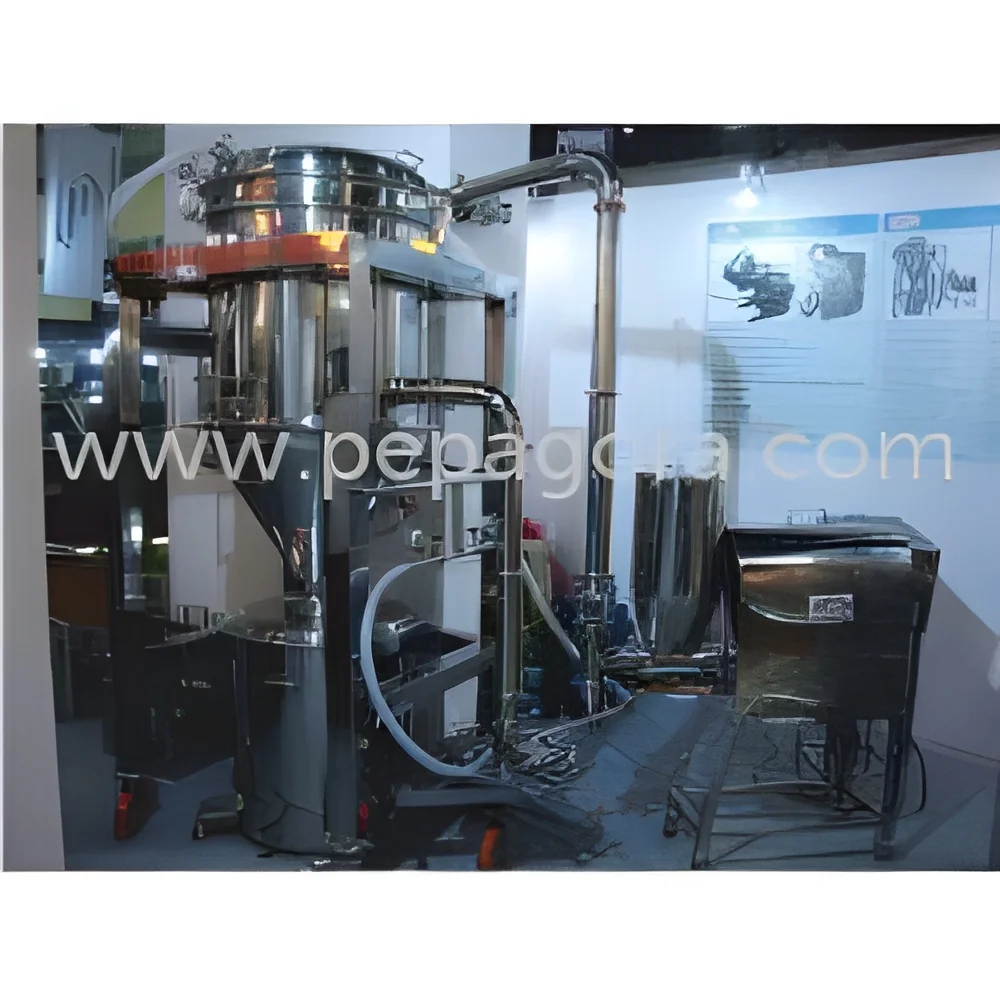
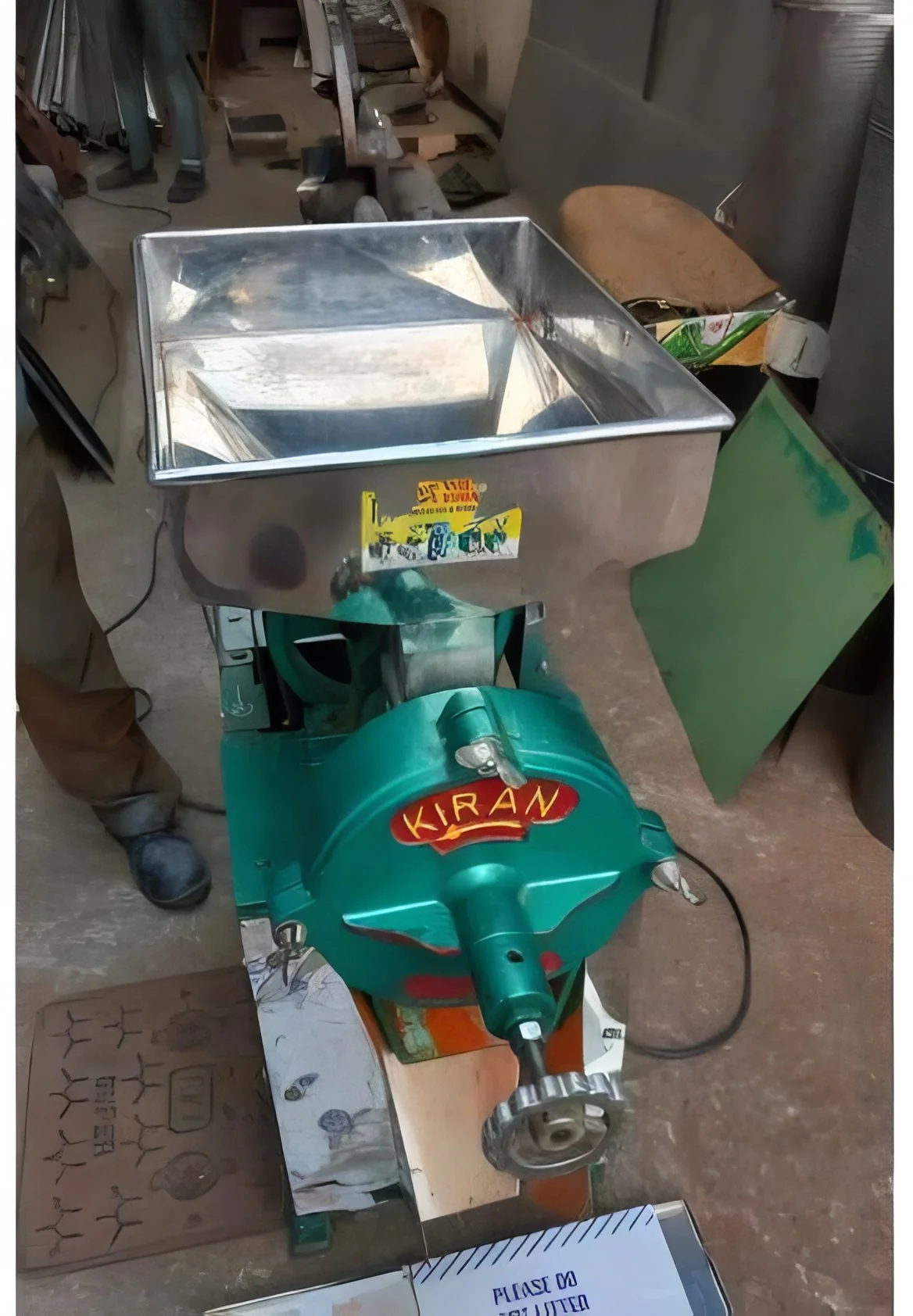
What are Jet Mills?
Jet mills are specialized devices used for ultra-fine grinding and particle size reduction of various materials. They utilize high-pressure air or steam to create a jet of particles that collide with each other, thereby breaking down larger particles into finer ones. This method of milling is particularly effective for materials that are hard or brittle, making it a preferred choice in many industrial applications.
These mills are primarily used in industries such as pharmaceuticals, food processing, chemicals, and minerals. In the pharmaceutical sector, for example, jet mills help in producing fine powders for medications, ensuring better bioavailability. Similarly, in food processing, they can be employed to create fine powders of spices and other ingredients. The unique milling process also ensures that the materials retain their properties without heat degradation, which is crucial in many applications.
The relevance of jet mills in today’s market is underscored by the growing demand for high-quality, fine powders across various industries. As businesses strive for efficiency and improved product quality, jet mills play a vital role in meeting these requirements. Their effectiveness in achieving precise particle size distributions makes them integral to many production processes.
Key Features and Specifications
Jet mills come with a range of features and specifications that enhance their performance and suitability for various applications. Understanding these specifications can help buyers make informed decisions when selecting jet mills for their specific needs.
Key specifications include:
1. Milling Capacity
- Typically ranges from small-scale (a few kilograms per hour) to large-scale production (hundreds of kilograms per hour).
2. Particle Size Range
- Capable of producing particle sizes from a few microns up to approximately 30 microns, depending on the material.
3. Material of Construction
- Often constructed from stainless steel or other high-quality materials to ensure durability and resistance to corrosion.
4. Operating Pressure
- Standard operating pressures can vary, but many jet mills operate between 1 to 5 bar, depending on the model and application.
5. Temperature Control
- Some models may include features for temperature control, ensuring that materials do not degrade during the milling process.
6. Energy Efficiency
- Designed to optimize energy usage while maintaining high milling efficiency.
7. Safety Features
- Equipped with features such as pressure relief valves and safety interlocks to ensure safe operation.
8. Easy Maintenance
- Many jet mills are designed for simple maintenance, allowing for quick inspections and part replacements.
In summary, understanding these key features and specifications is essential for selecting the right jet mill that meets specific operational needs and ensures optimal performance.
Common Applications and Use Cases
Jet mills are versatile tools employed across various industries due to their efficient grinding capabilities.
1. Pharmaceuticals: Jet mills are widely used for grinding active pharmaceutical ingredients (APIs) to achieve the desired particle size for better drug absorption and efficacy.
2. Food Processing: They are utilized to create fine powders for spices and other food ingredients, enhancing flavor intensity and ensuring consistent quality.
3. Chemicals: Jet mills are employed in the chemical industry for producing fine powders of pigments, dyes, and other chemical compounds that require specific particle sizes.
4. Minerals: In the minerals industry, jet mills help in the fine grinding of materials like talc and calcium carbonate for use in various applications.
5. Cosmetics: Jet mills are used to create ultra-fine powders for cosmetic products, ensuring smooth application and improved texture.
6. Electronics: They are also utilized in the production of fine powders for electronic applications, such as ceramics and conductive materials.
7. Plastics: Jet mills help in reducing the size of plastic additives and fillers, improving their dispersion in plastic products.
Product Variants and Subcategories
Jet mills come in various configurations to cater to different industrial needs. Each variant offers specific features that make them suitable for distinct applications.
Pilot-Scale Jet Mills
These mills are ideal for research and development purposes. They allow for small batch testing and can deliver precise particle size control, making them suitable for pharmaceutical R&D.
Industrial Jet Mills
Designed for high-volume production, industrial jet mills provide robust performance and can handle large quantities of material efficiently. They are typically used in manufacturing environments where speed and consistency are paramount.
Laboratory Jet Mills
These compact mills are perfect for laboratory settings. They are designed for small-scale experiments and can produce fine powders while requiring minimal space.
Benefits and Advantages
Jet mills offer numerous advantages that make them a preferred choice in various industries. Their unique milling process ensures high-quality output.
Key benefits include:
1. Particle Size Control: Jet mills allow for precise control over the particle size distribution, which is critical in many applications.
2. No Heat Generation: The milling process does not generate heat, preserving the properties of sensitive materials.
3. Versatility: They can process a wide range of materials, including hard, brittle, and heat-sensitive substances.
4. Minimal Contamination: The design of jet mills minimizes the risk of contamination, ensuring product purity.
5. Energy Efficiency: Many models are designed to optimize energy consumption while maintaining high operational efficiency.
6. Low Maintenance: Jet mills often require less maintenance compared to other milling technologies, reducing downtime and operational costs.
Buying Guide for B2B Buyers
When sourcing jet mills, buyers should consider a variety of factors to ensure they select the best option for their needs.
1. Quality Assessment: Look for mills that meet recognized quality standards like ISO certifications. Verify the quality control processes of the manufacturer to ensure consistent product output.
2. Supplier Verification: Vet suppliers by checking their reputation, customer reviews, and certifications. A reliable supplier will have a track record of delivering quality products on time.
3. Pricing and MOQ: Understand the pricing structure and minimum order quantities. Compare prices from different suppliers to find competitive options while ensuring quality.
4. Delivery and Lead Times: Inquire about the delivery schedules and lead times. Timely delivery is crucial for maintaining production schedules.
5. Compliance Requirements: Ensure that the jet mills comply with relevant industry regulations and safety standards. This may include certifications like CE for equipment used in specific regions.
Compliance and Certifications
Jet mills must adhere to various quality standards and certifications to ensure safety and reliability in their applications. One of the most recognized standards is ISO 9001, which emphasizes quality management systems in manufacturing processes.
HACCP (Hazard Analysis Critical Control Point) is also relevant, particularly in the food and pharmaceutical industries, as it ensures that potential hazards are identified and controlled throughout the production process.
CE certification is another important requirement, especially for equipment sold in the European market, indicating compliance with health, safety, and environmental protection standards.
Safety and testing requirements are paramount for jet mills, particularly in industries where product purity is critical. Manufacturers must conduct thorough testing to ensure that their mills operate safely under specified conditions.
Finally, regional compliance considerations may vary, so it is essential for buyers to understand the specific regulations that apply in their operating locations.
Why Source Jet Mills from Pepagora?
Pepagora offers a reliable platform for sourcing jet mills, providing several advantages that support B2B buyers in their procurement process.
Verified Supplier Network: Pepagora ensures that all suppliers in its network are thoroughly vetted. This process includes checking their credentials, production capabilities, and customer feedback, which helps buyers find trustworthy partners.
Streamlined RFQ Process: The request for quotation (RFQ) process on Pepagora is designed to be efficient, allowing buyers to quickly receive quotes from multiple suppliers. This feature saves time and facilitates better price comparisons.
Trade Assurance and Support: Pepagora provides trade assurance, which protects buyers throughout the purchasing process. This includes support for any issues that may arise, ensuring a smoother transaction.
Regional Coverage: Pepagora's reach extends across India, the GCC, and Southeast Asia, making it easy for buyers in these regions to access high-quality jet mills. The platform connects buyers with local suppliers, simplifying logistics and delivery processes.
Overall, sourcing jet mills through Pepagora not only enhances the procurement experience but also ensures access to quality products backed by reliable suppliers.

 IN
IN