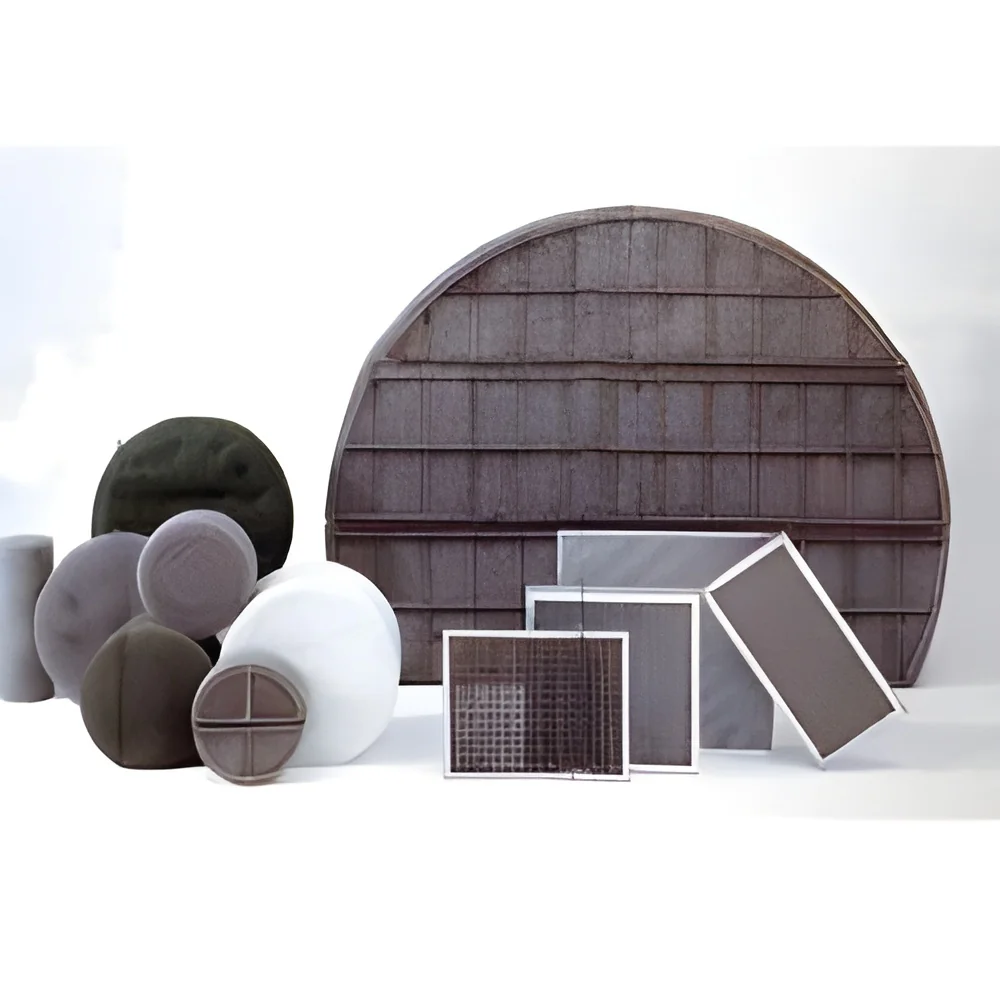
What are Gas-Liquid Separators?
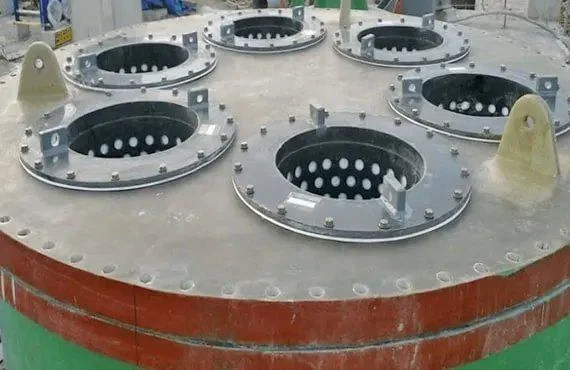
Gas-liquid separators are industrial devices designed to separate gas from liquid mixtures. These separators utilize various mechanisms, such as gravity, centrifugal force, or coalescing elements, to achieve effective separation. The primary function of gas-liquid separators is to ensure that the gas and liquid phases are purified before further processing or transportation.
These separators find extensive use across multiple industries, including oil and gas, chemical processing, and water treatment. In the oil and gas sector, they are essential for separating natural gas from crude oil. In chemical processing, they help in the production of various chemicals by removing unwanted gas from liquid reactants. Their relevance spans various applications, making gas-liquid separators a crucial component in maintaining operational efficiency and product quality.
The growing demand for energy and chemicals globally has increased the market for gas-liquid separators. Industries are seeking efficient solutions to enhance productivity and minimize operational costs. As a result, manufacturers are innovating their designs and technologies to meet the evolving needs of different sectors.
Key Features and Specifications
Gas-liquid separators are characterized by several key features that enhance their performance and reliability. Understanding these specifications is essential for selecting the right unit for your application.
Key specifications include:
1. Separation Efficiency
- This specification refers to the effectiveness of the separator in removing gas from the liquid phase.
- Typical efficiency rates can range from 90% to 99% depending on the design and application.
2. Operating Pressure
- This indicates the maximum pressure at which the separator can function safely.
- Standard operating pressure ranges may vary from 50 psi to 2000 psi.
3. Material Construction
- The materials used in the manufacturing of gas-liquid separators determine their durability and resistance to corrosion.
- Common materials include carbon steel, stainless steel, and specialized alloys.
4. Flow Rate Capacity
- This specifies the maximum volume of liquid and gas that can pass through the separator over a specified time.
- Flow rates can range from a few gallons per minute to several thousand gallons per minute.
5. Dimensions
- The physical size of the separator is crucial for installation and operation.
- Height, diameter, and weight specifications vary based on the model and application.
6. Temperature Tolerance
- This indicates the operational temperature range for the separator.
- Specific temperature tolerances are not provided but typically can withstand a range from -20°C to 200°C.
7. Maintenance Requirements
- Regular maintenance is crucial for optimal performance, and this specification includes ease of access for cleaning and servicing.
8. Safety Features
- This includes mechanisms like pressure relief valves and safety shut-off systems to ensure safe operation.
In summary, understanding these key features and specifications is vital for businesses looking to invest in gas-liquid separators. Proper selection based on these criteria can lead to enhanced performance and longevity of the equipment.
Common Applications and Use Cases
Gas-liquid separators are utilized in various industries, each with specific applications that benefit from their functionality.
1. Oil and Gas: In this sector, gas-liquid separators are used to separate natural gas from crude oil and to remove water and other impurities from gas streams.
2. Chemical Processing: Gas-liquid separators play a critical role in ensuring the purity of reactants by eliminating unwanted gases, thus improving product quality.
3. Water Treatment: These separators are employed in wastewater treatment facilities to remove gases dissolved in water, helping to treat and purify water for reuse.
4. Food and Beverage: In this industry, separators are used to remove gases from liquid ingredients, ensuring consistent quality in food production.
5. Pharmaceutical Manufacturing: Gas-liquid separators are essential for maintaining the integrity of liquid formulations by removing air or other gases that could affect product efficacy.
6. Power Generation: In power plants, gas-liquid separators help in the extraction of water vapor from steam, optimizing the efficiency of energy production.
7. HVAC Systems: In heating, ventilation, and air conditioning systems, gas-liquid separators are used to prevent liquid carryover in gas streams, protecting equipment from damage.
Product Variants and Subcategories
Gas-liquid separators come in various designs and configurations to meet specific operational needs. The diversity in product offerings allows businesses to select models that best fit their application requirements.
Vertical Separators
Vertical separators are designed for applications where space is limited. They feature a compact design and are often used in oil and gas operations for effective separation in confined areas.
Horizontal Separators
Horizontal separators are ideal for handling larger volumes of fluids. They provide a larger surface area for gas-liquid separation and are commonly used in chemical processing and wastewater treatment.
Coalescing Separators
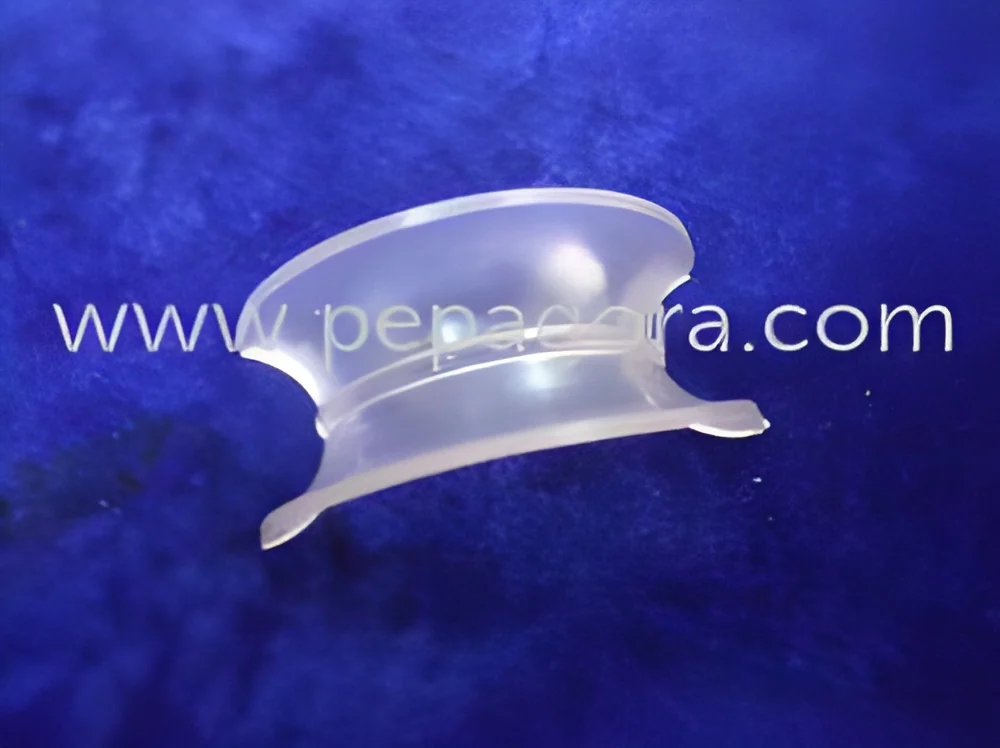
These separators utilize coalescing elements to enhance the separation process. They are particularly effective in applications where fine liquid droplets need to be removed from gas streams.
Cyclonic Separators
Cyclonic separators use centrifugal force to separate gas from liquid. They are suitable for applications involving high flow rates and are utilized in various industrial processes.
Benefits and Advantages
Gas-liquid separators offer numerous benefits that make them a valuable investment for businesses.
1. Improved Efficiency: By ensuring effective separation of gas and liquid, these separators enhance the overall efficiency of industrial processes.
2. Enhanced Product Quality: By removing unwanted gases, gas-liquid separators contribute to higher quality products in industries such as food and pharmaceuticals.
3. Reduced Operational Costs: Efficient separation leads to lower energy consumption and reduced waste, ultimately saving costs for businesses.
4. Greater Reliability: High-quality separators are designed to withstand harsh operating conditions, ensuring consistent performance over time.
5. Compliance with Standards: Using gas-liquid separators helps businesses meet industry regulations and standards, particularly in sectors like food and pharmaceuticals.
6. Customization Options: Many manufacturers offer customizable solutions to meet specific operational needs, providing flexibility for various applications.
Buying Guide for B2B Buyers
When sourcing gas-liquid separators, businesses should consider several key factors to ensure they select the right product for their needs.
1. Quality Assessment: Evaluate the quality of the gas-liquid separators by checking for certifications and standards compliance. Look for products that meet recognized quality standards for durability and reliability.
2. Supplier Verification: Vet potential suppliers by reviewing their reputation, customer feedback, and history in the industry. A reliable supplier should offer proven experience and support.
3. Pricing and MOQ: Understand the pricing structure and minimum order quantities for gas-liquid separators. This helps in budgeting and ensuring that the investment aligns with operational needs.
4. Delivery and Lead Times: Assess the delivery times and logistics capabilities of suppliers. Timely delivery is crucial for maintaining operational schedules.
5. Compliance Requirements: Ensure that the selected gas-liquid separators meet relevant regulatory and compliance requirements specific to your industry. This is especially important in sectors like food and pharmaceuticals.
Compliance and Certifications
Gas-liquid separators must adhere to various quality and safety standards to ensure their suitability for industrial applications. Key quality standards include ISO 9001, which emphasizes quality management systems, ensuring that manufacturers consistently provide products that meet customer and regulatory requirements.
Industry certifications such as CE mark indicate compliance with safety, health, and environmental protection standards set by European legislation. This certification assures businesses that the separators are safe to use in various applications.
Safety and testing requirements are also critical. Manufacturers often conduct rigorous testing to validate the performance and safety of their separators under different conditions.
Regional compliance considerations may vary based on geographical areas. Businesses should be aware of local regulations that may affect the operation and installation of gas-liquid separators in their particular region.
Why Source Gas-Liquid Separators from Pepagora?
Pepagora provides an extensive platform for sourcing gas-liquid separators, offering several key advantages to B2B buyers.
Verified Supplier Network: Pepagora has established a network of verified suppliers, ensuring that buyers have access to quality products from reputable manufacturers. This verification process helps mitigate risks associated with sourcing.
Streamlined RFQ Process: The platform features a streamlined Request for Quotation (RFQ) process, allowing buyers to easily obtain quotes from multiple suppliers. This efficiency helps businesses make informed purchasing decisions.
Trade Assurance and Support: Pepagora offers trade assurance and buyer protection, providing additional confidence in transactions. Buyers can feel secure knowing that they have support throughout the sourcing process.
Regional Coverage: Pepagora's geographic reach extends across India, the GCC, and Southeast Asia, making it easier for businesses in these regions to find suitable gas-liquid separators tailored to their specific needs.
In conclusion, Pepagora serves as a reliable partner for businesses seeking gas-liquid separators, combining a robust supplier network with exceptional support and coverage.

 IN
IN