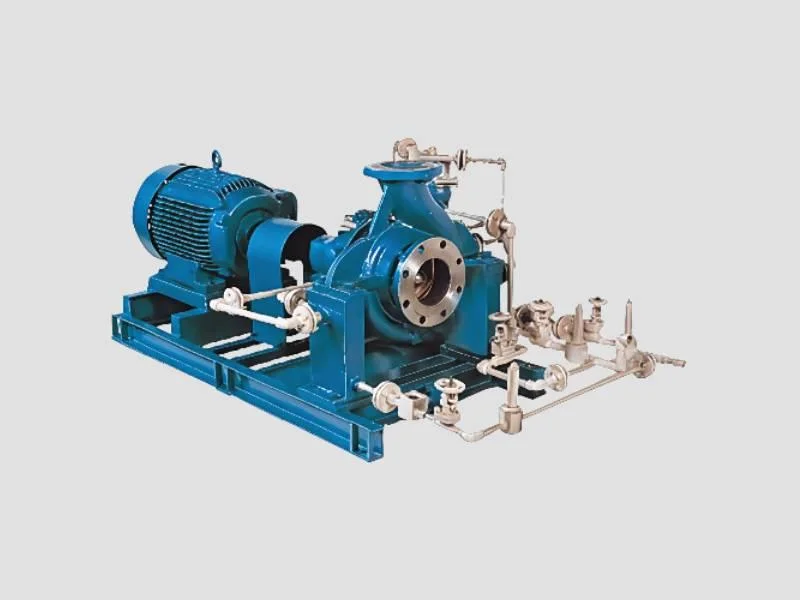
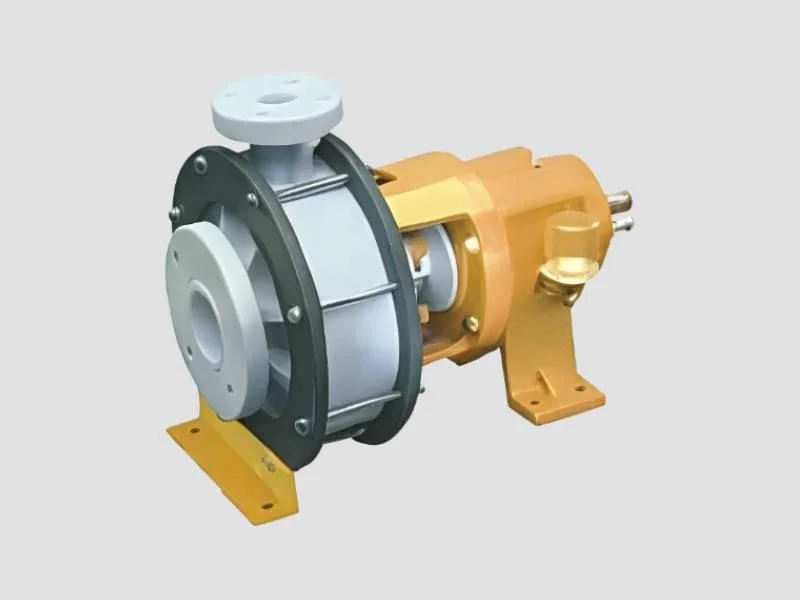
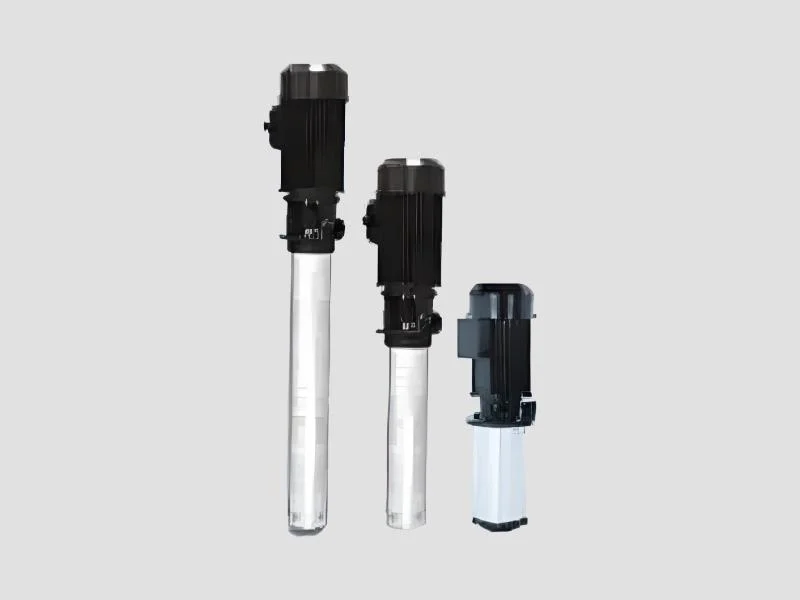
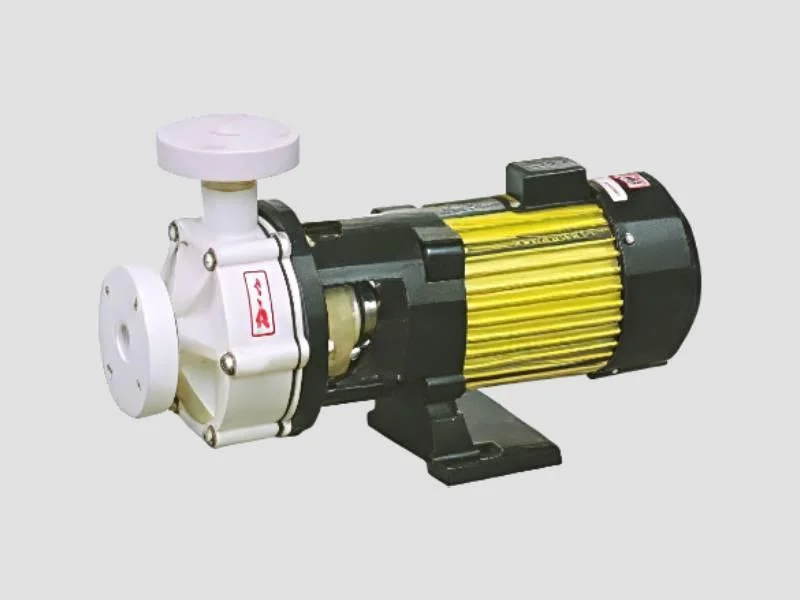
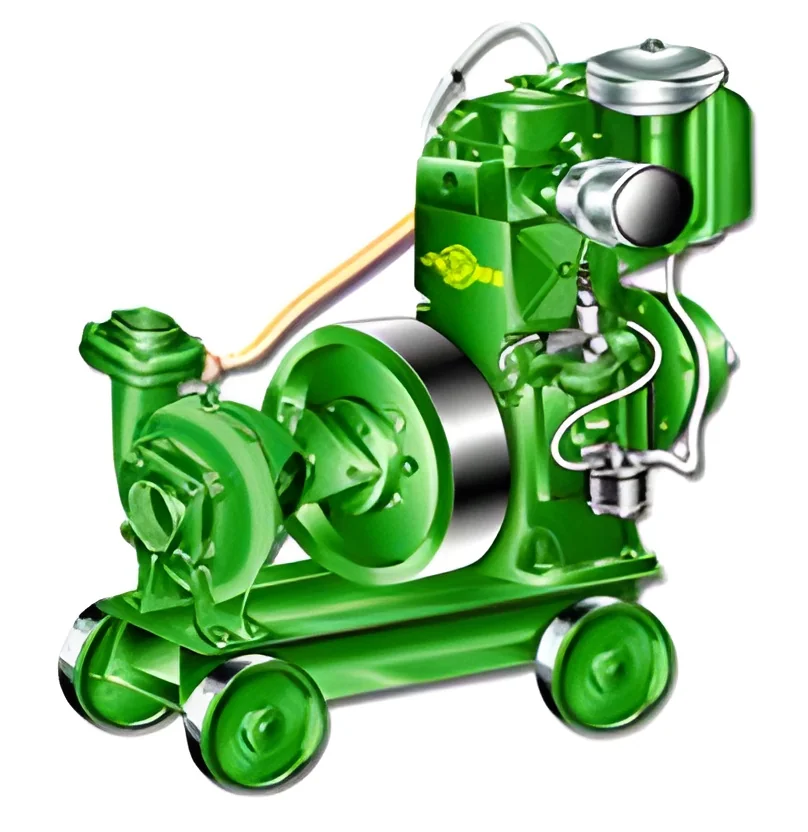
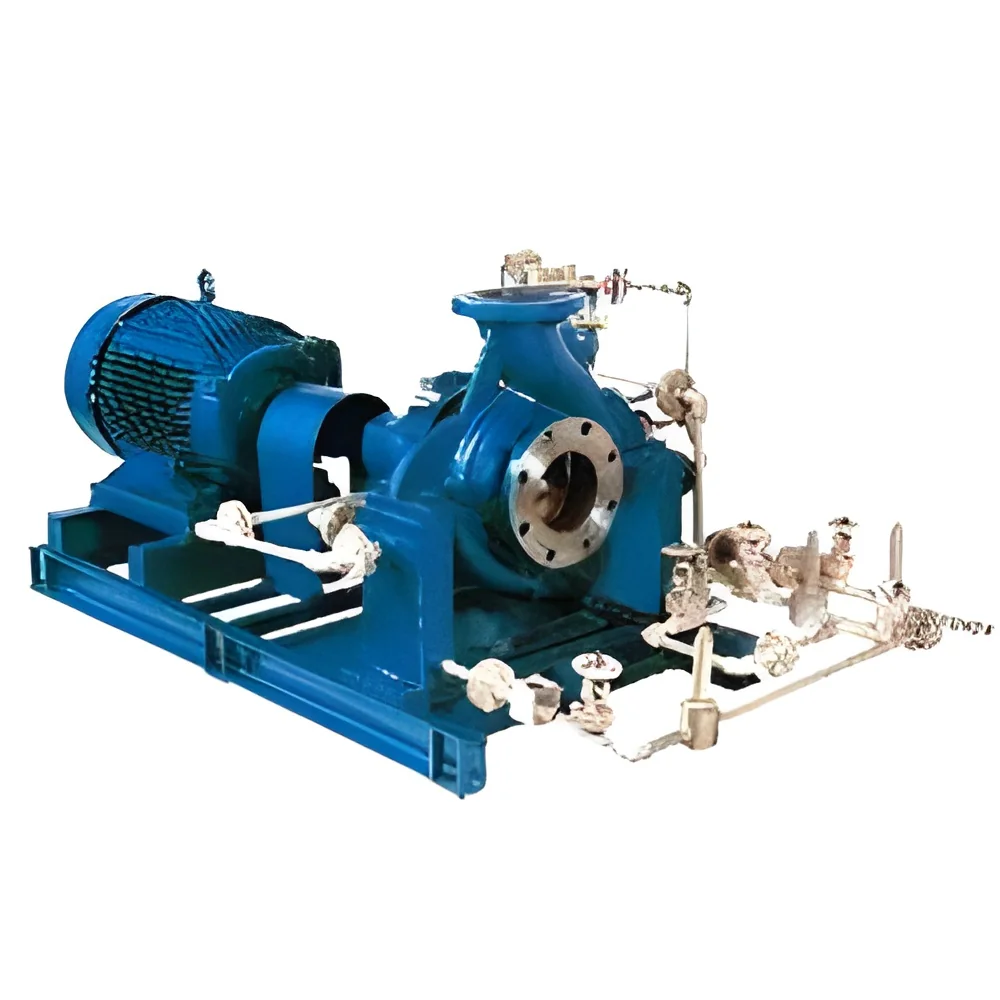
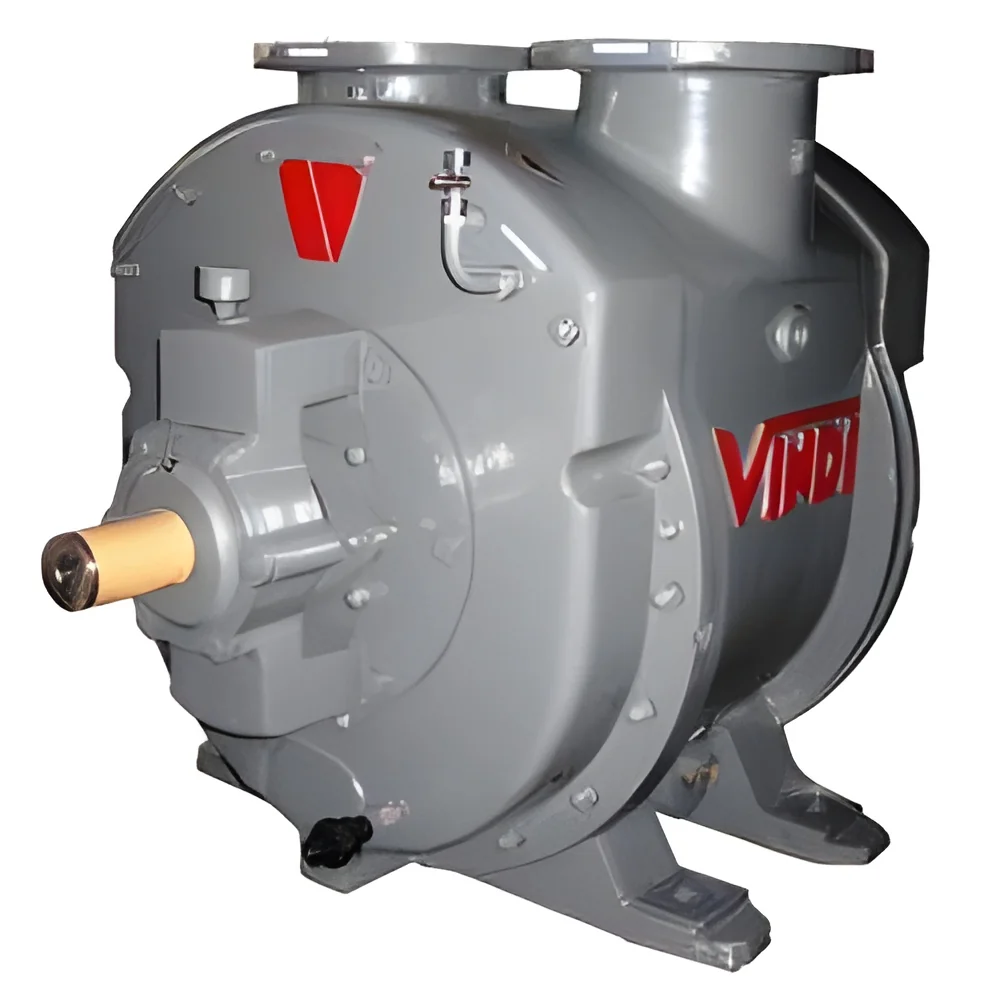
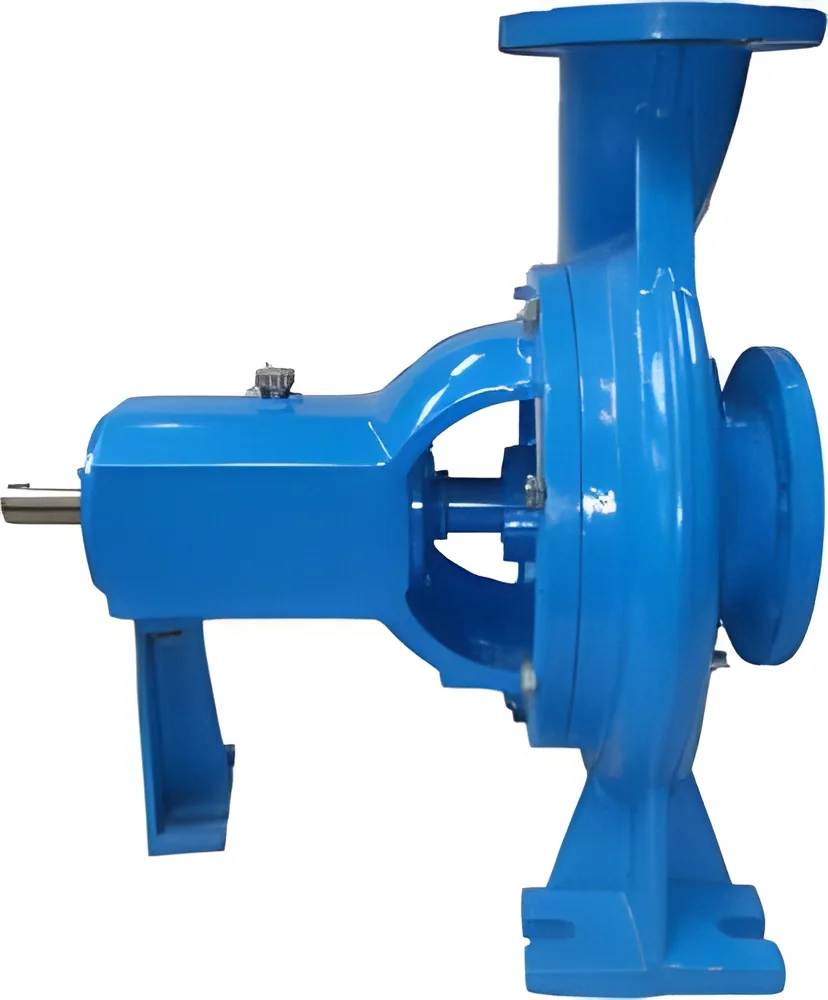
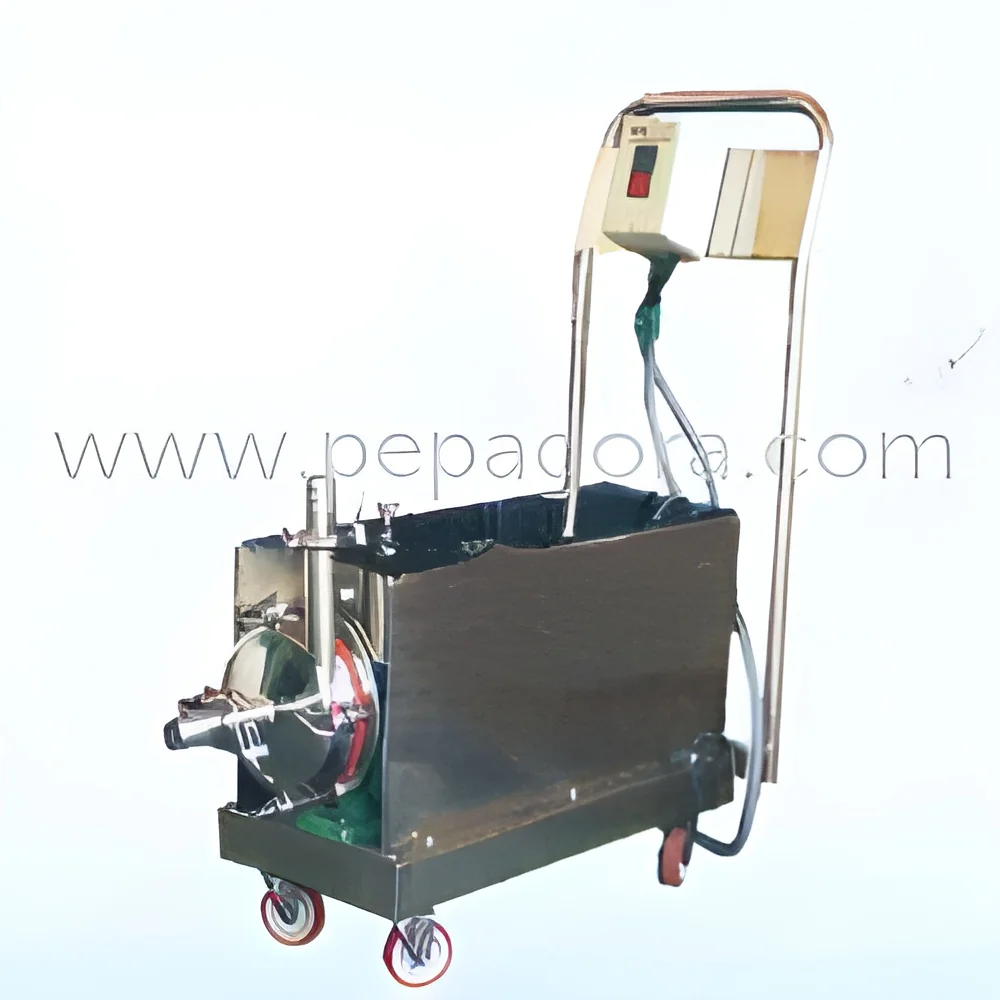
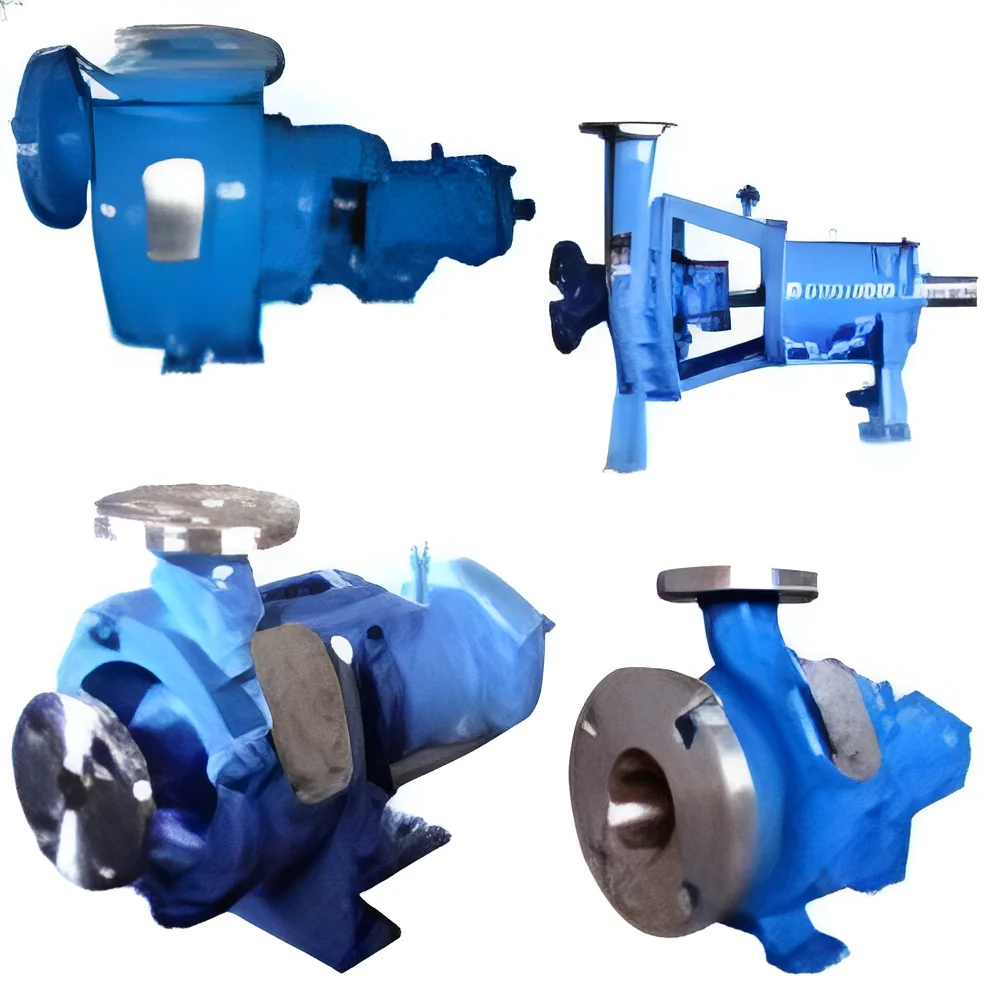
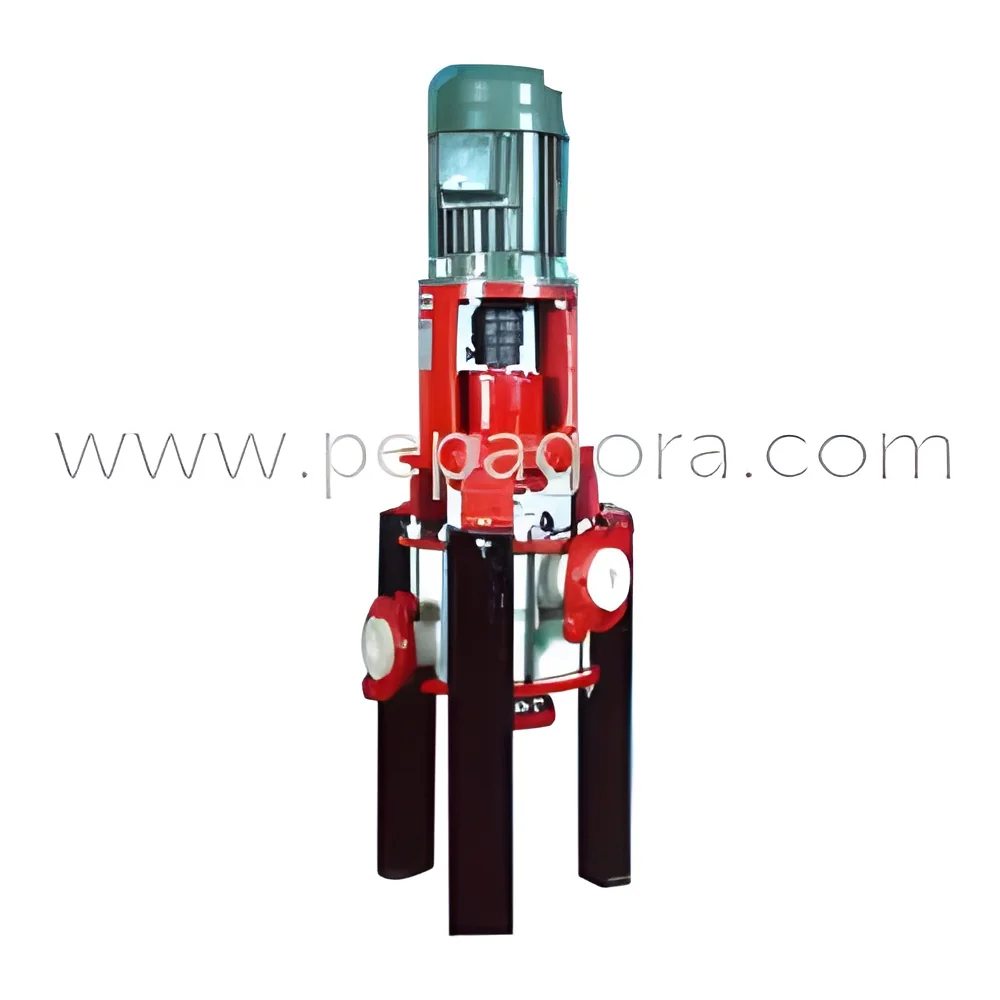
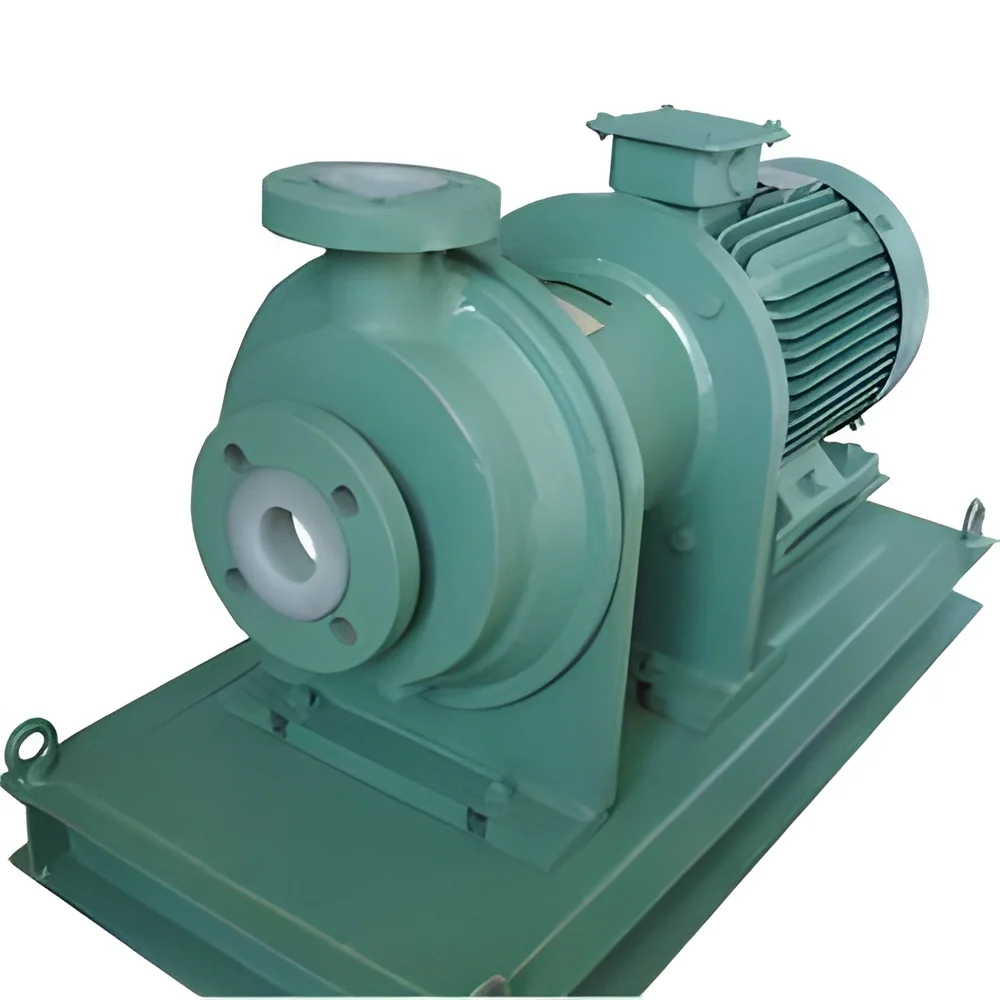
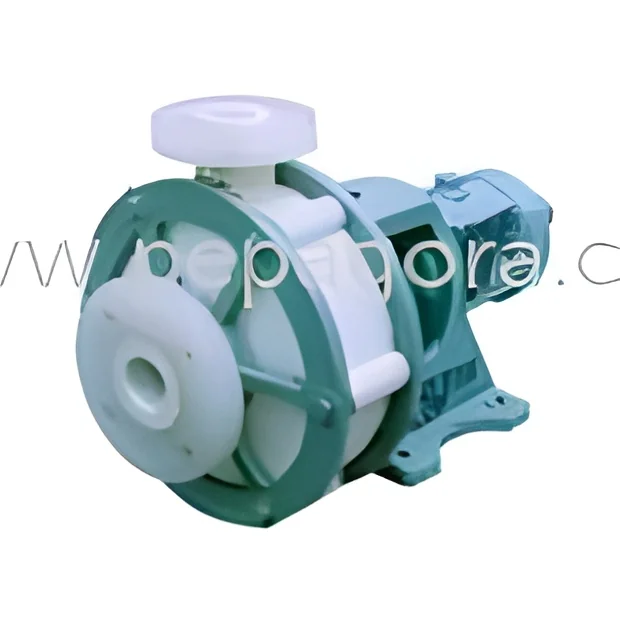
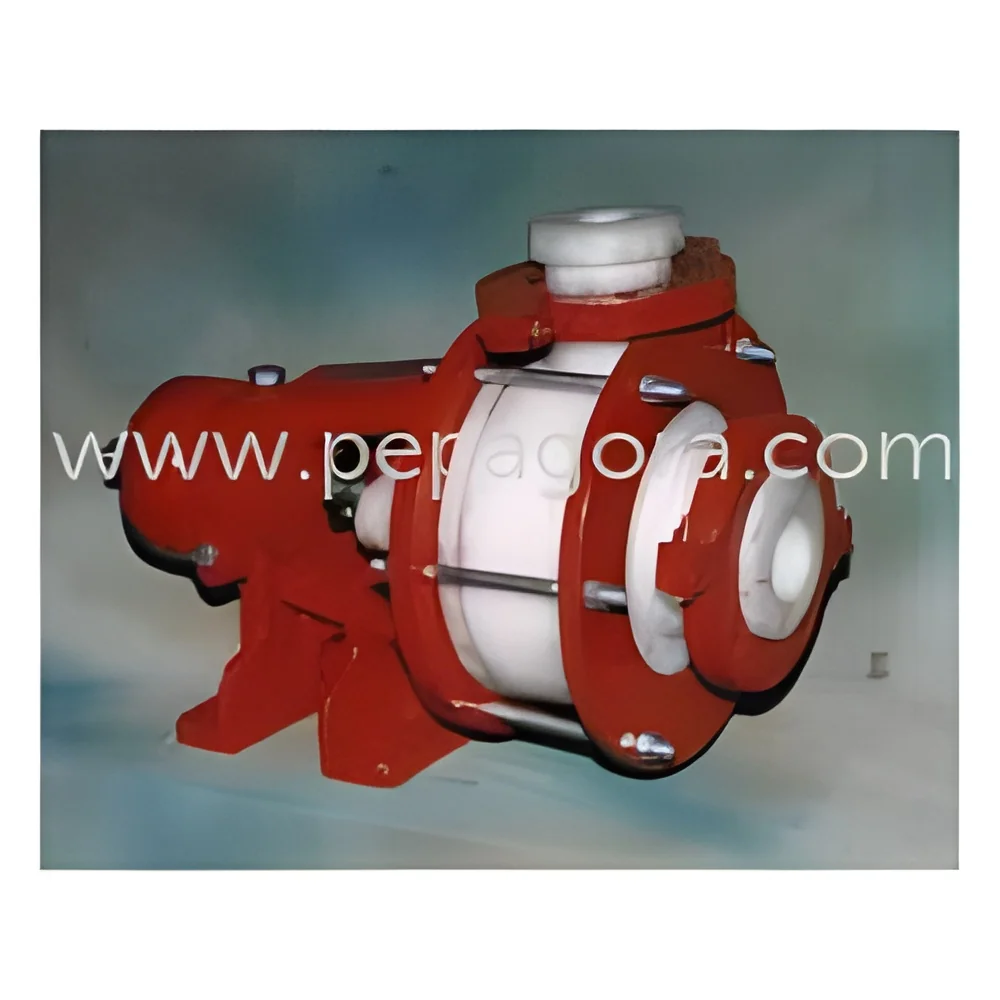
What are Transfer Pumps for Chemicals?
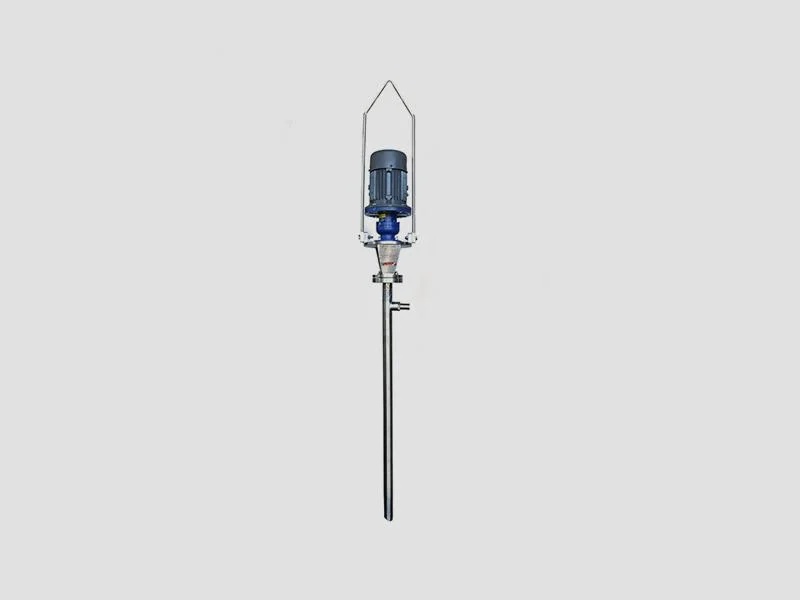
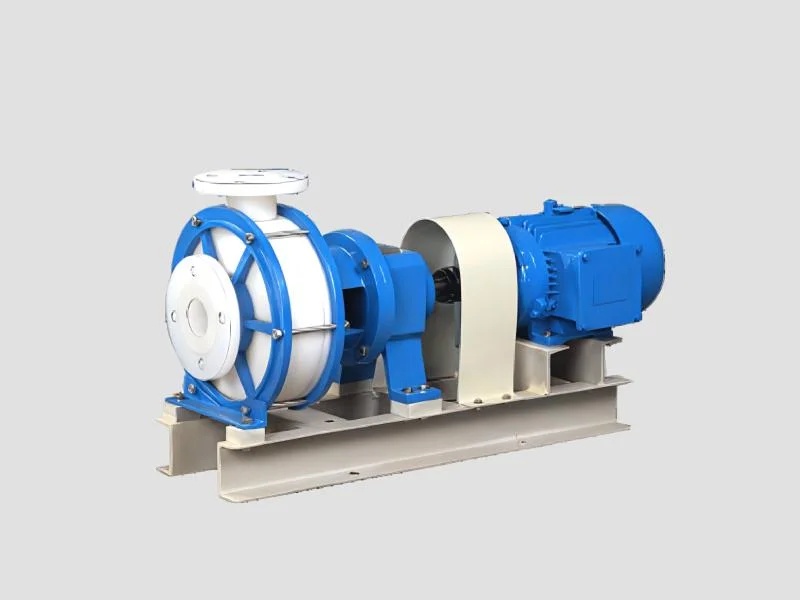
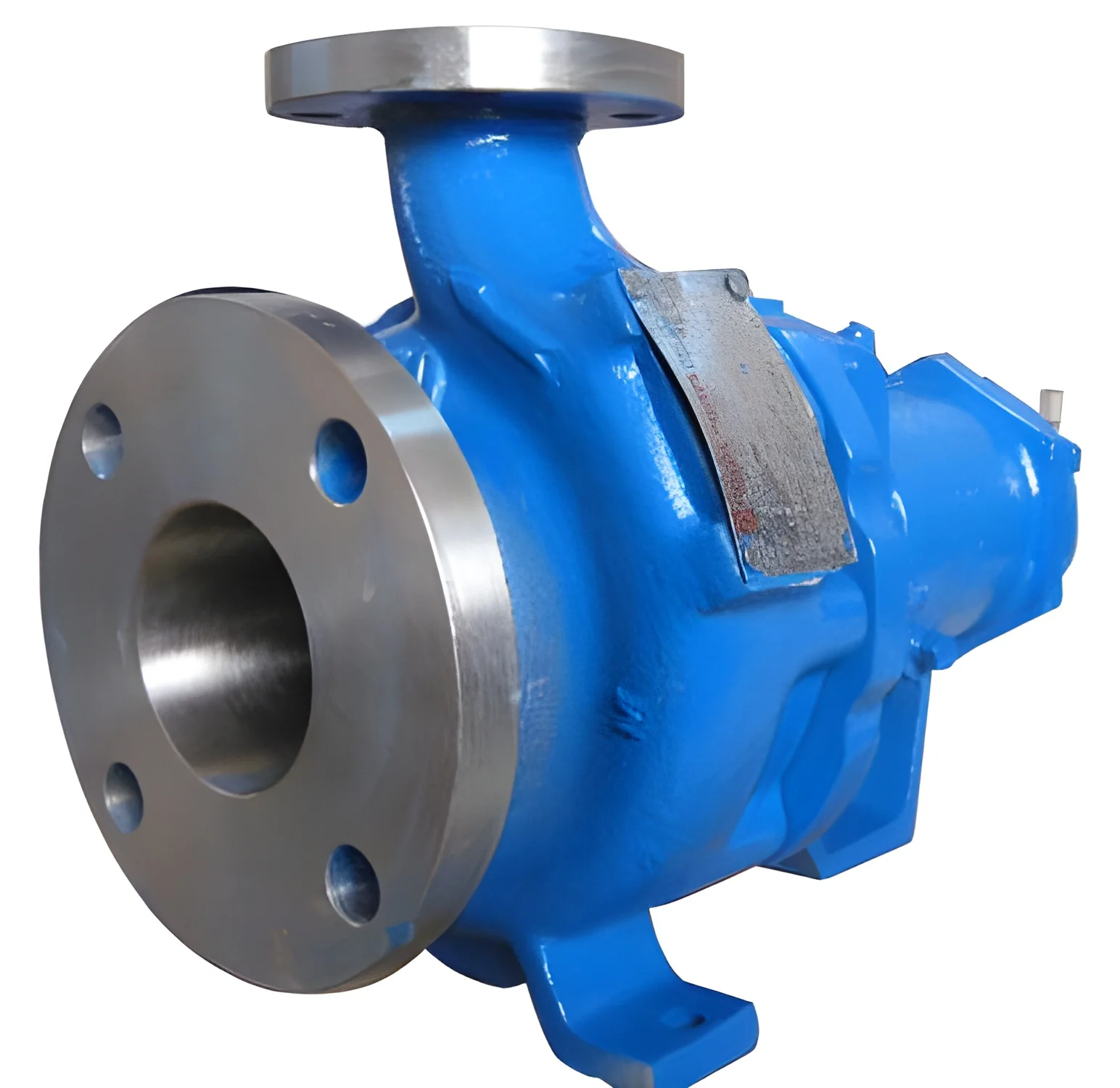
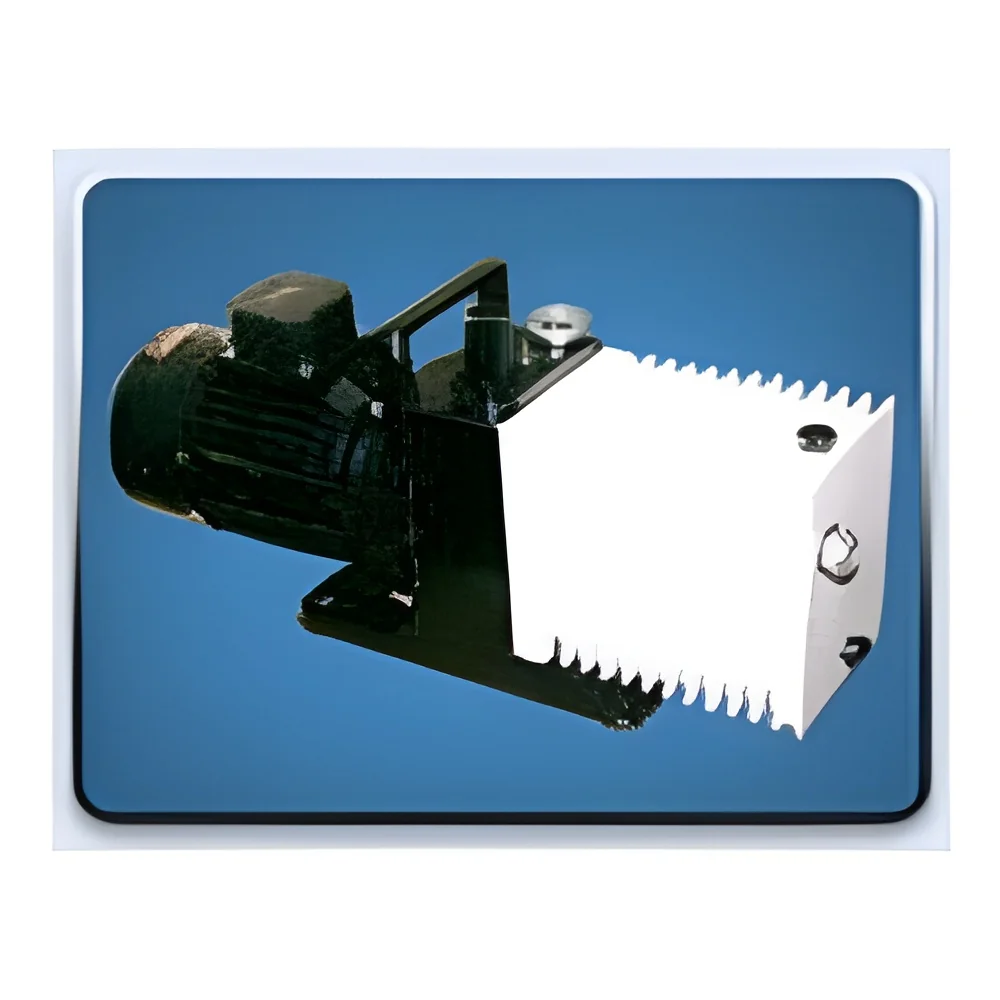
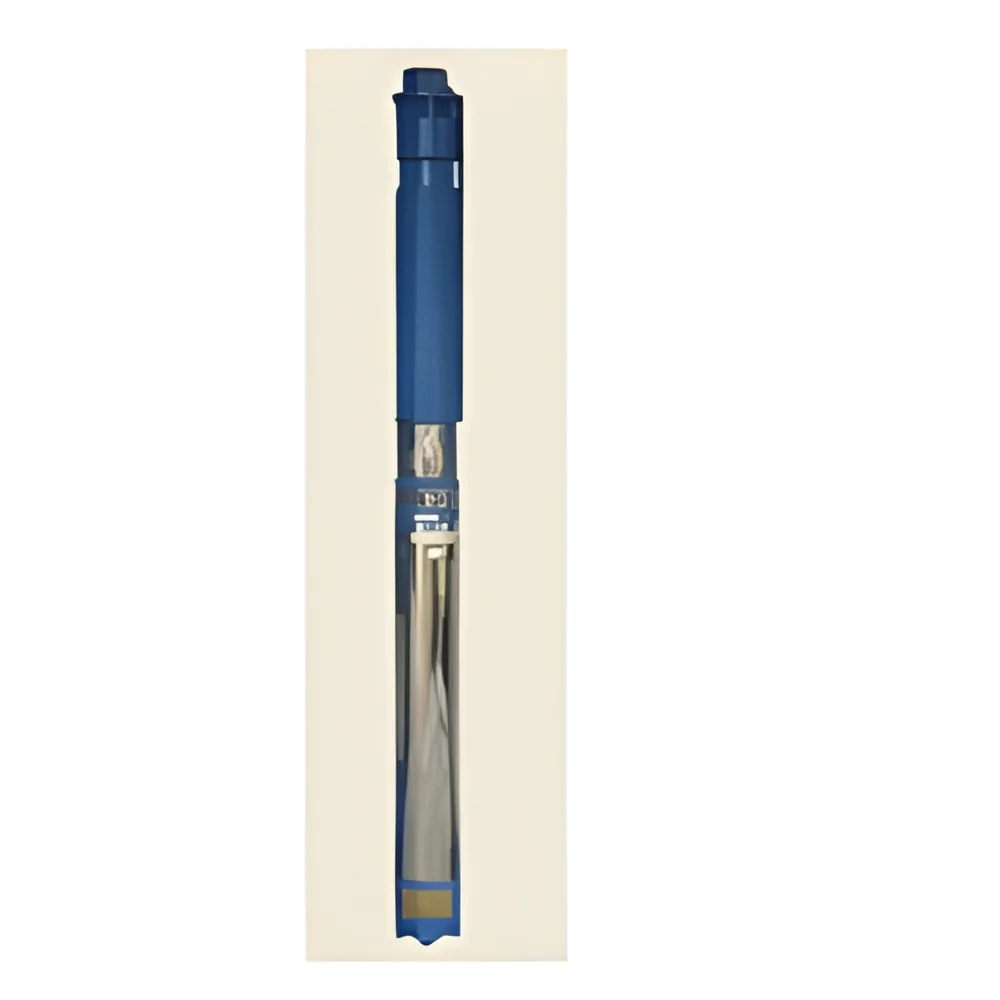
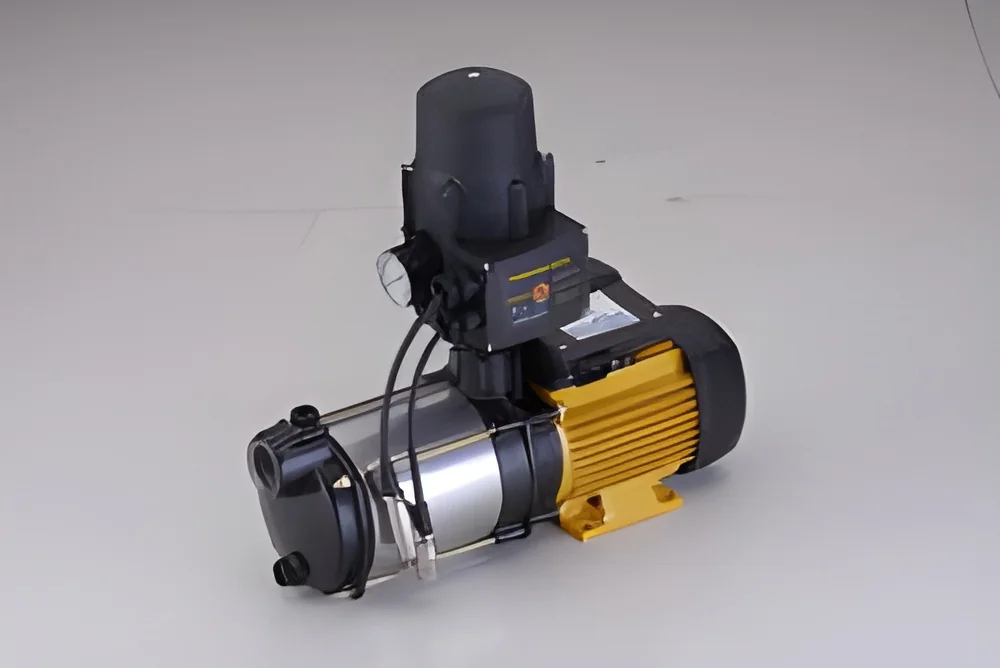
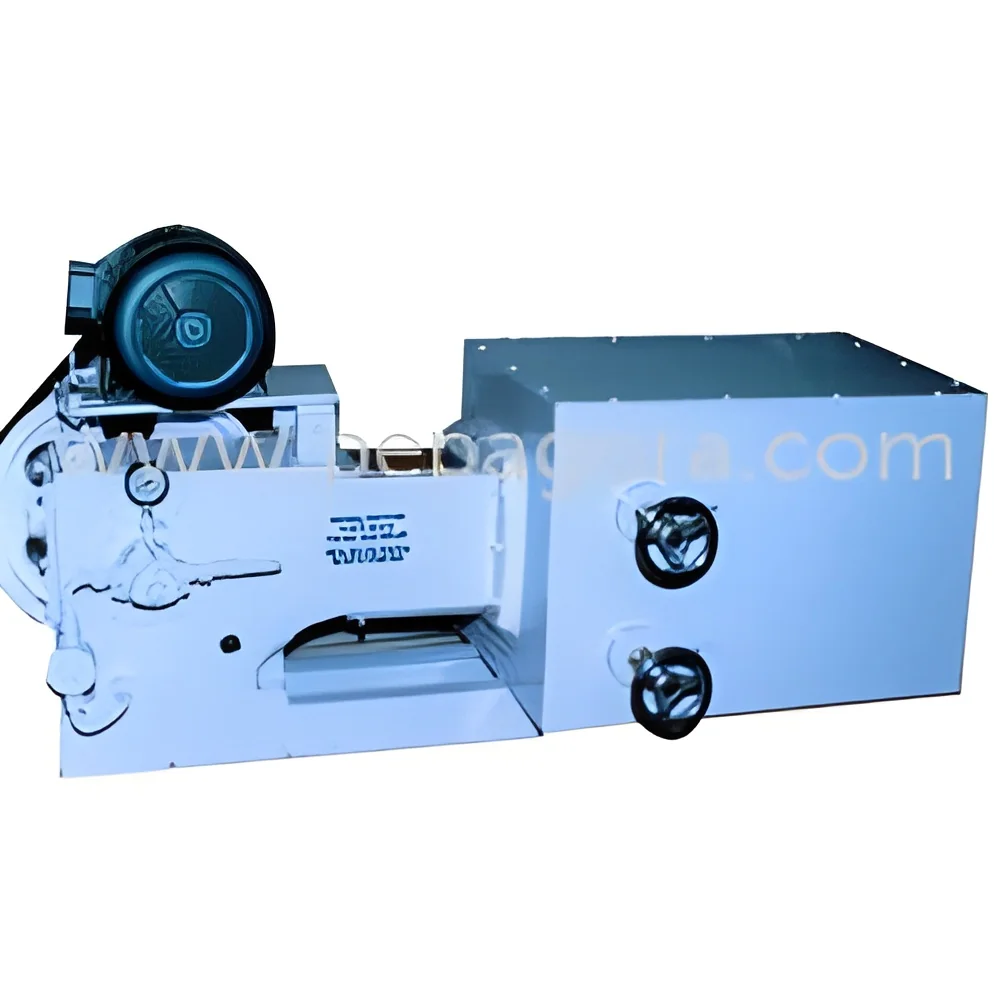
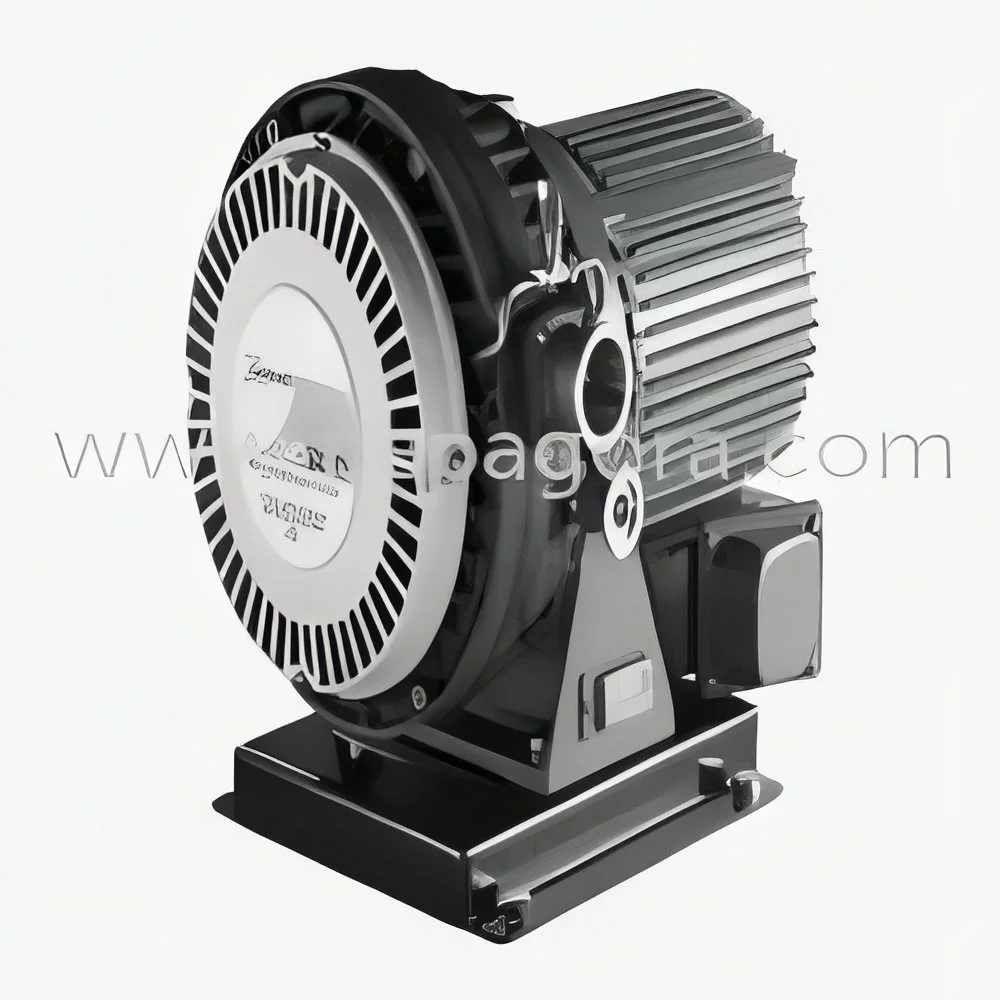
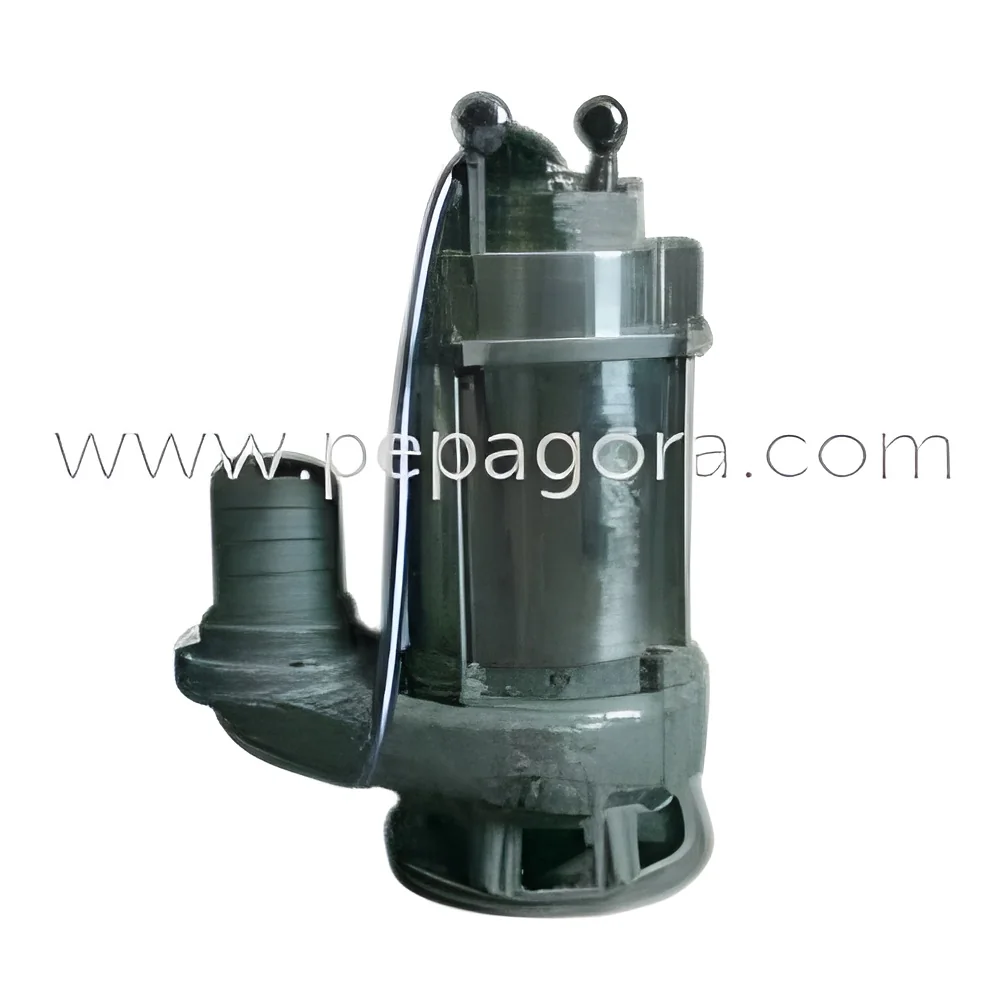
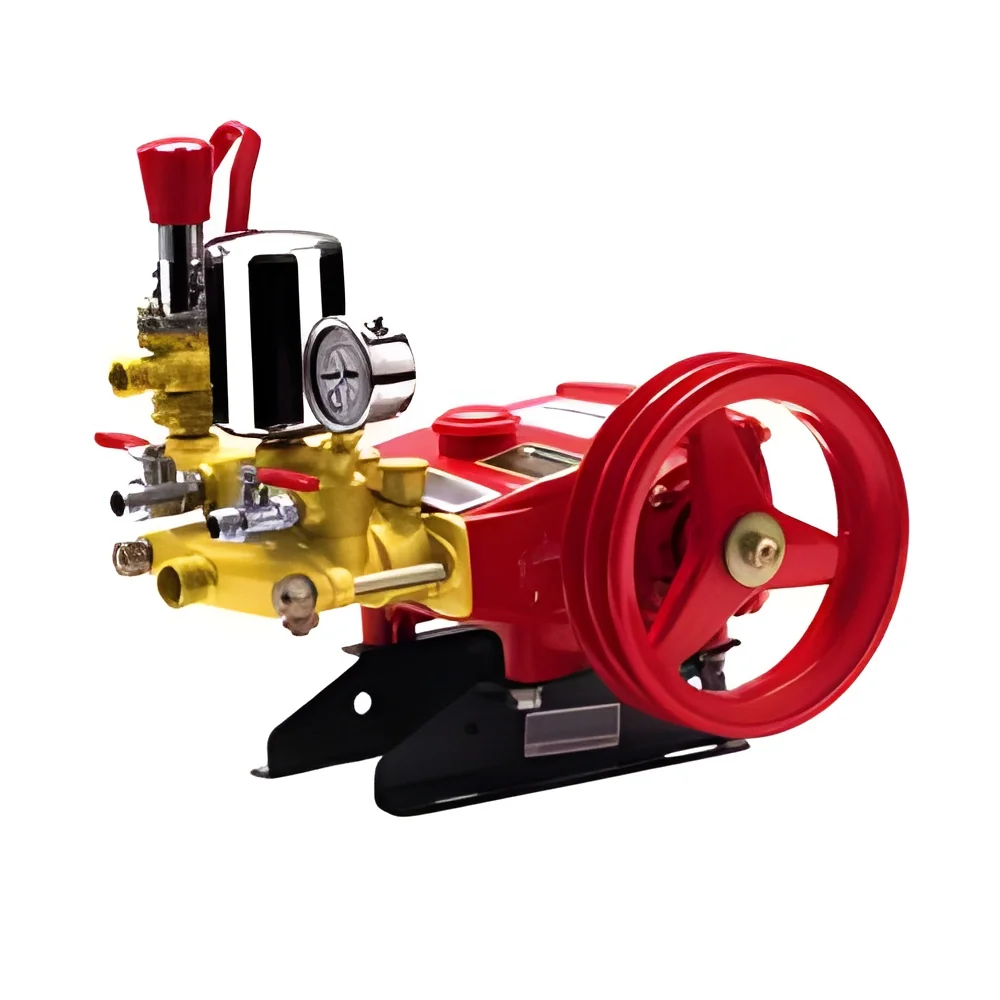
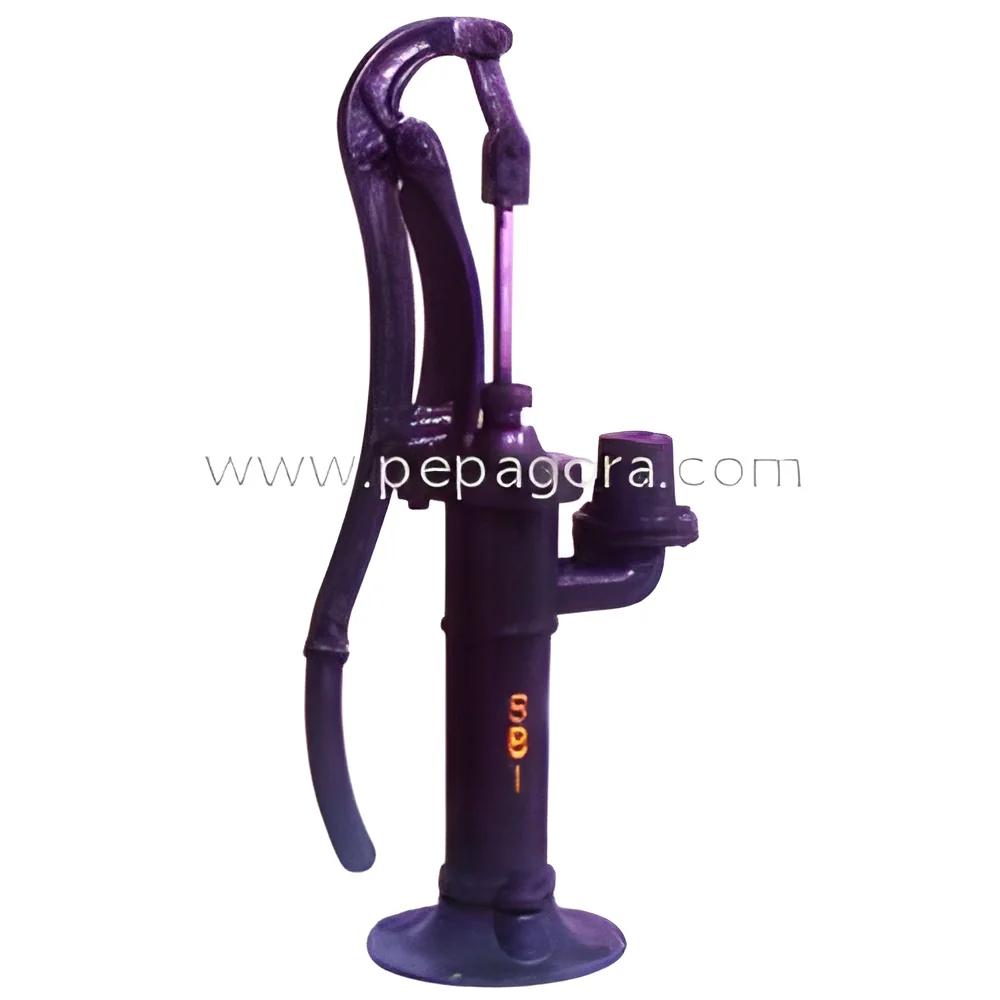
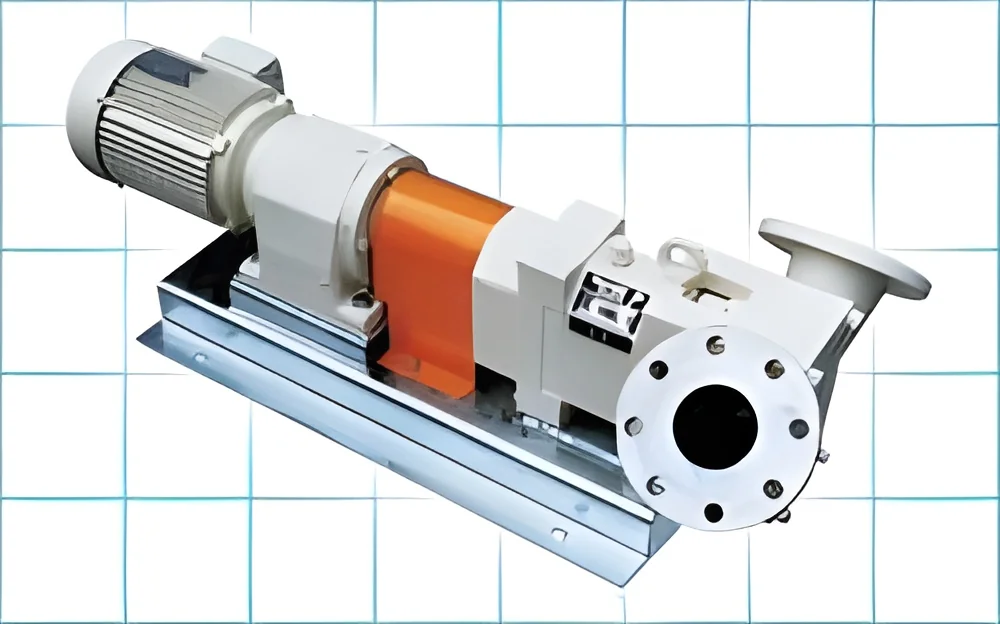
Transfer pumps for chemicals are specialized devices designed to move various types of liquids from one location to another. These pumps are engineered to handle a wide range of chemical substances, including corrosive, abrasive, and viscous fluids. Unlike standard pumps, transfer pumps for chemicals are constructed with materials that resist chemical reactions and degradation, ensuring the safe and efficient transfer of liquids in industrial settings.
The primary uses of transfer pumps for chemicals include chemical processing, waste management, and fluid transport in manufacturing facilities. Businesses in industries such as pharmaceuticals, petrochemicals, and food processing rely on these pumps to maintain operational efficiency while ensuring compliance with safety regulations. The ability to handle hazardous materials safely is crucial in these applications, making transfer pumps an essential part of many industrial processes.
In the current market, the demand for transfer pumps for chemicals continues to grow due to increasing regulatory pressures and a heightened focus on safety. Industries are investing in advanced pumping technologies to enhance productivity and minimize risks associated with chemical handling. The integration of innovative features such as monitoring systems and improved materials further underscores the relevance of transfer pumps in today’s industrial landscape.
Key Features and Specifications
Transfer pumps for chemicals come with a variety of features designed to enhance their performance and safety. Understanding these specifications is crucial for businesses looking to acquire the right pump for their applications.
Key specifications include:
1. Material Composition
- Typically made from stainless steel, polypropylene, or other materials resistant to corrosion.
- Ensures longevity and reliability in harsh chemical environments.
2. Flow Rate
- Flow rates can range from low (1-50 liters per minute) to high (over 1000 liters per minute) depending on the application.
- Critical for determining the efficiency of fluid transfer.
3. Pressure Rating
- Most pumps can handle pressures from 0.5 to 10 bar.
- Essential for ensuring safe operation under varying conditions.
4. Temperature Range
- Designed to operate effectively within a temperature range of -20°C to 100°C.
- Important for compatibility with different chemicals.
5. Seal Type
- Various seal types available, including mechanical seals and lip seals.
- Vital for preventing leaks and contamination.
6. Power Supply
- Can be powered by electricity, pneumatic, or hydraulic sources.
- Flexibility in power options to suit different facilities.
7. Size and Weight
- Compact designs available for limited space applications.
- Weight specifications vary based on construction materials.
8. Safety Features
- Equipped with pressure relief valves and emergency shut-off systems.
- Enhances operator safety during chemical transfer.
In summary, understanding the features and specifications of transfer pumps for chemicals is essential for businesses to select the right equipment that meets their operational needs while ensuring safety and efficiency.
Common Applications and Use Cases
Transfer pumps for chemicals are utilized across various industries, each with specific applications tailored to their unique requirements.
1. Chemical Manufacturing: In this sector, transfer pumps are used for moving raw materials and finished products, ensuring precise and safe handling of hazardous substances.
2. Oil and Gas: These pumps are crucial for transferring fuel and lubricants, minimizing risks associated with spills and leaks in drilling and refining operations.
3. Pharmaceuticals: In pharmaceutical manufacturing, transfer pumps are employed to move active ingredients and solvents, adhering to stringent safety and quality standards.
4. Food and Beverage: Used for transferring liquid ingredients and additives, these pumps are designed to meet health regulations while maintaining product integrity.
5. Water Treatment: Transfer pumps play a vital role in the movement of chemicals used for water purification and treatment processes.
6. Agriculture: In agricultural applications, these pumps help in the distribution of fertilizers and pesticides, enhancing crop yield and management.
7. Waste Management: Transfer pumps are essential for moving waste fluids in treatment facilities, ensuring compliance with environmental regulations.
Product Variants and Subcategories
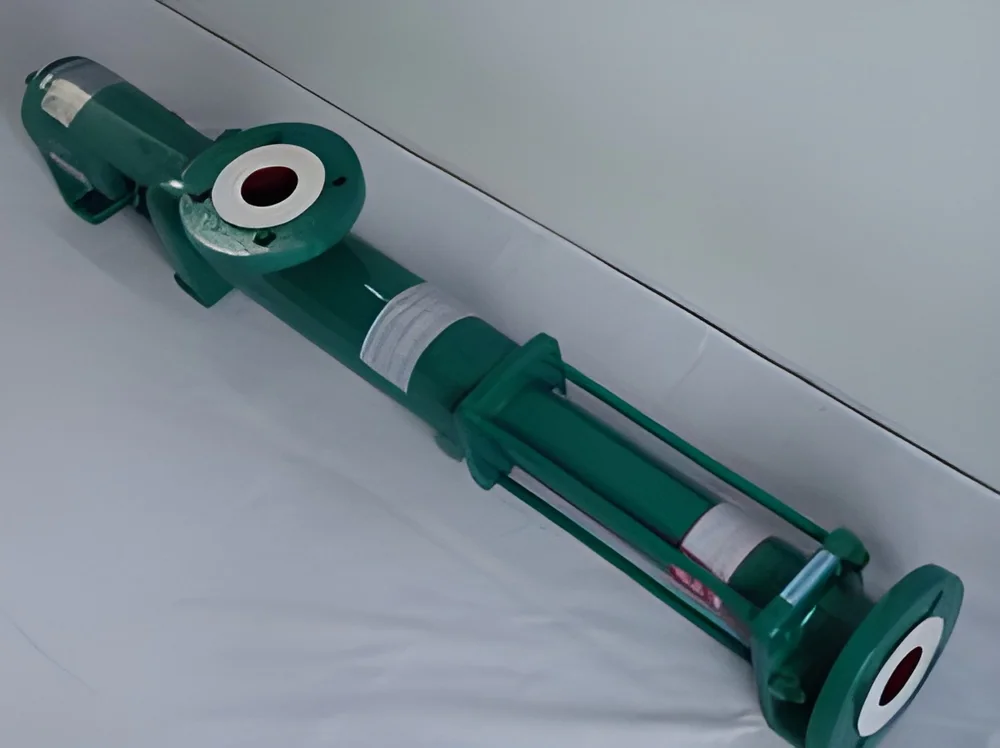
Transfer pumps for chemicals come in various forms, each designed to cater to specific needs and applications.
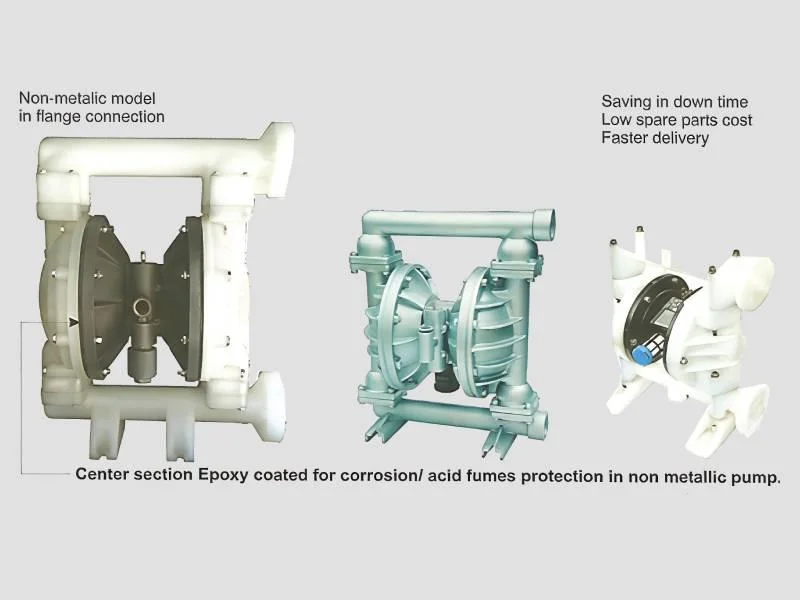
Diaphragm Pumps
These pumps are ideal for transferring corrosive and viscous liquids. Their design allows for precise control, making them suitable for applications in the chemical and pharmaceutical industries.
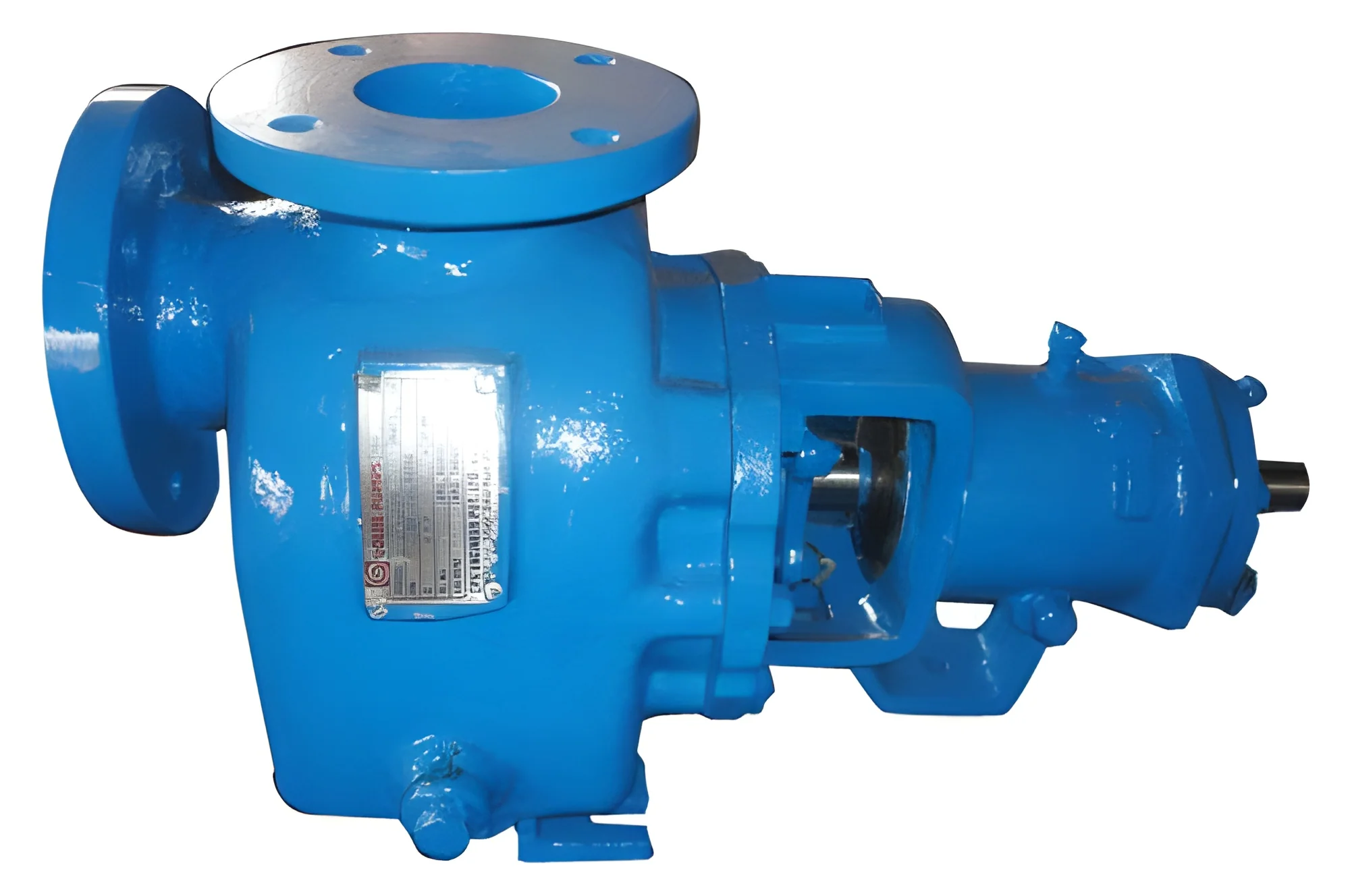
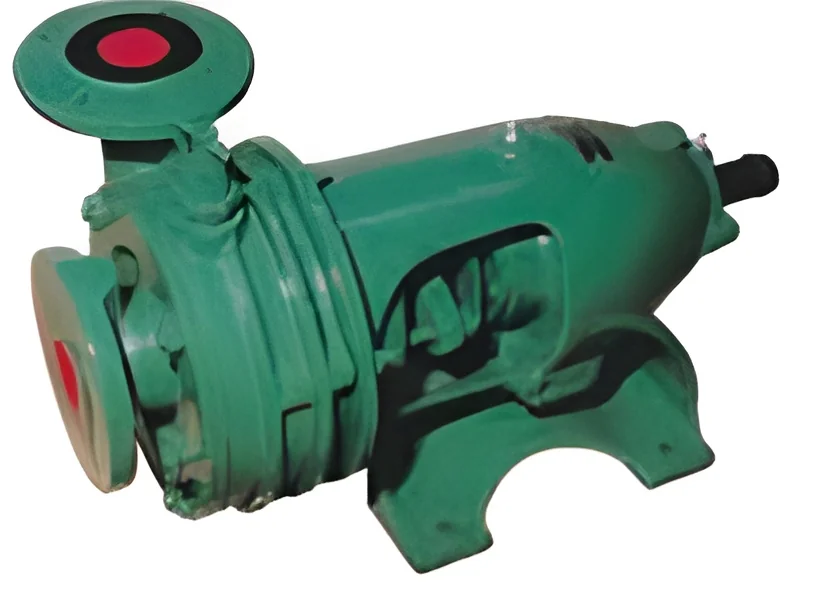
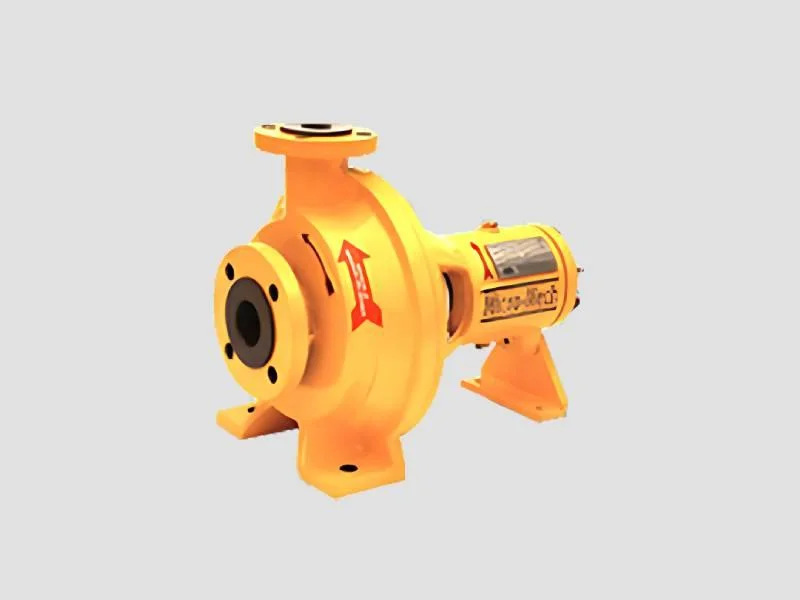
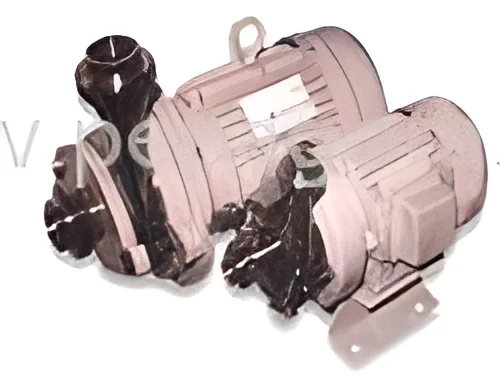
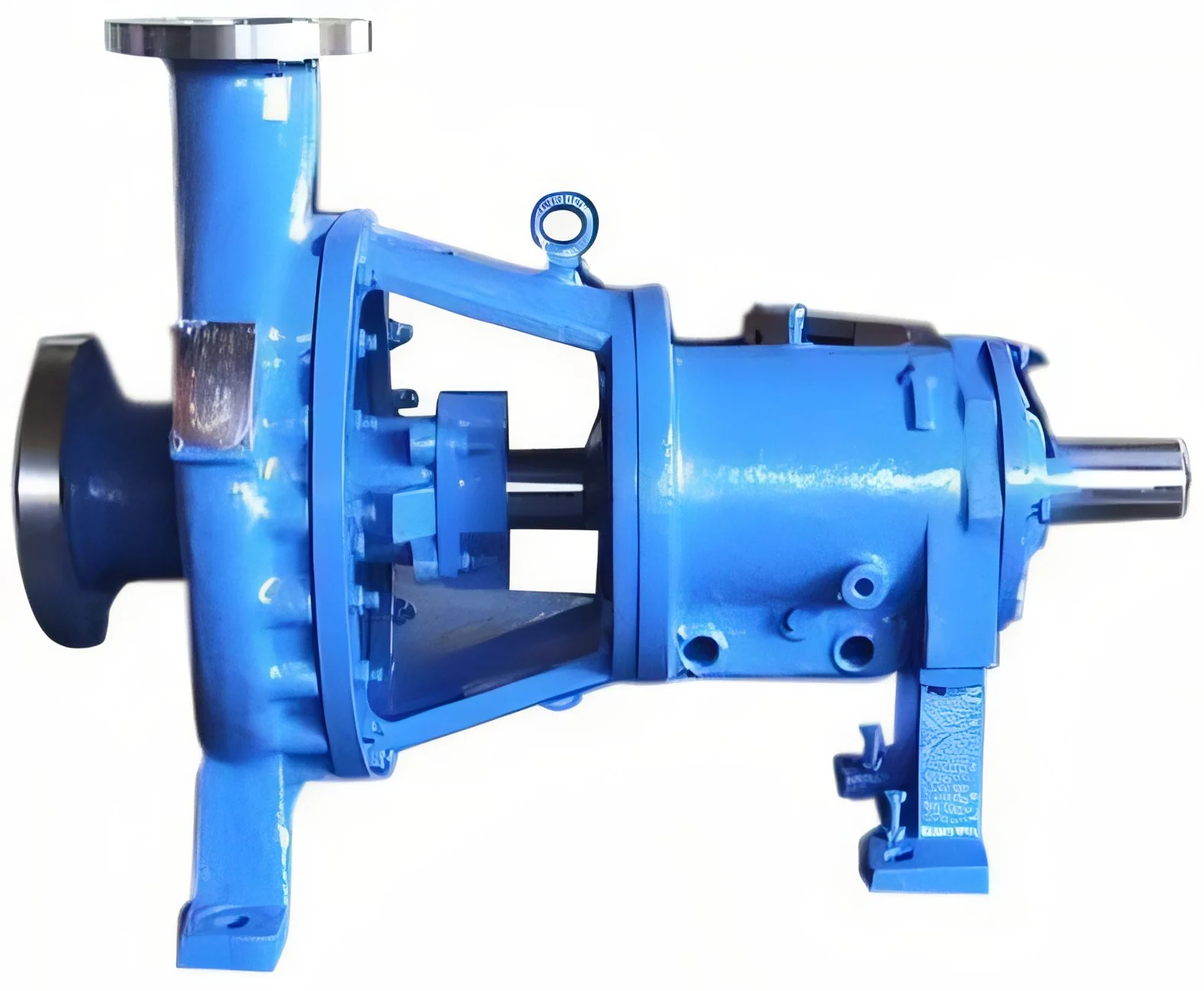
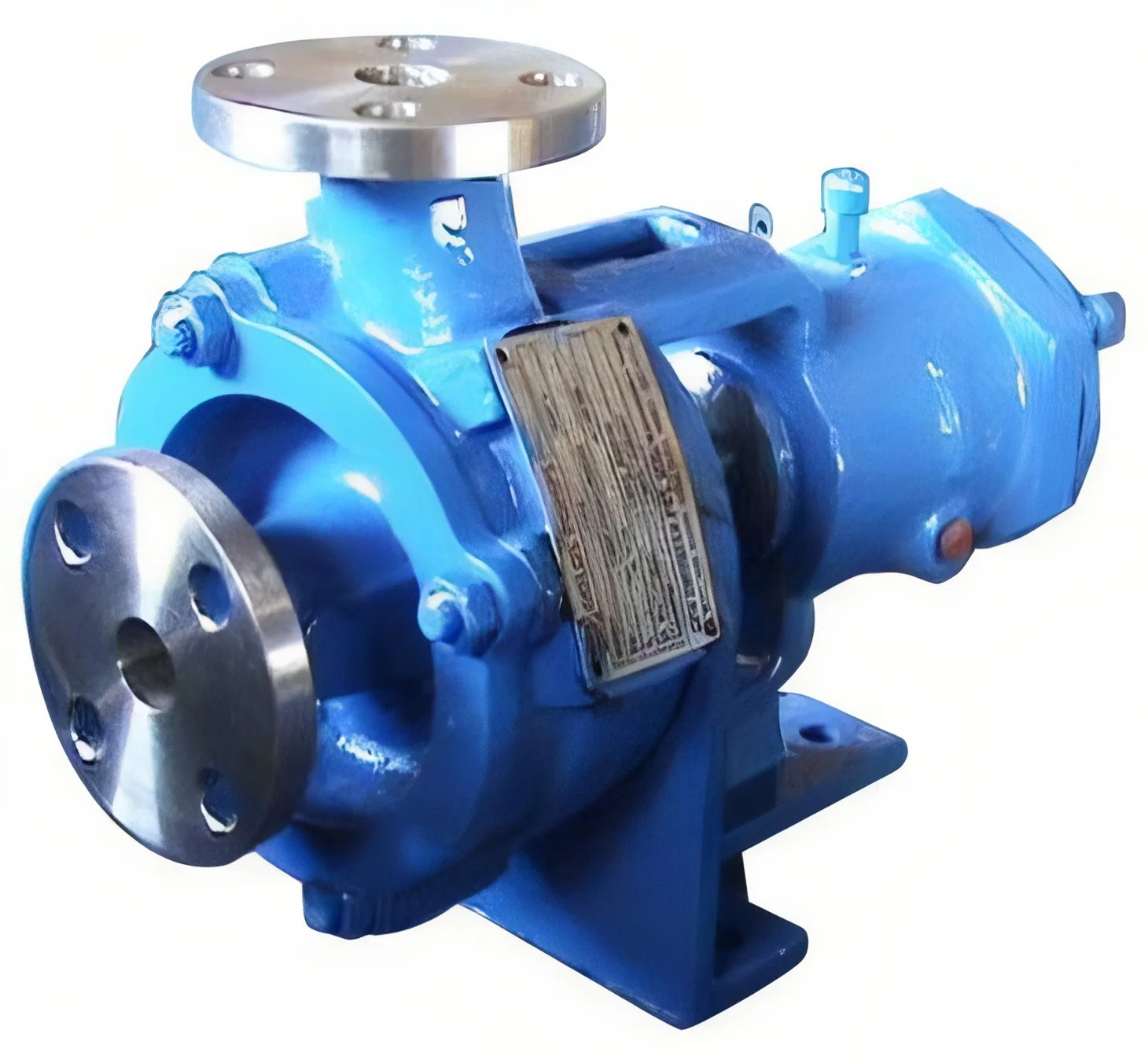
Centrifugal Pumps
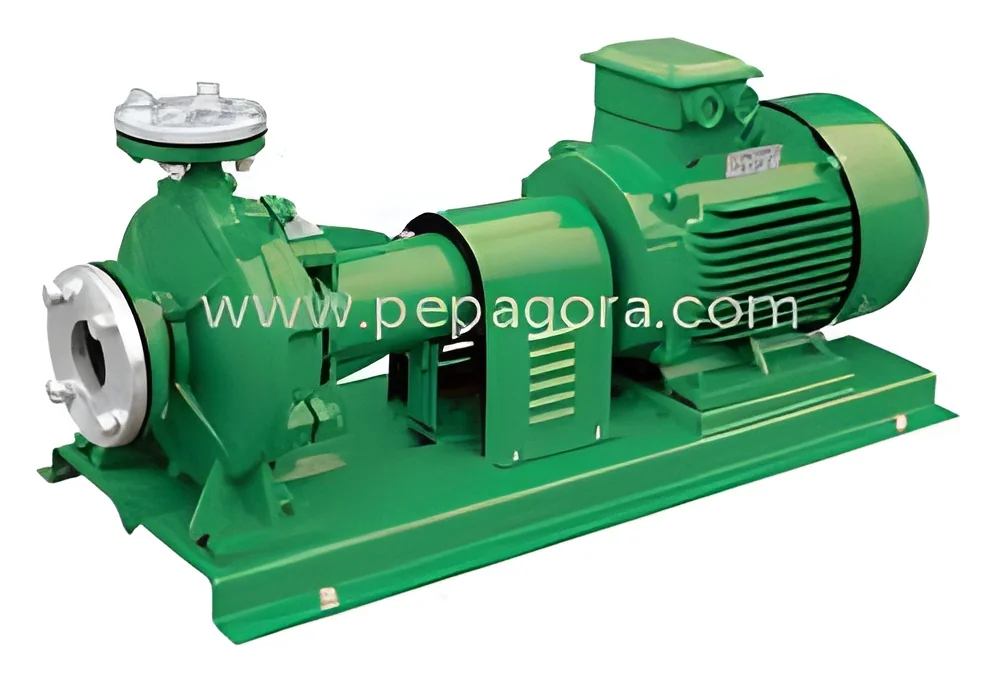
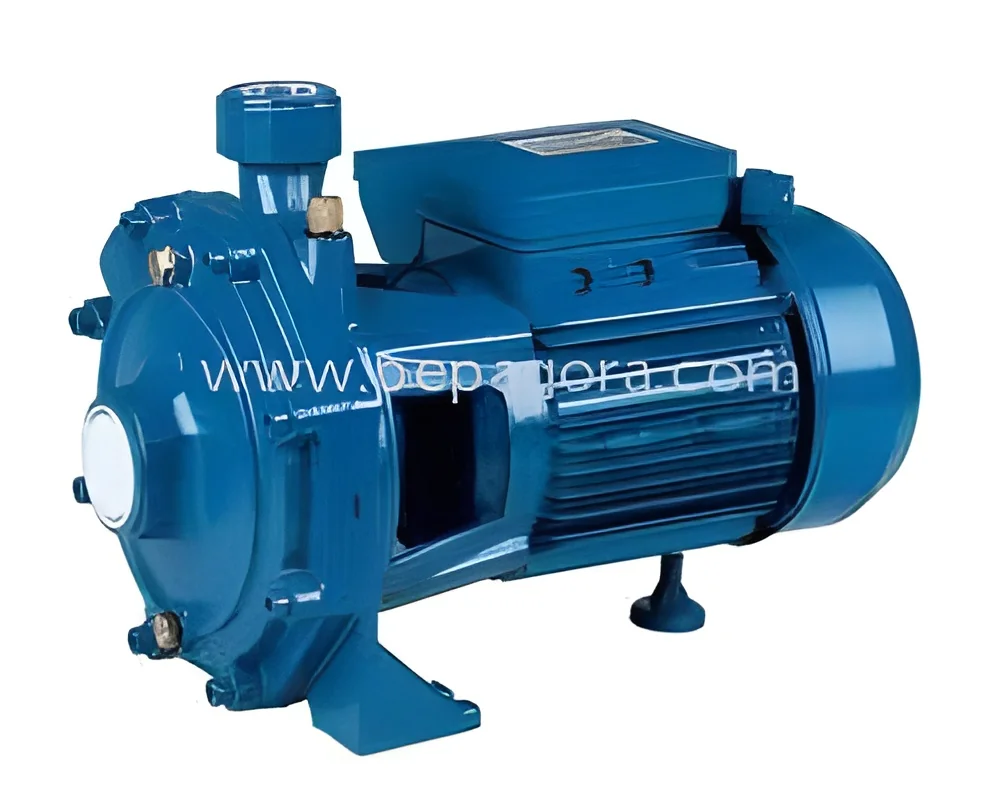
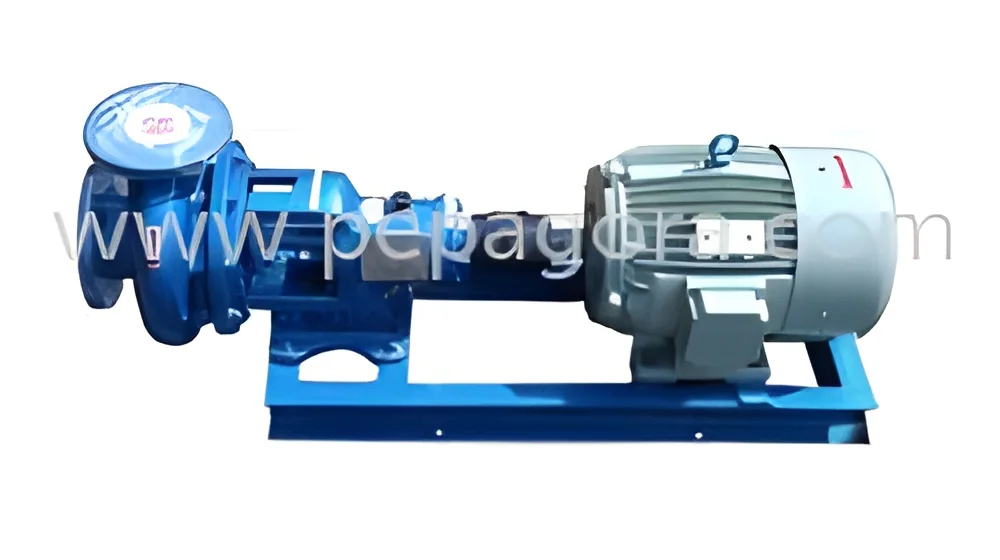
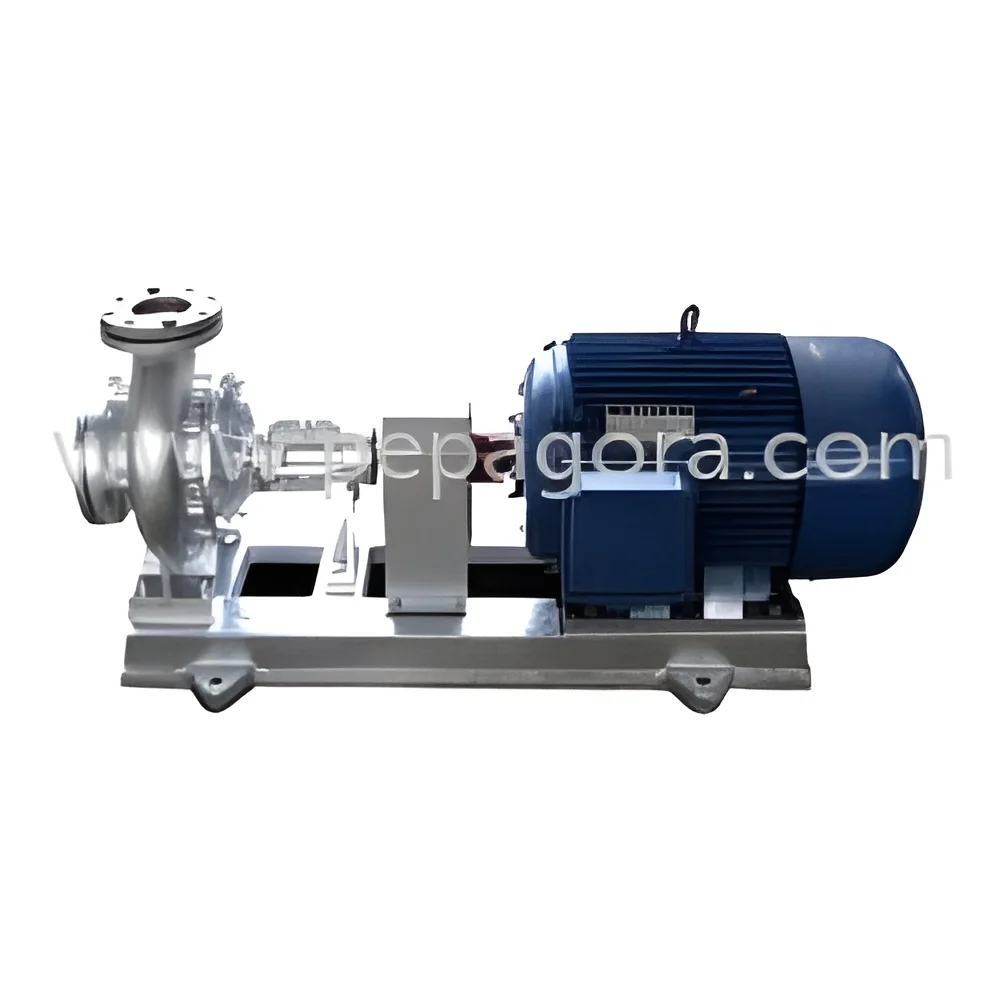
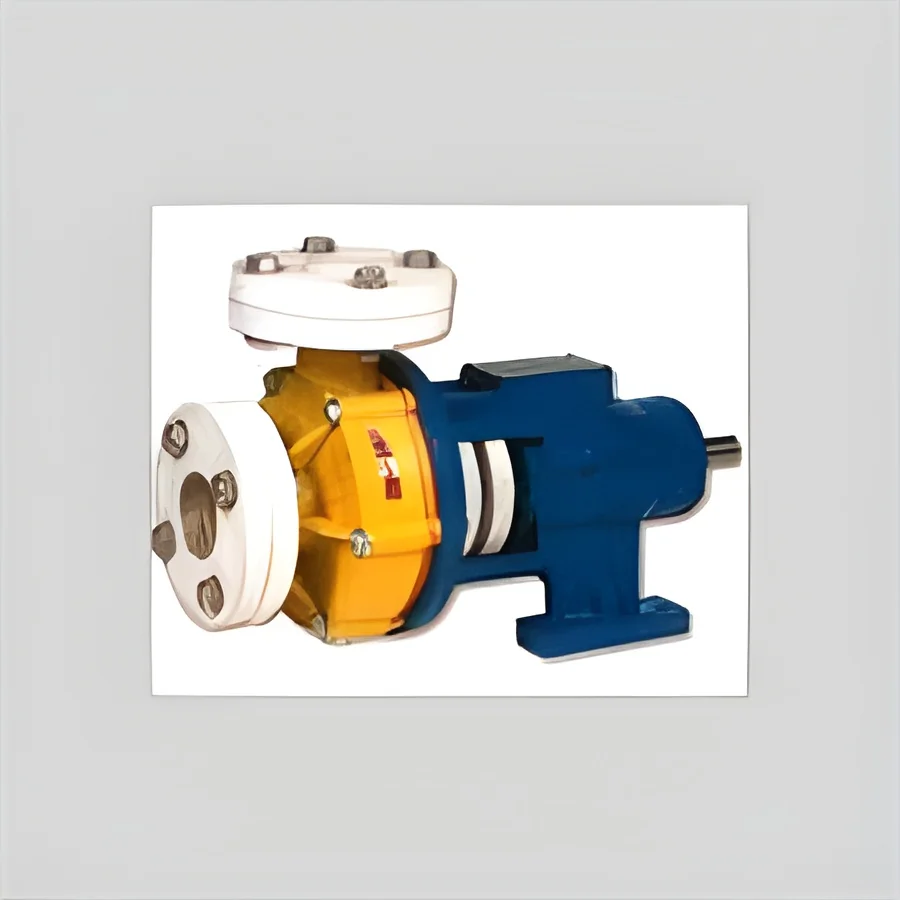
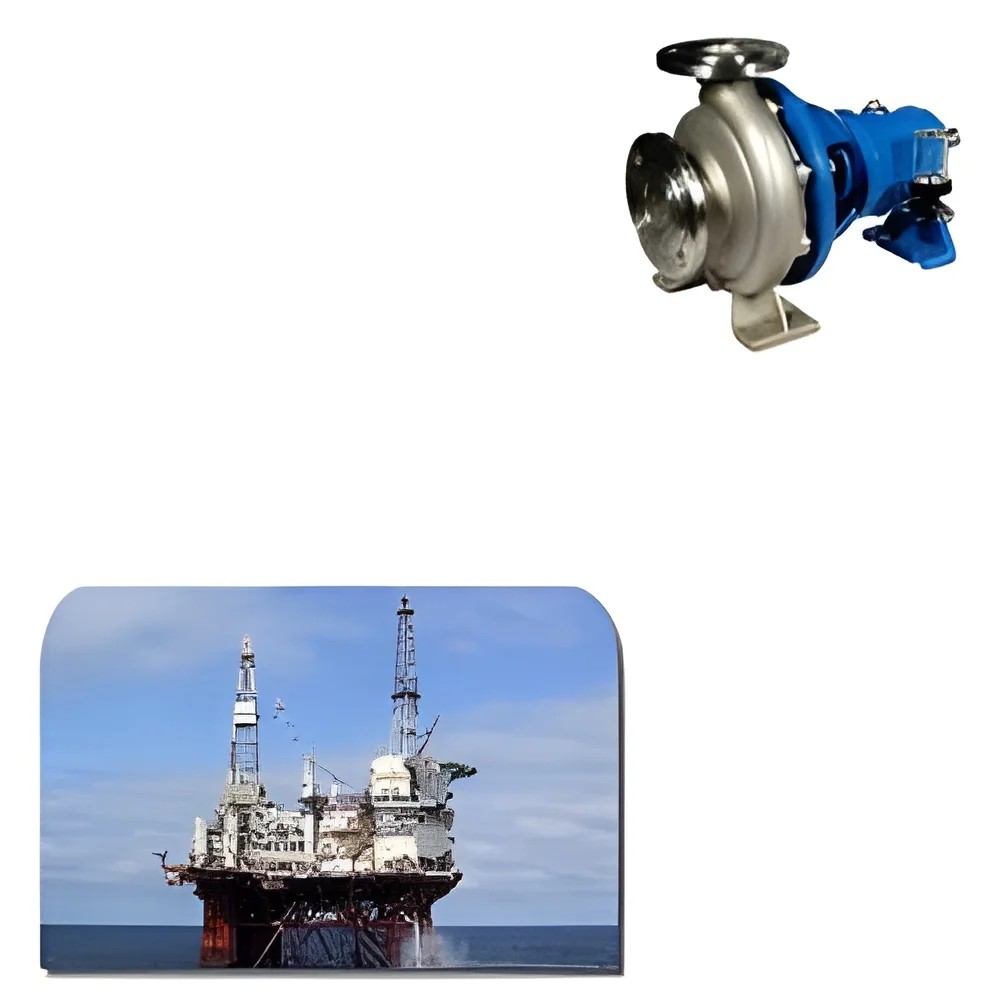
Centrifugal pumps are widely used for transferring large volumes of liquids quickly. They are suitable for low-viscosity fluids and are commonly found in oil and gas applications.
Peristaltic Pumps
This type of pump is effective for transferring sensitive fluids, including those that are shear-sensitive. They are often used in food processing and pharmaceutical applications due to their hygienic design.
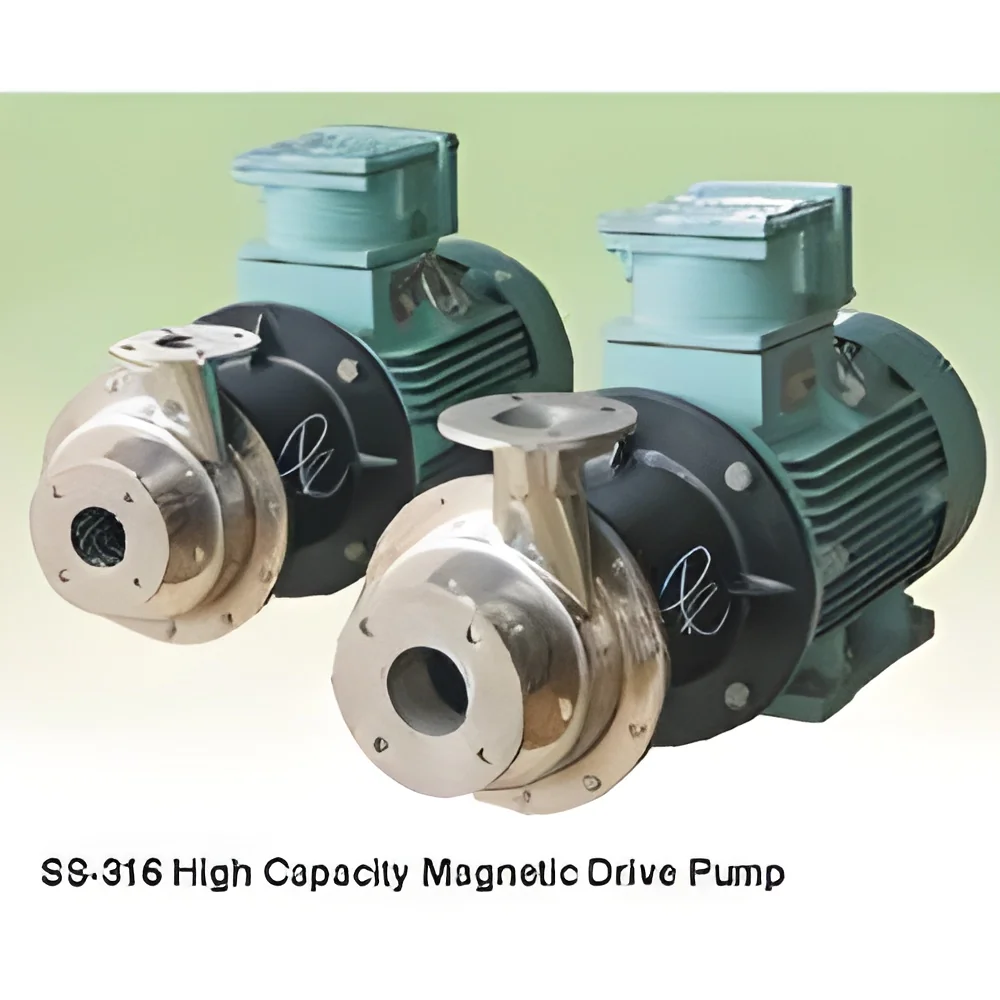
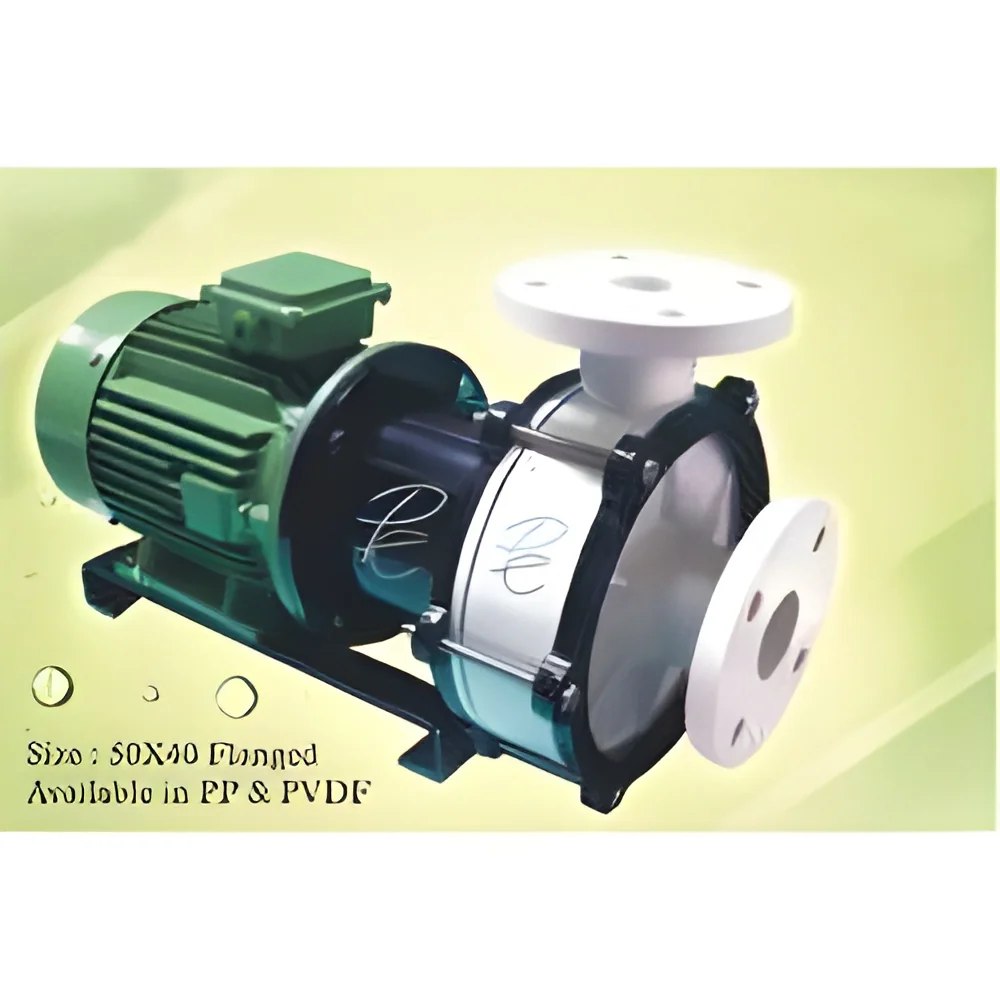
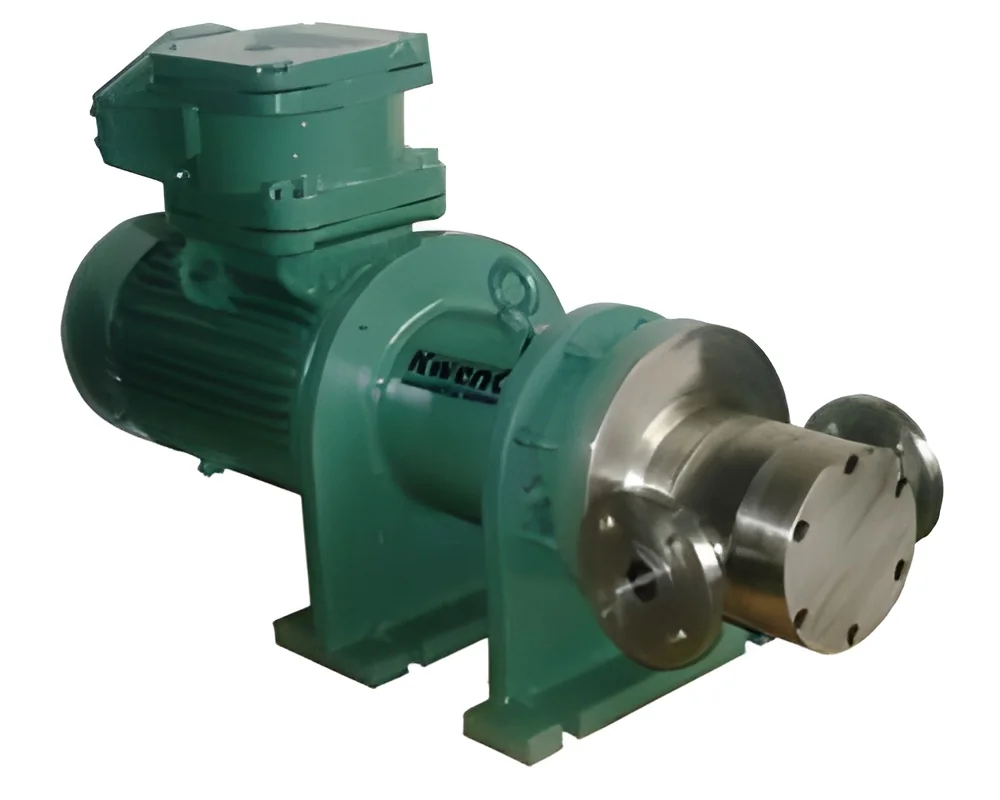
Magnetic Drive Pumps
Magnetic drive pumps eliminate the need for a traditional seal, reducing the risk of leaks. They are well-suited for handling hazardous and volatile chemicals.
Benefits and Advantages
Investing in transfer pumps for chemicals offers several advantages for businesses aiming to improve their operational efficiency and safety.
1. Enhanced Safety: Transfer pumps are designed with safety features that minimize risks associated with handling hazardous materials.
2. Improved Efficiency: These pumps facilitate quick and efficient liquid transfer, reducing downtime in production processes.
3. Versatility: Transfer pumps can handle a wide range of chemicals, making them suitable for various applications across multiple industries.
4. Customization: Many manufacturers offer customizable options to meet specific industry requirements and operational needs.
5. Long Lifespan: High-quality materials used in construction ensure durability and reliability, reducing the need for frequent replacements.
6. Compliance: Transfer pumps often meet industry standards and regulations, helping businesses maintain compliance in their operations.
Buying Guide for B2B Buyers
When sourcing transfer pumps for chemicals, businesses should consider several key factors to ensure they make informed purchasing decisions.
1. Quality Assessment: Evaluate the pump's construction materials and design features to ensure they meet the necessary safety and performance standards.
2. Supplier Verification: Vet suppliers to confirm their credibility and reliability. Look for established manufacturers with a proven track record in the industry.
3. Pricing and MOQ: Understand the pricing structure and minimum order quantity requirements to ensure they align with your budget and needs.
4. Delivery and Lead Times: Consider logistics and delivery timelines to ensure the pumps arrive in time for your operational requirements.
5. Compliance Requirements: Ensure that the pumps comply with relevant industry regulations and safety standards to avoid legal complications.
Compliance and Certifications
Transfer pumps for chemicals are subject to various compliance standards and certifications that ensure safety and quality in operation.
Manufacturers often adhere to quality standards such as ISO 9001, which focuses on maintaining quality management systems. This certification indicates a commitment to consistent quality and customer satisfaction.
Additionally, industry certifications like CE mark compliance demonstrate that the products meet European safety, health, and environmental protection standards.
Safety and testing requirements are critical, especially for pumps handling hazardous substances. Regular testing ensures that the pumps function correctly and safely under the specified conditions.
Regional compliance considerations may vary, so businesses must stay informed about the regulations applicable in their specific geographic areas, particularly when operating in multiple regions.
Why Source Transfer Pumps for Chemicals from Pepagora?
Pepagora provides a trusted platform for sourcing transfer pumps for chemicals with several key advantages tailored for B2B buyers.
Verified Supplier Network: Pepagora ensures that all suppliers are thoroughly vetted, providing buyers with peace of mind regarding the quality and reliability of the products offered.
Streamlined RFQ Process: The quotation system allows businesses to easily request quotes from multiple suppliers, facilitating competitive pricing and efficient decision-making.
Trade Assurance and Support: Buyers are protected through trade assurance programs, which provide support in case of disputes or issues with orders, enhancing trust in the purchasing process.
Regional Coverage: Pepagora has a broad geographic reach across India, the GCC, and Southeast Asia, allowing businesses to connect with suppliers that meet their specific operational needs in various regions.

 IN
IN