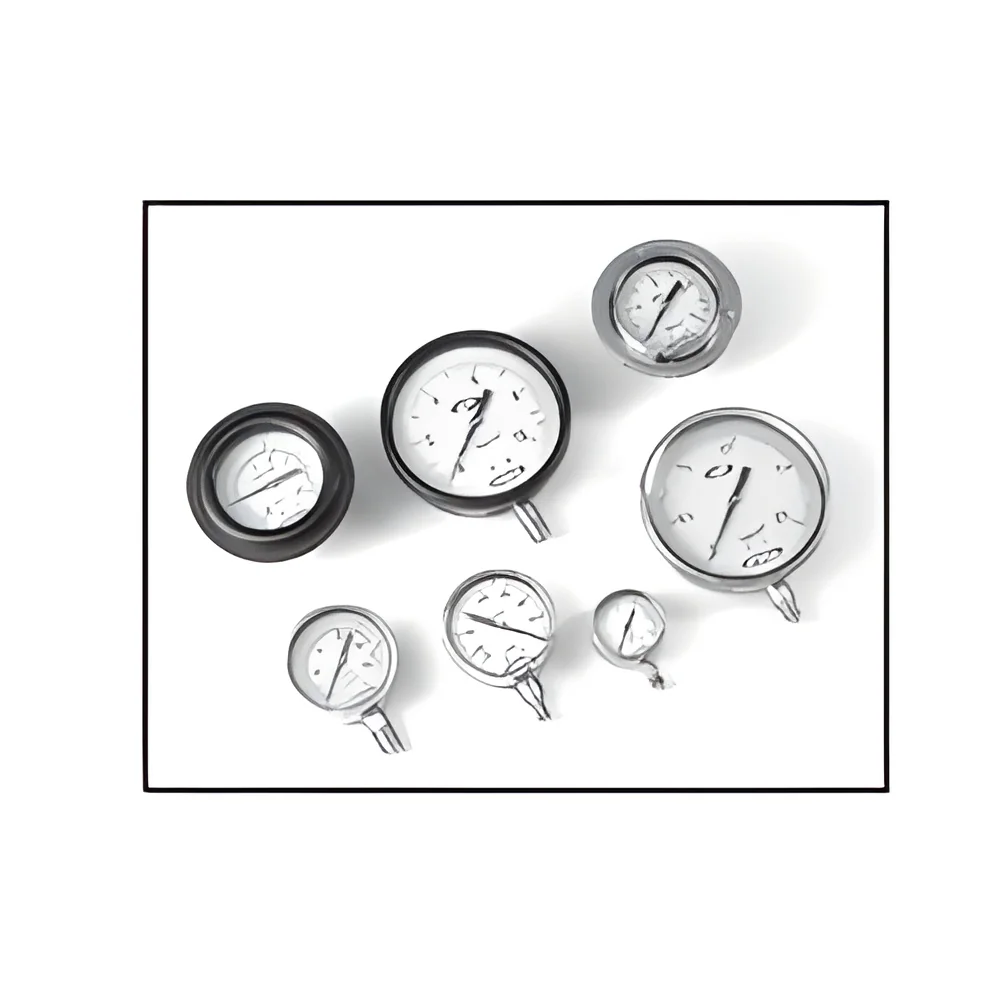
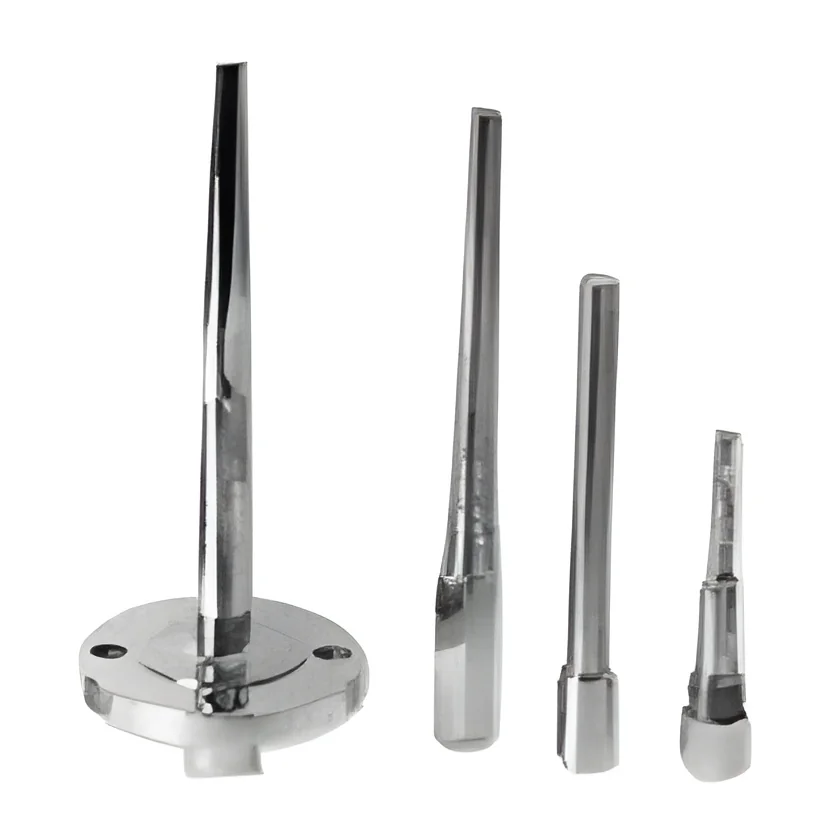
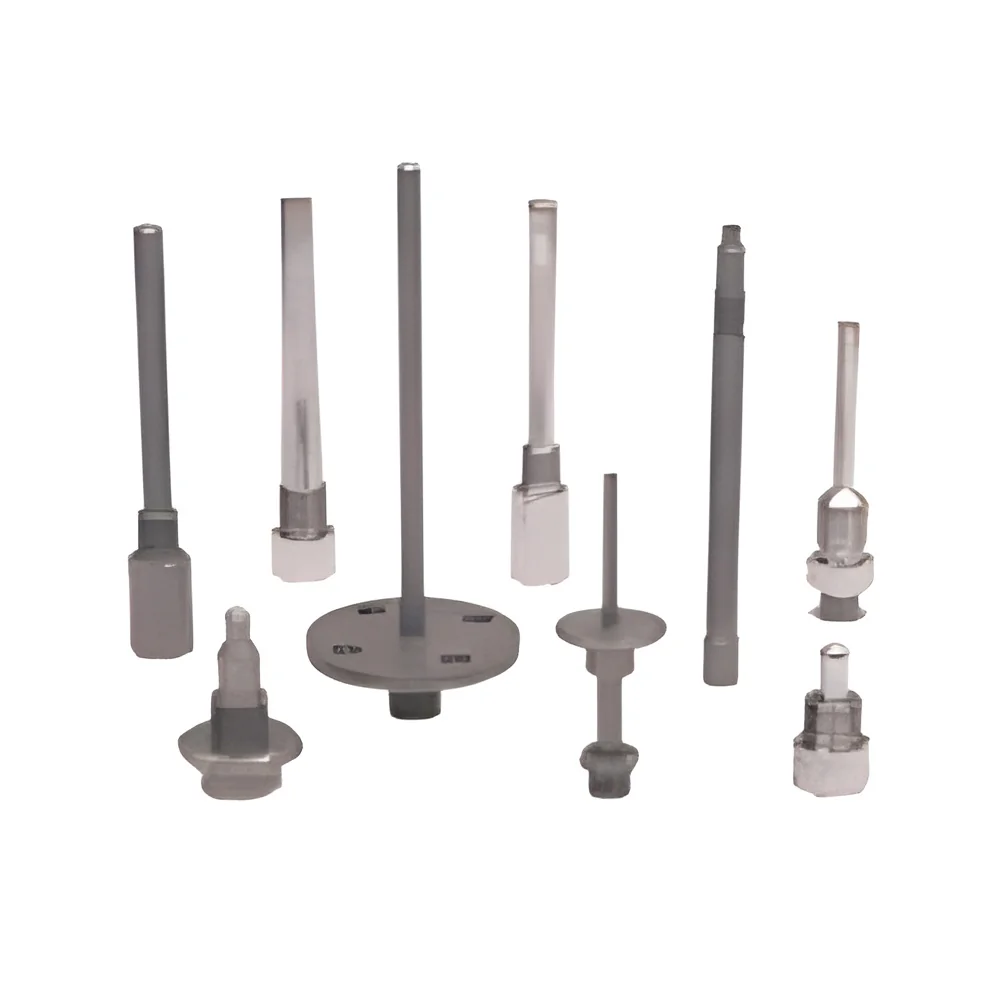
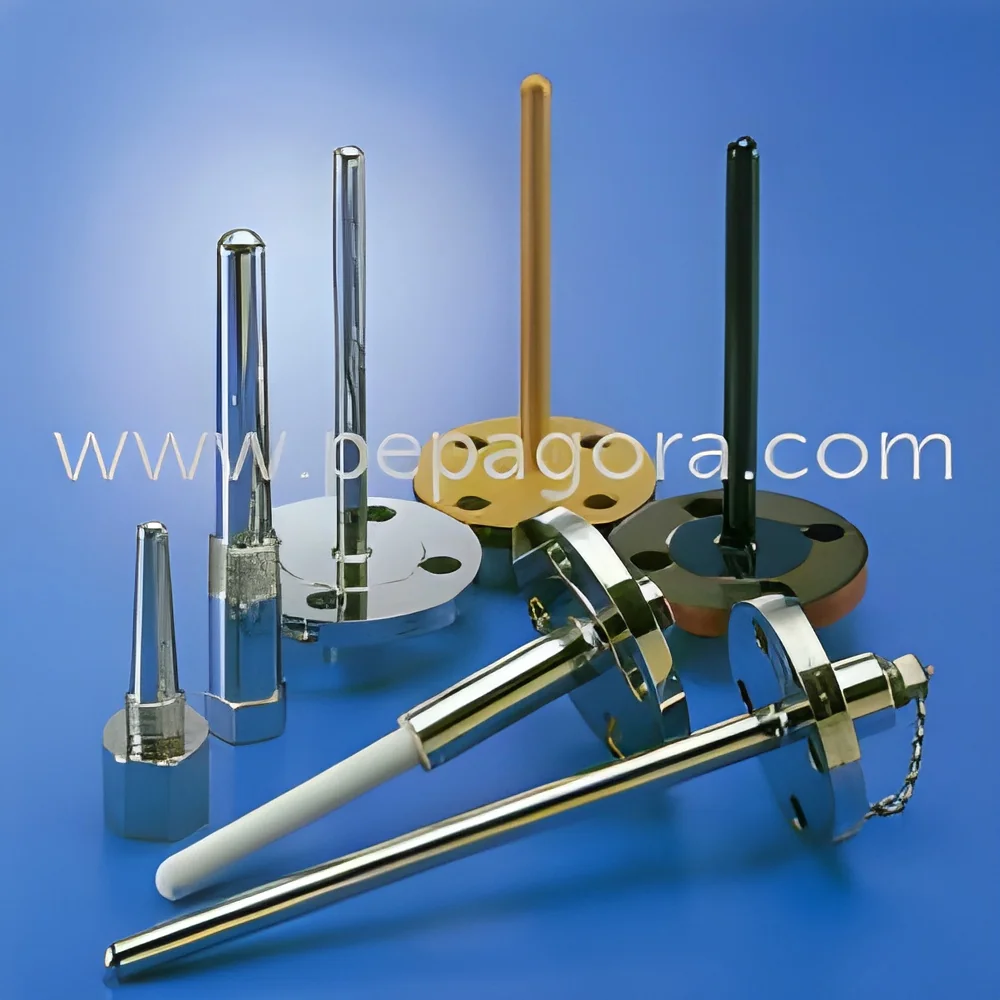
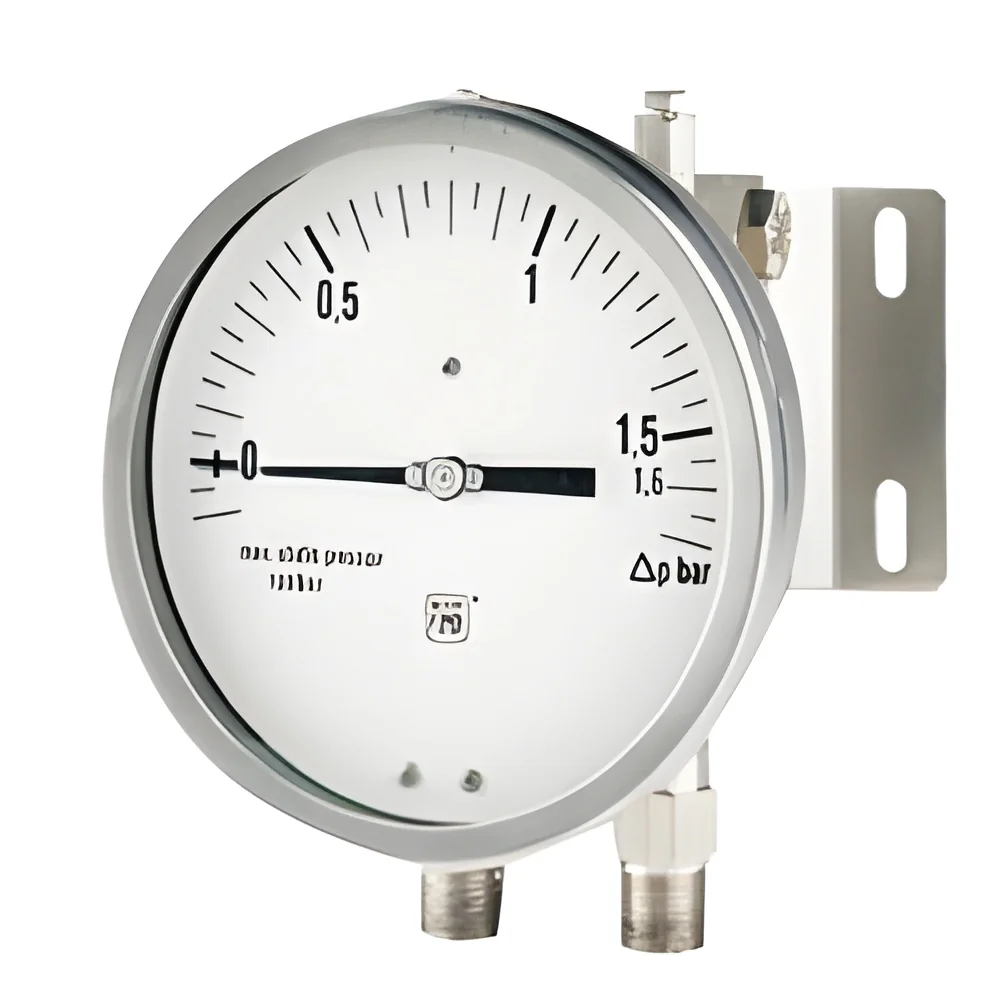
What are Pressure & Temperature Sensors?
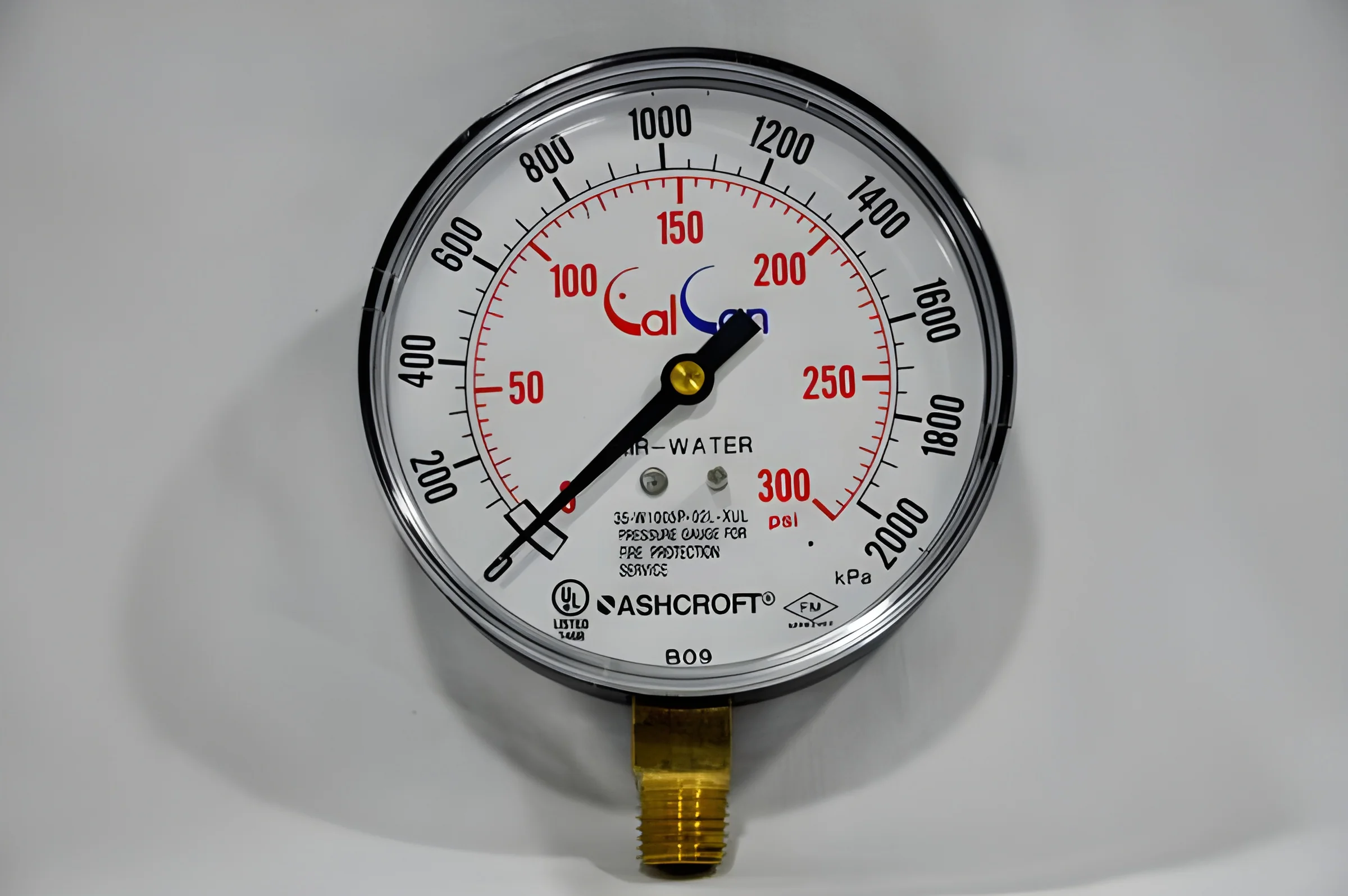
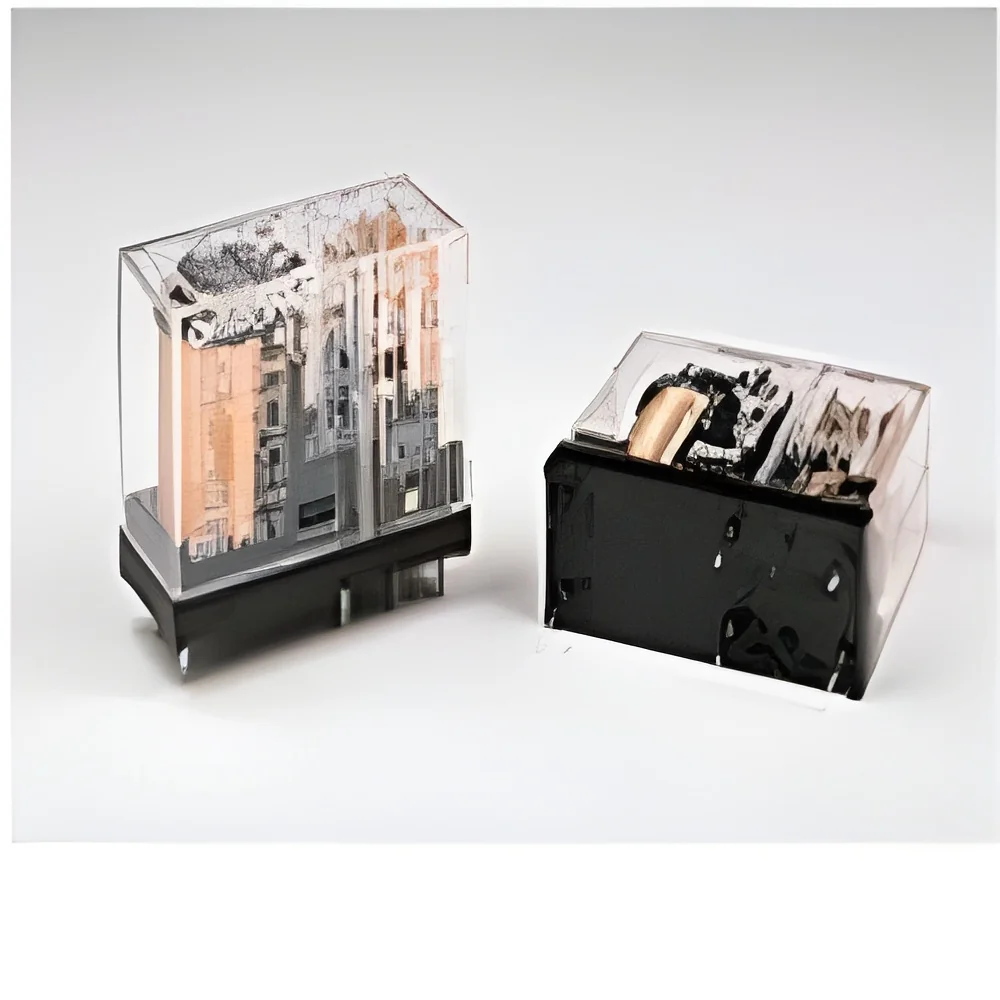
Pressure and temperature sensors are critical devices used to measure and monitor pressure and temperature levels in various industrial processes. These sensors convert physical quantities into measurable signals, often electrical, which can be used for data analysis and process control. They play a vital role in ensuring operational efficiency and safety across a range of applications.
These sensors are commonly used in industries such as manufacturing, HVAC, automotive, and food processing. They help businesses maintain optimal conditions for production, enhance product quality, and ensure compliance with safety regulations. In addition, they facilitate predictive maintenance by allowing for real-time monitoring, which can lead to significant cost savings.
The relevance of pressure and temperature sensors in the modern industrial landscape cannot be understated. With an increasing focus on automation and data-driven decision-making, these sensors are integral to smart manufacturing and Industry 4.0 initiatives. As industries continue to evolve, the demand for reliable and accurate sensors is expected to grow, driving innovation and technological advancement.
Key Features and Specifications
Pressure and temperature sensors come with various features designed to meet the specific needs of different applications. Understanding these features is essential for selecting the right sensor for your business.
Key specifications include:
1. Measurement Range
- This specification defines the minimum and maximum pressure or temperature the sensor can accurately measure.
- Common ranges vary widely based on the sensor type and application.
2. Accuracy
- Accuracy is the degree to which a sensor's output corresponds to the actual measured value.
- High-quality sensors typically offer precision within a few percent of the measured value.
3. Output Signal Type
- Sensors can provide several types of output signals, including analog (4-20 mA, 0-10 V) and digital (RS232, RS485).
- The choice of output type depends on the existing monitoring or control systems.
4. Response Time
- This refers to how quickly a sensor can respond to changes in pressure or temperature.
- Fast response times are crucial in dynamic environments where conditions change rapidly.
5. Operating Environment
- Sensors must be suitable for the specific environment in which they will be used, including considerations for temperature, humidity, and exposure to chemicals.
- Many sensors come with protective housings or coatings for added durability.
6. Calibration
- Calibration ensures that the sensor provides accurate readings and may require periodic adjustments.
- Some sensors are factory calibrated, while others may need field calibration.
7. Power Supply Requirements
- Understanding the power supply needs is important for installation and integration into an existing system.
- Sensors may operate on standard voltage levels or require specific power sources.
8. Compliance Standards
- Many sensors meet industry standards for safety and performance, which can be an important factor in selection.
- Common certifications include CE marking, indicating compliance with European health and safety regulations.
In summary, when evaluating pressure and temperature sensors, consider features such as measurement range, accuracy, response time, and compliance with industry standards to ensure optimal performance for your applications.
Common Applications and Use Cases
Pressure and temperature sensors serve a variety of industries, each with specific applications that highlight their importance.
1. Manufacturing: In manufacturing, these sensors monitor process conditions, ensuring machinery operates within safe parameters to prevent malfunctions and optimize production efficiency.
2. HVAC: In heating, ventilation, and air conditioning systems, sensors regulate temperature and pressure, enhancing energy efficiency and maintaining comfort levels in buildings.
3. Automotive: In the automotive sector, these sensors are crucial for monitoring engine performance, ensuring safety systems function properly, and enhancing fuel efficiency.
4. Food Processing: In food and beverage industries, temperature sensors ensure products are processed and stored at safe temperatures to comply with health regulations and maintain quality.
5. Oil and Gas: In oil and gas operations, pressure sensors monitor pipeline integrity and control processes, helping to prevent leaks and ensure safety.
6. Pharmaceuticals: In pharmaceutical manufacturing, precise temperature control is critical for product quality and regulatory compliance, making these sensors essential.
7. Water Treatment: In water treatment facilities, sensors monitor pressure and temperature to ensure optimal operating conditions and safe water delivery.
Product Variants and Subcategories
Pressure and temperature sensors come in various types to meet diverse needs across industries.
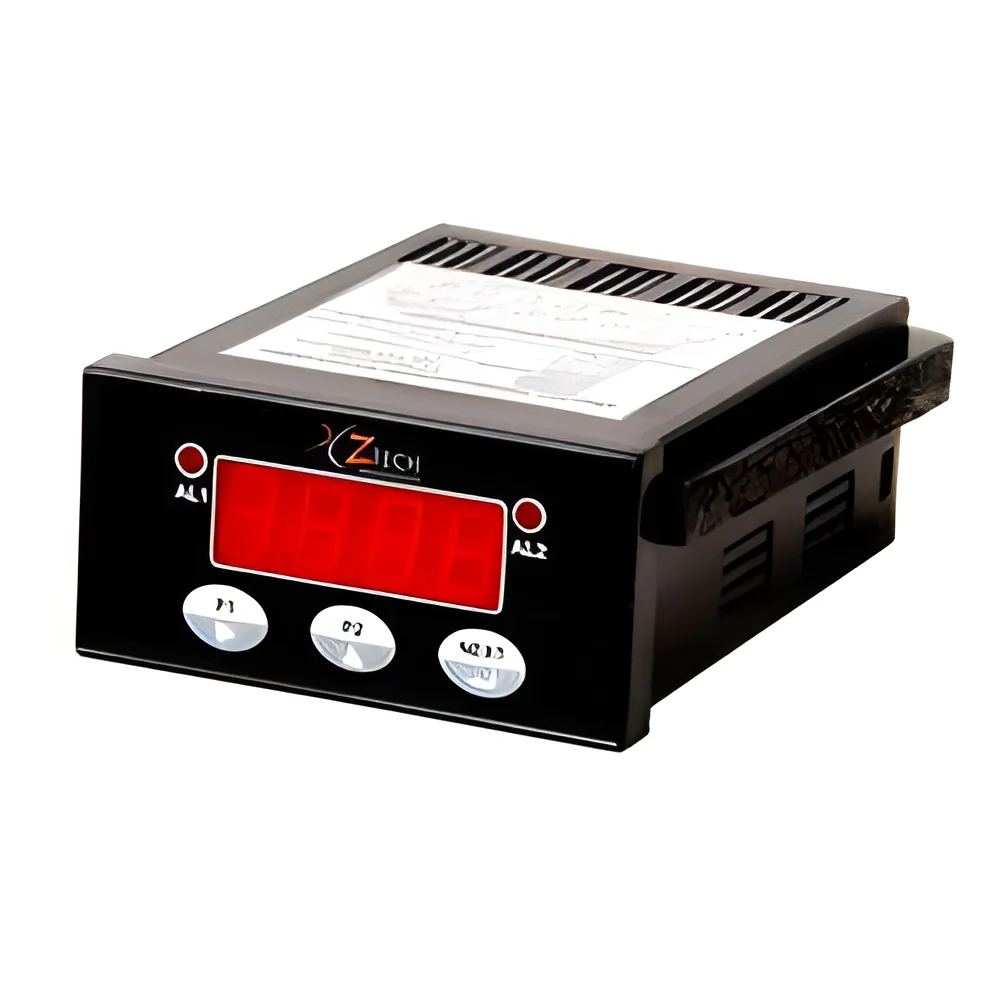
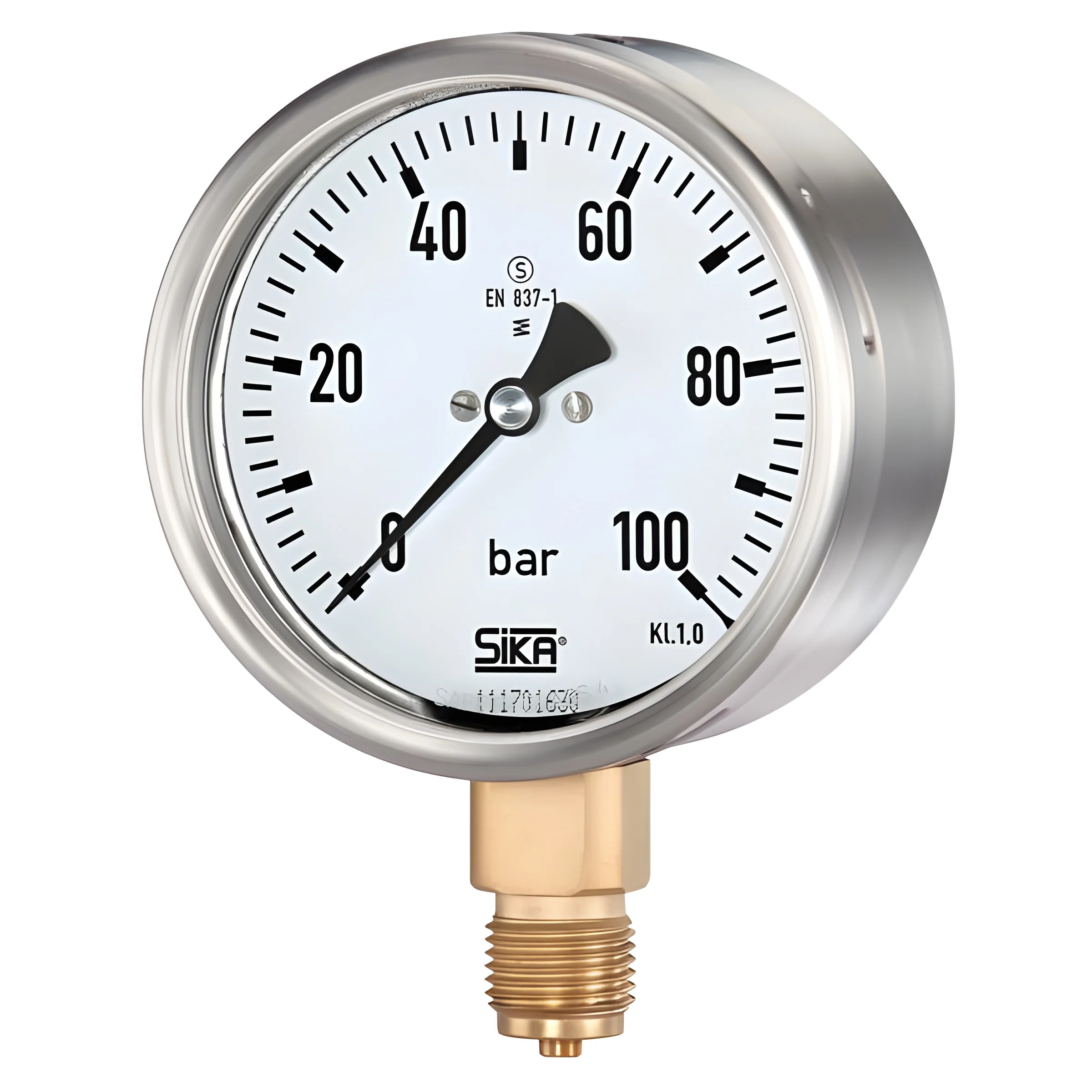
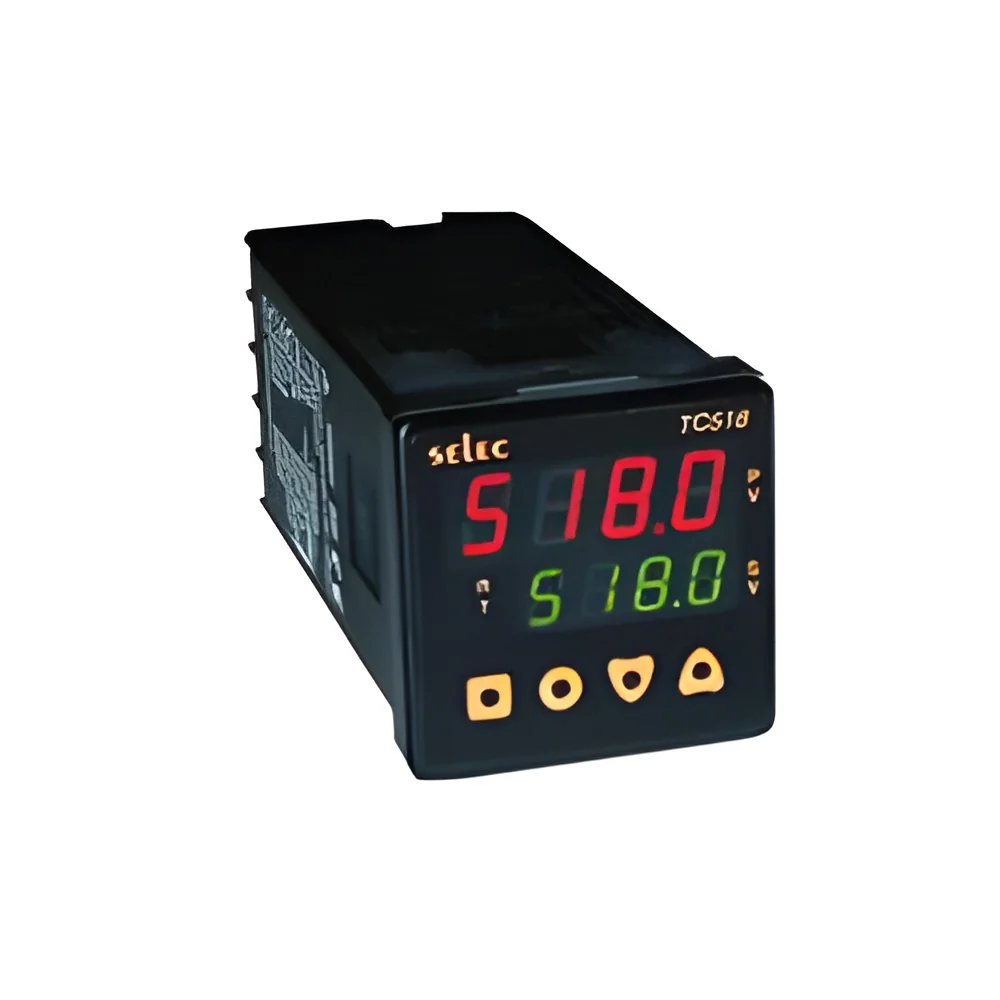
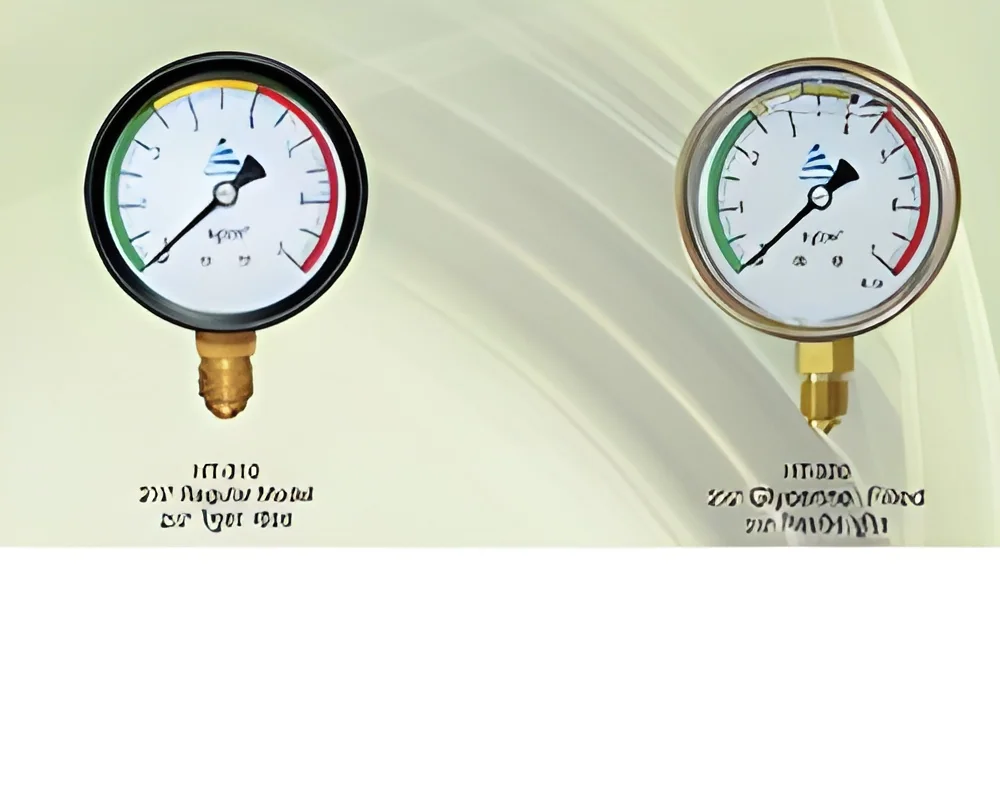
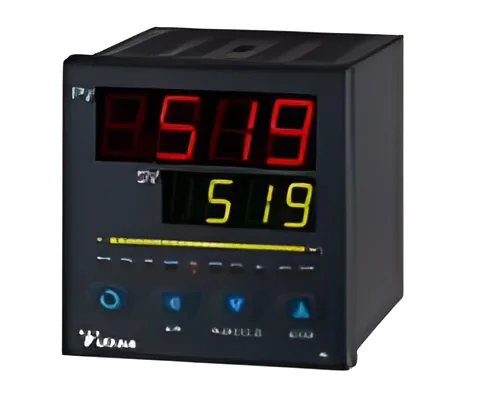
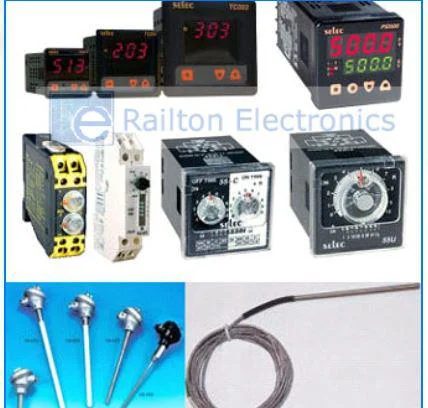
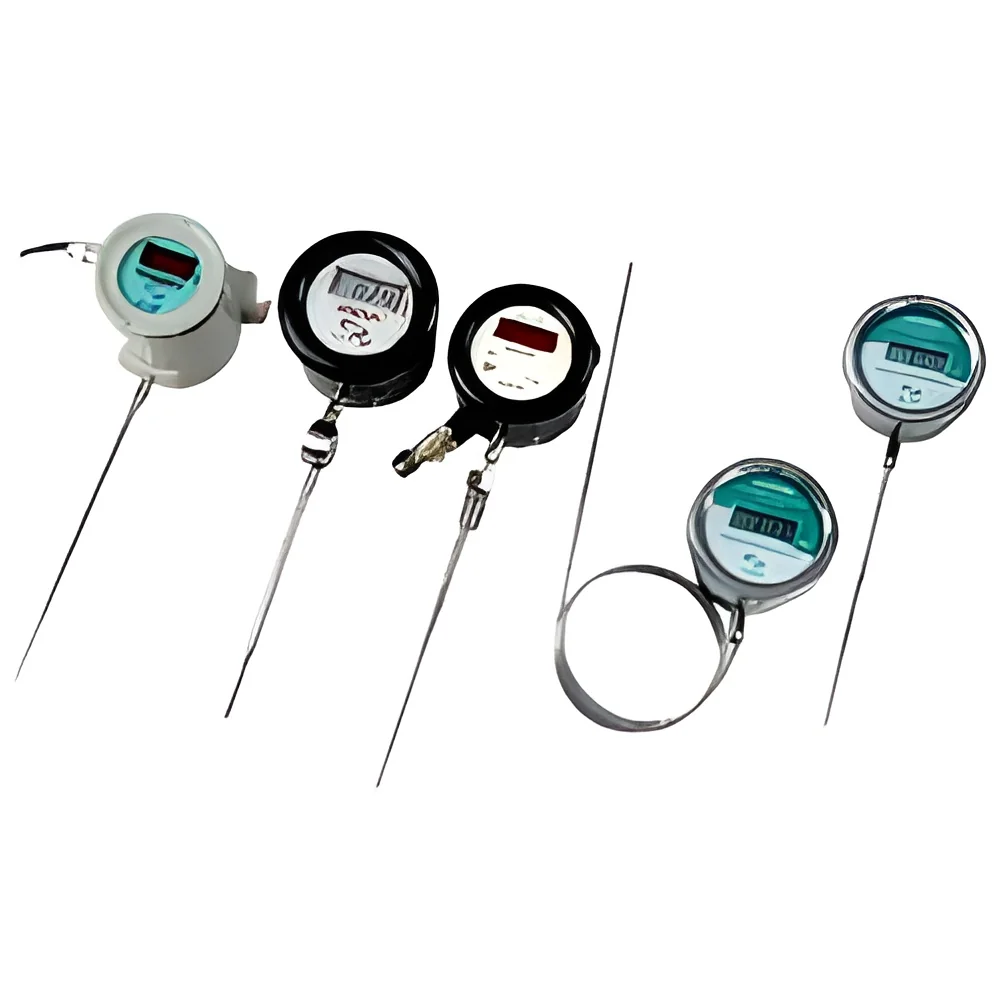
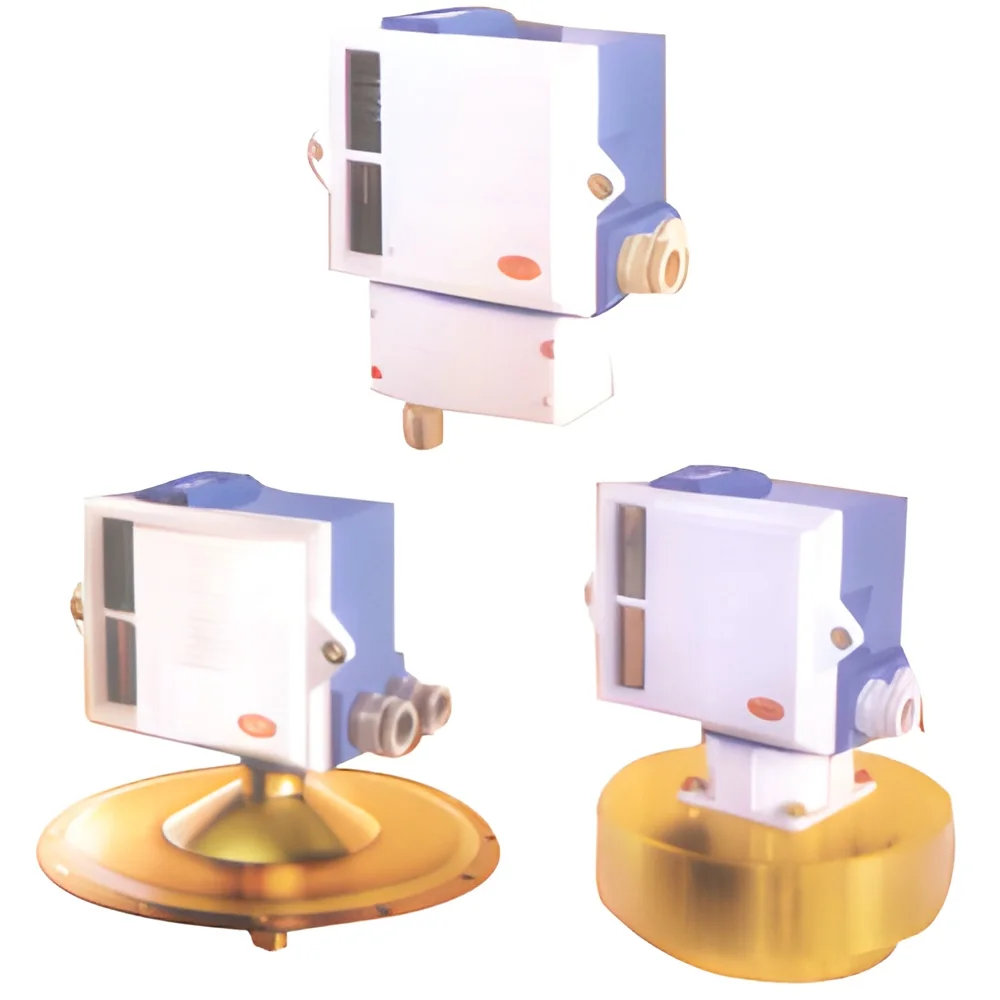
Digital Pressure Sensors: These sensors provide real-time digital readings of pressure levels. They often feature advanced monitoring capabilities and are ideal for systems requiring precise data.
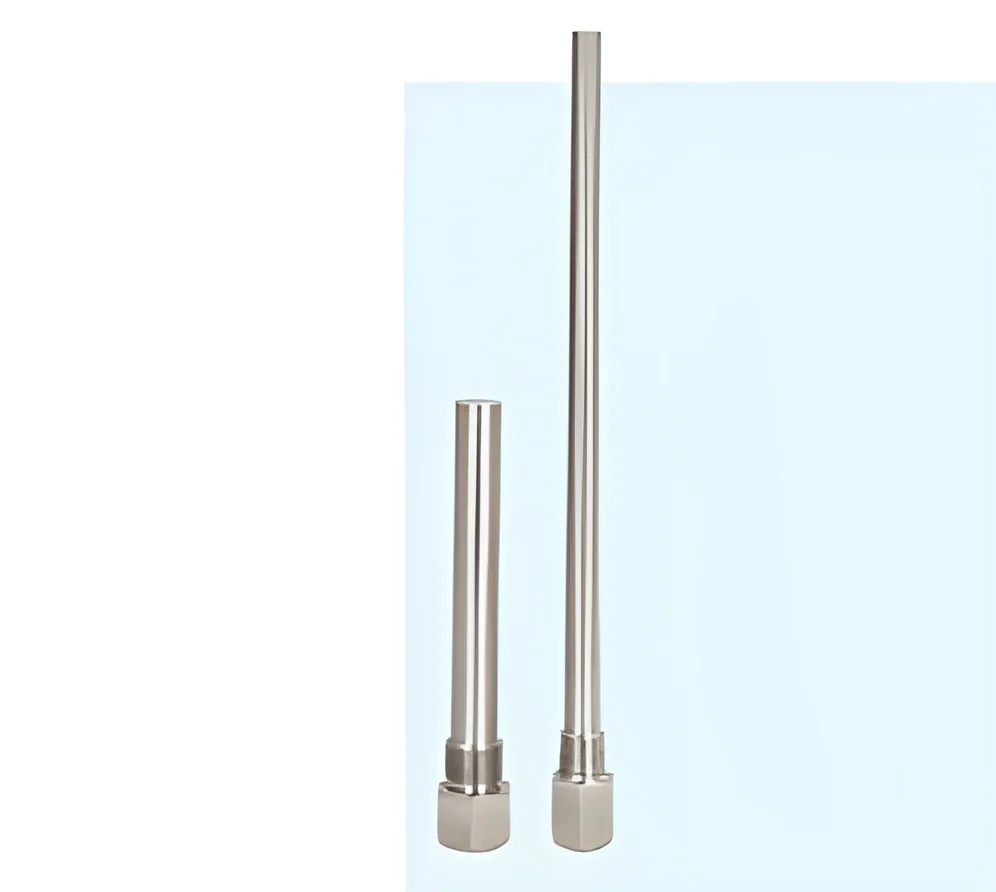
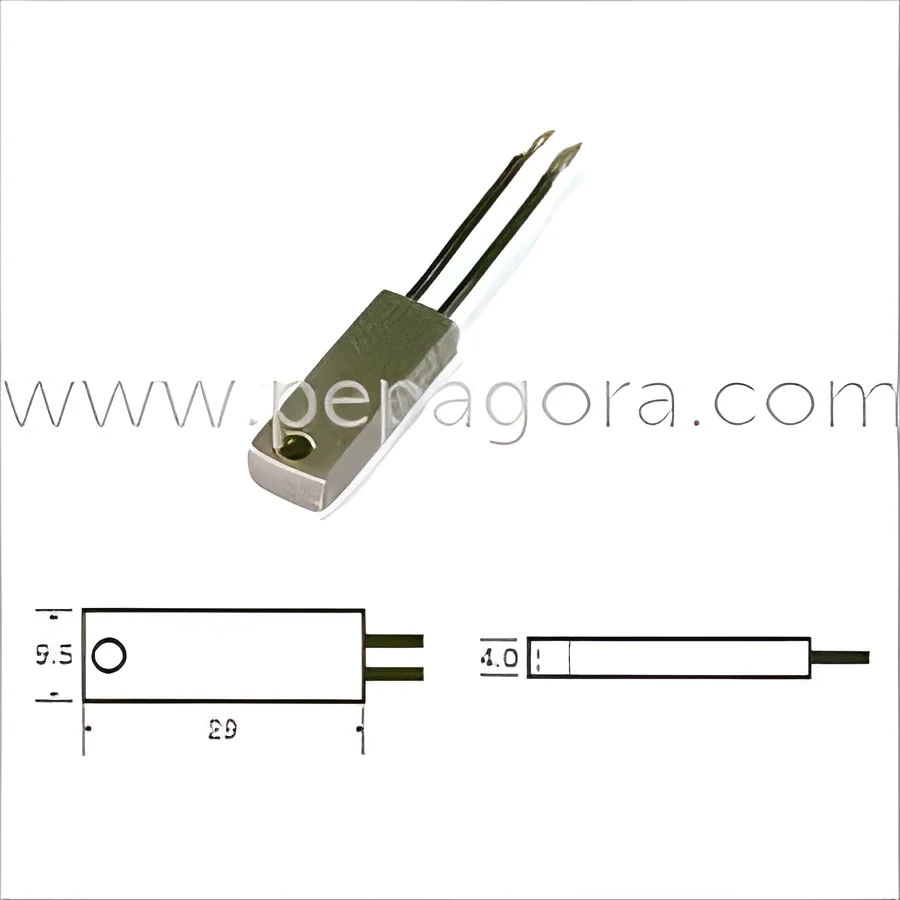
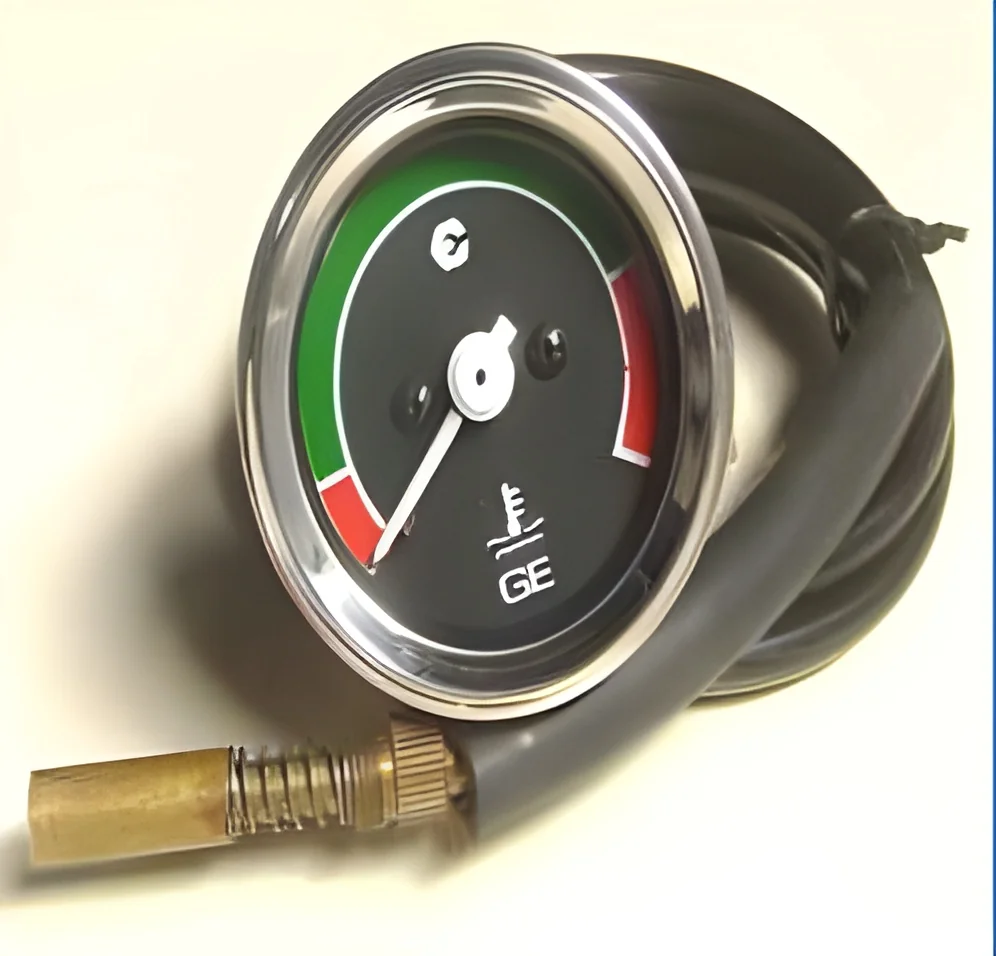
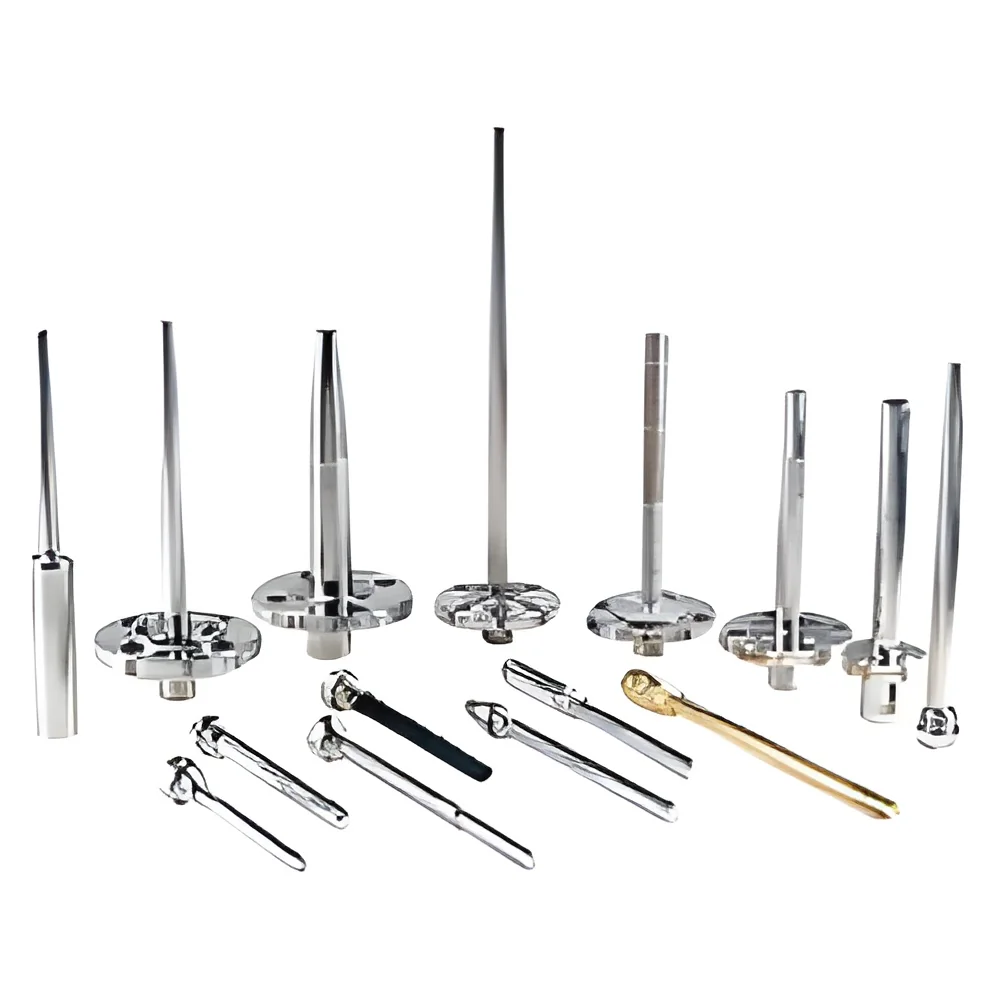
Thermocouples: Used for temperature measurement, thermocouples are versatile and can operate in extreme environments. They are commonly used in industrial applications due to their reliability and response time.
Pressure Transducers: These devices convert pressure into an electrical signal, making them suitable for integration into automated systems. They are widely used in manufacturing and process control.
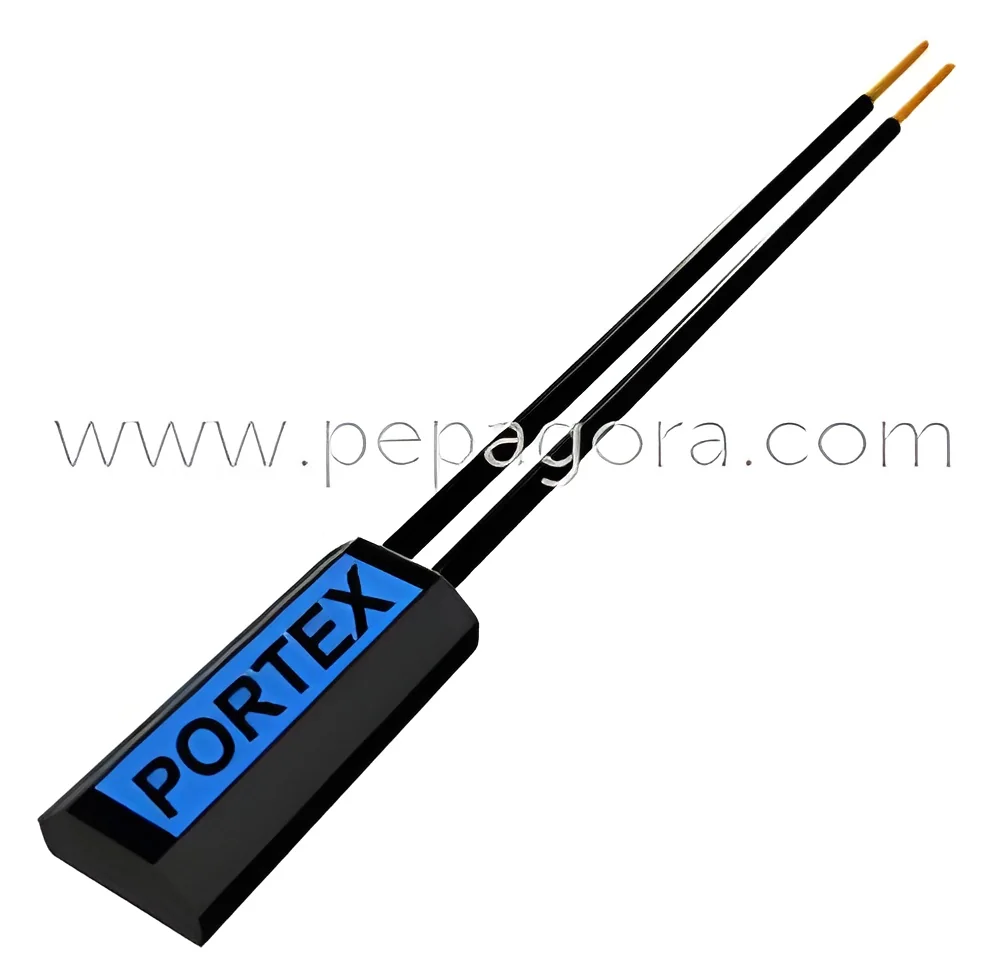
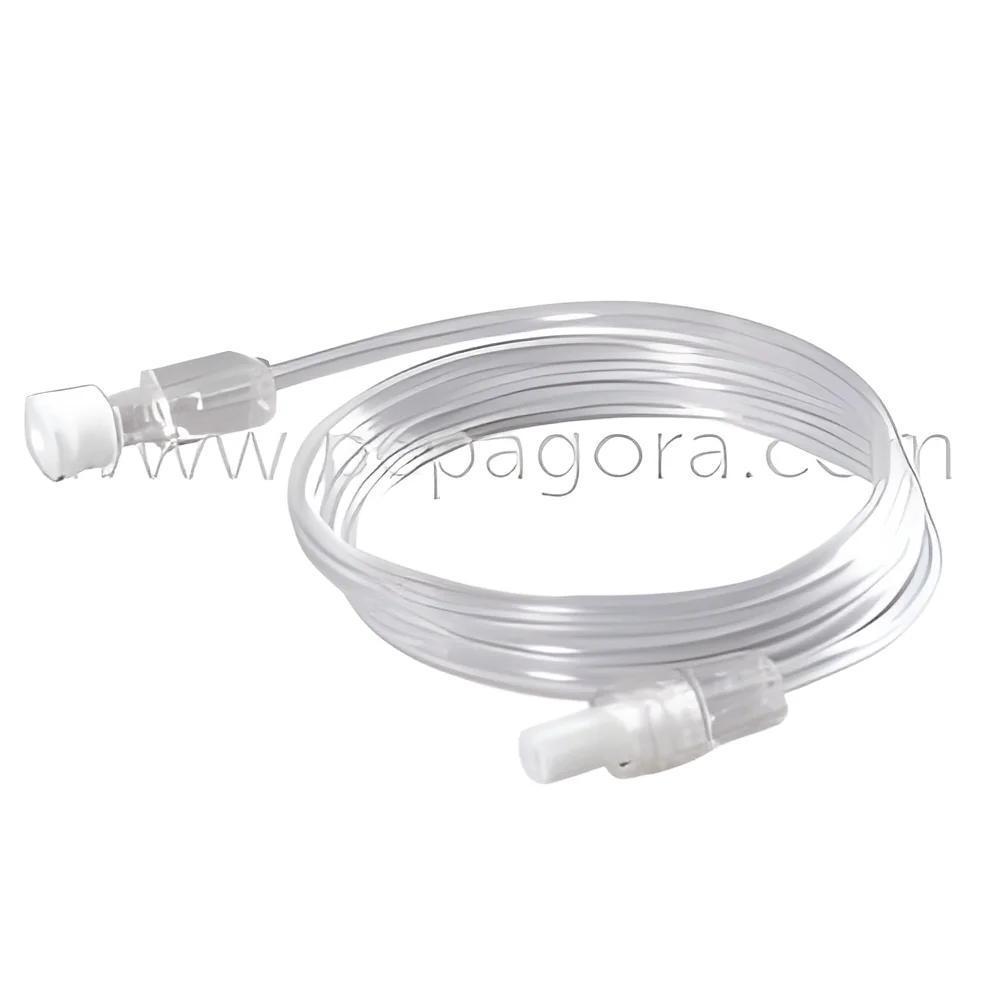
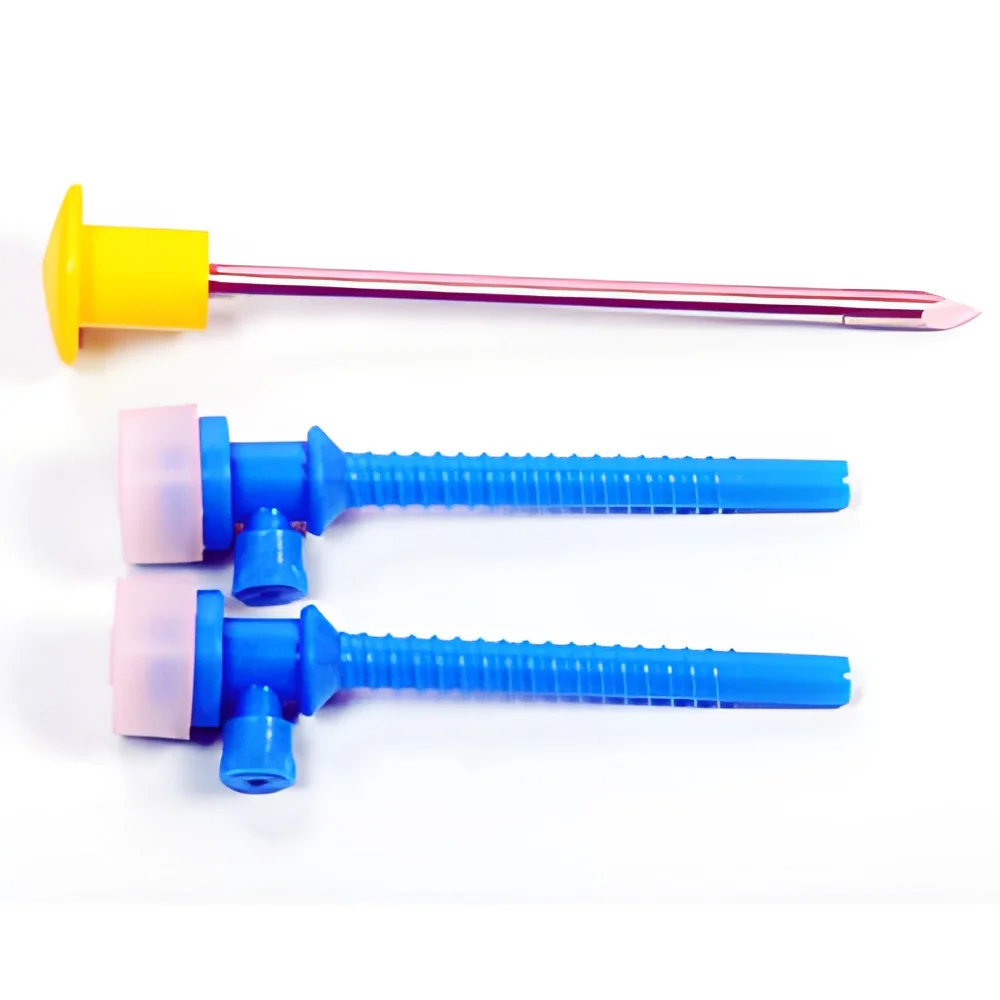
Temperature Probes: Designed for direct temperature measurement, these probes are ideal for applications requiring precise temperature readings in various materials.
Benefits and Advantages
Selecting pressure and temperature sensors offers numerous advantages that can lead to improved operational efficiency.
1. Enhanced Accuracy: These sensors provide precise measurements that help ensure processes operate within desired parameters, reducing errors and improving quality.
2. Real-time Monitoring: With the ability to continuously monitor conditions, businesses can make informed decisions quickly, leading to improved responsiveness to changes.
3. Predictive Maintenance: By monitoring equipment conditions, sensors can help identify potential issues before they become critical, reducing downtime and maintenance costs.
4. Regulatory Compliance: Using certified sensors can help businesses meet industry regulations, ensuring safety and quality standards are upheld.
5. Increased Efficiency: Optimizing processes through accurate measurements can lead to reduced waste and lower operating costs, enhancing overall productivity.
6. Versatility: The wide range of available sensors allows businesses to find solutions tailored to specific application needs across various industries.
Buying Guide for B2B Buyers
When sourcing pressure and temperature sensors, several factors should be considered to ensure the best choice for your business.
1. Quality Assessment: Evaluate the quality of sensors based on performance metrics and reliability. Look for certifications and compliance with industry standards to ensure you are investing in durable products.
2. Supplier Verification: Vet suppliers carefully to ensure they have a solid reputation and track record in the market. Seek testimonials or case studies from other businesses to gauge their reliability.
3. Pricing and MOQ: Understand the pricing structures and minimum order quantities (MOQ) of sensors. Compare different suppliers to find cost-effective options that meet your requirements.
4. Delivery and Lead Times: Assess the logistics involved in acquiring sensors, including delivery timelines. Ensure that suppliers can meet your deadlines to avoid disruptions in your operations.
5. Compliance Requirements: Identify any regulatory compliance needs specific to your industry. Ensure that the sensors you choose meet these requirements to avoid legal issues.
Compliance and Certifications
Pressure and temperature sensors must adhere to several quality standards to ensure safety and reliability. Commonly recognized standards include ISO 9001, which outlines quality management principles, and HACCP, which focuses on food safety.
Many sensors also hold industry certifications, such as CE marking, indicating compliance with European health and safety regulations. These certifications provide assurance that products meet essential performance and safety criteria.
Safety testing is critical in sensor production, ensuring devices can withstand the conditions they will encounter in their intended applications. Additionally, regional compliance considerations must be addressed, as different countries may have specific regulations governing sensor use.
Why Source Pressure & Temperature Sensors from Pepagora?
Pepagora offers a trusted platform for sourcing pressure and temperature sensors, providing several key advantages for B2B buyers.
Verified Supplier Network: Pepagora has established a network of reliable suppliers, ensuring that buyers can access high-quality products. Each supplier is vetted to maintain strict quality standards.
Streamlined RFQ Process: The request for quotation (RFQ) process is user-friendly, allowing buyers to quickly obtain quotes from multiple suppliers. This efficiency helps businesses make informed purchasing decisions.
Trade Assurance and Support: Buyers benefit from trade assurance measures that protect their investments. Pepagora provides support to ensure smooth transactions and address any concerns.
Regional Coverage: With a broad geographic reach across India, the GCC, and Southeast Asia, Pepagora connects buyers with suppliers in their regions. This coverage enhances convenience and accessibility for businesses seeking pressure and temperature sensors.

 IN
IN