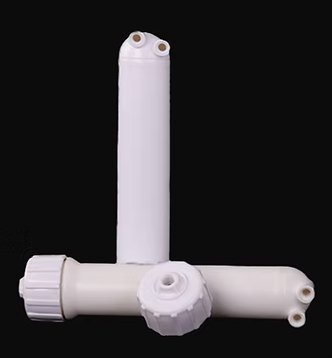
What are Membrane Filtration Units?
Membrane filtration units are advanced systems that utilize semi-permeable membranes to separate solids, liquids, and gases based on their molecular size. These units are designed to purify and concentrate fluids by removing contaminants, thereby enhancing the quality of the final product. The technology can effectively filter out particles ranging from macromolecules to small ions, making it a versatile solution for various applications.
These filtration units are primarily used in industries such as water treatment, food and beverage processing, pharmaceuticals, and biotechnology. They play a crucial role in processes like desalination, wastewater management, and the production of high-purity ingredients. With growing environmental concerns and regulatory standards, the demand for efficient filtration solutions continues to rise, positioning membrane filtration units as an essential component in many industrial operations.
As industries evolve, membrane filtration technology adapts to meet the changing needs for efficiency and sustainability. With innovations in membrane materials and design, these units are increasingly relevant in the global market, providing effective solutions for both large-scale operations and specialized applications.
Key Features and Specifications
Membrane filtration units come equipped with several advanced features that enhance their performance and reliability. These specifications determine their efficiency, suitability for different applications, and overall effectiveness in separation processes. Understanding these key features is vital for businesses looking to invest in such systems.
Key specifications include:
1. Filtration Type
- Microfiltration, ultrafiltration, nanofiltration, and reverse osmosis are commonly available.
- Each type targets specific particle sizes, with reverse osmosis offering the finest separation.
2. Membrane Material
- Common materials include polyamide, polysulfone, and ceramic.
- Selection depends on chemical compatibility and temperature resistance.
3. Operating Pressure Range
- Typical operational pressures vary between 1 to 70 bar.
- Higher pressures may enhance filtration rates but could affect membrane longevity.
4. Flow Rate
- Flow rates can range from a few liters per hour to several hundred cubic meters per hour.
- Selection is based on application scale and volume requirements.
5. Temperature Range
- Standard operational temperatures typically range from 5 to 70 degrees Celsius.
- Some specialized membranes can withstand higher temperatures.
6. Cleaning and Maintenance
- Systems should allow for effective cleaning protocols to maintain efficiency.
- Automated cleaning options can reduce downtime and labor costs.
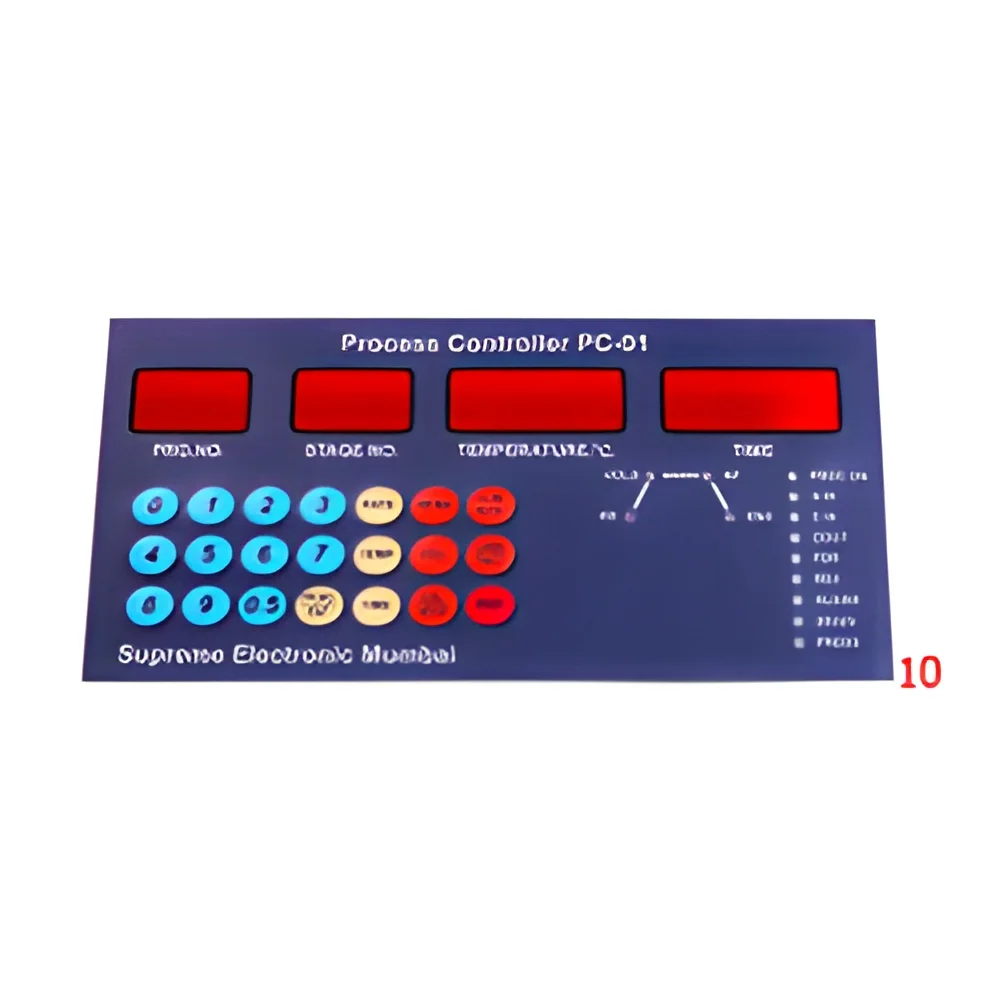
7. Automation and Control
- Advanced units may feature integrated monitoring systems for real-time performance tracking.
- Automation enhances operational efficiency and reduces human error.
8. Footprint and Design
- Compact designs are available for space-constrained environments.
- Modular units can be expanded based on growing operational needs.
In summary, understanding the specifications of membrane filtration units allows businesses to choose the right technology that aligns with their operational requirements and budgetary constraints.
Common Applications and Use Cases
Membrane filtration units are versatile and find applications across various industries, enhancing product quality and operational efficiency.
1. Water Treatment: These units are widely used for purifying drinking water and treating wastewater. They effectively remove microorganisms, sediments, and other contaminants, ensuring compliance with health regulations.
2. Food and Beverage: In the food industry, membrane filtration is utilized for clarifying juices, concentrating flavors, and removing unwanted particles. It preserves the quality and safety of consumables.
3. Pharmaceuticals: Membrane filtration plays a critical role in sterilizing and purifying pharmaceutical products. It ensures that drugs are free from impurities and maintain their efficacy.
4. Biotechnology: In biotechnology, these units are essential for separating biomolecules, such as proteins and nucleic acids, during research and production processes.
5. Chemical Processing: Membrane filtration is employed in chemical manufacturing to concentrate and purify chemicals, enhancing process efficiency and product quality.
6. Oil and Gas: These units are used for separating water from oil and refining processes, improving recovery rates and product purity.
7. Electronics: In the electronics sector, membrane filtration assists in producing ultra-pure water for semiconductor manufacturing, ensuring high-quality components.
Product Variants and Subcategories
Membrane filtration units are available in different configurations to meet diverse operational needs. Each variant is designed for specific applications and offers unique advantages.
Standard Membrane Filtration Units: These are general-purpose units that effectively handle a wide range of applications, from water treatment to food processing. They are designed for durability and ease of use.
High-Performance Membrane Units: These units utilize advanced membrane technology for enhanced filtration efficiency. They are ideal for industries requiring high purity and low contaminant levels.
Modular Membrane Systems: These systems allow for scalability, enabling businesses to expand their filtration capacity as needed. They are particularly useful in dynamic environments with varying production demands.
Portable Membrane Units: Designed for flexibility, portable units can be easily moved between locations. They are suitable for temporary setups or projects requiring on-site filtration solutions.
Benefits and Advantages
Investing in membrane filtration units provides numerous benefits that enhance operational effectiveness and product quality.
1. High Efficiency: Membrane filtration units offer efficient separation of contaminants, ensuring high-quality output while minimizing waste.
2. Cost-Effective: These units can reduce operational costs by lowering energy consumption and maintenance expenses compared to traditional filtration methods.
3. Versatility: The ability to handle various applications makes membrane filtration units suitable for many industries, from food processing to pharmaceuticals.
4. Compact Design: Many units are designed to occupy minimal space, making them ideal for facilities with limited room for equipment.
5. Low Chemical Use: Membrane filtration often eliminates the need for chemical additives, promoting environmentally friendly practices.
6. Enhanced Quality Control: These systems provide consistent results, helping businesses maintain high standards in product quality and safety.
Buying Guide for B2B Buyers
When sourcing membrane filtration units, it is essential for businesses to consider several key factors to ensure they make informed purchasing decisions.
1. Quality Assessment: Evaluate the quality of materials and components used in the filtration units. Look for certifications such as CE to ensure compliance with industry standards.
2. Supplier Verification: Vet suppliers by checking their reputation, customer reviews, and certifications. A reliable supplier is crucial for ongoing support and service.
3. Pricing and MOQ: Understand the pricing structure and minimum order quantities (MOQ) required by suppliers. Compare costs across multiple vendors to find the best value.
4. Delivery and Lead Times: Confirm the expected delivery schedule and lead times. Timely delivery is vital for maintaining production schedules.
5. Compliance Requirements: Ensure that the chosen units meet relevant regulatory standards and compliance requirements specific to your industry.
Compliance and Certifications
Membrane filtration units must adhere to various quality standards and certifications to ensure safety and reliability. Common industry standards include ISO 9001 for quality management systems, which ensures that manufacturers maintain consistent quality in their processes.
Additionally, certifications such as CE indicate that the products meet European safety requirements. These certifications are essential for businesses operating in regulated industries, as they demonstrate a commitment to quality and safety.
Safety and testing requirements must also be considered during the procurement process. Units should undergo rigorous testing to ensure they perform as expected under operational conditions. Regional compliance considerations may vary, so it's important to understand local regulations affecting the use of membrane filtration technology.
Why Source Membrane Filtration Units from Pepagora?
Pepagora offers a trusted platform for sourcing membrane filtration units, providing significant advantages to B2B buyers.
Verified Supplier Network: We maintain a network of verified suppliers, ensuring that buyers can access high-quality products from reputable manufacturers. This verification process helps mitigate risks associated with sourcing.
Streamlined RFQ Process: Our quotation system simplifies the procurement process, allowing businesses to request quotes from multiple suppliers efficiently. This saves time and enhances transparency in pricing.
Trade Assurance and Support: Pepagora offers trade assurance and support, providing buyers protection throughout the purchasing process. This commitment fosters confidence in transactions and encourages long-term partnerships.
Regional Coverage: With a strong presence in India, the GCC, and Southeast Asia, Pepagora connects businesses with suppliers across these regions. This extensive network enables efficient sourcing tailored to specific market needs.

 IN
IN