IN
IN₹
Description
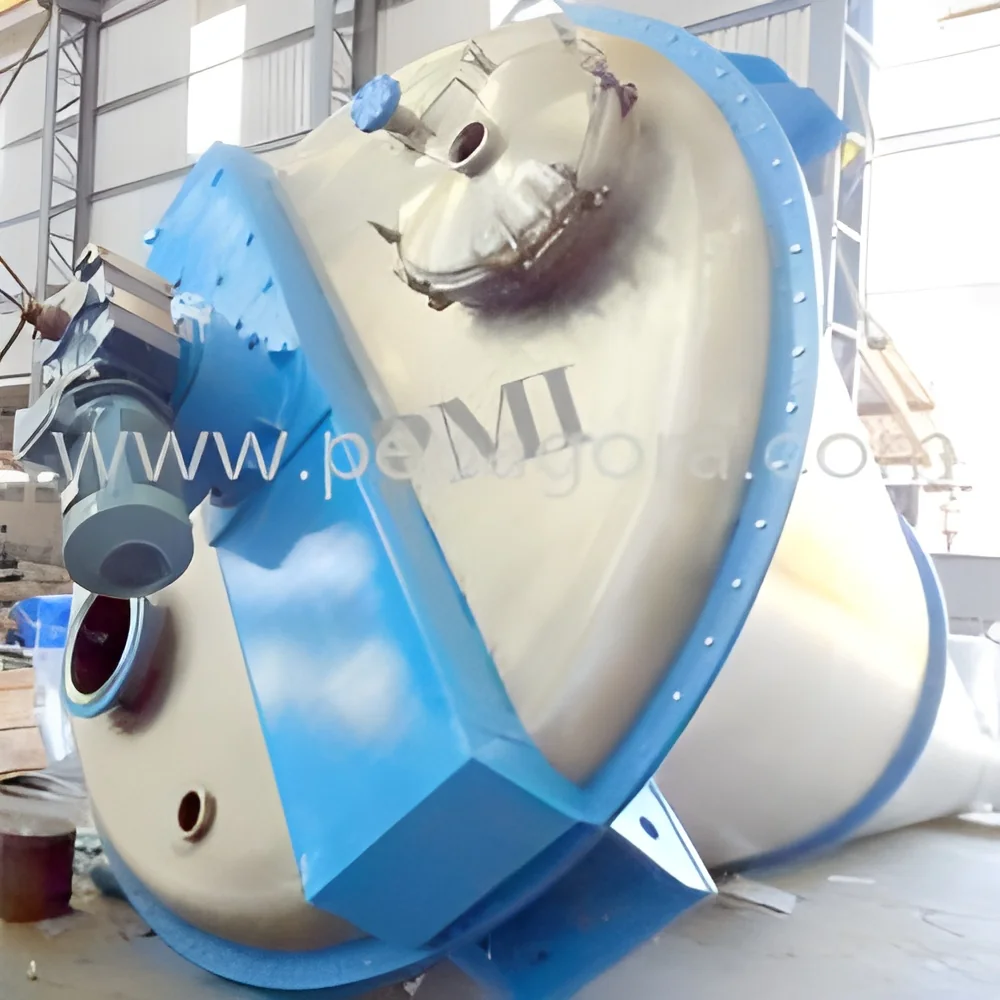
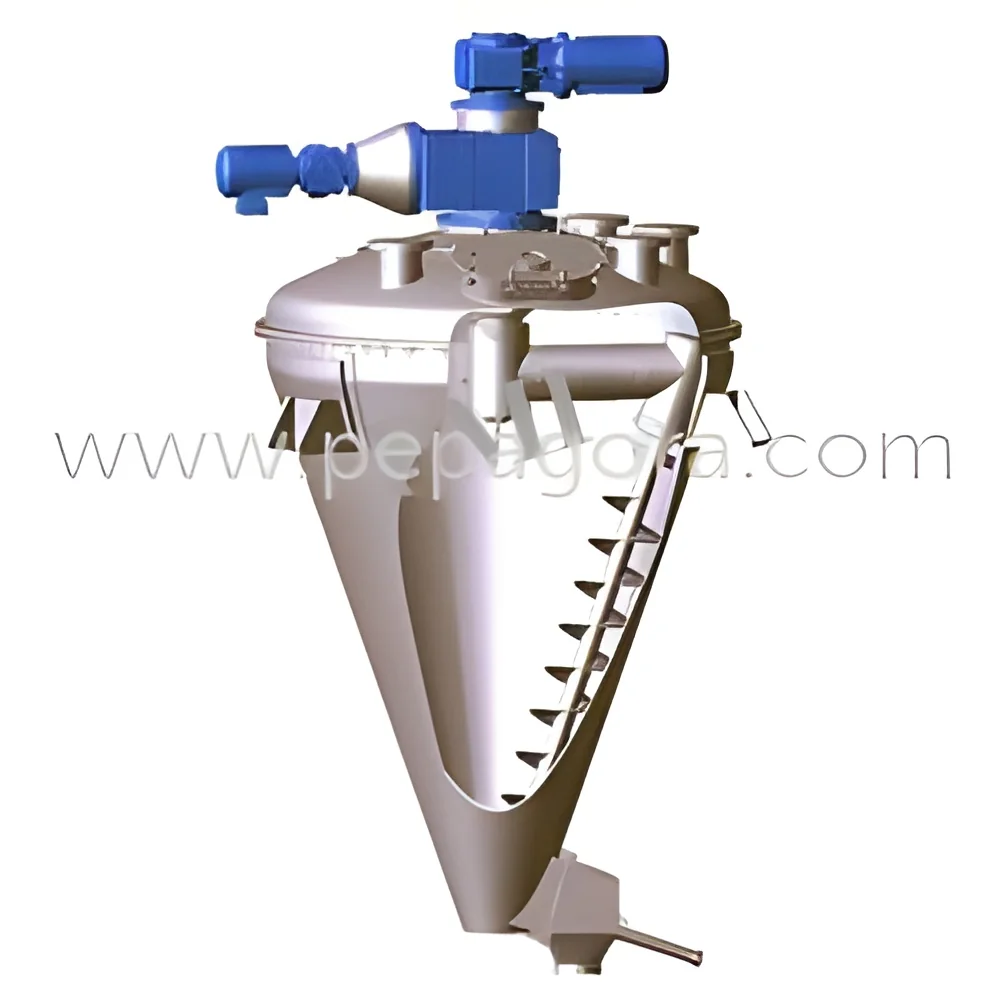
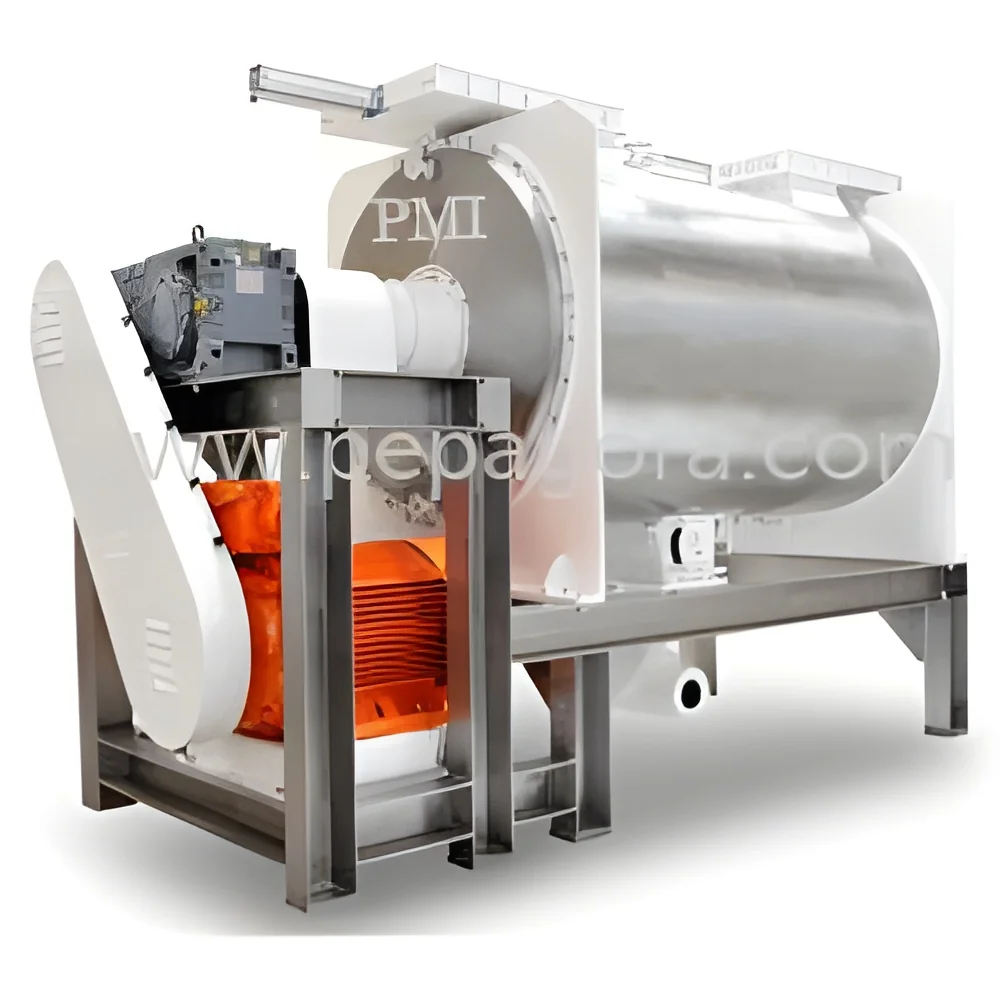
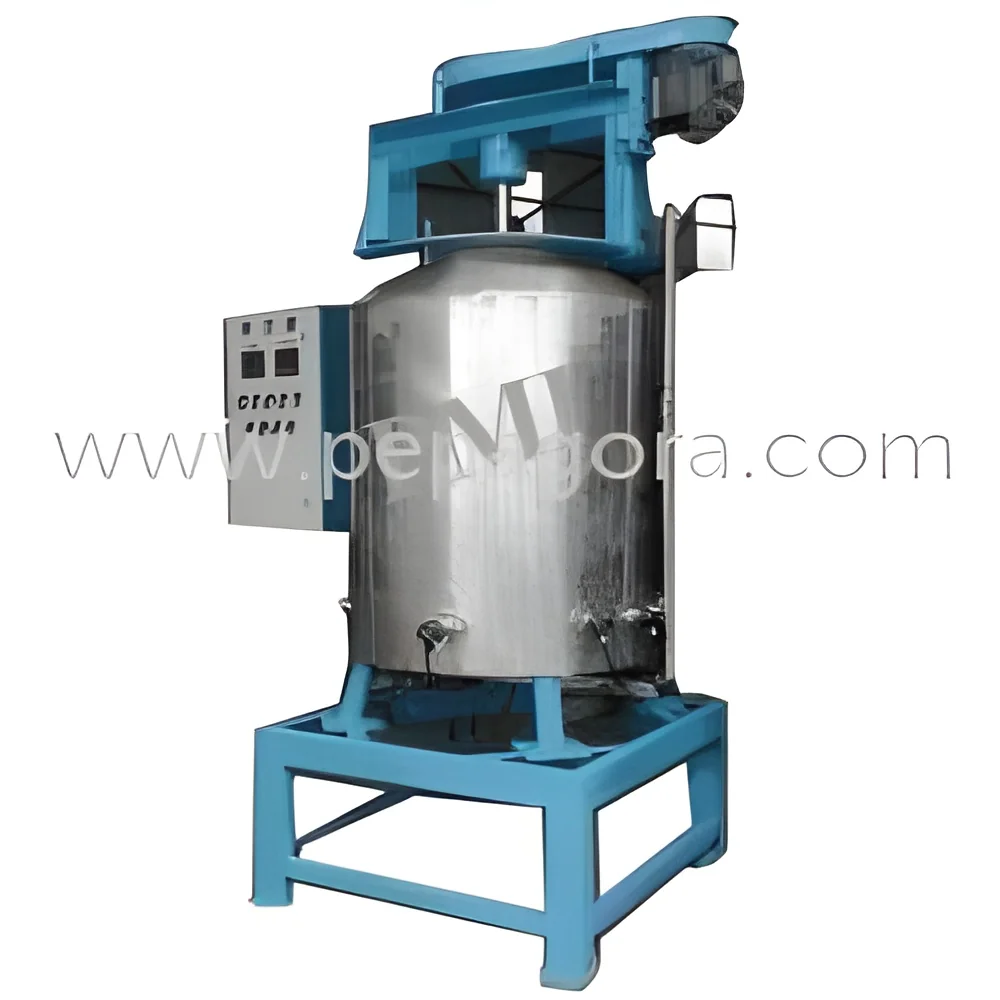
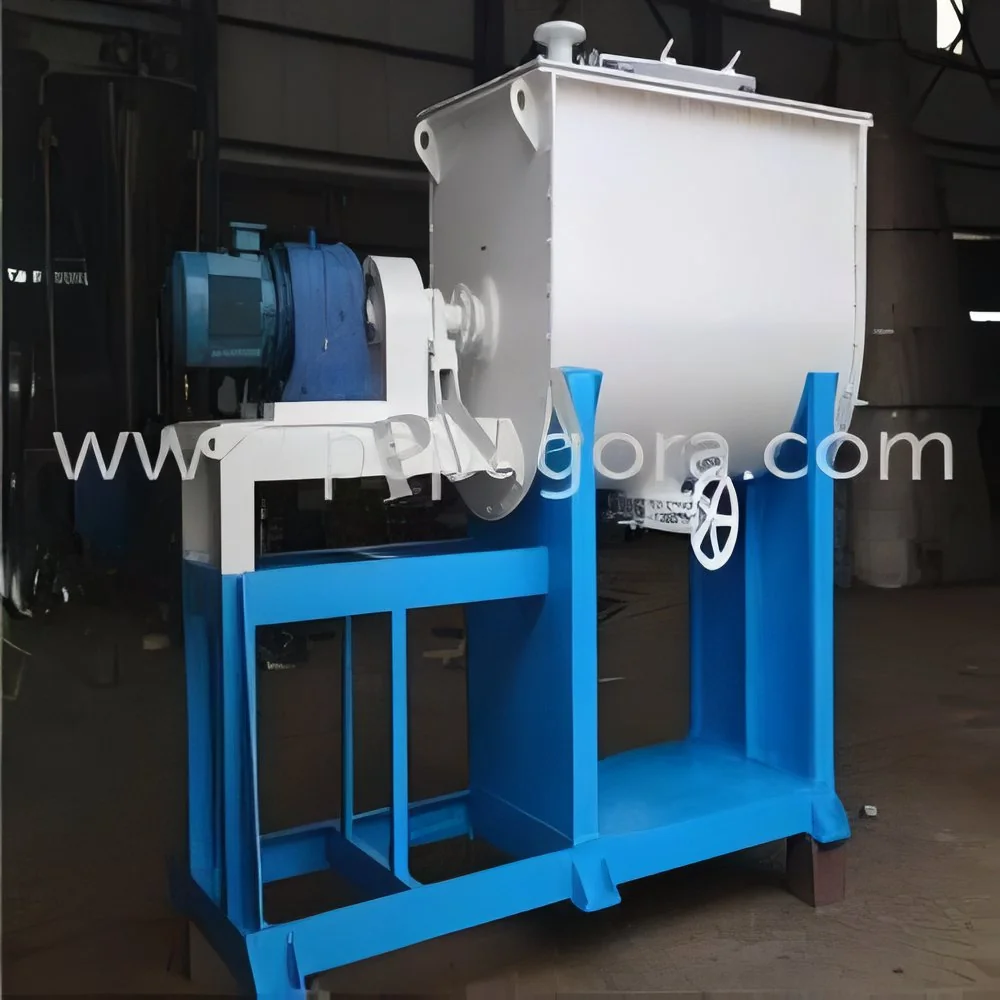
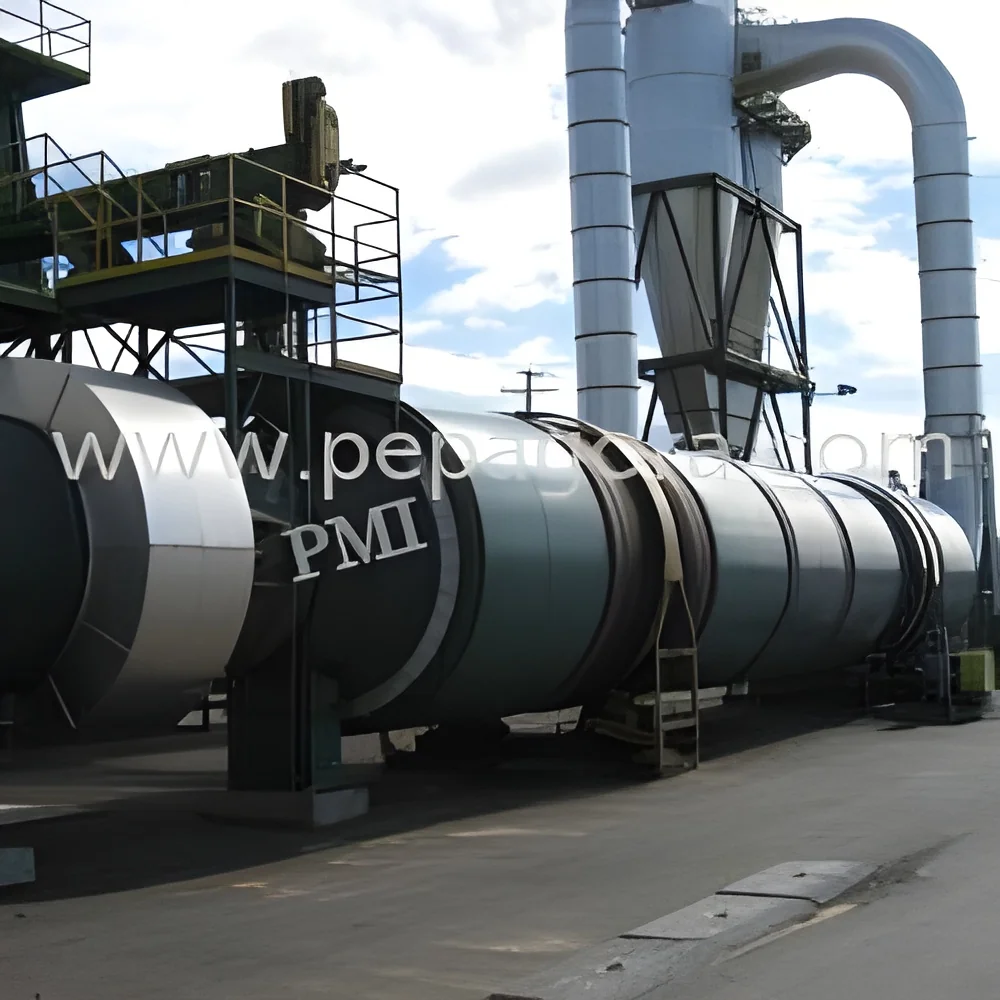
Rotary vacuum dryers deliver efficient low-temperature drying solutions for heat-sensitive materials across multiple processing industries. These advanced systems utilize a rotating jacketed vessel operating under vacuum conditions to gently remove moisture from filter cakes, press cakes, slurries, and various challenging materials. The combination of mechanical agitation and vacuum technology enables effective drying at temperatures significantly below standard atmospheric boiling points, preserving product quality and preventing thermal degradation that would occur with conventional drying methods. This careful processing approach makes these dryers indispensable for materials requiring gentle handling and precise moisture control. The robust design incorporates durable components including dust-tight housing, internally sealed stuffing boxes, and counter-weighted discharge mechanisms to ensure reliable long-term operation with minimal maintenance requirements.

These drying systems ...
Rotary vacuum dryers deliver efficient low-temperature drying solutions for heat-sensitive materials across multiple processing industries. These advanced systems utilize a rotating jacketed vessel operating under vacuum conditions to gently remove moisture from filter cakes, press cakes, slurries, and various challenging materials. The combination of mechanical agitation and vacuum technology enables effective drying at temperatures significantly below standard atmospheric boiling points, preserving product quality and preventing thermal degradation that would occur with conventional drying methods. This careful processing approach makes these dryers indispensable for materials requiring gentle handling and precise moisture control. The robust design incorporates durable components including dust-tight housing, internally sealed stuffing boxes, and counter-weighted discharge mechanisms to ensure reliable long-term operation with minimal maintenance requirements.

These drying systems serve critical functions in pharmaceutical manufacturing, chemical processing, food production, and specialty materials industries. Pharmaceutical manufacturers depend on them for drying active pharmaceutical ingredients and intermediates where precise temperature control is essential for maintaining drug efficacy and stability. Chemical processors utilize them for handling pigments, dyes, and specialty chemicals that require careful moisture removal without affecting molecular structure or properties. Food industry applications include dehydrating sensitive ingredients like flavors, nutrients, and additives where heat exposure would compromise quality attributes. The technology also finds important applications in ceramics, nanomaterials, and other advanced materials where precise moisture control directly determines final product characteristics and performance.

The operational value of rotary vacuum dryers lies in their proven reliability, processing efficiency, and consistent product quality preservation. These systems significantly reduce processing times compared to traditional drying methods while delivering uniform results across production batches. Their heavy-duty construction minimizes operational downtime and maintenance costs, providing long-term manufacturing reliability and consistent performance. The engineering design ensures optimal performance for specific application requirements, while integrated solvent recovery capabilities offer additional operational savings and environmental compliance benefits. For businesses processing high-value heat-sensitive materials, these dryers represent a strategic investment in product quality assurance and manufacturing process optimization.

Key Features:
- Jacketed cylinder design providing efficient heat transfer surfaces
- Internal revolving agitator ensuring consistent material mixing
- Dust-tight housing preventing external contamination
- Counter-weighted hinged discharge doors for smooth operation
- Internally sealed stuffing boxes maintaining vacuum integrity

Benefits:
- Preserves product quality and prevents thermal degradation
- Reduces processing time compared to conventional methods
- Ensures consistent batch-to-batch results
- Minimizes maintenance requirements and downtime
- Maintains active ingredient potency and chemical stability
Specifications
| Additional Information | |
|---|---|
| Country of Origin | India |
Application
Rotary vacuum dryers provide essential moisture removal for heat-sensitive materials across multiple industries. Their gentle low-temperature operation preserves product integrity and active properties, making them ideal for pharmaceuticals, specialty chemicals, and high-value food ingredients where quality preservation is critical. These systems handle various material forms including wet cakes, pastes, and slurries with consistent batch-to-batch reliability.
The vacuum technology lowers boiling points for efficient drying at reduced temperatures, preventing thermal degradation of sensitive compounds. This process maintains potency in pharmaceutical actives, preserves chemical structures in specialty compounds, and protects nutritional value in food ingredients. The systems excel where solvent recovery is needed or where products would degrade at conventional drying temperatures, offering versatile processing solutions.
- Drying antibiotic powders and pharmaceutical intermediates while maintaining efficacy
- Processing chemical pigments and dyes without compromising color stability
- Dehydrating food ingredients like starches and flavor compounds safely
- Handling solvent-moist materials in chemical manufacturing with recovery
- Processing ceramic and advanced material slurries before forming operations
Trade Details
| Available Stock | In Stock |
| Sample Availability | No |
Payment Terms
| Payment Terms |
|
Company Profile
Pm Industries, Maharashtra
 Maharashtra, India
Maharashtra, IndiaManufacturer•Importer / Exporter
Factory Details
Factory SizeBelow 1000 sqm
Annual Production Capacity0
Rotary Vacuum Dryer For Heat Sensitive Materials In Pharmaceuticals
Rotary vacuum dryer efficiently processes heat-sensitive materials like filter cake and slurry at low temperatures. Ideal for pharmaceuticals, chemicals, and food industries with reliable performance and consistent results.
Min. Order Quantity: 1 unit
Shipping
Shipping fee and delivery date to be negotiated. Contact supplier now for more details.
Pm Industries
 Maharashtra, India
Maharashtra, IndiaManufacturer