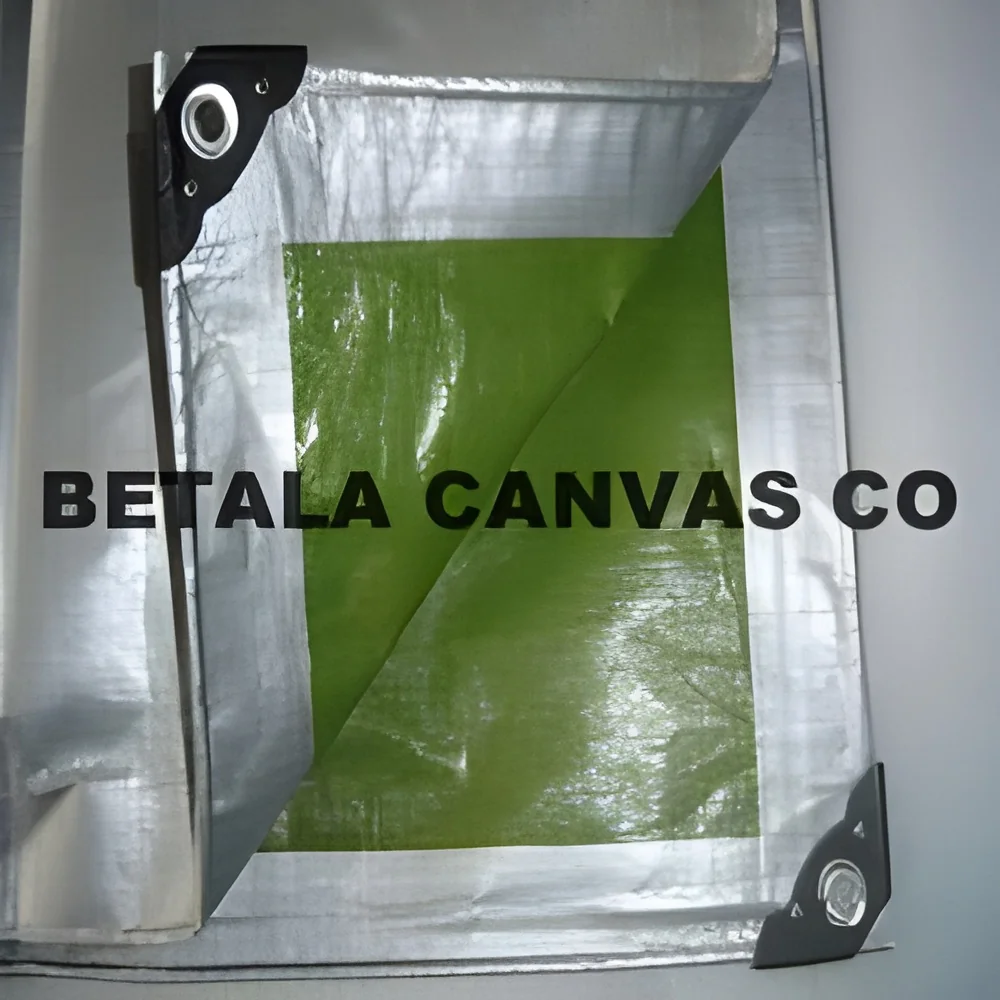
What are UV-Stabilized Films?
UV-Stabilized Films are specialized protective coverings designed to resist the damaging effects of ultraviolet (UV) radiation. These films are engineered to maintain their structural integrity and performance over extended periods of exposure to sunlight. The primary function of these films is to provide a barrier against UV rays, which can cause fading and degradation of materials beneath them. This ensures longevity and durability in various applications.
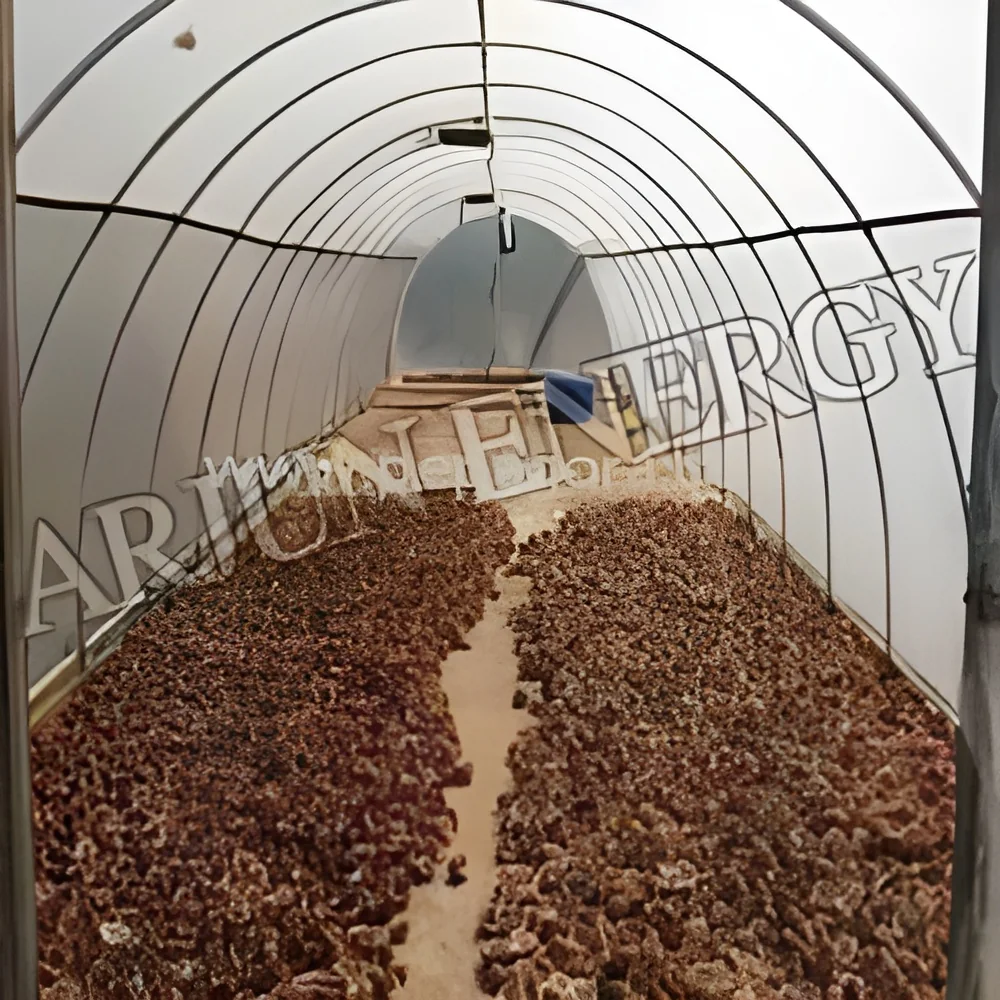
These films find extensive applications across multiple industries, including construction, automotive, agriculture, and packaging. In the construction sector, they are used to protect building materials such as roofing and siding from UV damage. In agriculture, UV-stabilized films are utilized in greenhouse applications to enhance plant growth while shielding crops from harmful solar radiation. Their relevance extends to packaging, where they help preserve product quality and appearance by blocking UV exposure.
The growing awareness of UV-related damage and sustainability concerns has led to an increased demand for UV-stabilized films in the market. Industries are continuously seeking innovative solutions that not only protect their products but also comply with environmental standards. This trend emphasizes the importance of choosing high-quality UV-stabilized films that meet specific industry requirements.
Key Features and Specifications
UV-Stabilized Films offer a variety of features that enhance their functionality and usability. Understanding these key specifications is essential for businesses that rely on these products.
Key specifications include:
1. UV Resistance
- Protects against UV radiation to prevent fading and degradation.
- Typically rated for UV protection levels ranging from 80% to 99%.
2. Durability
- Designed to withstand harsh environmental conditions.
- Resistant to tearing, puncturing, and weather elements.
3. Thickness
- Available in various thicknesses to suit different applications.
- Commonly ranges from 50 microns to 300 microns.
4. Transparency
- Options available in clear, tinted, or opaque finishes.
- Allows for visibility while providing UV protection.
5. Adhesive Properties
- Features self-adhesive or non-adhesive options.
- Ensures easy application and removal without residue.
6. Temperature Tolerance
- Capable of withstanding a wide range of temperatures.
- Typically effective in temperatures from -20°C to 80°C.
7. Chemical Resistance
- Resistant to various chemicals and pollutants.
- Suitable for use in industrial environments.
8. Customization Options
- Availability for custom sizes and shapes based on client needs.
- Tailored solutions for specific industries.
In summary, understanding the key features and specifications of UV-stabilized films can greatly influence purchasing decisions. These films are engineered to meet diverse industrial requirements while providing essential protection.
Common Applications and Use Cases
UV-Stabilized Films serve a multitude of industries, each with its specific applications.
1. Construction: In the construction industry, UV-stabilized films are commonly used to protect roofing materials and sidings from UV damage, thus extending the life of buildings.
2. Automotive: These films are applied to car windows and surfaces to prevent fading and deterioration of interior materials, enhancing the vehicle's longevity and aesthetic appeal.
3. Agriculture: In agriculture, UV-stabilized films are utilized in greenhouses to control sunlight exposure, improving plant growth while safeguarding crops from harmful rays.
4. Packaging: In packaging, these films are applied to protect products from UV exposure, which can lead to spoilage or loss of quality, especially for food and beverages.
5. Electronics: UV-stabilized films are used in the electronics industry to shield sensitive components from UV radiation, ensuring performance and durability.
6. Signage: In outdoor signage, these films help maintain vibrant colors and visibility over time, protecting against sun damage.
7. Marine: In the marine industry, UV films are applied to boats and equipment to resist degradation from saltwater and UV exposure.
Product Variants and Subcategories
UV-Stabilized Films are available in various forms to cater to different industry needs.
Clear UV-Stabilized Film
This variant offers high transparency while providing excellent UV protection. It is ideal for applications where visibility is essential, such as in automotive and construction.
Tinted UV-Stabilized Film
This version comes with a tinted finish, reducing glare and enhancing aesthetics. Commonly used in architectural applications, it provides both protection and style.
Reflective UV-Stabilized Film
Designed to reflect UV rays while maintaining visibility, this variant is often used in commercial buildings to reduce heat gain and improve energy efficiency.
Textured UV-Stabilized Film
This film features a textured surface for added grip and aesthetic appeal. It is commonly used in displays and retail environments.
Benefits and Advantages
UV-Stabilized Films offer numerous benefits that make them an essential choice for many businesses.
1. Enhanced Durability: These films are designed to withstand harsh conditions, ensuring long-lasting performance in various applications.
2. Cost-Effectiveness: By protecting underlying materials from UV damage, these films reduce maintenance costs and extend the lifespan of products.
3. Improved Aesthetics: UV-stabilized films maintain the appearance of products, preventing fading and discoloration over time.
4. Versatility: They can be tailored for specific applications across diverse industries, making them adaptable to various needs.
5. Environmental Protection: By reducing the degradation of materials, these films contribute to sustainability efforts, minimizing waste and resource use.
6. Easy Application: Many UV-stabilized films come with user-friendly installation options, making it easier for businesses to implement them.
Buying Guide for B2B Buyers
When sourcing UV-Stabilized Films, it is crucial for B2B buyers to consider several factors to ensure they make informed decisions.
1. Quality Assessment: Evaluate manufacturers based on their production processes and materials to ensure high-quality films that meet industry standards.
2. Supplier Verification: Research suppliers to verify their credibility, including checking reviews and industry reputation, to ensure reliability.
3. Pricing and MOQ: Understand the pricing structure and minimum order quantities to align with budget and inventory needs.
4. Delivery and Lead Times: Confirm logistics and lead times to ensure timely delivery that meets project schedules.
5. Compliance Requirements: Check for compliance with relevant regulations and standards to ensure the films meet safety and quality expectations.
Compliance and Certifications
Compliance and certifications play a crucial role in the assurance of quality and safety for UV-Stabilized Films. Many manufacturers adhere to recognized quality standards such as ISO 9001, which ensures consistent quality management systems. Additionally, compliance with HACCP (Hazard Analysis and Critical Control Points) is essential in industries related to food safety and packaging.
Certifications such as CE indicate that the films meet European safety standards, providing assurance for buyers. Manufacturers often conduct rigorous safety and testing requirements to guarantee that the films perform as expected under various conditions.
Regional compliance considerations may vary, so it is vital for businesses to understand local regulations and ensure that the products they source meet these standards. This diligence not only ensures safety and reliability but also protects businesses from potential legal issues.
Why Source UV-Stabilized Films from Pepagora?
Pepagora provides a trusted platform for sourcing UV-Stabilized Films with multiple key advantages that enhance the buying experience for businesses.
Verified Supplier Network: Pepagora features a comprehensive network of verified suppliers, ensuring that buyers can access high-quality products from reputable manufacturers. This verification process helps mitigate risks associated with sourcing.
Streamlined RFQ Process: The request for quotation process at Pepagora is designed to be efficient and user-friendly. Buyers can easily compare options and receive timely responses from suppliers, facilitating informed decision-making.
Trade Assurance and Support: Pepagora offers trade assurance and support to buyers, providing an added layer of protection. This ensures that transactions are secure and that buyers have access to assistance when needed.
Regional Coverage: With a wide geographic reach that includes India, the GCC, and Southeast Asia, Pepagora connects buyers with suppliers across these regions, making it easier to find suitable products that meet local market needs.
In conclusion, sourcing UV-Stabilized Films through Pepagora not only simplifies the procurement process but also enhances the overall experience for businesses seeking reliable solutions.

 IN
IN