Key Features and Specifications
UPS systems come equipped with a variety of features that enhance their performance and reliability. Understanding these features is crucial when selecting the right UPS for specific applications.
Key specifications include:
1. Power Capacity
- Measured in VA (Volt-Amperes) or kVA (Kilovolt-Amperes)
- Determines the maximum load the UPS can support
2. Battery Runtime
- Indicates how long the UPS can supply power during an outage
- Varies based on the load and battery configuration
3. Input Voltage Range
- Defines the acceptable voltage range for the UPS to operate
- Typically ranges from 100V to 300V depending on the model
4. Output Waveform
- Describes the type of power output (Sine Wave, Modified Sine Wave)
- Affects compatibility with sensitive electronic devices
5. Efficiency Rating
- Indicates how effectively the UPS converts input power to output power
- Higher efficiency reduces energy costs
6. Communication Interfaces
- Includes USB, RS-232, and SNMP for monitoring and management
- Enables remote access and control of the UPS
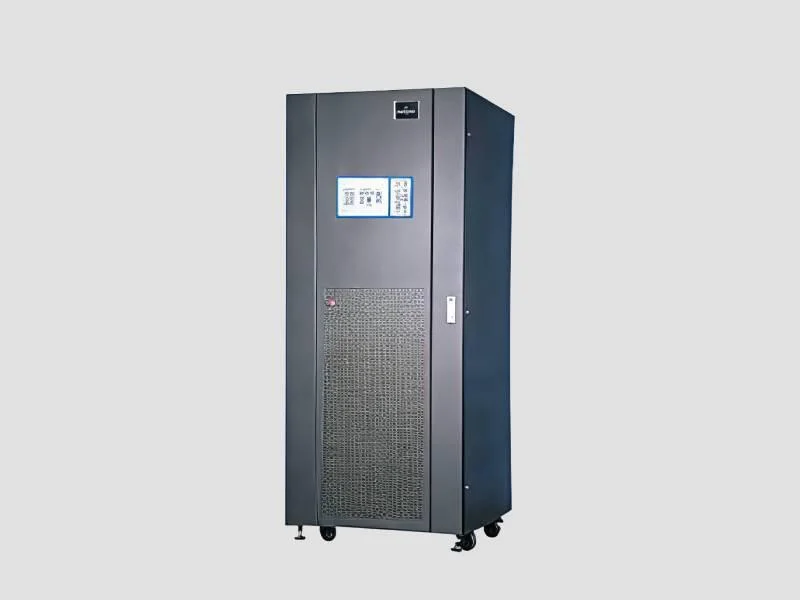
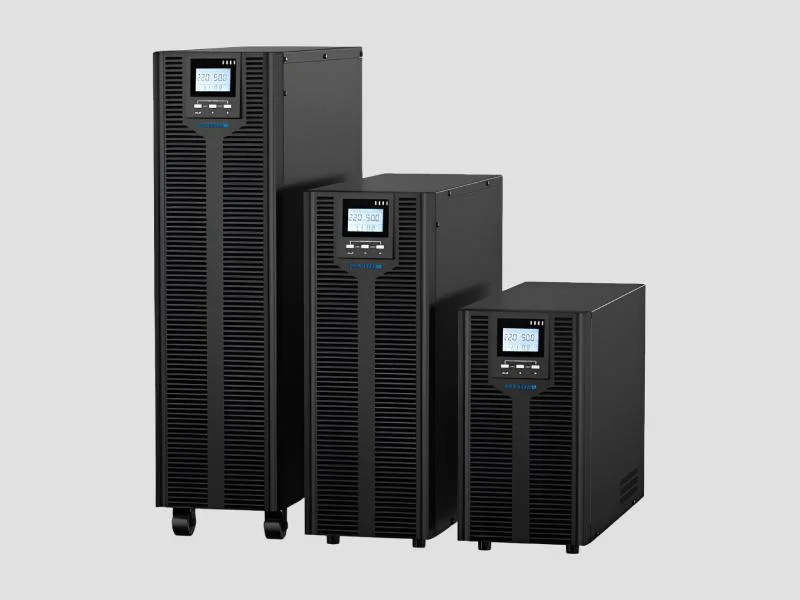
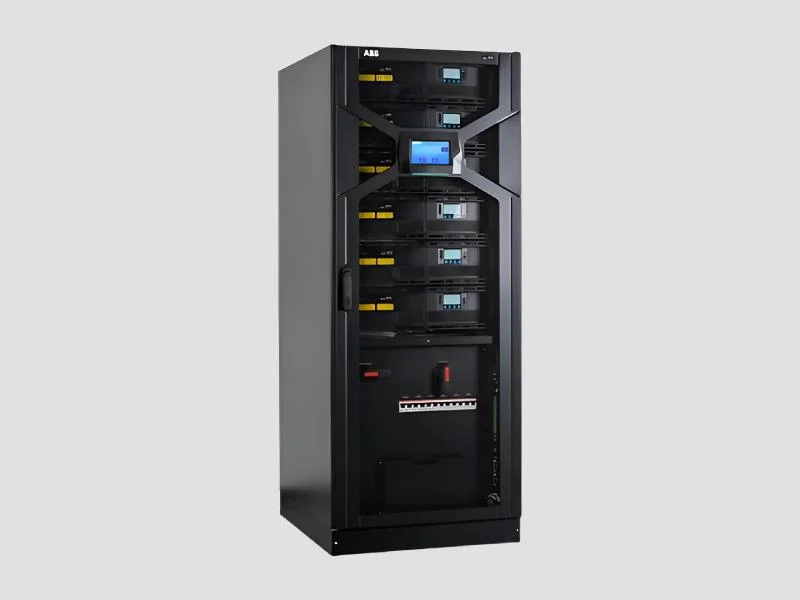
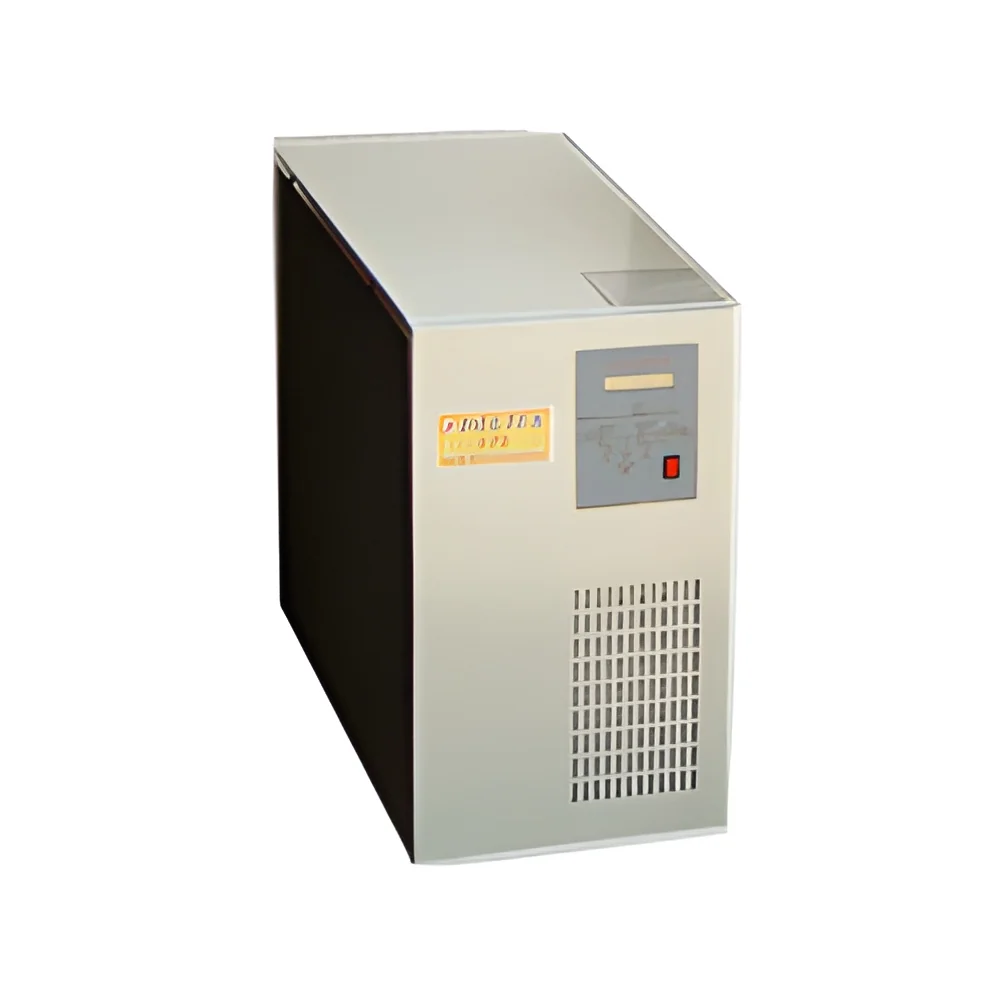
7. Form Factor
- Refers to the physical size and design of the UPS
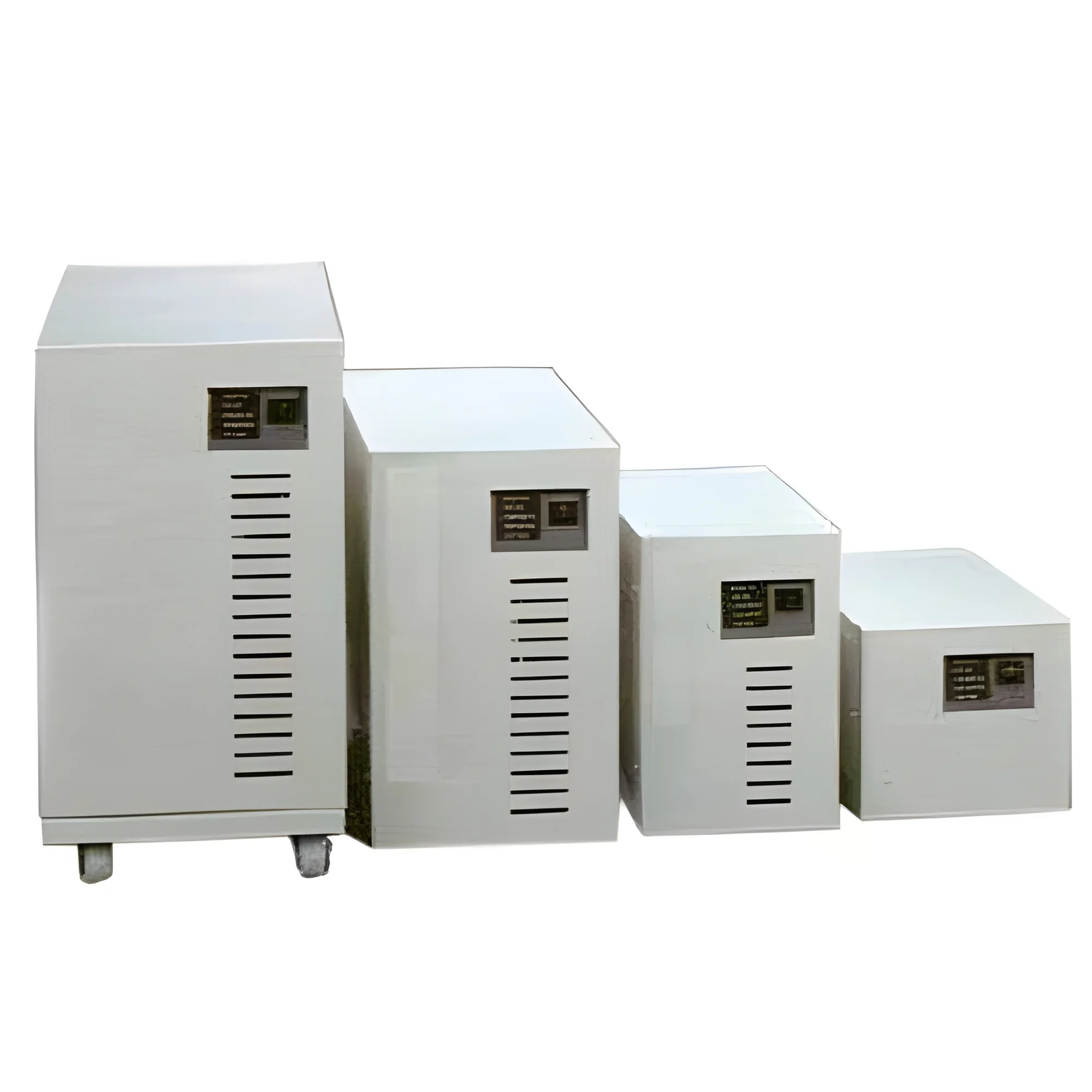
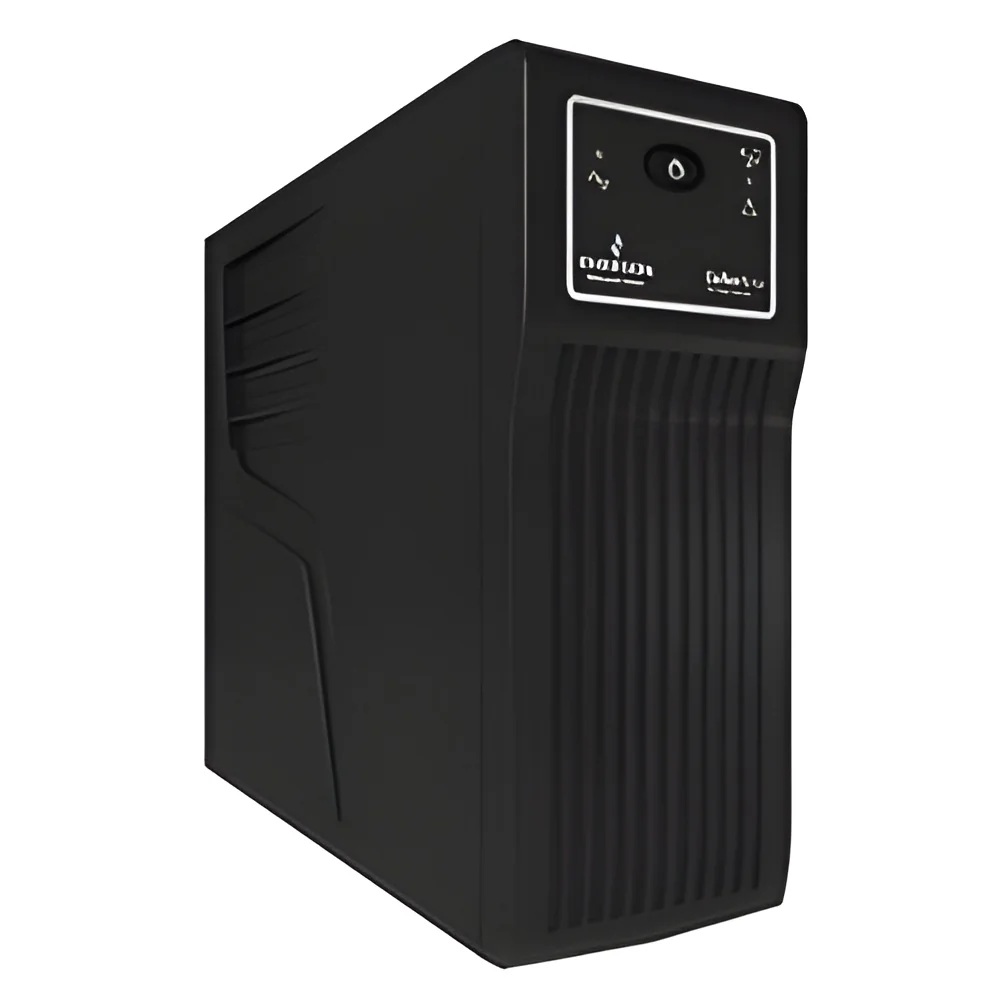
- Options include tower, rack-mounted, or modular designs
8. Operating Temperature
- Specifies the temperature range within which the UPS can function optimally
- Typically between 0°C to 40°C
In summary, understanding the key features and specifications of UPS systems is vital for ensuring the right choice for your business needs.
Common Applications and Use Cases
UPS systems are utilized across various industries to mitigate the risks associated with power outages.
1. Information Technology: UPS systems protect servers and networking equipment from data loss during power failures, ensuring continuous operation.
2. Healthcare: Hospitals depend on UPS systems to maintain power for critical medical equipment, safeguarding patient care during outages.
3. Manufacturing: In industrial settings, UPS systems help prevent production downtime by providing backup power to machinery and control systems.
4. Financial Services: Banks and financial institutions rely on UPS systems to protect sensitive transaction data and maintain operational integrity.
5. Telecommunications: UPS systems ensure that communication networks remain operational, preventing service interruptions during power failures.
6. Education: Schools and universities use UPS systems to protect IT infrastructure, ensuring uninterrupted access to educational resources.
7. Retail: UPS systems safeguard point-of-sale systems and inventory management systems, maintaining operations during outages.
Product Variants and Subcategories
UPS systems come in a variety of configurations to meet diverse needs.
Online UPS
Online UPS systems provide continuous power without interruption. They are ideal for environments where power quality is critical, such as data centers and hospitals. Their double conversion design ensures a clean power supply.
Offline UPS
Offline UPS systems are more cost-effective and suitable for less critical applications. They provide backup power only when a power outage occurs. These systems are commonly used in small offices and home environments.
Benefits and Advantages
Investing in UPS systems offers numerous advantages for businesses.
1. Continuous Power Supply: UPS systems ensure that critical equipment remains operational during power outages, minimizing downtime.
2. Protection Against Surges: They protect sensitive electronics from voltage spikes and surges, extending the lifespan of the equipment.
3. Enhanced Data Security: By preventing sudden power loss, UPS systems safeguard data integrity, reducing the risk of data loss.
4. Easy Integration: Many UPS systems can be easily integrated into existing electrical infrastructures, providing a straightforward solution for backup power.
5. Remote Monitoring: Advanced UPS systems offer remote monitoring capabilities, enabling proactive management and maintenance.
6. Energy Efficiency: Modern UPS systems are designed for high efficiency, reducing energy consumption and operational costs.
Buying Guide for B2B Buyers
When sourcing UPS Systems (Online, Offline), it is essential to consider various factors to ensure you choose the right solution.
1. Quality Assessment: Evaluate the build quality and reliability of the UPS systems. Look for products that meet industry standards and have positive reviews from users.
2. Supplier Verification: Vet suppliers to ensure they are reputable and provide reliable products. Check for certifications and customer feedback.
3. Pricing and MOQ: Understand the pricing structure and minimum order quantities. Compare prices across different suppliers to find competitive offers.
4. Delivery and Lead Times: Consider the logistics of delivery. Ensure the supplier can meet your required timelines for installation and deployment.
5. Compliance Requirements: Verify that the UPS systems meet regional compliance standards and certifications, ensuring they are suitable for your operational needs.
Compliance and Certifications
Compliance and certifications are critical aspects of UPS systems, ensuring they meet industry standards and safety requirements.
Relevant quality standards, such as ISO 9001, guarantee that products are manufactured under rigorous quality management principles. This standard ensures consistent quality and continuous improvement.
Industry certifications like CE demonstrate that the UPS systems comply with European safety and health regulations. This certification assures buyers of the product's reliability and safety.
Safety and testing requirements are crucial for UPS systems, as they must undergo rigorous testing to ensure they can handle power fluctuations and protect connected equipment.
Regional compliance considerations are vital, as different regions may have specific regulations governing electrical products. Ensure that your selected UPS systems comply with local laws and standards.
Why Source UPS Systems (Online, Offline) from Pepagora?
Pepagora provides a trusted platform for sourcing UPS Systems (Online, Offline), offering several key advantages that set it apart from competitors.
Verified Supplier Network: Pepagora connects buyers with a network of verified suppliers, ensuring that the products meet quality and reliability standards. This network helps buyers make informed decisions based on supplier reputation and product performance.
Streamlined RFQ Process: The platform simplifies the Request for Quotation (RFQ) process, allowing buyers to easily request quotes from multiple suppliers. This feature saves time and ensures competitive pricing.
Trade Assurance and Support: Pepagora offers buyer protection through trade assurance programs, ensuring that purchases are secure. Support services are available to assist buyers throughout the purchasing process.
Regional Coverage: With a strong presence in India, the GCC, and Southeast Asia, Pepagora provides extensive regional coverage. This geographic reach ensures that buyers can access UPS systems tailored to their specific market needs.
In conclusion, sourcing UPS Systems from Pepagora guarantees quality, competitive pricing, and reliable support, making it the ideal choice for businesses seeking dependable power solutions.

 IN
IN

 India
India