IN
IN₹
Apparel & Fashion
Description
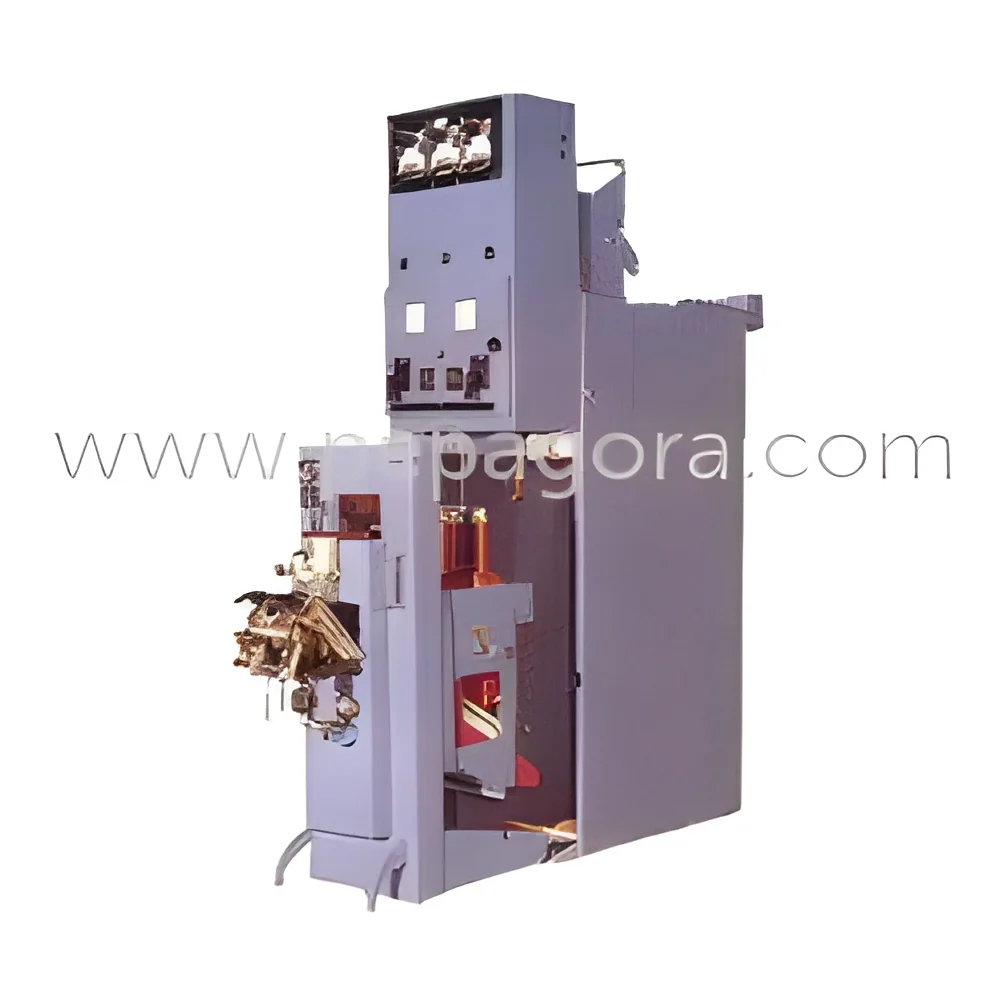
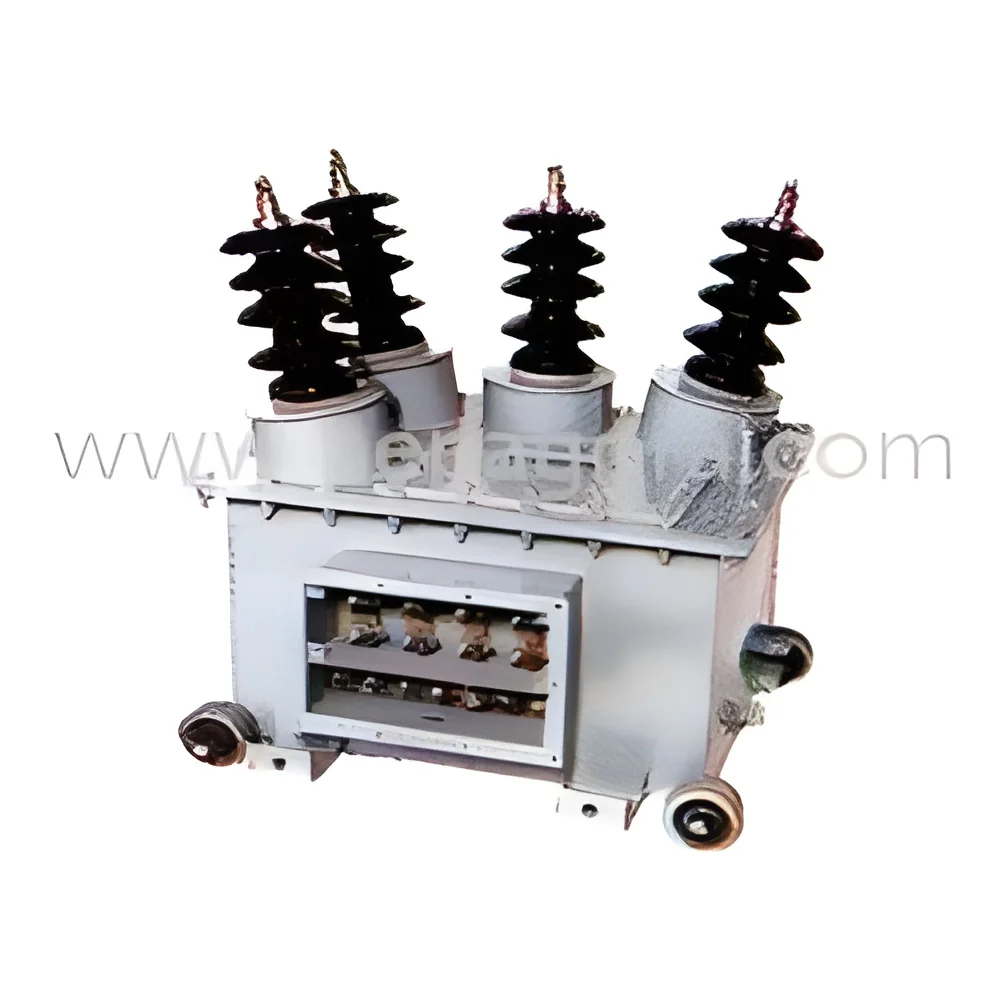
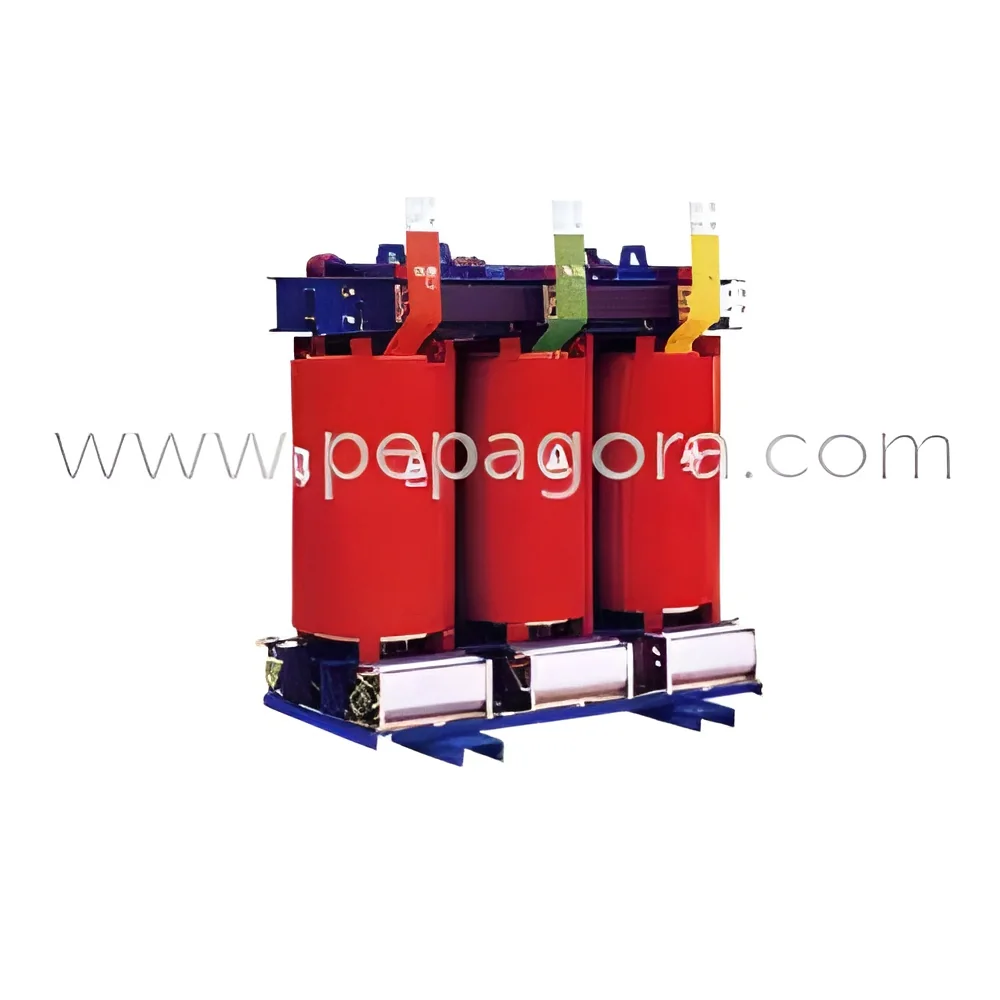
Industrial dry type transformers represent advanced power distribution solutions engineered for demanding environments where safety, reliability, and minimal maintenance are paramount. These transformers utilize innovative air-cooling technology that completely eliminates the fire hazards associated with traditional oil-filled units. Designed to operate efficiently in harsh conditions, they deliver consistent performance without needing complex containment systems or specialized ventilation infrastructure. The fire-resistant cooling mechanism ensures environmental protection while maintaining stable power transmission across various applications. Their durable construction withstands challenging industrial environments while providing reliable power distribution close to electrical loads, reducing transmission losses and improving overall system efficiency.

These transformers find extensive application across multiple industries where electrical safety and operational reliability are ...
Industrial dry type transformers represent advanced power distribution solutions engineered for demanding environments where safety, reliability, and minimal maintenance are paramount. These transformers utilize innovative air-cooling technology that completely eliminates the fire hazards associated with traditional oil-filled units. Designed to operate efficiently in harsh conditions, they deliver consistent performance without needing complex containment systems or specialized ventilation infrastructure. The fire-resistant cooling mechanism ensures environmental protection while maintaining stable power transmission across various applications. Their durable construction withstands challenging industrial environments while providing reliable power distribution close to electrical loads, reducing transmission losses and improving overall system efficiency.

These transformers find extensive application across multiple industries where electrical safety and operational reliability are critical considerations. Manufacturing facilities depend on them for powering heavy machinery, production lines, and automated systems without fire risks. Commercial buildings install them in basements, upper floors, and confined spaces where proximity to electrical loads improves efficiency and reduces infrastructure costs. Healthcare institutions rely on them for critical medical equipment due to their non-toxic operation and enhanced safety features. Data centers incorporate them into server room infrastructure where fire safety is absolutely essential for business continuity. Renewable energy projects utilize them in solar and wind power installations where environmental considerations, maintenance access, and reliability are significant operational factors.

The business value of these dry type transformers lies in their exceptional reliability, long-term operational efficiency, and reduced total cost of ownership. They eliminate the need for expensive fire-proof containment systems and toxic gas ventilation infrastructure, significantly reducing initial installation costs and space requirements. Their minimal maintenance requirements translate to lower operational expenses, reduced downtime, and enhanced overall productivity. The robust construction ensures extended service life and consistent performance under demanding conditions, providing excellent return on investment. With superior efficiency ratings and improved emergency overload capabilities, these transformers deliver substantial energy savings and reduced lifecycle costs compared to conventional alternatives, making them a smart investment for forward-thinking operations.

Key Features:
- Fire-resistant and oil-free air-cooling technology for enhanced safety
- Minimal maintenance requirements even in harsh operating conditions
- Robust construction designed for demanding industrial environments
- High efficiency with improved emergency overload capability
- Easy installation near electrical loads without special containment

Benefits:
- Enhanced safety with no fire hazards or environmental contamination risks
- Reduced maintenance costs and minimal operational downtime
- Lower installation costs without need for special ventilation systems
- Reliable performance in challenging conditions and harsh environments
- Energy efficiency and long-term cost savings over transformer lifecycle
Specifications
| Additional Information | |
|---|---|
| Country of Origin | India |
Application
Industrial dry type transformers are essential for safe, reliable power distribution where fire safety is non-negotiable and maintenance access is limited. Their oil-free, air-cooled design eliminates fire hazards and environmental contamination, making them perfect for indoor installations and locations with strict safety regulations. The robust construction ensures consistent operation without complex containment systems or special ventilation requirements, providing peace of mind in critical applications.
These versatile transformers serve diverse sectors requiring dependable power near electrical loads. Manufacturing plants use them to power machinery and production lines safely. Commercial buildings install them in basements, upper floors, and tight spaces. Infrastructure projects select them where space constraints and safety concerns limit traditional options. Their reliability makes them suitable for environments where power continuity is crucial for operations and safety.
- Manufacturing facilities for powering heavy machinery and production lines
- Commercial building electrical systems in basements and upper floors
- Healthcare institutions for critical medical equipment power
- Data centers and server room infrastructure
- Renewable energy installations including solar and wind farms
Trade Details
| Available Stock | In Stock |
| Sample Availability | No |
Payment Terms
| Payment Terms |
|
Company Profile
Basant Transformers, Punjab
 Punjab, India
Punjab, IndiaTools & Hardware•Manufacturer•Distributor / Wholesaler
Factory Details
Factory SizeBelow 1000 sqm
Annual Production Capacity0
Industrial Dry Type Transformers For Reliable Power Distribution
Industrial dry type transformers provide reliable power distribution with fire-resistant cooling and minimal maintenance. Ideal for harsh environments, they ensure safety and easy installation near electrical loads for consistent performance.
Min. Order Quantity: 1 unit
Shipping
Shipping fee and delivery date to be negotiated. Contact supplier now for more details.
Basant Transformers
 Punjab, India
Punjab, IndiaTools & HardwareManufacturer