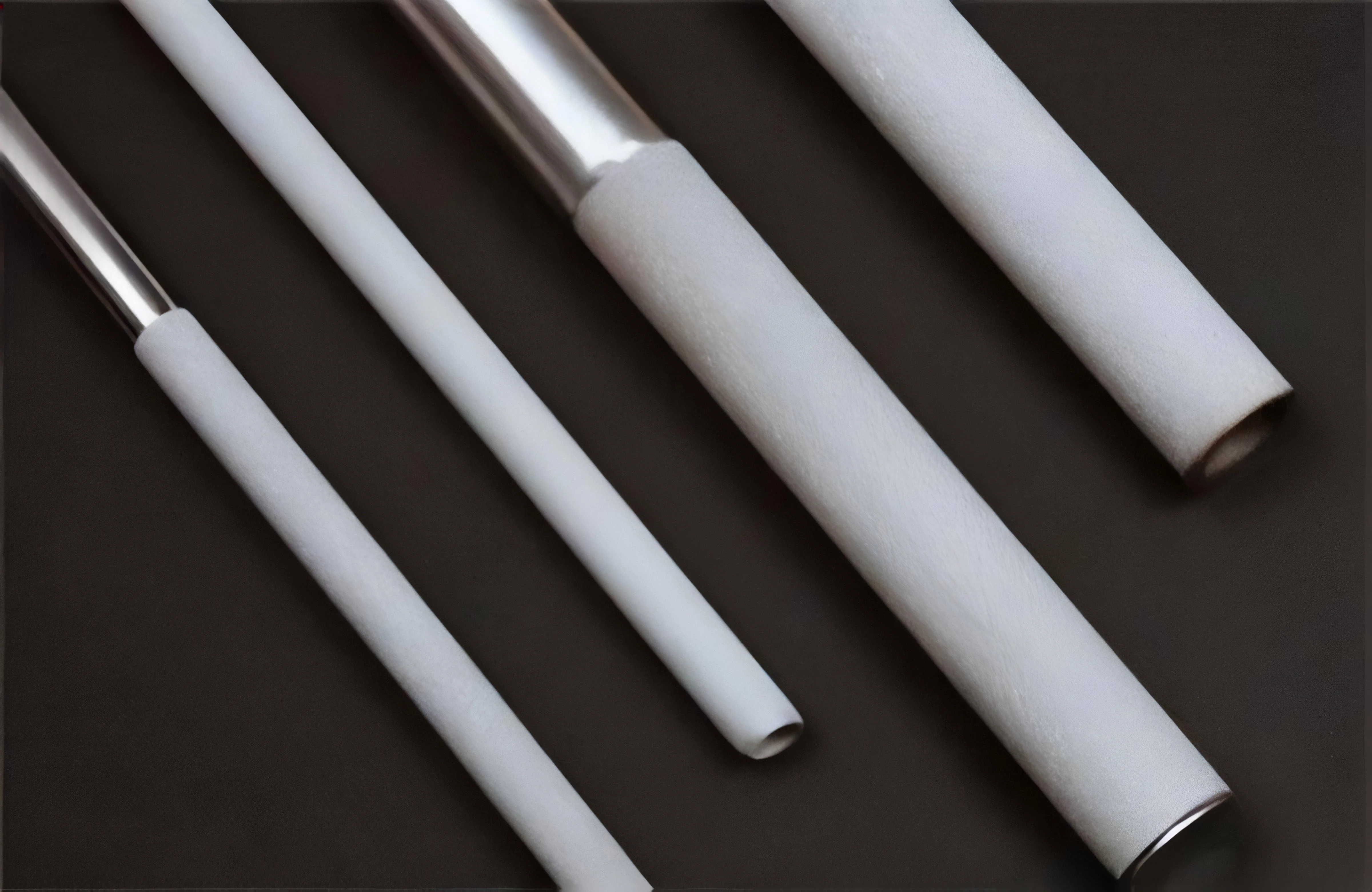
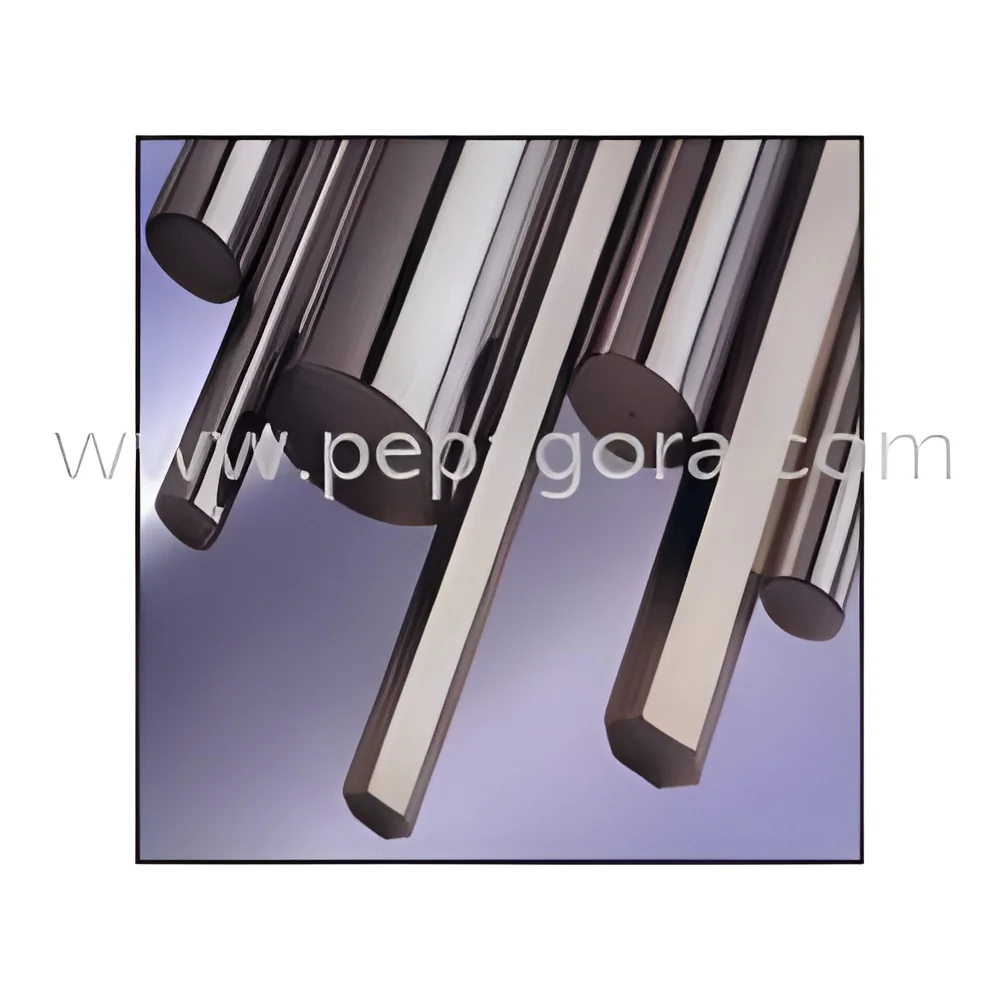
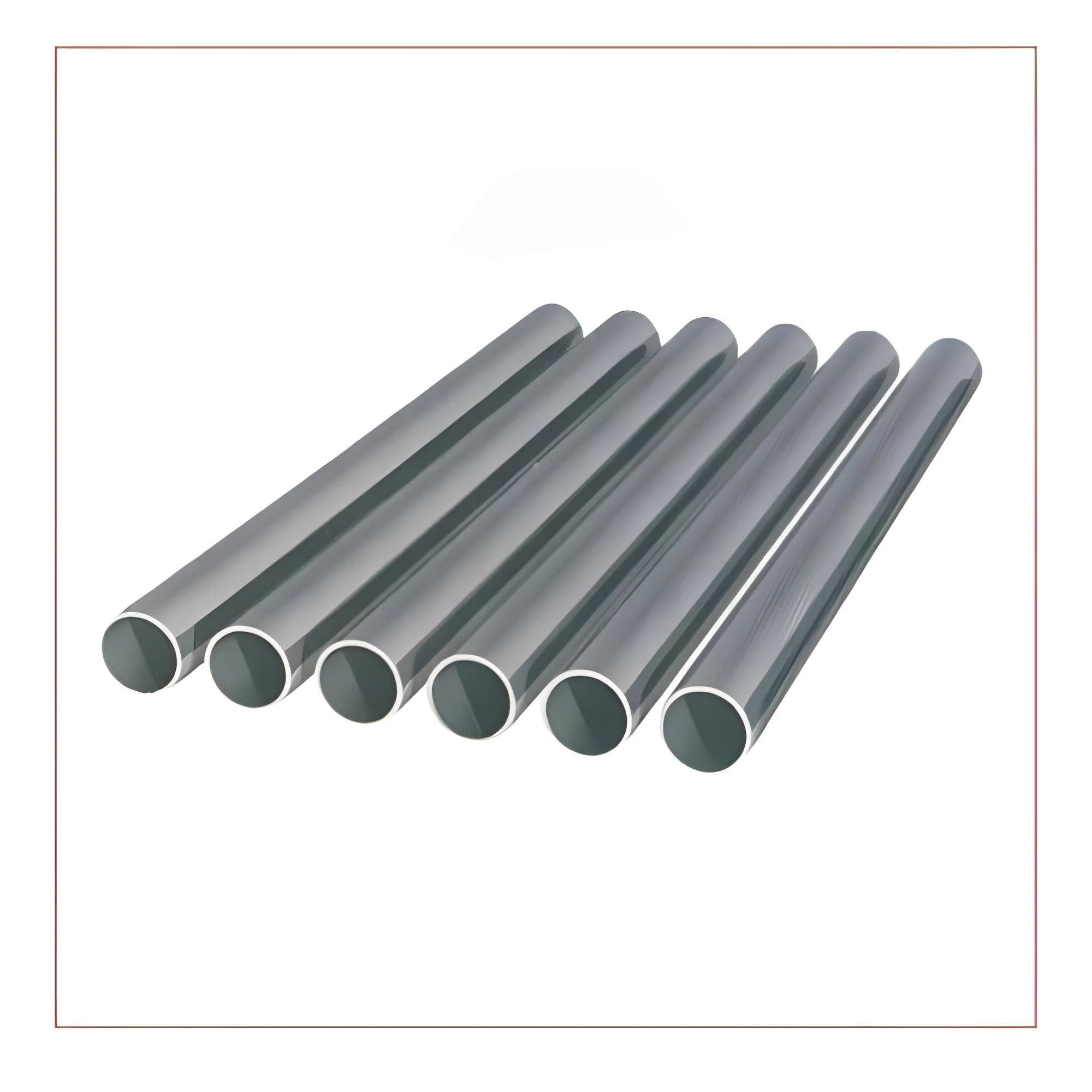
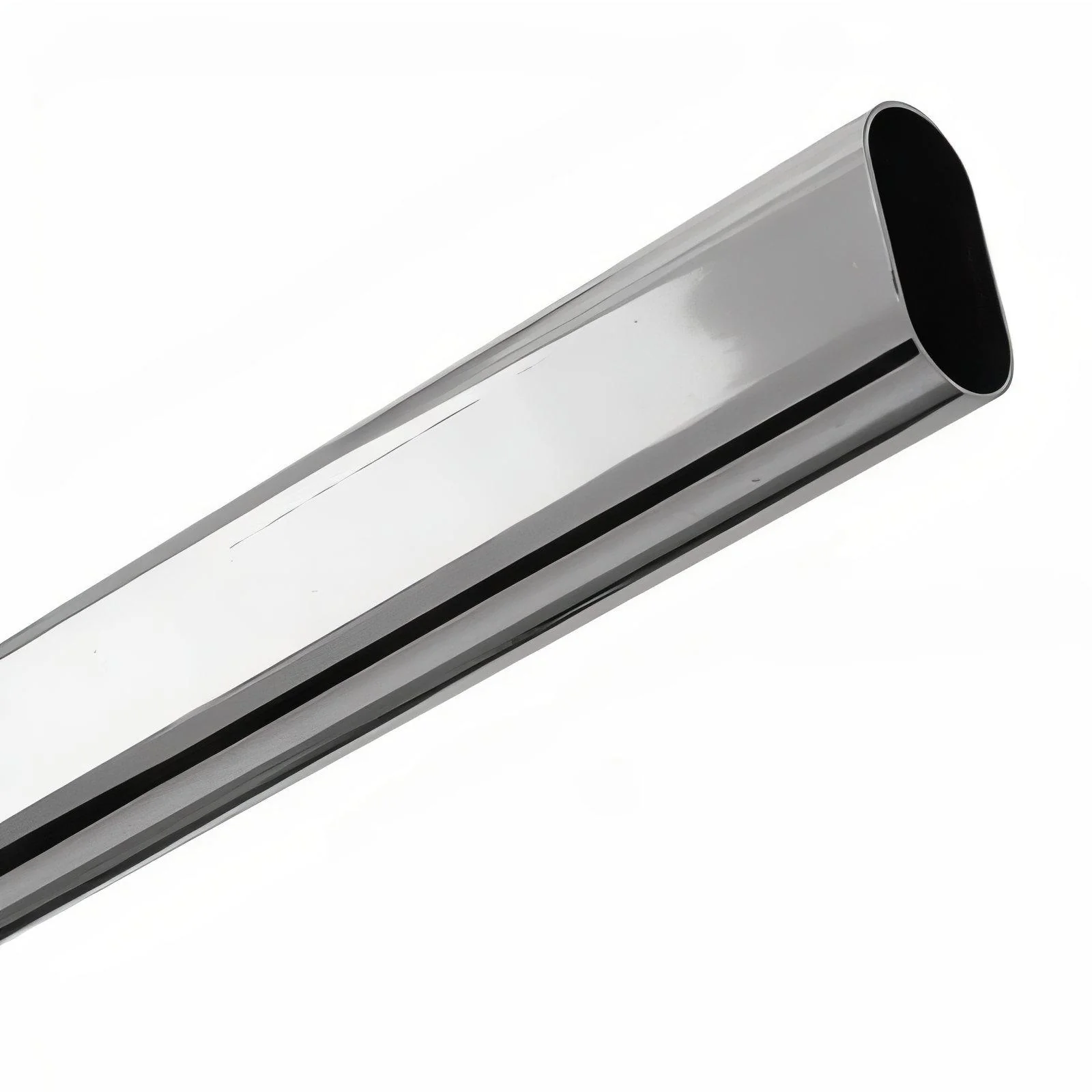
What are Stainless Steel Pipes?
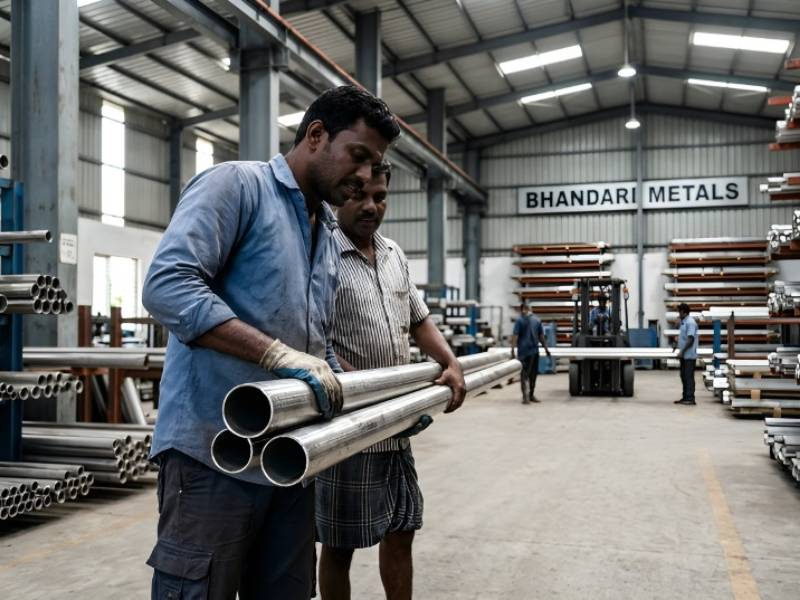
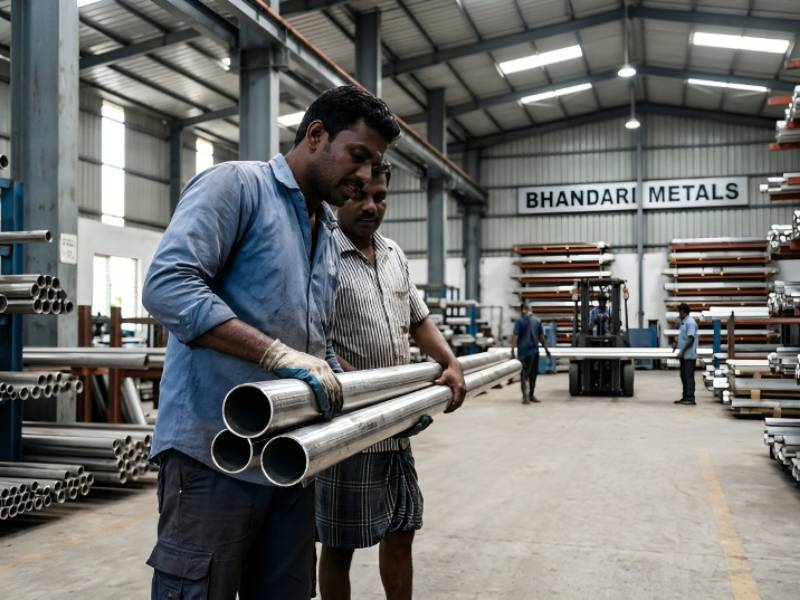
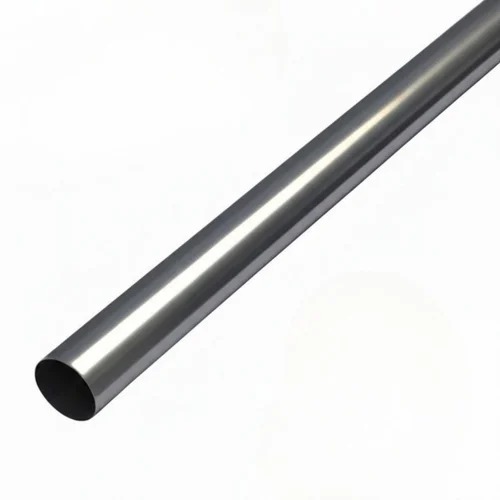
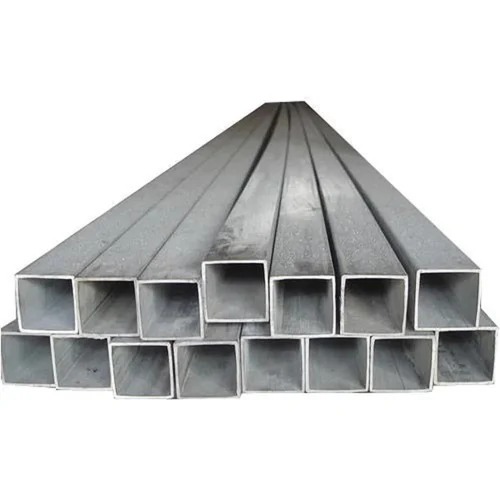
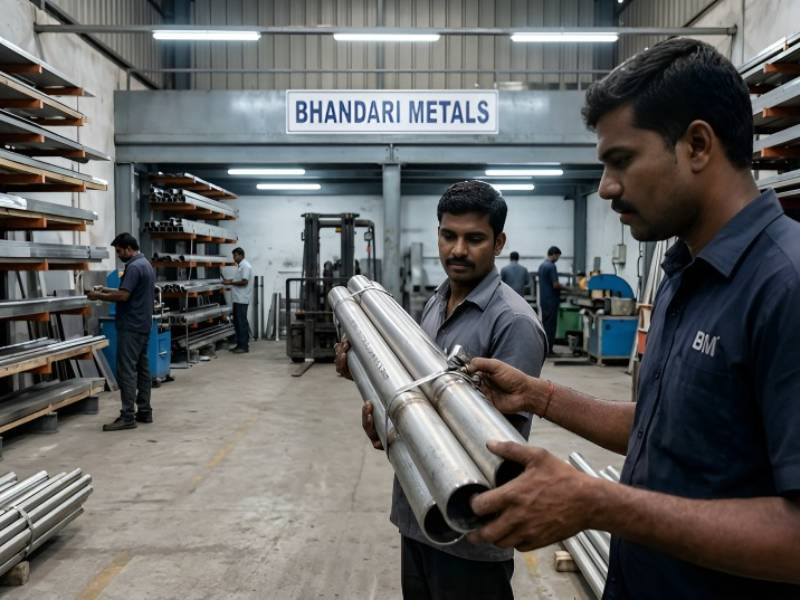
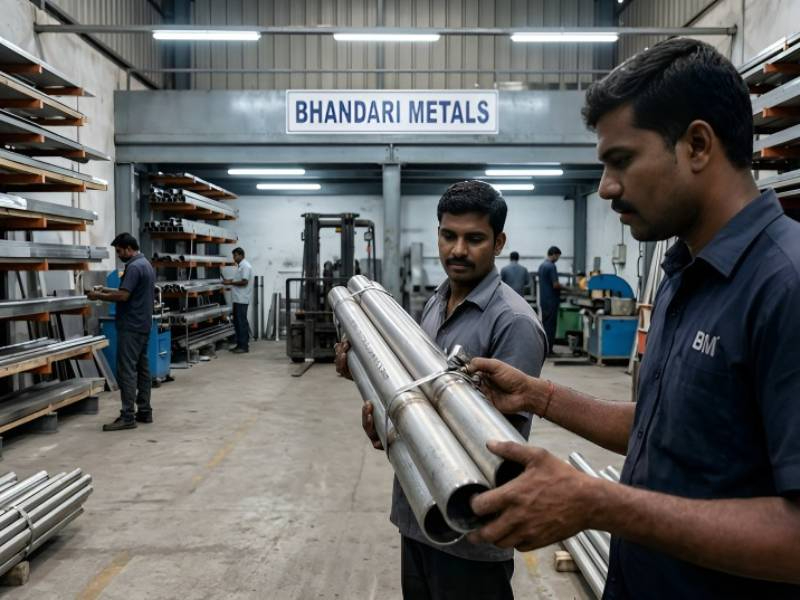
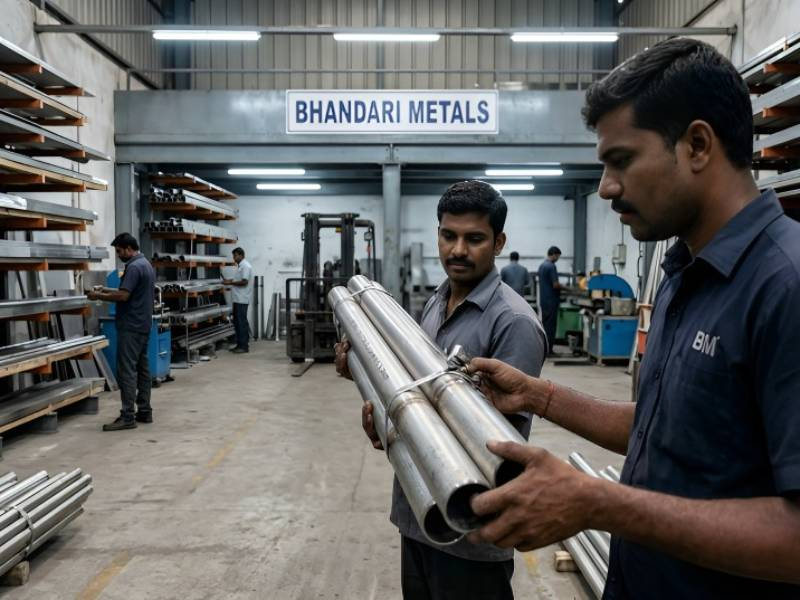
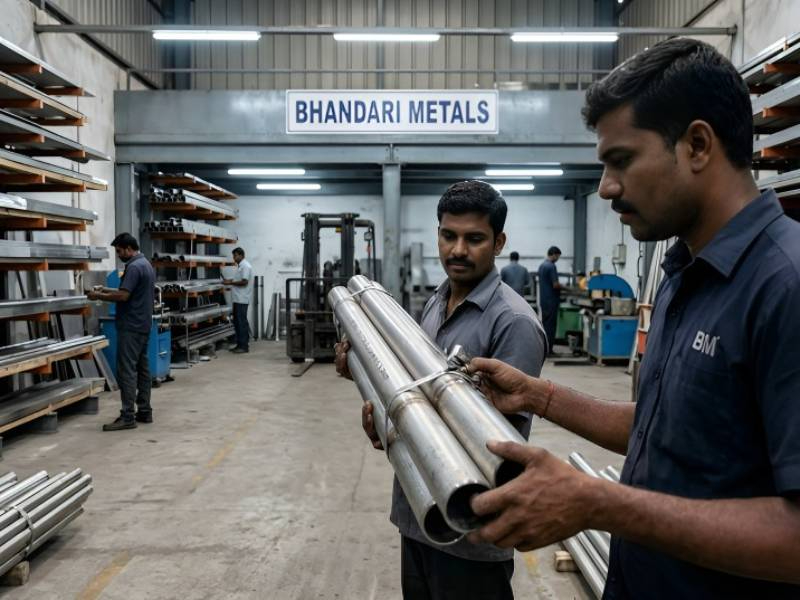
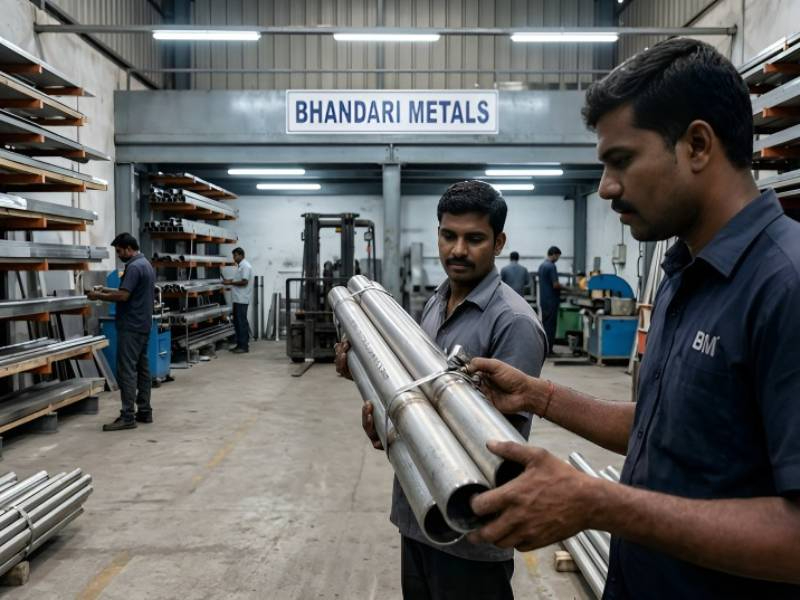
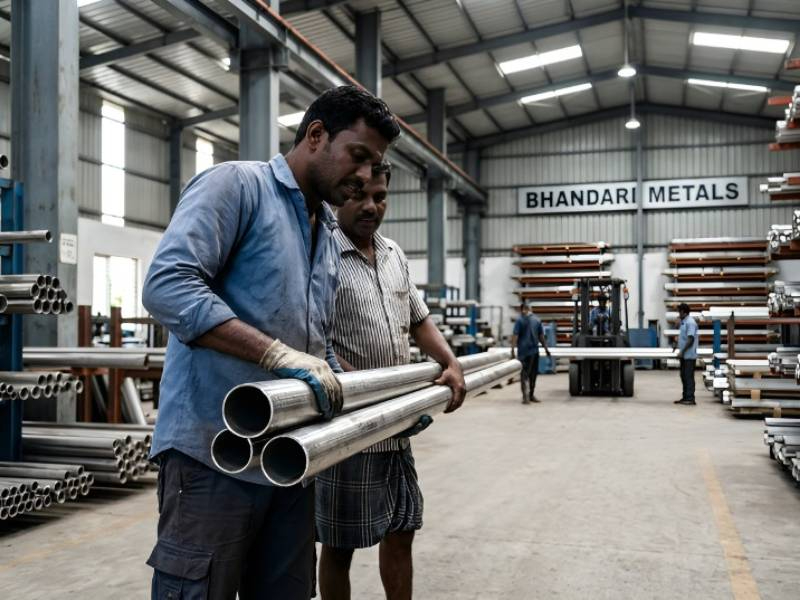
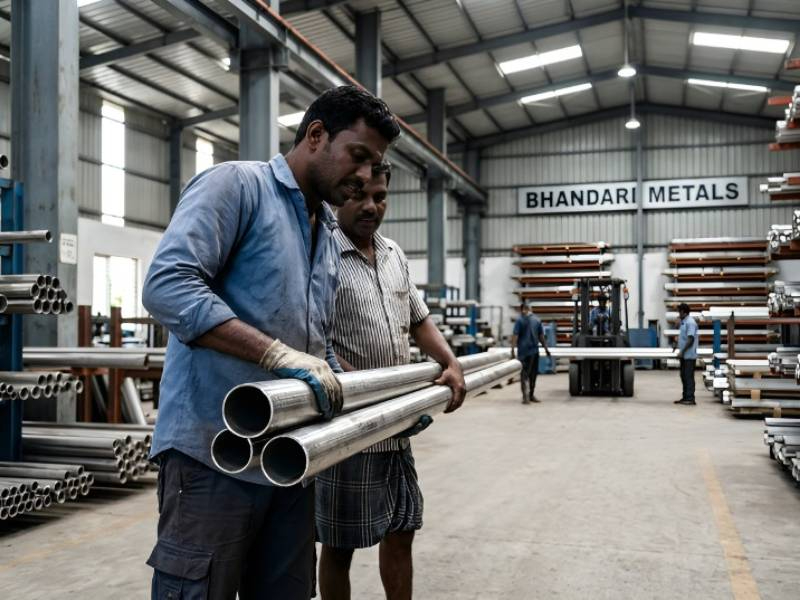
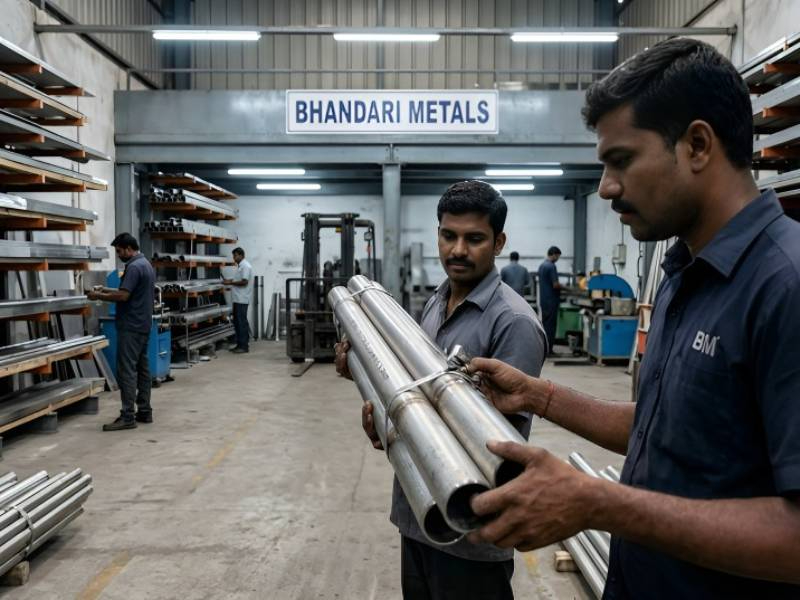
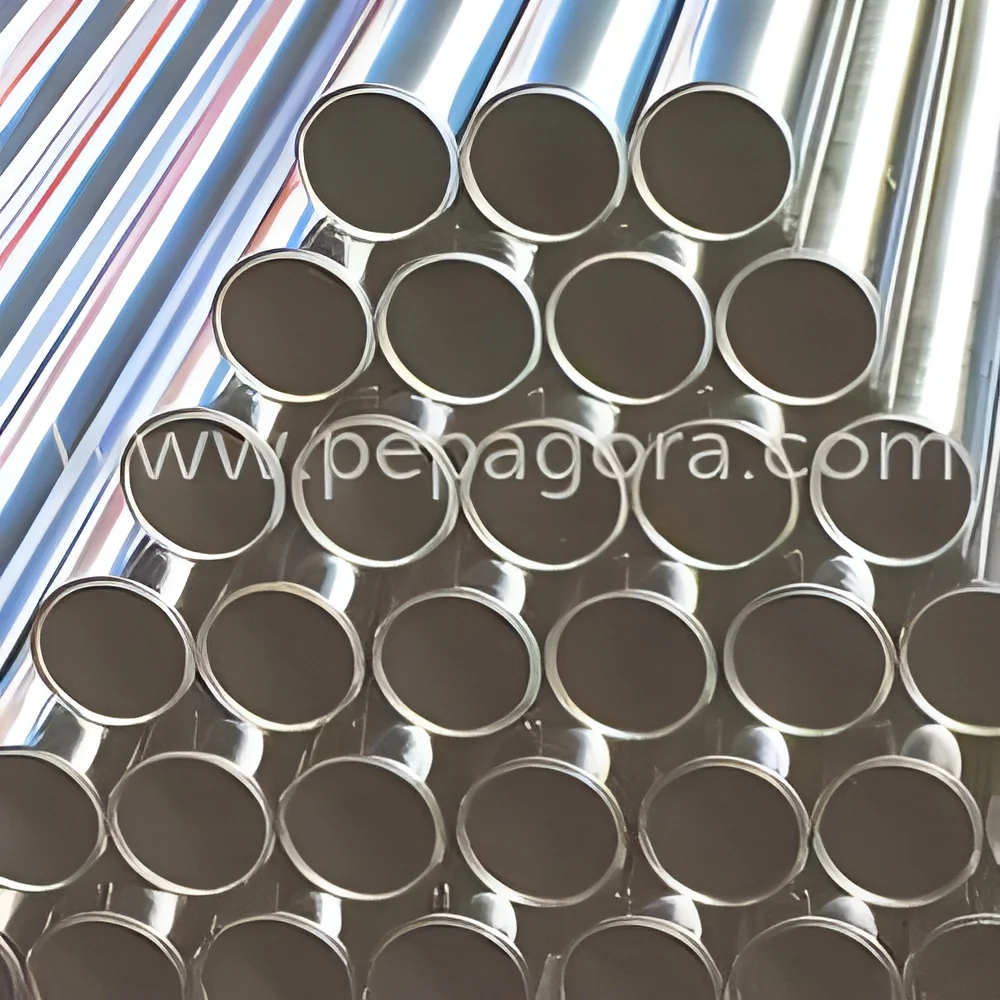
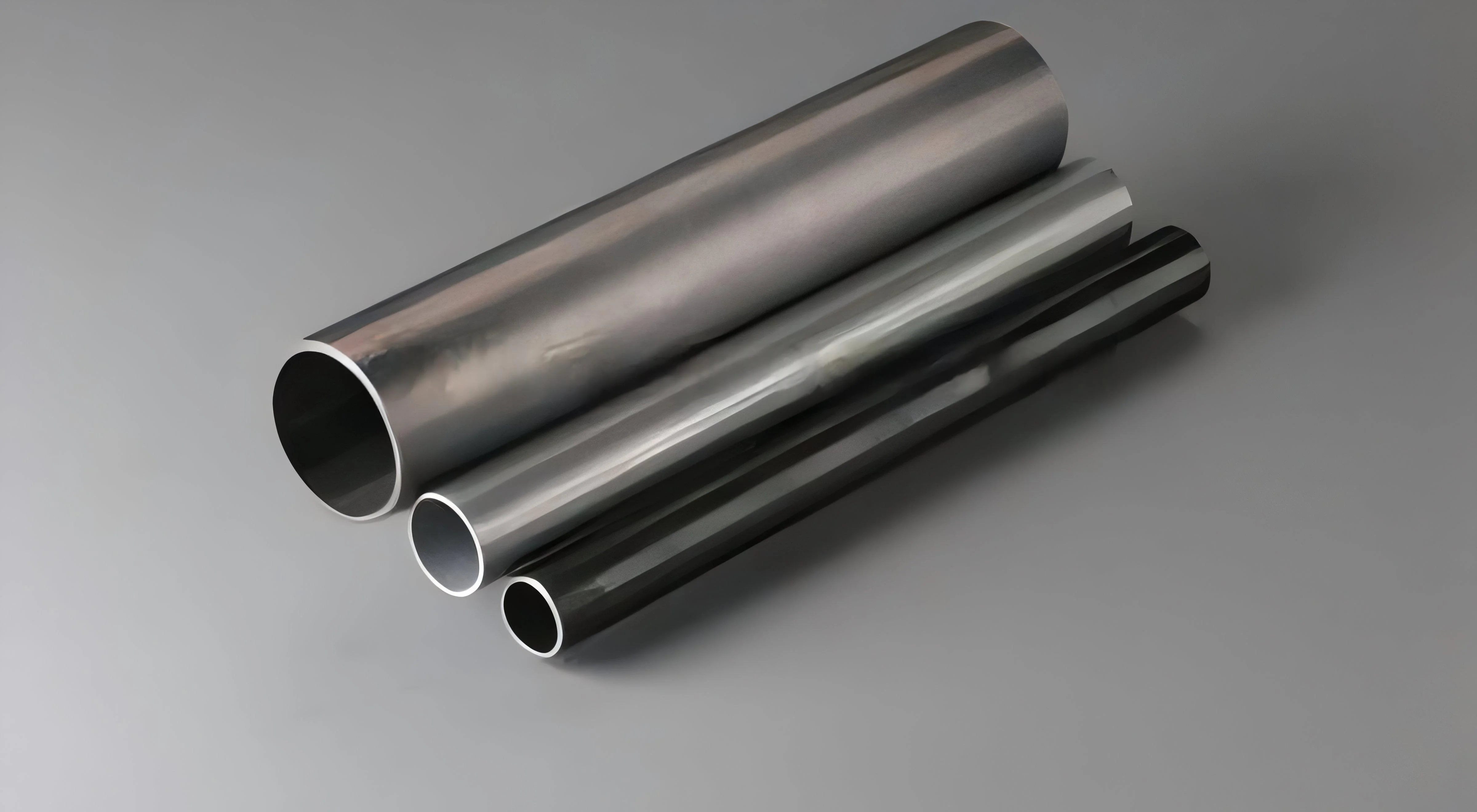
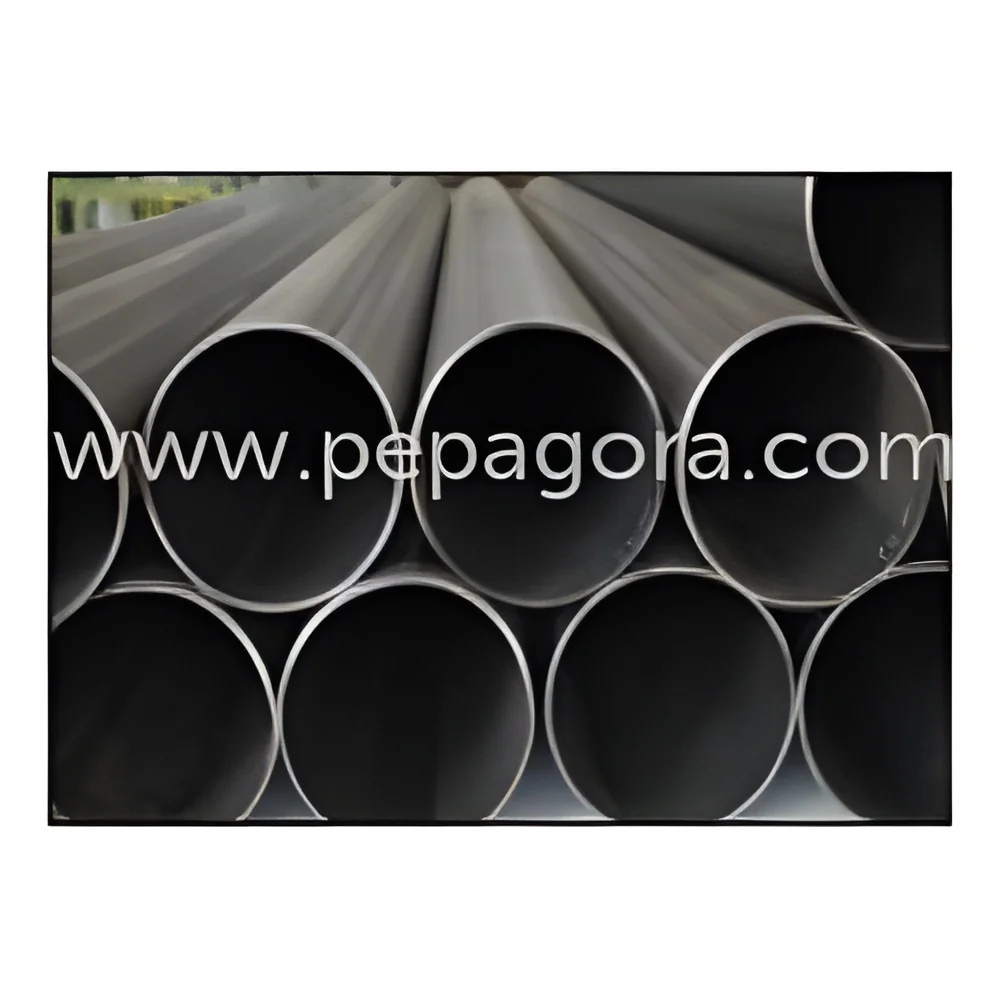
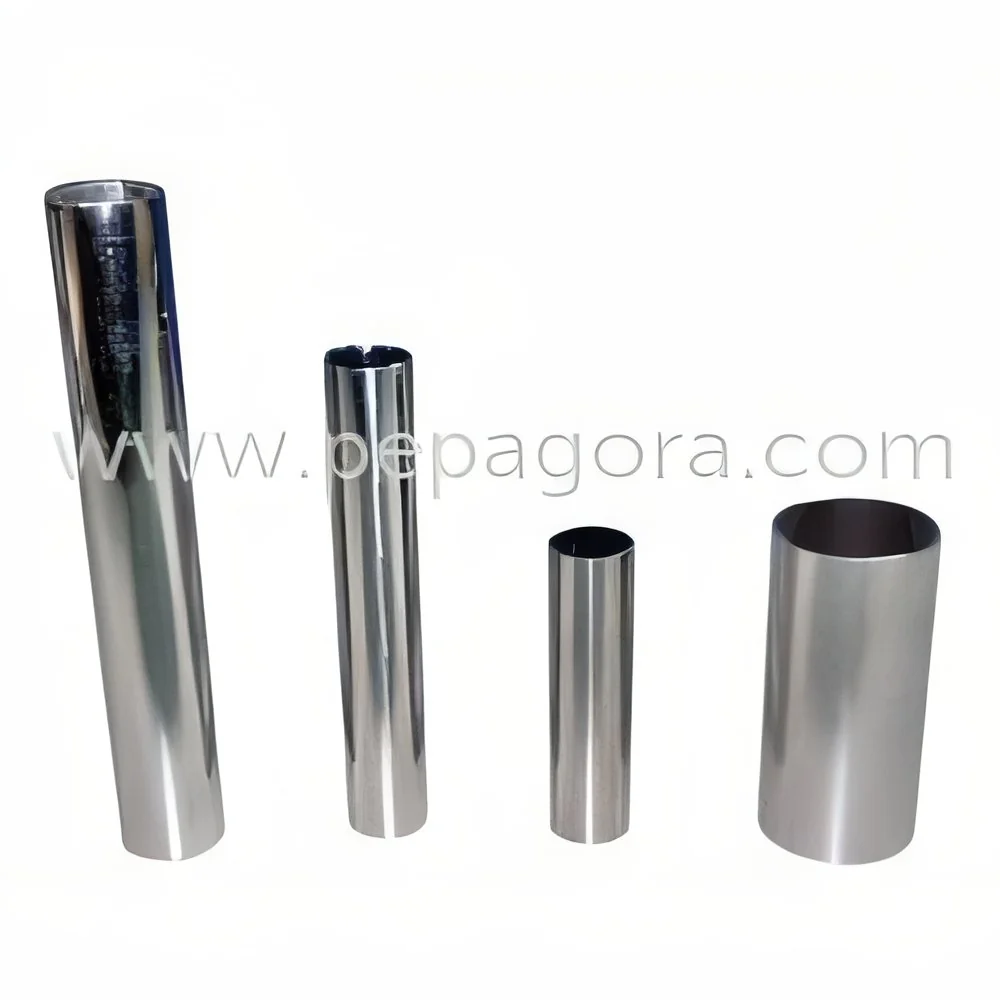
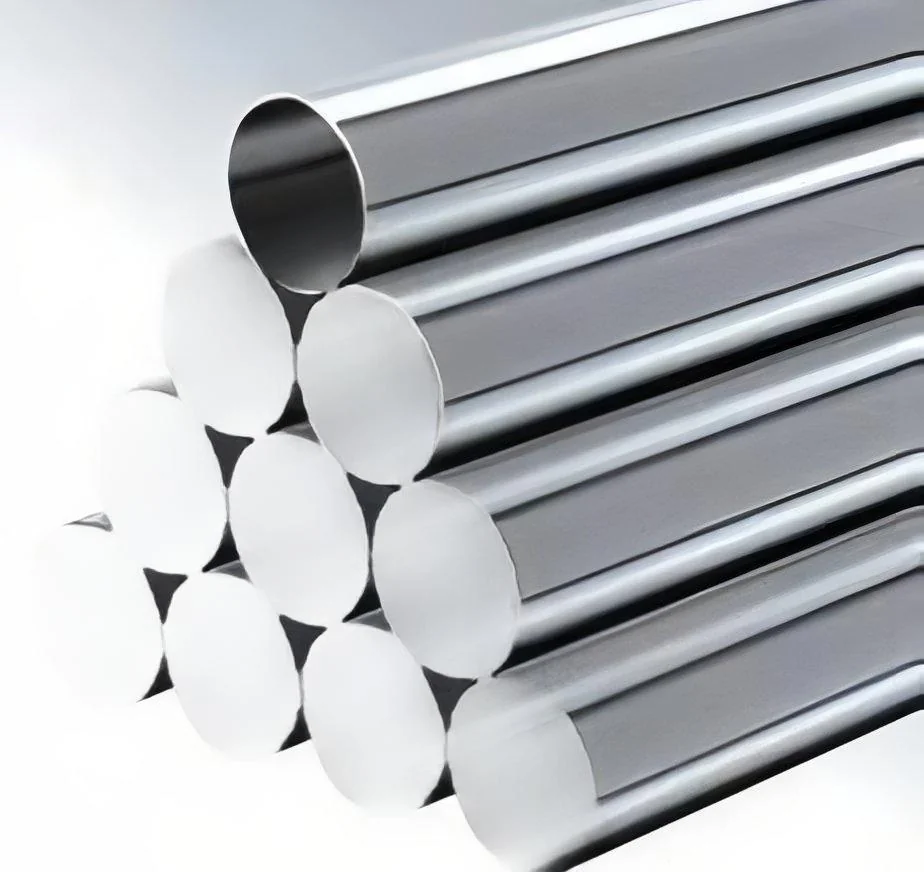
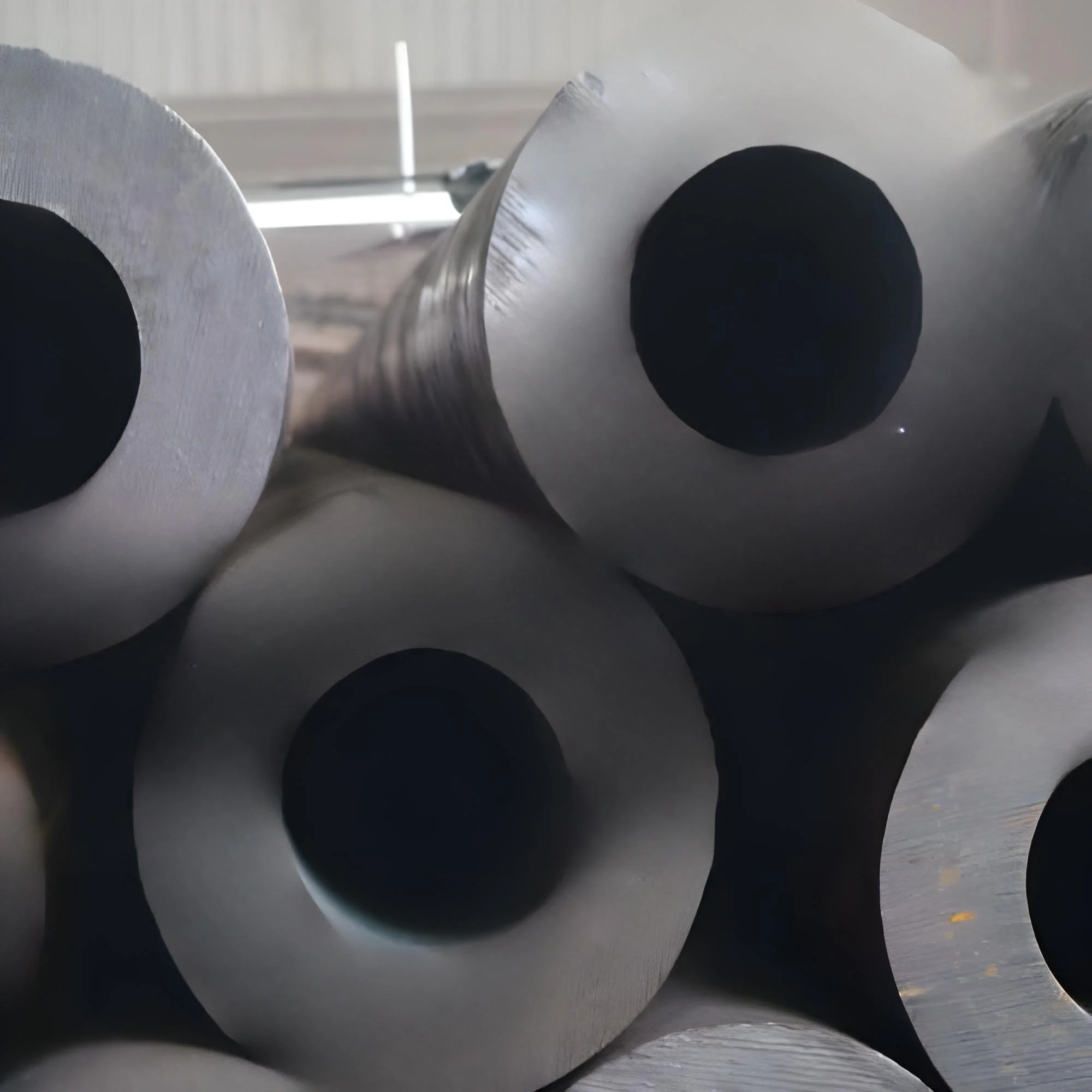
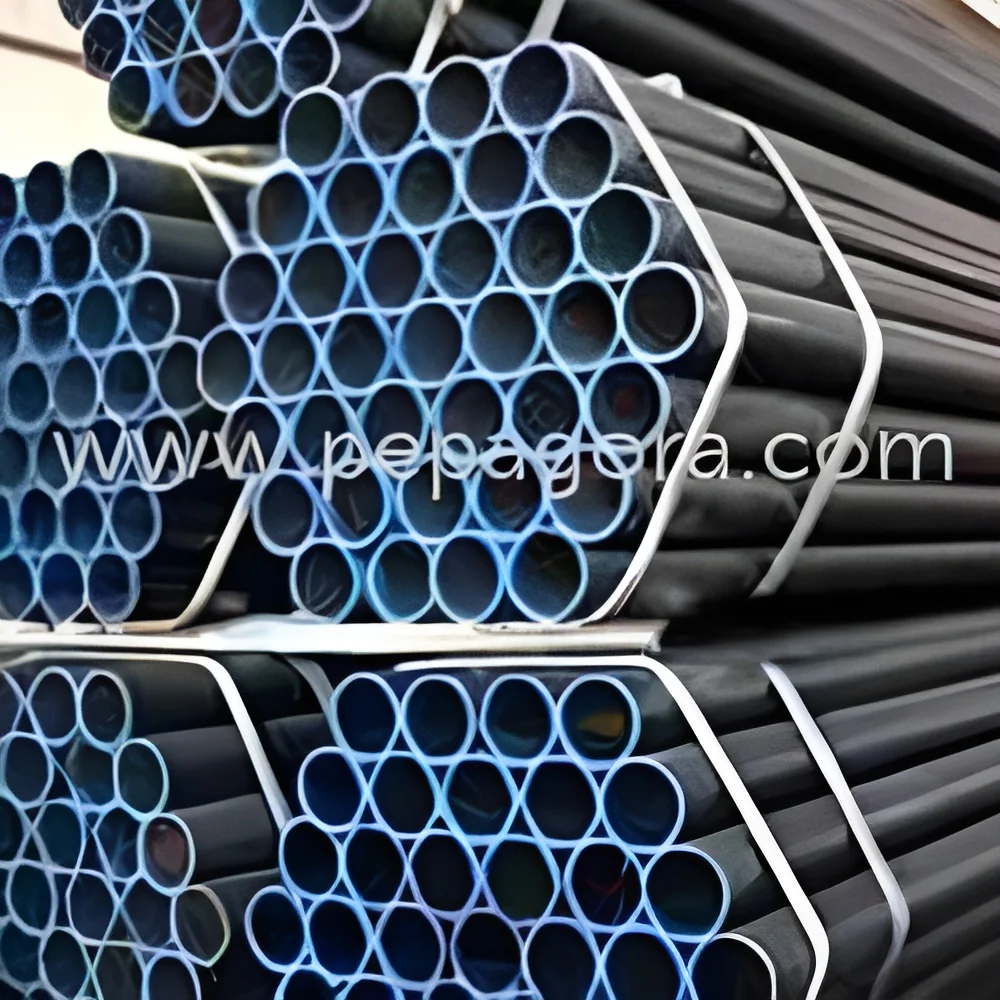
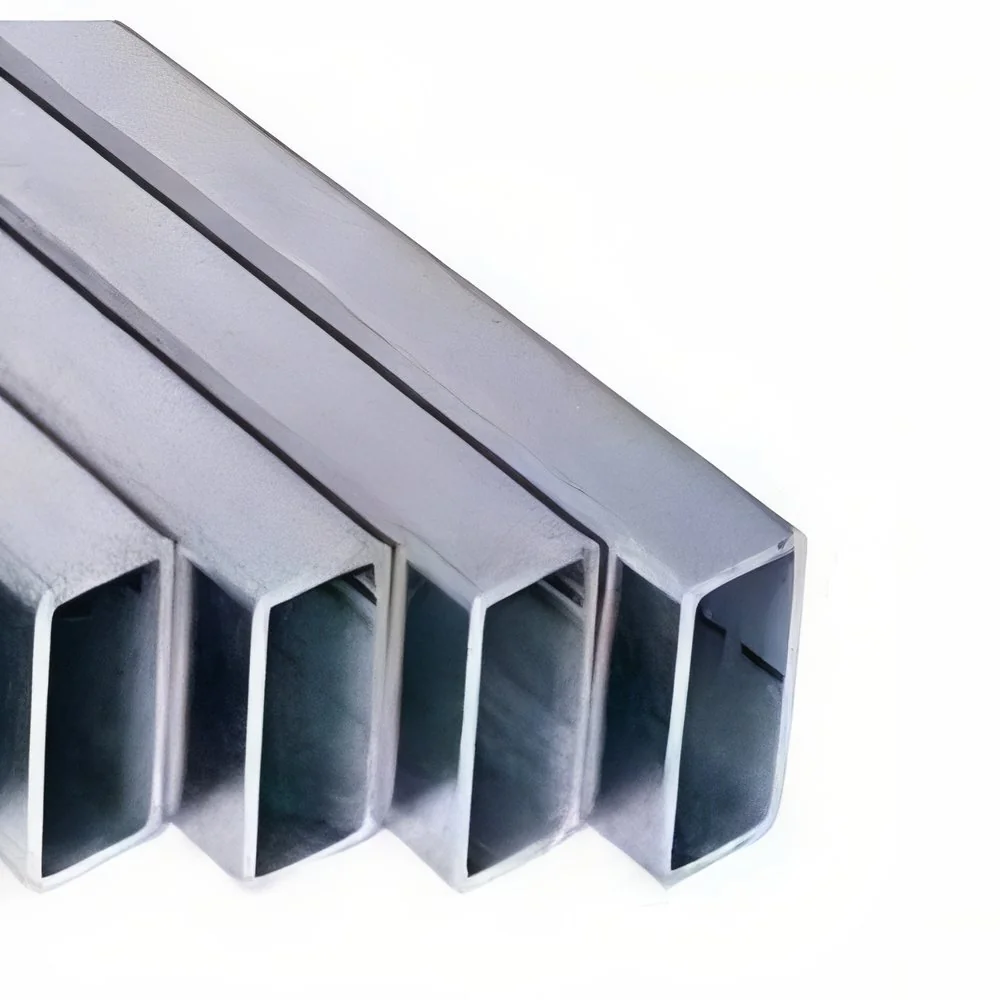
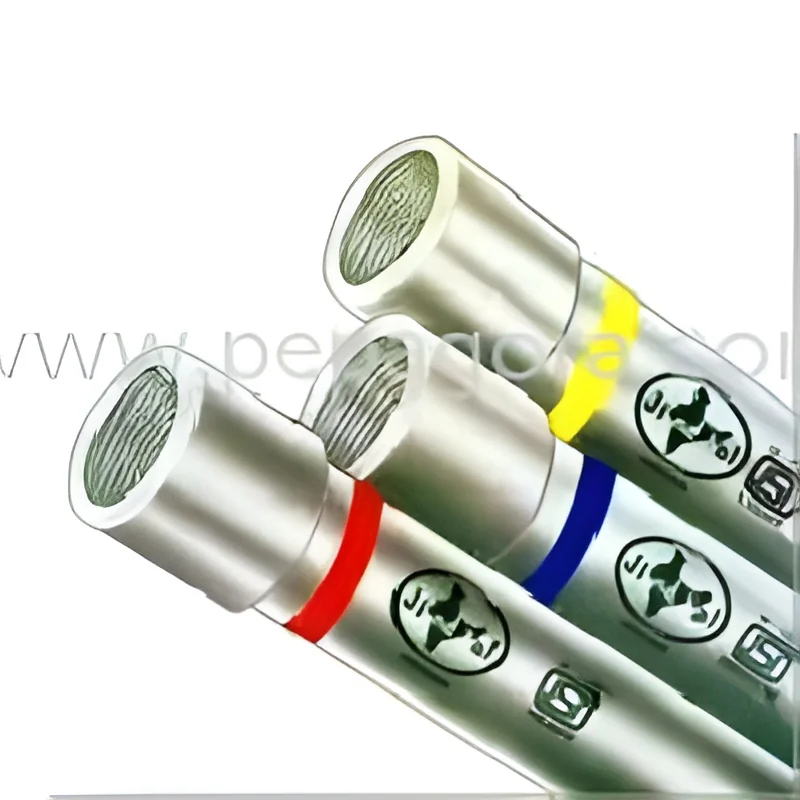
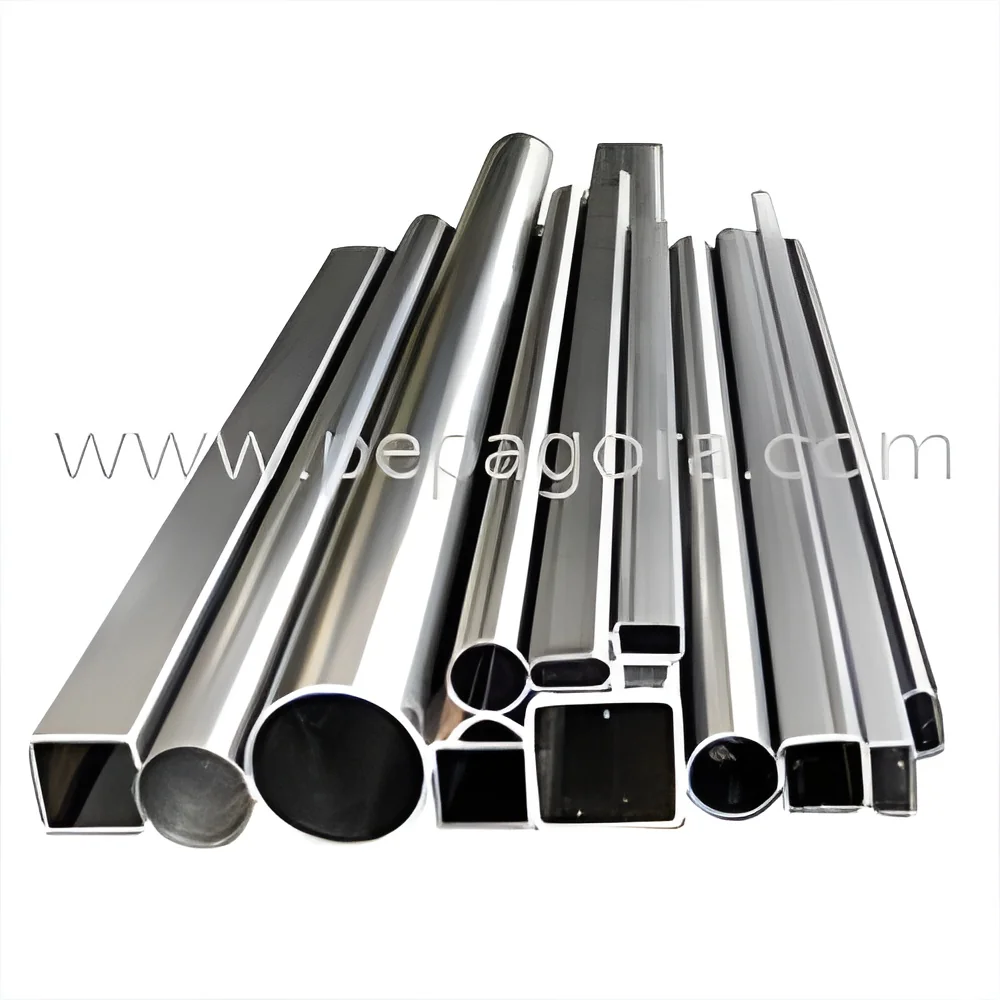
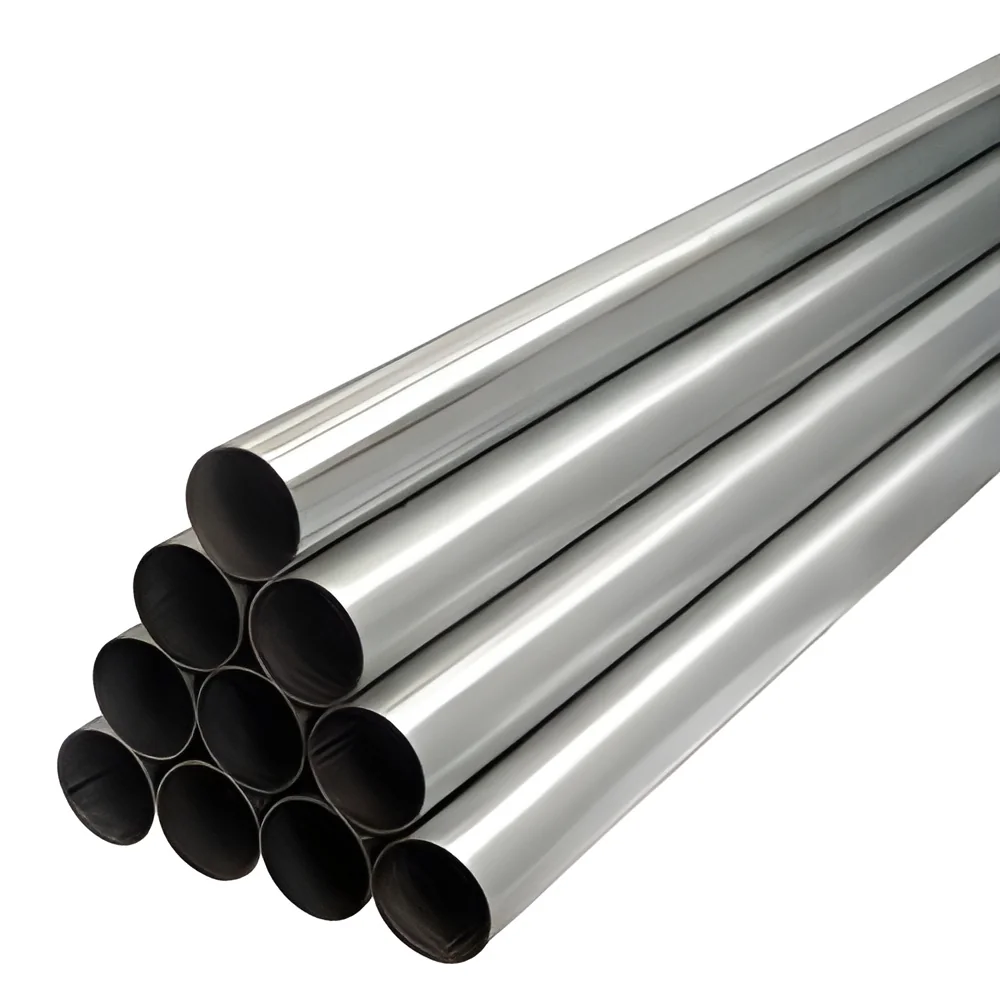
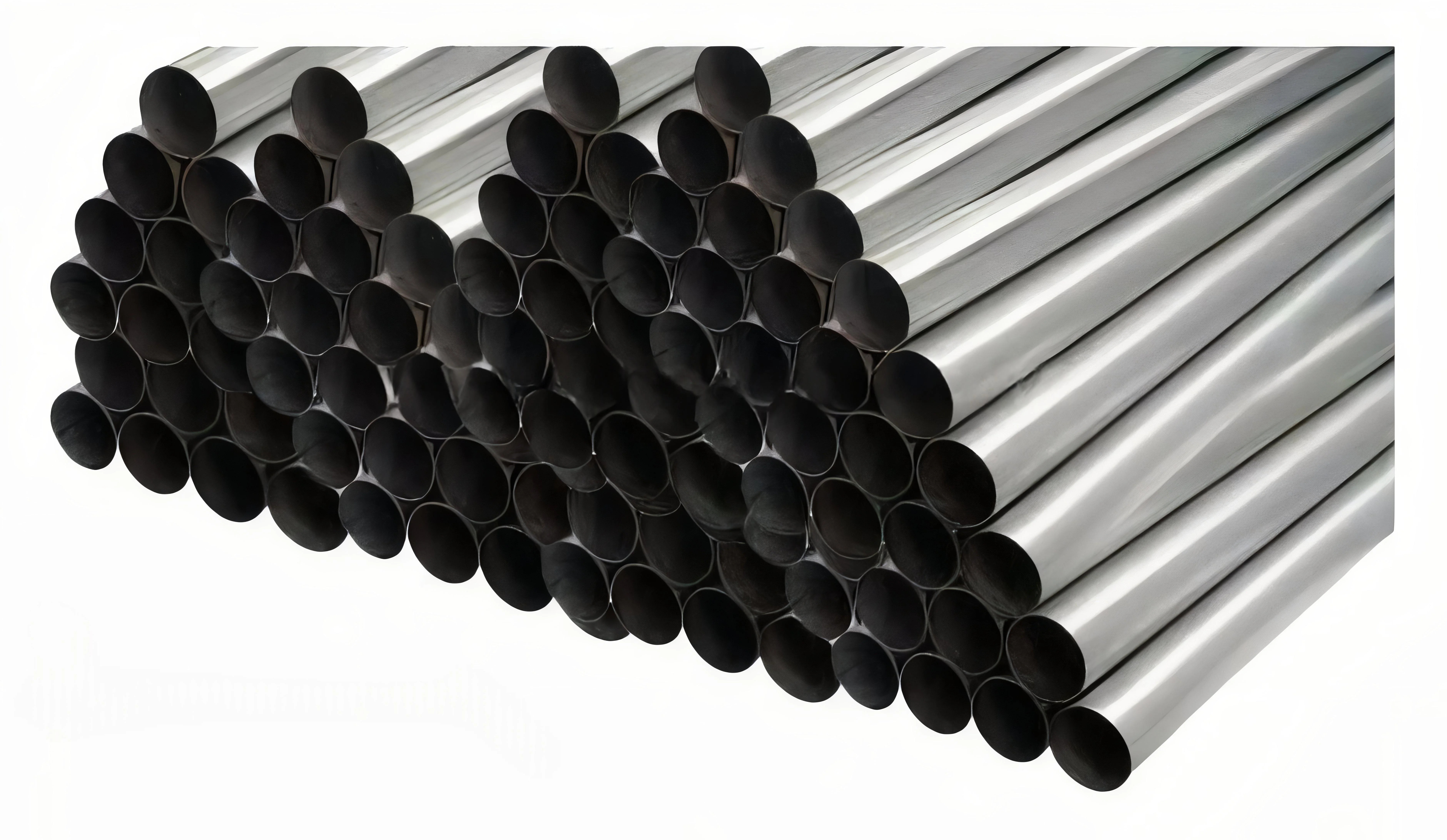
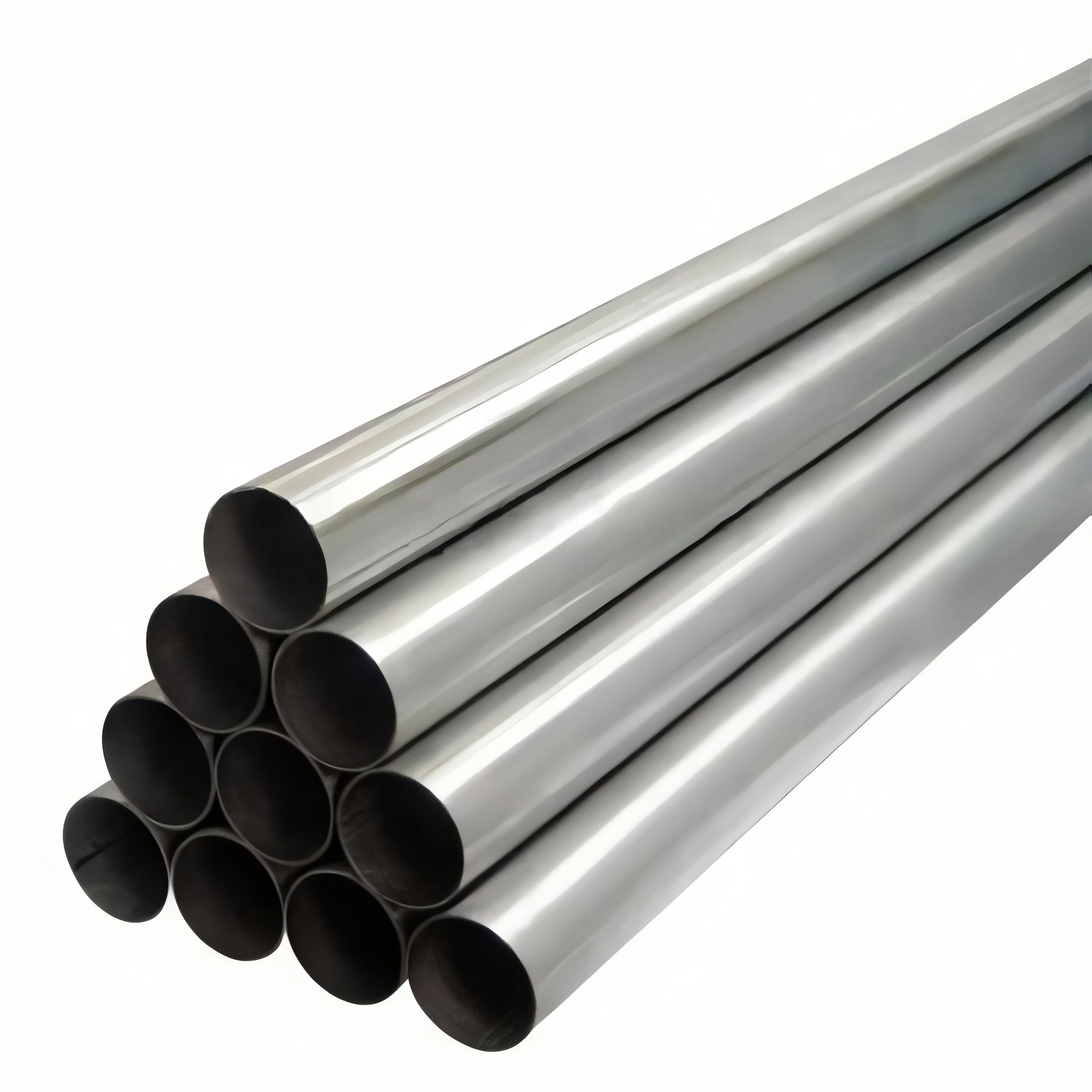
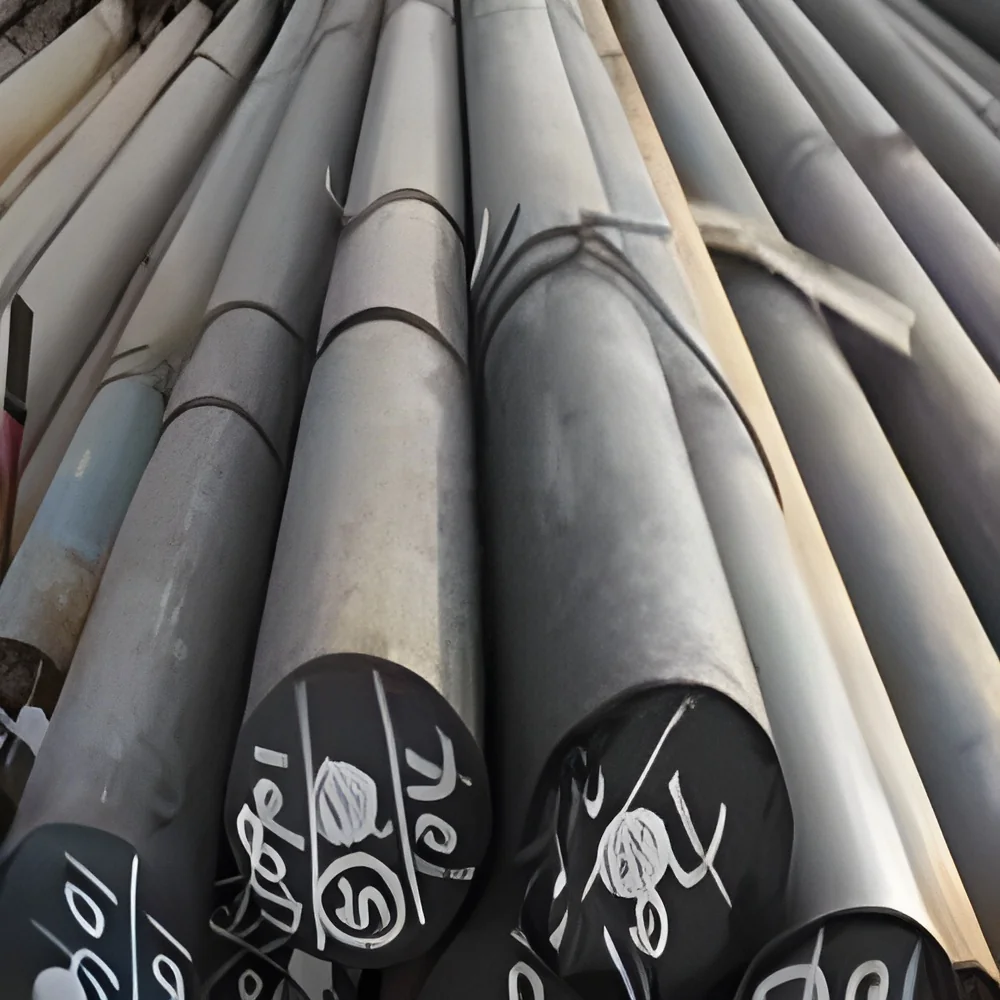
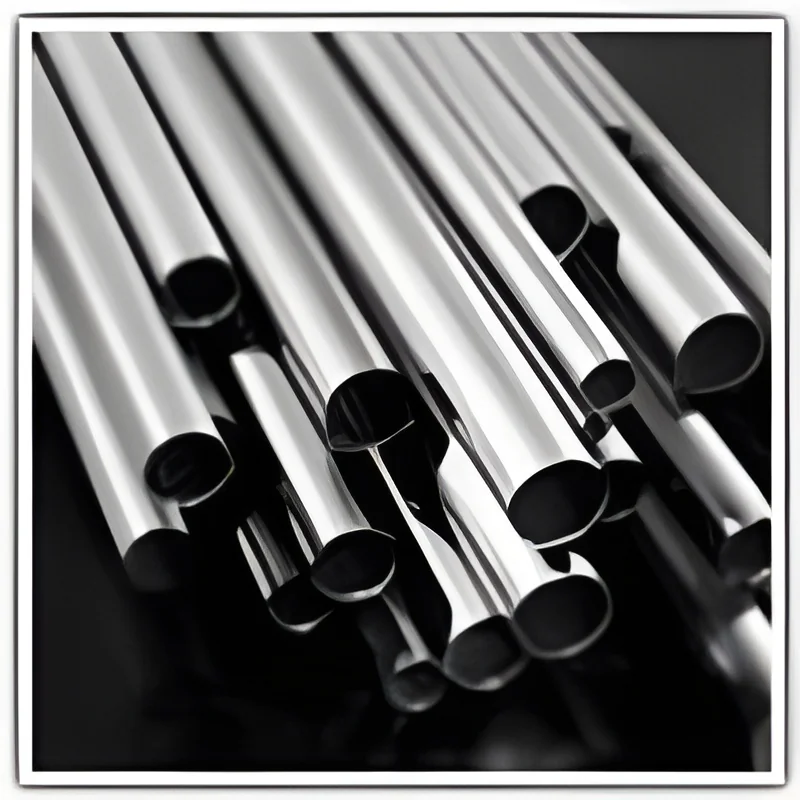
Stainless steel pipes are hollow cylindrical tubes made from stainless steel, a corrosion-resistant alloy primarily composed of iron, chromium, and nickel. These pipes are known for their durability, strength, and aesthetic appeal. Their resistance to rust and staining makes them ideal for various industrial applications where hygiene and longevity are crucial. Stainless steel pipes can be produced in various grades and sizes, catering to a wide range of requirements.
The primary uses of stainless steel pipes span multiple sectors, including construction, manufacturing, and food processing. In the construction industry, they are commonly used for plumbing, heating, and structural applications. In manufacturing, they serve as conduits for fluids and gases. The food and beverage sector leverages these pipes for sanitary processing and transport of consumables. The relevance of stainless steel pipes in the market is underscored by their demand in industries that prioritize safety, cleanliness, and structural integrity.
Key Features and Specifications
Stainless steel pipes come with a variety of features and specifications that make them suitable for diverse applications. They are available in different grades, sizes, and finishes, catering to specific industrial needs. Understanding these specifications is crucial for businesses looking to procure the right pipes for their operations.
Key specifications include:
1. Material Grade
- Common grades include 304, 316, and 321.
- Each grade offers different levels of corrosion resistance and strength.
2. Diameter
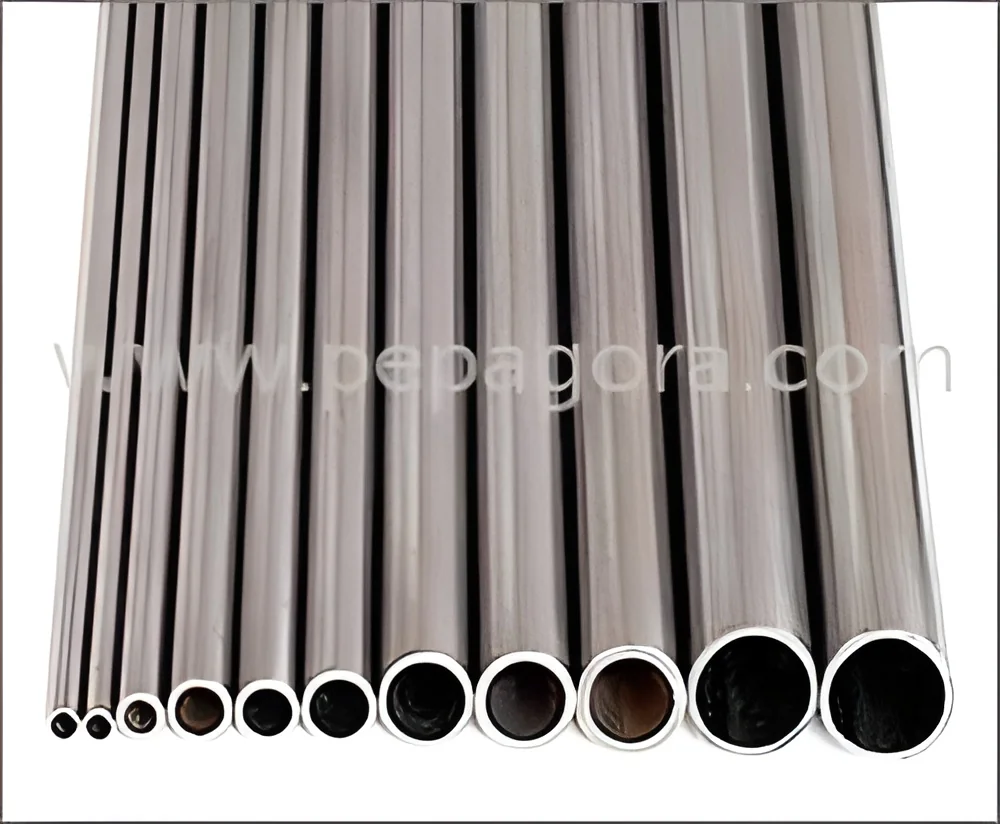
- Available in a range of diameters from small (1/8 inch) to large (over 12 inches).
- Custom sizes can be provided based on project requirements.
3. Wall Thickness
- Thickness options range from Schedule 5 to Schedule 80.
- Determines the pressure rating and durability of the pipes.
4. Length
- Standard lengths include 20 feet and 40 feet.
- Custom lengths can be requested based on specific applications.
5. Finish
- Available finishes include polished, pickled, and annealed.
- The finish impacts both the aesthetic and functional properties of the pipes.
6. Connection Type
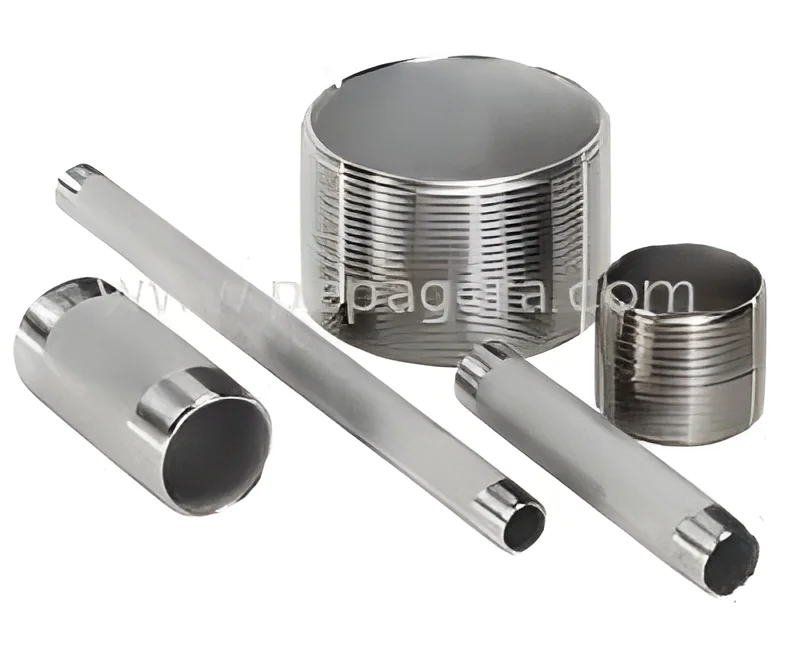
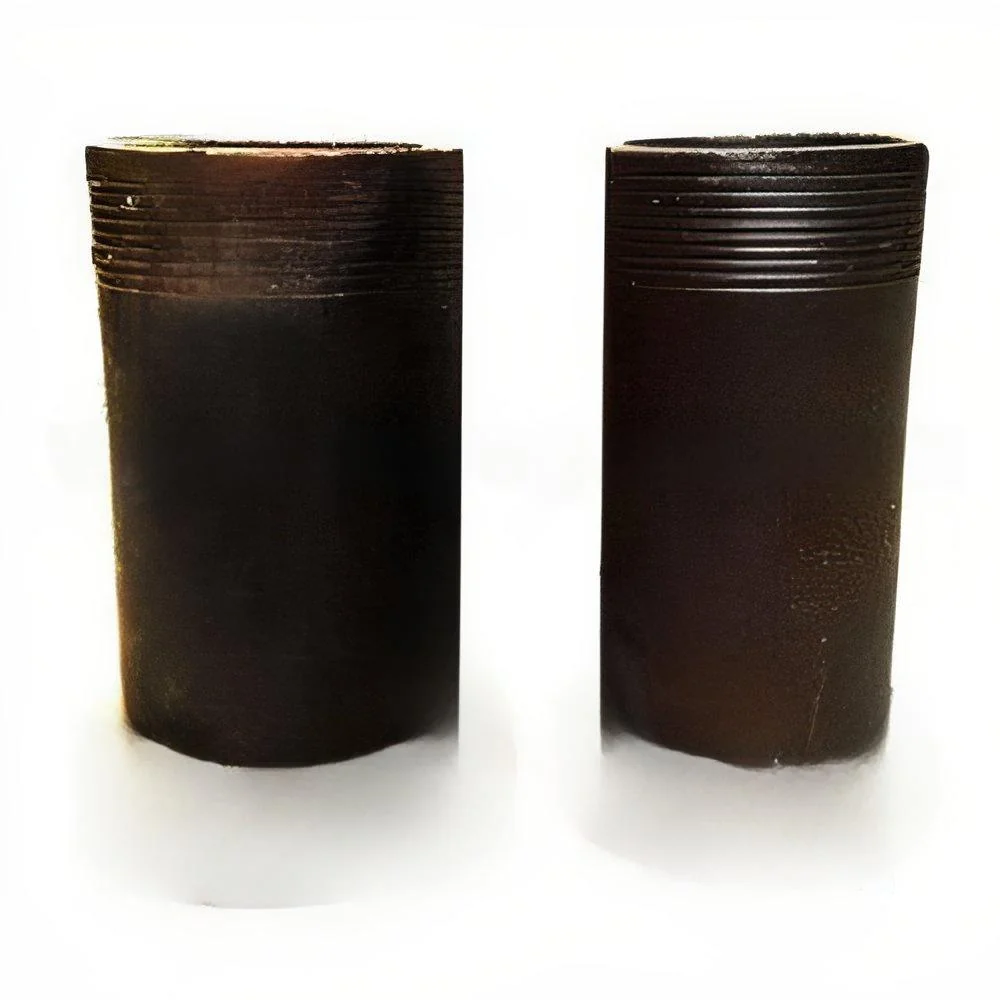
- Options include welded, seamless, and threaded connections.
- Each type has specific applications based on the installation requirements.
7. Temperature and Pressure Ratings
- Rated for various temperatures and pressures depending on the material grade.
- Important for applications involving heat or high-pressure systems.
8. Compliance Standards
- Must meet industry standards and certifications such as CE.
- Ensures quality and safety for end-users.
In summary, the features and specifications of stainless steel pipes make them versatile and widely applicable in various industries.
Common Applications and Use Cases
Stainless steel pipes are essential components across multiple industries due to their unique properties and benefits.
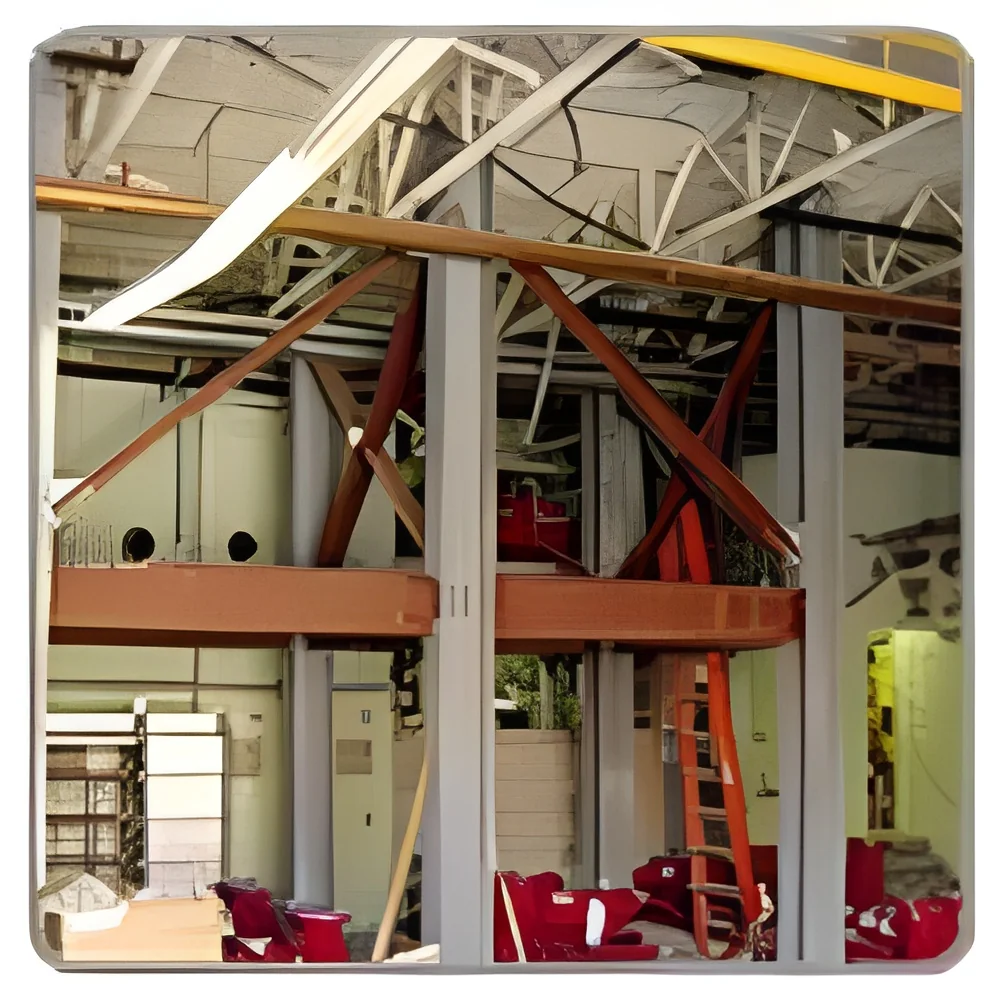
1. Construction: Stainless steel pipes are extensively used in plumbing systems, HVAC applications, and structural frameworks due to their strength and resistance to corrosion.
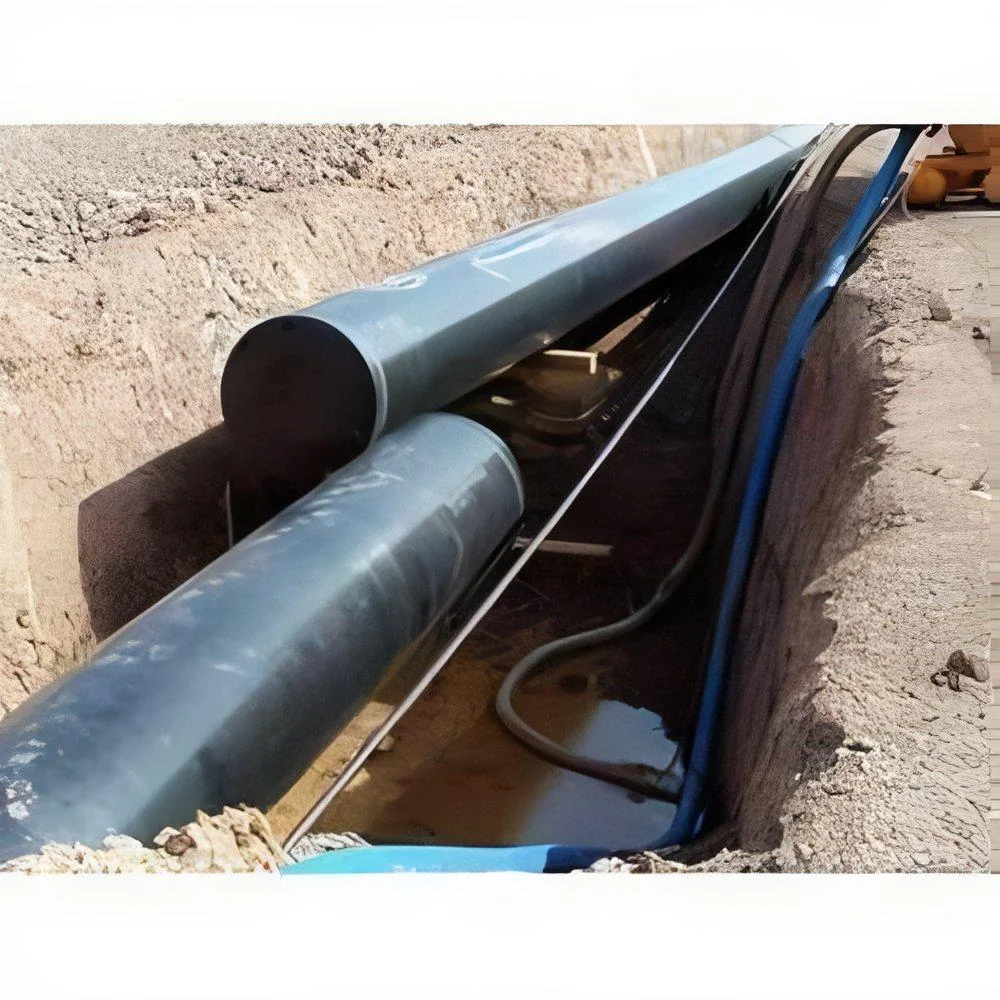
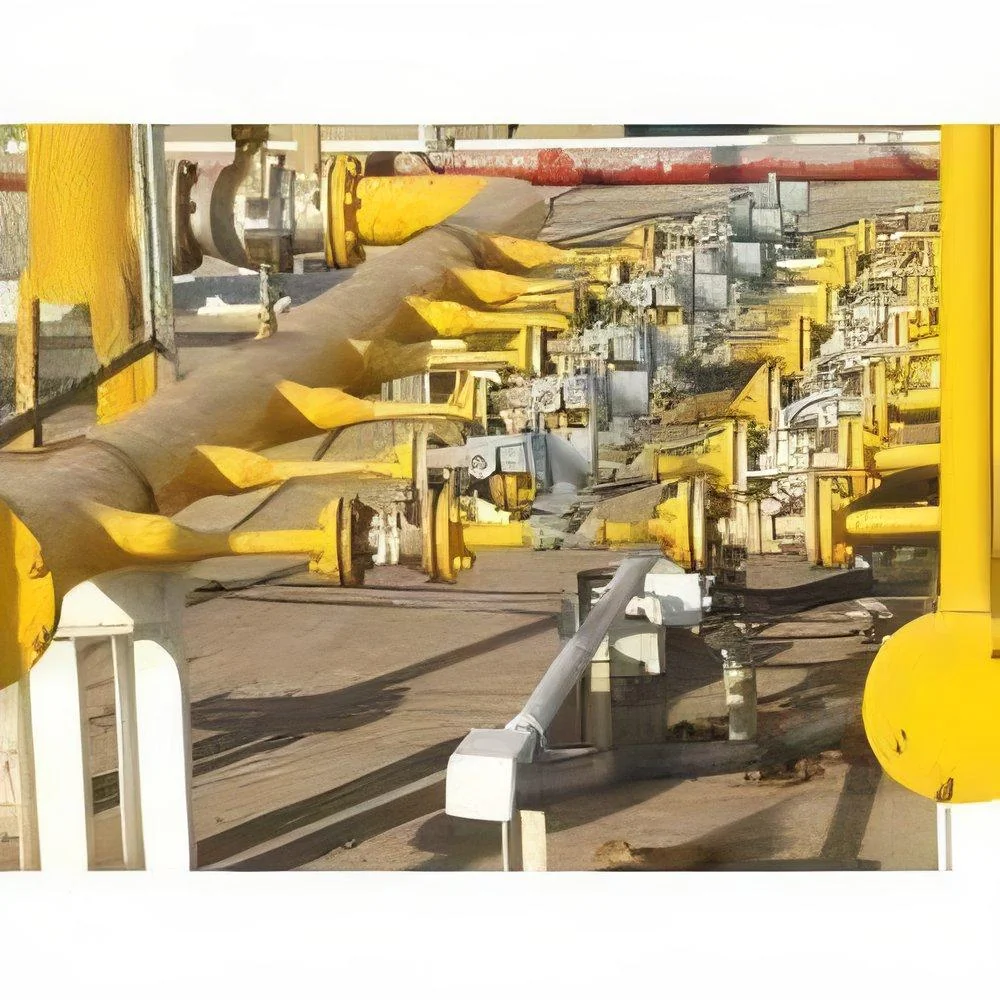
2. Oil and Gas: In this sector, they are used for transporting crude oil, natural gas, and other fluids under high pressure and temperature.
3. Food and Beverage: Stainless steel pipes play a critical role in the hygienic transport of liquids and gases, ensuring compliance with food safety standards.
4. Chemical Processing: These pipes are utilized for handling corrosive chemicals and fluids, providing durability against wear and tear.
5. Pharmaceutical: In pharmaceutical manufacturing, stainless steel pipes ensure the integrity and purity of the products being processed.
6. Automotive: Used in exhaust systems and fuel lines, stainless steel pipes offer longevity and resistance to harsh environments.
7. Water Treatment: These pipes are key in water distribution and treatment systems, where cleanliness and durability are paramount.
Product Variants and Subcategories
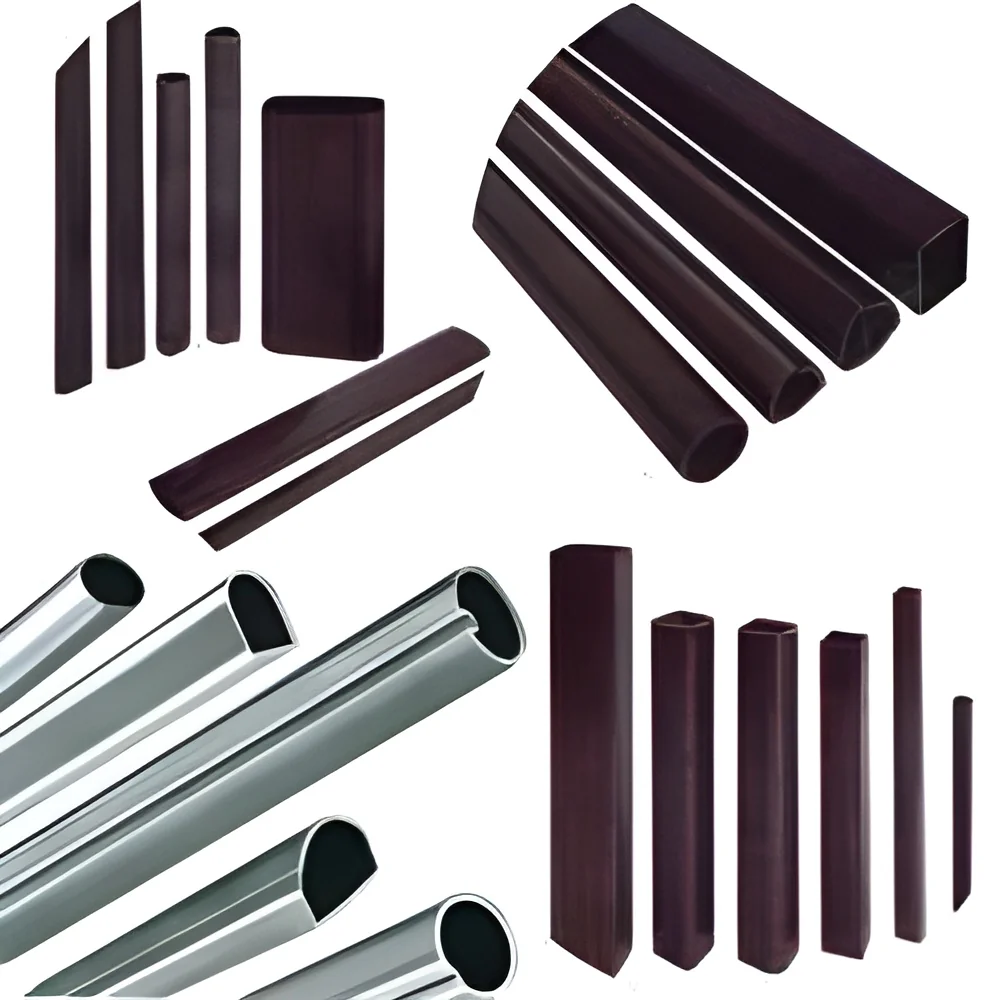
Stainless steel pipes are available in various types and variants, each designed for specific applications.
Seamless Stainless Steel Pipes: These pipes are manufactured without seams, providing enhanced strength and reliability. They are ideal for high-pressure applications and are often used in the oil and gas industry.
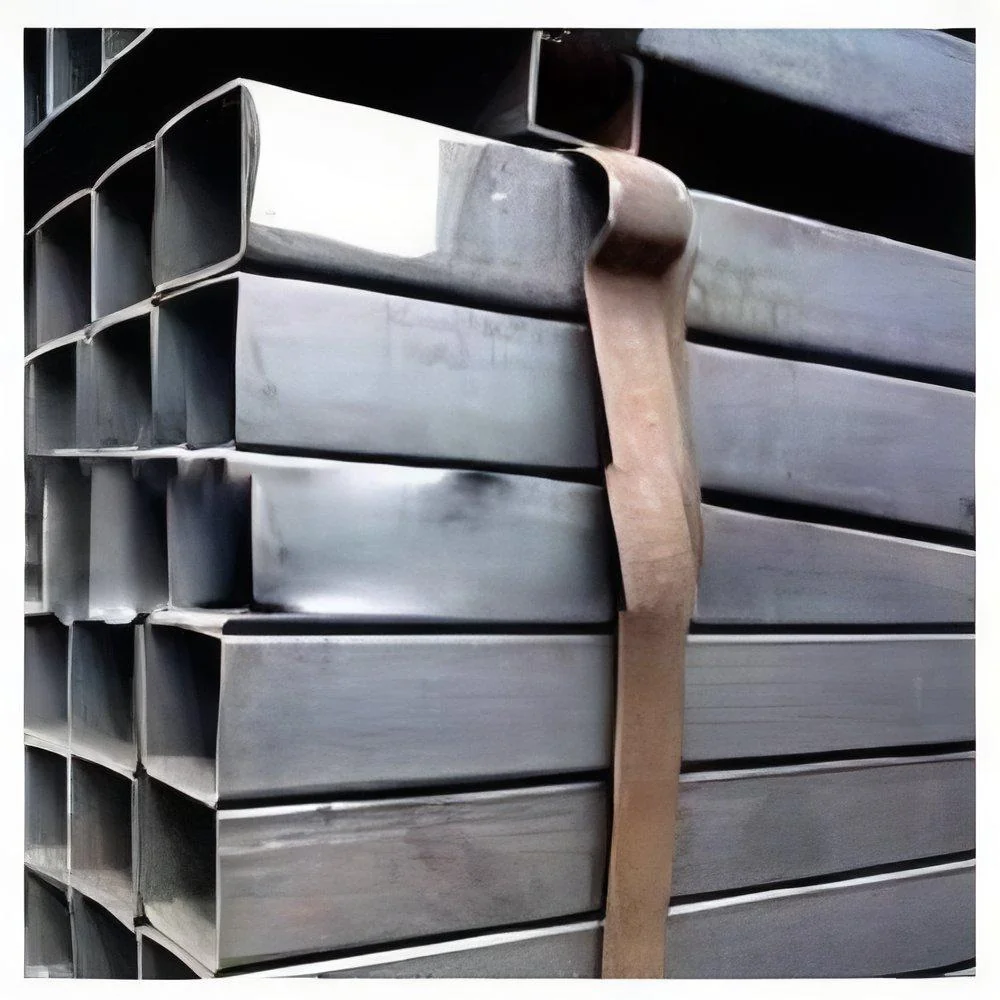
Welded Stainless Steel Pipes: Produced by welding together flat steel plates, these pipes are typically less expensive than seamless options. They are commonly used in structural applications and plumbing.
Duplex Stainless Steel Pipes: Offering a blend of austenitic and ferritic properties, duplex stainless steel pipes provide high strength and excellent corrosion resistance. They are suitable for chemical processing and marine applications.
Benefits and Advantages
Stainless steel pipes offer numerous benefits that make them a preferred choice in various industrial applications.
1. Corrosion Resistance: Stainless steel's inherent properties make these pipes resistant to rust and corrosion, ensuring longevity and durability.
2. Strength and Durability: Stainless steel pipes have a high tensile strength, making them suitable for high-pressure and demanding environments.
3. Low Maintenance: Their resistance to staining and corrosion reduces the need for frequent maintenance and replacements.
4. Aesthetic Appeal: Stainless steel pipes have a sleek, modern appearance that can enhance the overall look of installations.
5. Environmental Sustainability: Stainless steel is recyclable, making it an environmentally friendly choice for businesses looking to reduce their carbon footprint.
6. Versatility: Available in various grades and sizes, stainless steel pipes can be tailored to meet specific industrial requirements.
Buying Guide for B2B Buyers
When sourcing stainless steel pipes, businesses should consider several important factors to ensure they make informed purchasing decisions.
1. Quality Assessment: Evaluate the quality of the pipes based on material grade and compliance with industry standards. This ensures that the pipes will perform as expected in their intended applications.
2. Supplier Verification: Vet potential suppliers by checking their certifications, reputation in the market, and customer reviews. Reliable suppliers will provide consistent quality and support.
3. Pricing and MOQ: Understand the pricing structure and minimum order quantities (MOQ) to align with budget constraints and project needs. Comparing prices from multiple suppliers can help secure the best deal.
4. Delivery and Lead Times: Consider the logistical aspects of ordering, including delivery timelines and shipping methods. Timely delivery is crucial for project management.
5. Compliance Requirements: Ensure that the pipes meet all necessary regulatory and safety standards relevant to your industry to avoid legal issues and ensure operational continuity.
Compliance and Certifications
Stainless steel pipes must adhere to various quality standards and certifications to ensure their reliability and safety.
ISO 9001 is a widely recognized standard that outlines quality management systems. Manufacturers of stainless steel pipes often seek this certification to demonstrate their commitment to quality.
The CE mark indicates that a product meets European safety, health, and environmental protection standards. This certification is important for businesses looking to operate in or export to European markets.
Safety and testing requirements play a critical role in ensuring that stainless steel pipes are safe for use in their intended applications. Regular testing for strength, corrosion resistance, and other properties is vital.
Regional compliance considerations vary depending on the location of the manufacturing and the market for the pipes. Understanding local regulations is essential for maintaining compliance and ensuring product quality.
Why Source Stainless Steel Pipes from Pepagora?
Pepagora provides a trusted platform for sourcing stainless steel pipes, offering several key advantages for B2B buyers.
Verified Supplier Network: Pepagora connects businesses with a network of verified suppliers, ensuring quality and reliability in procurement. This network helps mitigate risks associated with sourcing.
Streamlined RFQ Process: The request for quotation (RFQ) process on Pepagora is designed to be efficient, allowing buyers to receive multiple quotes quickly. This feature enables businesses to make informed purchasing decisions with ease.
Trade Assurance and Support: Pepagora offers trade assurance to protect buyers from potential issues during transactions. This support gives businesses confidence in their purchases.
Regional Coverage: With a strong presence in India, the Gulf Cooperation Council (GCC), and Southeast Asia, Pepagora provides extensive geographic coverage. This reach enables businesses to find local suppliers and streamline logistics, reducing lead times and costs.

 IN
IN