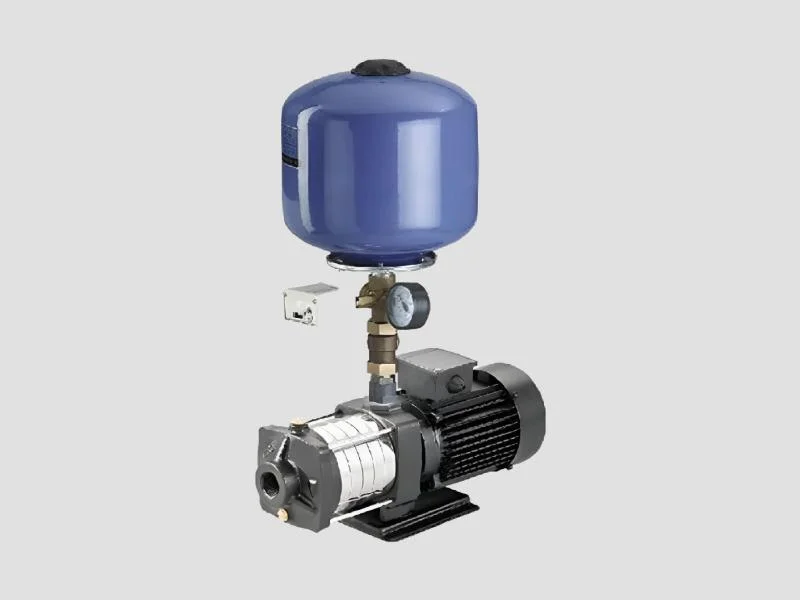
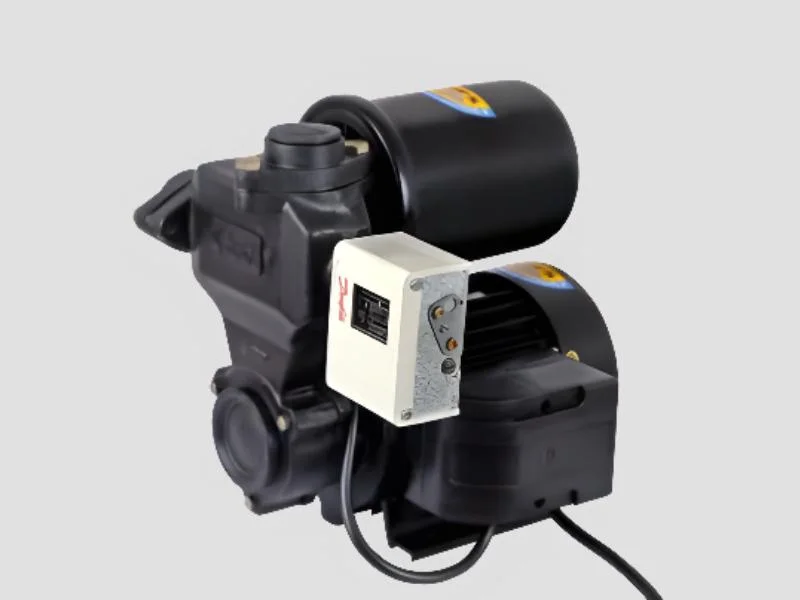
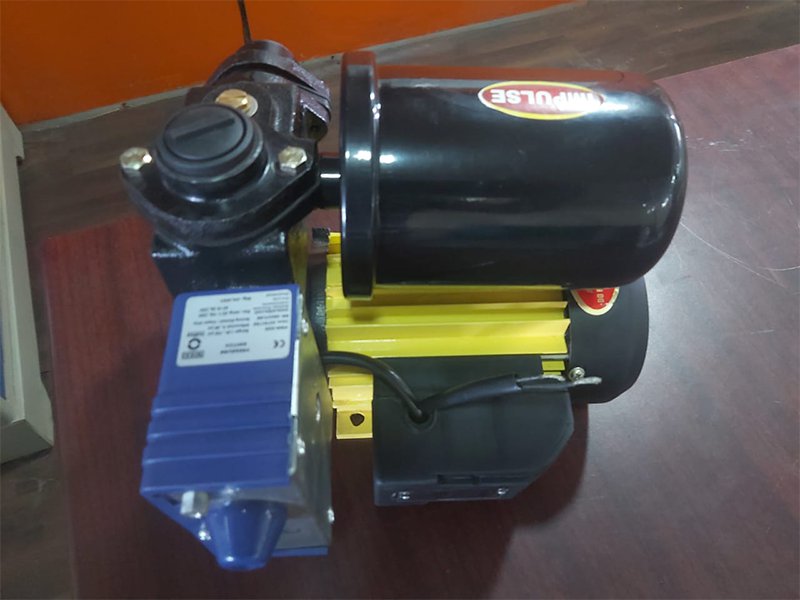
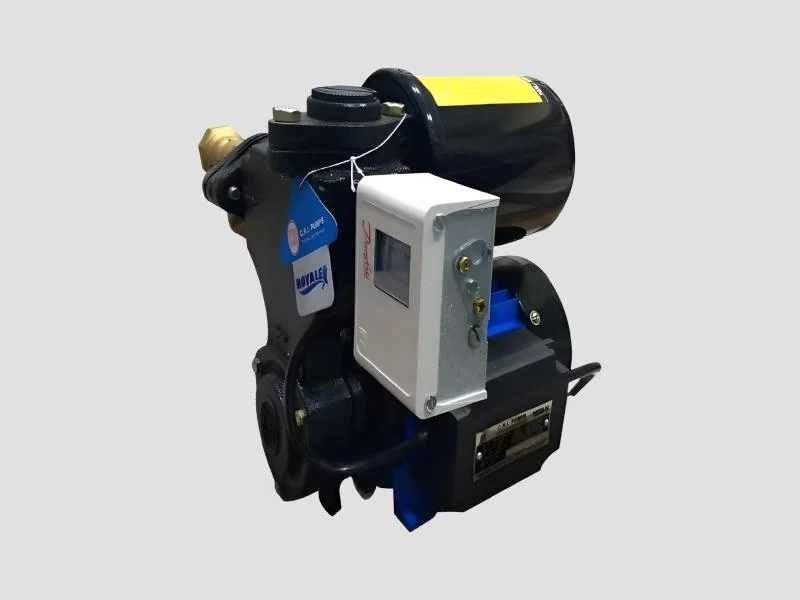
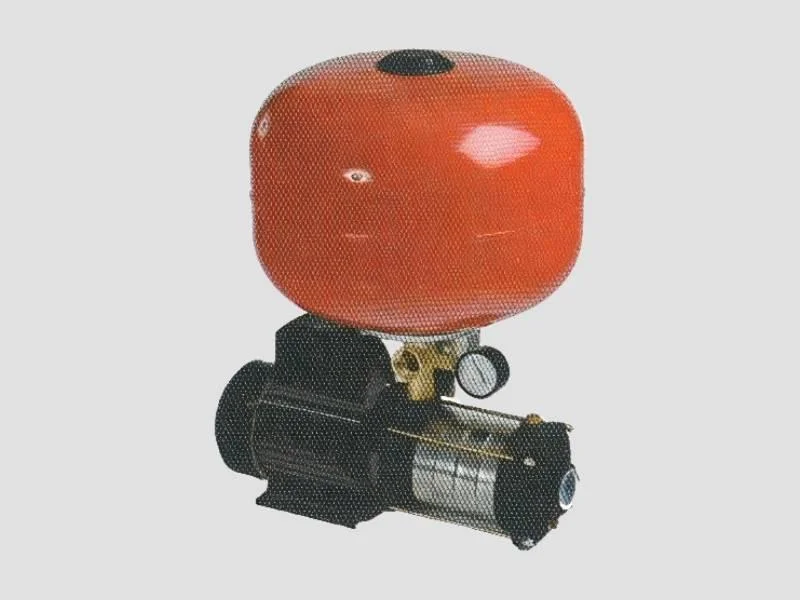
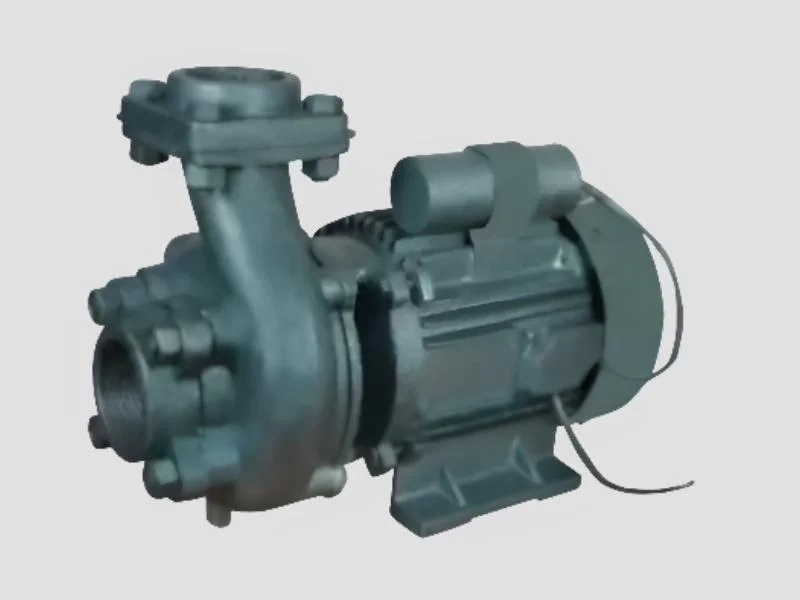
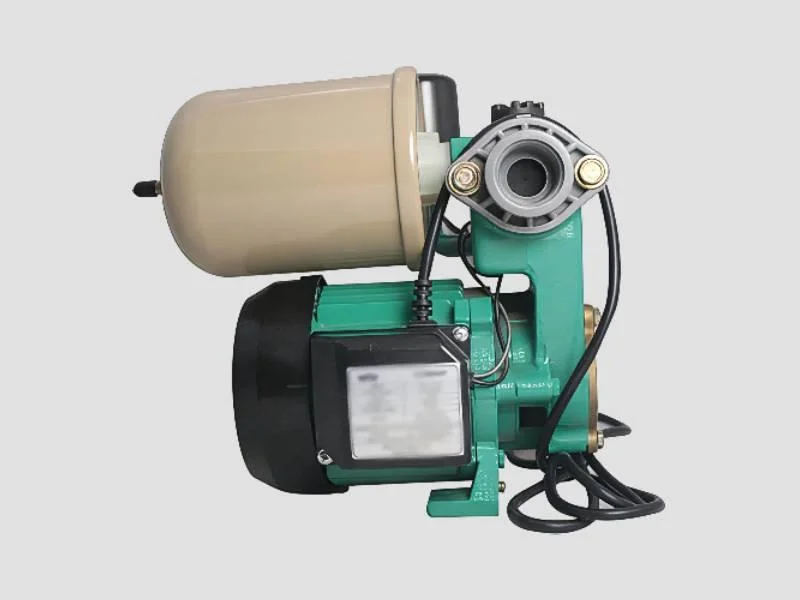
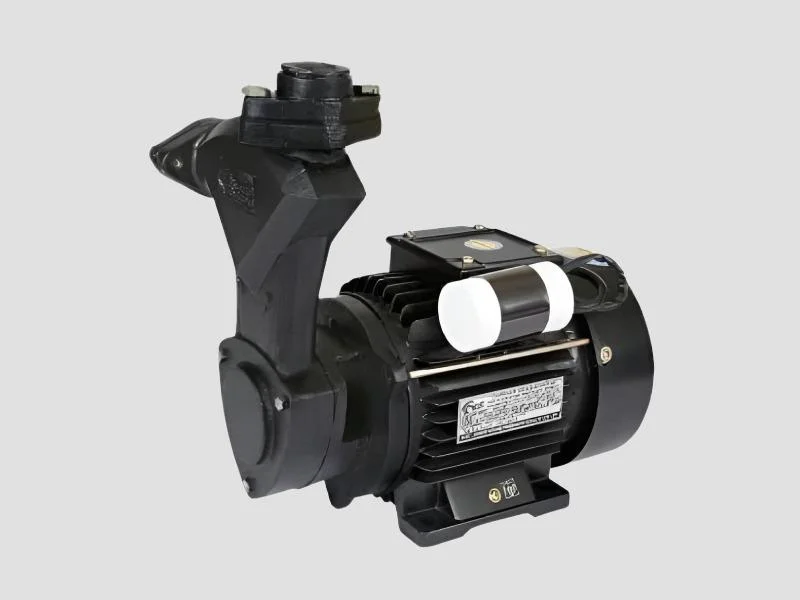
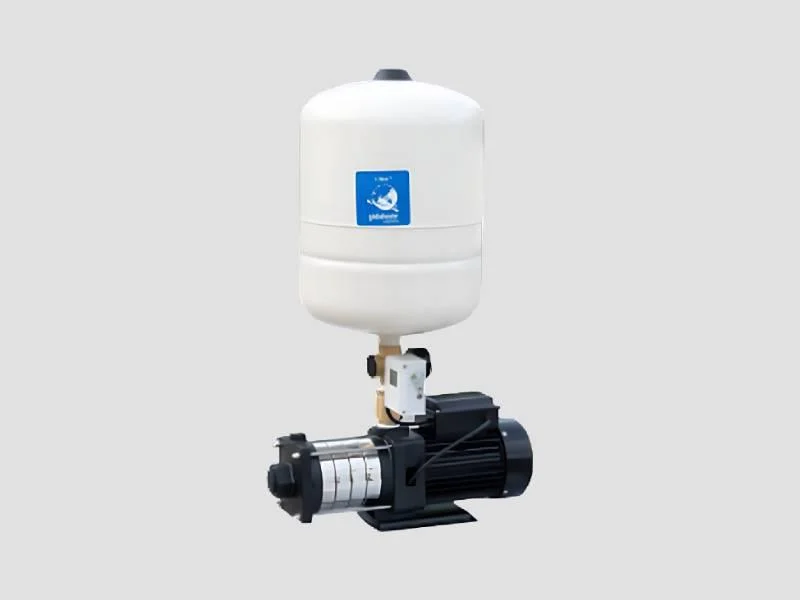
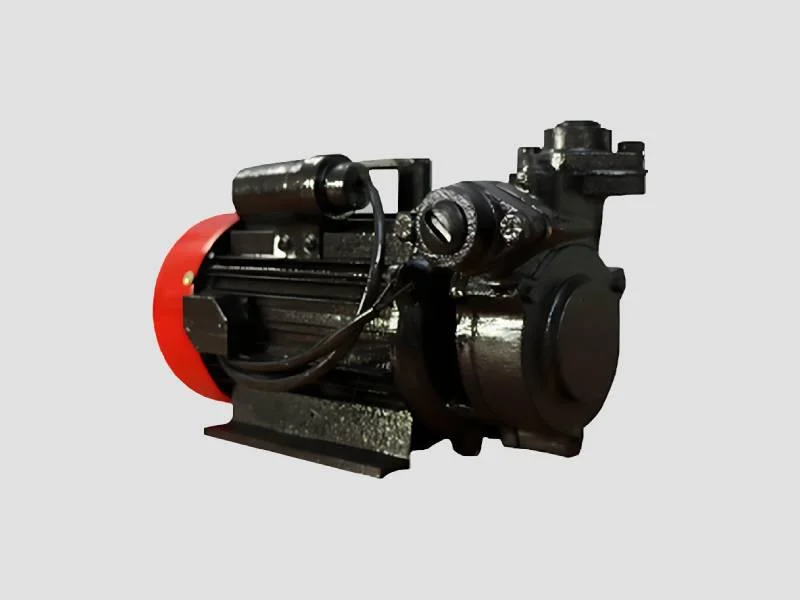
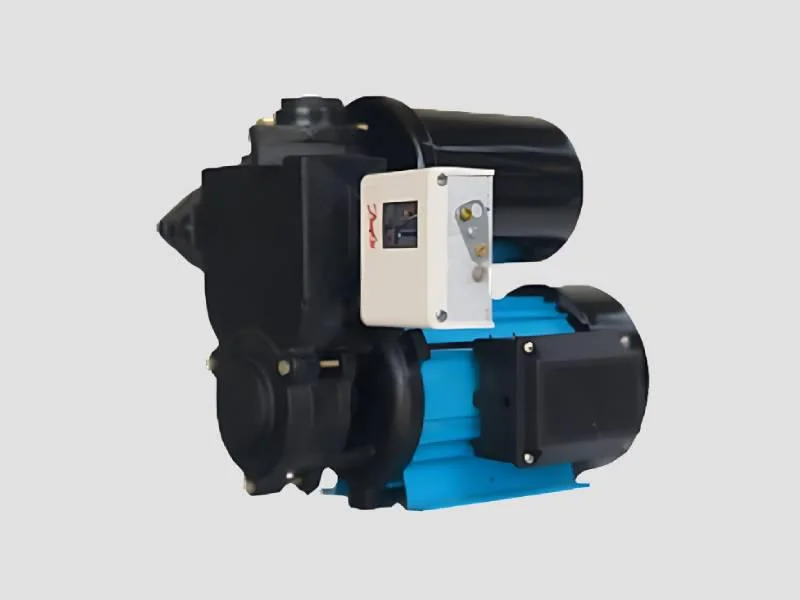
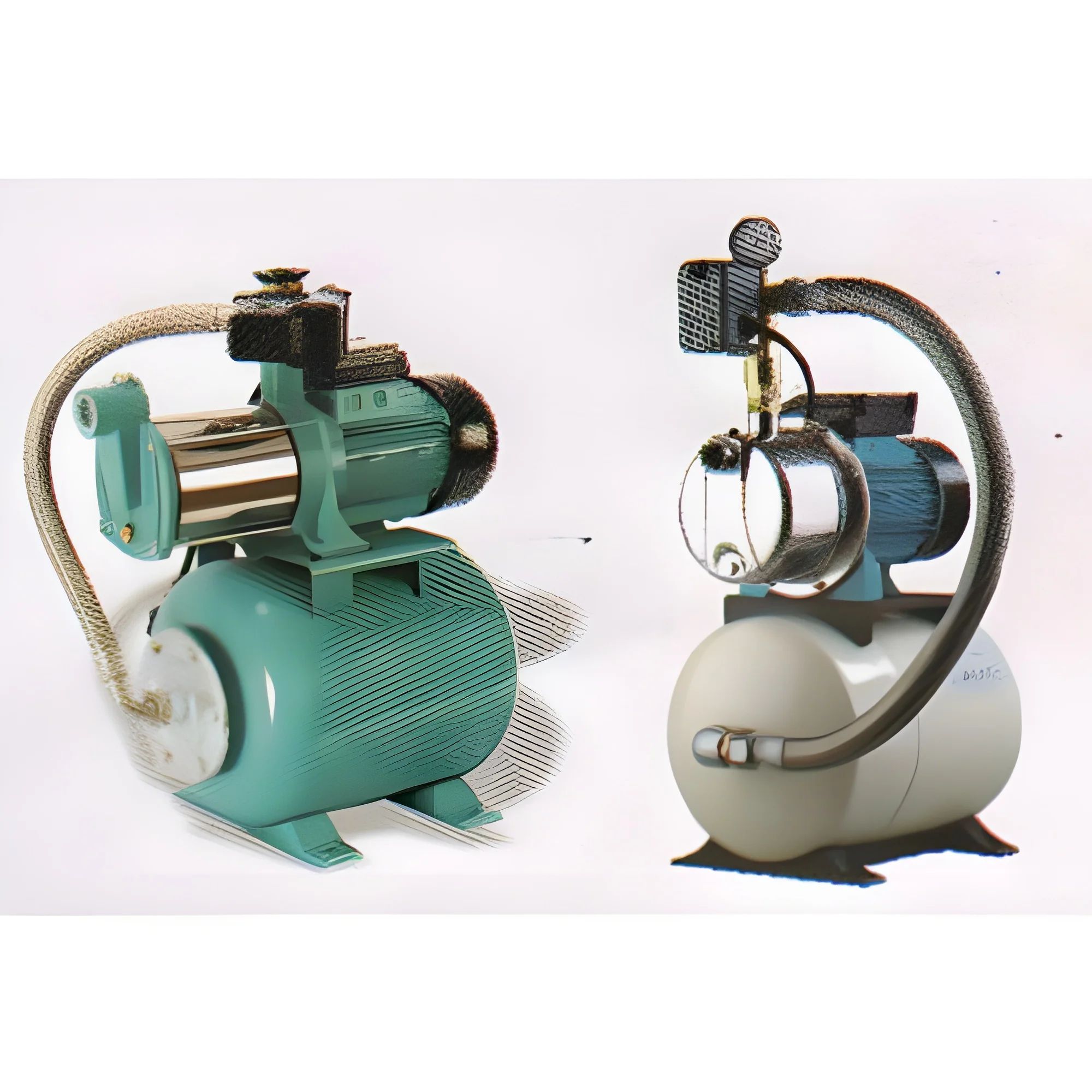
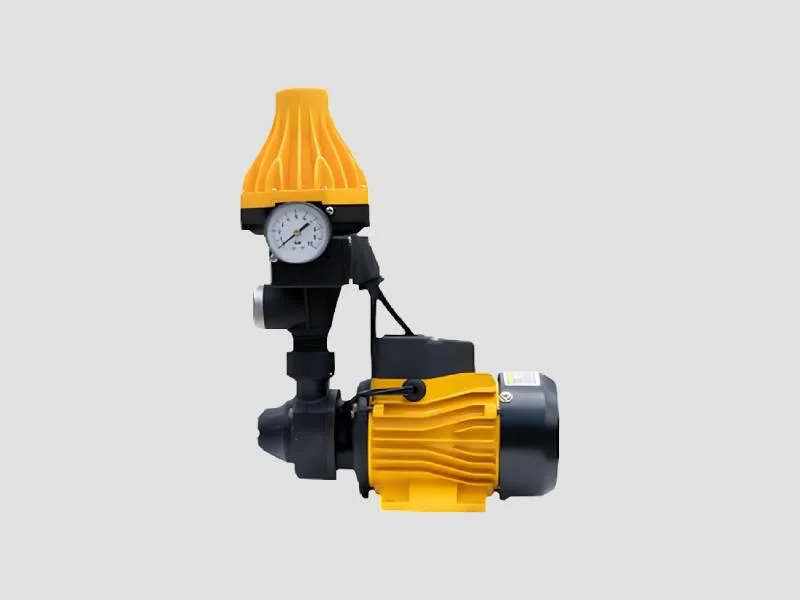
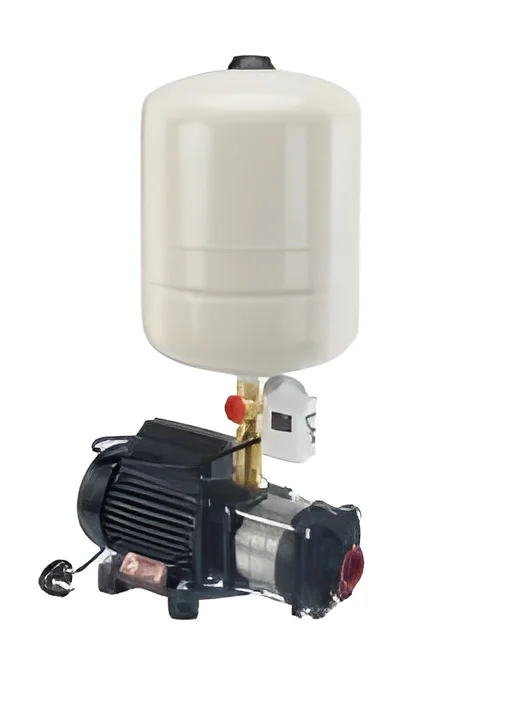
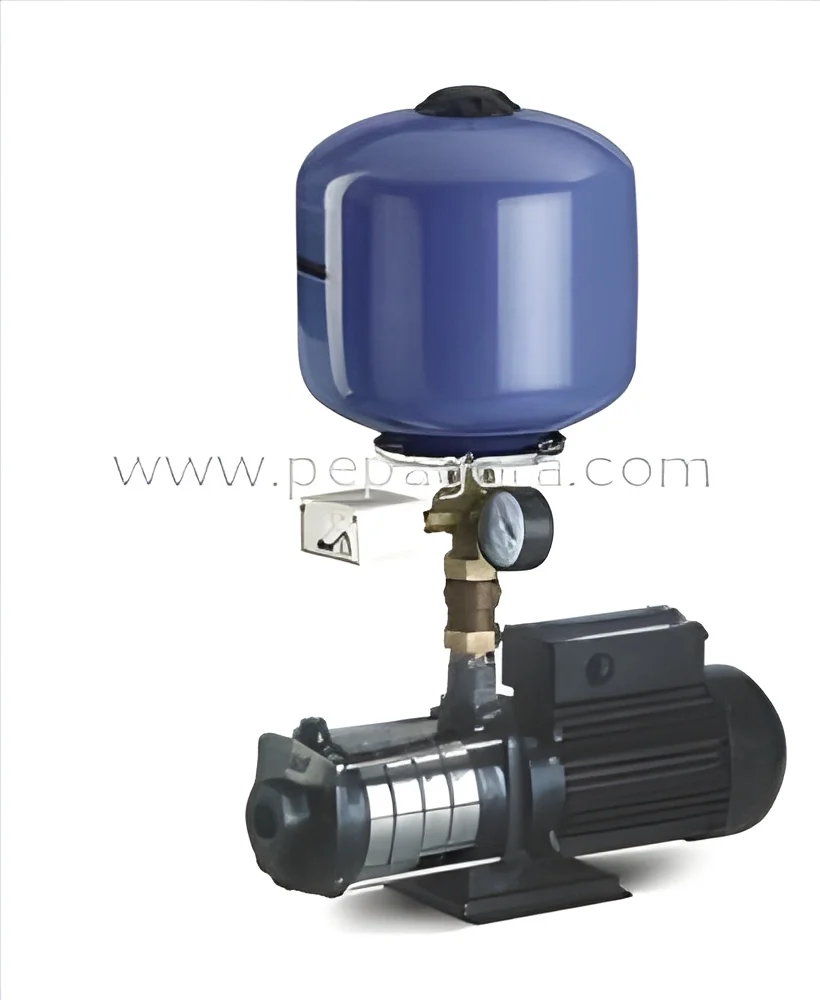
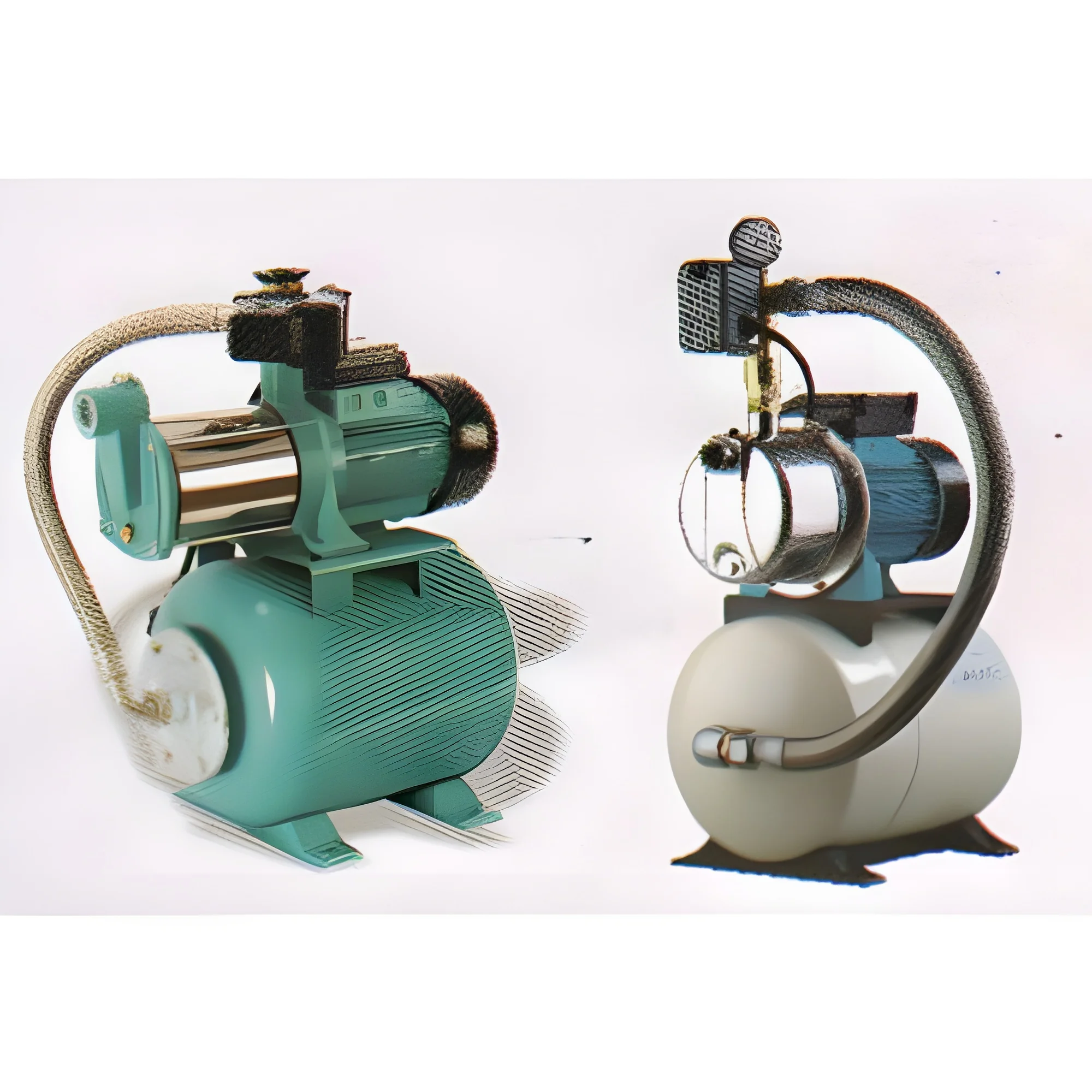
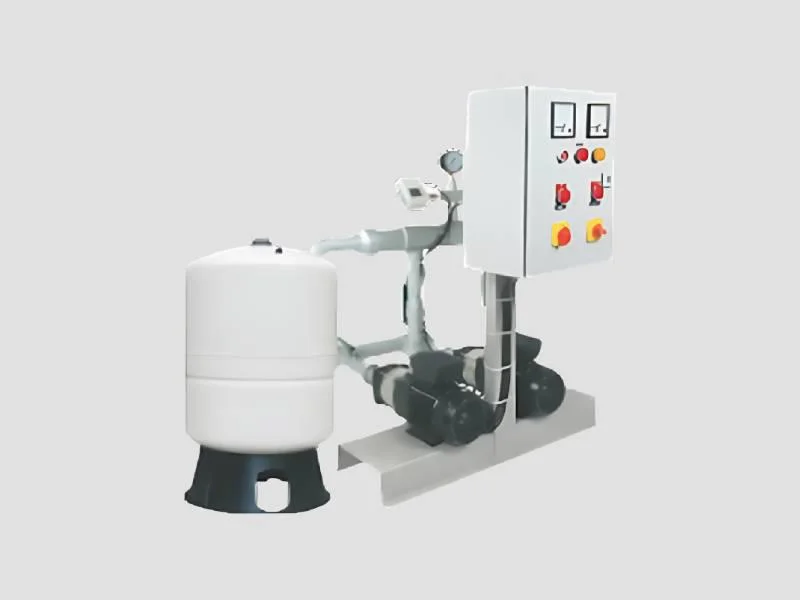
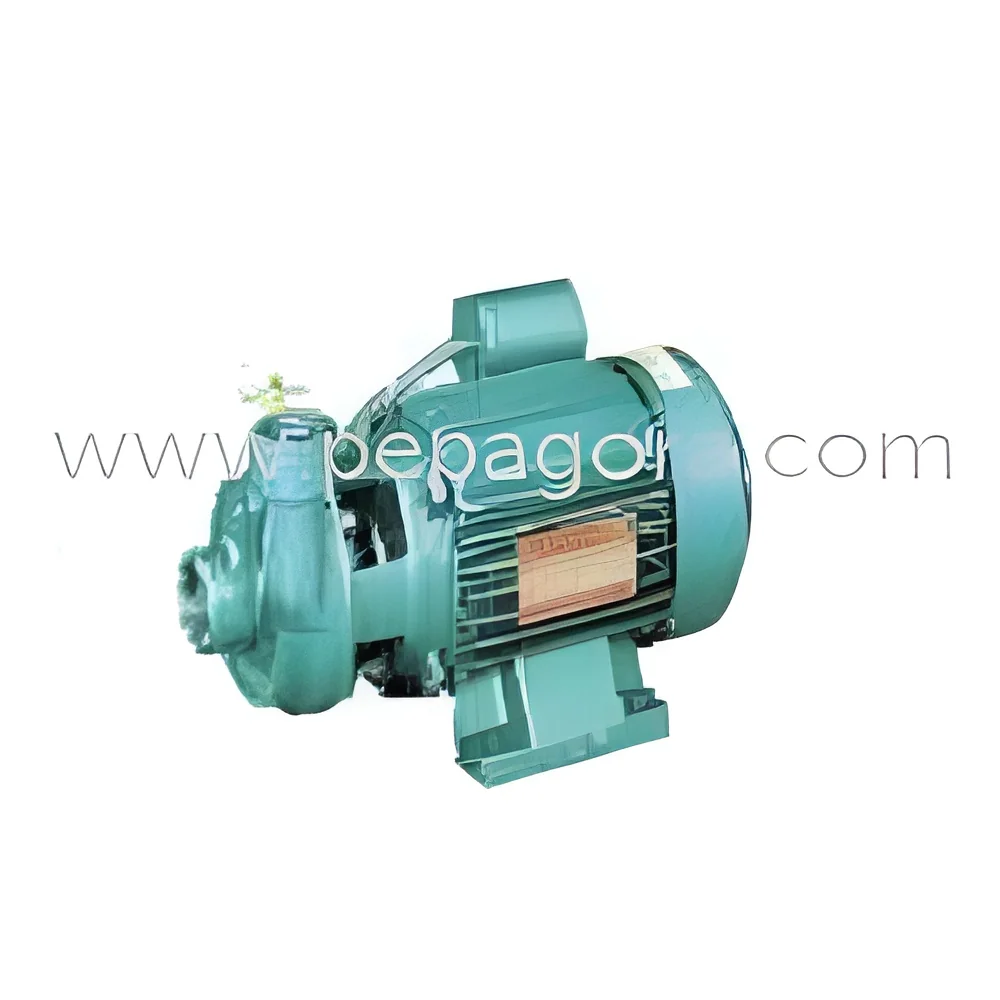
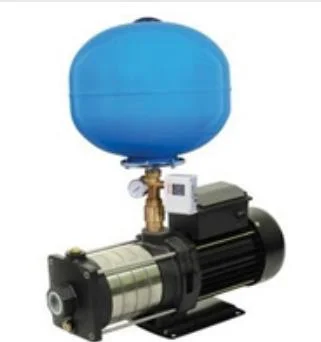
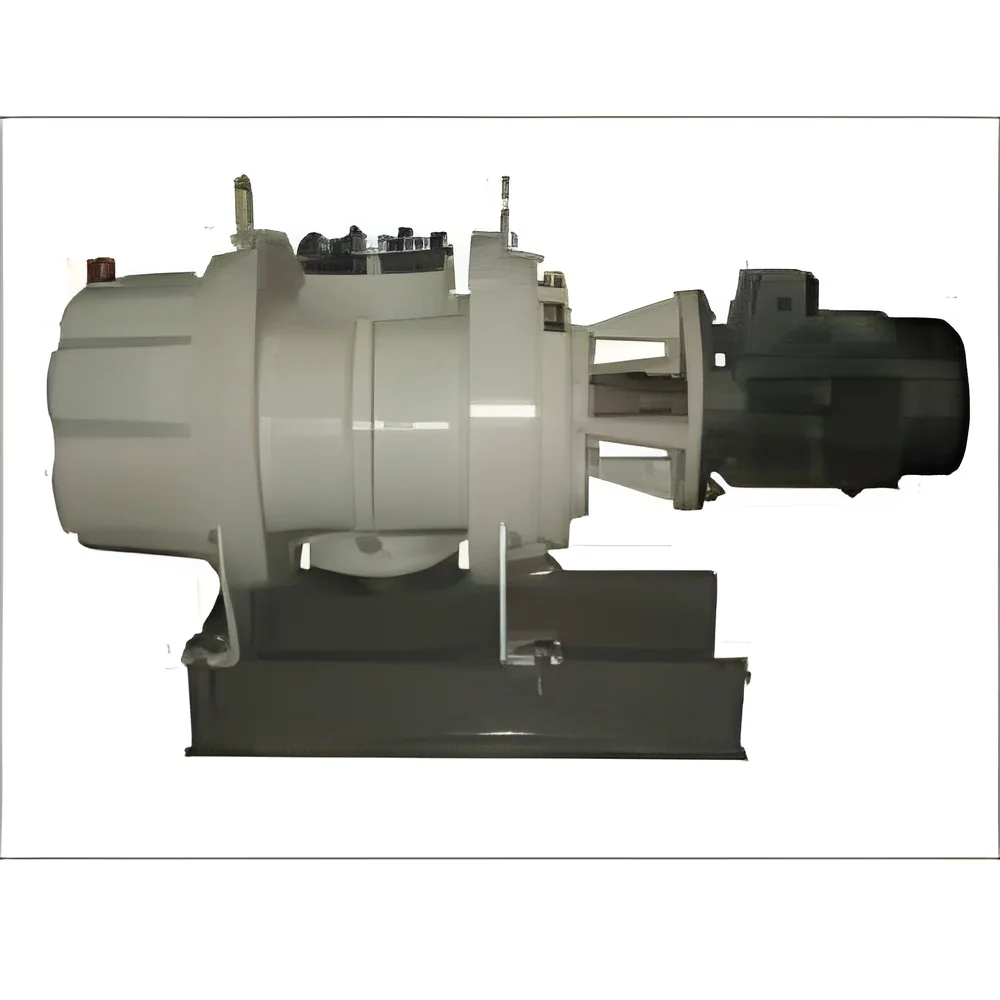
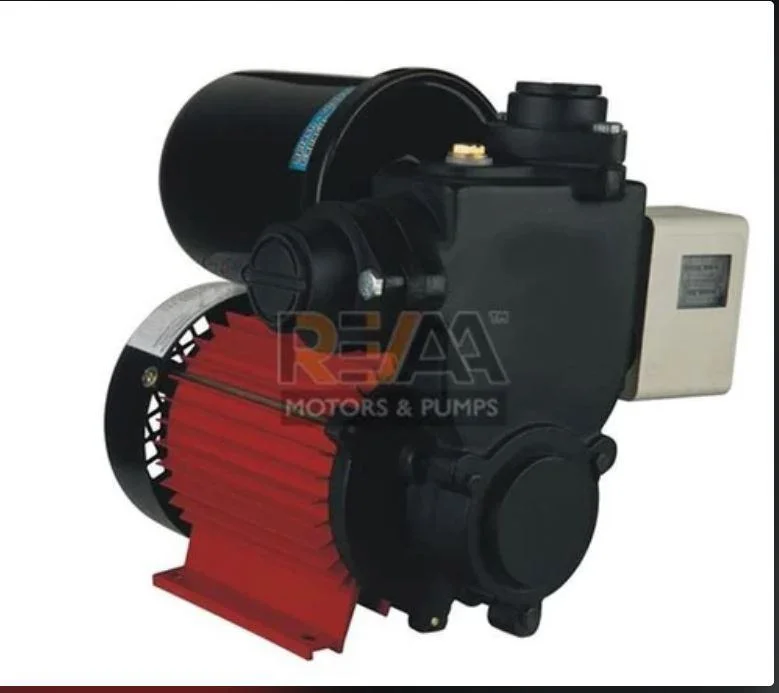
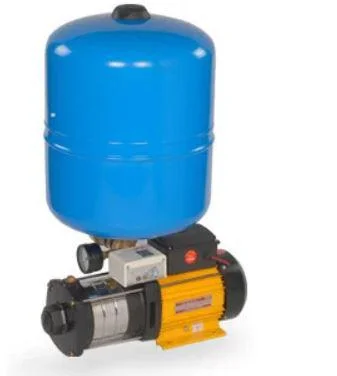
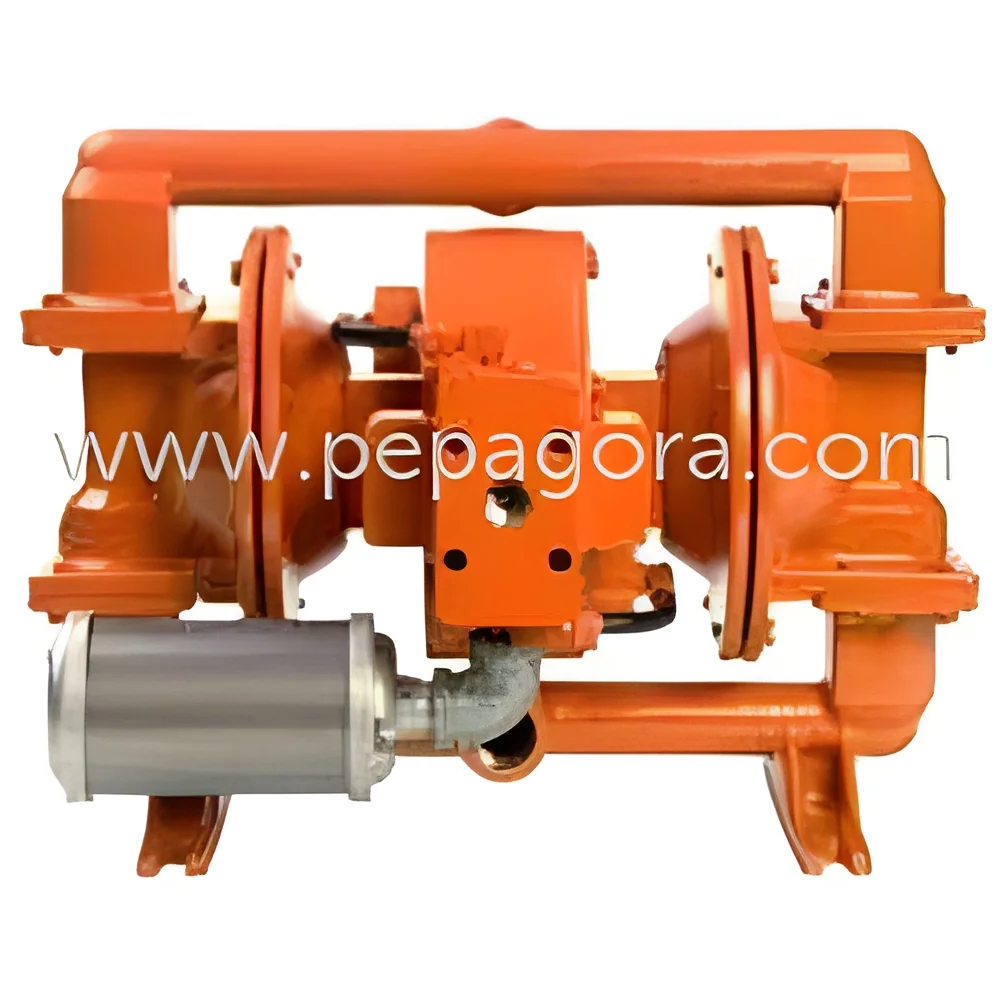
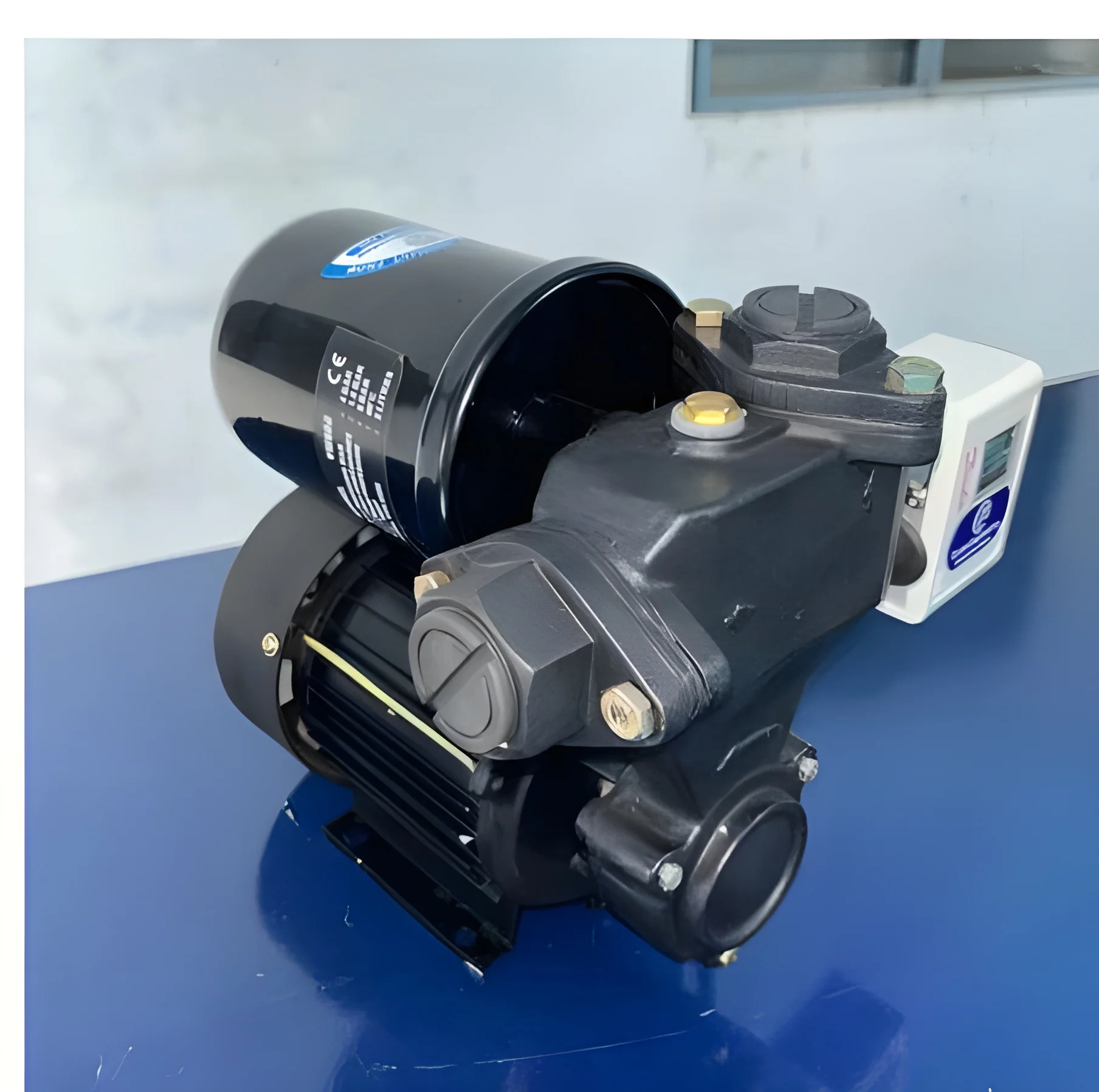
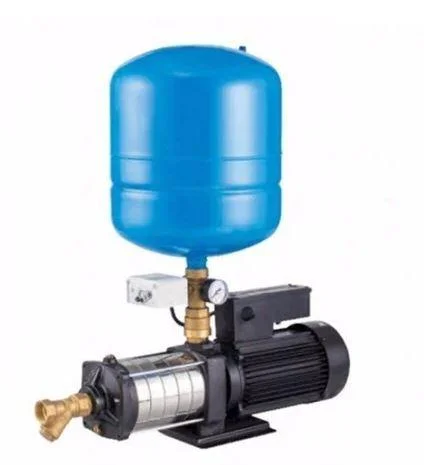
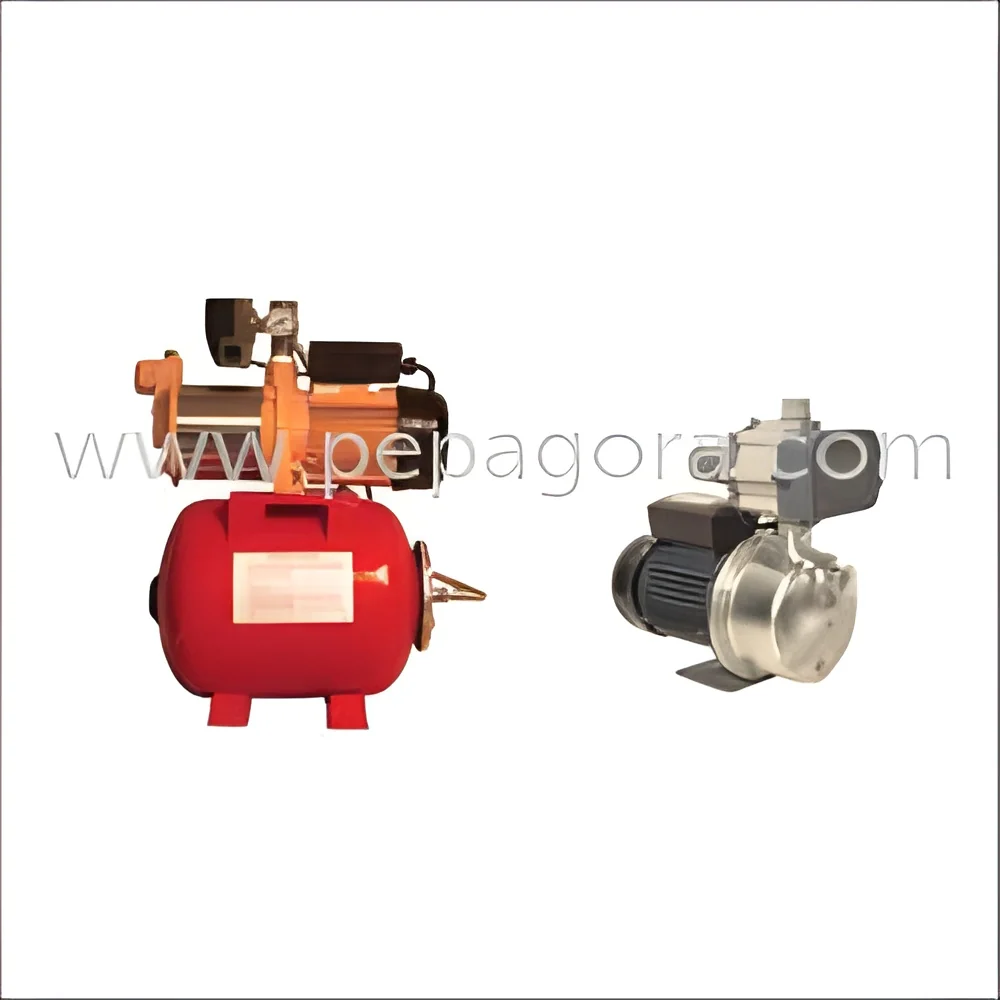
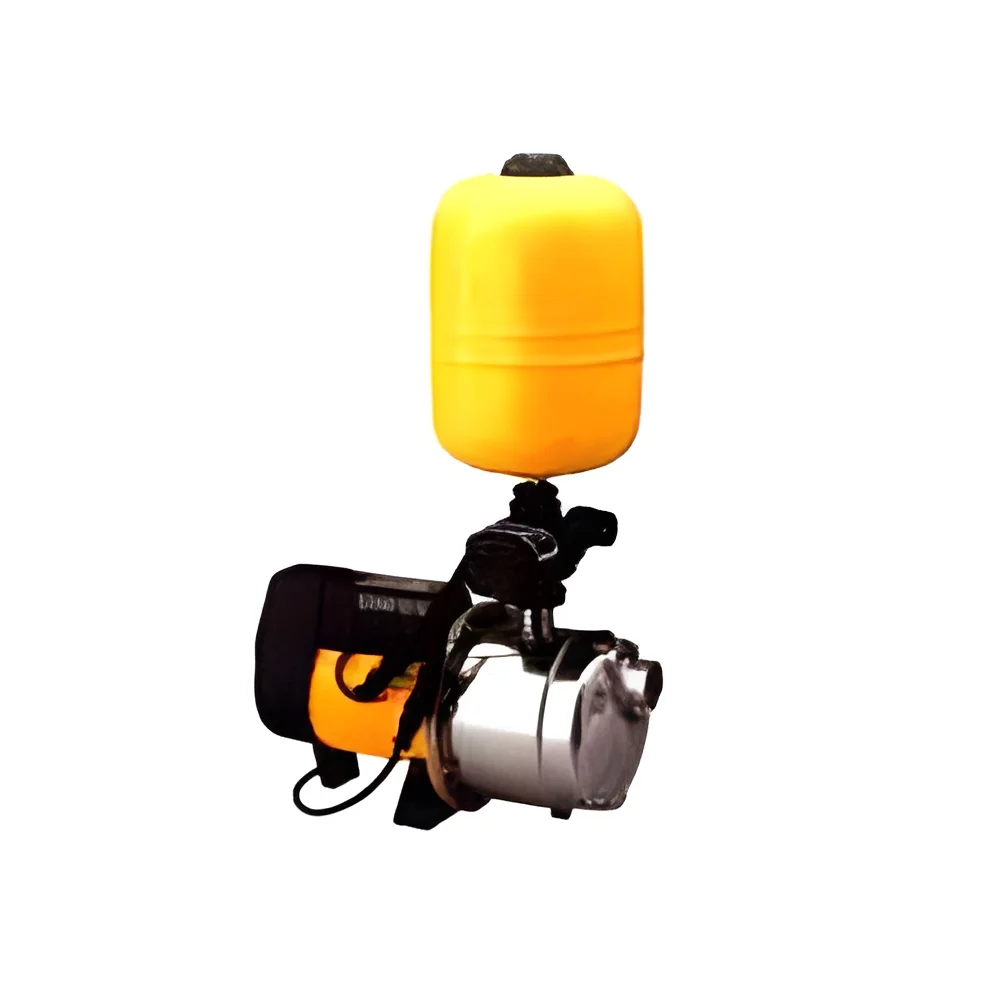
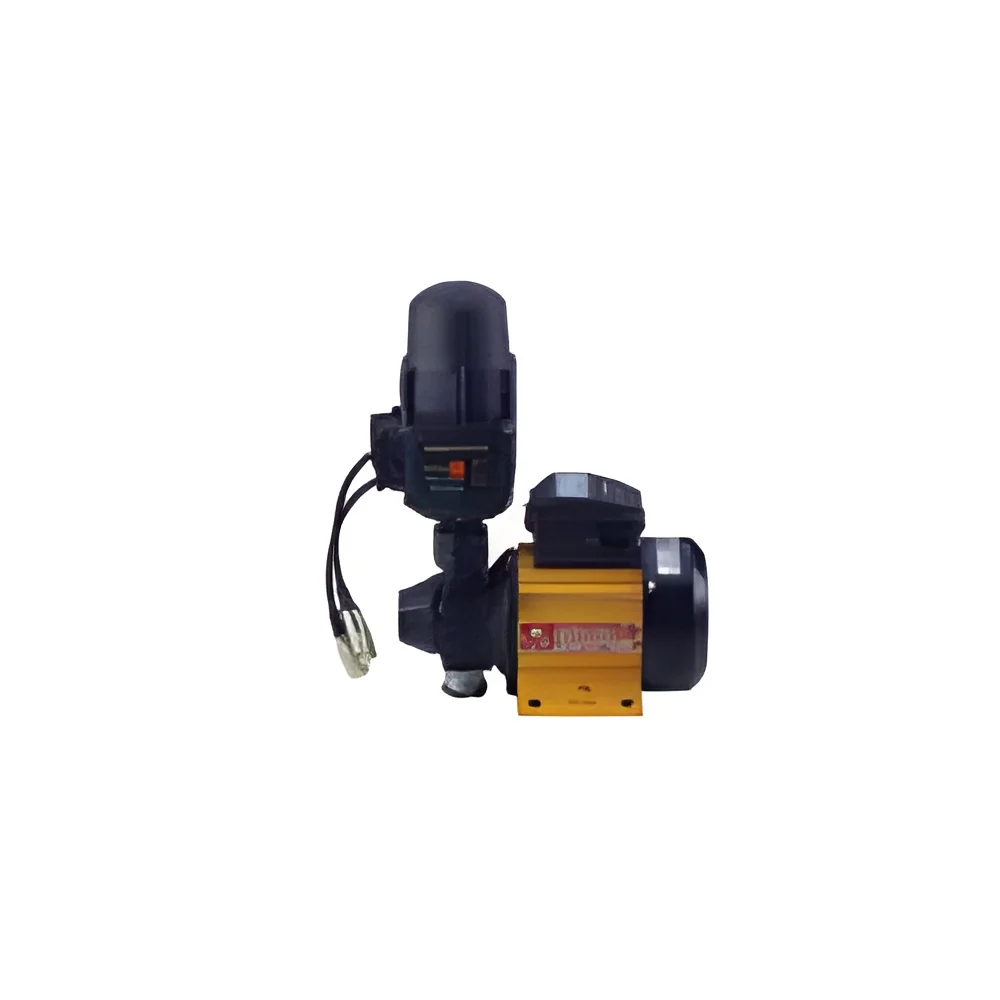
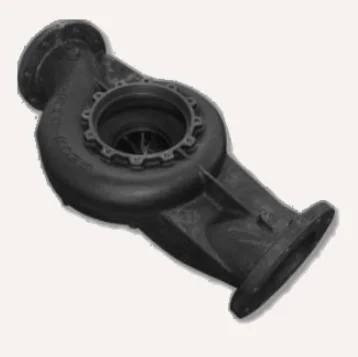
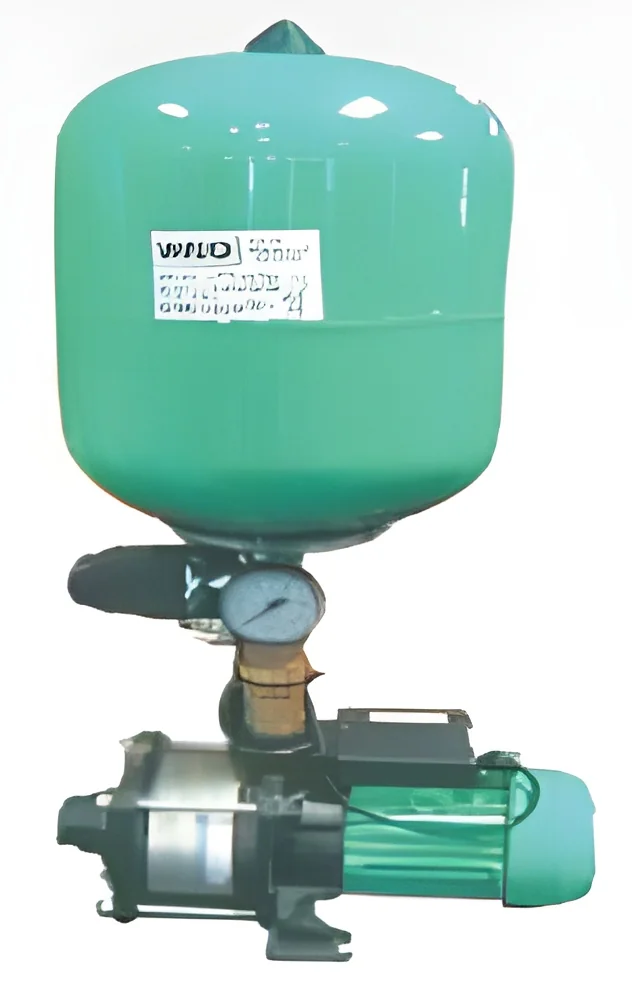
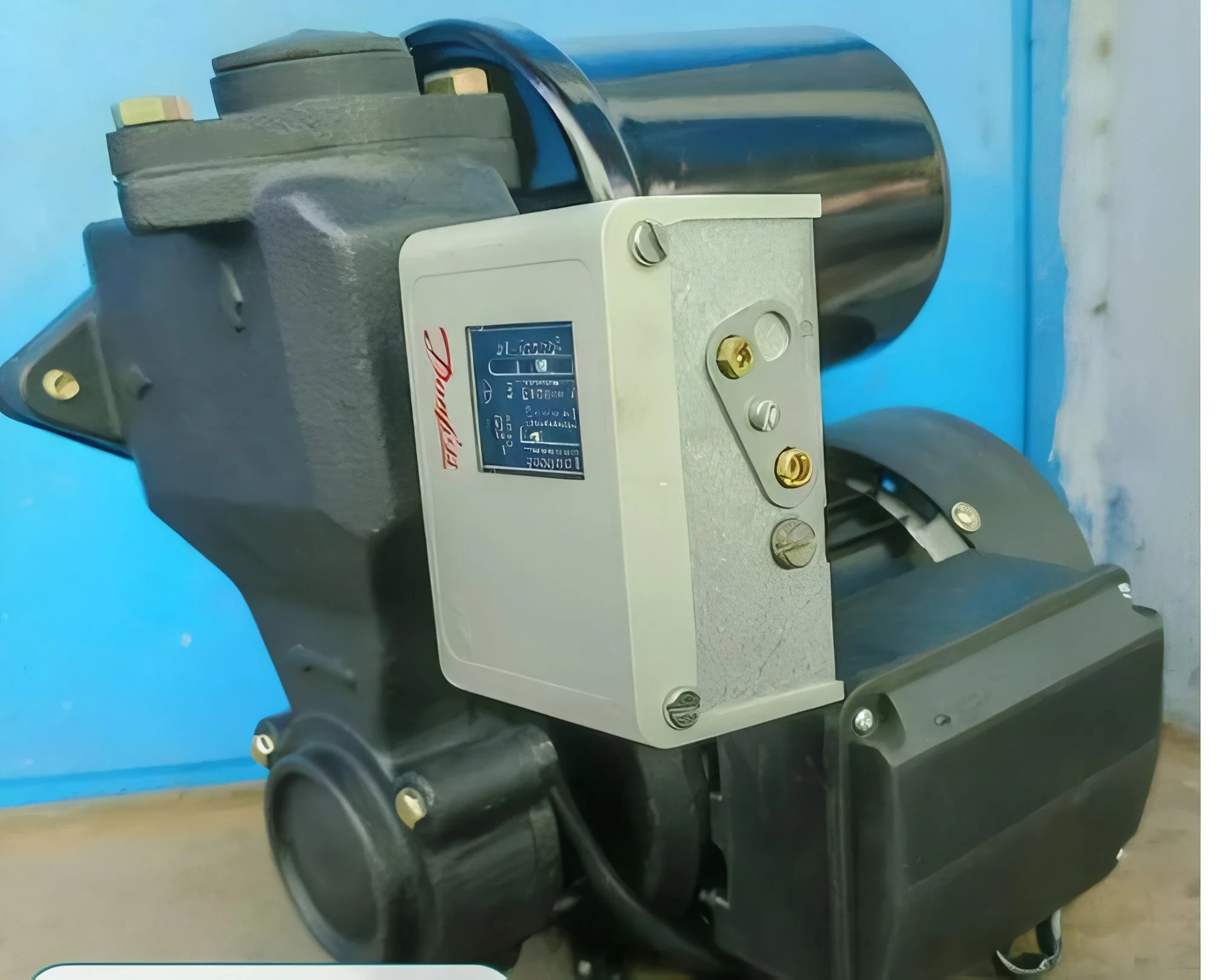
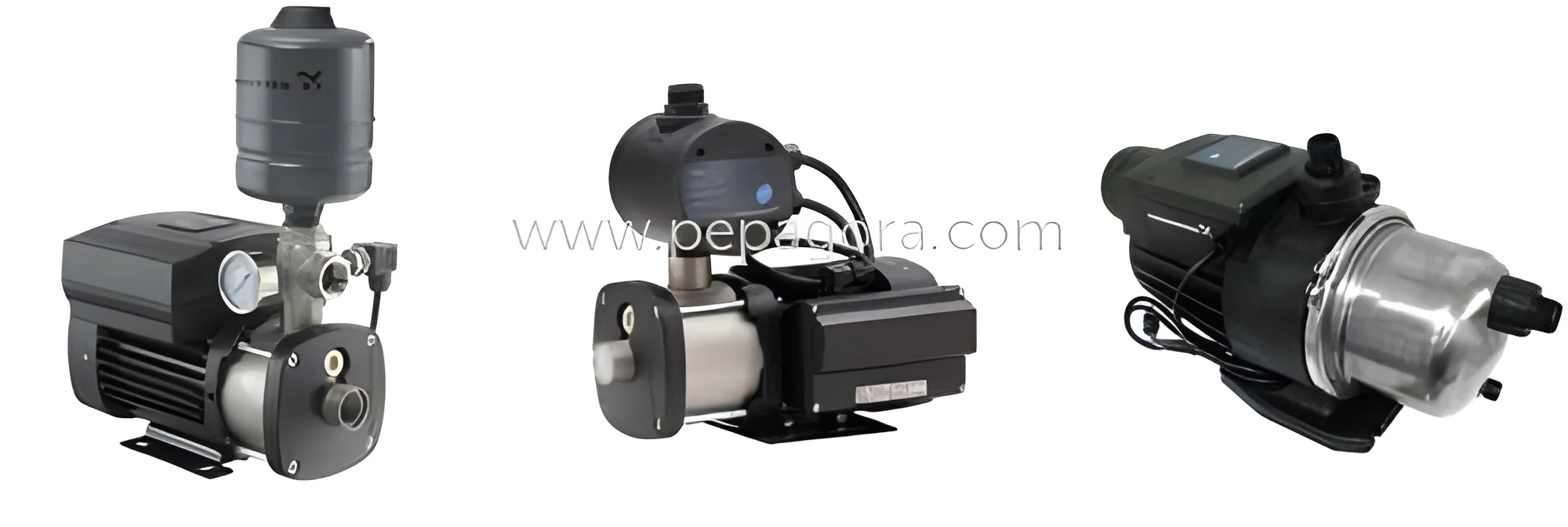
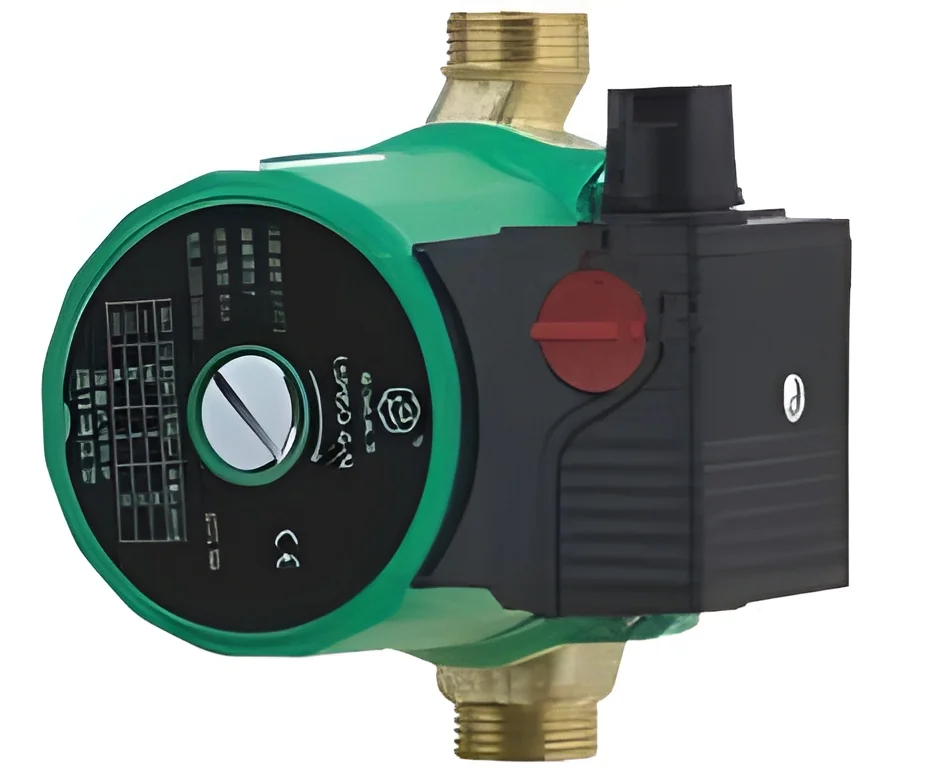
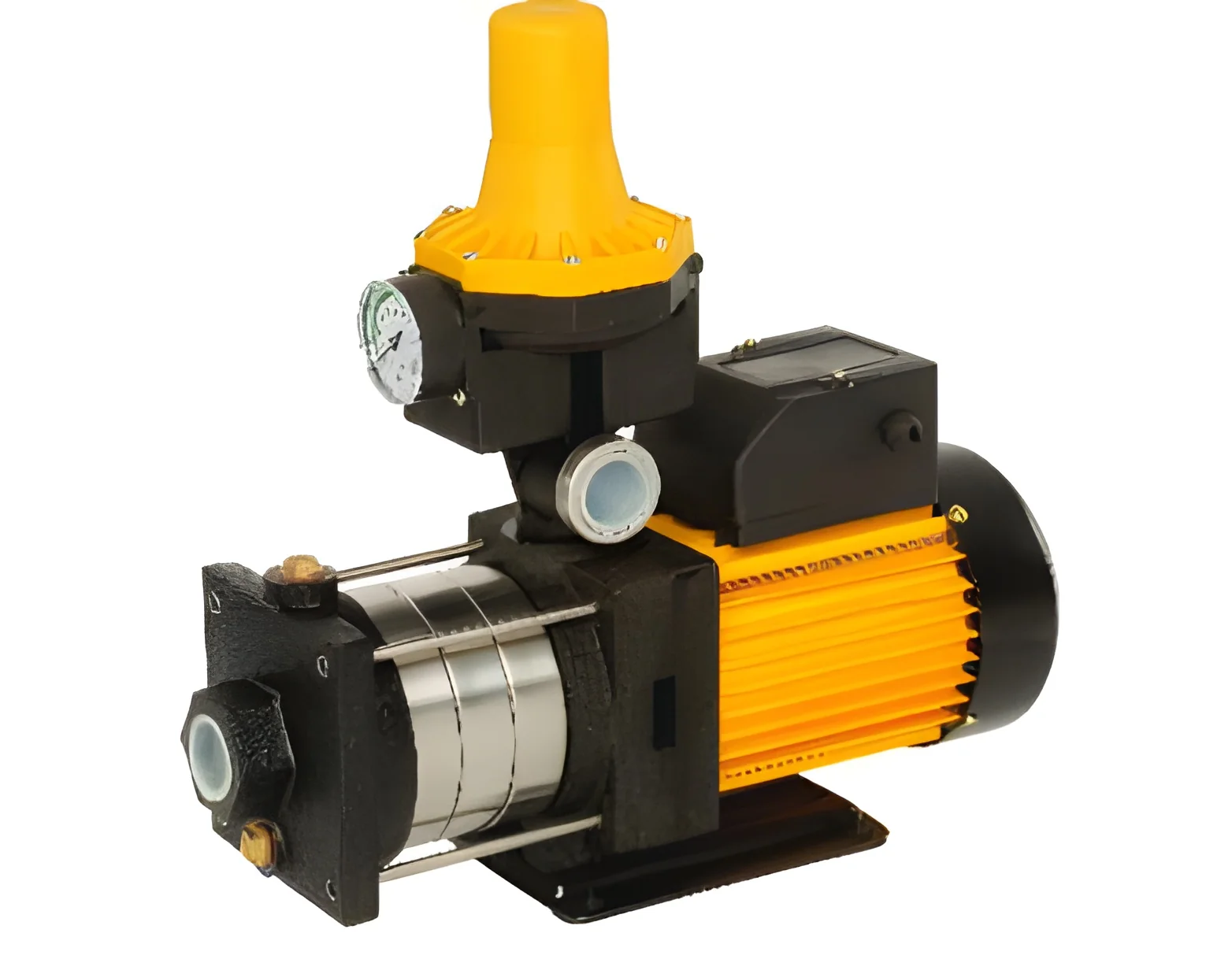
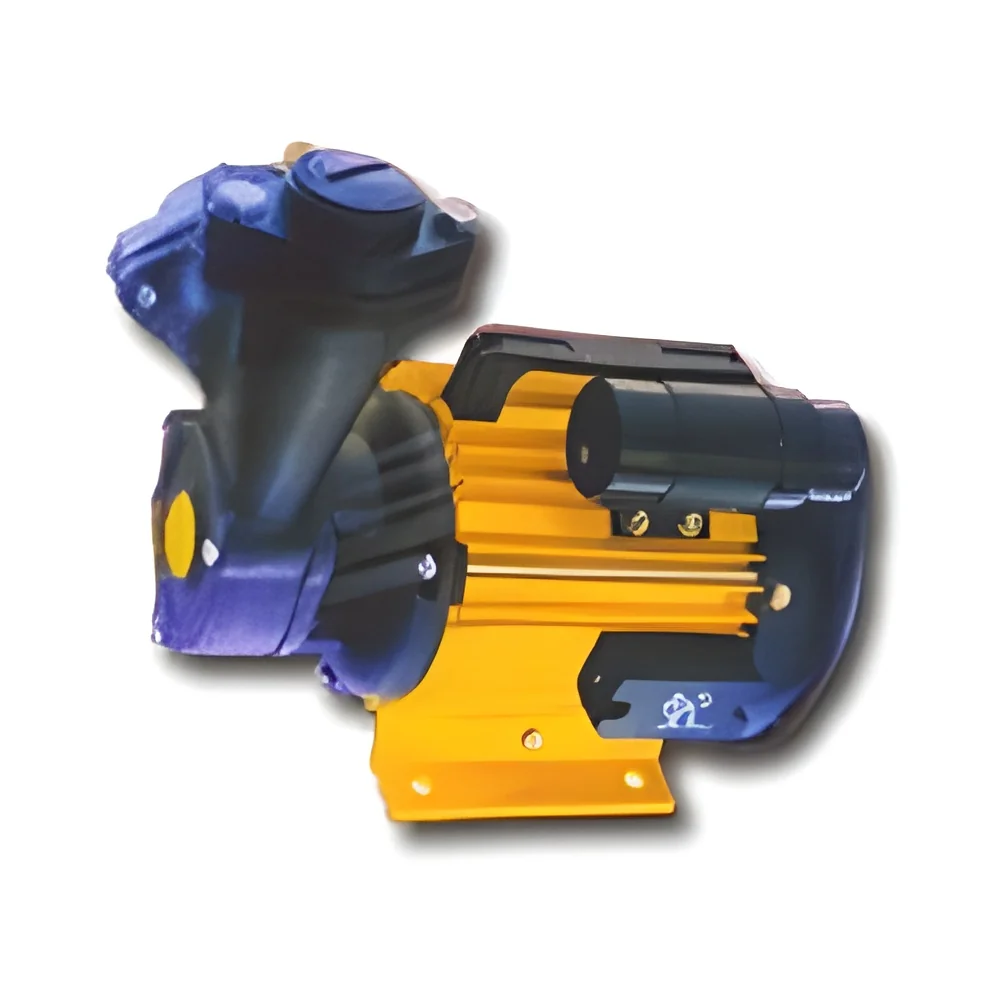
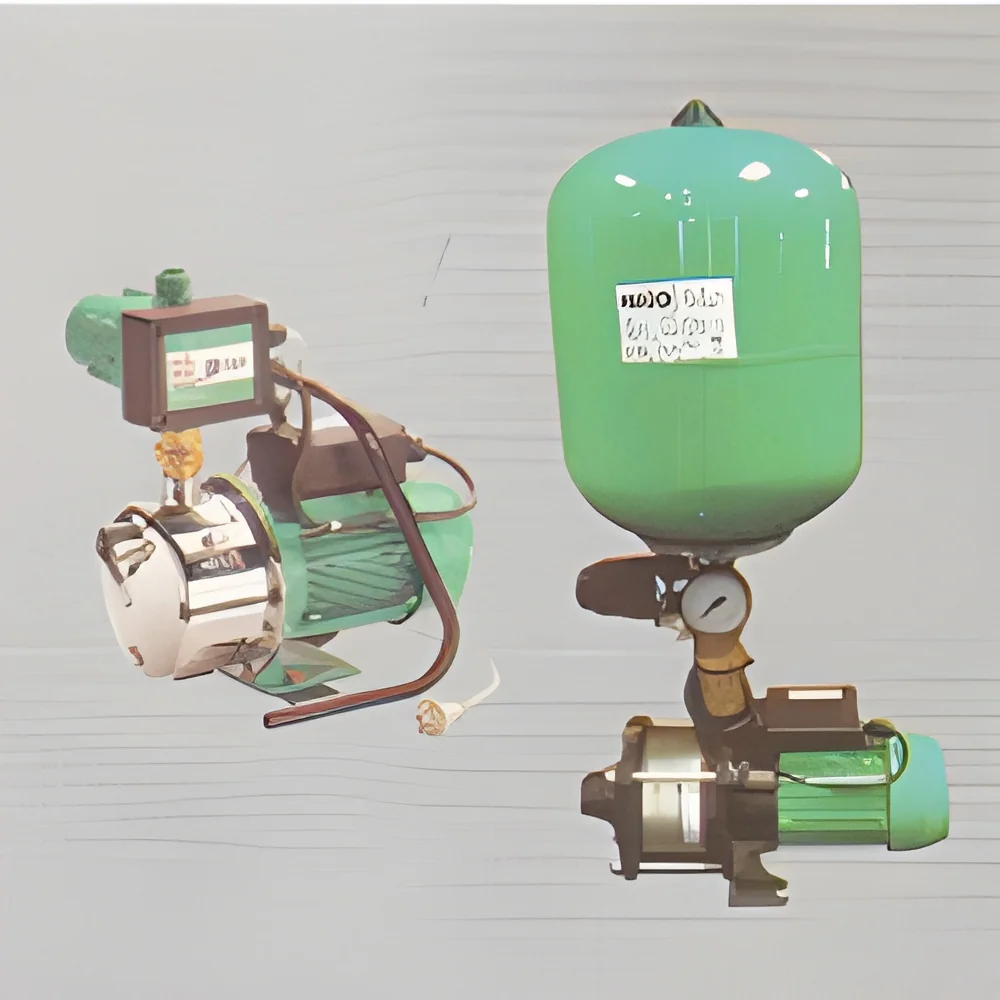
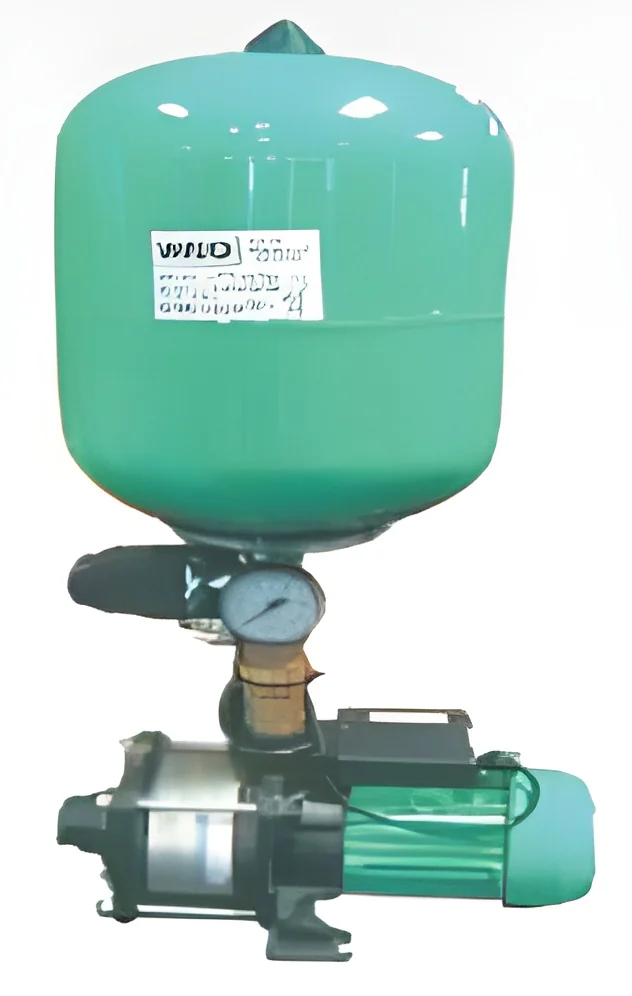
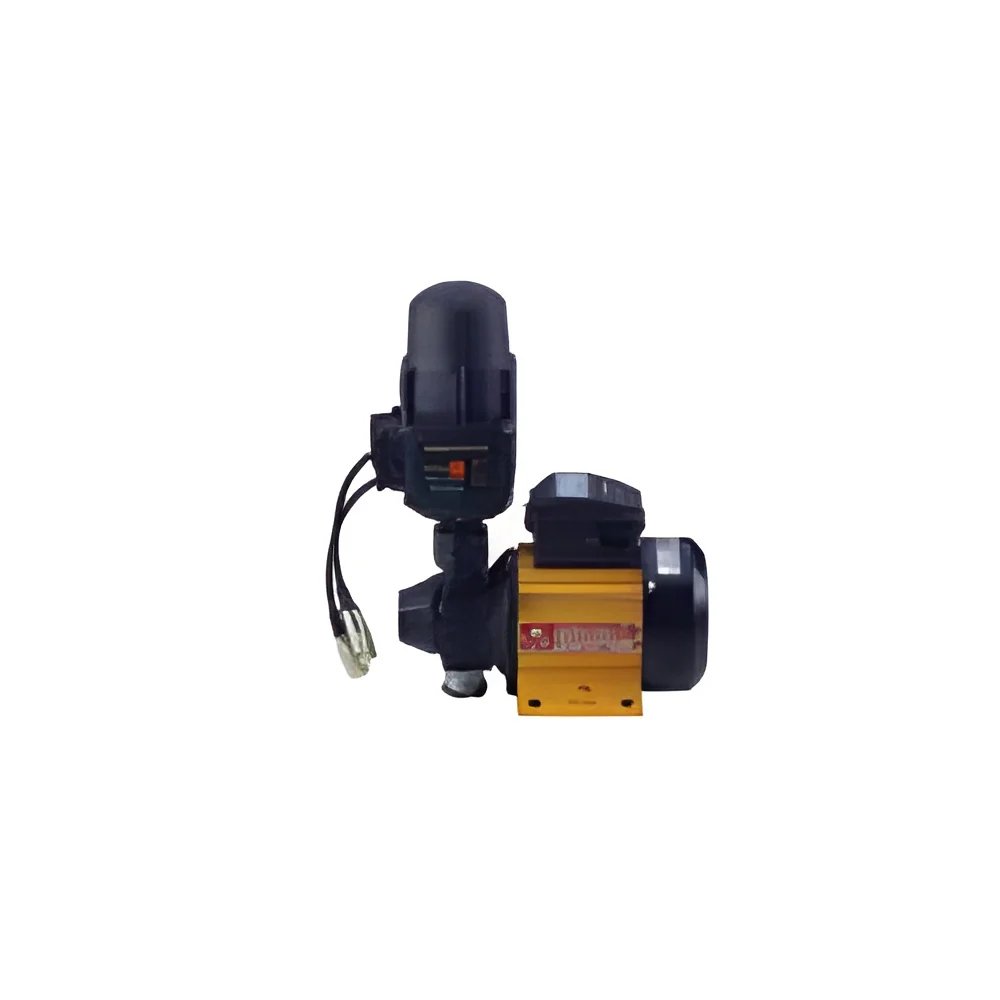
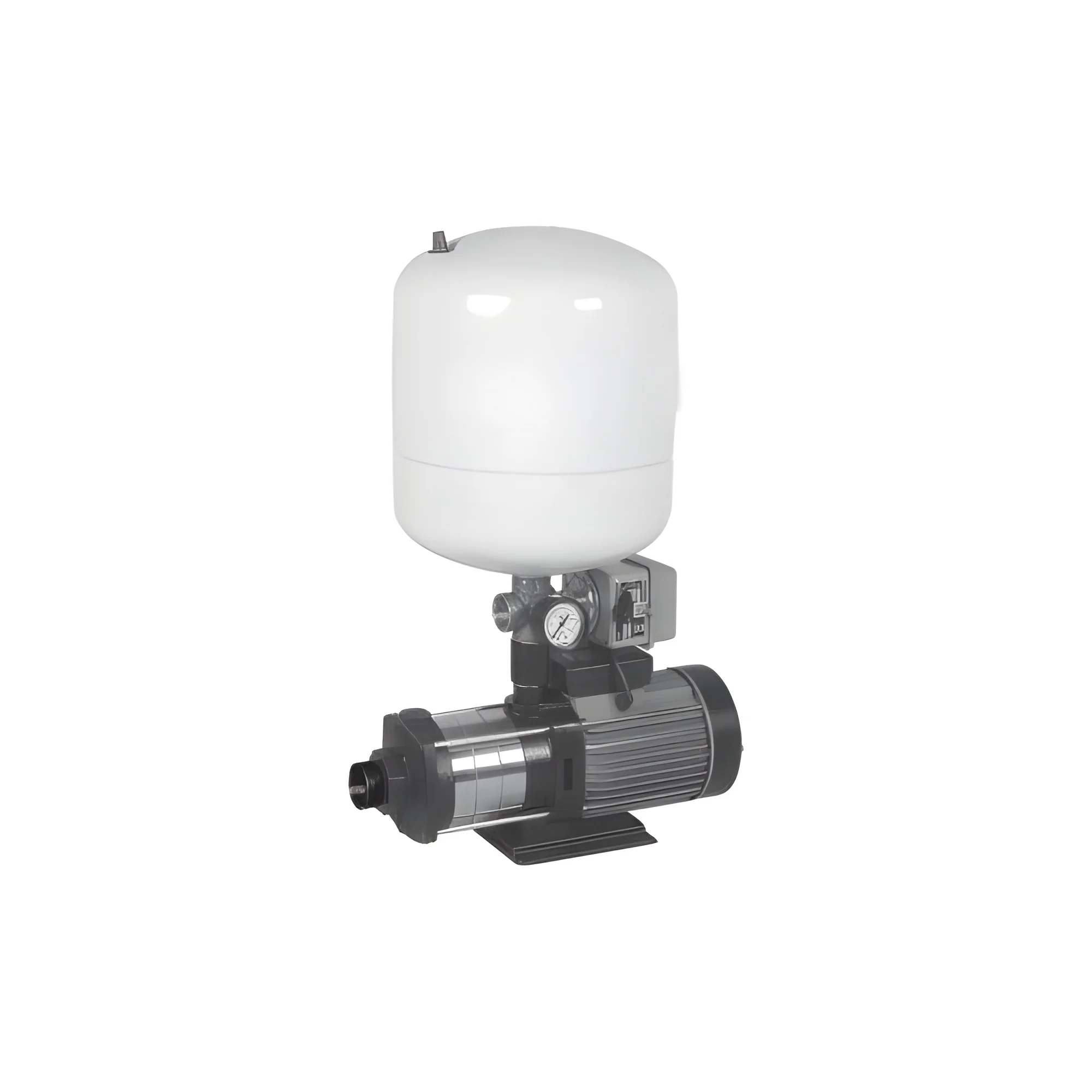
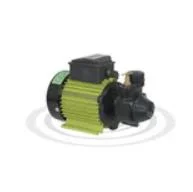
What are Pressure Booster Pumps?
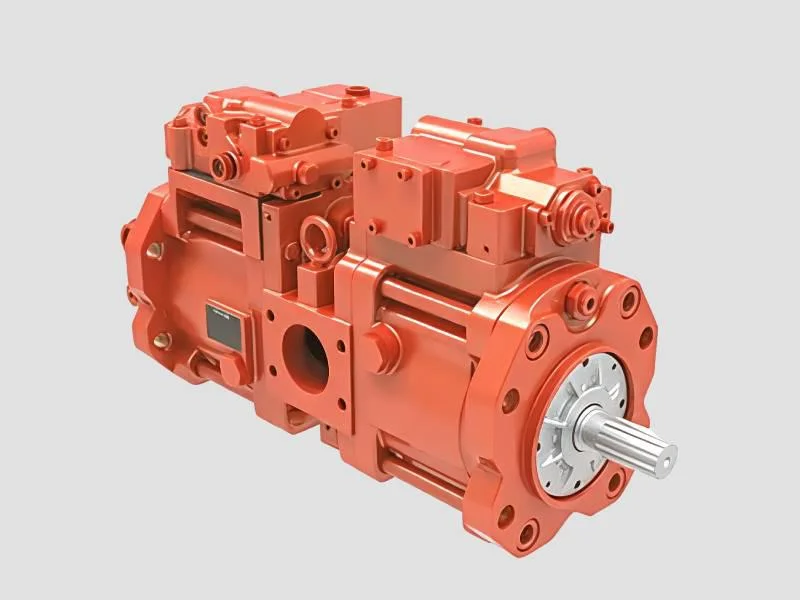
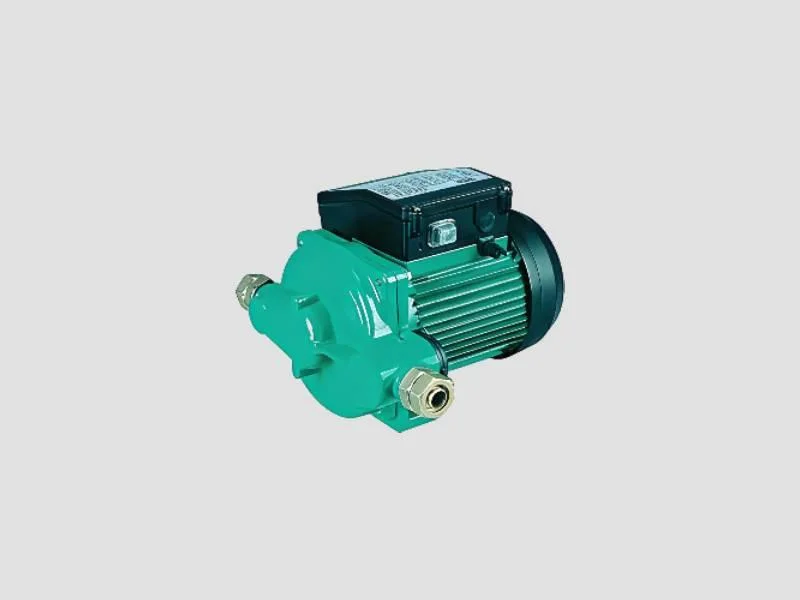
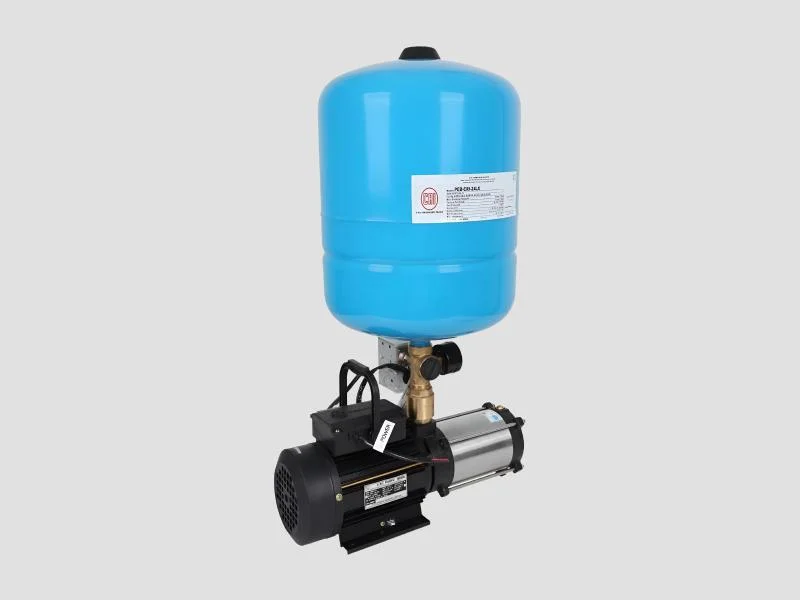
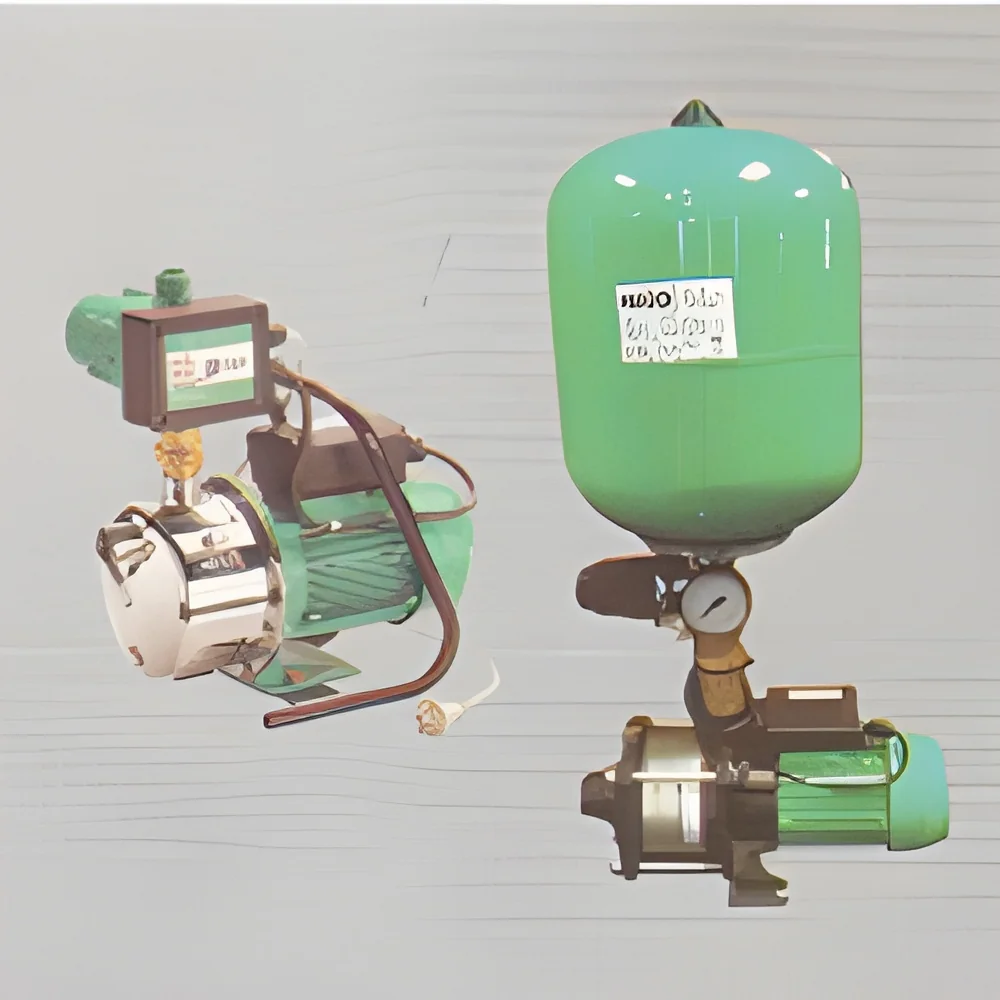
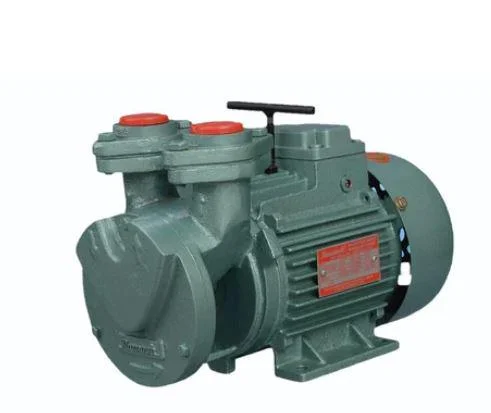
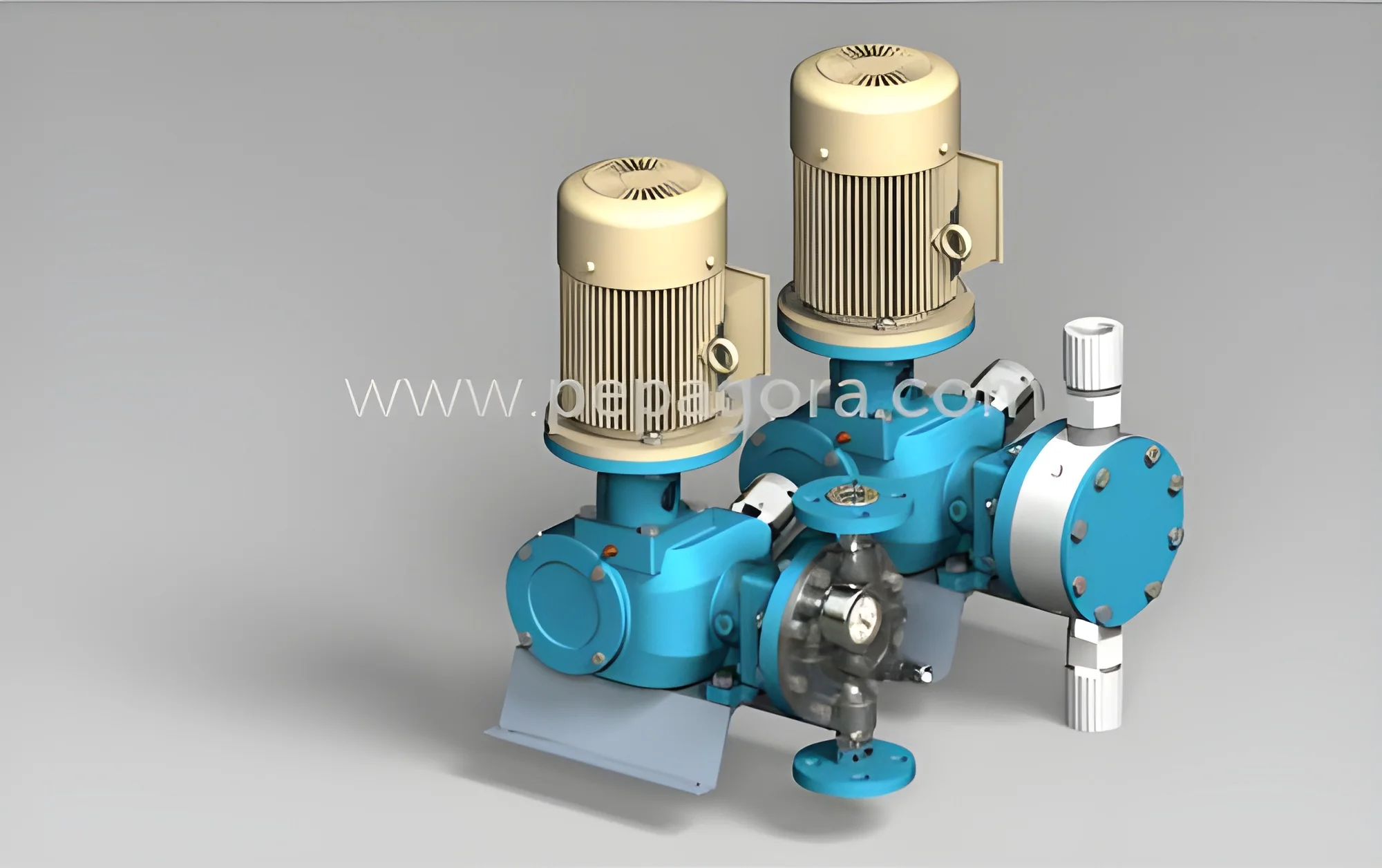
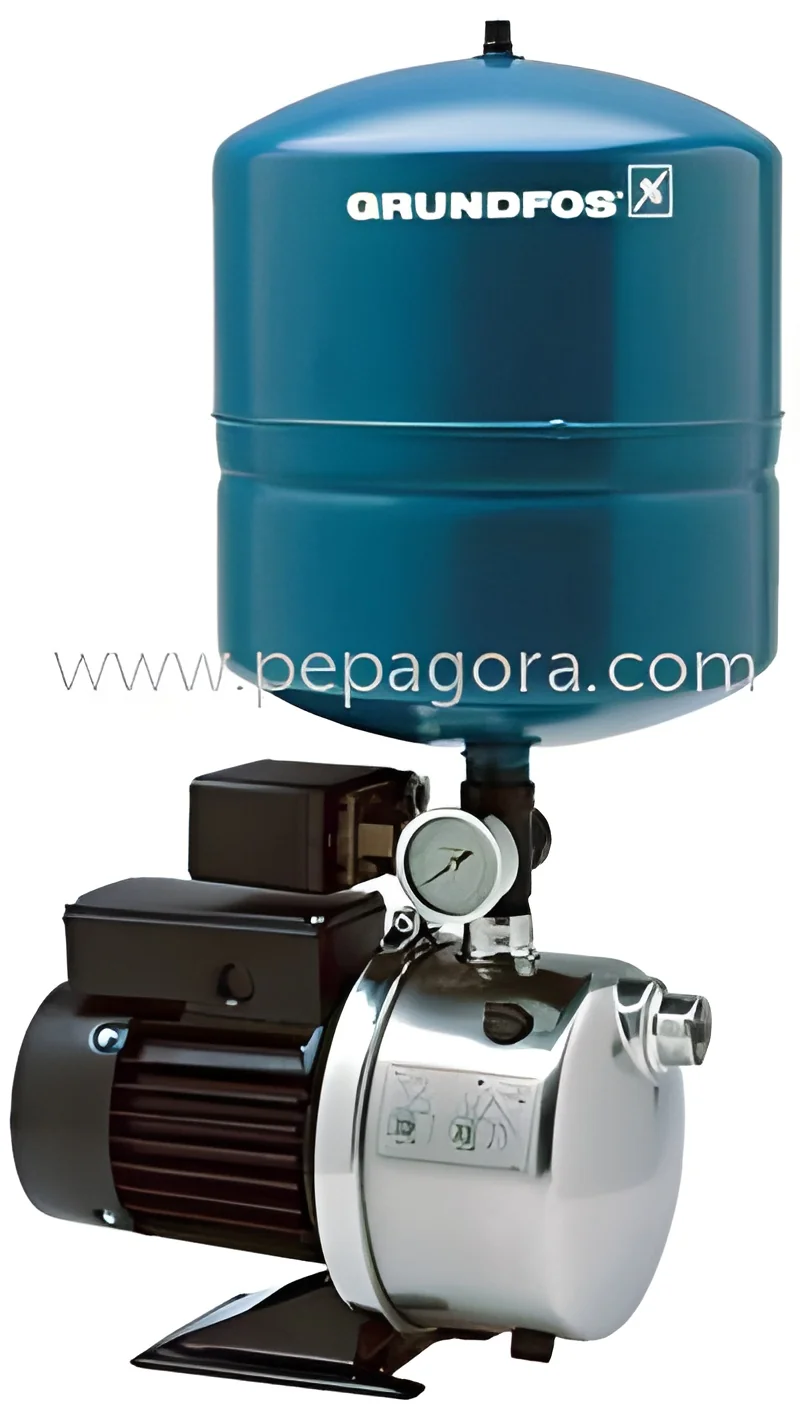
Pressure booster pumps are mechanical devices designed to increase the pressure of a fluid, typically water, in a system. These pumps are essential for applications where the existing water pressure is insufficient for effective operation. By raising the pressure, these pumps ensure that water reaches its intended destination at the required flow rate, making them critical components in various industrial and commercial settings.
These pumps are commonly used in a range of applications, including water distribution systems, irrigation, fire protection systems, and HVAC systems. Businesses often rely on pressure booster pumps to maintain consistent pressure across their operations, improving efficiency and ensuring reliability. As urban areas grow and water demands increase, the relevance of pressure booster pumps in enhancing water supply systems continues to expand, making them a vital product in the market.
Key Features and Specifications
Pressure booster pumps come with a variety of features and specifications that make them suitable for different applications. Understanding these specifications is crucial for selecting the right pump for your needs.
Key specifications include:
1. Flow Rate
- Measured in gallons per minute (GPM) or liters per second (LPS)
- Typical ranges can vary widely based on pump size and design
2. Maximum Pressure
- The maximum pressure the pump can generate, usually measured in psi or bar
- Ranges vary among models, often from 40 psi to over 150 psi
3. Power Rating
- Usually specified in horsepower (HP) or kilowatts (kW)
- Common ratings include 0.5 HP to 5 HP depending on the application
4. Pump Type
- Types include centrifugal, positive displacement, and submersible pumps
- Each type has specific advantages based on use case
5. Motor Type
- Options include single-phase or three-phase motors
- Motor efficiency and starting torque can vary
6. Material Construction
- Common materials include stainless steel, cast iron, and thermoplastics
- Material choice impacts durability and corrosion resistance
7. Installation Configuration
- Options for vertical or horizontal installation depending on space requirements
- Compact designs available for limited spaces
8. Noise Level
- Rated in decibels (dB), with quieter models ideal for residential or commercial areas
- Typical noise levels range from 50 dB to 75 dB
These specifications enable buyers to assess their needs accurately and choose a pump that fits their operational requirements.
Common Applications and Use Cases
Pressure booster pumps serve various industries, ensuring adequate pressure for different applications.
1. Water Supply Systems: These pumps are crucial in municipal and residential water supply systems, enhancing water pressure for distribution.
2. Agriculture: In irrigation systems, pressure booster pumps help deliver water efficiently to crops, ensuring optimal growth and yield.
3. Fire Protection: These pumps are vital for fire sprinkler systems, providing the necessary pressure to ensure effective firefighting measures.
4. HVAC Systems: In heating and cooling systems, pressure booster pumps maintain the required pressure for water circulation, enhancing system efficiency.
5. Industrial Processes: Many manufacturing processes require consistent water pressure for cooling, cleaning, and other functions, making these pumps essential.
6. Commercial Buildings: Pressure booster pumps help maintain consistent water pressure in high-rise buildings, ensuring that all floors receive adequate water supply.
7. Food and Beverage Industry: In this sector, maintaining proper water pressure is critical for processing and hygiene standards.
Product Variants and Subcategories
Pressure booster pumps come in diverse variants designed to meet specific requirements.
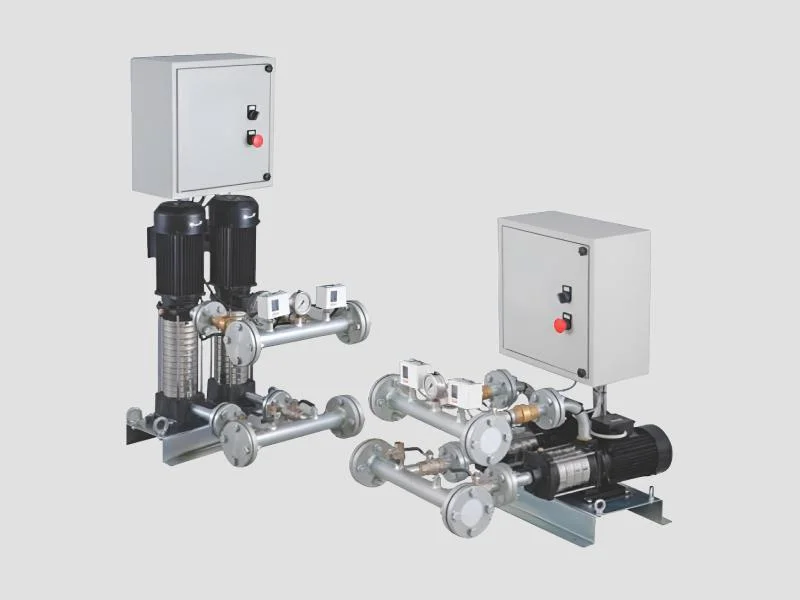
Standard Pressure Booster Pumps: These pumps are ideal for general applications, providing reliable pressure enhancement across various industries. They are easy to install and maintain, making them popular for commercial use.
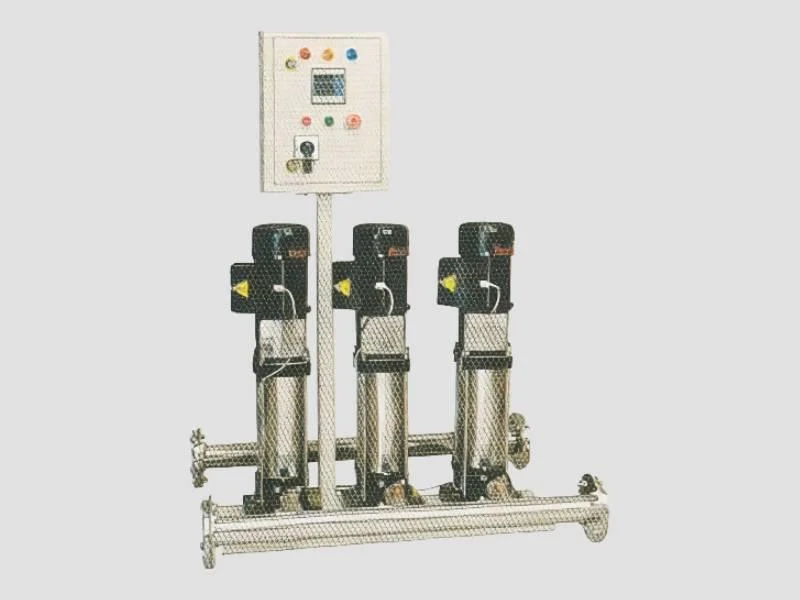
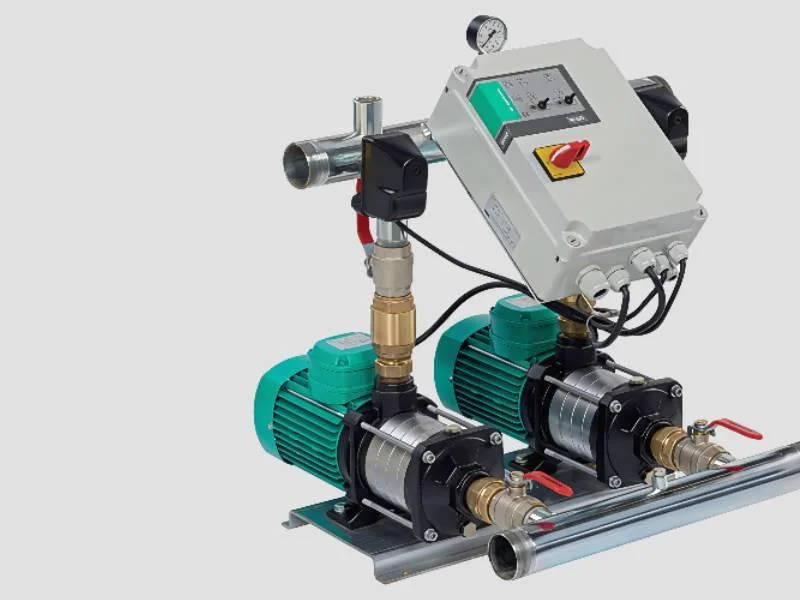
Multistage Pressure Booster Pumps: Designed for high-pressure applications, these pumps use multiple impellers to achieve higher pressures. They are commonly used in water supply systems for high-rise buildings and industrial applications.
Variable Speed Pressure Booster Pumps: These pumps adjust their speed based on demand, providing energy efficiency and consistent pressure. They are particularly useful in applications with fluctuating water demand.
Submersible Pressure Booster Pumps: Designed for underwater use, these pumps are ideal for deep well applications and provide reliable pressure in challenging environments.
Benefits and Advantages
Investing in pressure booster pumps offers several significant benefits for businesses.
1. Enhanced Efficiency: These pumps ensure consistent water pressure, improving overall system efficiency and reducing energy waste.
2. Reliable Performance: With dependable operation, pressure booster pumps reduce downtime and maintenance costs, allowing businesses to operate smoothly.
3. Versatile Applications: Their adaptability makes them suitable for a wide range of industries, from agriculture to commercial buildings.
4. Space Saving Designs: Many models feature compact designs, allowing for installation in limited spaces without compromising performance.
5. Improved Water Quality: By maintaining consistent pressure, these pumps help prevent contamination and ensure clean water supply.
6. Energy Savings: Variable speed options can lead to significant energy savings, particularly in systems with fluctuating demand.
Buying Guide for B2B Buyers
When sourcing pressure booster pumps, it is essential to consider several critical factors to ensure the best choice for your business.
1. Quality Assessment: Evaluate the quality of the pumps based on manufacturer reputation, materials used, and performance ratings. Look for pumps that meet industry standards for reliability and efficiency.
2. Supplier Verification: Vet suppliers thoroughly to ensure they have a proven track record in providing quality products. Check reviews and ask for references where possible.
3. Pricing and MOQ: Understand the pricing structure and minimum order quantities (MOQ) to align with your budget and procurement needs. Compare multiple suppliers to ensure competitive pricing.
4. Delivery and Lead Times: Consider logistics and delivery times, especially for urgent projects. Ensure suppliers can meet your deadlines and have a reliable shipping process.
5. Compliance Requirements: Verify that the pumps meet all relevant regulatory and safety standards for your industry, including certifications such as CE.
Compliance and Certifications
Compliance with quality standards and certifications is crucial for pressure booster pumps. Common quality standards include ISO 9001, which ensures that the manufacturer adheres to quality management principles. Additionally, HACCP standards may apply in food-related industries to ensure safe water supply for processing.
Industry certifications such as CE indicate that the pumps meet European safety, health, and environmental protection standards. It is essential for buyers to ensure that the products they purchase have these certifications, ensuring compliance with regulations.
Lastly, regional compliance considerations may vary, and businesses should be aware of local regulations that could impact pump selection and installation. Compliance with safety and testing requirements is vital to prevent operational disruptions and maintain industry standards.
Why Source Pressure Booster Pumps from Pepagora?
Pepagora provides a trusted platform for sourcing pressure booster pumps, offering a range of advantages for B2B buyers.
Verified Supplier Network: Pepagora features a network of verified suppliers, ensuring that buyers have access to quality products and reputable manufacturers. This verification process helps mitigate risks associated with procurement.
Streamlined RFQ Process: The platform offers an efficient Request for Quotation (RFQ) system, allowing buyers to easily compare options and receive timely responses from suppliers. This simplifies the sourcing process and saves time.
Trade Assurance and Support: Pepagora prioritizes buyer protection with trade assurance policies. This support ensures that buyers can confidently make purchases, knowing they are safeguarded against potential issues.
Regional Coverage: With a strong presence in India, the GCC region, and Southeast Asia, Pepagora offers extensive regional coverage, facilitating access to a wide range of suppliers and products tailored to local needs.
These factors combine to make Pepagora an ideal choice for businesses looking to source pressure booster pumps effectively and efficiently.

 IN
IN