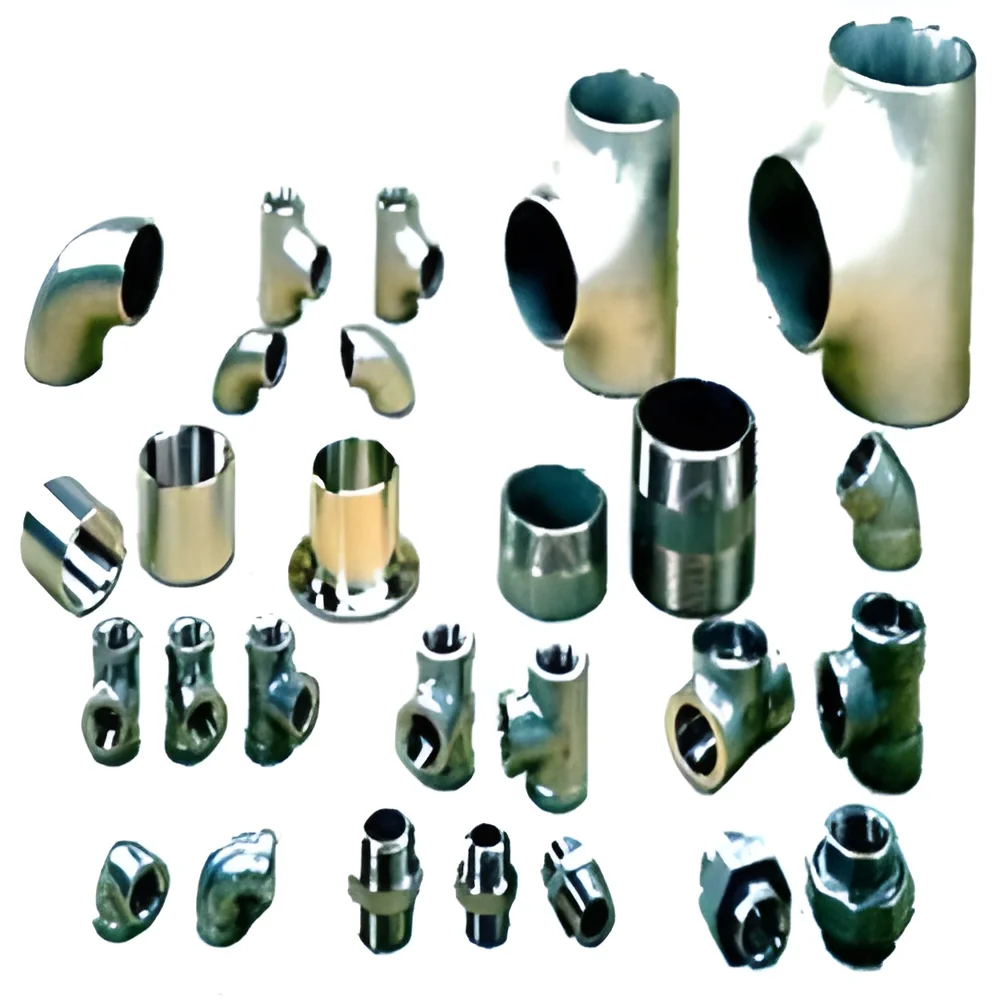
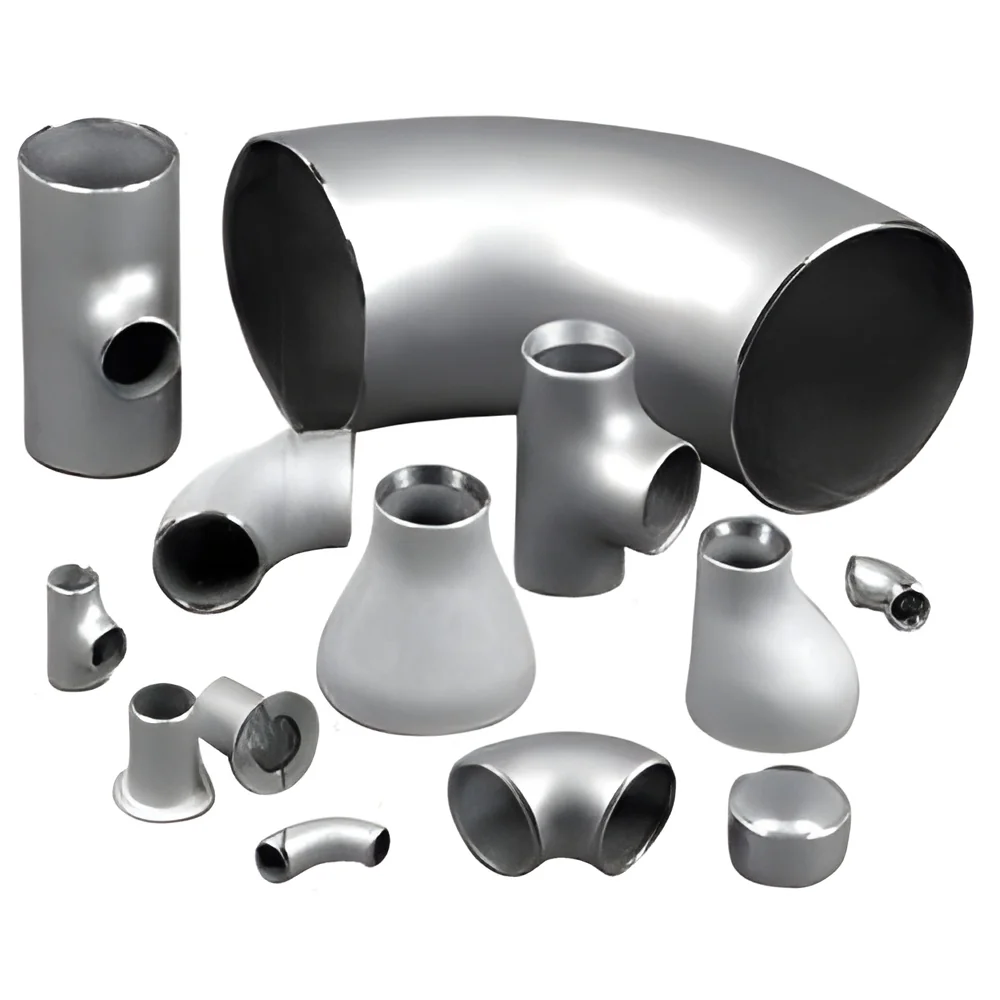
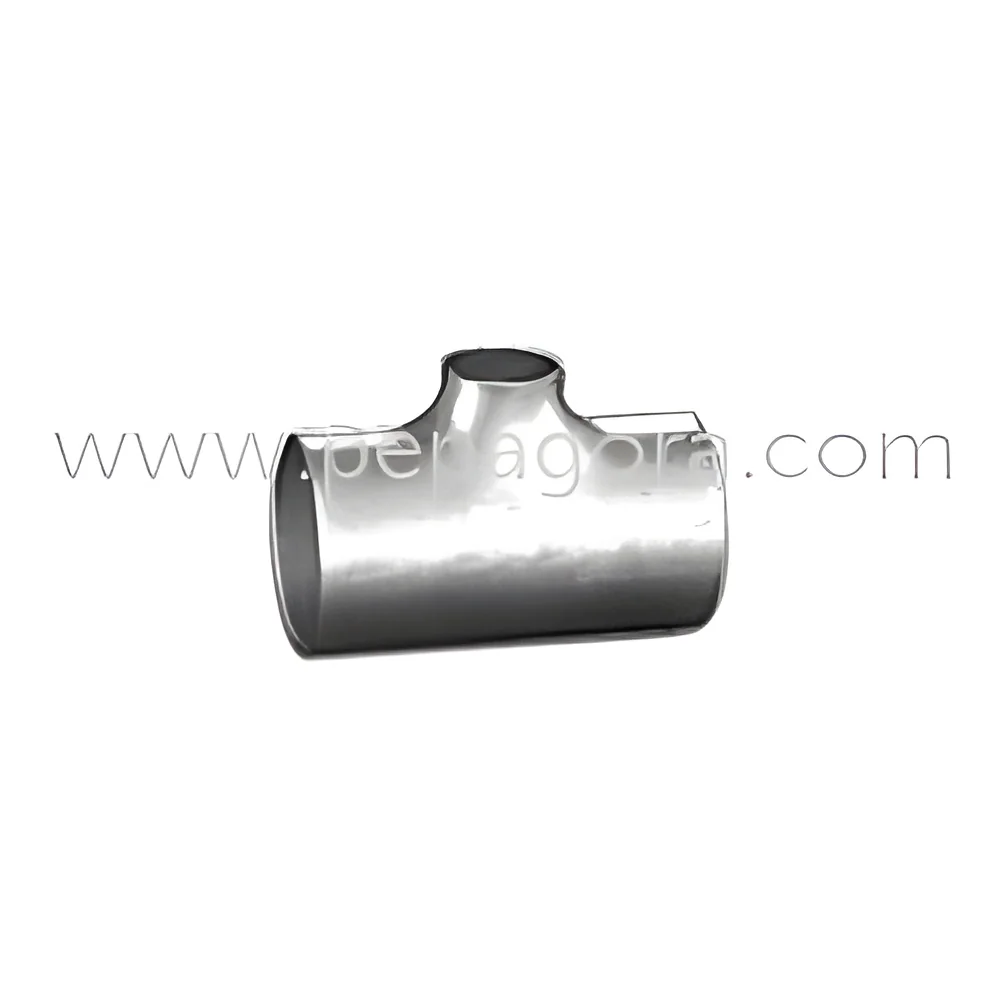
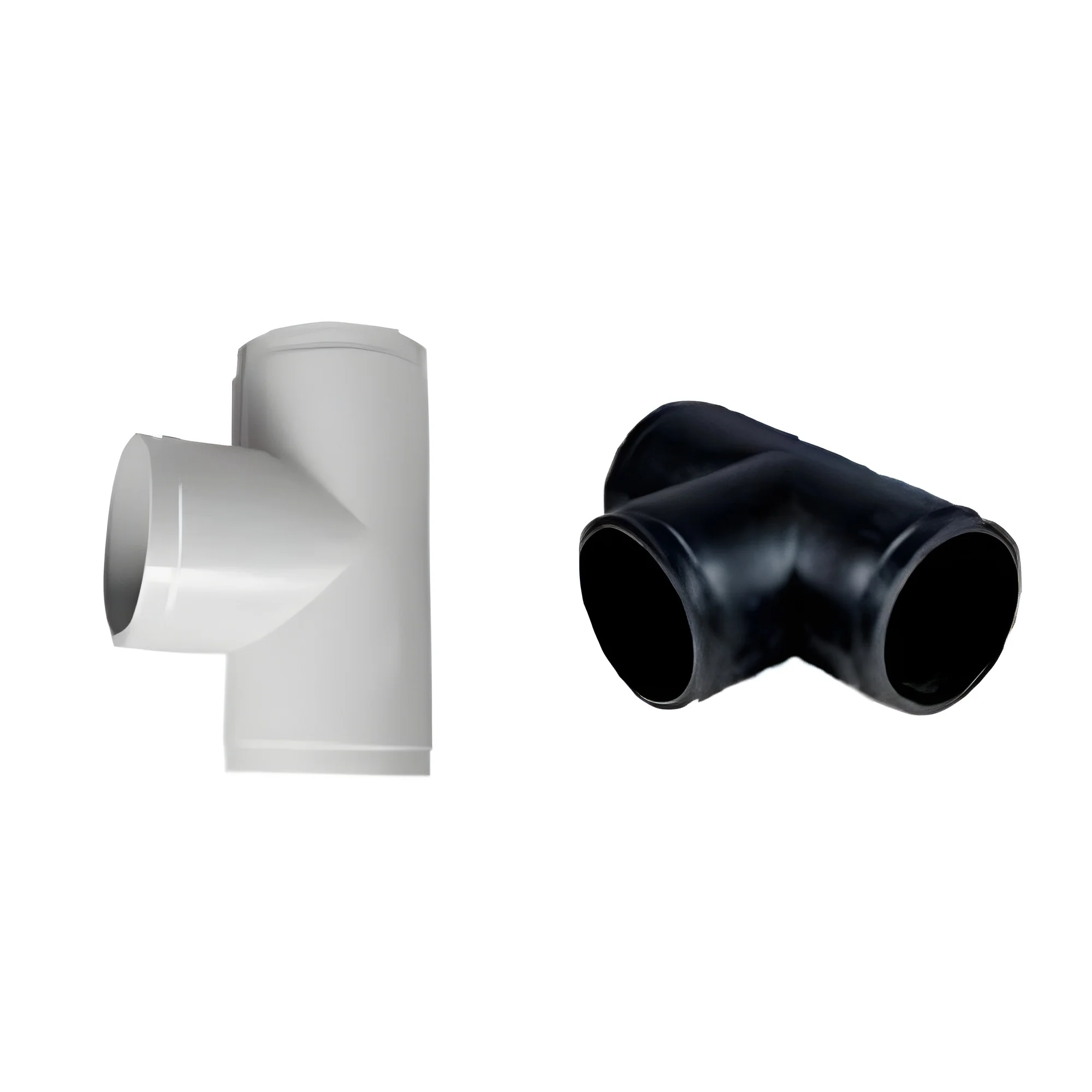
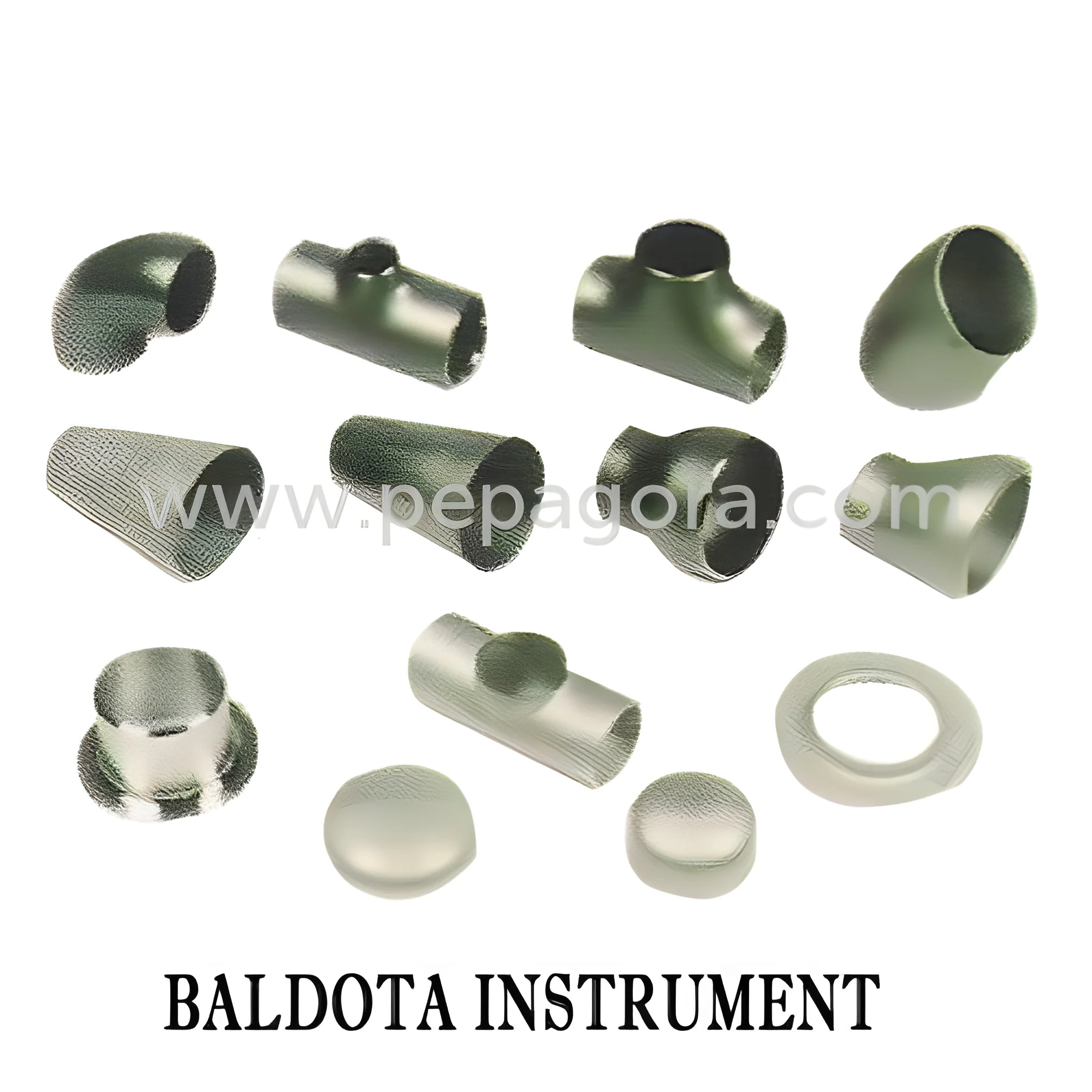
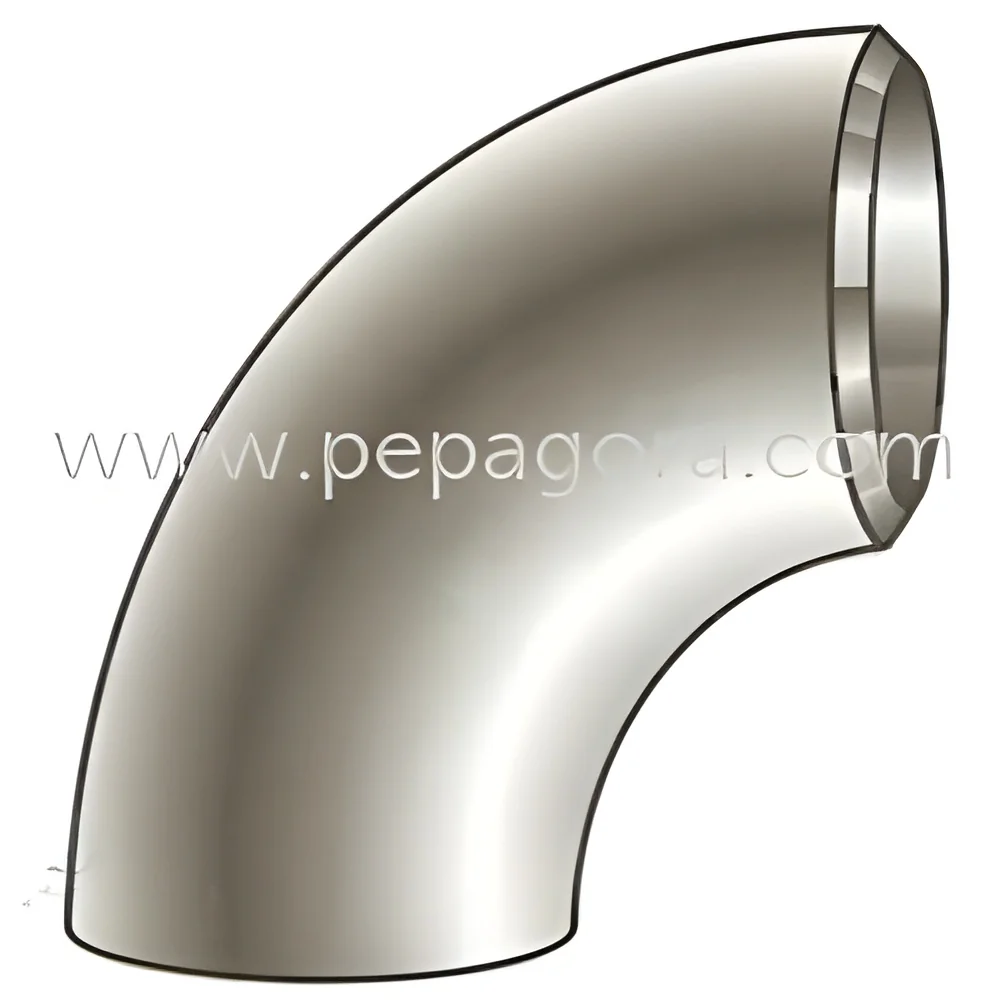
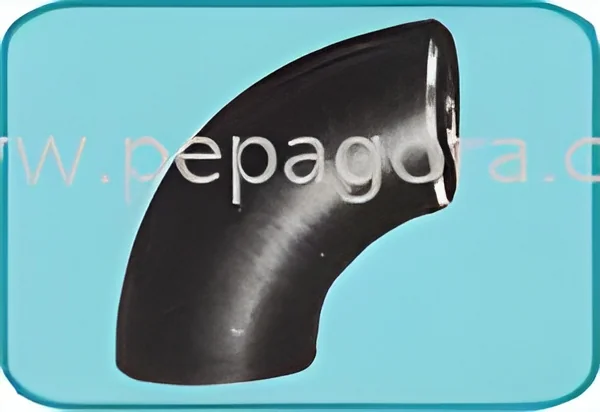
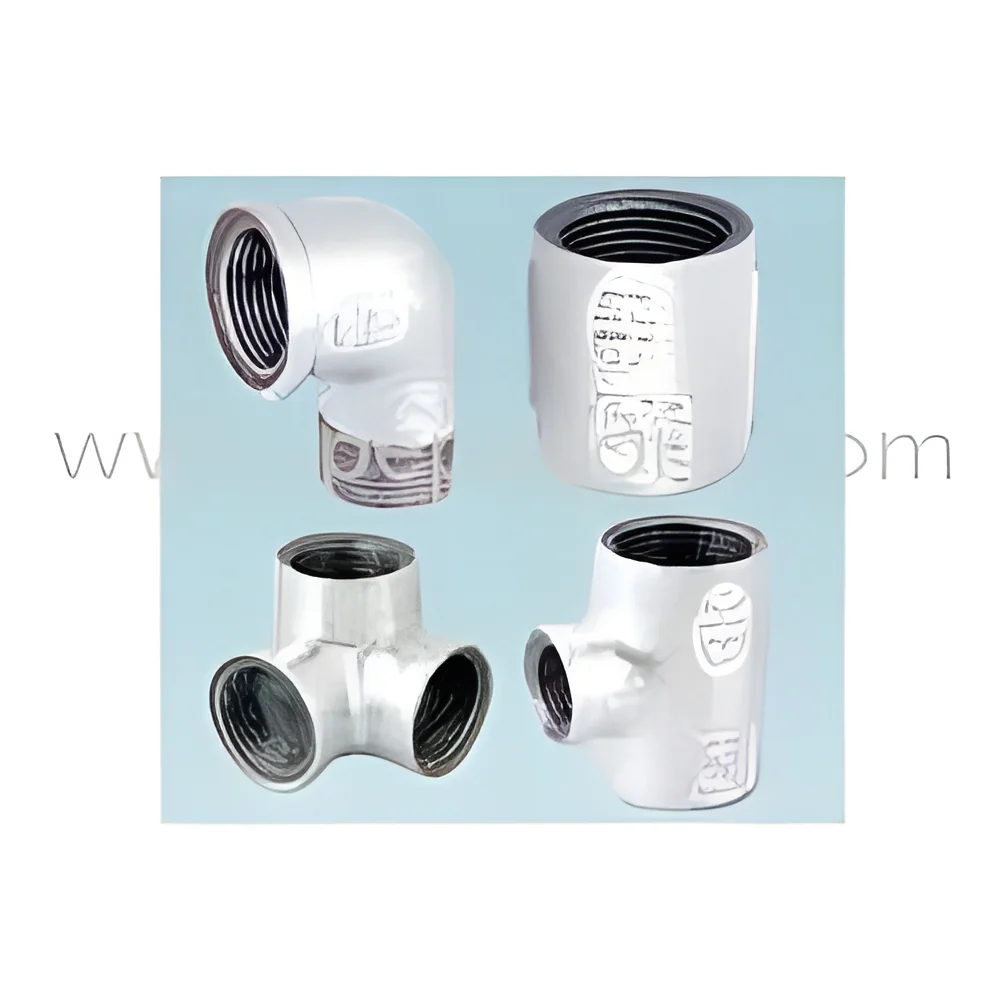
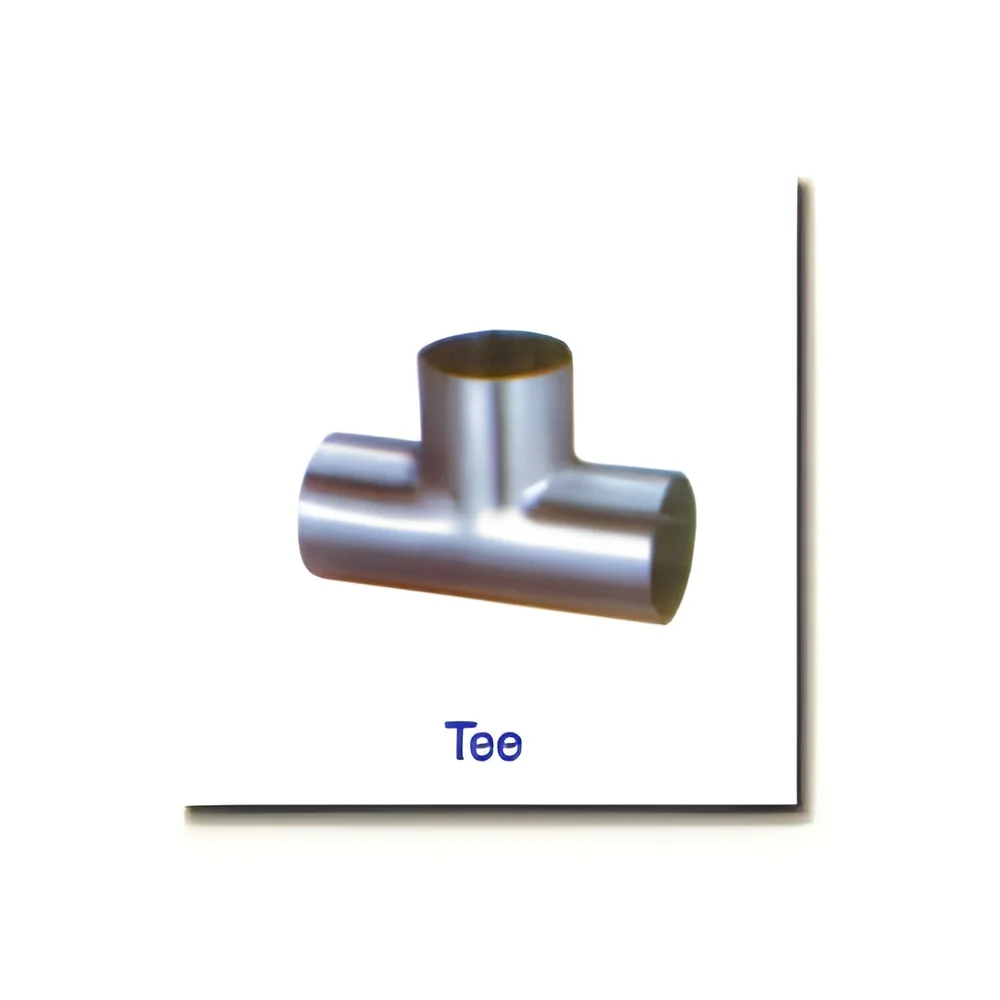
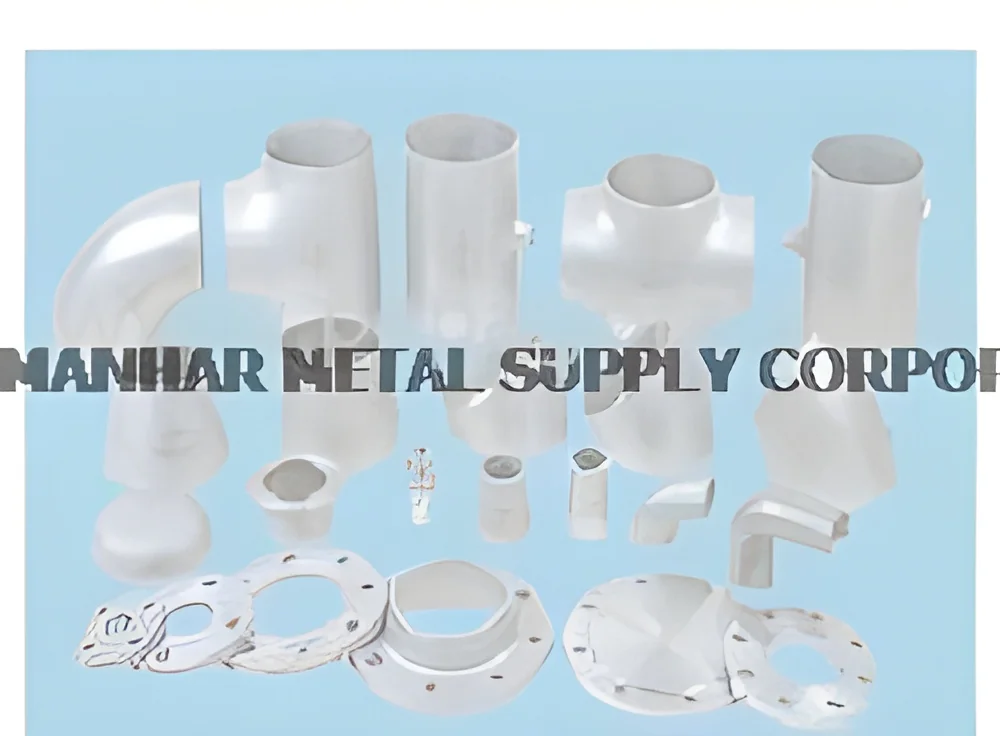
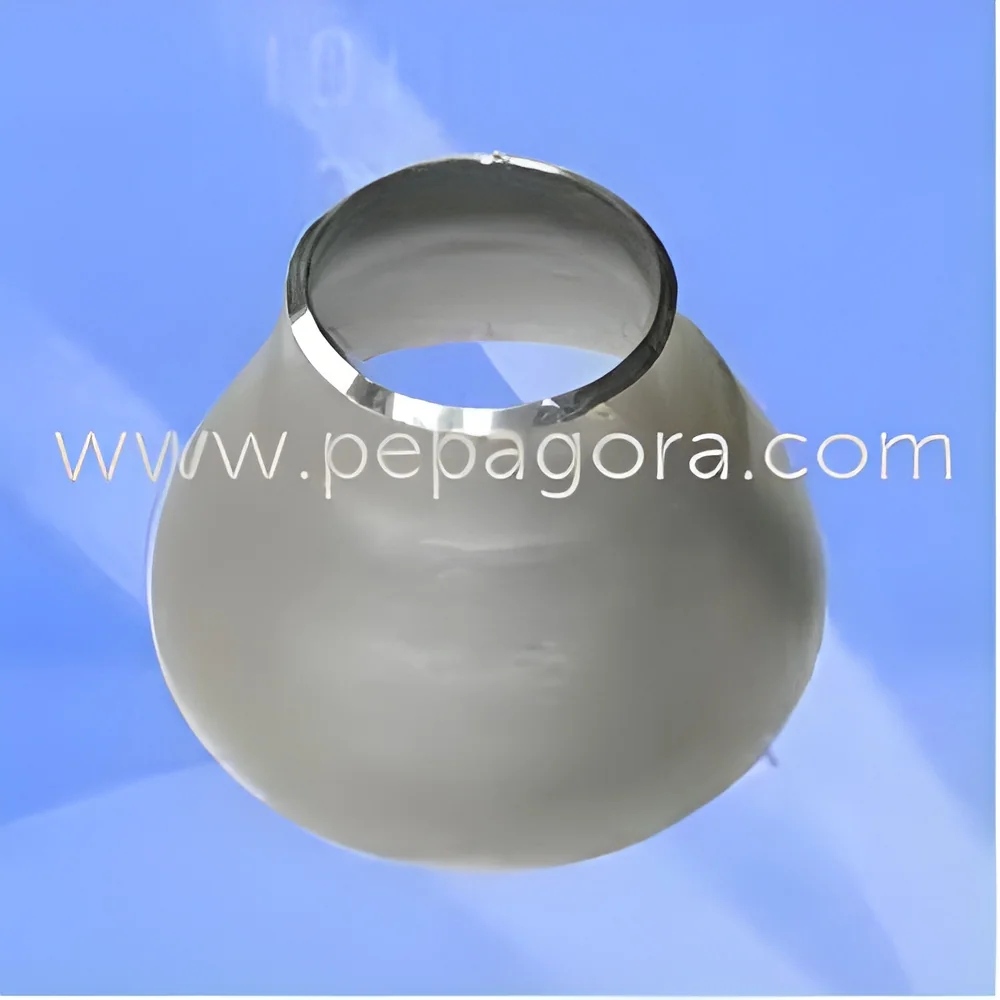
What are Elbows, Tees, Reducers?
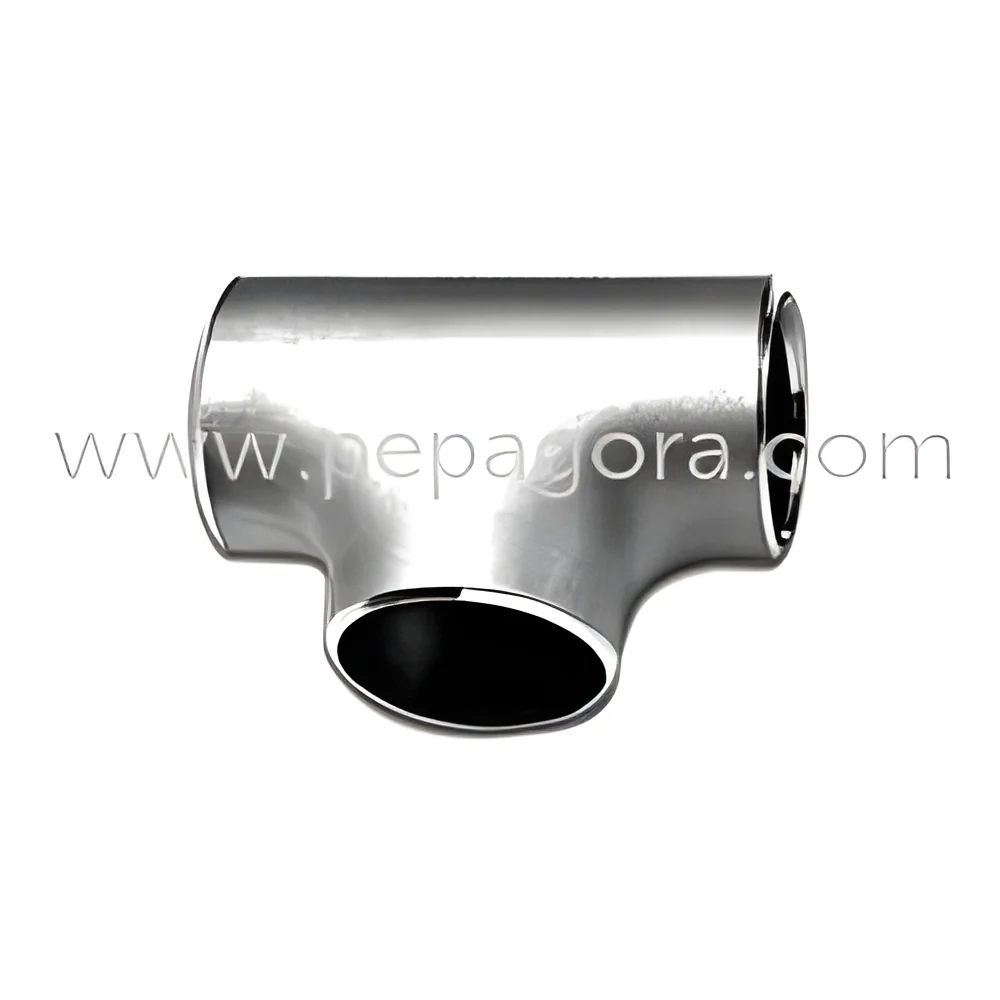
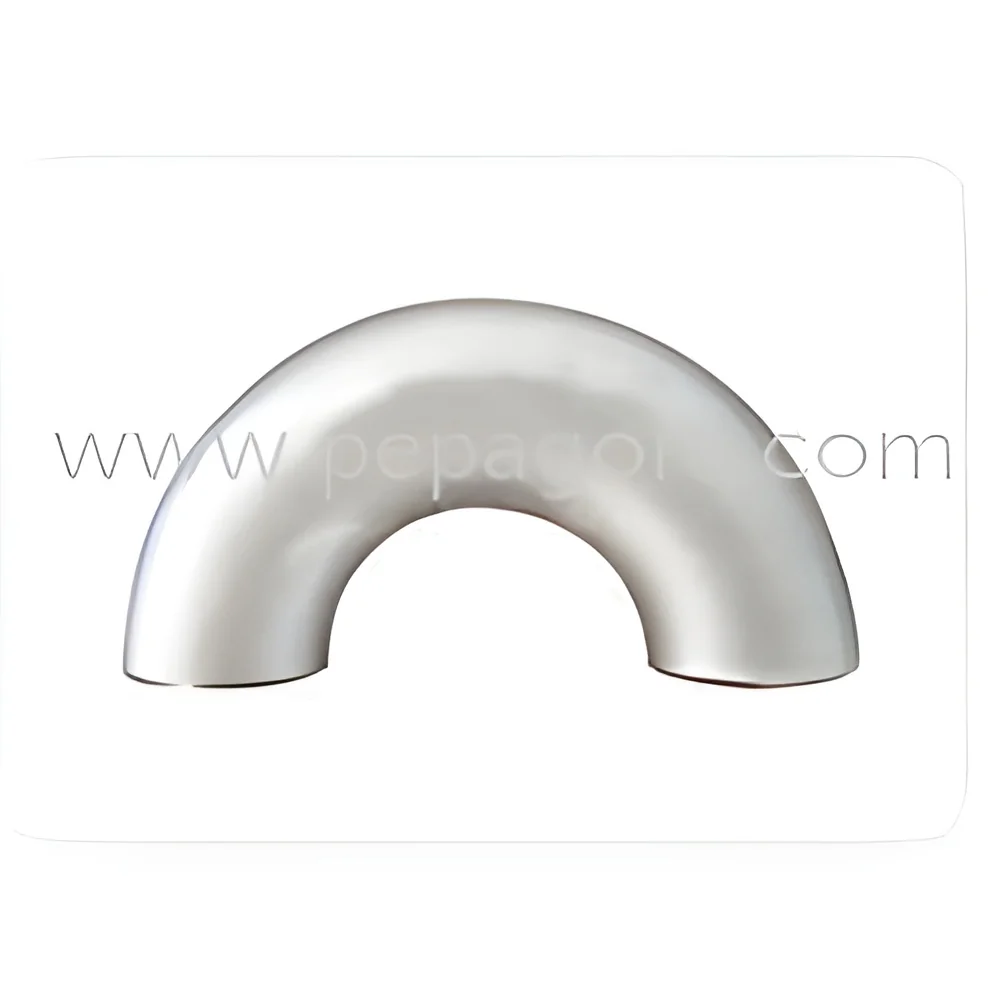
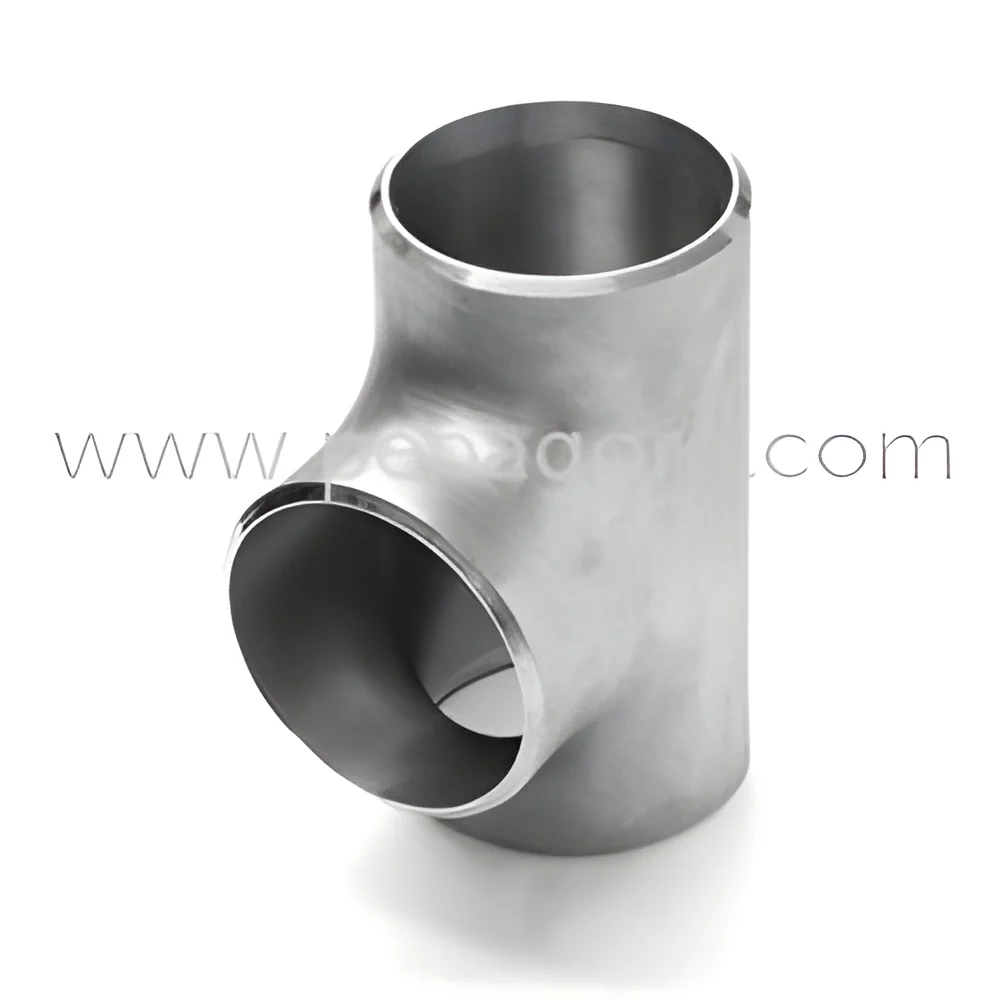
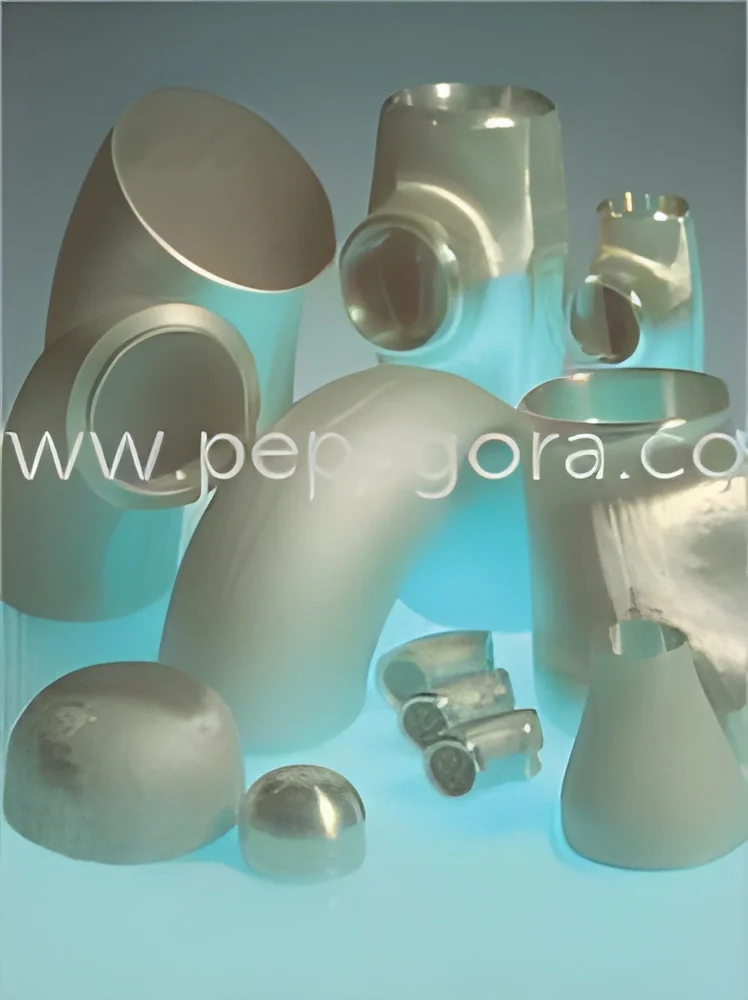
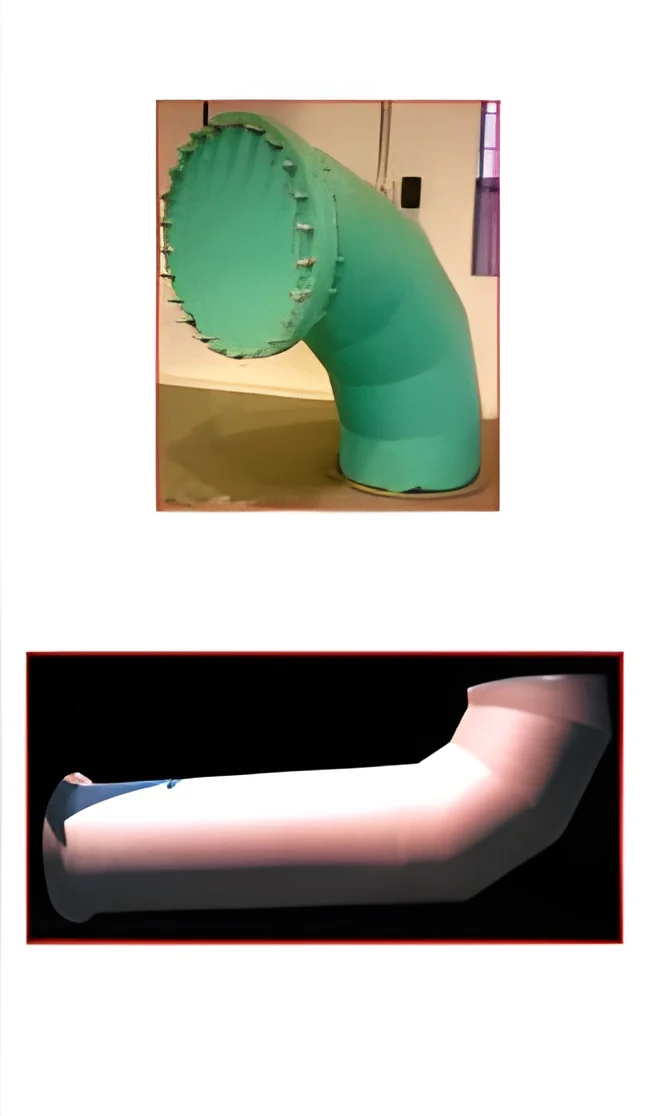
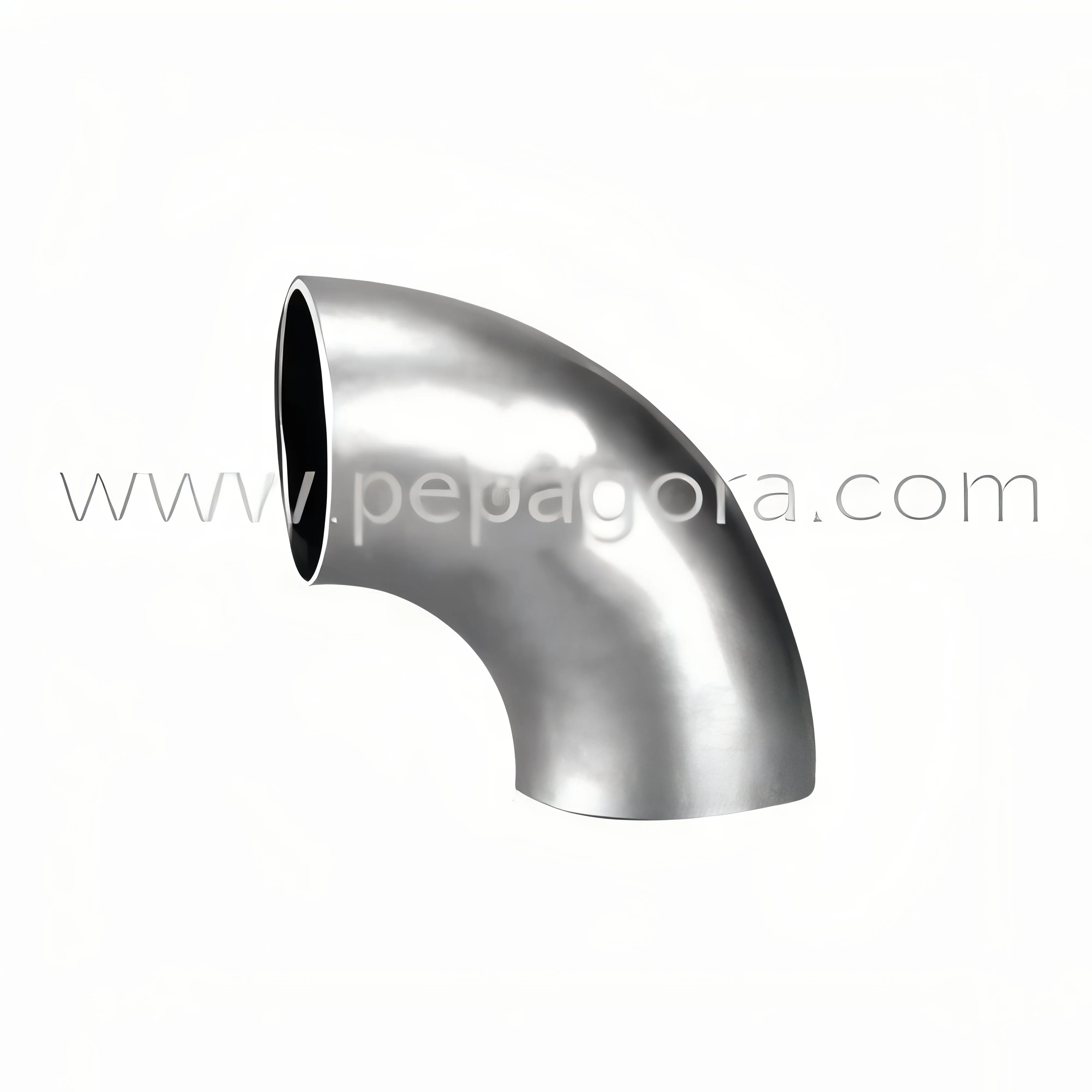
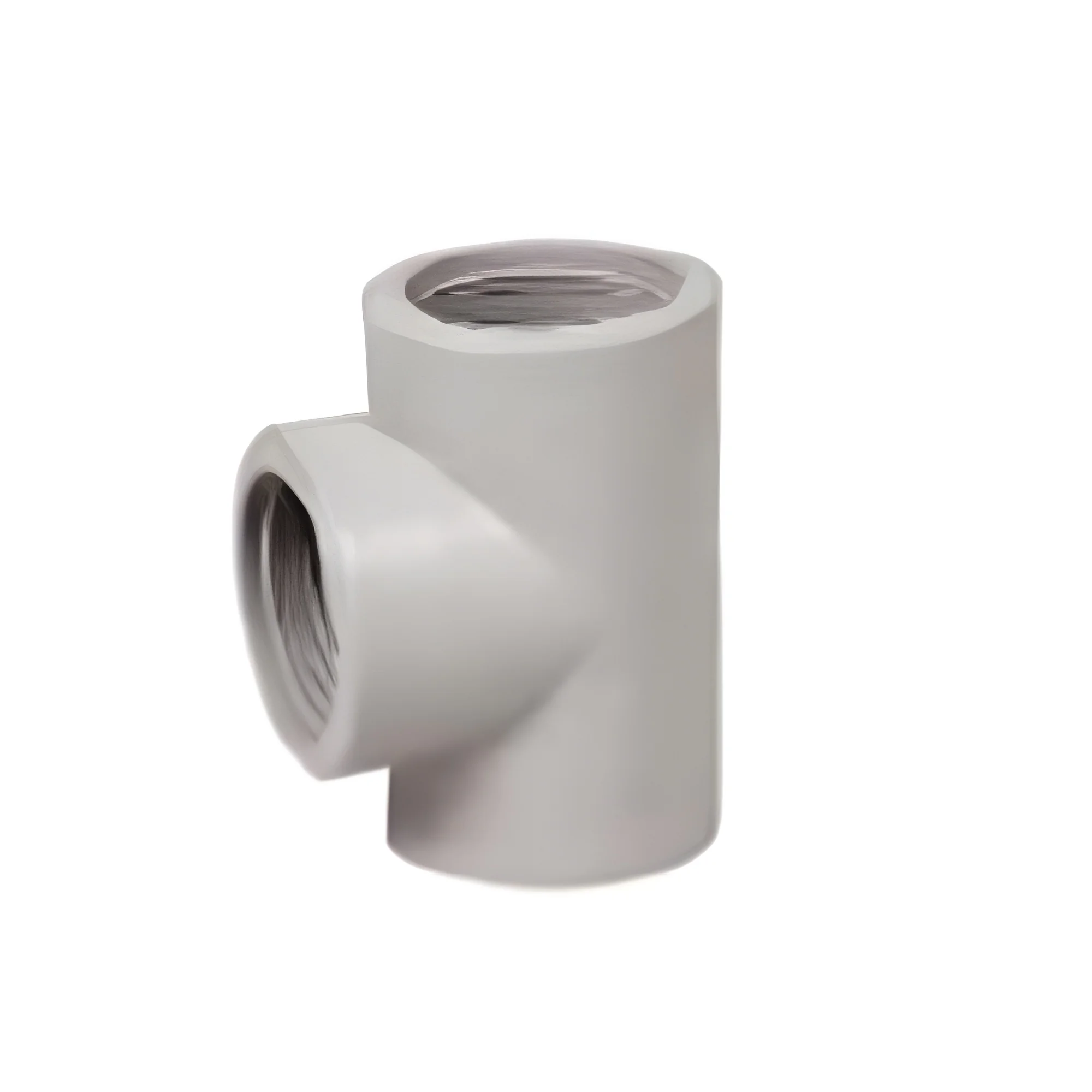
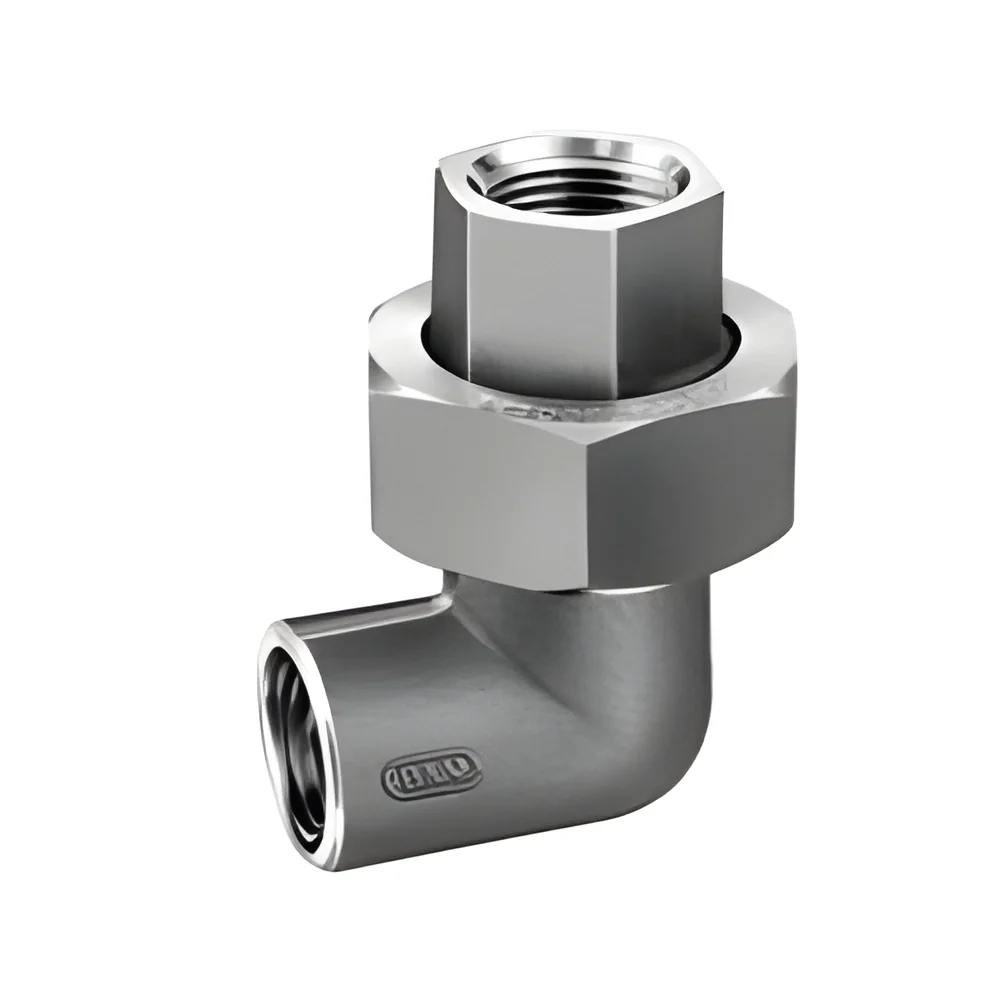
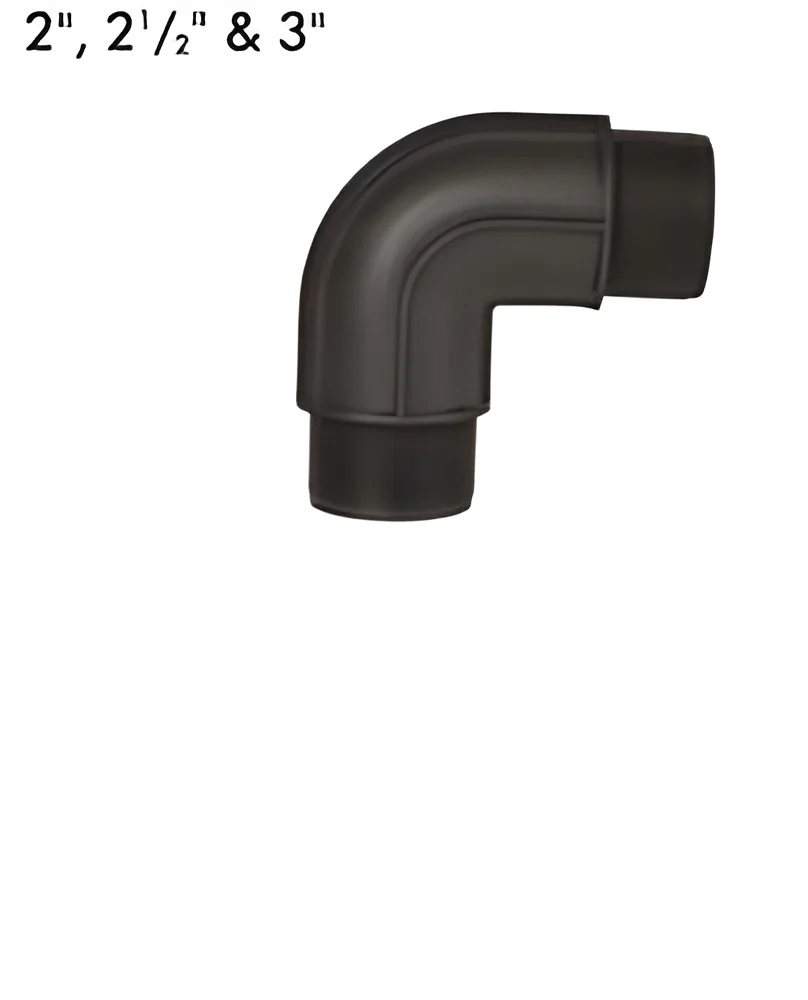
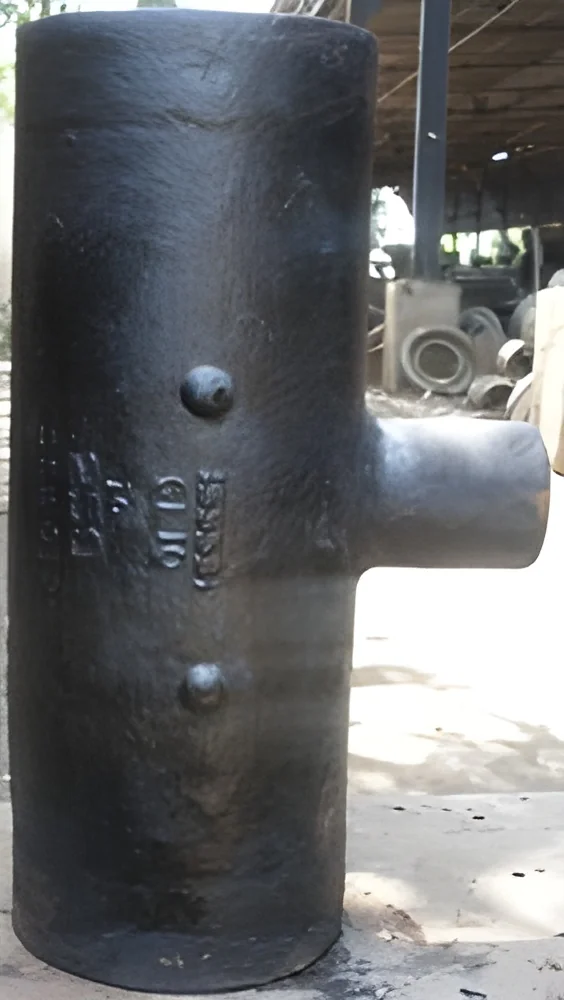
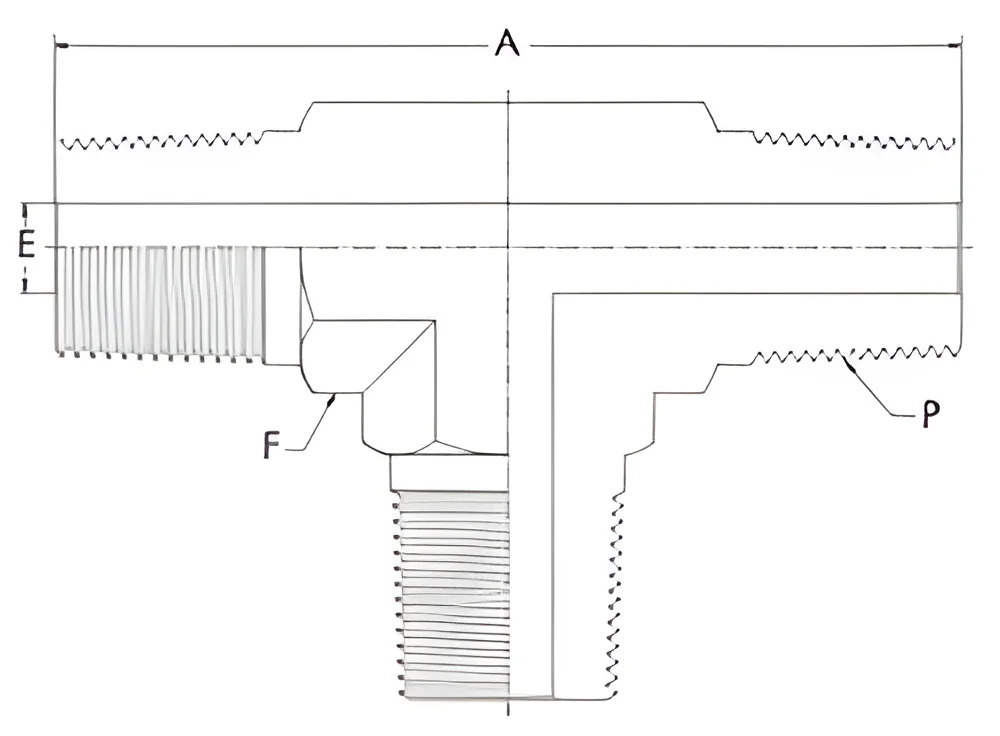
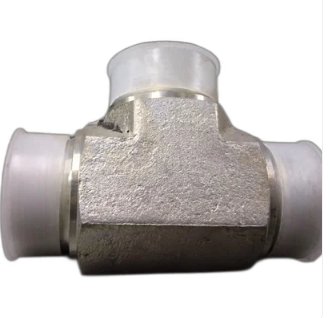
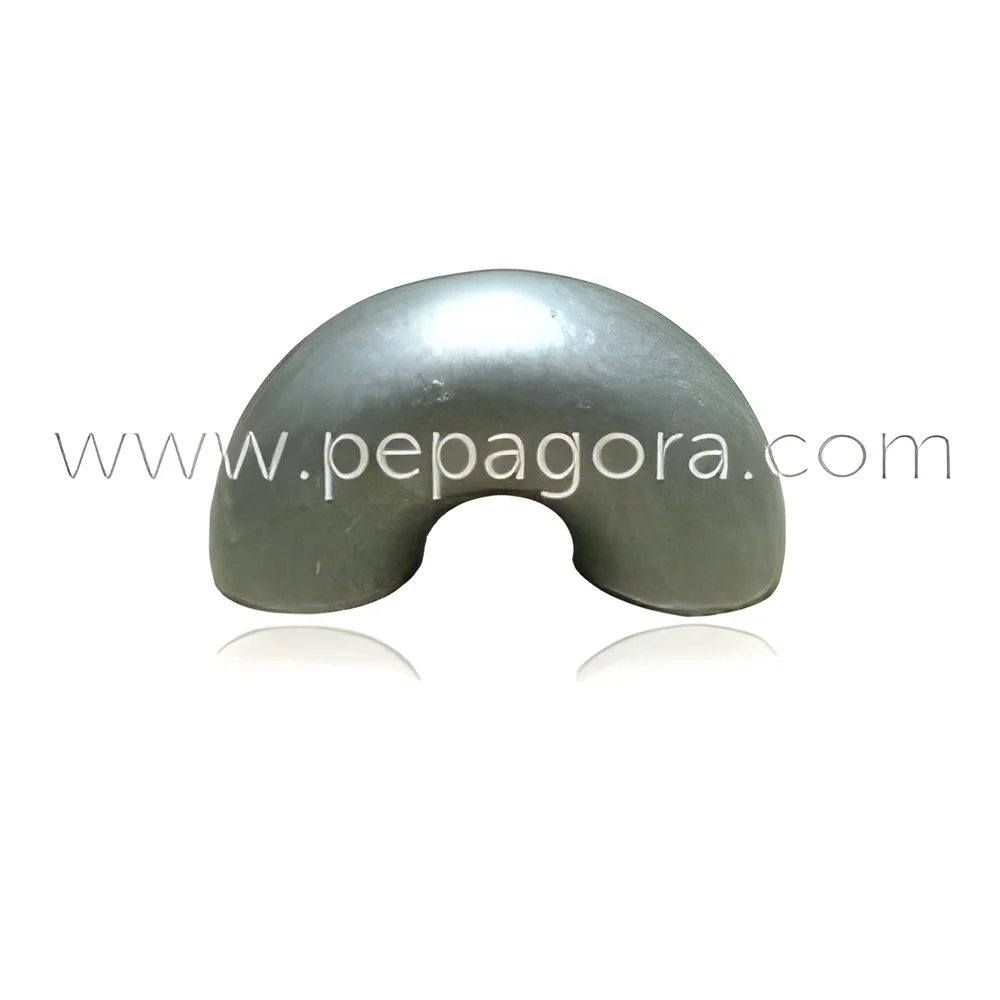
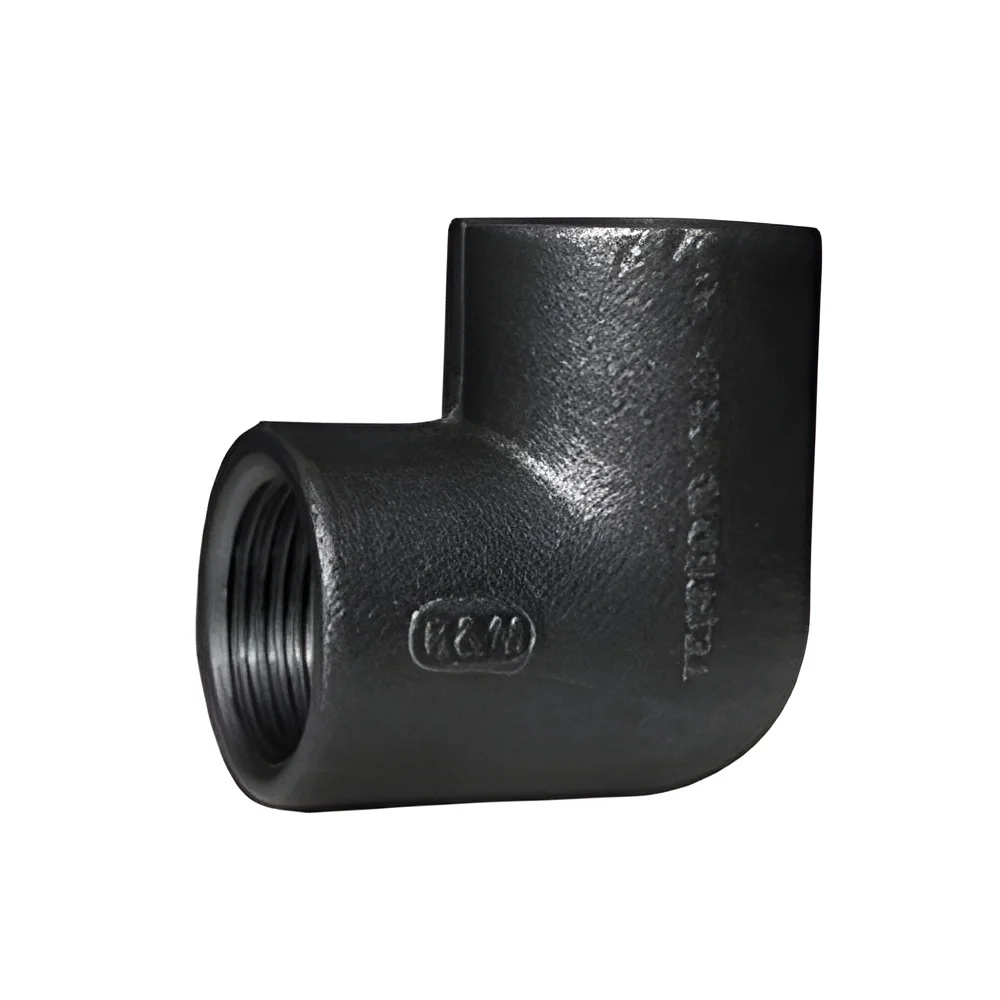
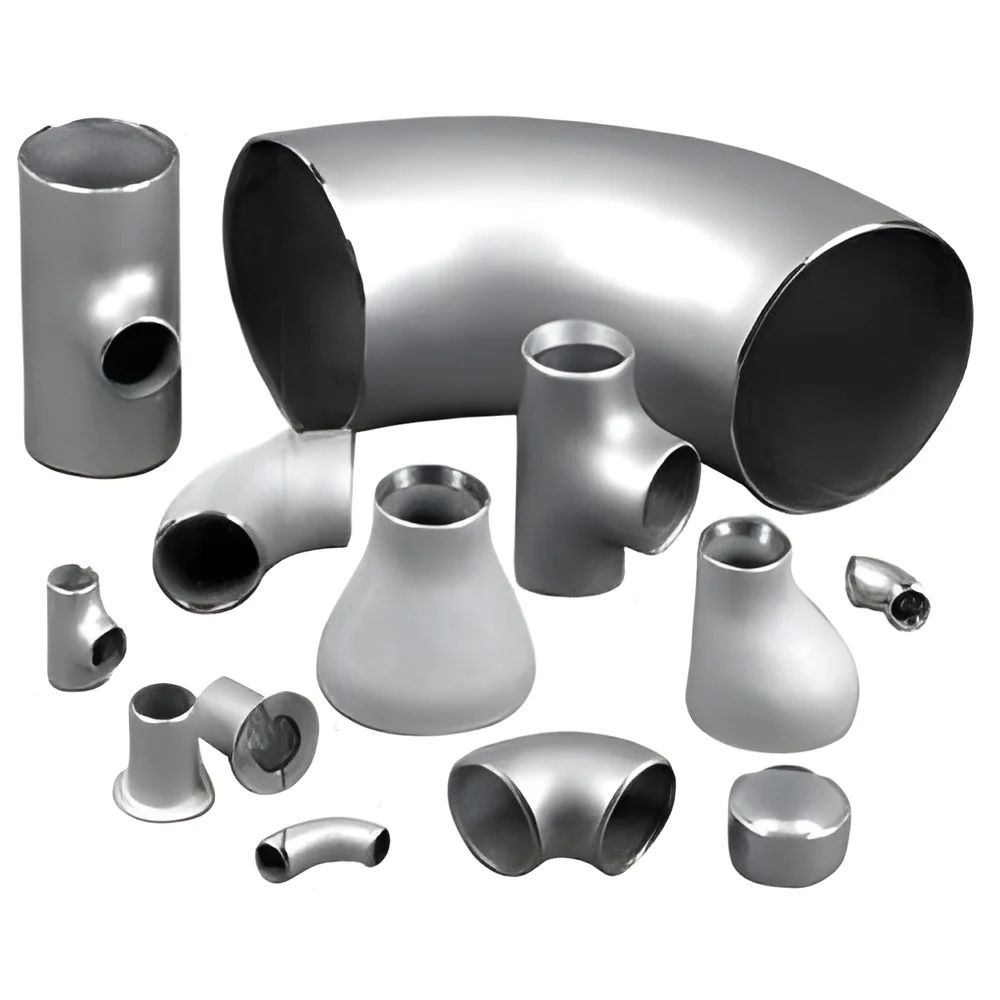
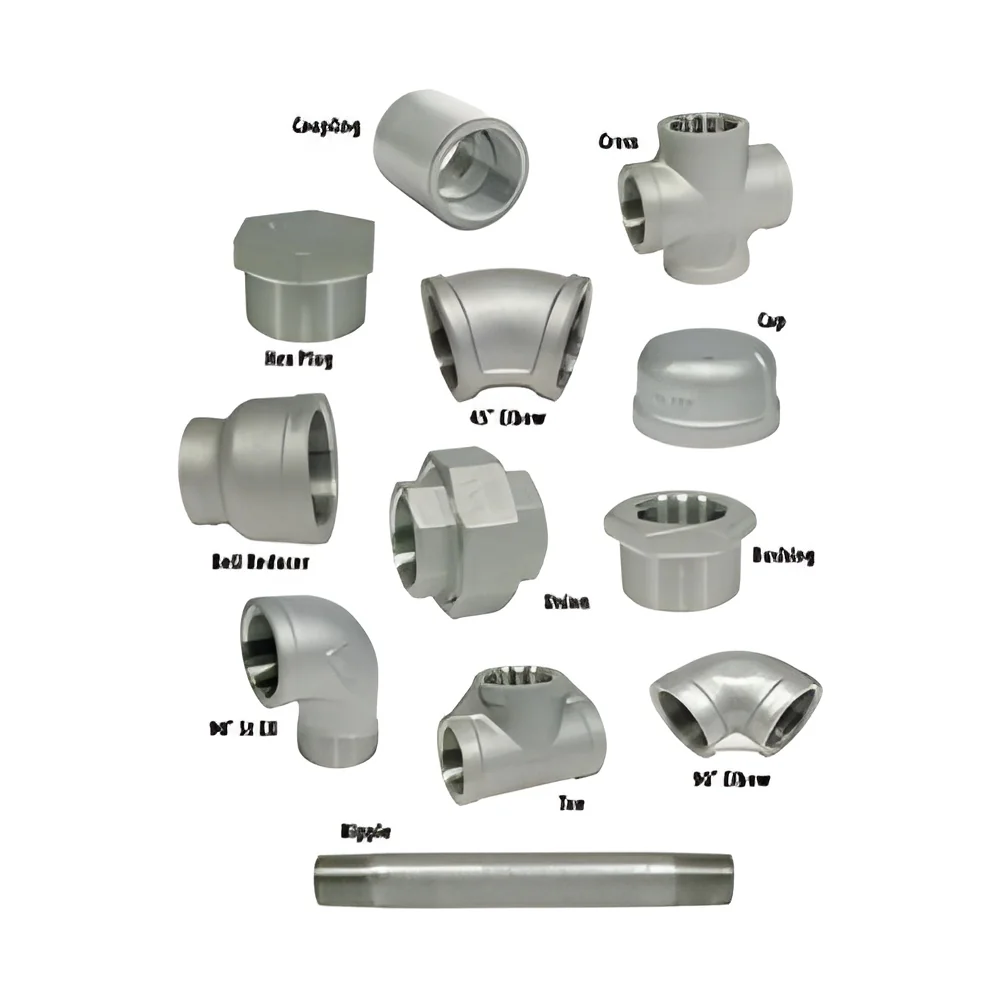
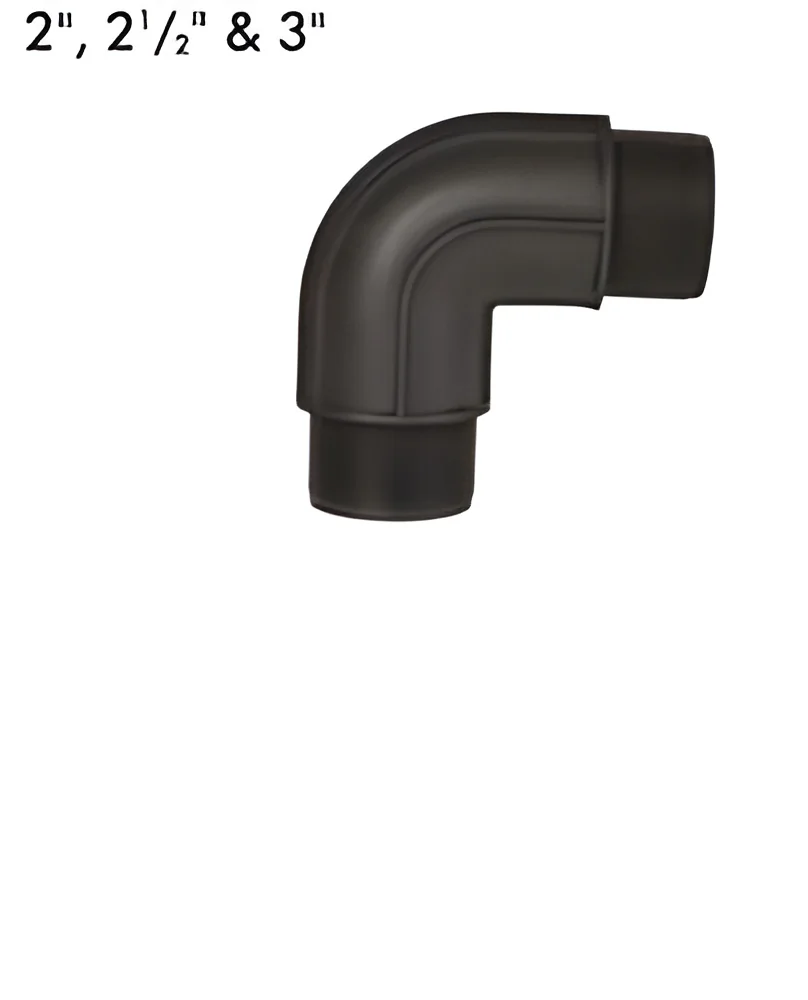
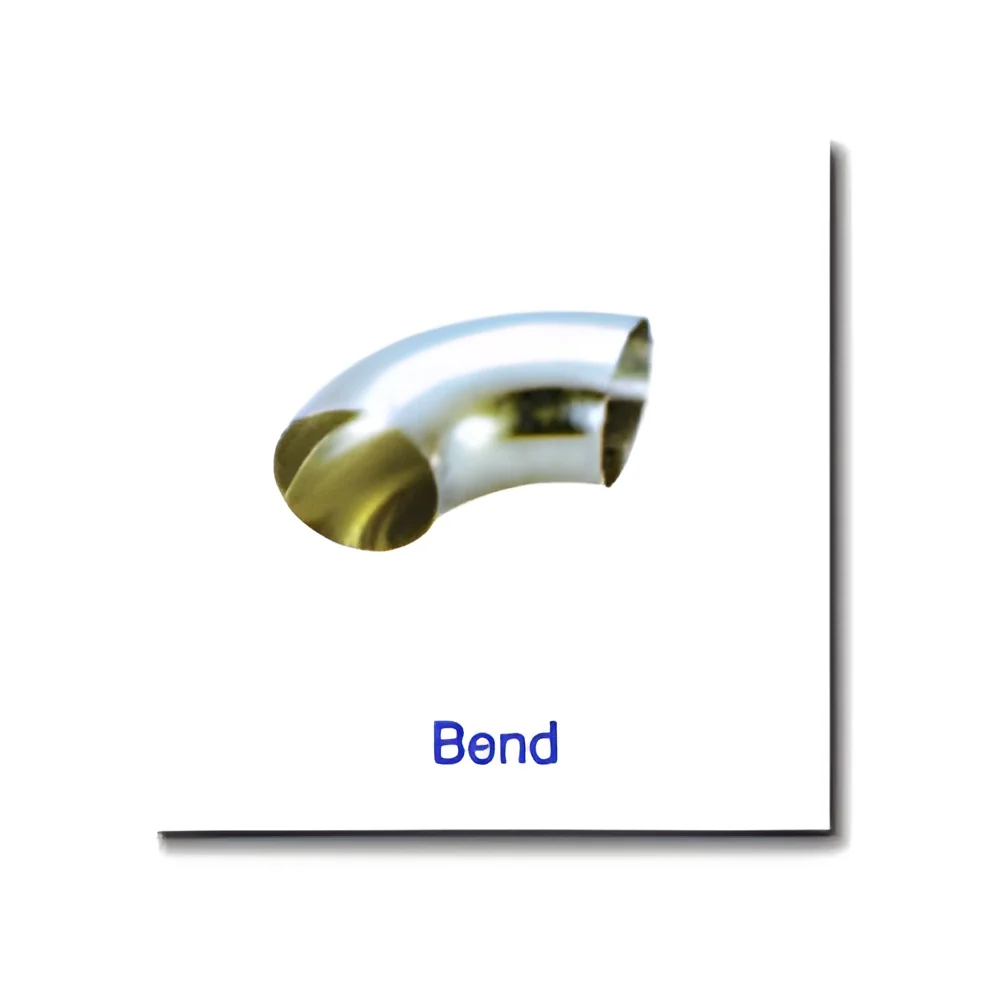
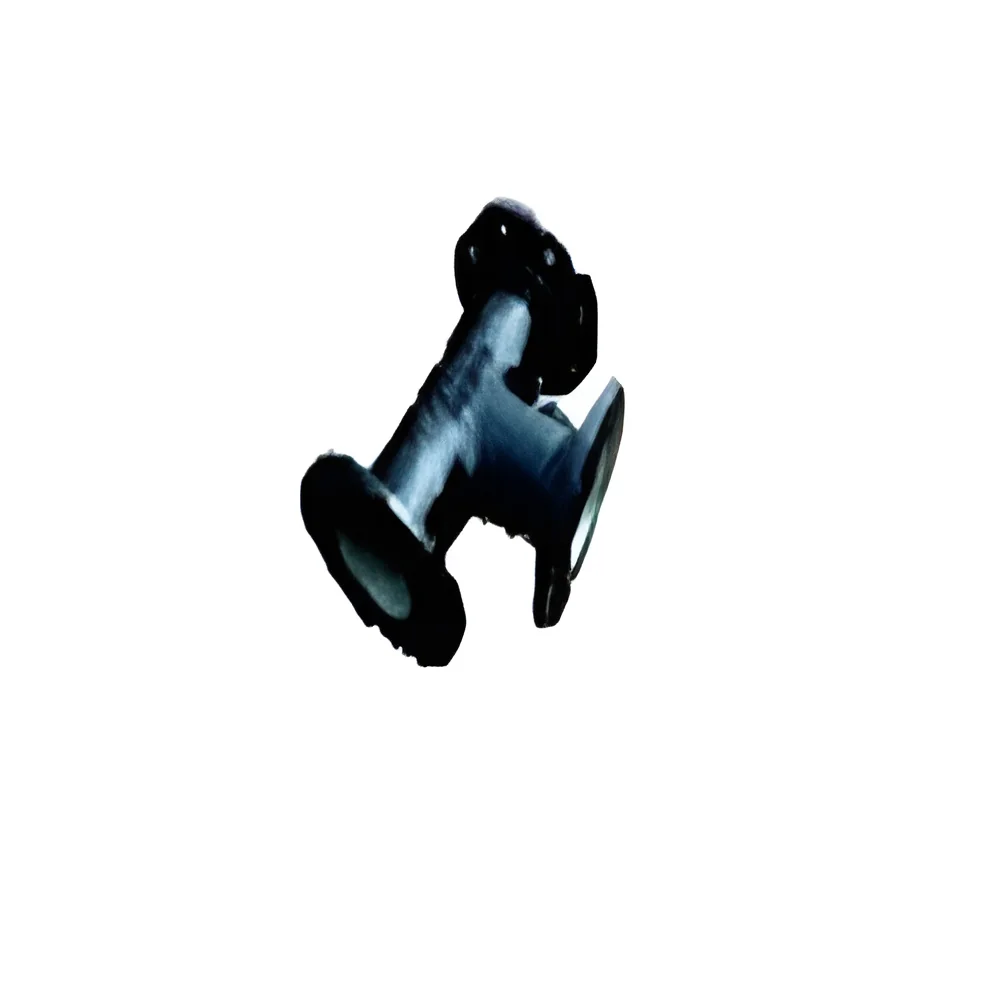
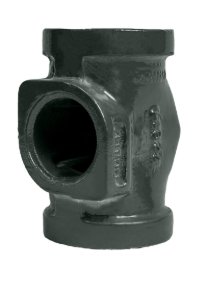
Elbows, tees, and reducers are essential components used in piping systems to facilitate the transport of fluids and gases. An elbow allows for a change in direction, a tee connects three pipe sections, and a reducer adjusts the diameter of the pipeline. Together, they play a critical role in the functionality of various industrial systems, ensuring efficient flow and pressure management.
These fittings find application across numerous industries, including oil and gas, chemical processing, water treatment, and HVAC systems. They are crucial for maintaining the integrity and efficiency of piping networks. In addition, their ability to connect different pipe sizes and configurations allows for flexible system design, which is vital in sectors that require tailored solutions.
As industries continue to evolve, the demand for reliable and durable elbows, tees, and reducers remains high. The global market for these components is expected to grow, driven by advancements in manufacturing and increasing infrastructure investments. Understanding the specifications and applications of these fittings is essential for businesses looking to optimize their operations and invest in quality components.
Key Features and Specifications
Elbows, tees, and reducers are characterized by several important features and specifications that influence their performance and suitability for various applications. When selecting these components, it is essential to consider both the functional and technical aspects to ensure they meet the specific requirements of your project.
Key specifications include:
1. Material Composition
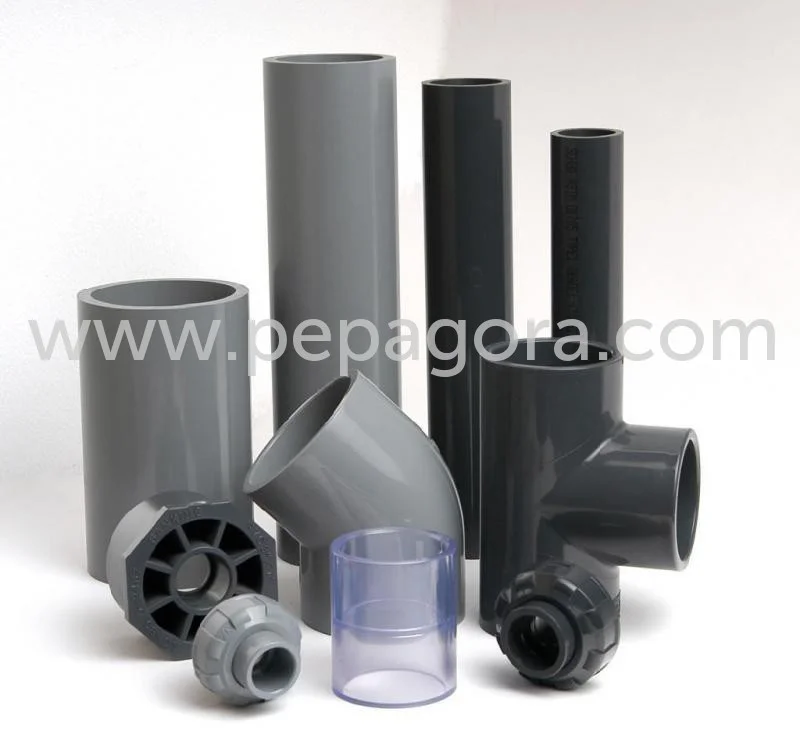
- Common materials include stainless steel, carbon steel, and PVC.
- Each material offers different levels of corrosion resistance and strength.
2. Angle of Elbow
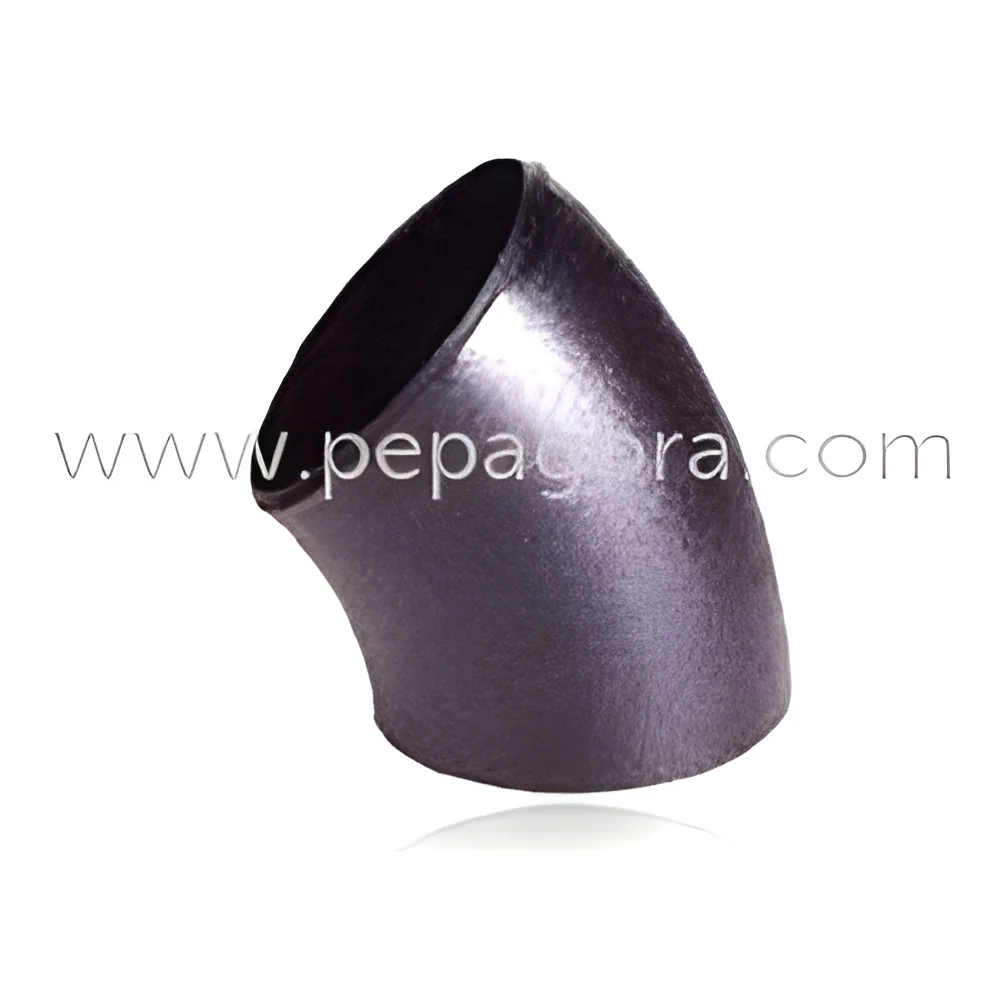
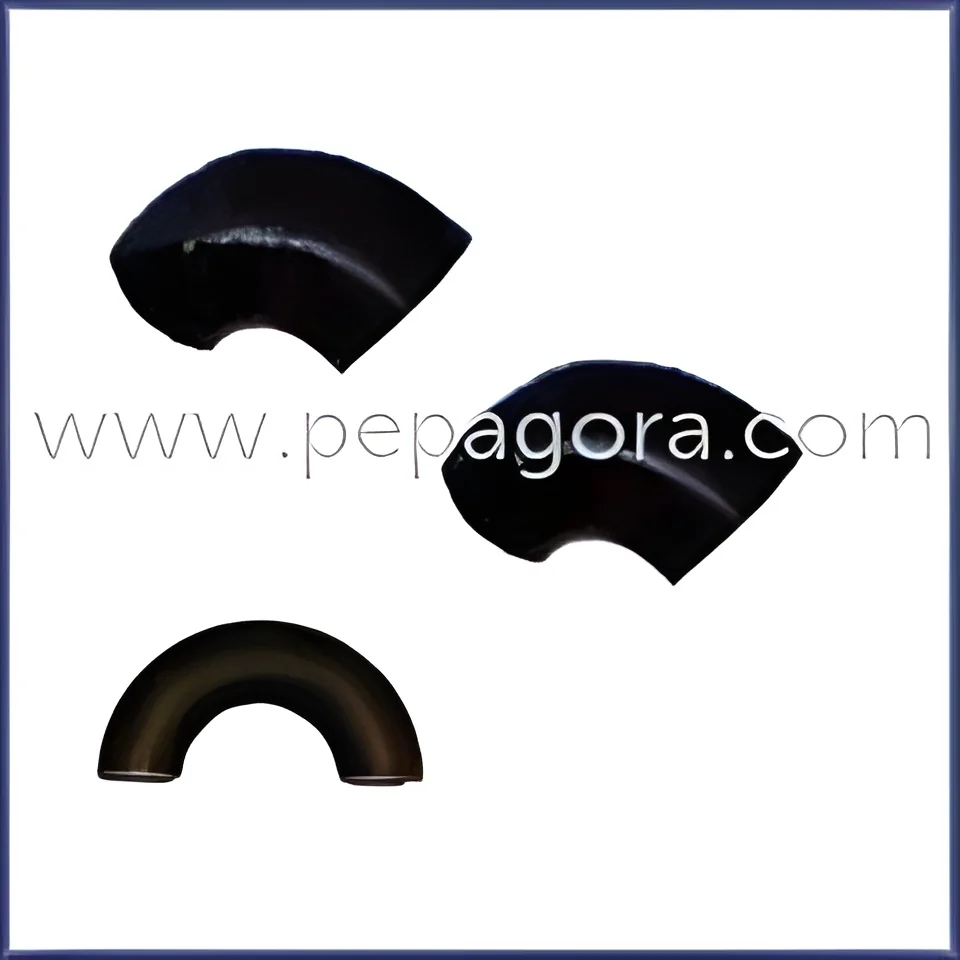
- Available in standard angles such as 45 degrees and 90 degrees.
- The angle determines the degree of flow change in the piping system.
3. Size and Diameter
- Various sizes are available to accommodate different pipe dimensions.
- Common diameters range from 1 inch to 12 inches or more.
4. Pressure Rating
- Pressure ratings indicate the maximum pressure the fitting can withstand.
- Ratings typically range from 150 PSI to 300 PSI or higher based on the material.
5. Connection Type
- Fittings can have welded, threaded, or socket connections.
- The connection type affects installation methods and compatibility with existing pipes.
6. Certifications
- Many elbows, tees, and reducers are certified to industry standards such as CE.
- Certifications ensure compliance with safety and quality regulations.
7. Temperature Resistance
- Components are designed to operate within specific temperature ranges.
- Material selection impacts heat tolerance, especially in extreme conditions.
8. Surface Finish
- Surface finish can vary from raw to polished or coated.
- The finish affects both aesthetic appeal and corrosion resistance.
In summary, understanding the key features and specifications of elbows, tees, and reducers is vital for making informed purchasing decisions. Choosing the right combinations ensures optimal performance and longevity in industrial applications.
Common Applications and Use Cases
Elbows, tees, and reducers are utilized across a wide range of sectors, reflecting their versatility and importance in fluid and gas transport systems.
1. Oil and Gas: These fittings are essential in pipelines for transporting crude oil and natural gas. They help in directing flow and connecting different pipeline sections safely.
2. Chemical Processing: In chemical plants, elbows and tees are used to route corrosive materials through piping systems while reducers help manage material flow rates.
3. Water Treatment: These components are integral to municipal water systems, facilitating the movement of water through treatment facilities and distribution networks.
4. HVAC Systems: In heating, ventilation, and air conditioning applications, elbows and tees connect ductwork and adjust airflow as needed for efficient climate control.
5. Food and Beverage: In this industry, sanitary fittings are crucial for maintaining hygiene in pipelines that transport liquids, such as juices and dairy products.
6. Construction: Elbows and tees are often used in plumbing systems within buildings to manage water supply and drainage.
7. Power Generation: In power plants, these fittings are crucial for steam and cooling water systems, ensuring efficient energy production processes.
Product Variants and Subcategories
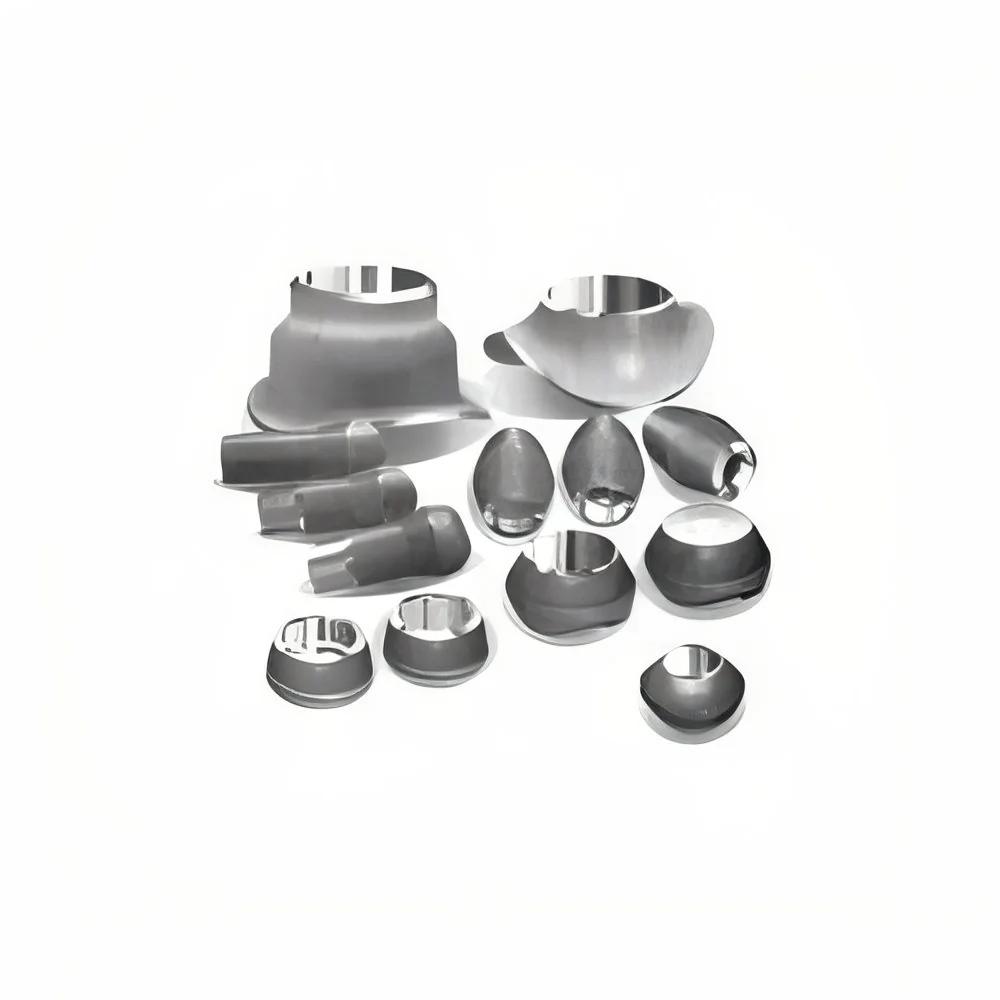
Elbows, tees, and reducers come in various configurations to meet the diverse needs of different industries. This product diversity allows businesses to find the most suitable components for their specific applications.
Elbow Variants:
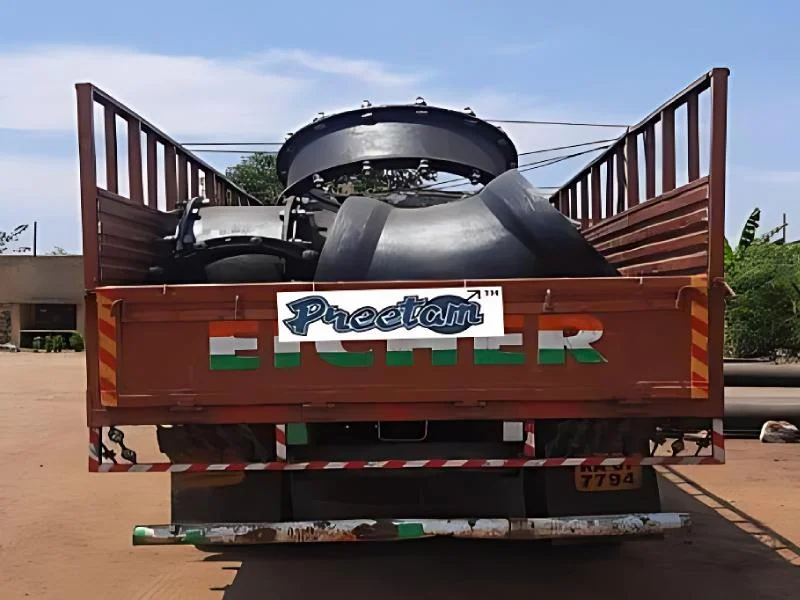
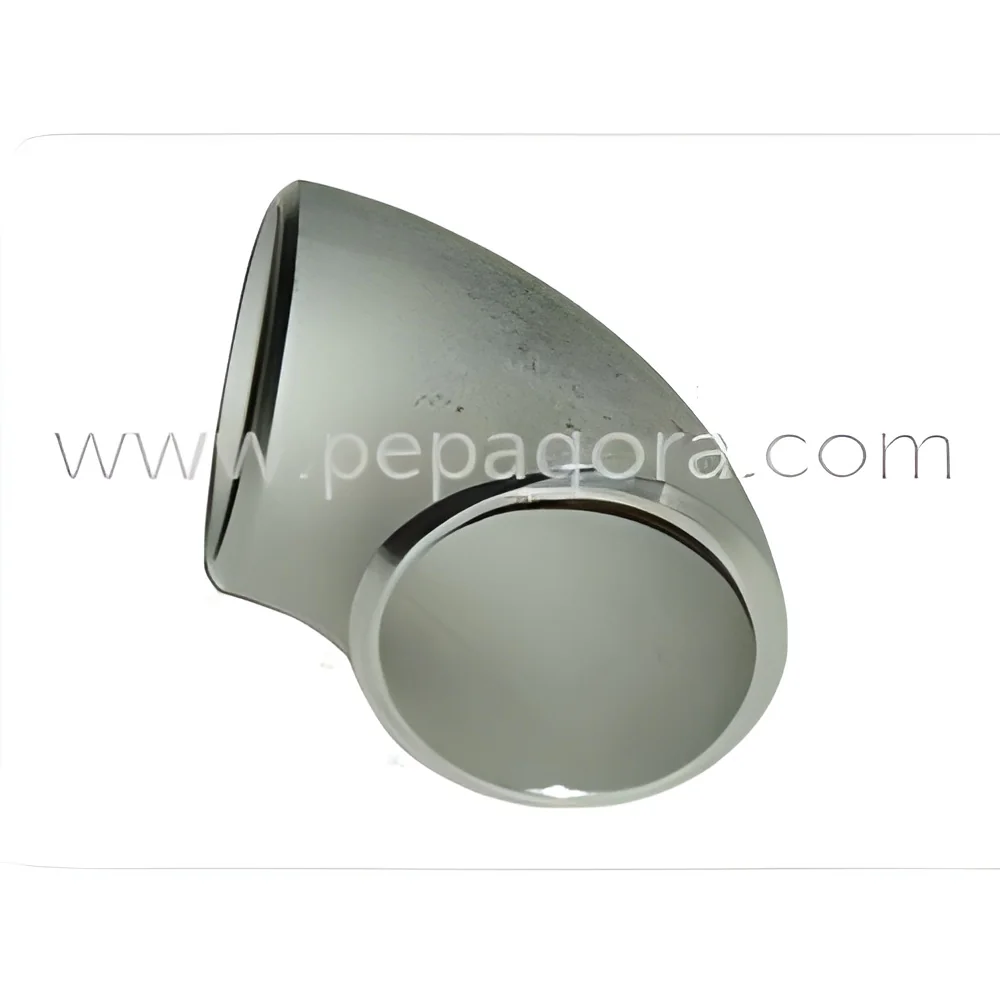
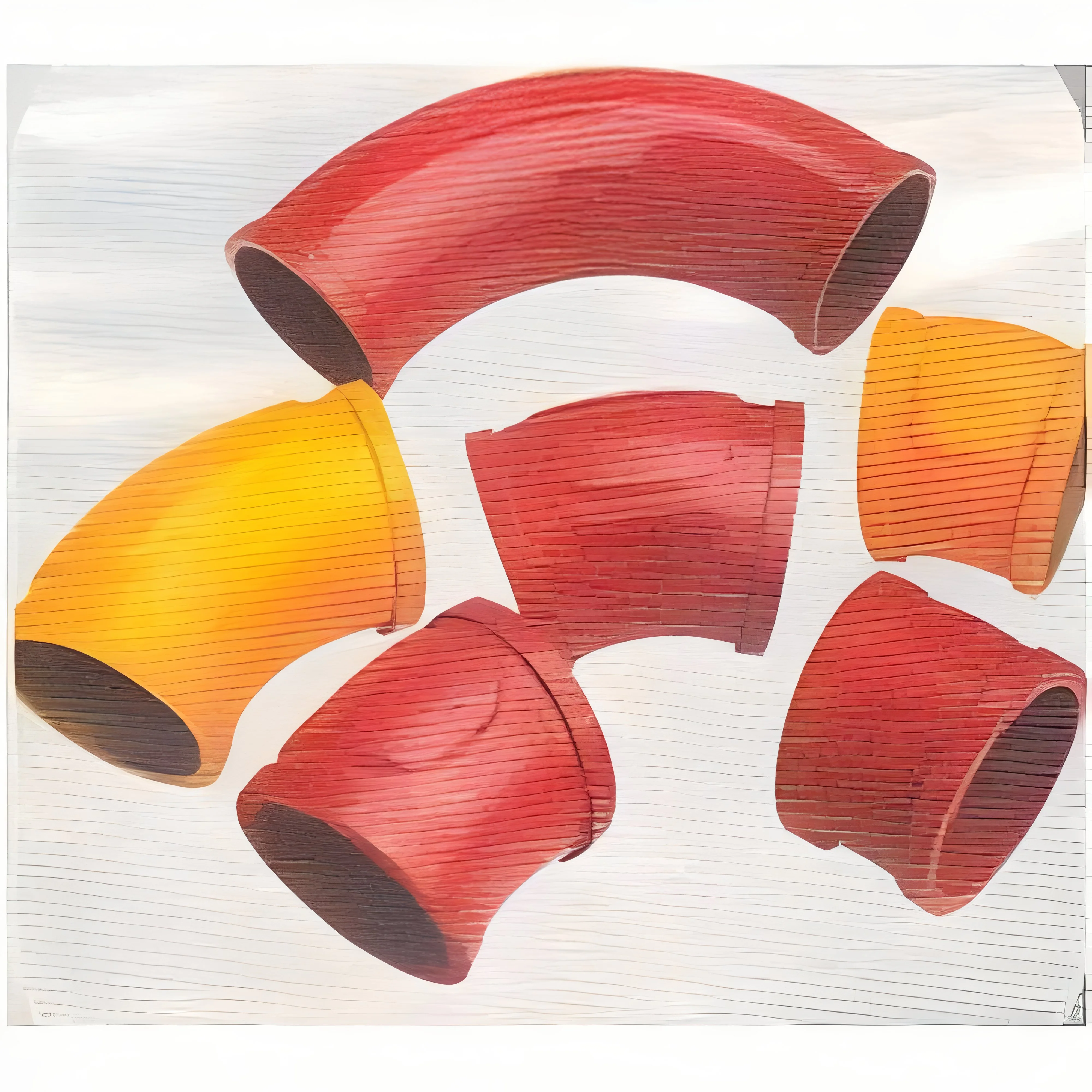
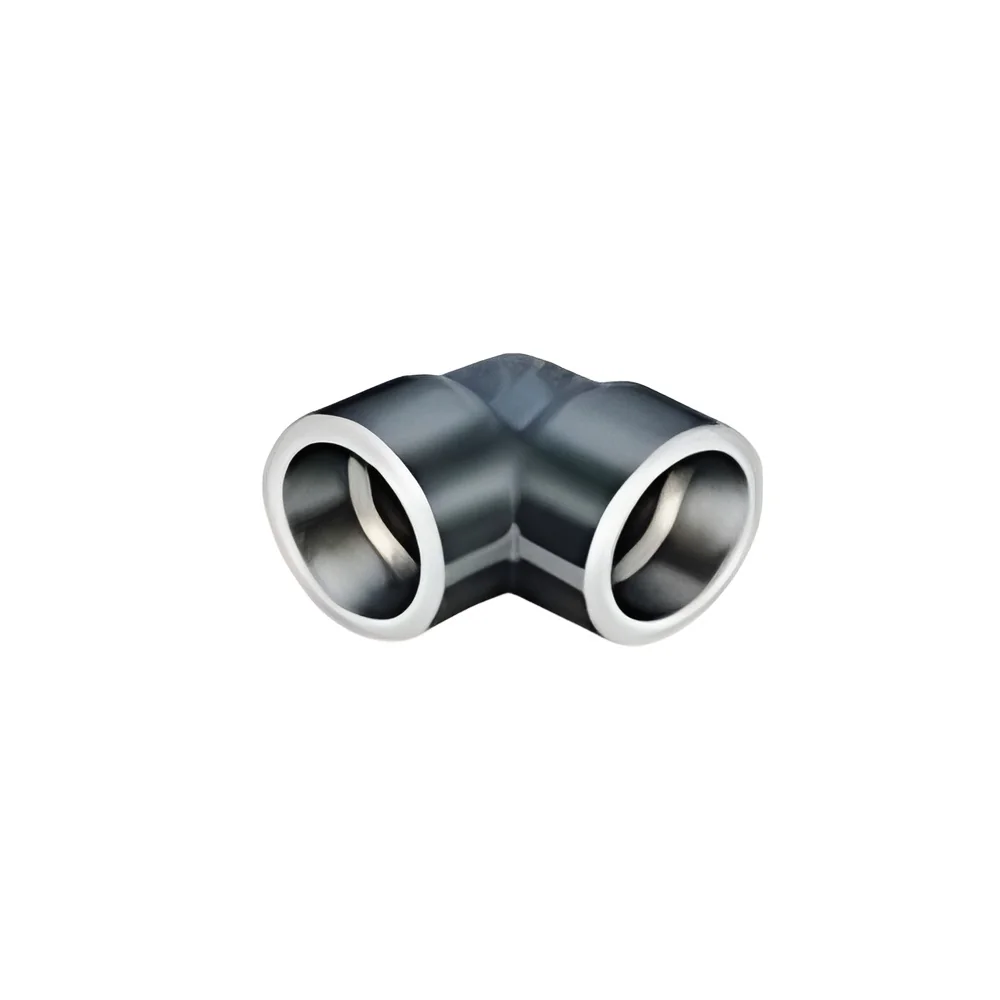
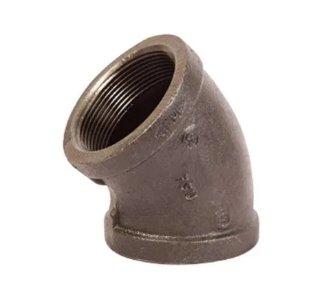
90-degree and 45-degree elbows are the most common types. They are designed to change the direction of flow effectively. The 90-degree elbow is ideal for sharp turns, while the 45-degree elbow provides a gentler transition.
Tee Variants:
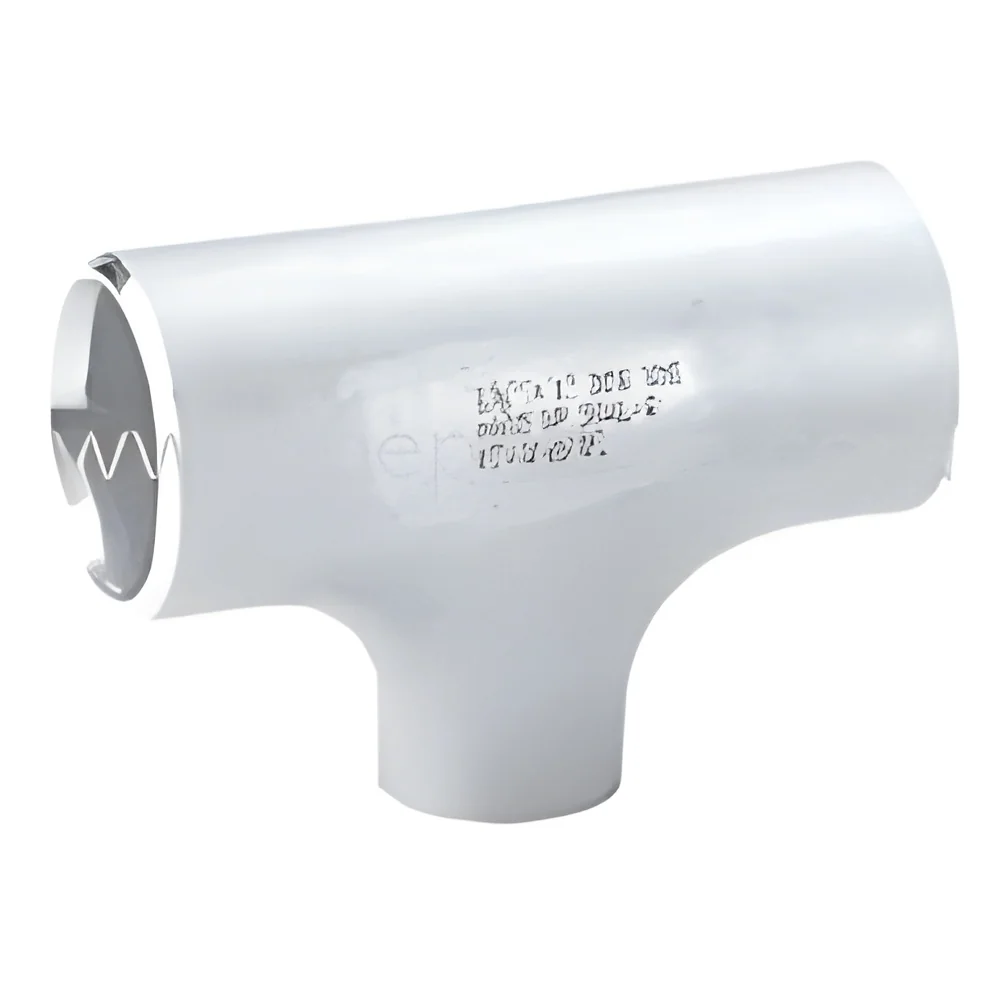
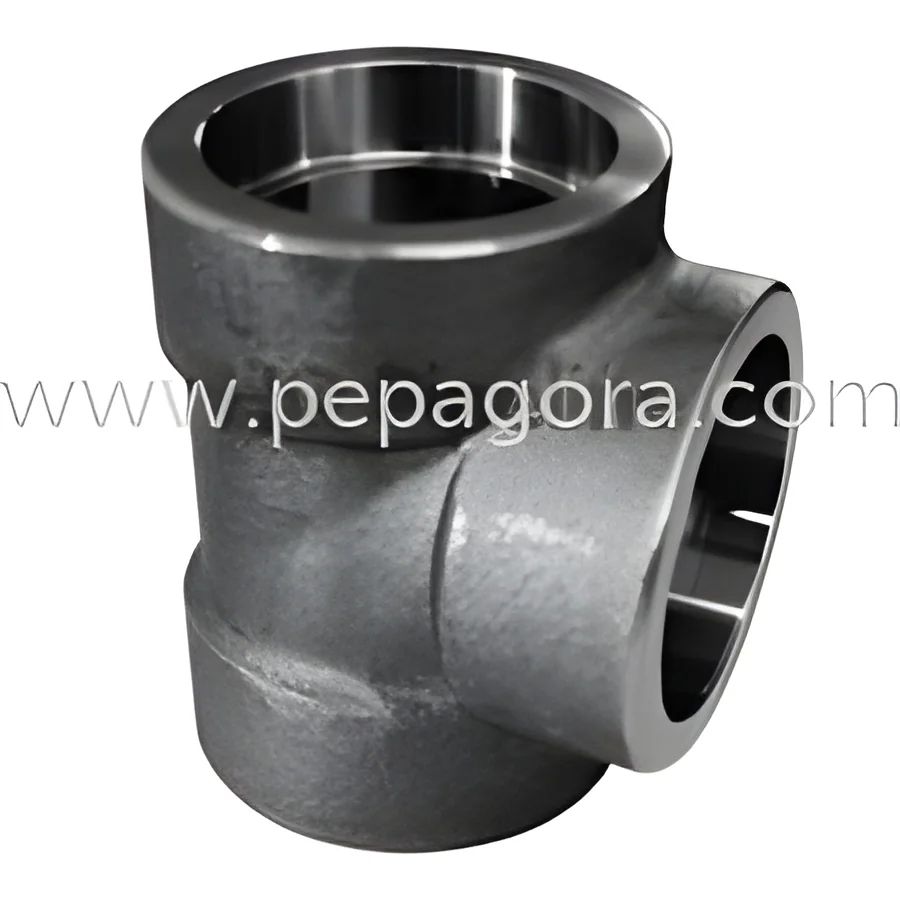
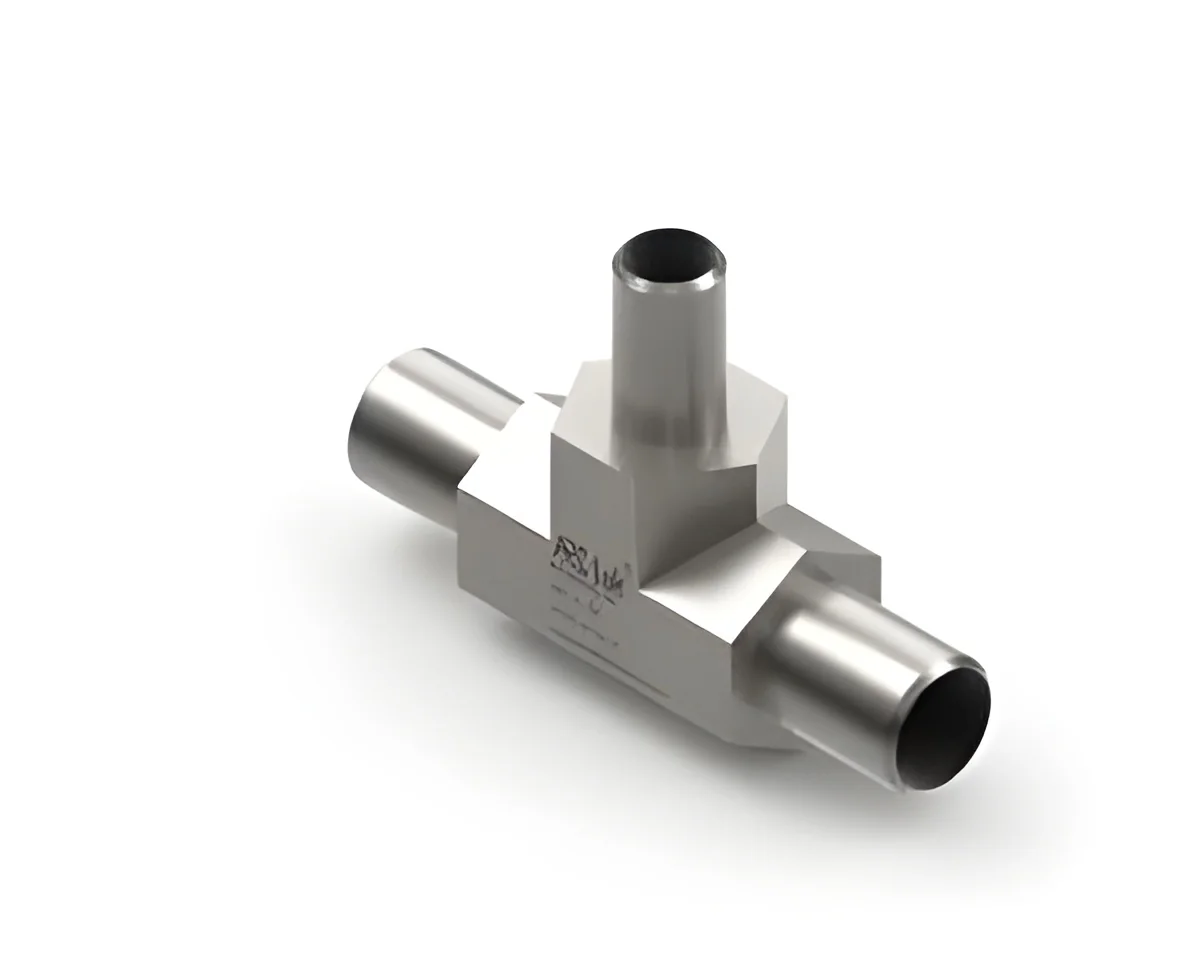
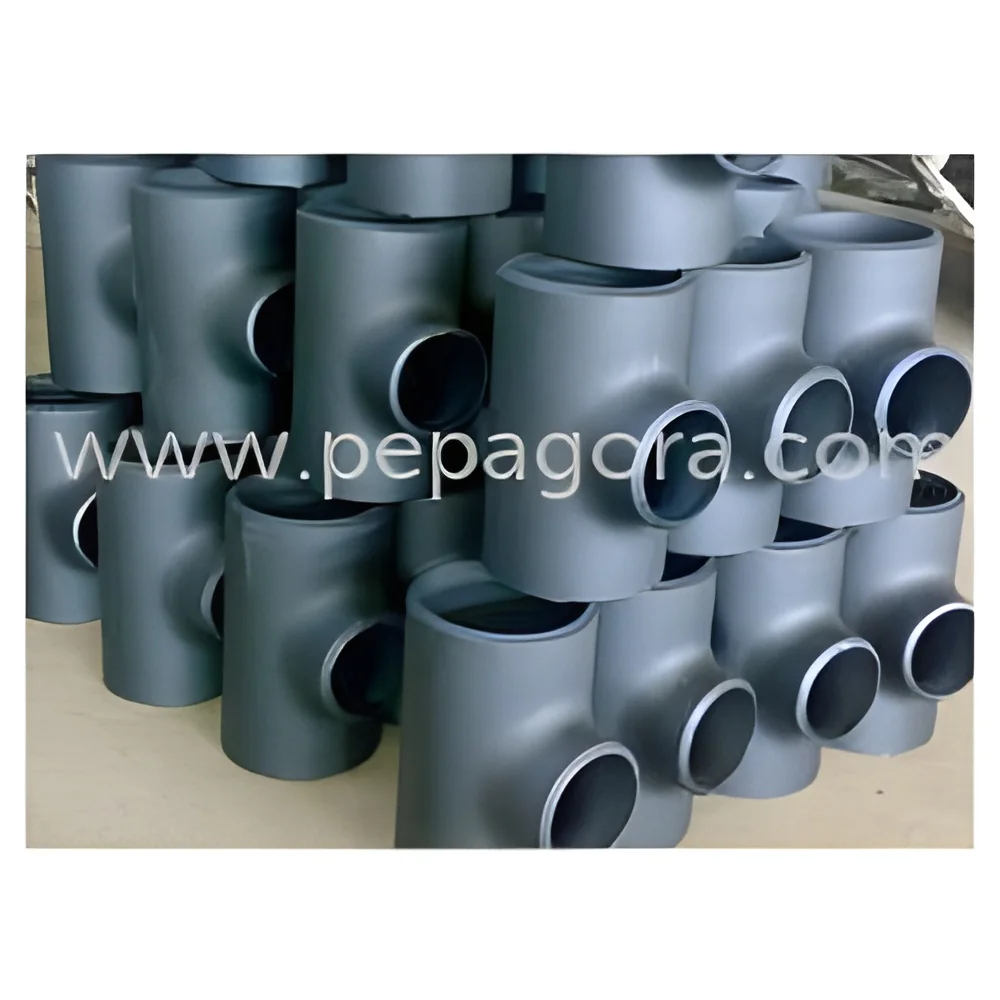
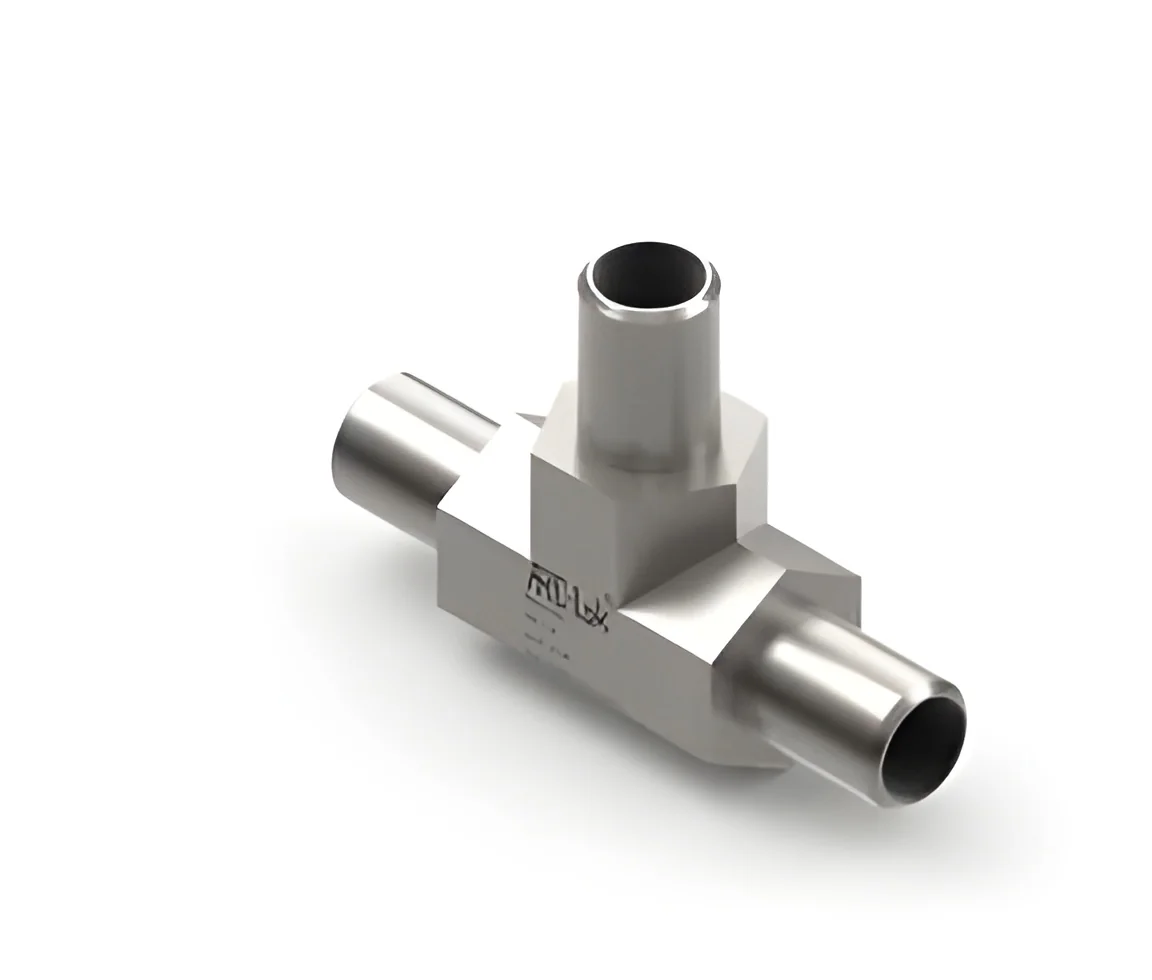
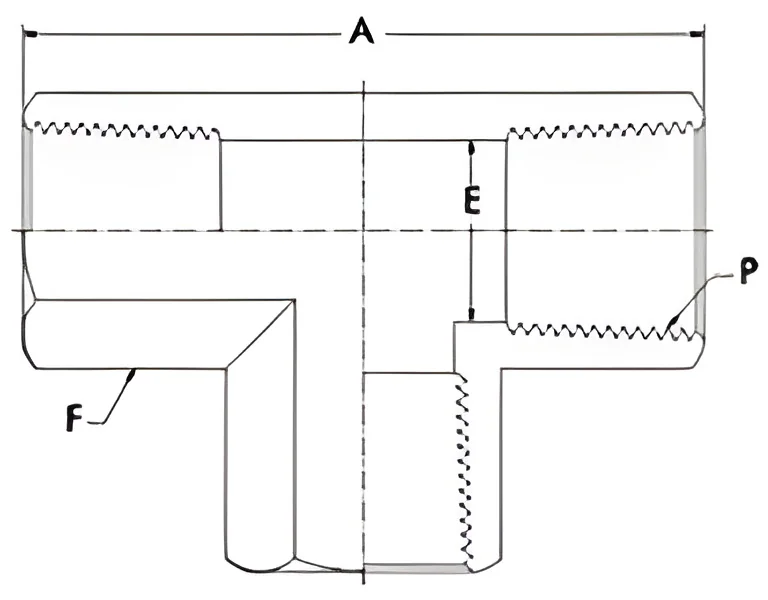
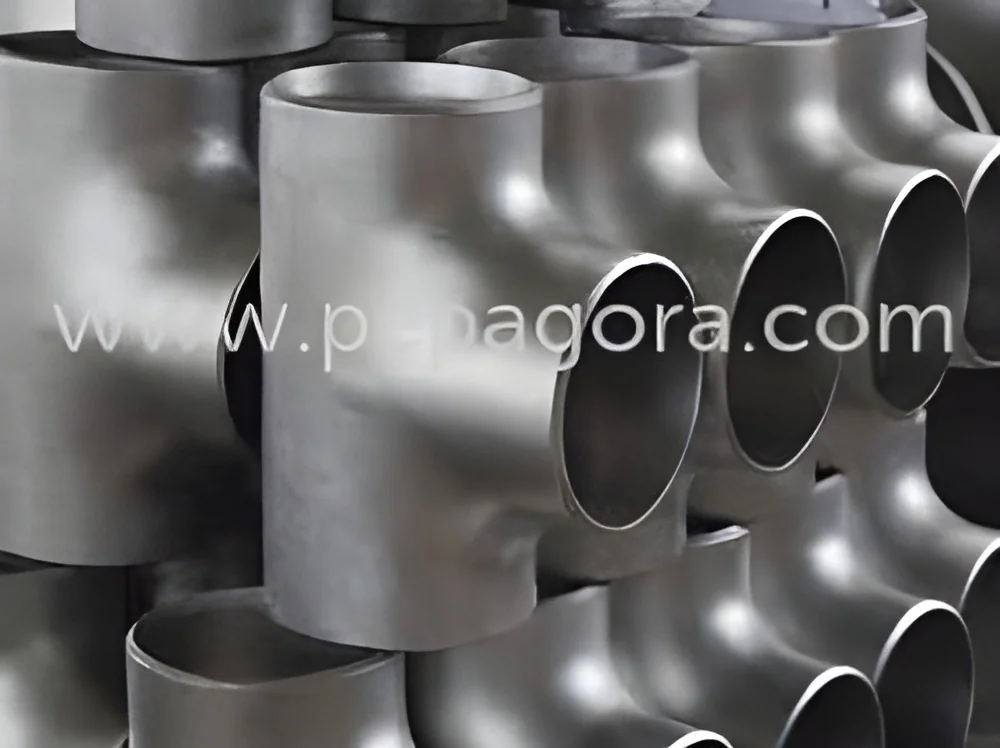
Tee fittings typically come in equal and reducing varieties. Equal tees connect three pipes of the same diameter, while reducing tees connect pipes of different sizes, allowing for size transitions in fluid transport.
Reducer Variants:
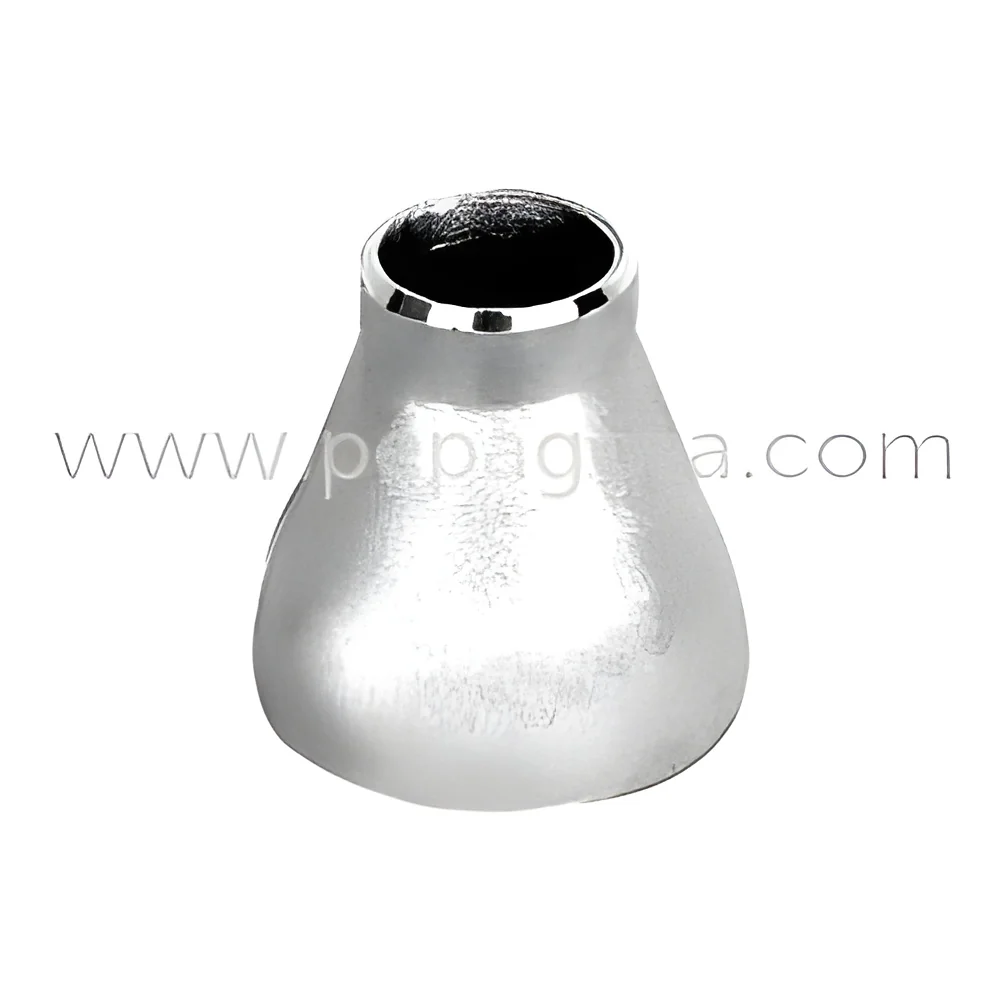
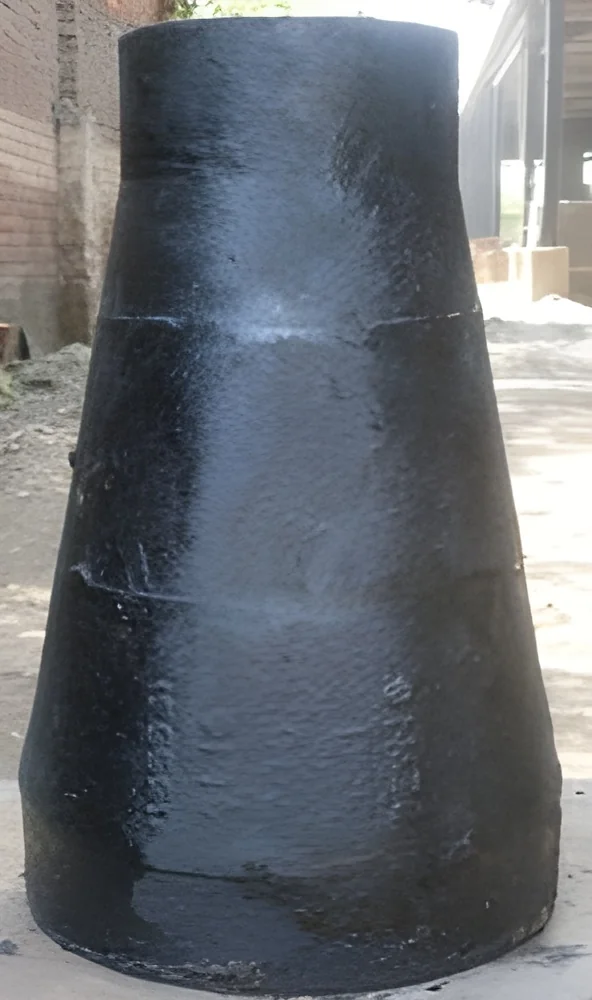
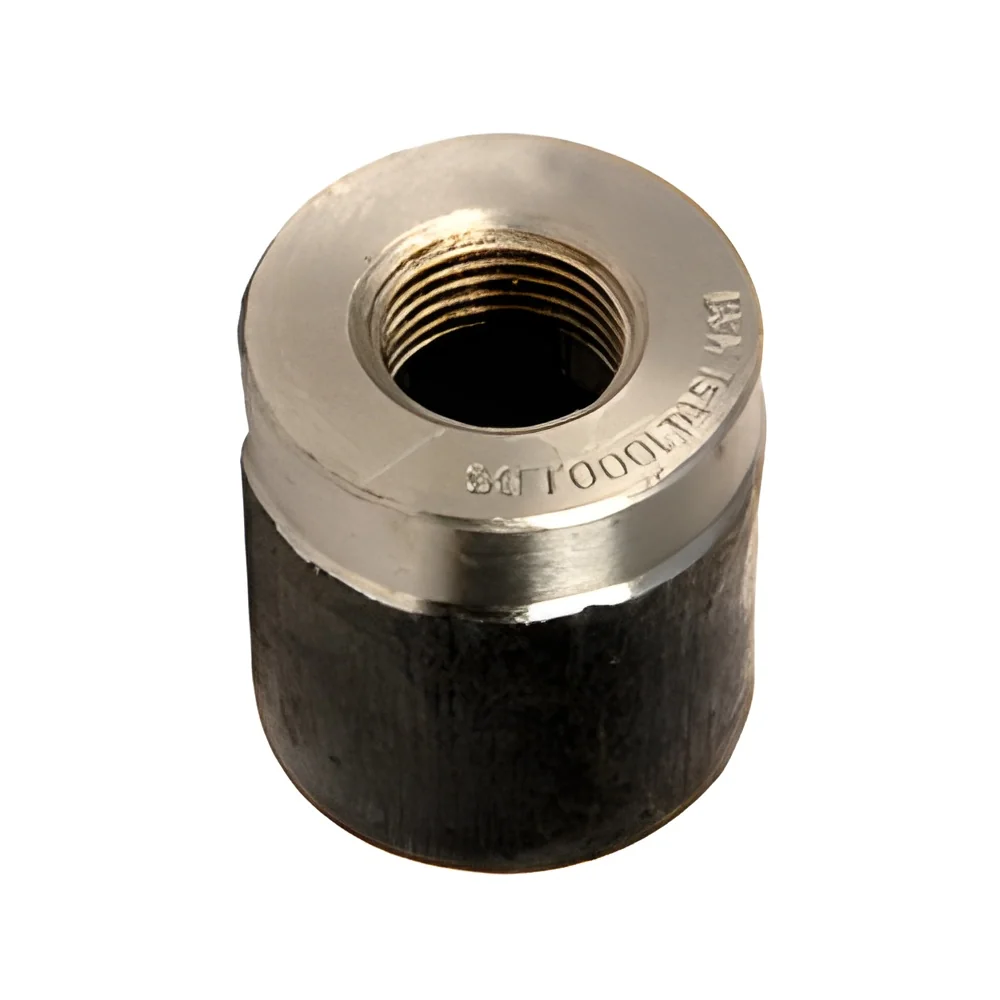
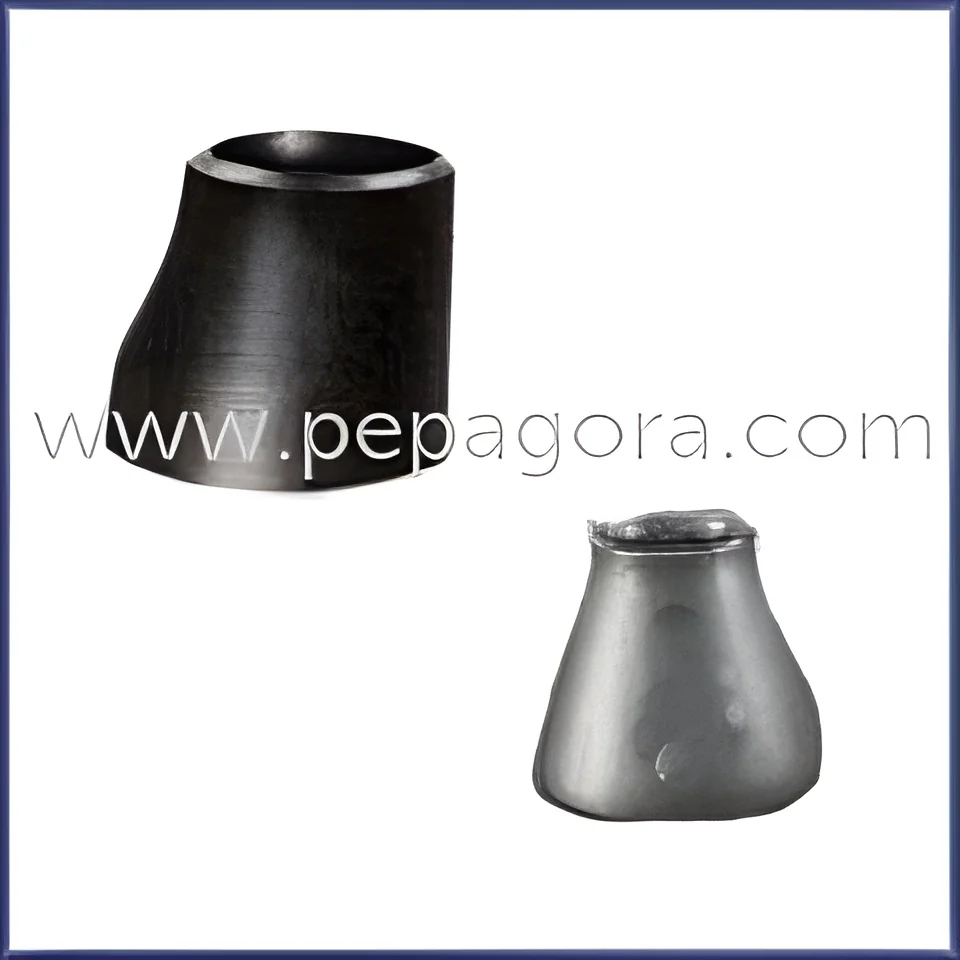
Concentric and eccentric reducers are the primary types. Concentric reducers maintain a central alignment of the pipe, while eccentric reducers allow for a more streamlined design in horizontal piping systems.
Benefits and Advantages
Elbows, tees, and reducers offer several key benefits that make them indispensable components in industrial applications.
1. Enhanced Flow Control: These fittings effectively manage fluid direction and flow rates, improving operational efficiency.
2. Versatility: With a variety of shapes and sizes available, they can be adapted to fit various piping configurations and requirements.
3. Durability: Many elbows, tees, and reducers are made from robust materials, ensuring longevity and resistance to wear and corrosion.
4. Cost-Effective Solutions: By optimizing flow and reducing energy loss, these components can contribute to significant cost savings over time.
5. Easy Installation: Most fittings are designed for straightforward installation, reducing labor costs and downtime during setup.
6. Compliance with Standards: Many products are certified to meet industry standards, ensuring safety and reliability in their applications.
Buying Guide for B2B Buyers
When sourcing elbows, tees, and reducers, it is essential for B2B buyers to consider several key factors to ensure they make informed decisions.
1. Quality Assessment: Evaluate the quality of materials used in the fittings. Look for certifications that indicate compliance with industry standards, such as CE.
2. Supplier Verification: Vet suppliers thoroughly to ensure they have a reliable track record and can deliver products that meet your specifications.
3. Pricing and MOQ: Understand the pricing structure and minimum order quantities (MOQ) required. This helps in budgeting and planning your inventory needs.
4. Delivery and Lead Times: Inquire about delivery schedules and lead times to ensure timely availability of products for your projects.
5. Compliance Requirements: Stay informed about relevant regulations and compliance standards that may apply to your industry to avoid potential issues.
Compliance and Certifications
Compliance and certifications play a crucial role in the manufacturing and use of elbows, tees, and reducers. Adhering to quality standards such as ISO 9001 ensures that products are manufactured with consistent quality and reliability.
Industry certifications, including CE, are essential for demonstrating that products meet European safety, health, and environmental protection requirements. These certifications are particularly important in industries where safety is a top priority.
Additionally, components may need to pass specific safety and testing requirements to ensure their performance under various conditions. Regional compliance considerations may vary, necessitating awareness of local regulations that could affect product use and availability.
Why Source Elbows, Tees, Reducers from Pepagora?
Pepagora offers a trusted platform for sourcing elbows, tees, and reducers, providing several key advantages for B2B buyers.
Verified Supplier Network: Pepagora has established a rigorous supplier verification process to ensure that all listed suppliers meet high standards of quality and reliability. This helps buyers feel confident in their purchasing decisions.
Streamlined RFQ Process: The platform simplifies the request for quotation (RFQ) process, allowing buyers to obtain competitive pricing and product information quickly. This efficiency is essential for managing procurement timelines effectively.
Trade Assurance and Support: Pepagora provides trade assurance, which protects buyers throughout the purchasing process. This includes support for any disputes or issues that may arise, ensuring a smooth transaction experience.
Regional Coverage: With a strong presence in India, the GCC, and Southeast Asia, Pepagora offers extensive geographic reach. This allows buyers to access a wide range of products and suppliers tailored to their specific market needs.

 IN
IN