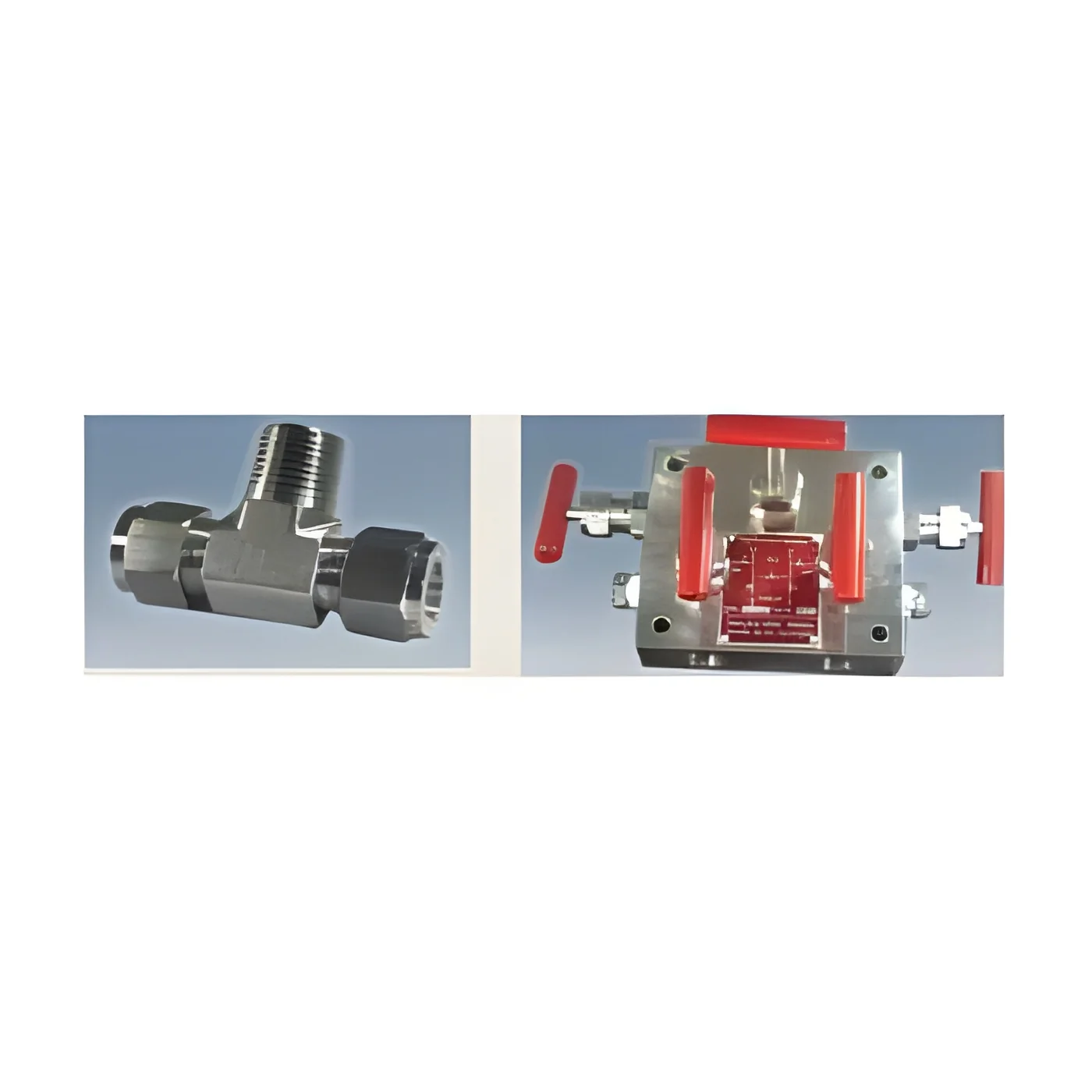
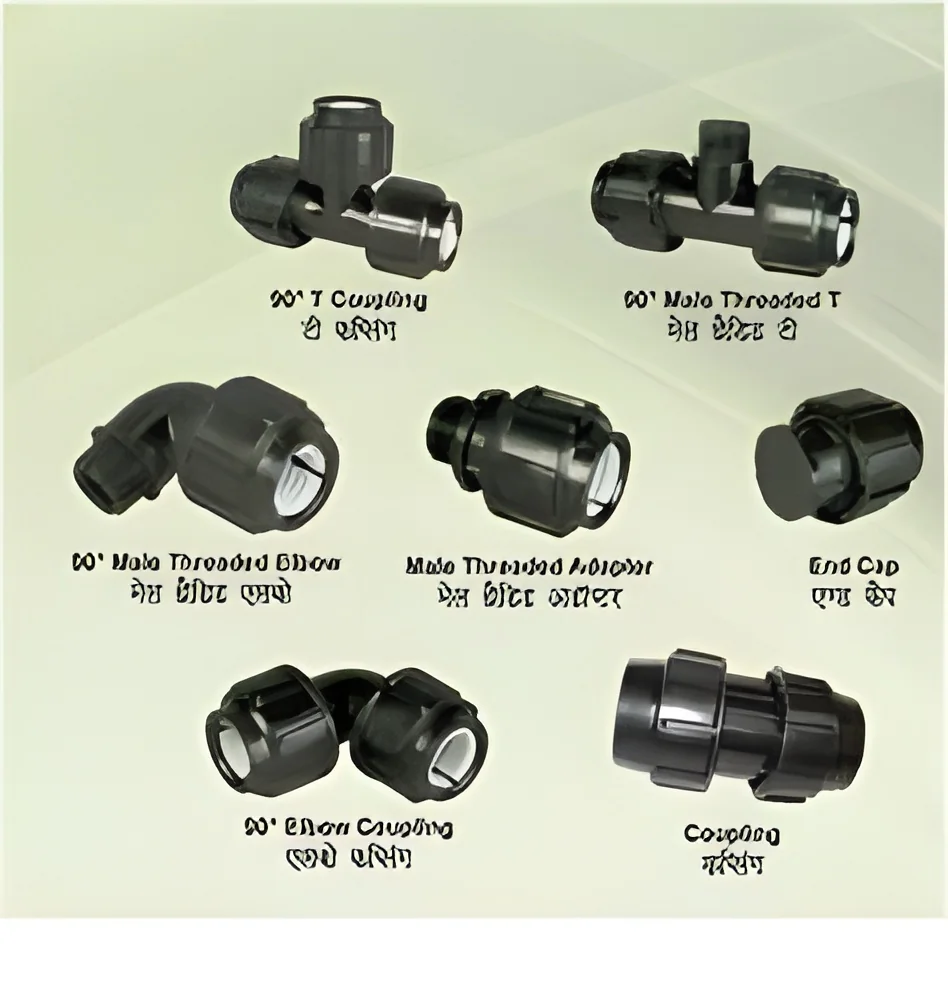
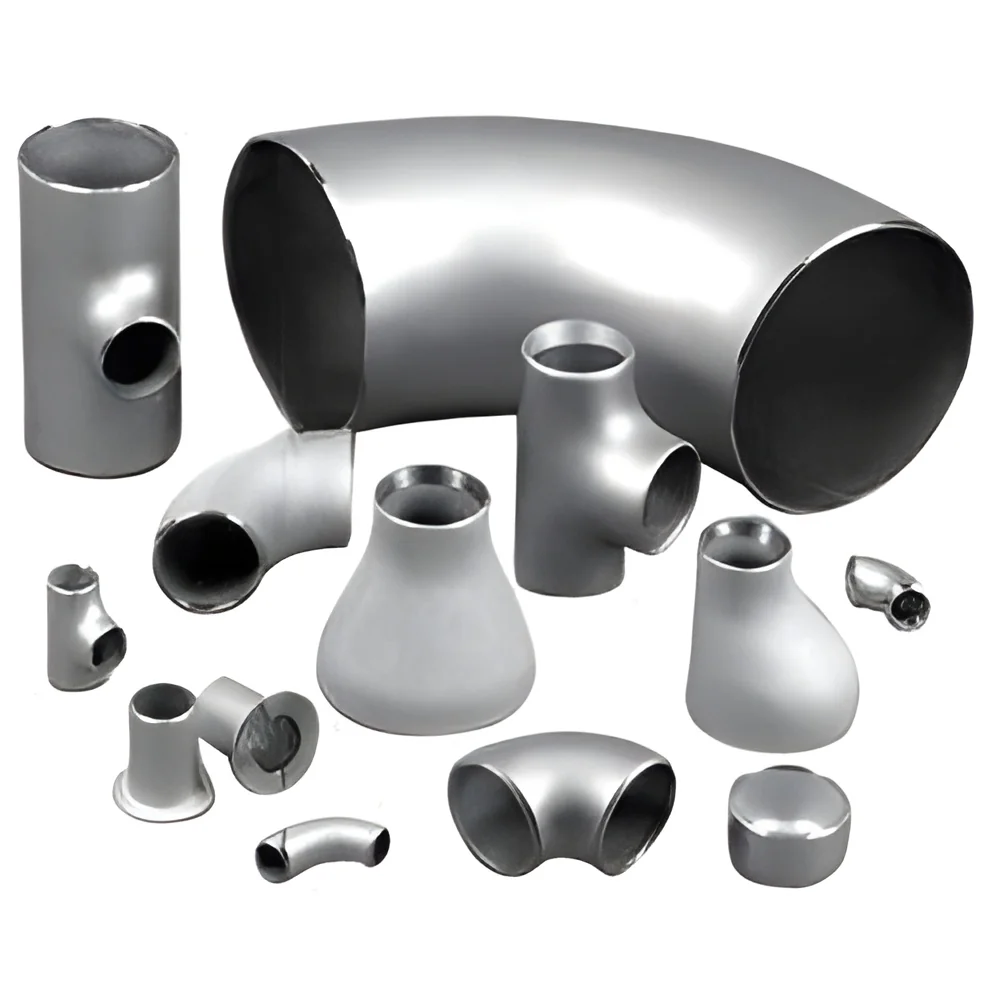
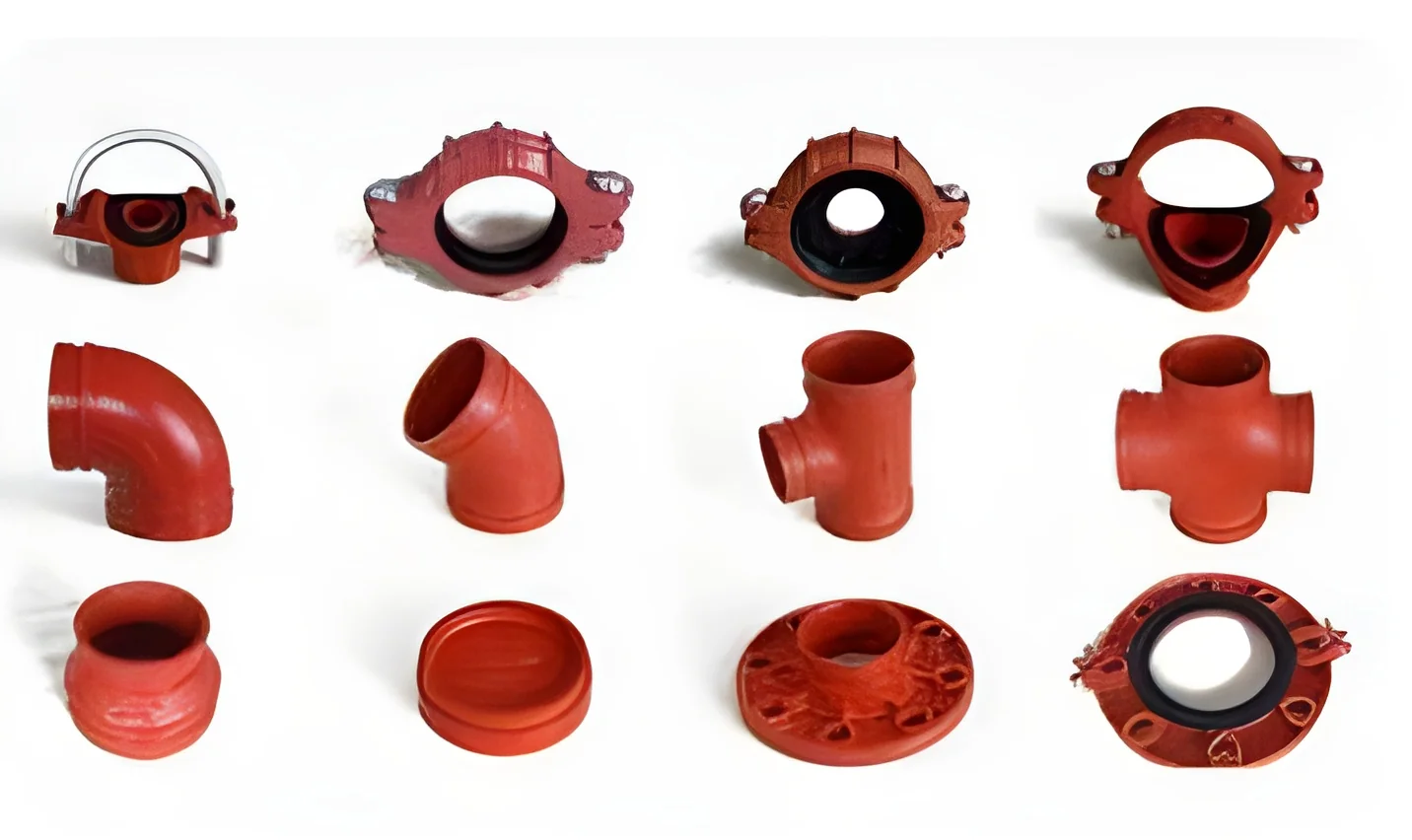
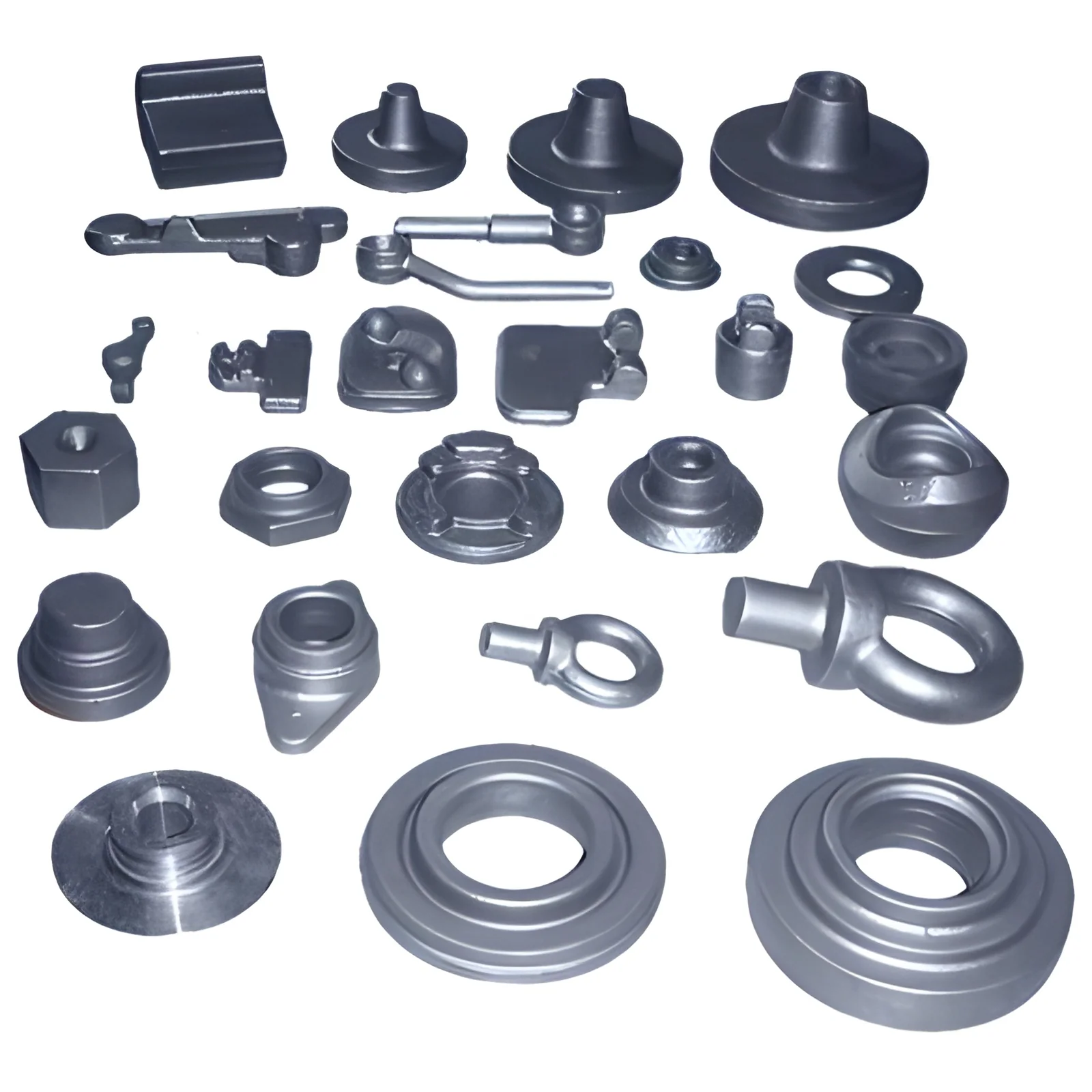
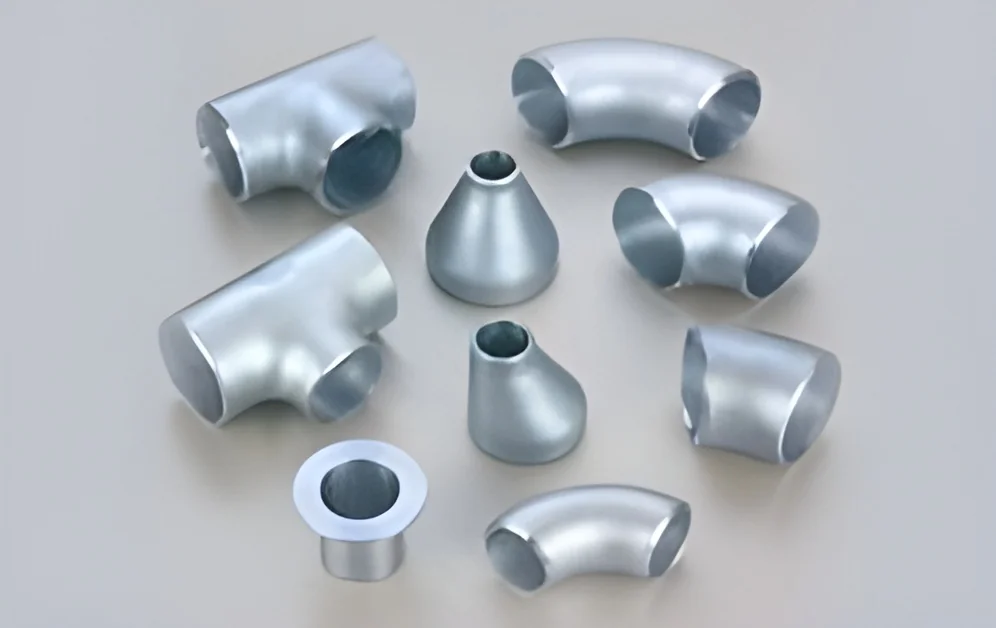
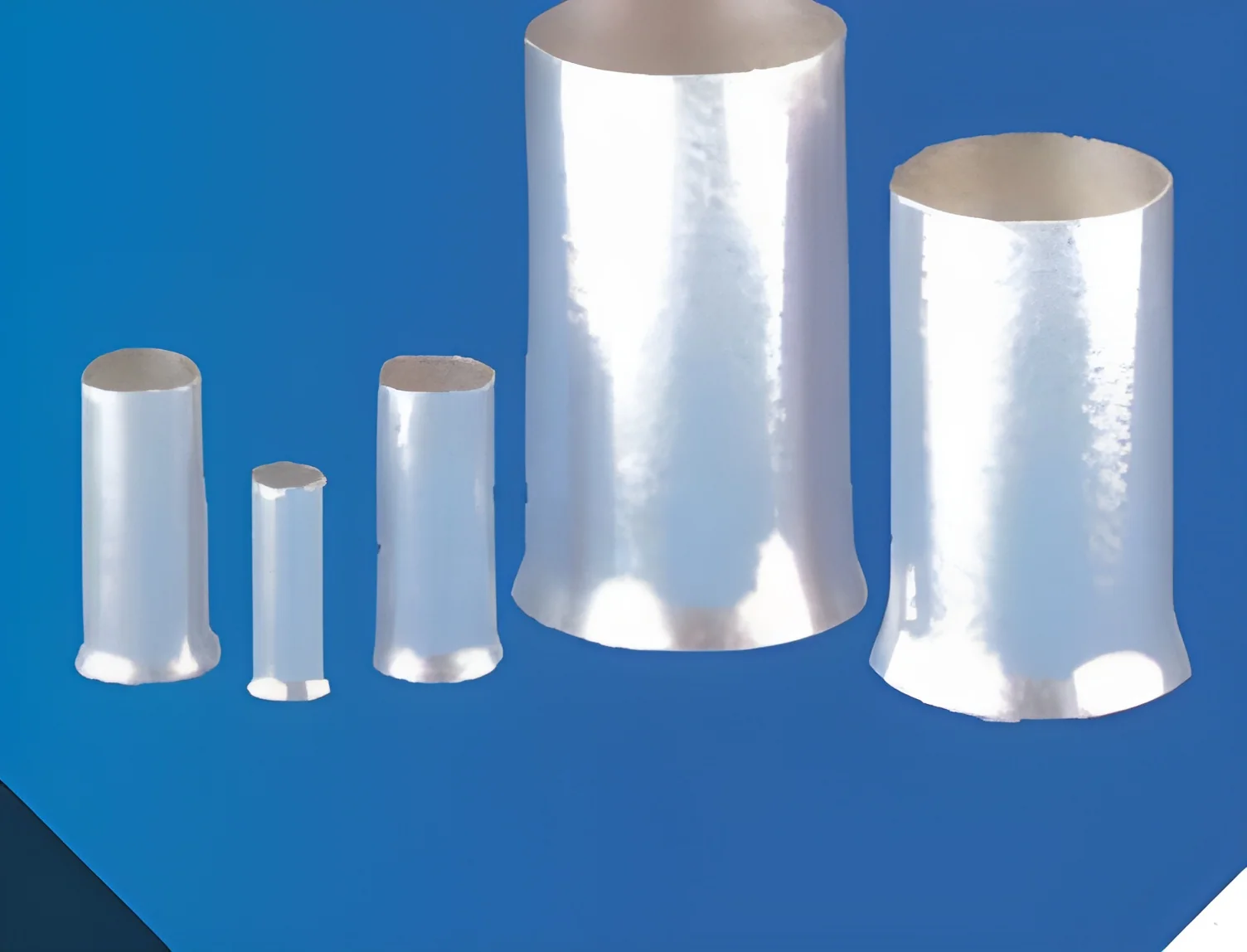
What are Compression Fittings?
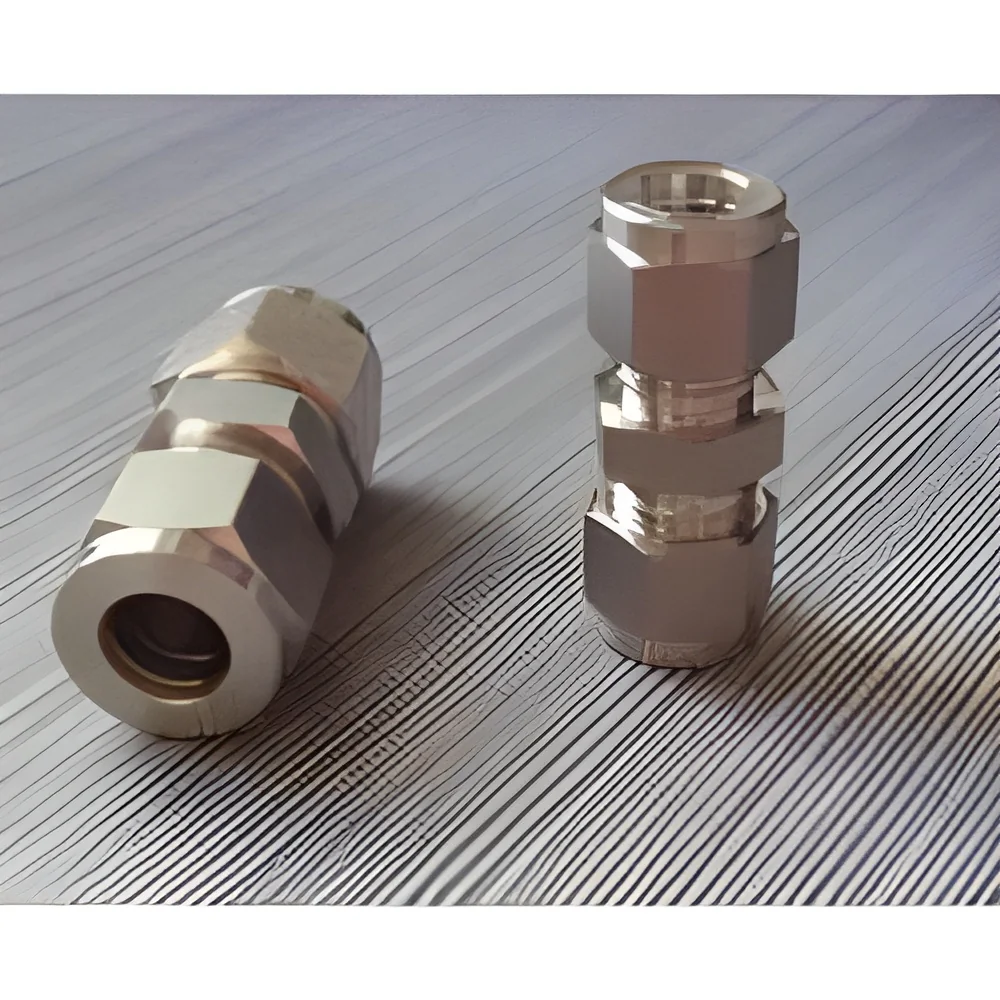
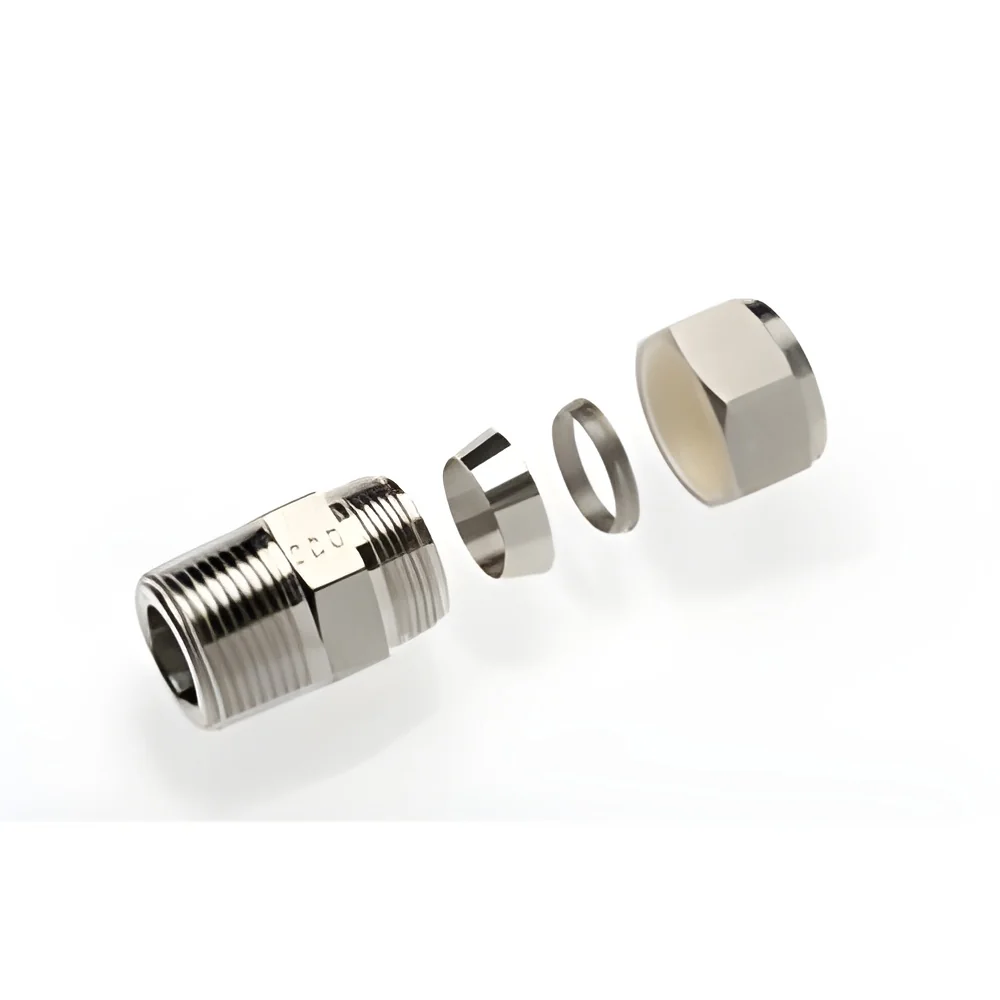
Compression fittings are specialized components used to join two pipes or tubes without the need for welding or soldering. They work by compressing a fitting onto the pipe or tube, creating a tight seal that prevents leaks. This type of fitting is particularly advantageous for applications where disassembly or adjustment may be necessary, as they can be easily removed and reattached.
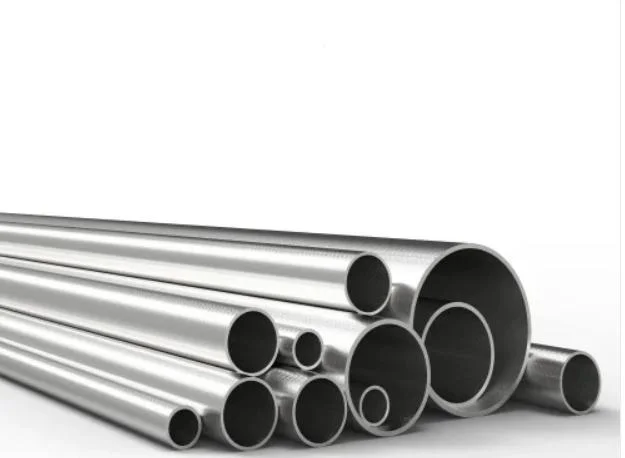
These fittings find primary use in various plumbing and piping systems, including water supply lines, gas lines, and HVAC applications. They are suitable for a range of materials, such as copper, plastic, and steel. Their versatility makes them an essential component in many industrial and commercial settings, where reliable connections are crucial for operation.
In the current market, compression fittings are relevant across numerous industries, including construction, manufacturing, and energy. The demand for these fittings is driven by the need for efficient and safe connections in fluid and gas transport systems. As industries evolve, the specifications and designs of compression fittings continue to advance, ensuring compliance with stringent safety and performance standards.
Key Features and Specifications
Compression fittings are designed with several key features that enhance their performance and reliability. Understanding these specifications is crucial for selecting the right fittings for specific applications.
Key specifications include:
1. Material Type
- Common materials include brass, stainless steel, and plastic
- Each material offers different levels of corrosion resistance and temperature tolerance
2. Size Range
- Available in various diameters to accommodate different pipe sizes
- Standard sizes typically range from 1/8 inch to 4 inches
3. Pressure Rating
- Designed to withstand specific pressure levels, ensuring safety in high-pressure applications
- Typical pressure ratings can vary from 150 to 300 PSI
4. Temperature Tolerance
- Capable of operating under various temperature conditions, though specific ranges are not available
- Important for applications involving hot or cold fluids
5. Installation Method
- Simple installation process that does not require specialized tools
- Can be installed using basic hand tools, making them user-friendly
6. Sealing Mechanism
- Utilizes a compressible ring to create a leak-proof seal
- Ensures reliability even in dynamic pressure conditions
7. Compliance Standards
- Often manufactured in accordance with industry standards such as CE certification
- Ensures product quality and safety in various applications
8. Customization Options
- Some manufacturers offer customized fittings based on specific requirements
- Allows for tailored solutions in unique applications
In summary, compression fittings are versatile components that offer a reliable and efficient solution for joining pipes. Their various specifications cater to a wide range of industrial applications, ensuring optimal performance and safety.
Common Applications and Use Cases
Compression fittings are widely utilized across multiple industries due to their adaptability and reliability.
1. Plumbing: In residential and commercial plumbing, compression fittings are used to create secure connections for water pipes, ensuring leak-free operation.
2. HVAC Systems: These fittings are essential in HVAC applications for connecting refrigerant lines and ensuring efficient system performance.
3. Automotive: In the automotive industry, compression fittings are commonly used in fuel and oil lines to maintain pressure and prevent leaks.
4. Oil and Gas: Compression fittings play a critical role in the oil and gas sector, providing safe connections in pipelines and equipment.
5. Aerospace: In aerospace applications, these fittings are used for hydraulic systems where reliability and safety are paramount.
6. Food and Beverage: Compression fittings are also used in food processing applications to ensure sanitary connections in piping systems.
7. Chemical Processing: In chemical industries, these fittings help in transporting various chemicals safely, preventing leaks and spills.
Product Variants and Subcategories
Compression fittings come in various forms to meet diverse industry needs.
Brass Compression Fittings
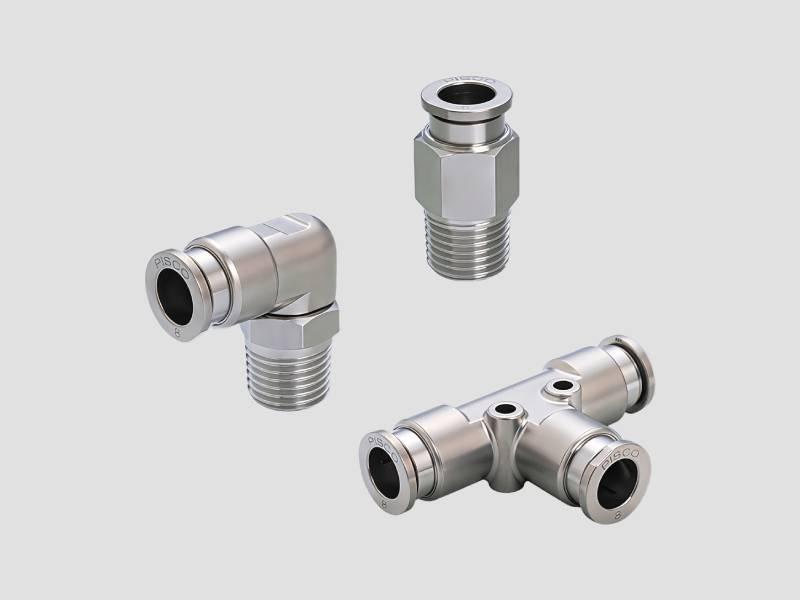
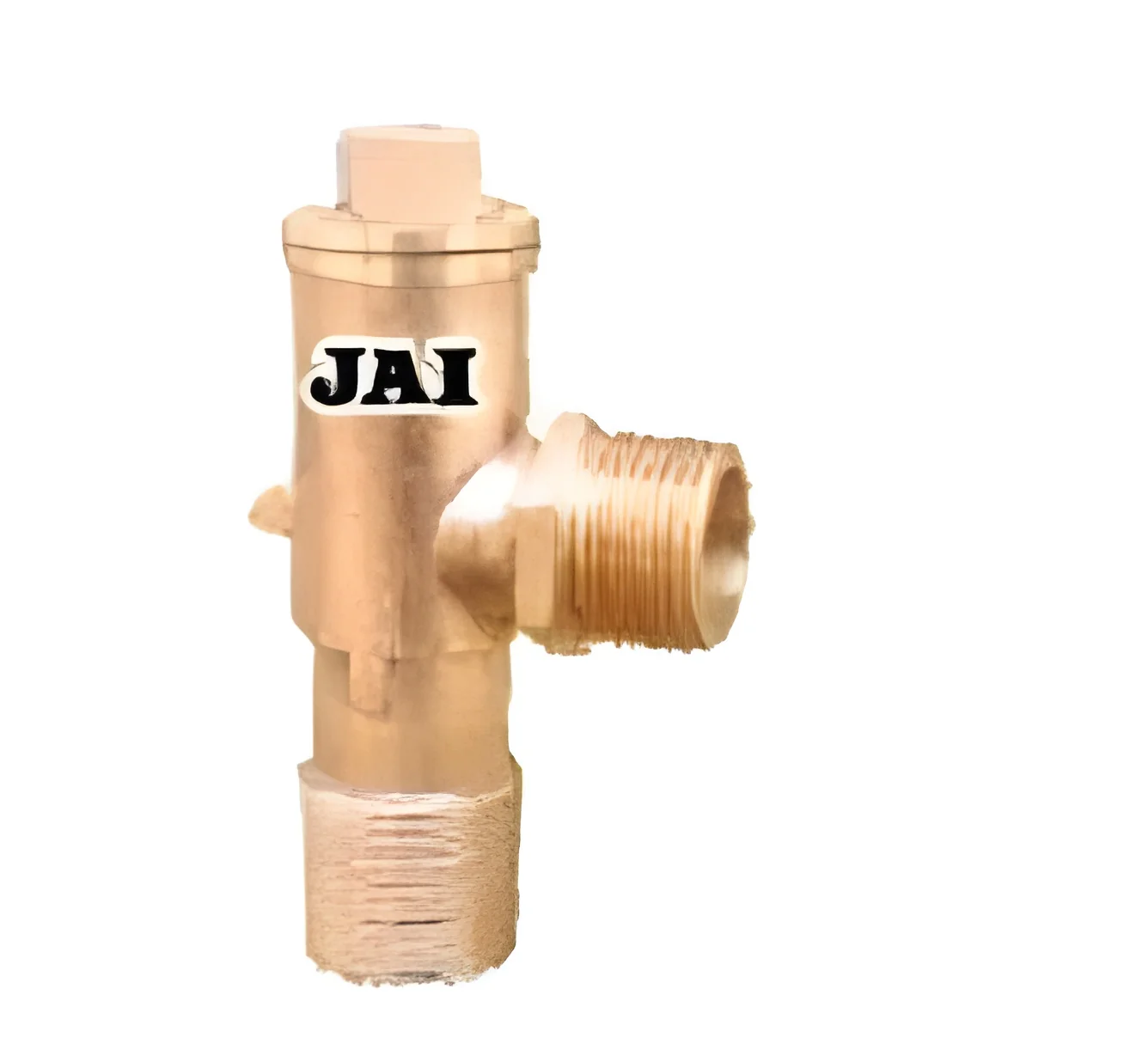
Brass compression fittings are known for their durability and resistance to corrosion. They are commonly used in plumbing and HVAC applications due to their excellent sealing properties and ability to withstand pressure.
Plastic Compression Fittings
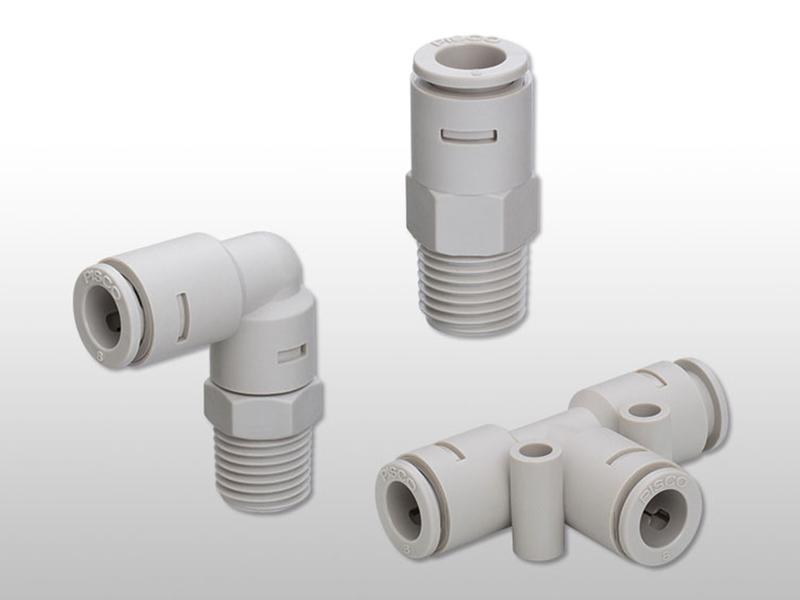
Plastic compression fittings are lightweight and resistant to corrosion, making them suitable for applications involving water and chemicals. They are often used in irrigation systems and plastic piping networks.
Stainless Steel Compression Fittings
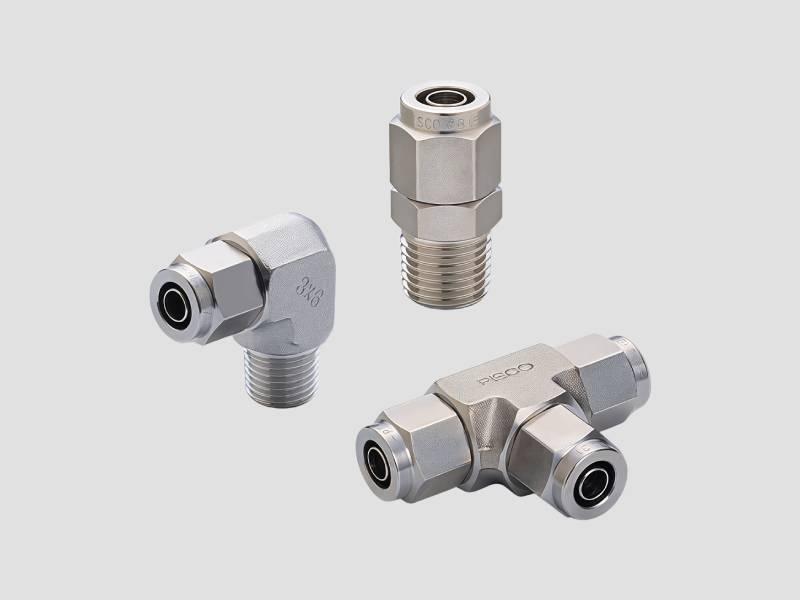
These fittings are ideal for high-pressure applications due to their strength and resistance to oxidation. They are widely used in the oil and gas industry as well as in food processing environments.
Benefits and Advantages
Compression fittings provide several advantages that make them a preferred choice in various applications.
1. Ease of Installation: Compression fittings can be easily installed without the need for welding or soldering, saving time and labor costs.
2. Versatility: They are compatible with different types of pipes and materials, allowing for flexibility in design and application.
3. Leak-Free Connections: The design of compression fittings ensures a strong, leak-proof seal that enhances safety and reliability in fluid transport.
4. Reusability: These fittings can be disassembled and reused, making them economical for projects that may require adjustments or repairs.
5. Low Maintenance: Once installed, compression fittings require minimal maintenance, contributing to the overall efficiency of the system.
6. Compliance with Standards: Many compression fittings meet industry standards, ensuring that they are suitable for critical applications.
Buying Guide for B2B Buyers
When sourcing compression fittings, B2B buyers should consider several key factors to ensure they make informed purchasing decisions.
1. Quality Assessment: Evaluate the quality of materials and manufacturing processes. Look for certifications that confirm adherence to industry standards.
2. Supplier Verification: Vet suppliers to ensure they have a reputable track record and can provide reliable products. Consider their experience and customer feedback.
3. Pricing and MOQ: Understand the pricing structure and minimum order quantities. Compare quotes from multiple suppliers to find the best deal without compromising quality.
4. Delivery and Lead Times: Discuss logistics and delivery timelines. Ensure that suppliers can meet your deadlines to avoid disruptions in your operations.
5. Compliance Requirements: Check for compliance with relevant regulations and standards to ensure that the fittings will be suitable for your specific applications.
Compliance and Certifications
Compression fittings must adhere to various quality standards and certifications that guarantee their safety and reliability in industrial applications.
ISO 9001 is a widely recognized standard that ensures quality management systems are in place during the manufacturing process. Manufacturers that comply with ISO 9001 demonstrate their commitment to product quality and continuous improvement.
CE certification indicates that the fittings meet European safety and environmental protection standards. This certification is essential for products sold in the European market, ensuring that they are safe for use.
Additionally, compliance with safety and testing requirements is vital, particularly in high-stakes industries like oil and gas or healthcare. Manufacturers must conduct thorough testing to validate the performance and safety of their fittings.
Regional compliance considerations may vary depending on the market. Buyers should ensure that the products they source meet local regulations and standards to avoid legal issues.
Why Source Compression Fittings from Pepagora?
Pepagora provides an excellent platform for sourcing compression fittings, offering several key advantages to B2B buyers.
Verified Supplier Network: Pepagora has a robust network of verified suppliers, ensuring that buyers can access high-quality products from reputable manufacturers. This verification process helps to minimize the risks associated with sourcing.
Streamlined RFQ Process: The request for quotation (RFQ) process on Pepagora is designed for efficiency. Buyers can easily compare quotes from multiple suppliers, enabling informed decision-making.
Trade Assurance and Support: Pepagora offers trade assurance to protect buyers and provides support throughout the purchasing process. This assurance helps to mitigate potential risks and fosters trust between buyers and suppliers.
Regional Coverage: With a presence in India, the GCC, and Southeast Asia, Pepagora ensures that buyers can find suitable compression fittings for their specific regional needs. This geographic reach facilitates efficient sourcing for diverse markets.
Overall, Pepagora stands out as a reliable platform for sourcing compression fittings, combining quality assurance, efficient processes, and extensive supplier options.

 IN
IN