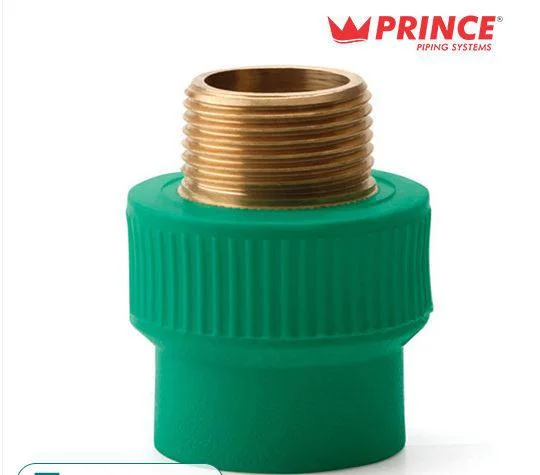
What are Pipe Couplers & Joints?
Pipe couplers and joints are essential components used to connect two sections of pipe or tubing. They facilitate the seamless flow of liquids, gases, and other materials through piping systems. These fittings ensure that connections are secure and can withstand various pressures and environmental conditions. Pipe couplers are typically designed to fit tightly around the pipe ends, while joints allow for angular adjustments and flexibility in the arrangement of piping networks.
These products are widely used across various industries, including plumbing, oil and gas, manufacturing, and construction. In plumbing systems, they provide reliable connections for water supply and drainage. In industrial applications, they help transport chemicals and gases safely. The versatility of pipe couplers and joints makes them indispensable in maintaining the integrity and efficiency of piping systems in many business applications.
As industries continue to evolve, the demand for high-quality pipe couplers and joints is increasing. With the growth of infrastructure projects and industrial development, companies are seeking reliable fittings that meet stringent performance and safety standards. This market context highlights the importance of sourcing durable and compliant pipe couplers and joints for various applications.
Key Features and Specifications
Pipe couplers and joints boast a range of features that enhance their functionality and reliability. These specifications are critical for ensuring compatibility with different piping materials and systems.
Key specifications include:
1. Material Composition
- Typically made from metals, plastics, or composites
- Common materials include PVC, stainless steel, and brass
2. Pressure Rating
- Indicates the maximum pressure the coupler or joint can withstand
- Ratings can vary from low-pressure applications to high-pressure systems
3. Size Range
- Available in various diameters to fit different pipe sizes
- Commonly ranges from small diameters (e.g., ¼ inch) to larger sizes (e.g., 12 inches)
4. Temperature Tolerance
- Designed to operate effectively within specific temperature ranges
- Some variants can withstand extreme temperatures
5. Connection Type
- Includes threaded, slip-on, and weld fittings
- Allows for flexibility in installation methods
6. Compliance Standards
- Products may adhere to industry standards for quality and safety
- Compliance with CE certification is common
7. Corrosion Resistance
- Some materials are coated or treated to resist corrosion
- Essential for longevity in harsh environments
8. Customization Options
- Availability of custom sizes and configurations
- Tailored solutions for specific industrial requirements
In summary, understanding these key features and specifications is crucial for selecting the right pipe couplers and joints for specific applications.
Common Applications and Use Cases
Pipe couplers and joints find extensive applications across multiple industries due to their versatility and reliability.
1. Plumbing: In residential and commercial plumbing, couplers and joints are used to connect pipes for water supply and drainage systems, ensuring leak-proof installations.
2. Oil and Gas: These components are critical in the extraction and transportation of oil and gas, connecting pipelines and ensuring safe handling of fluids under pressure.
3. Manufacturing: In production facilities, pipe couplers and joints facilitate the movement of materials and chemicals, supporting various manufacturing processes.
4. HVAC: Used in heating, ventilation, and air conditioning systems, these fittings help connect ductwork and piping for efficient climate control.
5. Agriculture: In irrigation systems, they connect pipes and tubes for effective water distribution to crops, enhancing agricultural productivity.
6. Food and Beverage: In processing plants, couplers and joints are necessary for transporting liquids safely, adhering to sanitary standards.
7. Construction: Used in constructing temporary piping systems for water and gas supply, ensuring that connections remain secure during construction activities.
Product Variants and Subcategories
Pipe couplers and joints come in various types to meet specific industry needs.
Compression Couplers: These couplers use a compression fitting to create a tight seal around the pipe. They are ideal for applications where easy disassembly is required, such as in plumbing systems.
Socket Weld Joints: Common in high-pressure systems, these joints are welded to the pipe, providing a strong and durable connection that is resistant to leaks.
Flanged Joints: These joints use a flange to connect two pipes, allowing for easy installation and removal. They are often used in large piping systems in industrial settings.
Threaded Couplers: These fittings use threads to connect pipes, which makes them suitable for applications with frequent maintenance needs.
Benefits and Advantages
Sourcing quality pipe couplers and joints offers numerous advantages to businesses.
1. Enhanced Durability: High-quality materials ensure that couplers and joints can withstand harsh conditions and pressures, extending their lifespan.
2. Improved Efficiency: Reliable connections reduce the risk of leaks and failures, leading to more efficient operations and reduced downtime.
3. Cost-Effectiveness: Investing in durable fittings minimizes the need for frequent replacements, saving costs in the long run.
4. Versatility: With a wide range of sizes and types available, businesses can find solutions that fit specific applications and requirements.
5. Compliance Assurance: Sourcing certified products ensures adherence to industry standards, promoting safety and reliability.
6. Simplified Installation: Many couplers and joints are designed for easy installation, reducing labor costs and time associated with setup.
Buying Guide for B2B Buyers
When sourcing pipe couplers and joints, it is essential for buyers to consider several factors to ensure they make informed decisions.
1. Quality Assessment: Evaluate the materials and manufacturing processes of the products. Look for certifications that indicate adherence to quality standards.
2. Supplier Verification: Vet suppliers by checking their reputation, customer feedback, and compliance with industry regulations. A reliable supplier is key to sourcing quality products.
3. Pricing and MOQ: Understand the pricing structures and minimum order quantities (MOQ) required by suppliers. This can affect overall budget and inventory management.
4. Delivery and Lead Times: Confirm logistics details, including delivery schedules and lead times. Timely delivery is crucial for maintaining project timelines.
5. Compliance Requirements: Ensure that the products meet relevant regulatory standards for safety and performance. This is particularly important in industries with stringent compliance needs.
Compliance and Certifications
Pipe couplers and joints must adhere to various compliance standards to ensure safety and quality in their applications. Key standards include ISO 9001, which focuses on quality management systems, ensuring that manufacturers consistently produce products that meet customer and regulatory requirements.
Industry certifications such as CE indicate that the products comply with European safety, health, and environmental protection standards. This certification enhances trust in the product's quality and performance.
Safety and testing requirements are critical, especially in high-pressure applications. Products should undergo rigorous testing to validate their performance under specific conditions.
Regional compliance considerations may also play a role, as different countries have varying regulations governing material standards and safety. Understanding these requirements is essential for businesses operating in multiple regions.
Why Source Pipe Couplers & Joints from Pepagora?
Pepagora provides an excellent platform for sourcing pipe couplers and joints, offering several key advantages that benefit B2B buyers.
Verified Supplier Network: Pepagora ensures that its suppliers are thoroughly vetted, providing buyers with access to a network of reliable manufacturers. This verification process enhances confidence in the quality of products sourced through the platform.
Streamlined RFQ Process: The request for quotation (RFQ) system simplifies the procurement process. Buyers can easily compare prices and specifications from multiple suppliers, enabling informed decision-making.
Trade Assurance and Support: Pepagora offers trade assurance, protecting buyers against potential risks in transactions. This support fosters a secure purchasing environment.
Regional Coverage: With a focus on markets in India, the GCC, and Southeast Asia, Pepagora provides buyers with a wide geographic reach. This regional coverage ensures access to local suppliers and tailored solutions for diverse business needs.

 IN
IN