
 IN
INCheck Valves & Foot Valves
4 products available
What are Check Valves & Foot Valves?
Key Features and Specifications
Common Applications and Use Cases
Product Variants and Subcategories
Benefits and Advantages
Buying Guide for B2B Buyers
Compliance and Certifications
Why Source Check Valves & Foot Valves from Pepagora?

Frequently Asked Questions
What are Check Valves & Foot Valves?
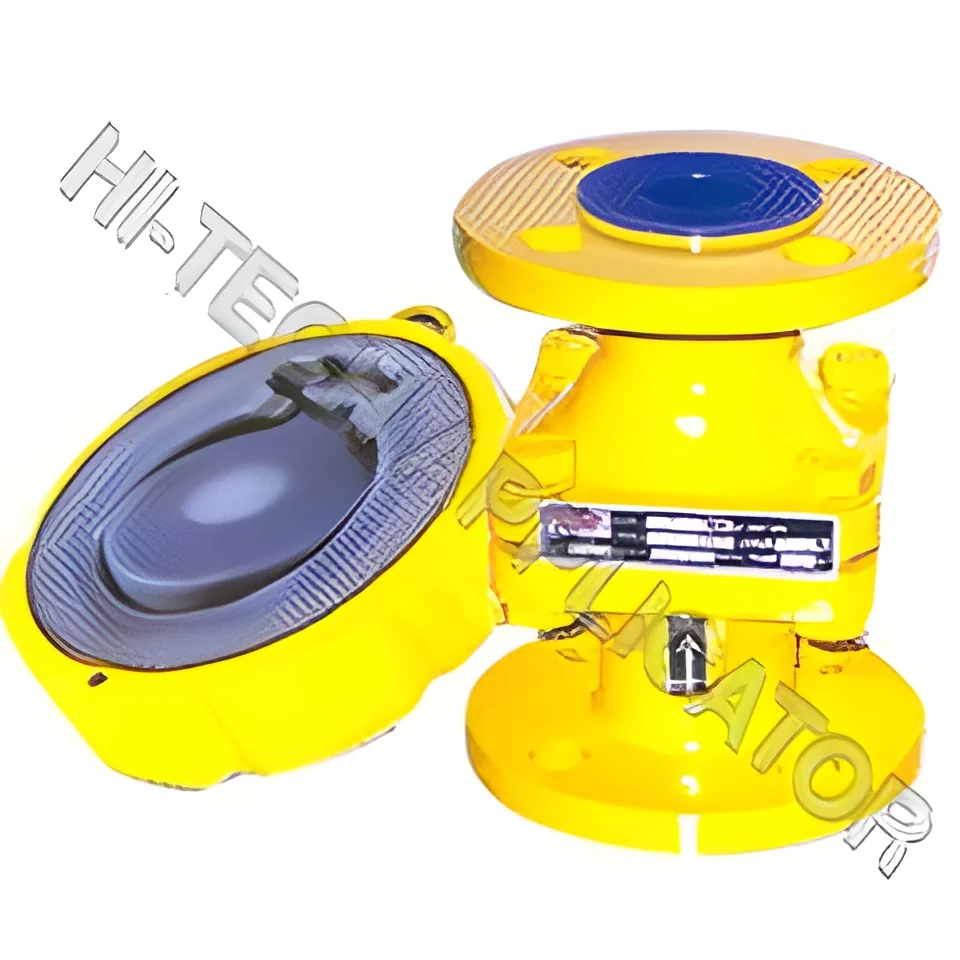
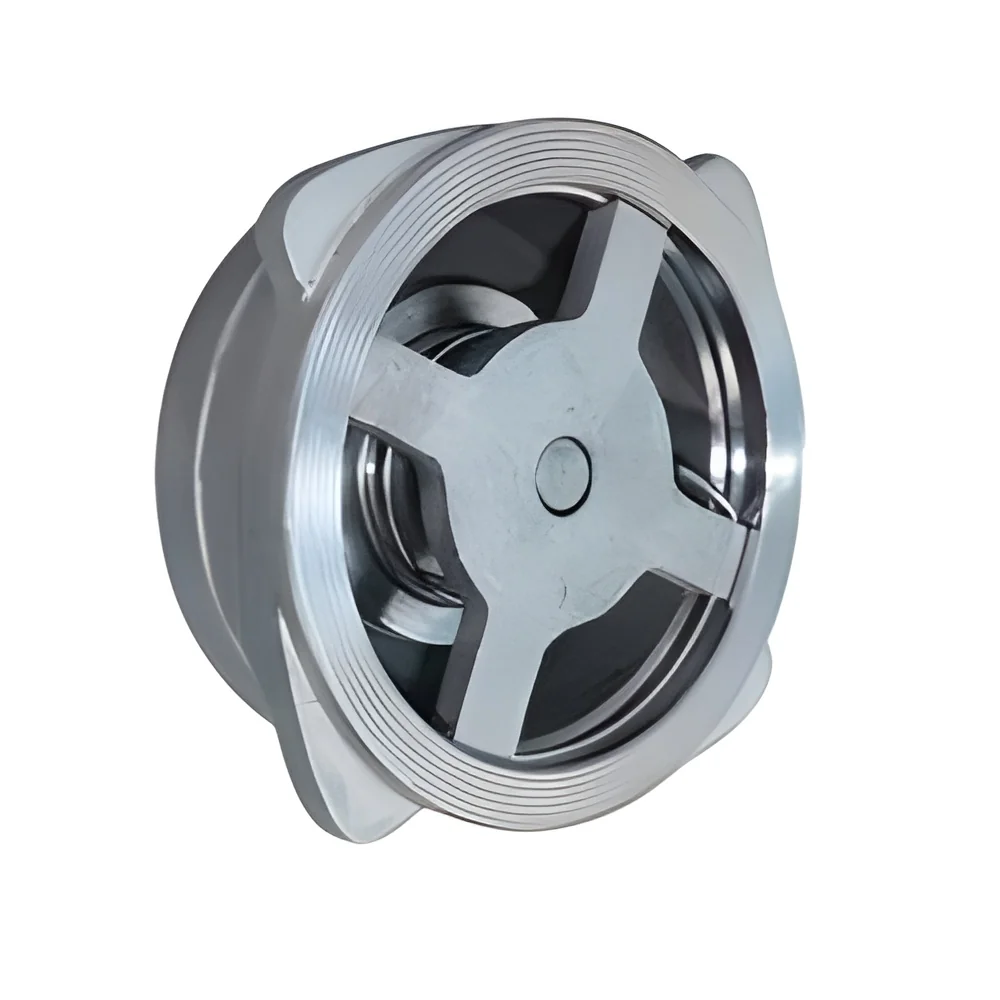
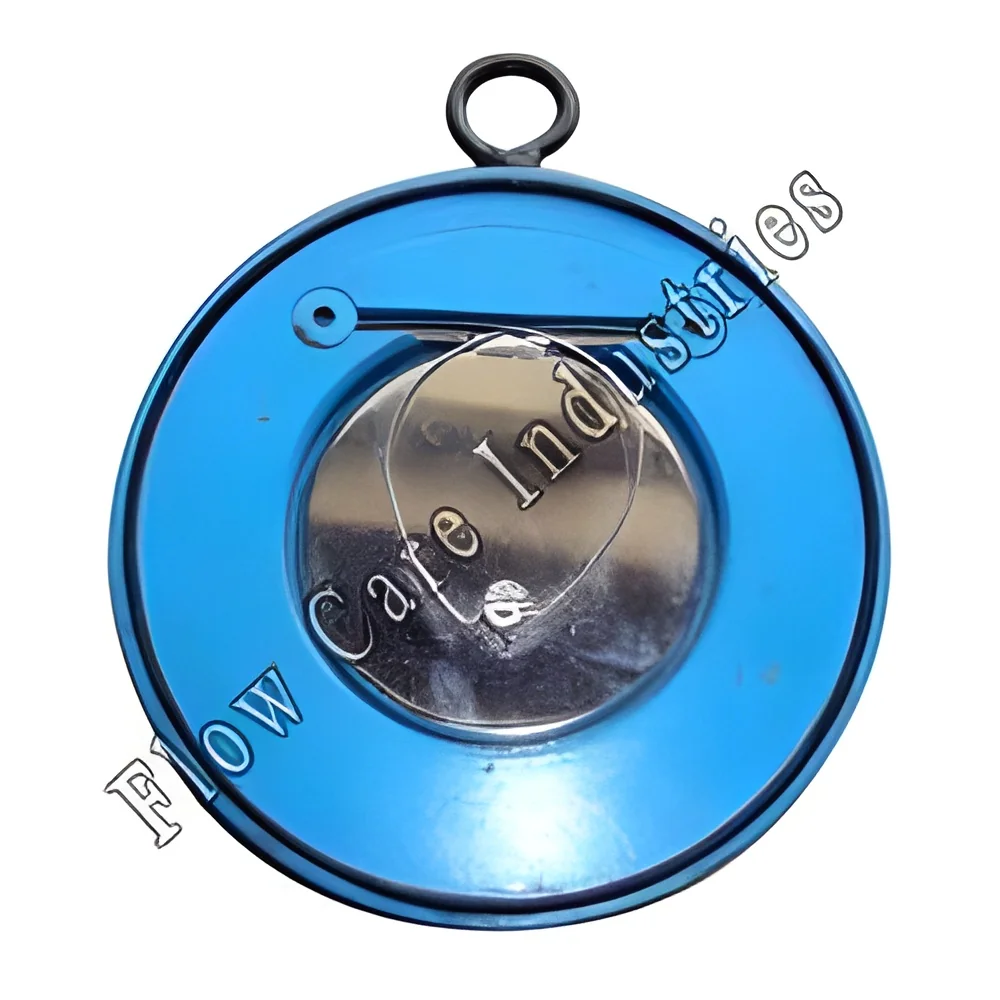
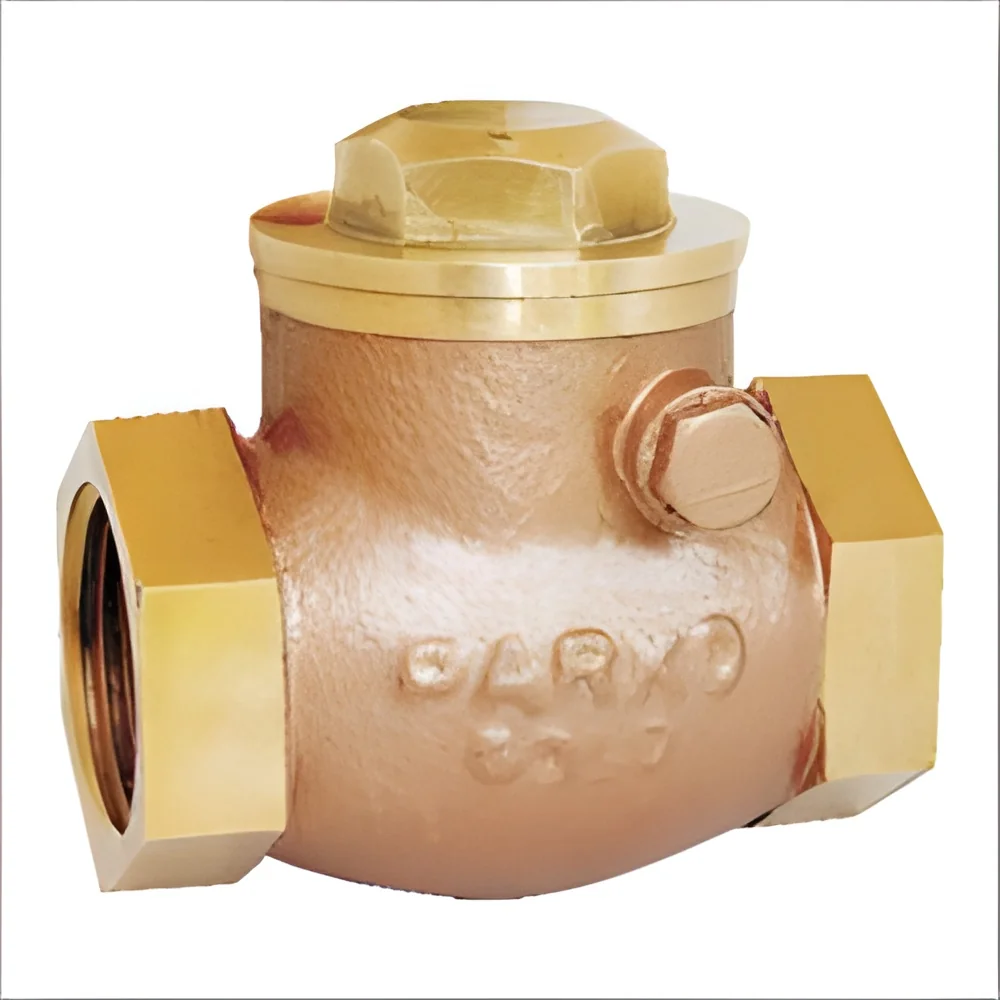
Check Valves are mechanical devices that allow fluid to flow in one direction, preventing backflow. Foot Valves, on the other hand, are a type of check valve installed at the bottom of a suction line to maintain the prime in a pump. Both are essential components in various fluid systems.
What are the different types of Check Valves & Foot Valves?
There are several types of Check Valves, including ball check valves, swing check valves, and lift check valves. Foot Valves typically come in two main types: strainer foot valves and non-strainer foot valves. Each type is designed for specific applications based on pressure, flow rate, and space constraints.
How do I choose the right Check Valves & Foot Valves?
Choosing the right Check Valves & Foot Valves involves considering factors such as the fluid type, pressure, temperature, and flow rate. Additionally, the installation space and the specific requirements of your application should be evaluated. Consulting with suppliers can also help in selecting the most suitable option.
What are the standard specifications for Check Valves & Foot Valves?
Standard specifications for Check Valves & Foot Valves include materials like brass, stainless steel, and PVC, as well as pressure ratings and temperature limits. Common dimensions, connection types, and flow characteristics are also important specifications to consider. Each manufacturer may have specific standards that should be reviewed.
What is the price range for Check Valves & Foot Valves?
The price range for Check Valves & Foot Valves can vary significantly based on type, size, and material. Generally, prices can start from a few hundred rupees for basic models and can go up to several thousand rupees for specialized or high-pressure versions. It's advisable to compare quotes from multiple suppliers.
What quality standards apply to Check Valves & Foot Valves?
Quality standards for Check Valves & Foot Valves often include ISO 9001 certification, which ensures consistent quality management processes. Other relevant standards may include ASTM, ANSI, and API, depending on the application. It's important to verify that the products meet industry-specific requirements.
Where can I find Check Valves & Foot Valves suppliers in India?
You can find Check Valves & Foot Valves suppliers in India through online B2B marketplaces like Pepagora, industrial trade shows, and manufacturer directories. Additionally, conducting online research and networking within industry groups can help identify reputable suppliers. Always check their credentials and customer reviews.
Can Check Valves & Foot Valves be customized?
Yes, many manufacturers offer customization options for Check Valves & Foot Valves to meet specific operational requirements. Customization may include size, materials, and connection types. It is recommended to discuss your needs directly with suppliers for tailored solutions.
What is the typical minimum order quantity for Check Valves & Foot Valves?
The typical minimum order quantity (MOQ) for Check Valves & Foot Valves can vary by supplier, but it often ranges from 10 to 100 pieces. Some manufacturers may offer flexibility on MOQs for larger orders or specific customer needs. Always confirm the MOQ with the supplier before placing an order.
What is the typical lead time for Check Valves & Foot Valves?
The typical lead time for Check Valves & Foot Valves can vary based on the supplier and the complexity of the order. Generally, standard products may take 2 to 4 weeks for delivery, while customized orders can take longer. It is advisable to communicate with suppliers for precise timelines.
Why Businesses Trust Pepagora
Thousands of companies trust Pepagora to source smarter and sell faster
Expand Your Sales Globally

Source Smarter,Grow Faster
