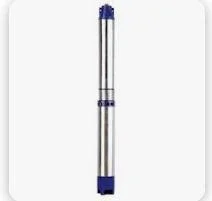
What are Submersible Pumps?
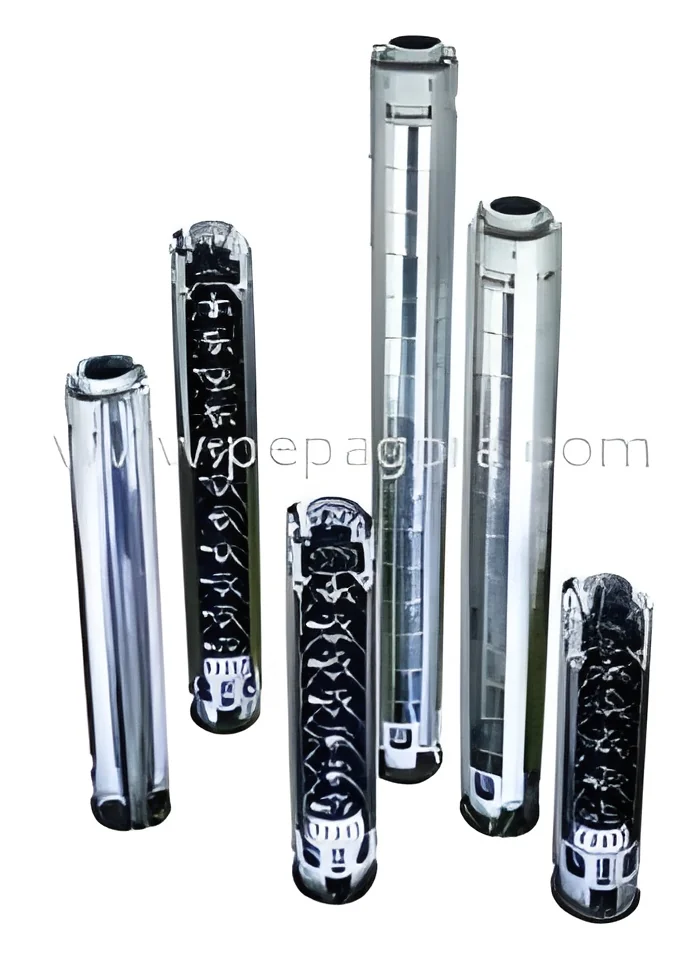
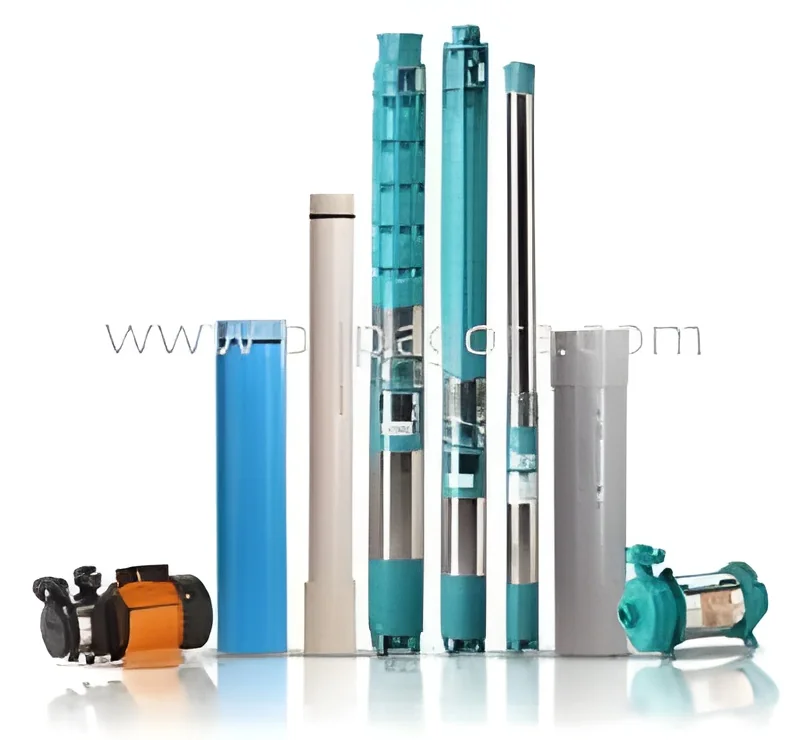
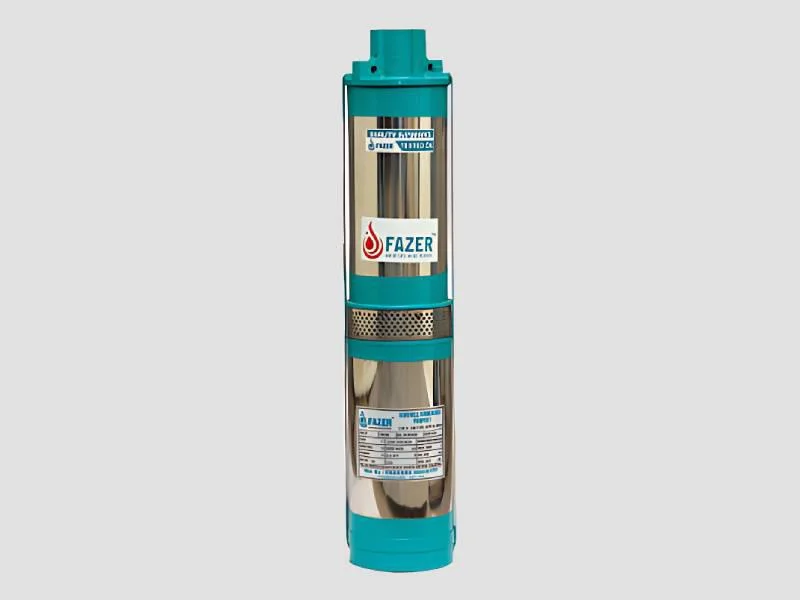
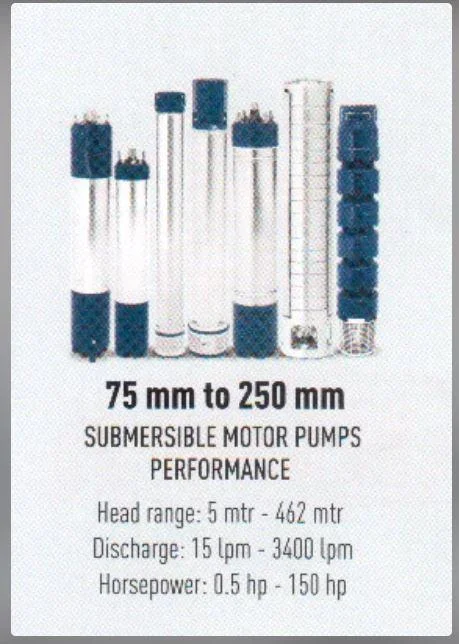
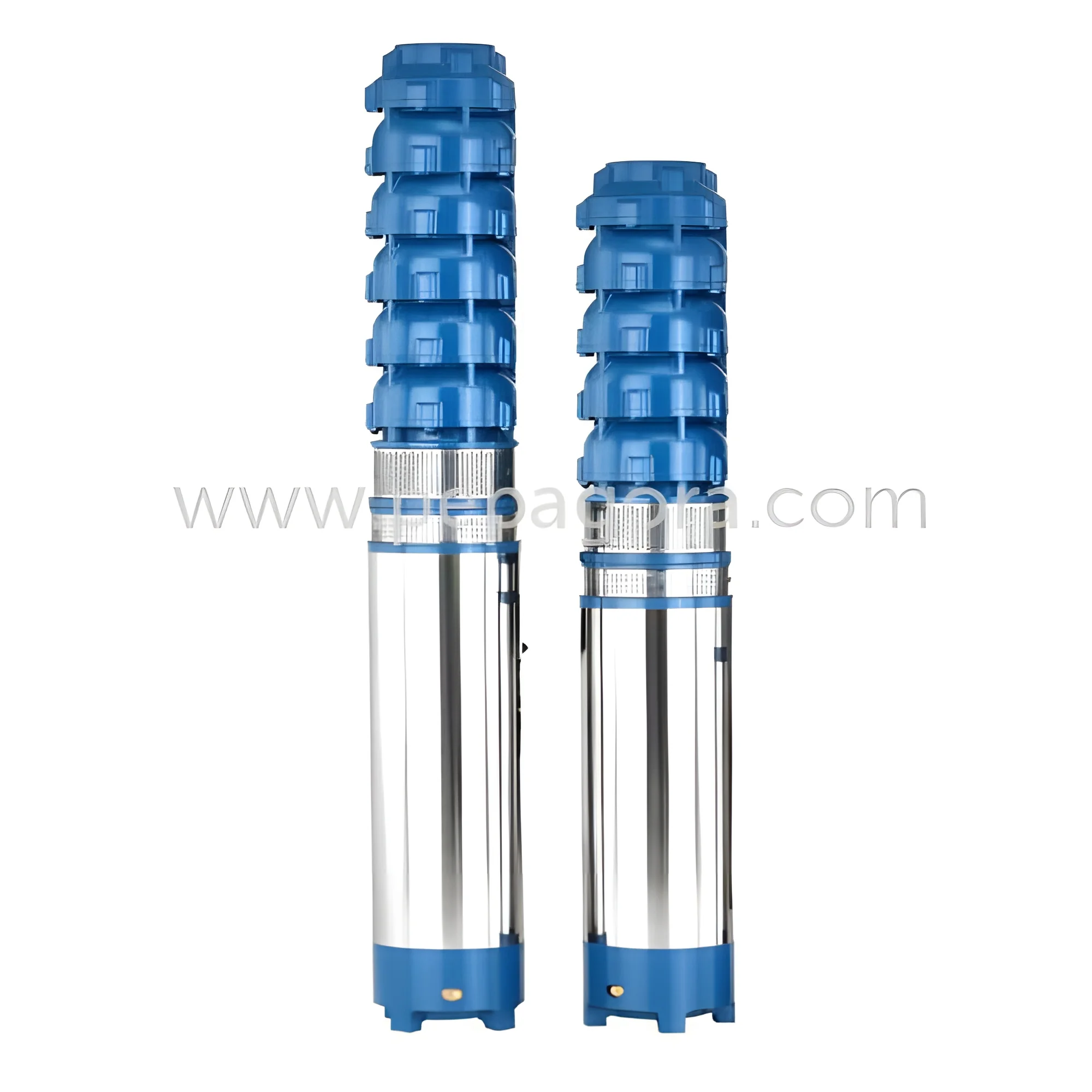
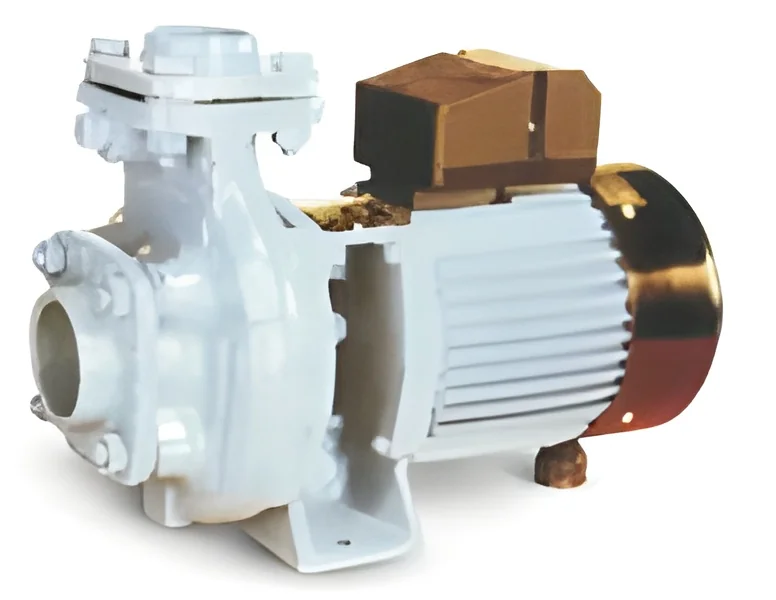
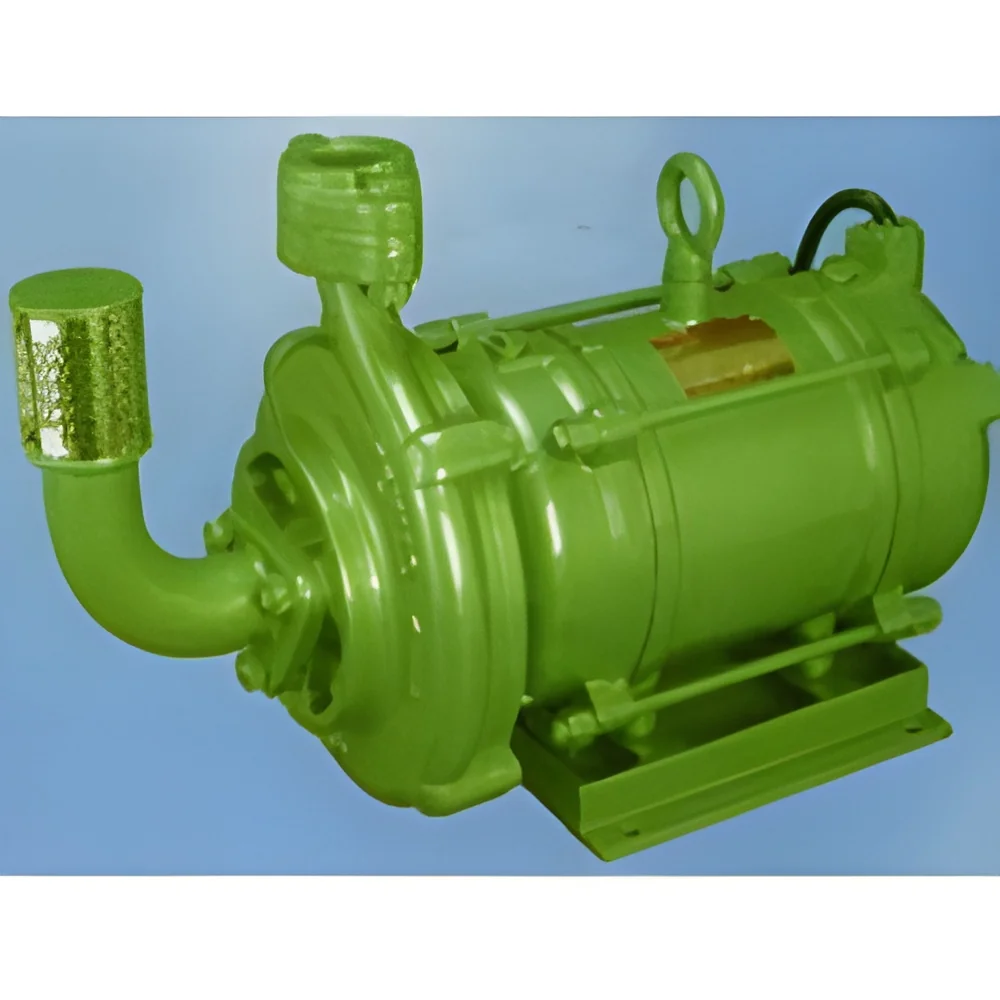
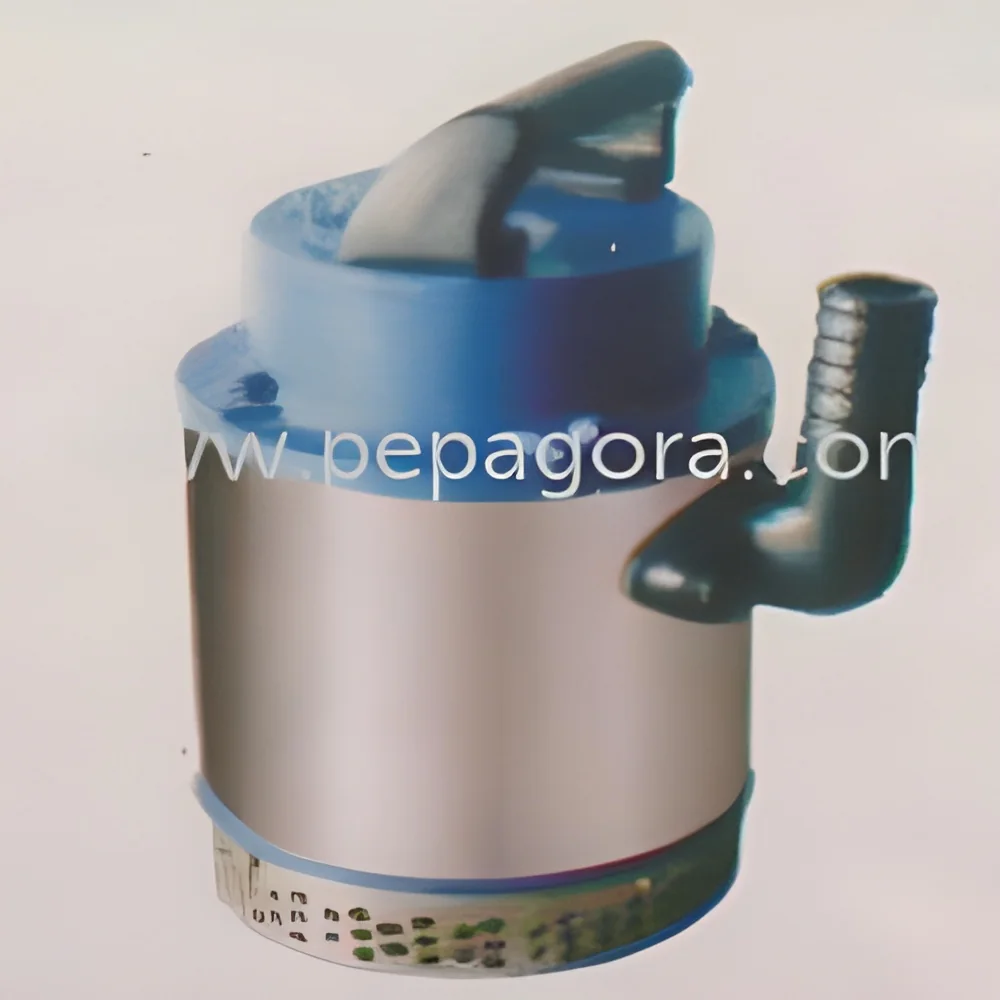
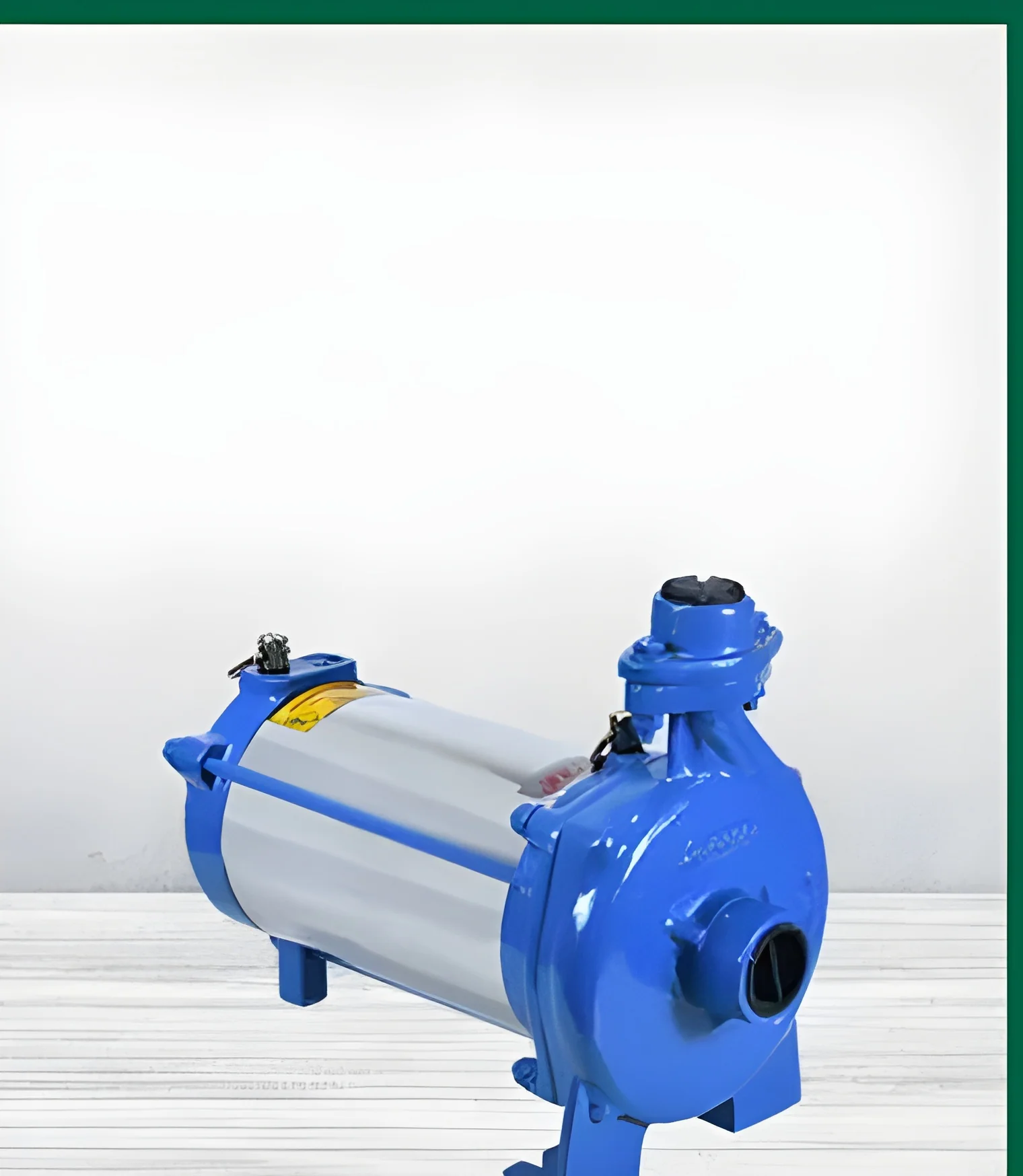
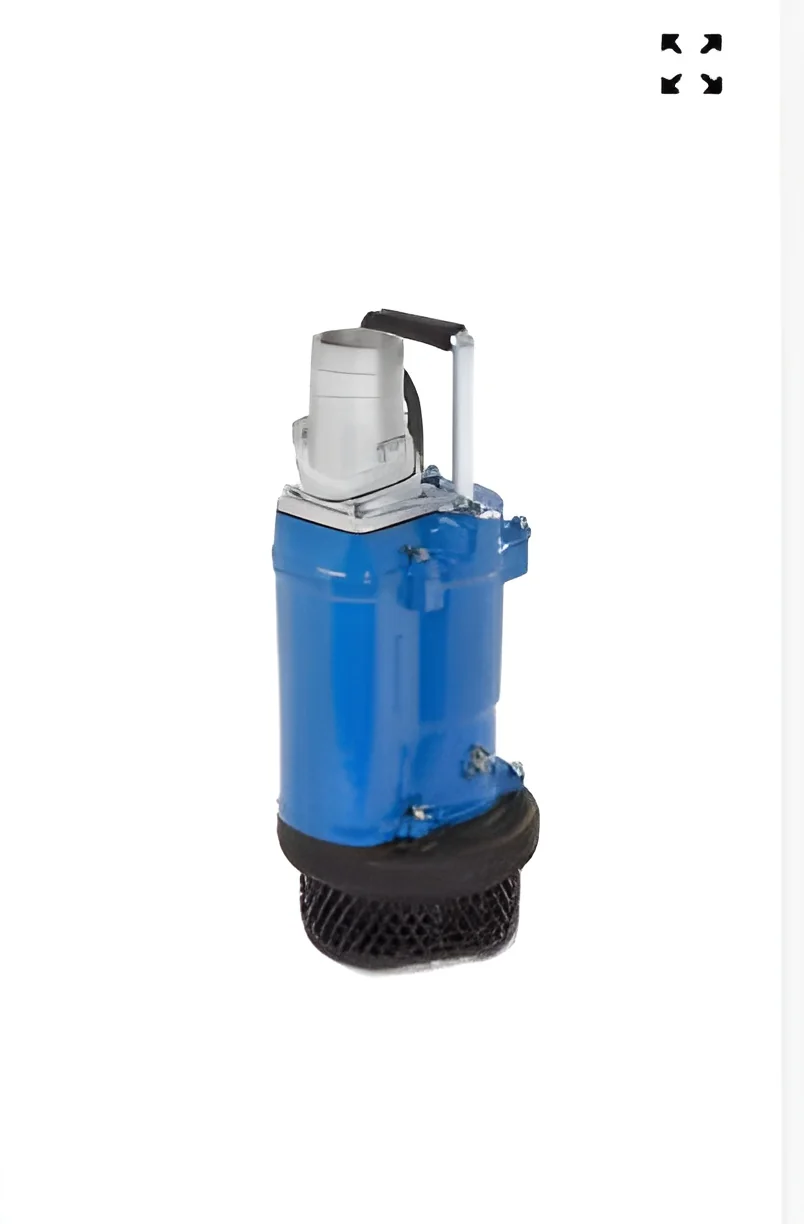
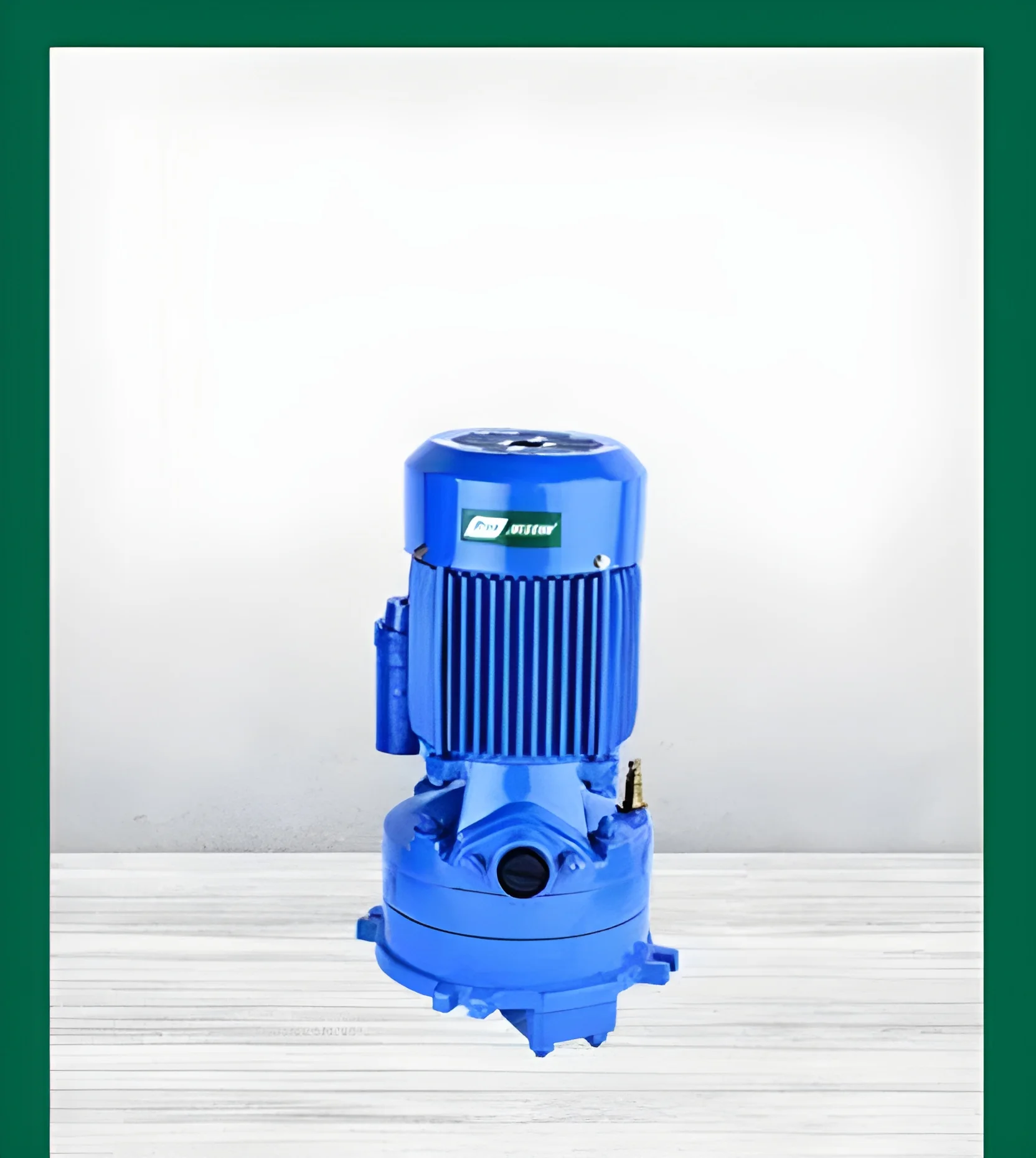
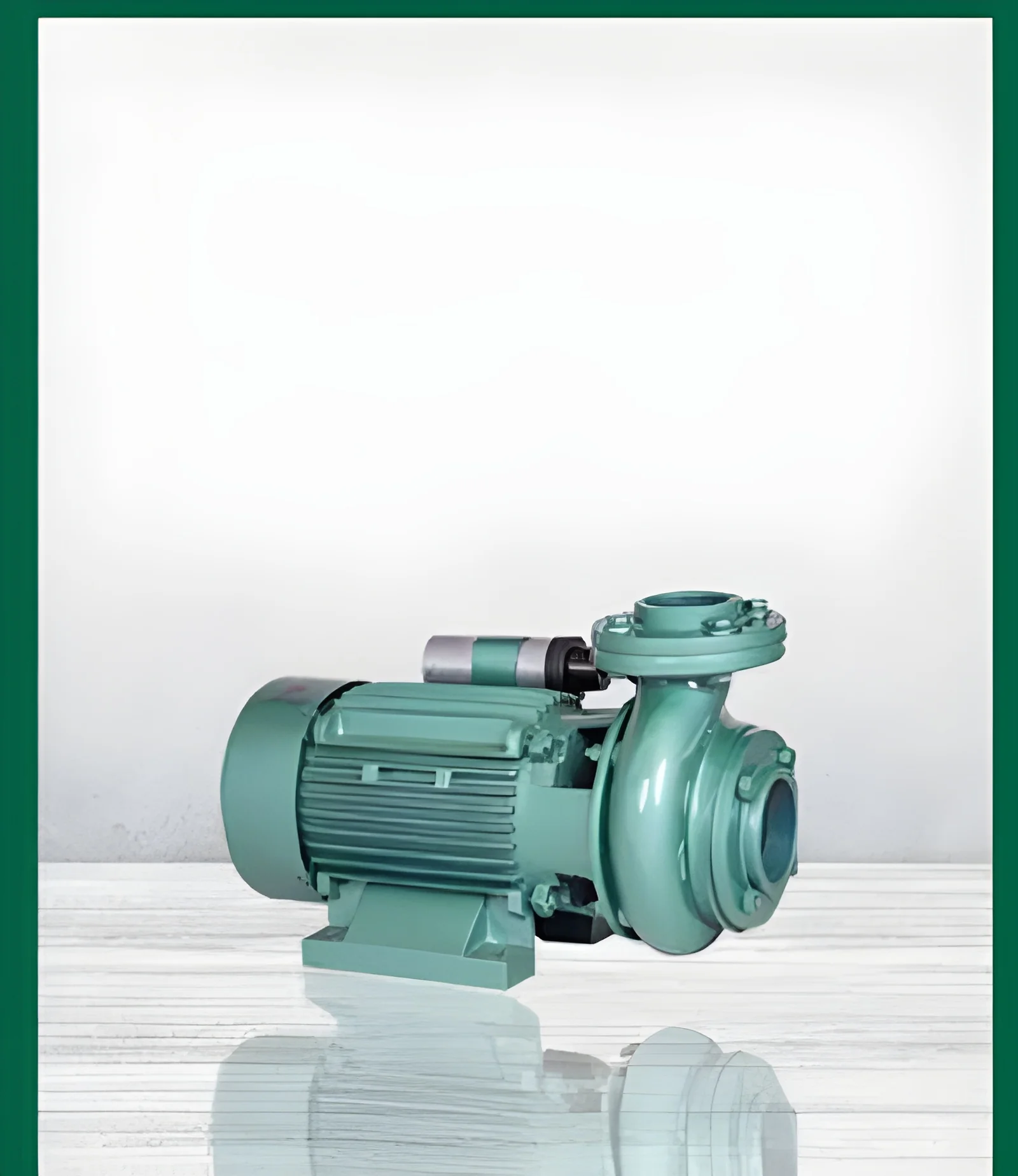
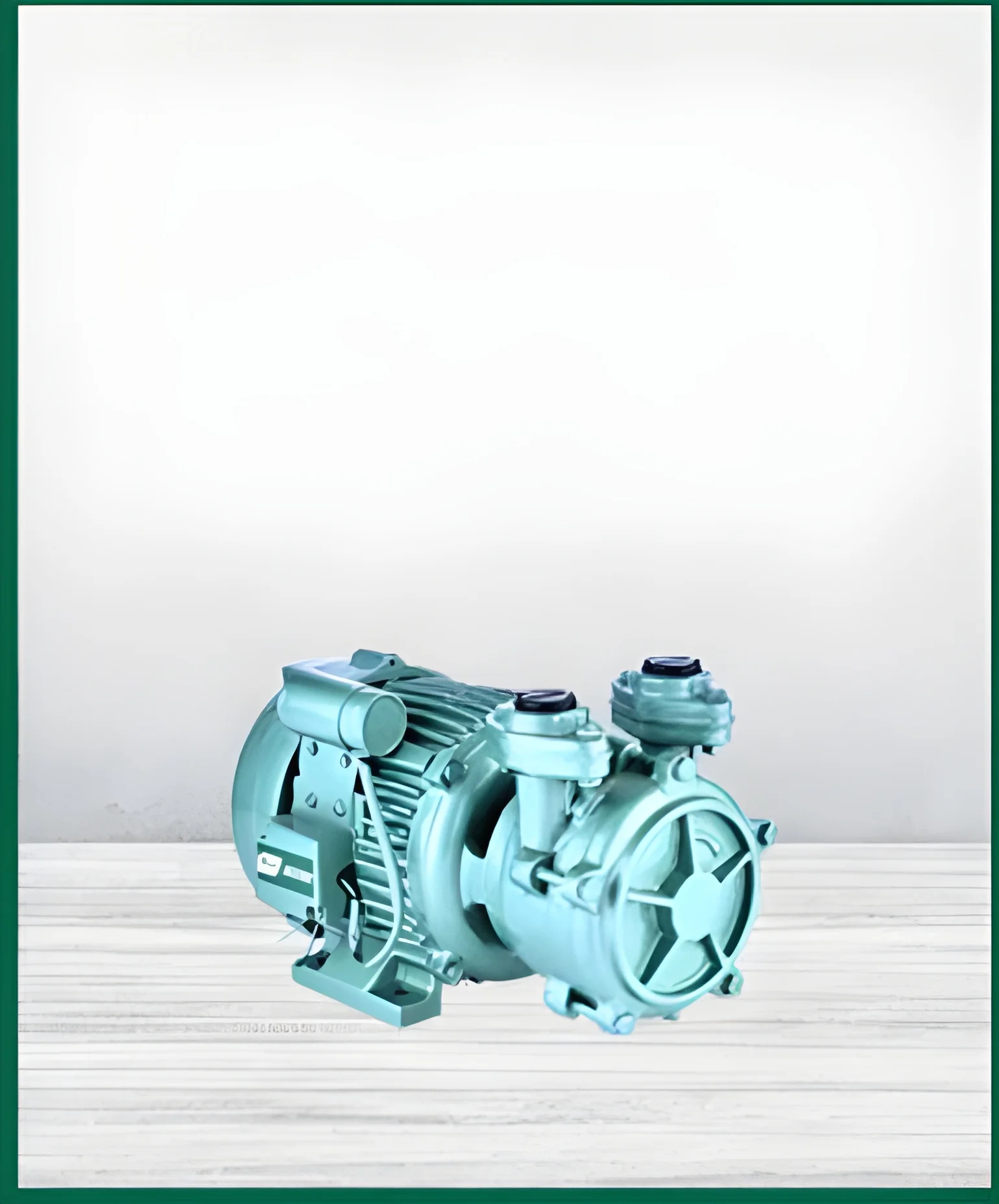
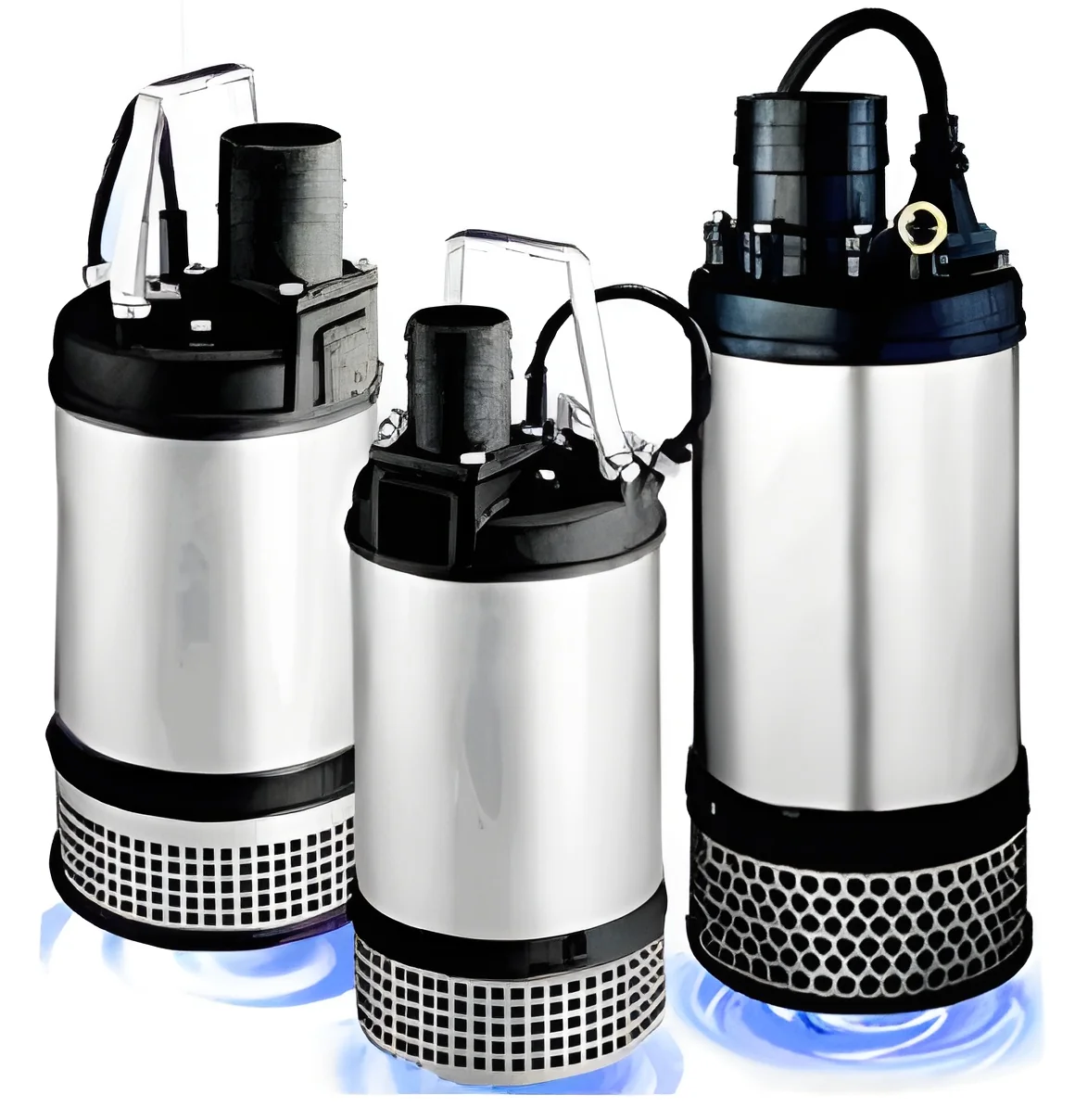
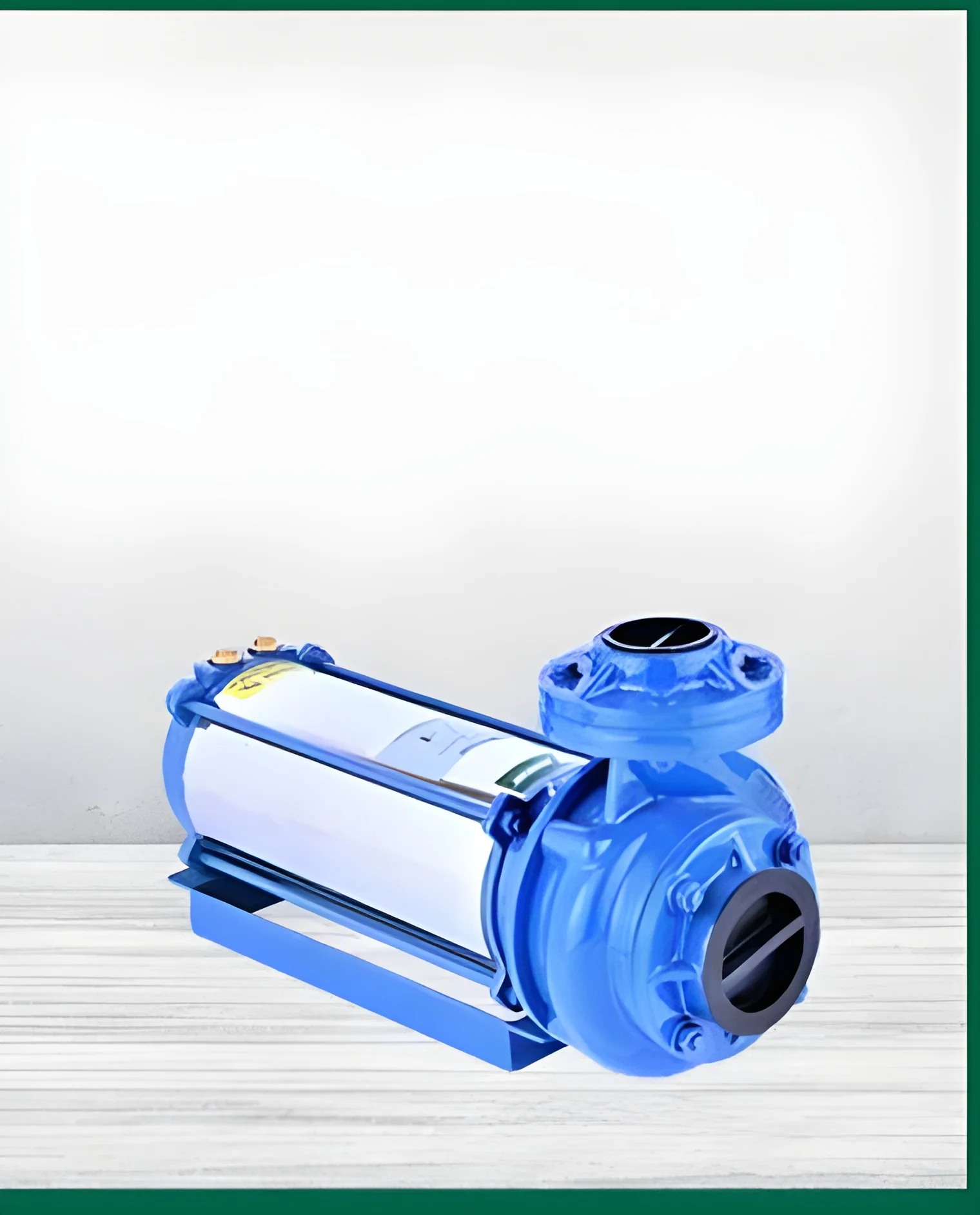
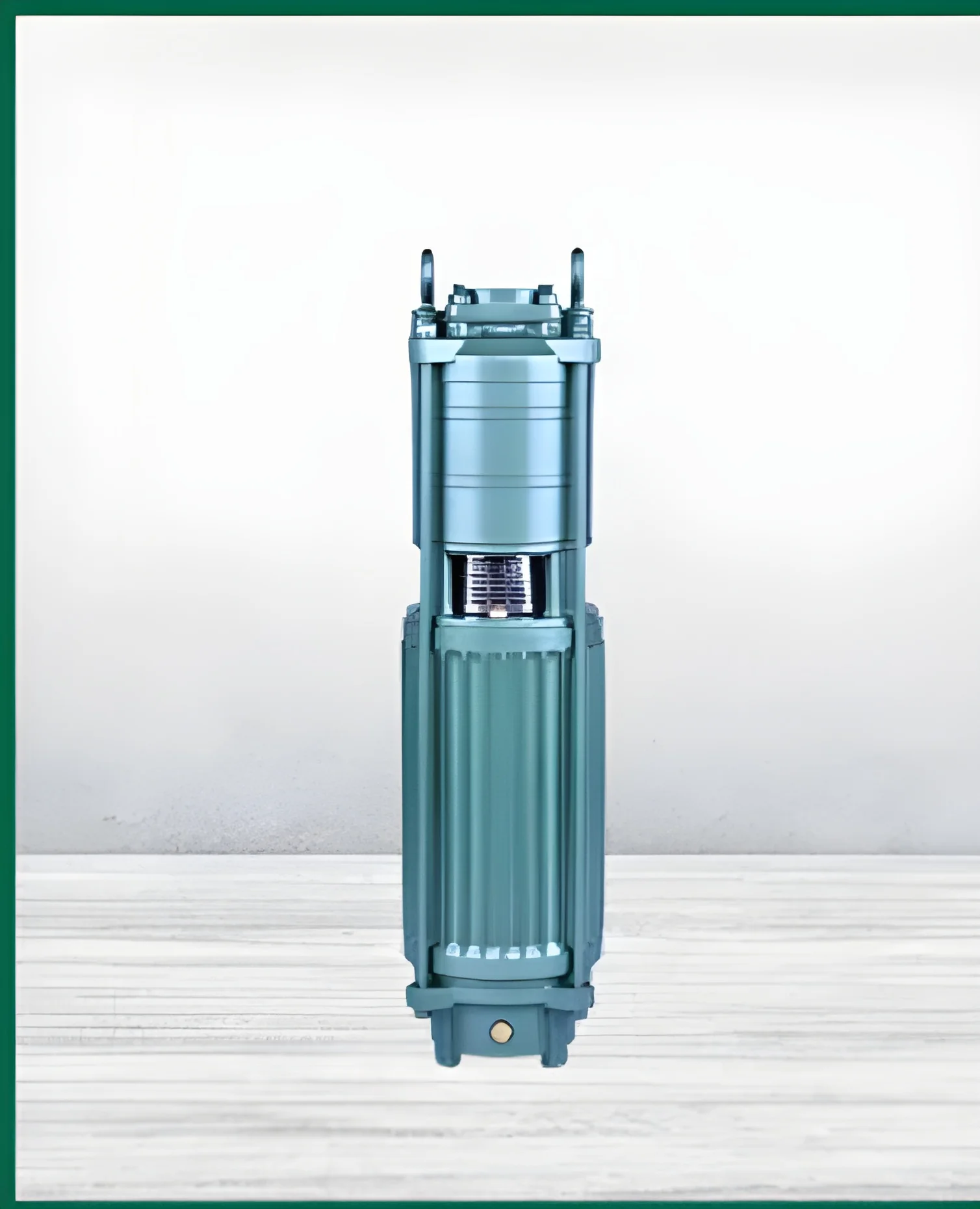
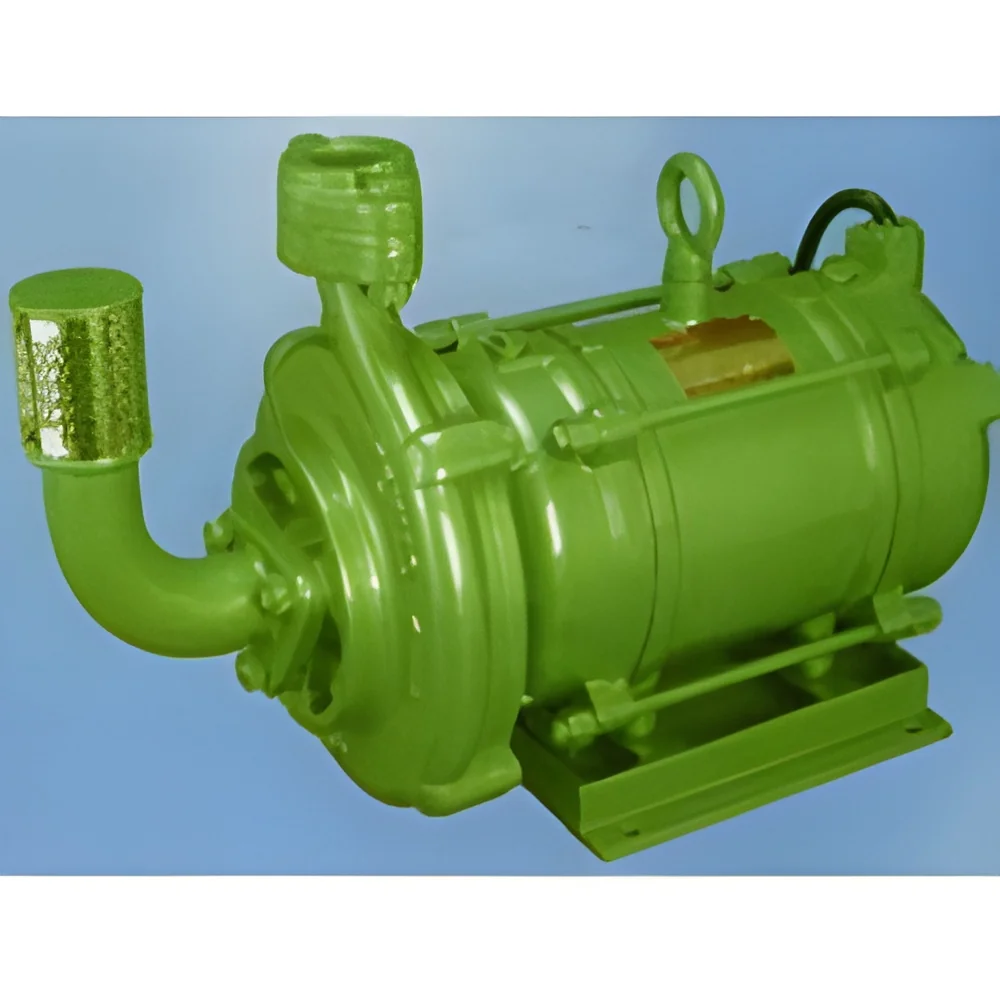
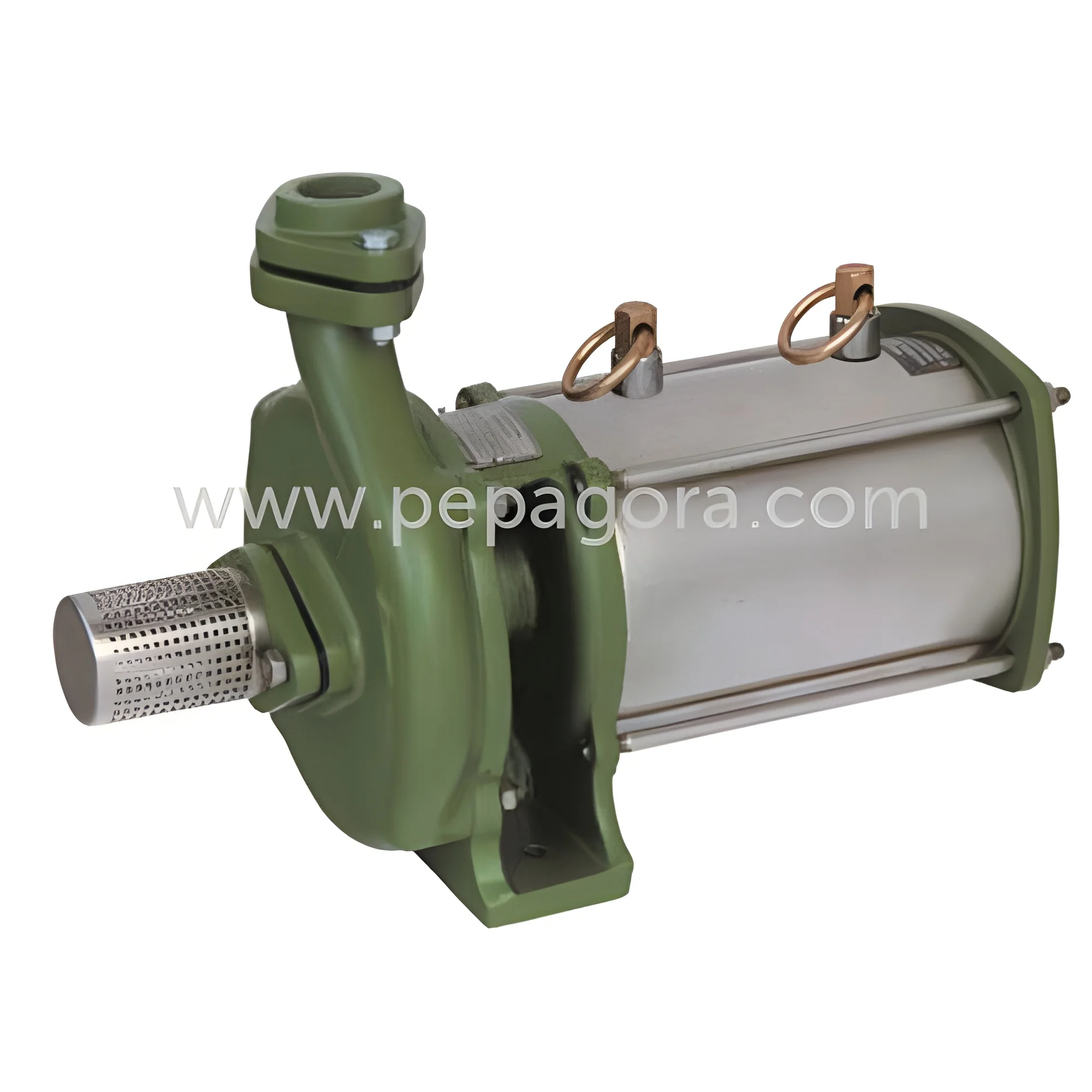
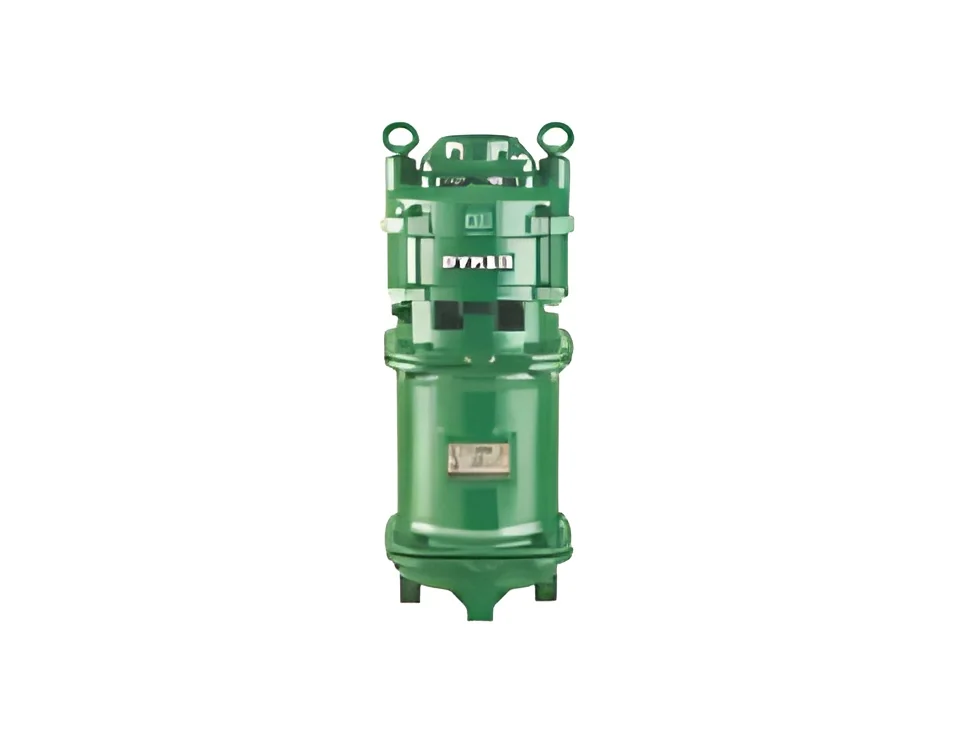
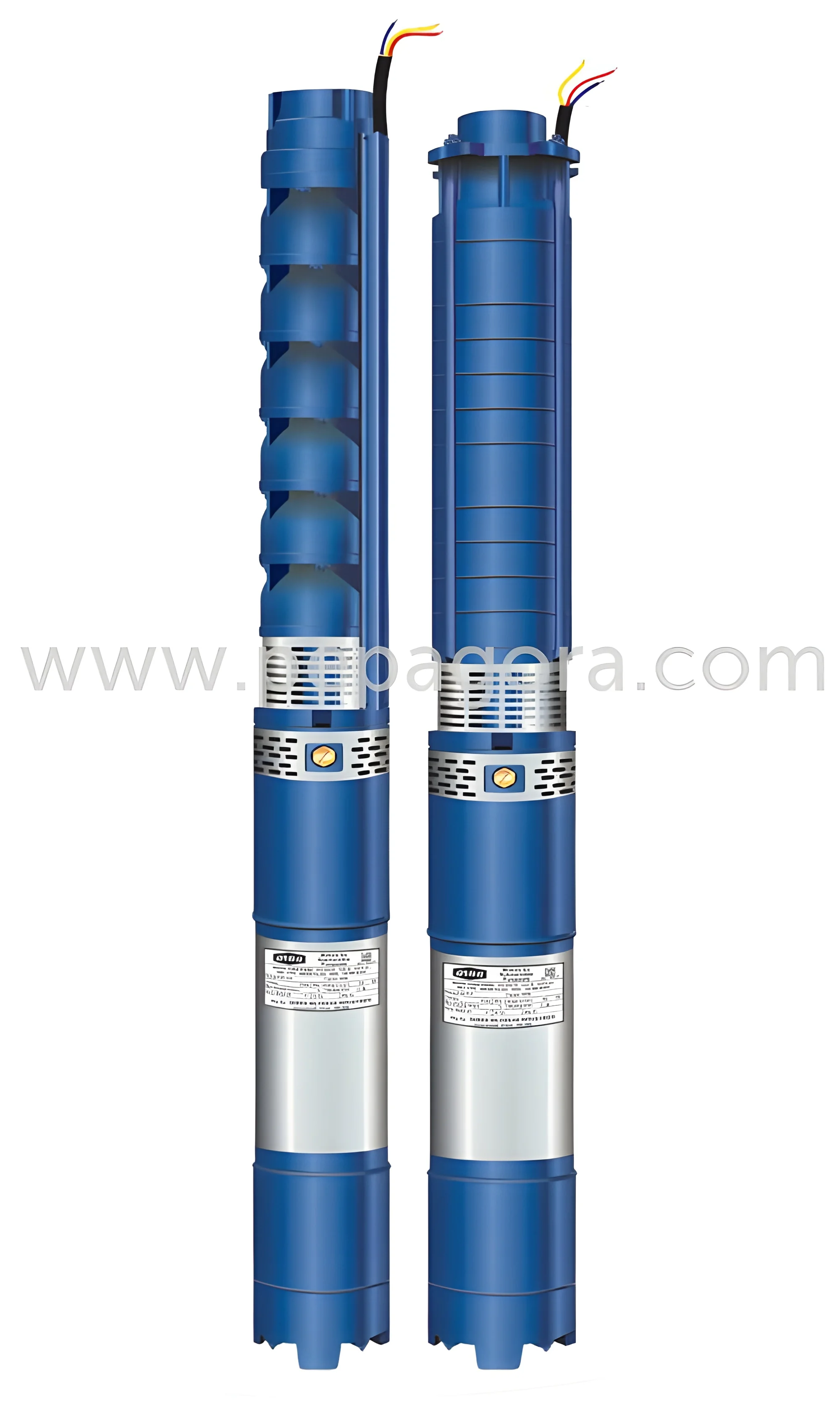
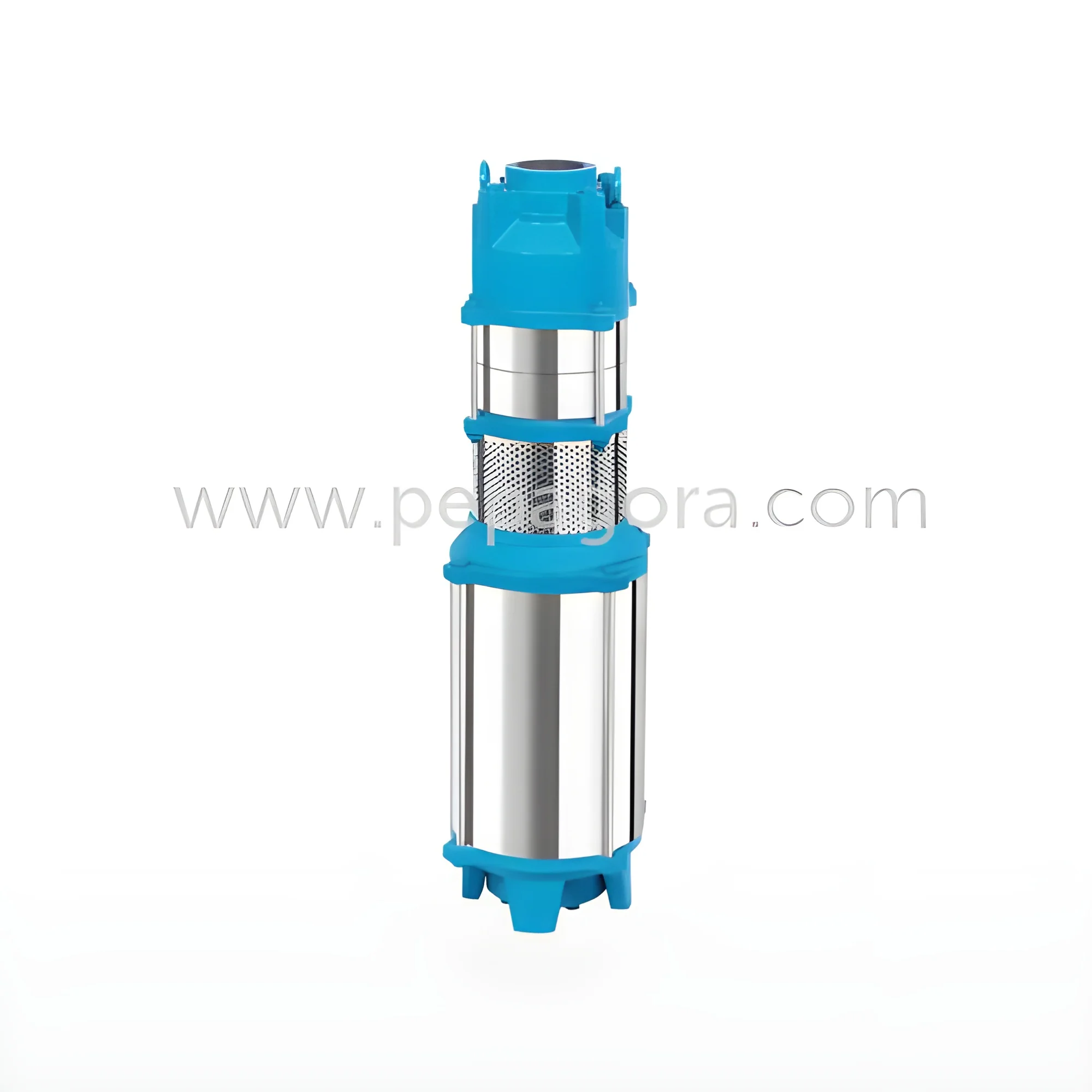
Submersible pumps are a type of pump designed to be submerged in fluid, often used for moving water and other liquids from one location to another. They consist of a motor and a pump body that operates below the surface of the liquid, making them efficient for various applications. The design allows them to push fluid to the surface rather than pull it, which enhances their efficiency and effectiveness in many scenarios.
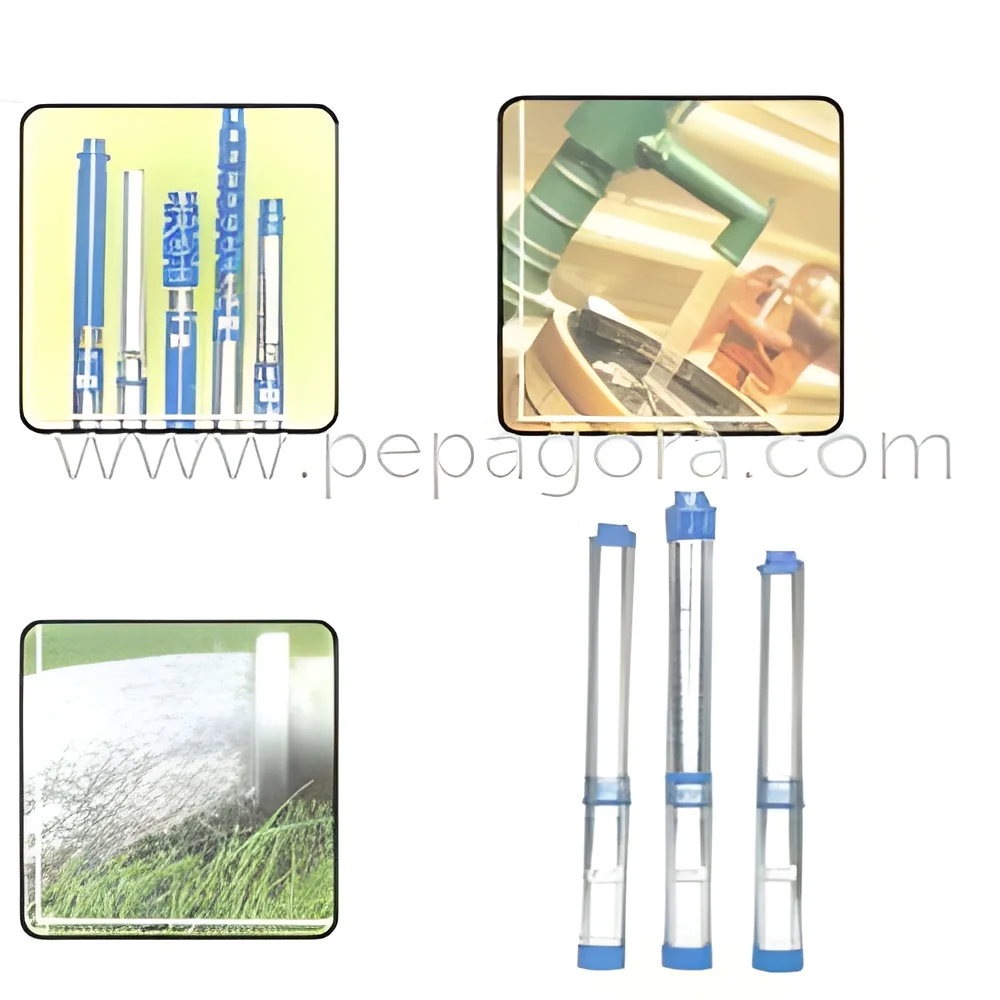
These pumps find extensive use in various industries, including agriculture, construction, and municipal water systems. They are primarily employed for draining, dewatering, and irrigation functions. In agriculture, submersible pumps help in drawing water from wells for irrigation, while in construction, they aid in dewatering sites to ensure safety and accessibility. Their versatility makes them a critical component in many industrial and commercial settings.
The market for submersible pumps has grown significantly due to increasing demand for efficient water management solutions. As industries expand, the need for reliable pumping systems continues to rise. Furthermore, advancements in technology have led to the development of high-efficiency models that cater to specific needs, enhancing the relevance of submersible pumps in today's market.
Key Features and Specifications
Submersible pumps are equipped with various features that enhance their performance and reliability. Understanding these specifications is crucial for selecting the right pump for specific applications.
Key specifications include:
1. Power Rating
- Typically ranges from 0.5 HP to over 10 HP.
- Suitable for different applications based on power requirements.
2. Flow Rate
- Measured in gallons per minute (GPM) or liters per minute (LPM).
- Varies widely, often between 10 GPM to 500 GPM or more.
3. Head Pressure
- Refers to the height a pump can raise water.
- Usually specified in feet or meters, with ranges from 10 to 300 feet.
4. Material Construction
- Common materials include stainless steel, cast iron, and thermoplastic.
- Material choice affects durability and corrosion resistance.
5. Voltage Options
- Available in various voltages, typically 110V to 480V.
- Selection based on power supply and installation requirements.
6. Temperature Range
- Designed to operate within specific temperature limits.
- Data not available for exact ranges.
7. Certification
- Common certifications include CE, indicating compliance with European safety standards.
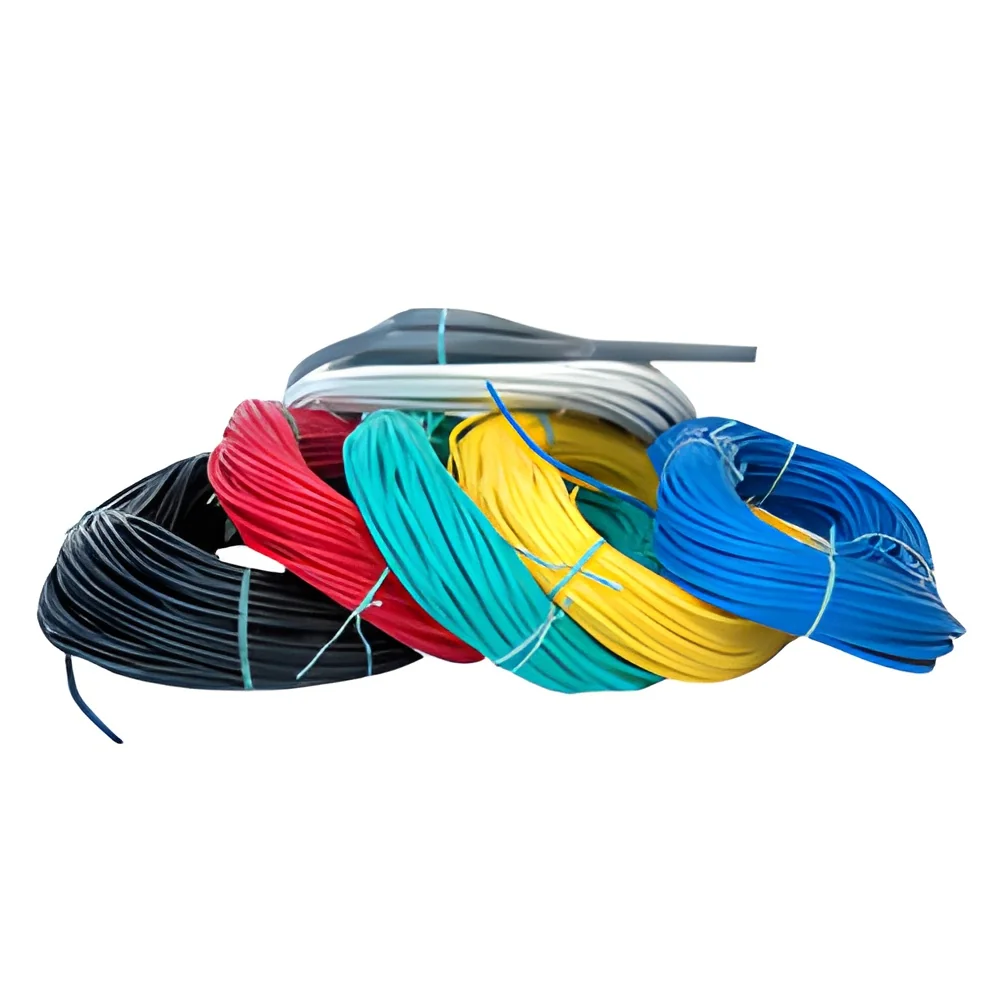
8. Cable Length
- Varies based on installation needs.
- Standard lengths often range from 10 to 100 feet.
Submersible pumps are designed to meet specific operational demands and industry standards, ensuring they perform effectively in diverse environments.
Common Applications and Use Cases
Submersible pumps are versatile tools employed across various industries, each with unique requirements.
1. Agriculture: These pumps are essential for irrigation, delivering water from wells to crops. They help optimize water usage and improve crop yield.
2. Construction: In construction sites, submersible pumps remove excess water, ensuring safe working conditions and preventing flooding during excavation.
3. Municipal Water Systems: Municipalities use submersible pumps for water supply and sewage systems, efficiently managing water distribution and wastewater removal.
4. Mining: In mining operations, these pumps are used to dewater mines, ensuring safe access and preventing water accumulation that could hinder operations.
5. Industrial Processes: Many manufacturing processes require the transfer of fluids, and submersible pumps are integral in moving chemicals and other liquids.
6. Aquaculture: In fish farming, they help circulate water and maintain optimal conditions for aquatic life.
7. Residential Applications: Homeowners use submersible pumps for draining basements, swimming pools, and wells.
Product Variants and Subcategories
Submersible pumps come in various configurations to suit different needs and environments. Each variant is designed with specific features tailored to distinct applications.
Portable Submersible Pumps: These lightweight pumps are easy to transport and are ideal for temporary dewatering tasks, such as draining flooded areas or construction sites.
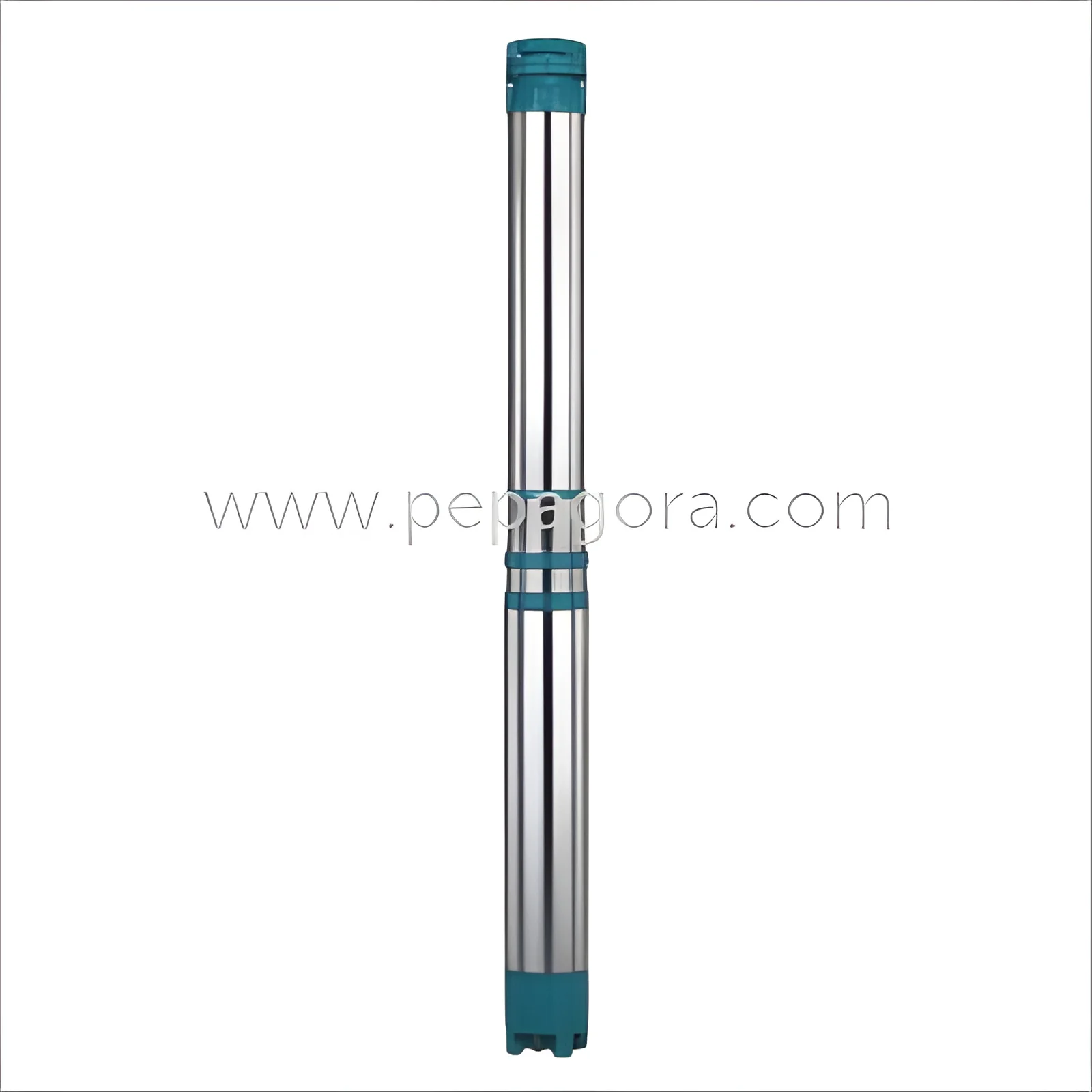
Deep Well Submersible Pumps: Designed for deep water extraction, these pumps are used in agricultural and municipal applications where water is accessed at significant depths.
Effluent Submersible Pumps: Specifically designed for handling wastewater, these pumps are used in sewage systems and treatment plants to move effluent safely.
Sewage Submersible Pumps: Built to handle solid waste and sewage, these pumps are utilized in residential and commercial wastewater management systems.
Benefits and Advantages
Submersible pumps offer numerous advantages that make them a preferred choice for many applications.
1. High Efficiency: Their design allows for efficient fluid movement, reducing energy consumption compared to other pumping methods.
2. Space Saving: Being compact and submersible, they require less surface space, making them ideal for tight installations.
3. Reduced Noise: Operated underwater, these pumps produce less noise, contributing to a quieter working environment.
4. Versatility: They can handle various liquids, including clean water, wastewater, and corrosive fluids, making them suitable for diverse industries.
5. Lower Maintenance: With fewer moving parts exposed to air, these pumps often require less maintenance than other types.
6. Enhanced Performance: Submersible pumps can operate at greater depths and pressures, making them effective in challenging environments.
Buying Guide for B2B Buyers
When sourcing submersible pumps, it is essential to consider several factors to ensure the selection of a suitable product.
1. Quality Assessment: Evaluate the materials and construction quality of the pump. Look for pumps that meet industry standards and are built for durability and reliability.
2. Supplier Verification: Ensure that suppliers are reputable and have a track record of providing quality products. Check for reviews and ratings from previous customers.
3. Pricing and MOQ: Understand the pricing structure and minimum order quantities (MOQ) offered by suppliers. This helps in budgeting and planning purchases effectively.
4. Delivery and Lead Times: Discuss delivery options and lead times with suppliers to ensure timely availability of pumps for your projects.
5. Compliance Requirements: Familiarize yourself with any regulatory standards that the pumps must meet for your industry, such as safety certifications and environmental regulations.
Compliance and Certifications
Submersible pumps must adhere to various quality and safety standards to ensure their reliability and effectiveness in different applications.
ISO 9001 is a key quality management standard that ensures manufacturers have implemented effective processes for maintaining quality. Compliance with this standard often indicates a commitment to continuous improvement and customer satisfaction.
The CE marking indicates compliance with European safety, health, and environmental protection standards. It is essential for submersible pumps sold in the European market, ensuring they meet stringent safety requirements.
Safety and testing requirements are crucial, especially for pumps handling potentially hazardous fluids. Regular testing and certification ensure that the pumps operate safely under expected conditions.
Regional compliance considerations may vary based on local regulations. Understanding these requirements is essential for manufacturers and suppliers operating in different geographic areas.
Why Source Submersible Pumps from Pepagora?
Pepagora offers a trusted platform for sourcing submersible pumps with several key advantages for B2B buyers.
Verified Supplier Network: Pepagora connects buyers with a network of verified suppliers, ensuring that you source products from reliable manufacturers. This reduces risks associated with purchasing from unverified sources.
Streamlined RFQ Process: The request for quotation (RFQ) process is efficient, allowing buyers to receive multiple quotes from suppliers quickly. This enables informed decision-making based on competitive pricing and product offerings.
Trade Assurance and Support: Pepagora provides buyer protection through trade assurance, ensuring that your purchases are secure. In case of disputes, the platform offers support to resolve issues effectively.
Regional Coverage: With a strong presence in India, the GCC, and Southeast Asia, Pepagora facilitates access to submersible pumps across diverse markets. This extensive coverage helps buyers find suitable products tailored to specific regional requirements.

 IN
IN