What are Pipe Insulation Materials?
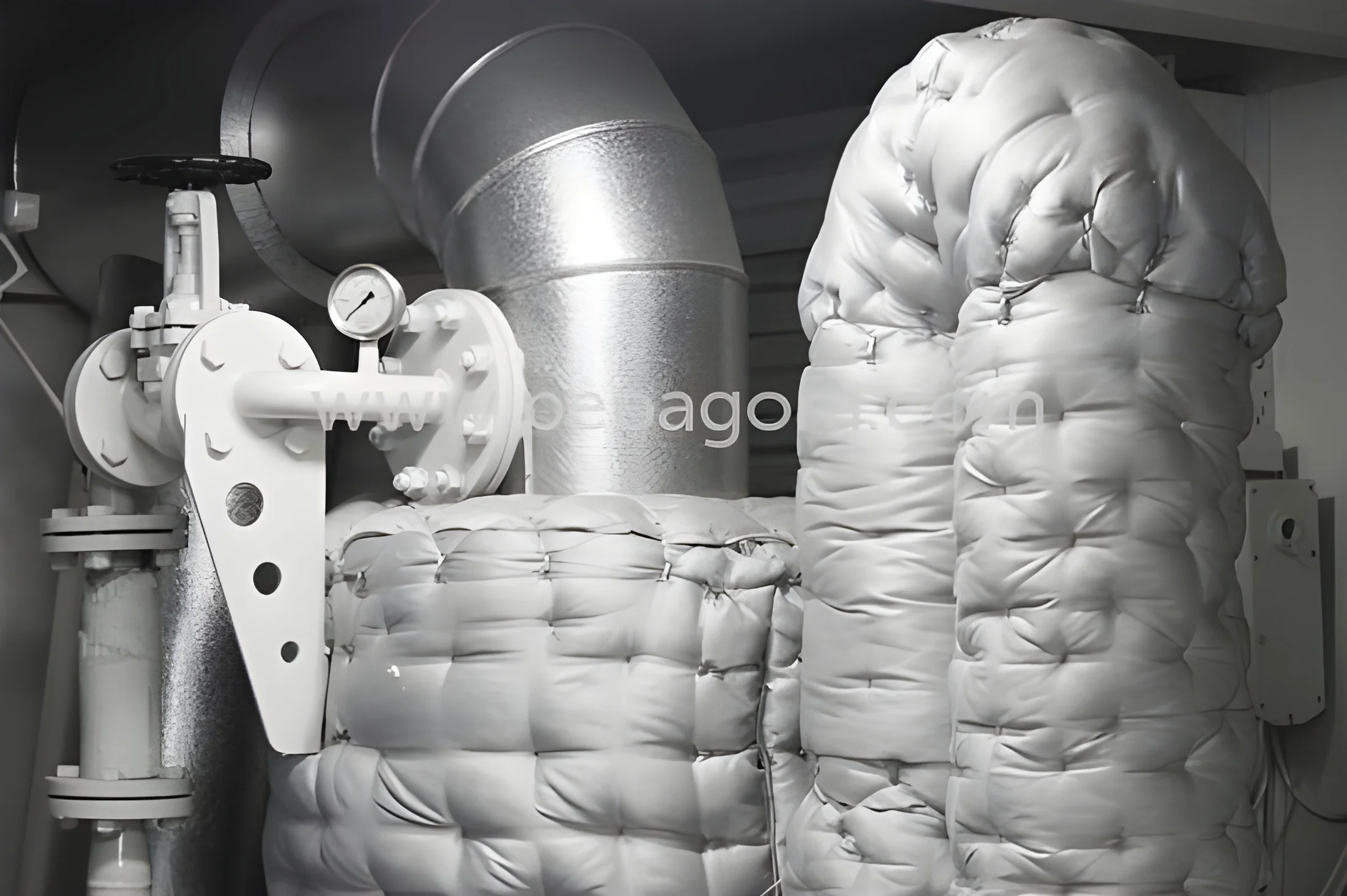
Pipe insulation materials are specialized products designed to reduce heat transfer and prevent condensation on pipes. They serve as thermal barriers, helping to maintain the temperature of fluids within pipes, whether hot or cold. By minimizing heat loss or gain, these materials enhance energy efficiency and reduce operational costs for businesses.
These materials find applications across various industries, including construction, manufacturing, and HVAC systems. They are essential for maintaining the efficiency of heating and cooling systems while also protecting pipes from the elements. In addition, effective insulation can prevent issues like freezing pipes in cold climates or reduce the risk of condensation, which can lead to mold growth and water damage. The market for pipe insulation materials continues to grow as energy efficiency regulations become more stringent and businesses seek to lower their operational costs.
Key Features and Specifications
Pipe insulation materials come with several key features that make them suitable for a variety of applications. These features include thermal resistance, moisture resistance, and durability. The specifications vary widely depending on the type of insulation material used.
Key specifications include:
1. Thermal Conductivity
- This specification indicates how well the material resists heat flow.
- Typical values range from 0.020 to 0.050 W/mK.
2. Density
- Density affects the material's thermal performance and durability.
- Common densities range from 24 kg/m3 to 64 kg/m3.
3. Operating Temperature Range
- The temperature range indicates the conditions in which the insulation can function effectively.
- Most materials can operate between -200°C to 600°C.
4. Moisture Absorption
- This specification measures the ability of the material to absorb water.
- Materials are often required to have low moisture absorption rates to prevent degradation.
5. Fire Resistance Rating
- This rating reflects the material's ability to withstand fire exposure.
- Common ratings include ASTM E84 Class A, B, or C.
6. Chemical Resistance
- This specification indicates the material's ability to resist chemical exposure.
- Certain materials are designed to withstand harsh industrial environments.
7. Installation Method
- Different insulation materials come with various installation methods, including pre-formed sections and flexible wraps.
- Easy installation can lead to reduced labor costs.
8. Compliance Standards
- Many insulation products meet industry standards for safety and performance, such as CE and UL certifications.
In summary, the selection of pipe insulation materials should consider these key specifications to ensure optimal performance and compliance with industry standards.
Common Applications and Use Cases
Pipe insulation materials are versatile and find applications in numerous industries.
1. Construction: In the construction sector, insulation is used in both residential and commercial buildings to improve energy efficiency of HVAC systems and plumbing.
2. Manufacturing: In manufacturing, proper insulation of pipes is necessary to maintain process temperatures and protect against heat loss in production lines.
3. Oil and Gas: The oil and gas industry utilizes pipe insulation to keep crude oil and natural gas at optimal temperatures during transport and processing.
4. Chemical Processing: Insulation is essential in chemical processing facilities to prevent temperature fluctuations that could affect reactions or product integrity.
5. Food and Beverage: In this industry, insulation helps maintain the temperature of pipelines carrying hot water or chilled liquids, ensuring product quality and safety.
6. Pharmaceuticals: In pharmaceutical manufacturing, pipe insulation is crucial for processes that require strict temperature control to ensure product efficacy.
7. Renewable Energy: In solar and geothermal applications, insulation helps maintain the efficiency of systems that rely on temperature management.
Product Variants and Subcategories
Pipe insulation materials come in a variety of types, each tailored to specific applications and requirements.
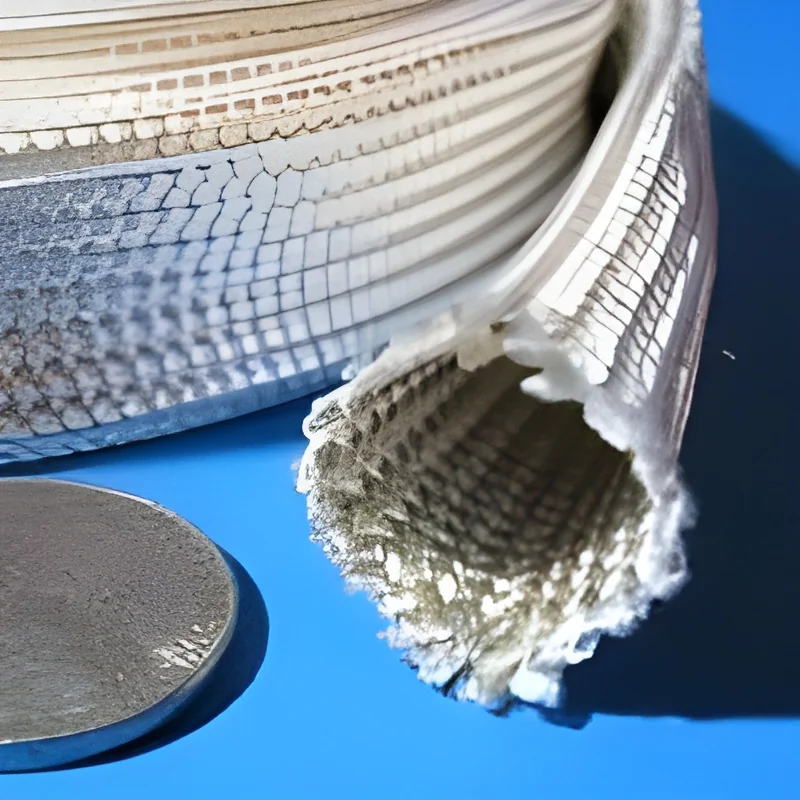
Fiberglass Insulation
This variant is lightweight, flexible, and offers excellent thermal resistance. It is frequently used in residential and commercial HVAC applications due to its ease of installation and effectiveness.
Foam Insulation
Foam insulation provides a high level of thermal resistance and moisture control, making it ideal for both hot and cold water pipes. Its self-adhesive properties simplify installation, making it a popular choice for contractors.
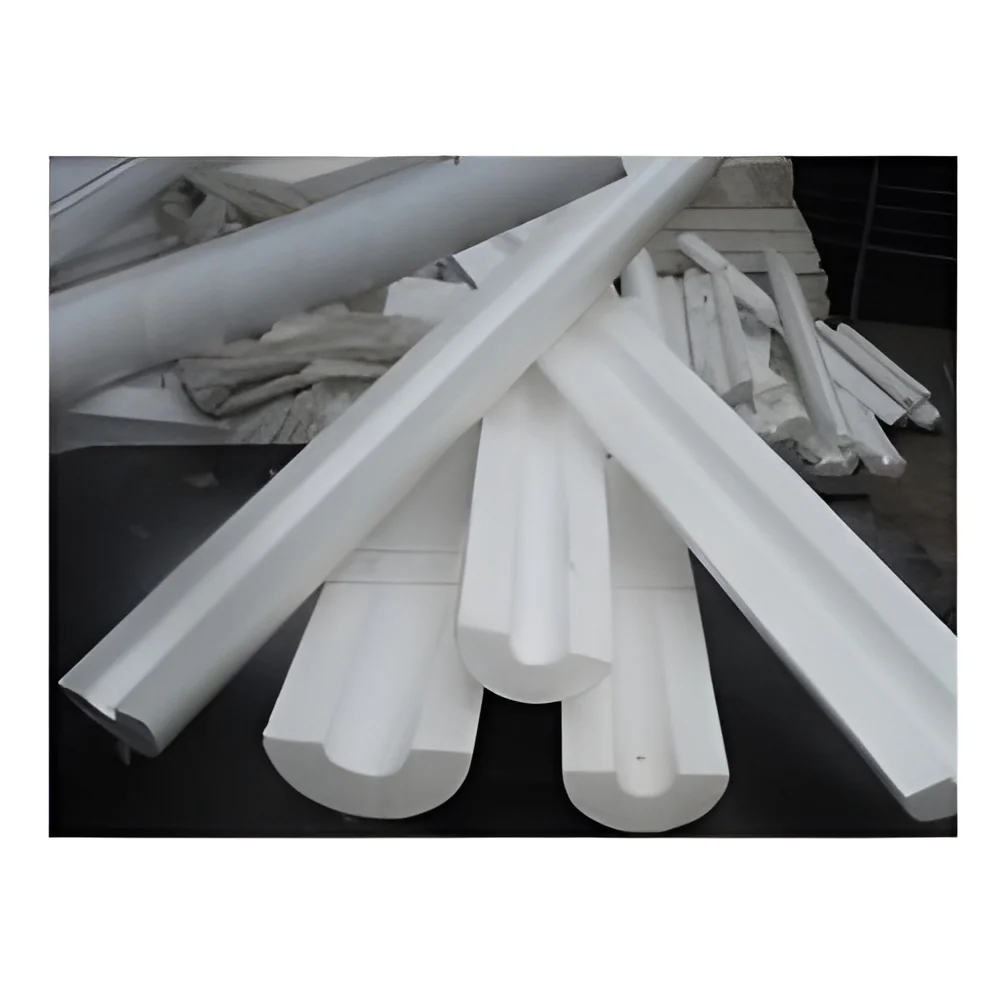
Mineral Wool Insulation
Mineral wool is known for its fire-resistant properties and sound absorption capabilities. It is commonly used in industrial applications where high temperatures are a concern.
Rubber Insulation
Rubber insulation is flexible and offers good thermal resistance along with moisture protection. Its durability makes it suitable for both indoor and outdoor applications.
Benefits and Advantages
Pipe insulation materials offer numerous benefits for businesses looking to enhance their operational efficiency.
1. Energy Efficiency: These materials help reduce energy consumption by minimizing heat loss, leading to lower utility bills.
2. Cost Savings: By maintaining fluid temperatures, businesses can save on heating and cooling costs over time.
3. Condensation Control: Proper insulation prevents condensation on pipes, reducing the risk of corrosion and water damage.
4. Noise Reduction: Certain insulation materials can absorb sound, leading to quieter environments in industrial settings.
5. Safety: Fire-resistant insulation materials enhance safety in facilities by reducing the risk of fire spread.
6. Compliance: Many insulation products meet regulatory standards, ensuring businesses operate within legal requirements.
Buying Guide for B2B Buyers
When sourcing pipe insulation materials, businesses should consider several critical factors to ensure they make informed purchasing decisions.
1. Quality Assessment: It is important to evaluate the quality of materials based on thermal resistance, durability, and compliance with industry standards. Samples and certifications can provide insights into the product's performance.
2. Supplier Verification: Vetting suppliers is crucial to ensure reliability and consistency. Look for suppliers with a proven track record and positive customer reviews.
3. Pricing and MOQ: Understand the pricing structure and minimum order quantities (MOQ). Compare prices from different suppliers while considering the quality of materials.
4. Delivery and Lead Times: Assess the logistics involved in delivery and consider lead times. Timely delivery is essential to prevent project delays.
5. Compliance Requirements: Familiarize yourself with relevant regulatory and compliance standards in your industry. Ensure that the materials meet these requirements to avoid legal issues.
Compliance and Certifications
Pipe insulation materials must adhere to various quality standards to ensure safety and performance. Key standards include ISO 9001 for quality management systems, which helps ensure consistent quality in production. Additionally, industry certifications like CE and UL signify that the products meet specific safety and performance criteria.
Testing requirements often include fire resistance tests and thermal performance evaluations to confirm that materials function as intended. Regional compliance considerations may vary, so it is essential for businesses to be aware of local regulations regarding insulation materials. This can include energy efficiency mandates and safety compliance codes that impact installation and usage.
Why Source Pipe Insulation Materials from Pepagora?
Pepagora provides a trusted platform for sourcing pipe insulation materials with several key advantages.
Verified Supplier Network: Pepagora connects buyers with a network of verified suppliers, ensuring that businesses can access high-quality products from reputable sources. This network helps mitigate risks associated with sourcing materials.
Streamlined RFQ Process: The platform offers a streamlined Request for Quotation (RFQ) process that simplifies the procurement of insulation materials. Buyers can easily request quotes from multiple suppliers, making it easier to compare options.
Trade Assurance and Support: Pepagora offers trade assurance to protect buyers, ensuring that transactions are secure and that buyers receive their products as expected. Support services are available to assist buyers throughout the sourcing process.
Regional Coverage: With a strong presence in India, the GCC, and Southeast Asia, Pepagora provides extensive geographic coverage. This allows businesses in these regions to efficiently source pipe insulation materials, benefiting from local supplier networks and reduced shipping times.

 IN
IN