What are OEM Plumbing Material Manufacturers?
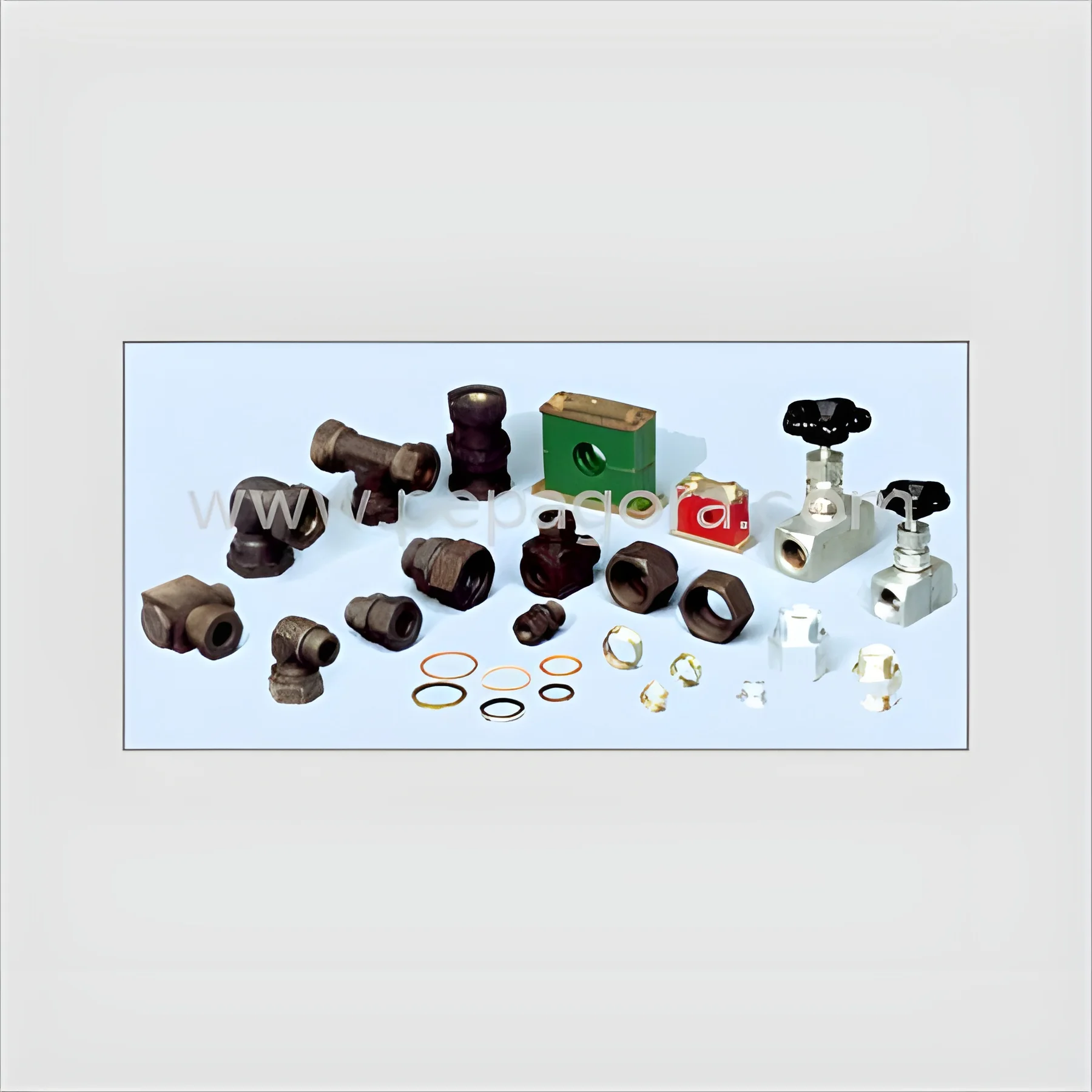
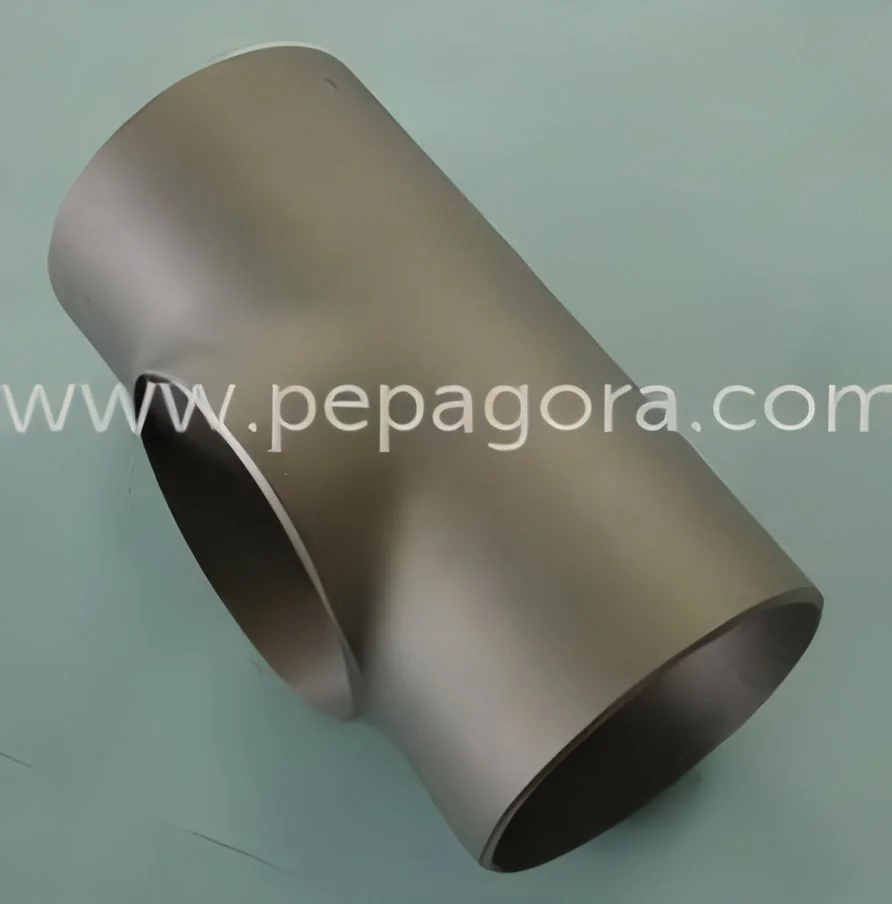
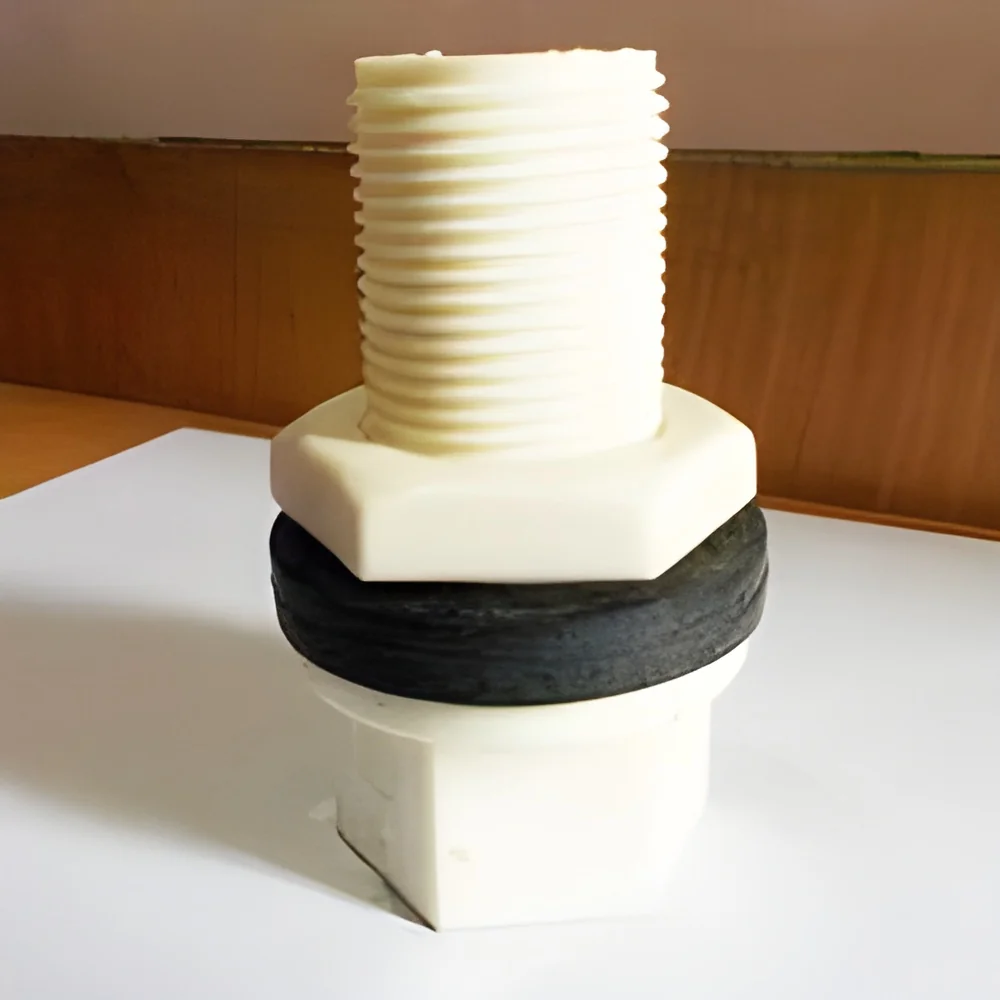
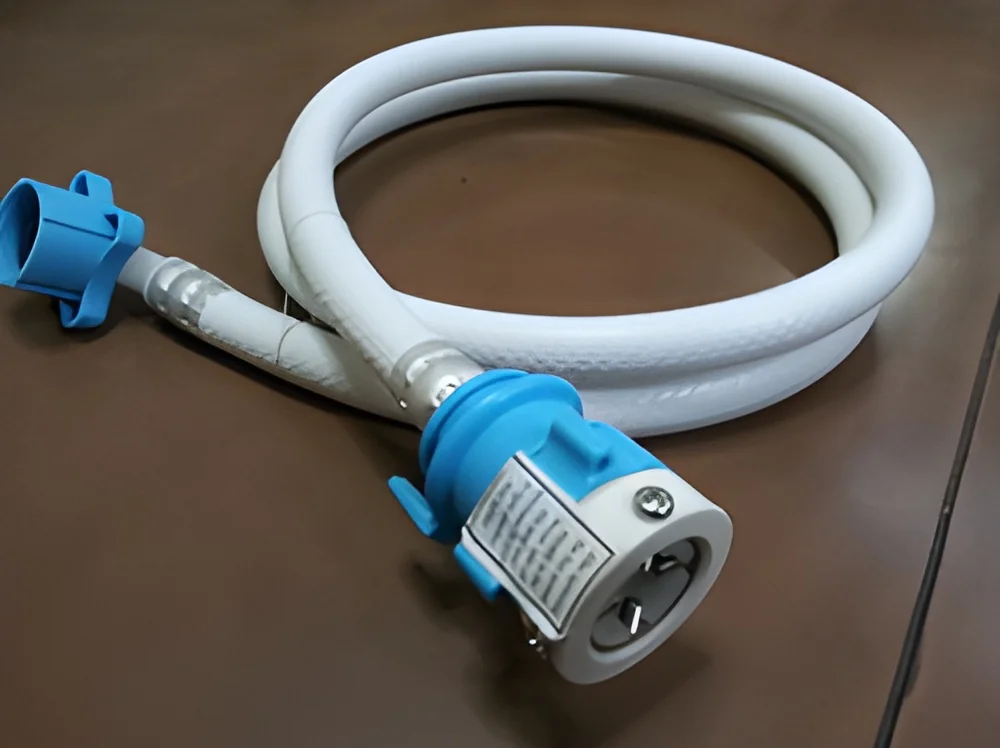
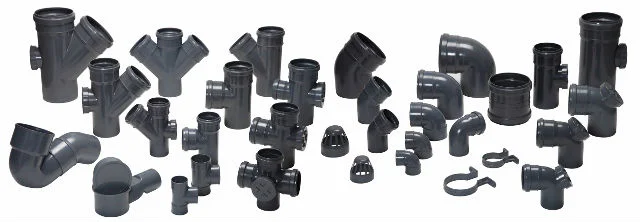
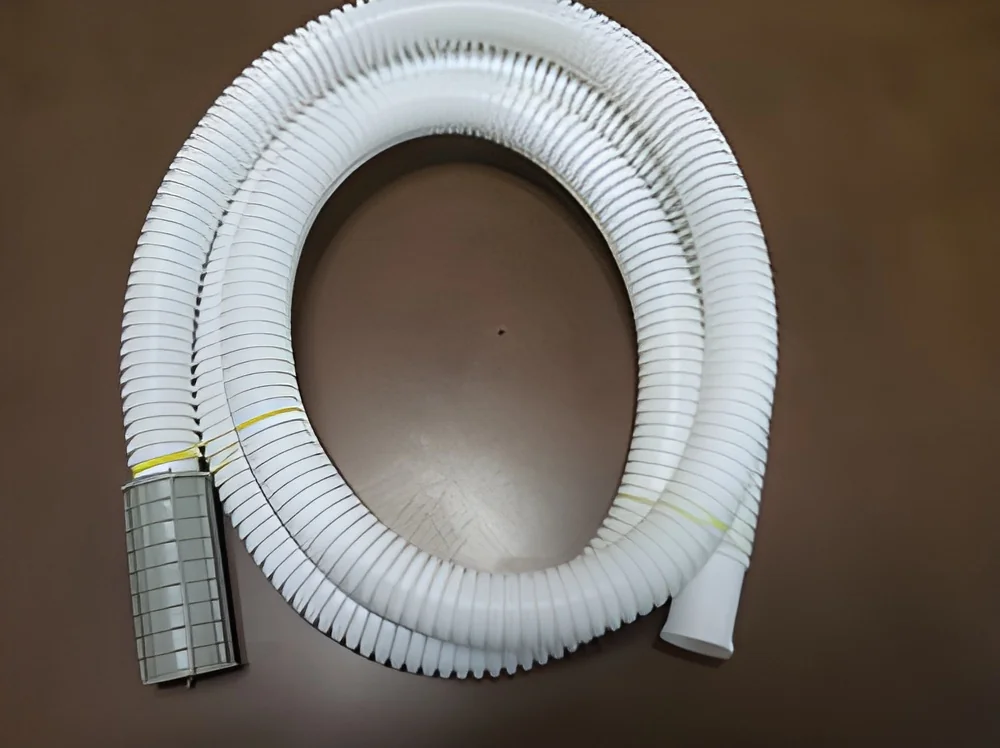
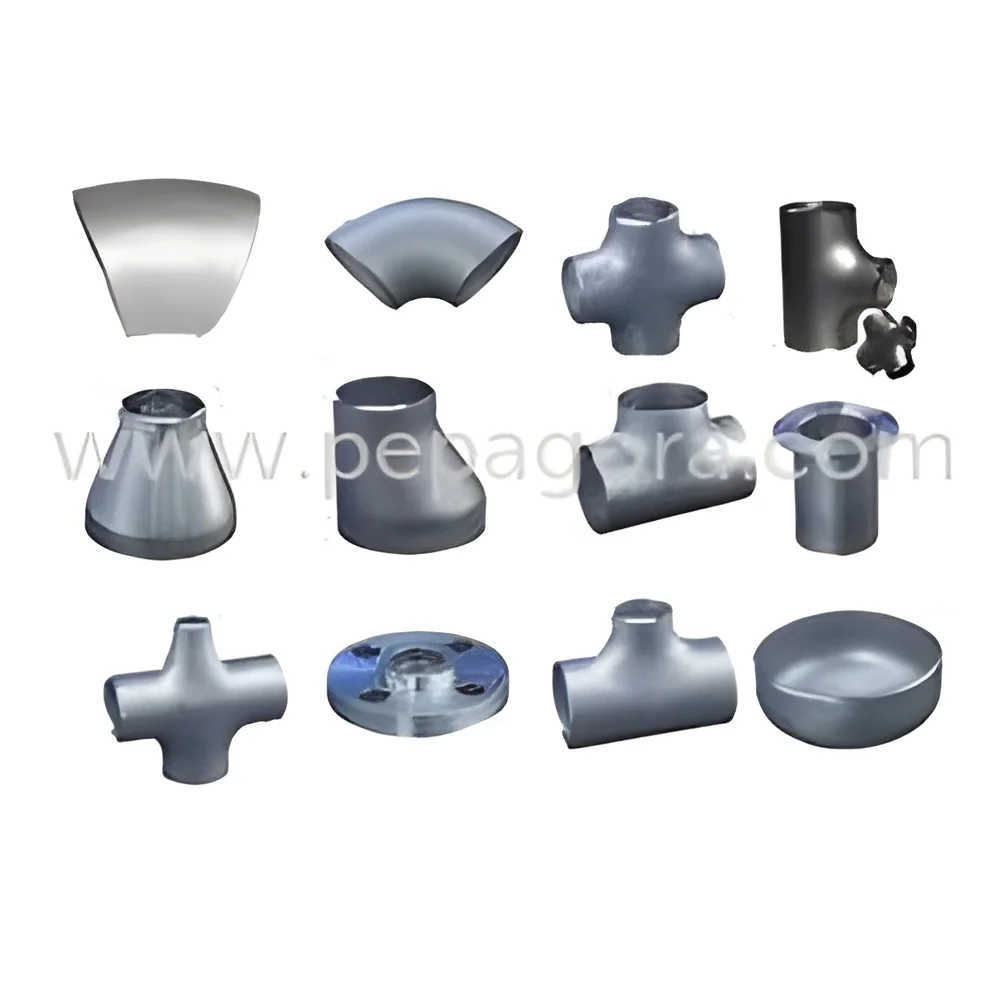
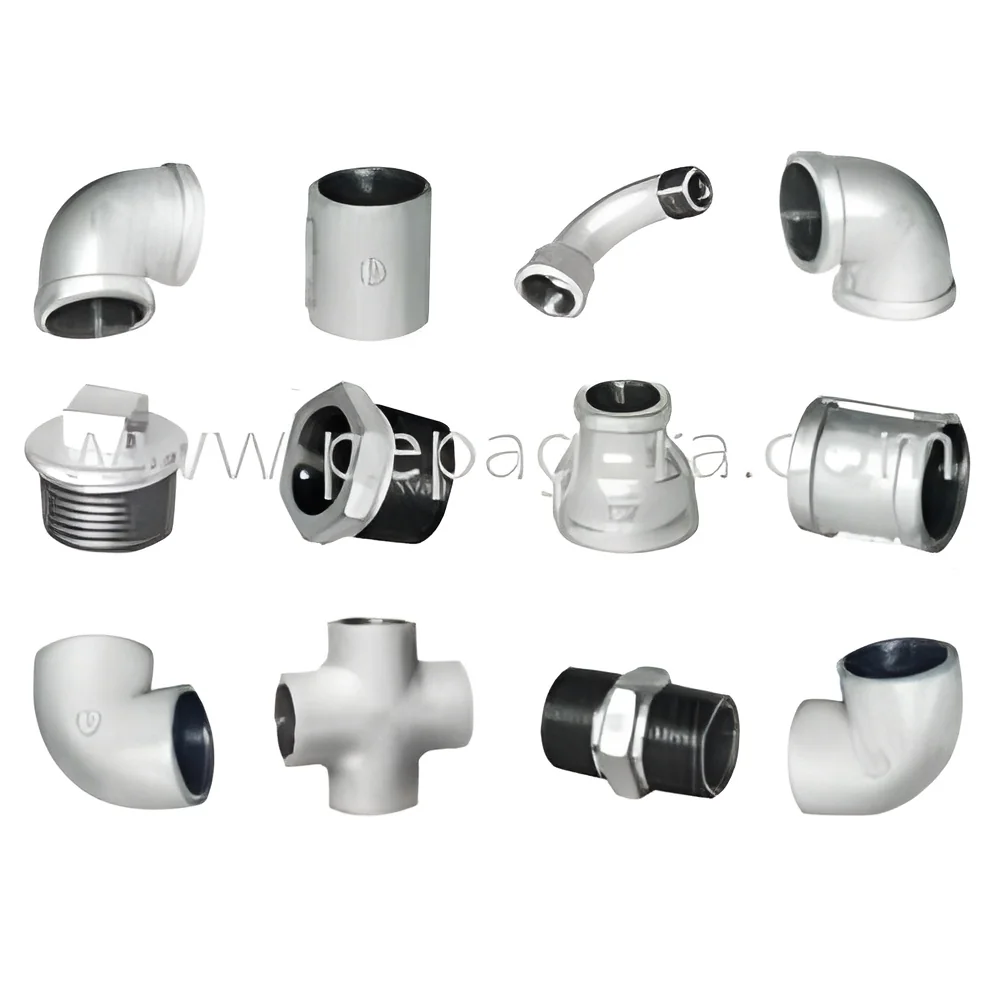
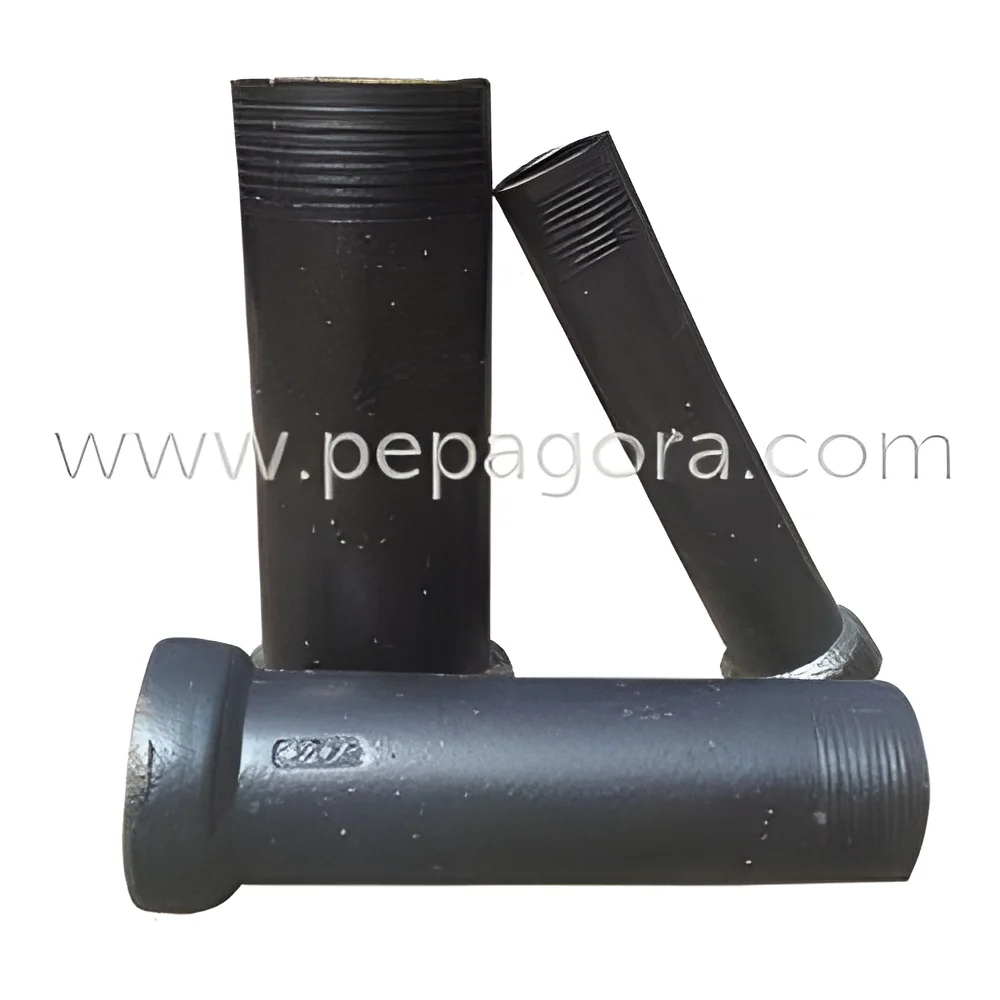
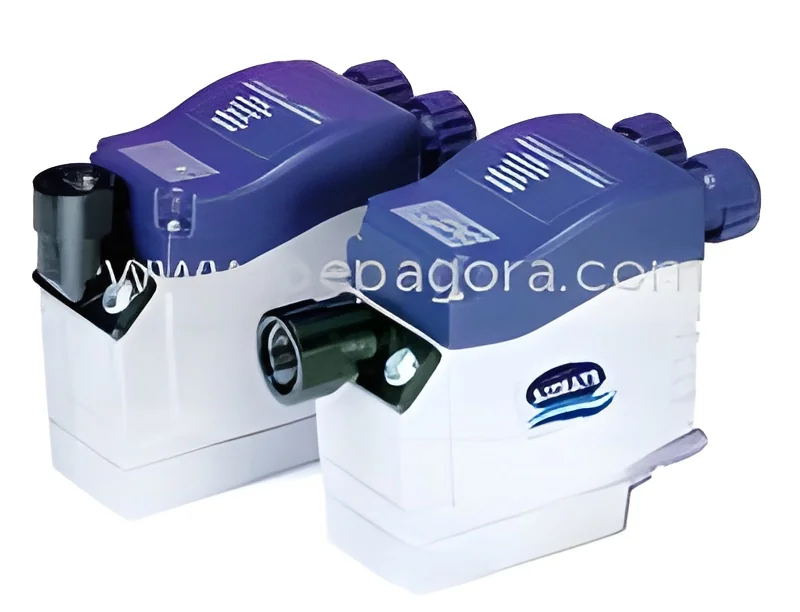
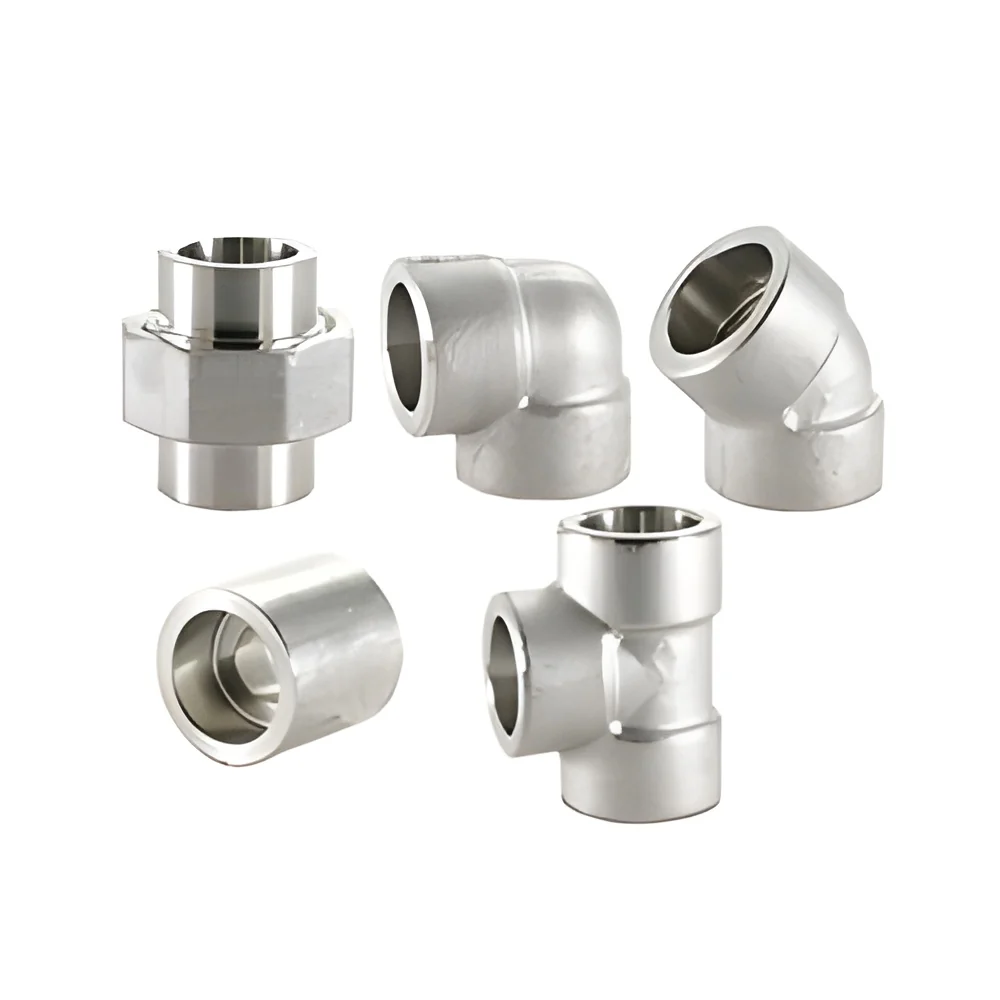
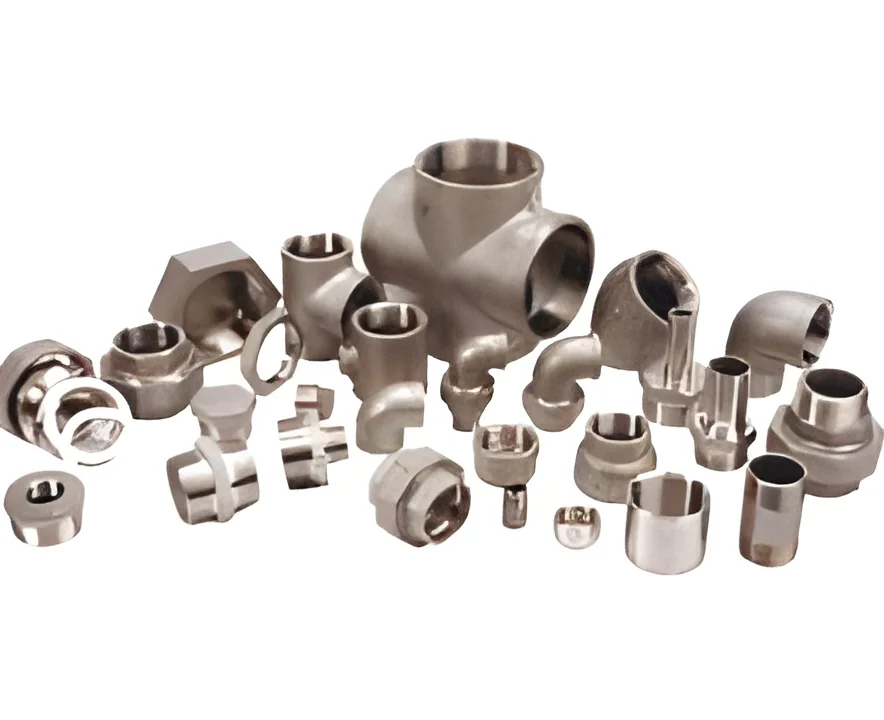
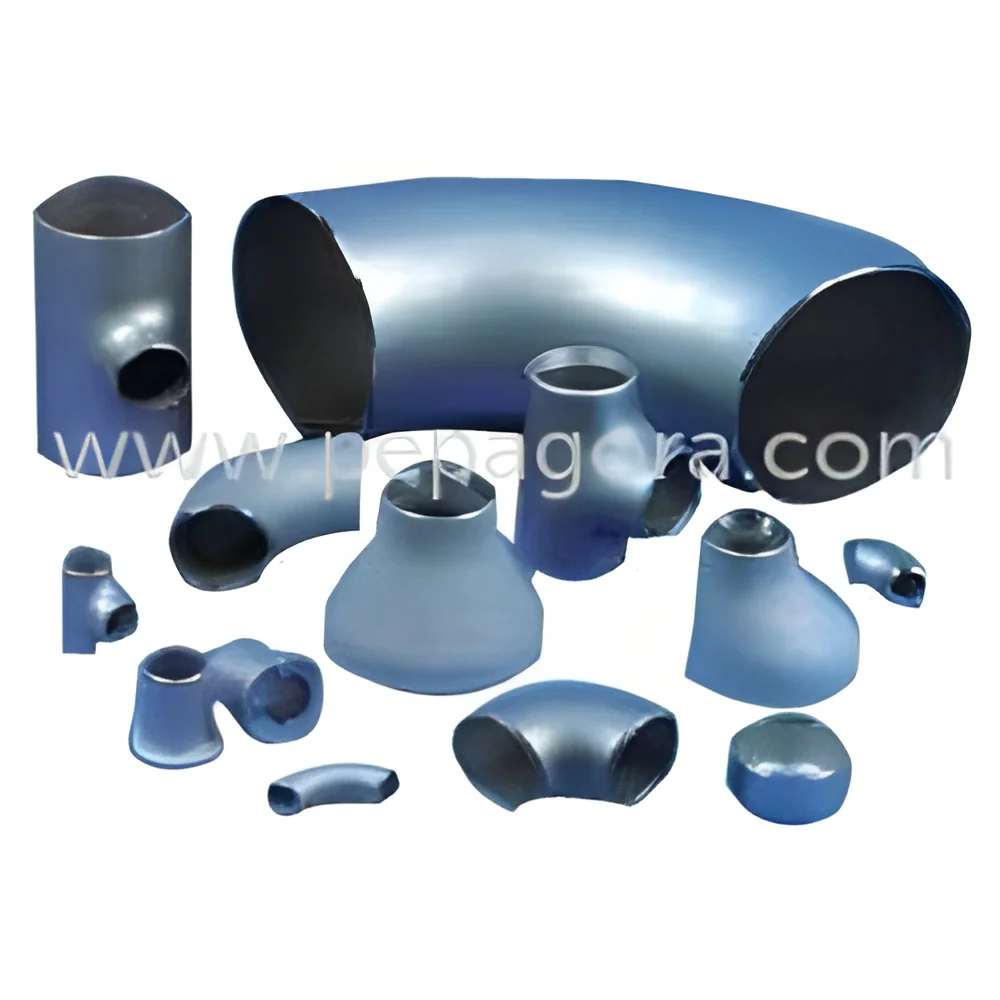
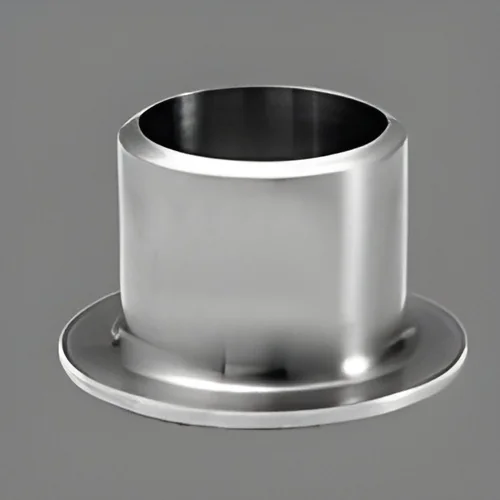
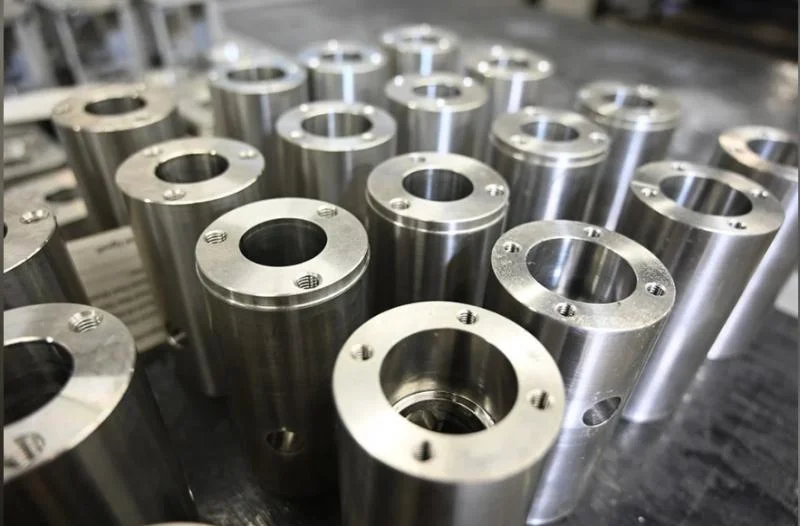
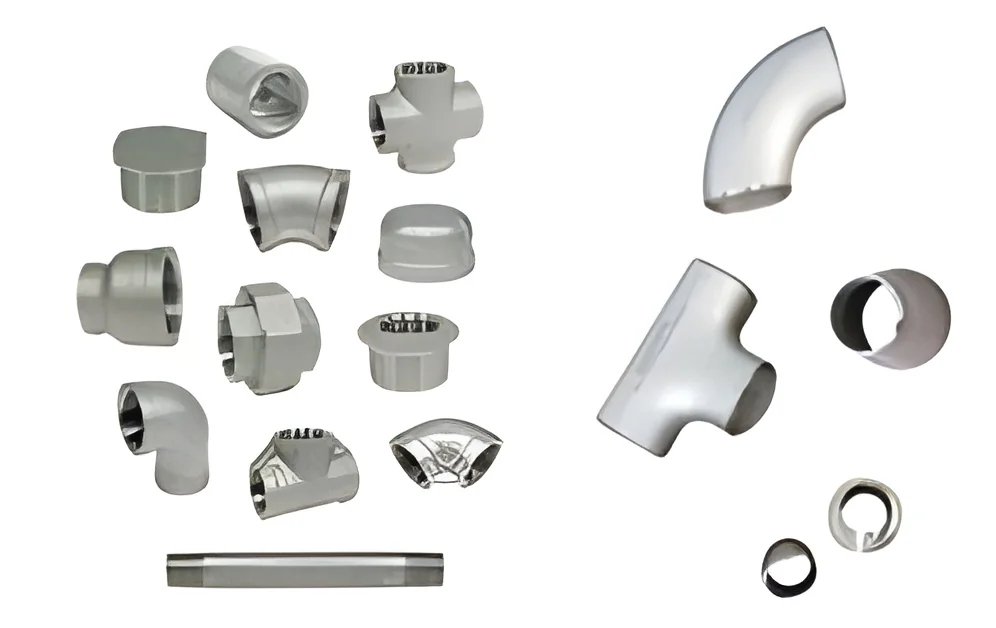
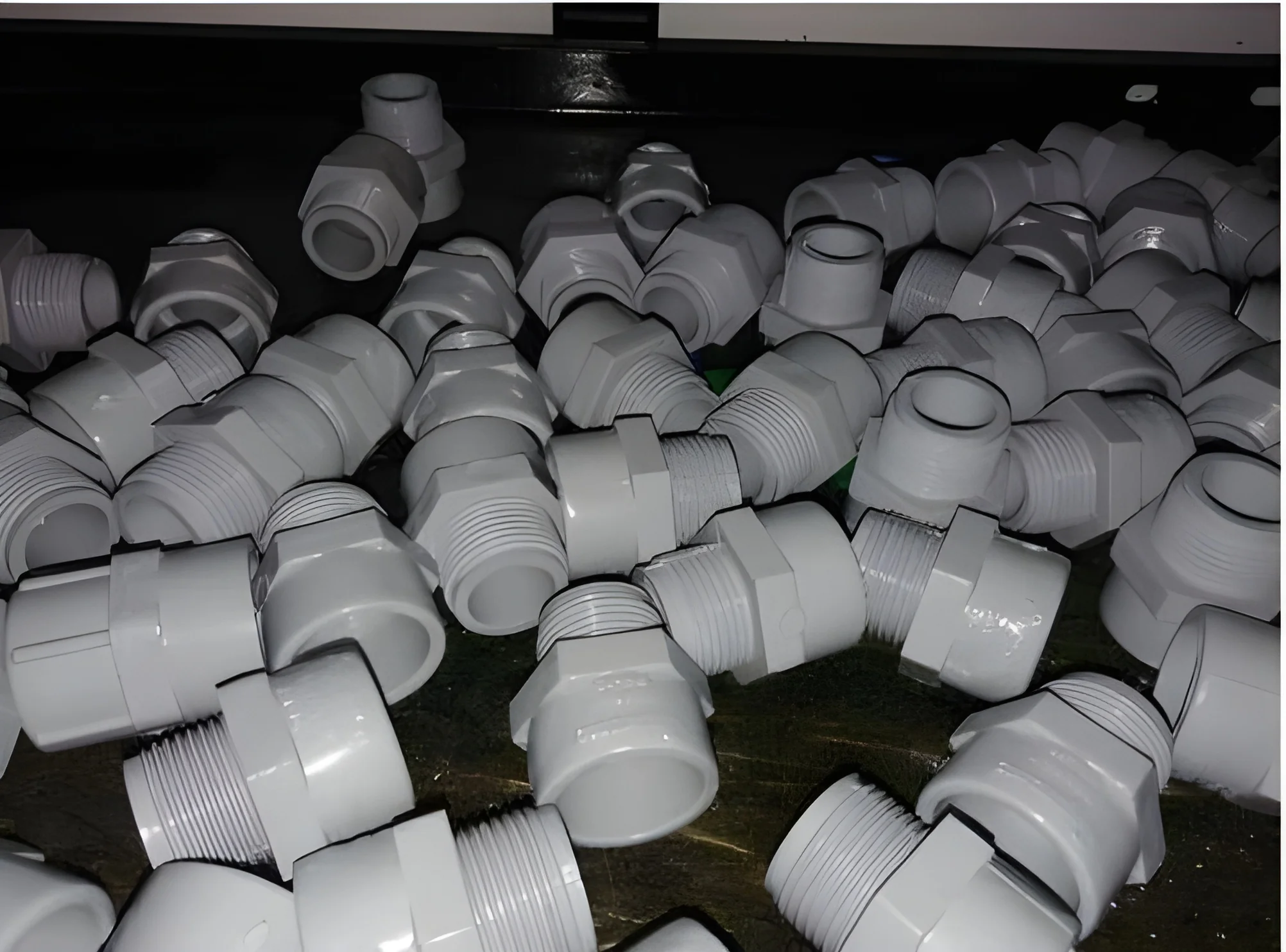
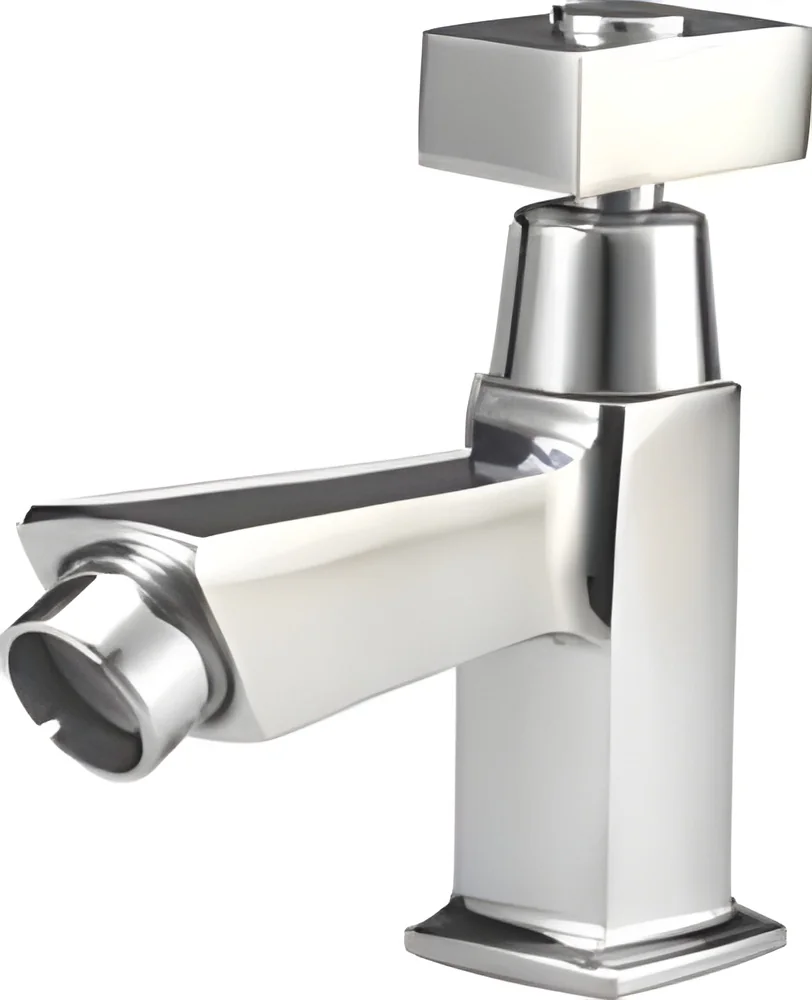
OEM Plumbing Material Manufacturers provide specialized plumbing products that are designed and produced for original equipment manufacturers. These manufacturers create components that adhere to specific standards and specifications set by their clients, ensuring seamless integration into various plumbing systems. The products they offer can include pipes, fittings, valves, and other essential plumbing materials that are crucial for construction and maintenance projects.
The primary applications of these products span across numerous industries, including construction, commercial plumbing, and industrial facilities. OEM manufacturers work closely with construction companies, plumbing contractors, and facility managers to deliver tailored solutions that meet unique project requirements. This collaboration ensures that the materials not only fit the technical needs but also comply with safety and regulatory standards.
In today's market, OEM Plumbing Material Manufacturers play a vital role in the supply chain. They help streamline operations by providing reliable and efficient plumbing solutions. With the growing demand for sustainable and high-quality materials, these manufacturers are increasingly focusing on innovation and quality control to remain competitive in the industry.
Key Features and Specifications
When considering OEM Plumbing Material Manufacturers, several key features and specifications are essential for ensuring quality and functionality. These specifications help buyers understand the capabilities and limitations of the products they are sourcing.
Key specifications include:
1. Material Composition
- Common materials include PVC, CPVC, PEX, and copper
- Each material has distinct properties suited for various applications
2. Pressure Ratings
- Indicates the maximum pressure the plumbing materials can withstand
- Typically ranges from 100 psi to 300 psi depending on the product type
3. Temperature Tolerance
- Specifies the operating temperature range for each material
- Important for determining suitable applications in hot or cold environments
4. Certification Standards
- Compliance with industry certifications such as CE
- Ensures products meet international safety and quality standards
5. Size and Dimensions
- Available in various sizes to accommodate different plumbing systems
- Standard dimensions include diameter, length, and thickness
6. Connection Types
- Options for threaded, solvent-weld, or push-fit connections
- Ensures compatibility with existing plumbing infrastructure
7. Resistance to Corrosion
- Important for longevity and reliability in plumbing systems
- Certain materials provide better resistance depending on environmental factors
8. Lead Content
- Regulations require low lead content in plumbing materials to ensure safety
- Compliance with relevant health and safety standards is critical
In summary, understanding these specifications is crucial for B2B buyers to make informed decisions when sourcing OEM plumbing materials.
Common Applications and Use Cases
OEM Plumbing Material Manufacturers serve a wide range of industries, each with specific applications for their products.
1. Construction: OEM plumbing materials are extensively used in residential and commercial building projects where reliable plumbing systems are essential for functionality.
2. Industrial Facilities: Many manufacturing and processing plants require specialized plumbing materials that can handle hazardous materials and high-pressure applications.
3. Commercial Plumbing: Businesses such as restaurants and hotels rely on durable plumbing solutions to ensure efficient water supply and drainage systems.
4. Agriculture: OEM materials are utilized in irrigation systems, ensuring proper water management and distribution for crop production.
5. Water Treatment: Plumbing components are essential in water purification and treatment facilities, where quality and compliance with health standards are paramount.
6. HVAC Systems: Plumbing materials are integral to heating, ventilation, and air conditioning systems, helping to manage water flow and temperature control.
7. Infrastructure Projects: Large-scale infrastructure developments, such as roads and bridges, often require OEM plumbing solutions for drainage and utility lines.
Product Variants and Subcategories
OEM Plumbing Material Manufacturers offer a variety of product variants to cater to diverse needs. This diversity allows buyers to choose the most suitable solutions for their specific applications.
PVC Pipes
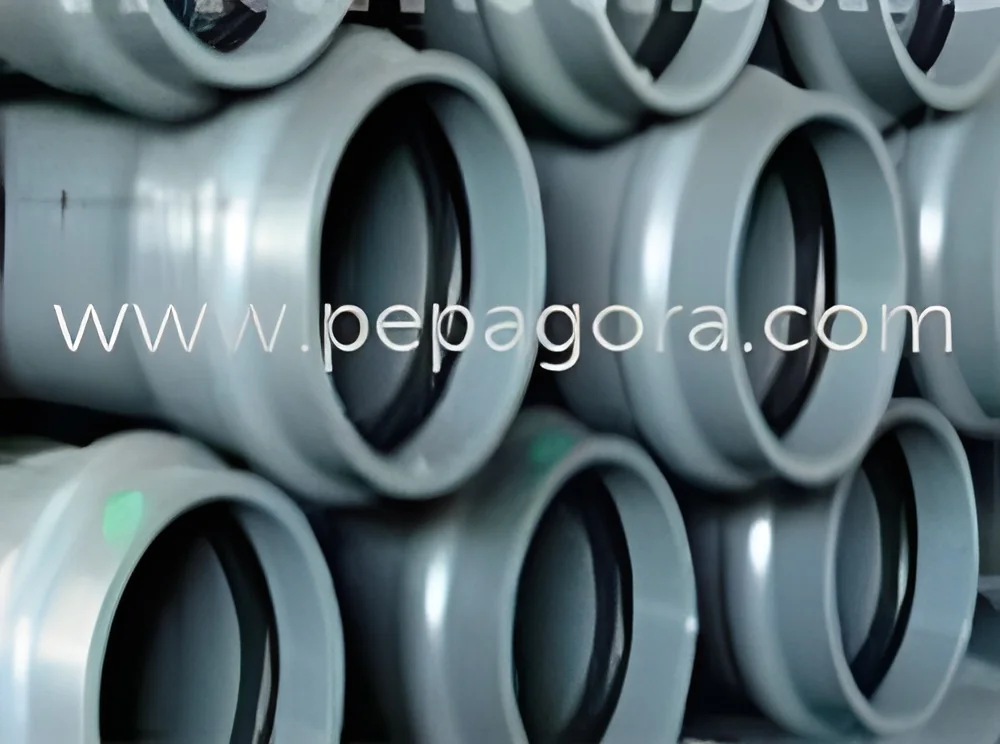
PVC pipes are widely used for their lightweight and corrosion-resistant properties. They are ideal for residential plumbing and irrigation systems, providing a cost-effective solution.
Copper Fittings
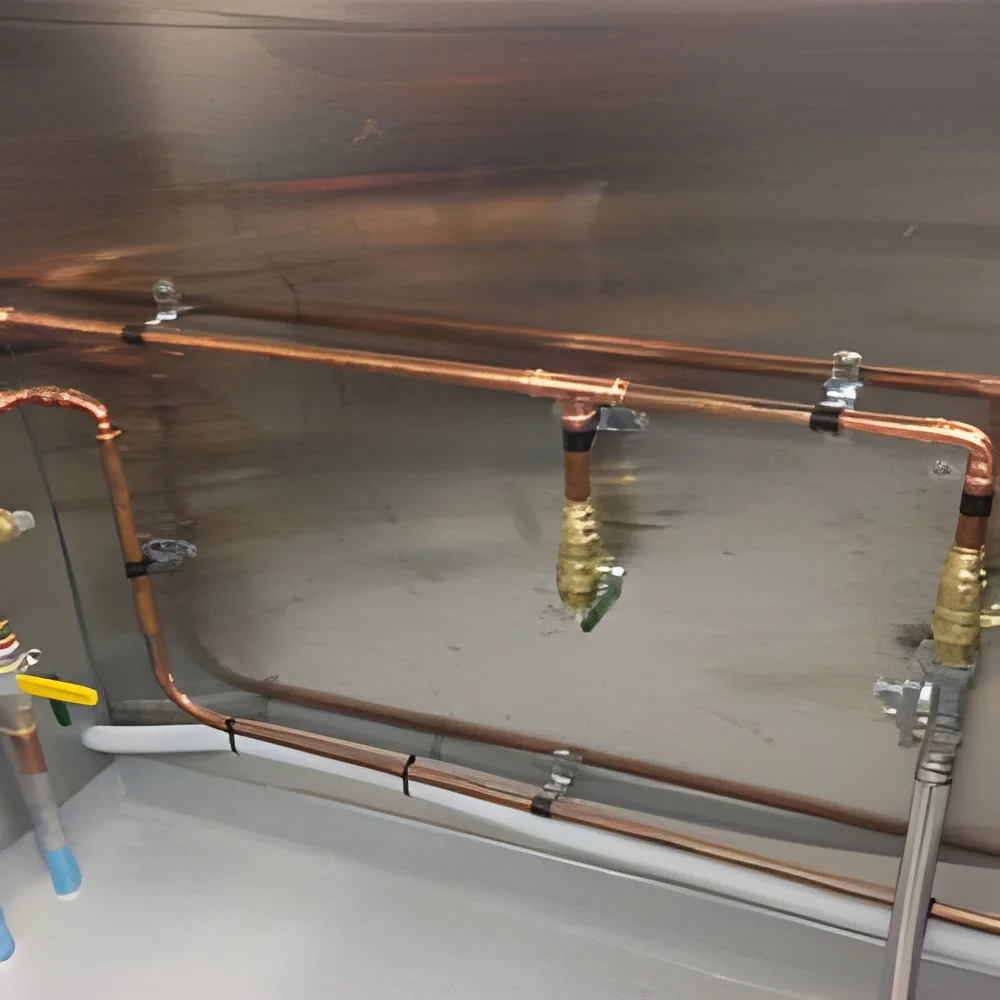
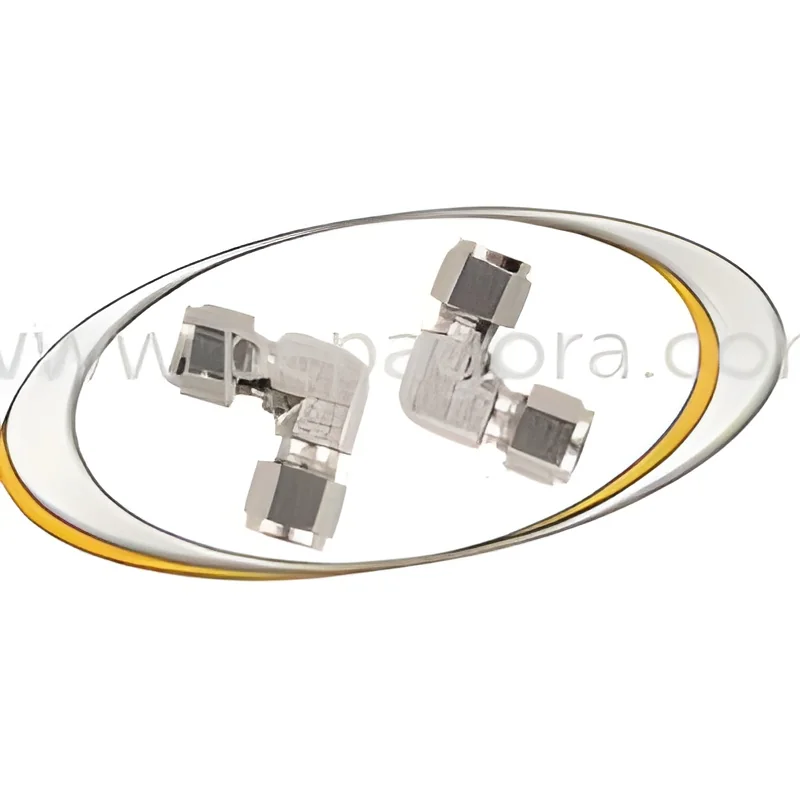
Copper fittings are known for their durability and ability to withstand high temperatures. They are commonly used in commercial plumbing applications and are favored for their reliability.
PEX Tubing
PEX tubing is flexible and easy to install, making it a popular choice for modern plumbing systems. It is resistant to scale and chlorine, offering long-lasting performance.
Brass Valves
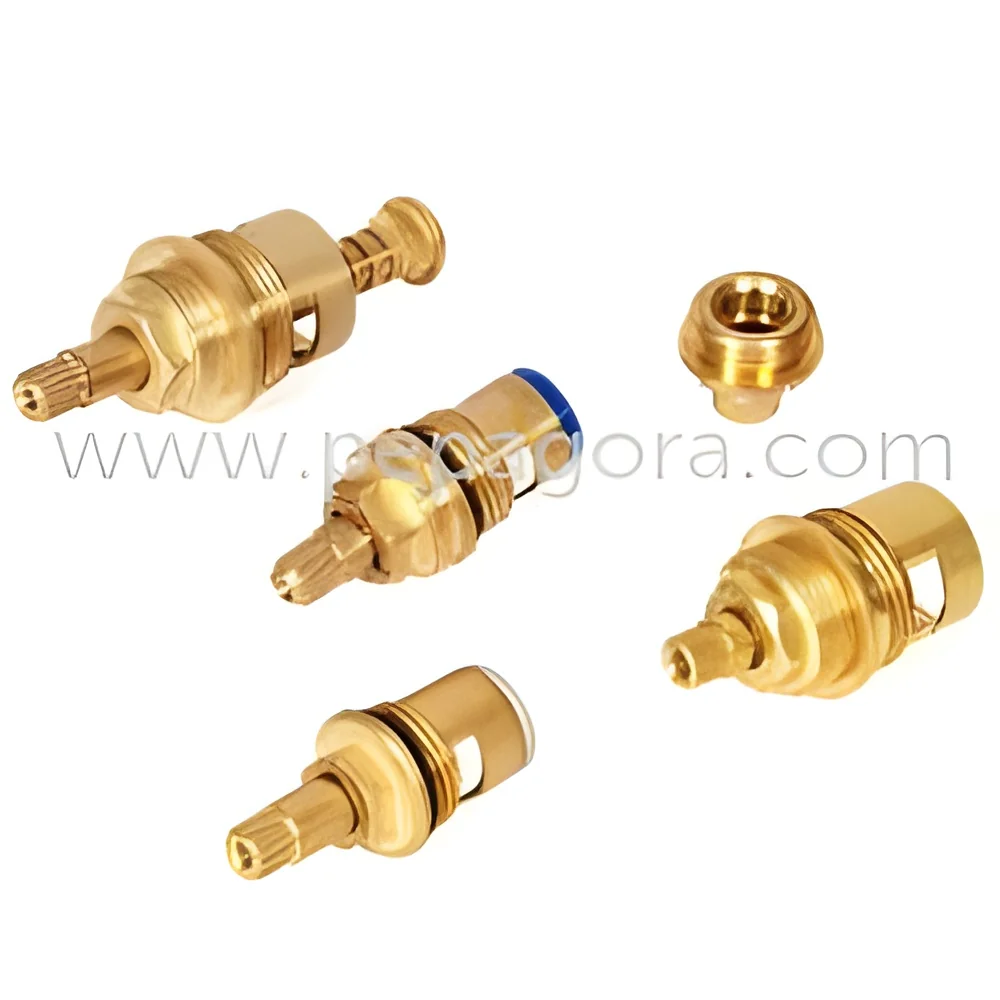
Brass valves are essential for controlling water flow in plumbing systems. They are known for their strength and resistance to corrosion, making them suitable for various applications.
ABS Pipes
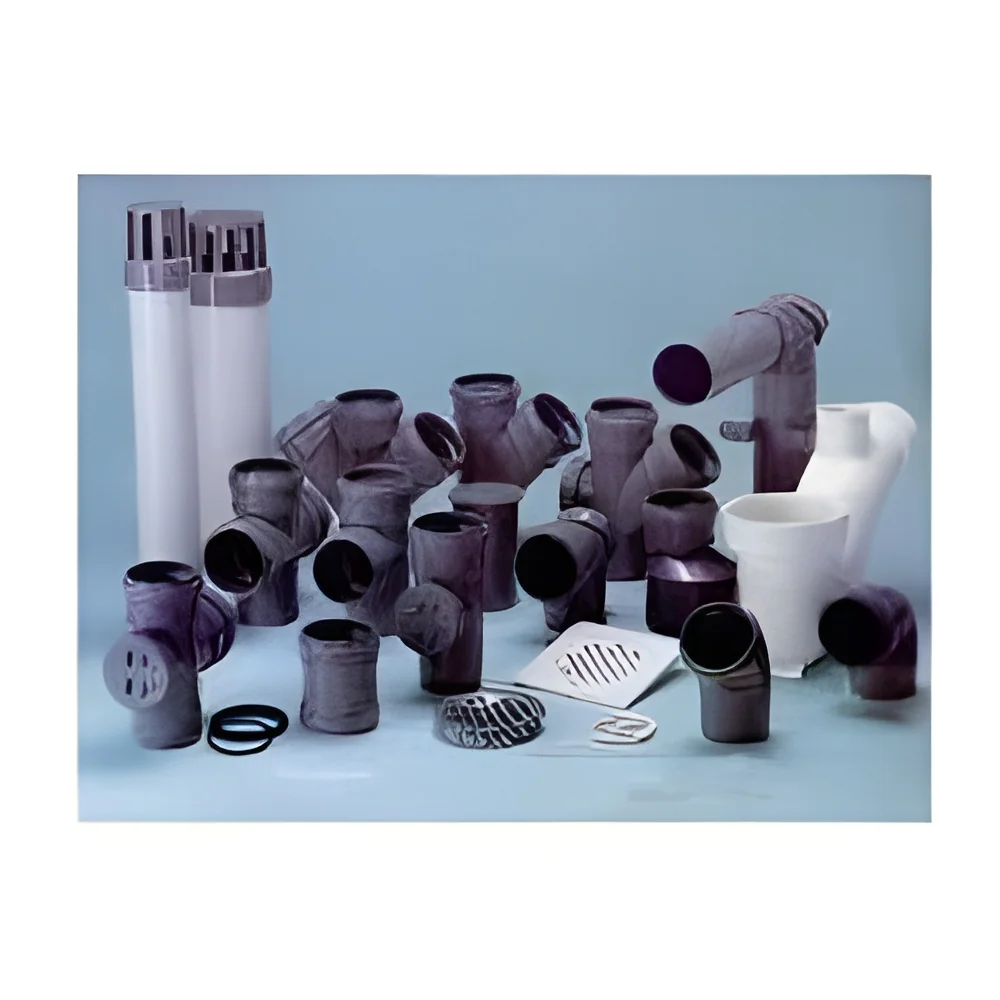
ABS pipes are favored for their impact resistance and ease of installation. They are commonly used in drainage, waste, and vent systems.
Benefits and Advantages
Sourcing OEM Plumbing Material Manufacturers provides several advantages that can enhance operational efficiency and product quality.
1. Customization Options: OEM manufacturers can tailor products to meet specific project requirements, ensuring compatibility and functionality.
2. High-Quality Standards: These manufacturers comply with industry certifications, which guarantees that the materials meet safety and performance standards.
3. Cost-Effective Solutions: By working directly with OEM manufacturers, businesses can reduce costs associated with middlemen, leading to better pricing.
4. Technical Support: OEM manufacturers often provide technical assistance, helping buyers select the right materials and troubleshoot any issues.
5. Reliability and Consistency: Partnering with established OEM manufacturers ensures a consistent supply of high-quality materials, reducing the risk of project delays.
6. Innovation and Development: Many OEM manufacturers invest in research and development, leading to the introduction of advanced materials and technologies that improve plumbing systems.
Buying Guide for B2B Buyers
When sourcing OEM Plumbing Material Manufacturers, it is essential to consider several factors that impact the purchasing process.
1. Quality Assessment: Evaluate the quality of materials by reviewing certifications and testing results. Look for manufacturers who adhere to relevant industry standards.
2. Supplier Verification: Vet potential suppliers by checking their reputation, customer reviews, and past project experiences to ensure reliability.
3. Pricing and MOQ: Understand the pricing structure and minimum order quantities to align with your budget and project needs.
4. Delivery and Lead Times: Inquire about delivery schedules and lead times to ensure materials arrive when needed for your project timelines.
5. Compliance Requirements: Verify that the products meet local and international regulatory standards, including health and safety regulations.
Compliance and Certifications
Compliance and certifications are critical aspects of OEM Plumbing Material Manufacturers. Many manufacturers adhere to relevant quality standards such as ISO 9001, which ensures effective quality management systems. These standards help maintain consistency and reliability in production processes.
Industry certifications, such as CE, indicate that products meet essential health, safety, and environmental requirements. This certification is crucial for ensuring that the plumbing materials are safe for use in various applications.
Safety and testing requirements are also paramount. Manufacturers often conduct rigorous testing to ensure their products can withstand the pressures and conditions expected in real-world applications. Compliance with these testing protocols helps prevent potential failures and liabilities.
Additionally, regional compliance considerations are important, as plumbing regulations can vary widely across different areas. Manufacturers must be aware of and comply with local building codes and standards to ensure their products are suitable for specific markets.
Why Source OEM Plumbing Material Manufacturers from Pepagora?
Pepagora provides a trusted platform for sourcing OEM Plumbing Material Manufacturers with several key advantages that facilitate the buying process.
Verified Supplier Network: Pepagora has established a network of verified suppliers, ensuring that buyers can connect with reliable manufacturers who meet quality standards.
Streamlined RFQ Process: The platform offers a simplified request for quotation process, allowing buyers to receive multiple quotes from various suppliers quickly. This efficiency saves time and helps in making informed decisions.
Trade Assurance and Support: Pepagora offers trade assurance, providing protection for buyers against potential issues in transactions. This support adds a layer of security when sourcing materials.
Regional Coverage: With a strong presence in India, the GCC, and Southeast Asia, Pepagora enables buyers to access a wide range of OEM plumbing material manufacturers across these regions. This geographic reach allows for better sourcing options and competitive pricing.
By leveraging Pepagora’s platform, B2B buyers can efficiently navigate the complexities of sourcing OEM plumbing materials while ensuring quality and compliance.

 IN
IN