IN
IN₹
Apparel & Fashion
Description
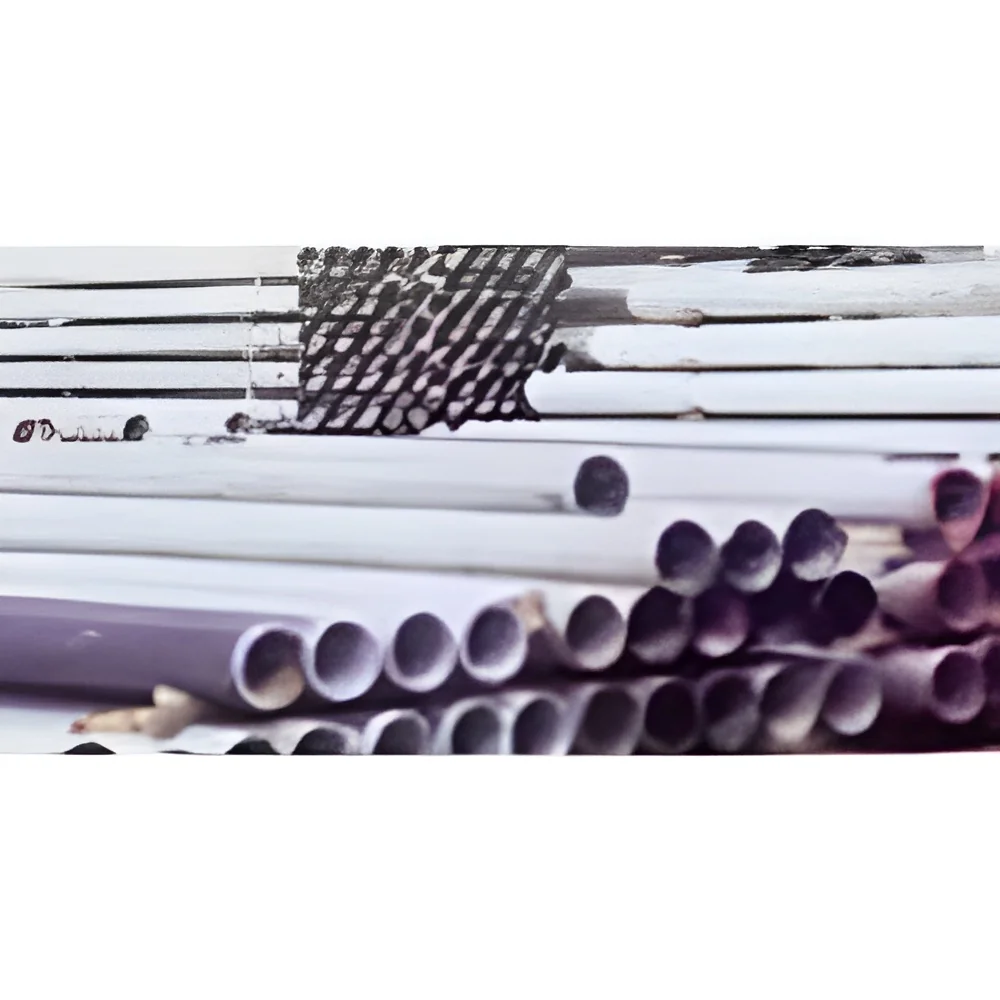
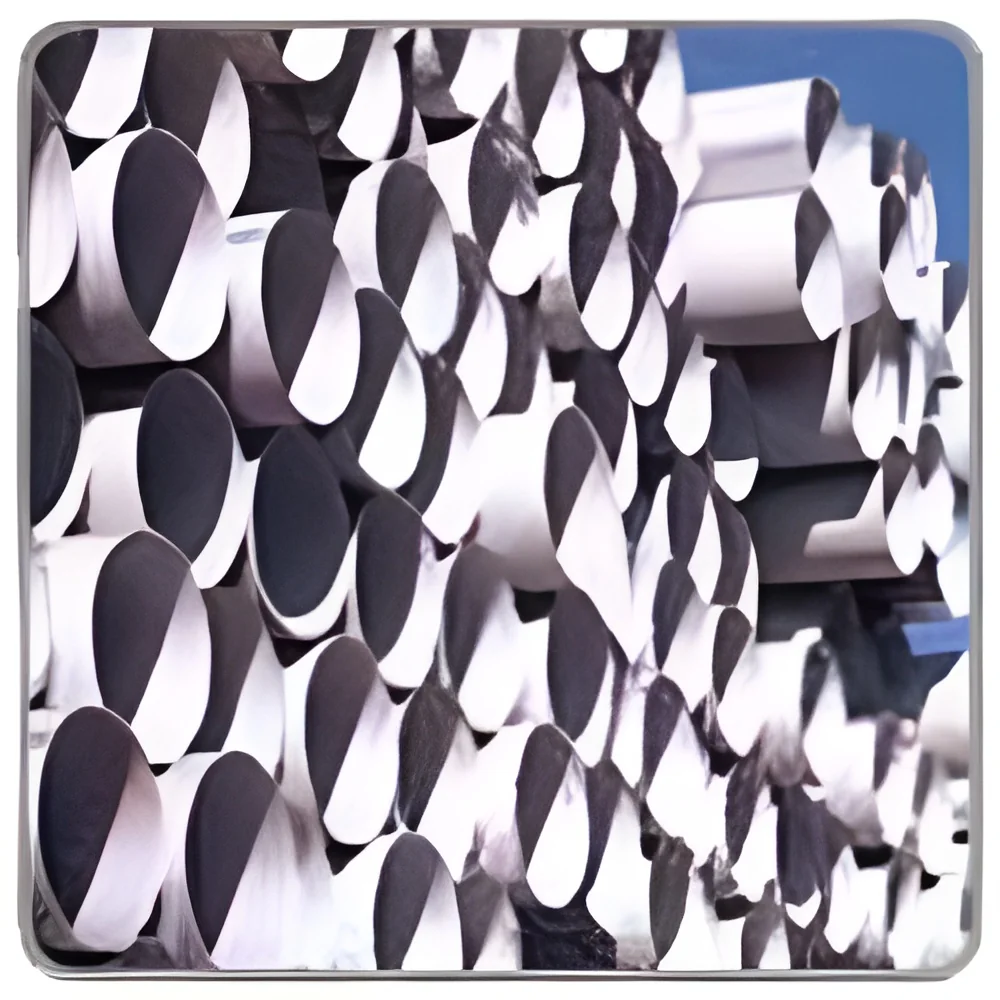
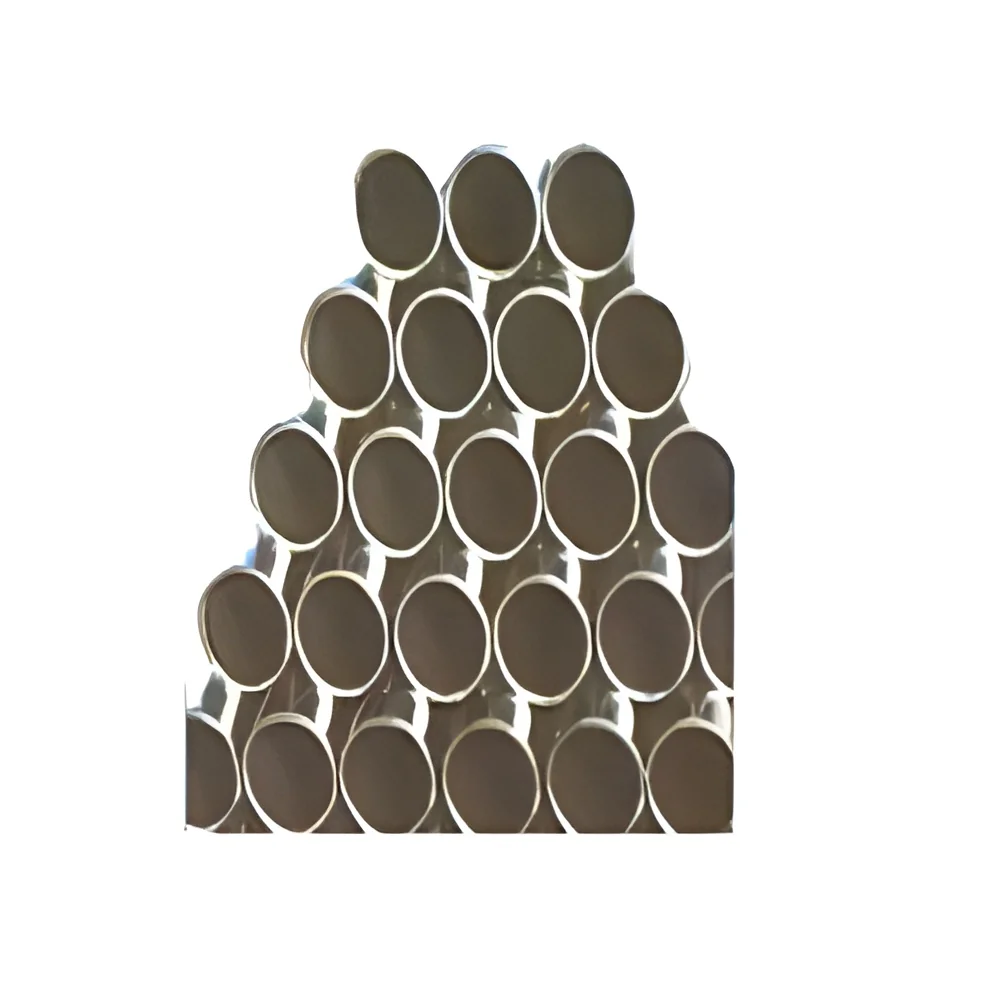
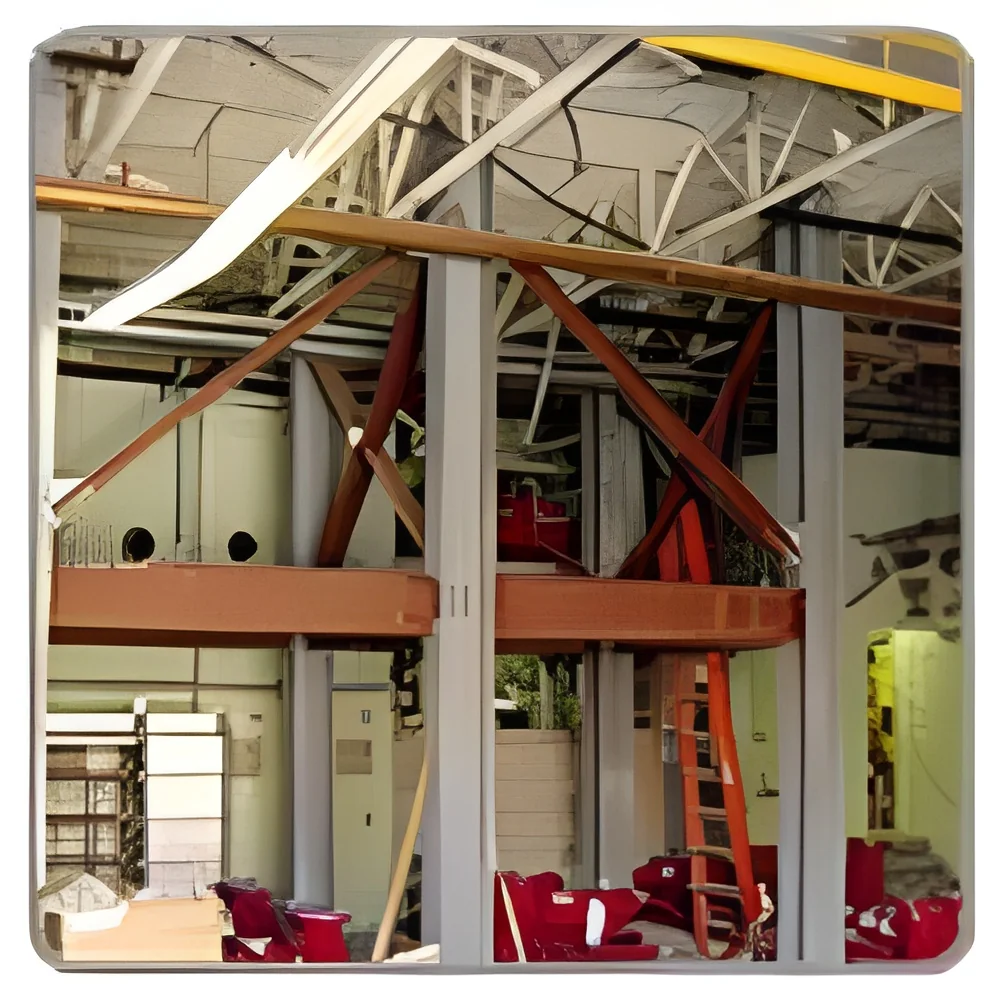
Engineered for demanding structural applications, our high-quality structural steel pipes and tubes deliver the foundational strength required for modern construction and industrial projects. These components are manufactured to precise specifications, offering superior load-bearing capacity and durability where standard materials fall short. Available in a comprehensive range of dimensions and grades, they are designed to meet the rigorous demands of architects, engineers, and project managers, ensuring reliable performance that stands the test of time and environmental stress. Each product undergoes stringent quality control processes, guaranteeing consistency and adherence to international standards for structural integrity and safety.

These steel pipes are indispensable across numerous sectors. In commercial and residential construction, they create the robust frameworks for high-rise buildings, shopping malls, and apartment complexes. The industrial sector relies on them for cons...
Engineered for demanding structural applications, our high-quality structural steel pipes and tubes deliver the foundational strength required for modern construction and industrial projects. These components are manufactured to precise specifications, offering superior load-bearing capacity and durability where standard materials fall short. Available in a comprehensive range of dimensions and grades, they are designed to meet the rigorous demands of architects, engineers, and project managers, ensuring reliable performance that stands the test of time and environmental stress. Each product undergoes stringent quality control processes, guaranteeing consistency and adherence to international standards for structural integrity and safety.

These steel pipes are indispensable across numerous sectors. In commercial and residential construction, they create the robust frameworks for high-rise buildings, shopping malls, and apartment complexes. The industrial sector relies on them for constructing factory buildings, power plants, and warehouse facilities where they support heavy loads and machinery. For civil engineering and infrastructure, they are the material of choice for bridges, flyovers, stadiums, and airport terminals. Furthermore, they are utilized in agricultural building construction, mining support structures, and for creating specialized frameworks in the transportation and logistics industries, demonstrating exceptional versatility.

The inherent business value lies in their proven reliability, which translates directly into reduced long-term costs, minimized project delays, and enhanced safety. By investing in high-grade structural steel, businesses secure components that resist corrosion, withstand extreme loads, and require minimal maintenance over decades of service. This durability ensures a superior return on investment by extending the lifespan of structures and reducing the need for costly repairs or early replacements. For procurement managers and project leads, this means predictable budgeting, assured compliance with building codes, and the confidence that comes from using materials trusted by engineering professionals worldwide for critical support applications.

Key Features:
- Manufactured from high-strength steel for exceptional load-bearing capacity and structural integrity.
- Produced to consistent quality standards with rigorous testing for dimensional accuracy and material properties.
- Designed with corrosion-resistant properties to ensure longevity in various environmental conditions.
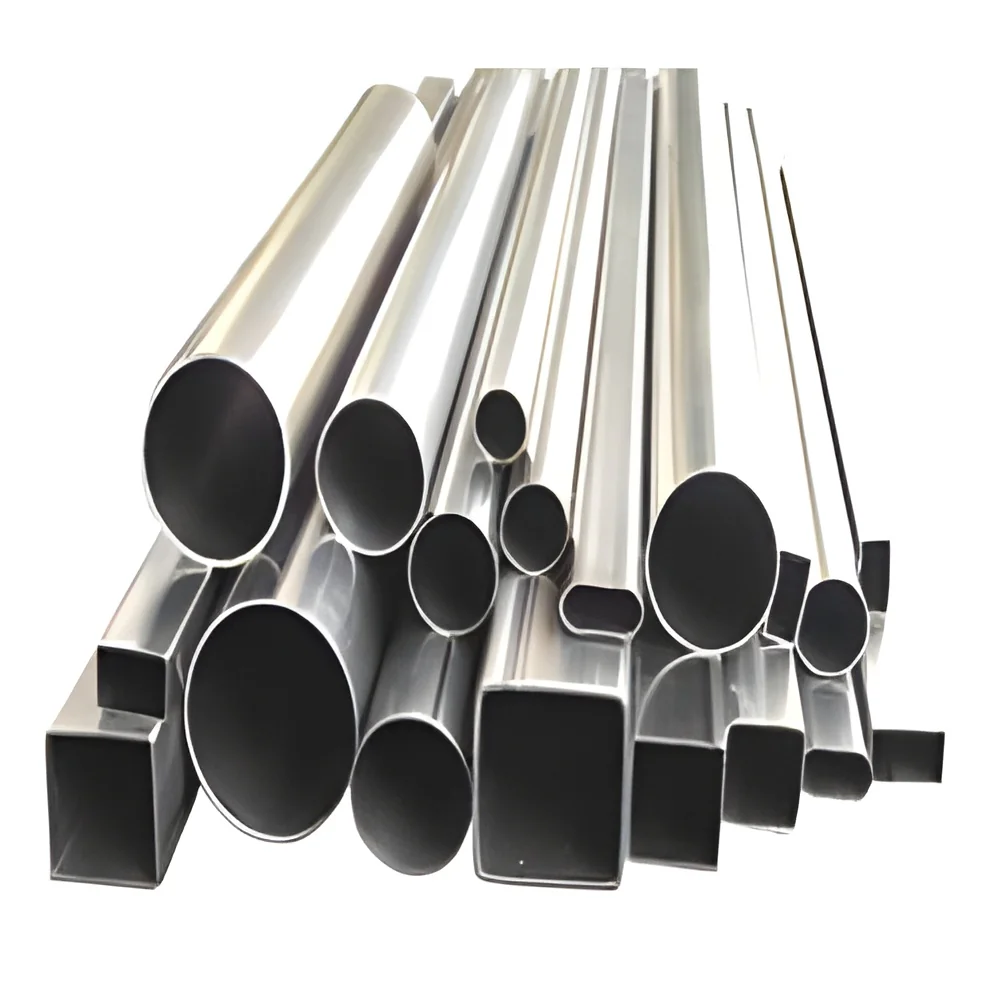
- Available in a wide range of standard sizes, thicknesses, and grades to meet diverse project specifications.
- Engineered for versatile compatibility with standard construction techniques, welding, and fabrication processes.

Benefits:
- Provides a reliable and safe foundation for structures, ensuring long-term stability and occupant safety.
- Reduces total cost of ownership through extended service life and minimal maintenance requirements.
- Offers excellent strength-to-weight ratio, enabling efficient designs and potentially reducing foundation costs.
- Delivers predictable performance that helps prevent costly construction delays and ensures project timelines.
- Supports the creation of durable, resilient infrastructure that meets modern engineering and regulatory standards.
Specifications
| Additional Information | |
|---|---|
| Country of Origin | India |
Application
Structural steel pipes and tubes form the essential skeleton of modern construction, providing the critical load-bearing framework for commercial buildings, industrial facilities, and large-scale infrastructure. Their exceptional strength-to-weight ratio allows for the creation of stable, safe, and durable structures, from skyscrapers to expansive warehouses, ensuring long-term integrity and safety for occupants and operations.
Beyond primary building frames, these versatile components are integral to a wide range of industrial and civil engineering projects. They serve as reliable supports for bridges, transmission towers, and underground conduits, while also functioning within plants as structural elements for material handling systems, equipment supports, and protective guards. This adaptability makes them suitable for both permanent installations and complex, large-scale projects across diverse sectors.
- Primary building frameworks, support columns, and truss systems for commercial and industrial structures.
- Bridge construction, including girders, piers, and support systems for road and rail infrastructure.
- Transmission towers, electrical substation structures, and utility pole supports for energy networks.
- Industrial plant frameworks, including support for heavy machinery, conveyor systems, and processing equipment.
- Infrastructure projects such as tunnel supports, retaining wall systems, and drainage conduit protection.
Trade Details
| Available Stock | In Stock |
| Sample Availability | No |
Payment Terms
| Payment Terms |
|
Company Profile
L G Pipes & Tubes, Maharashtra
 Maharashtra, India
Maharashtra, IndiaConstruction•Manufacturer•Distributor / Wholesaler•Importer / Exporter
Factory Details
Factory SizeBelow 1000 sqm
Annual Production Capacity0
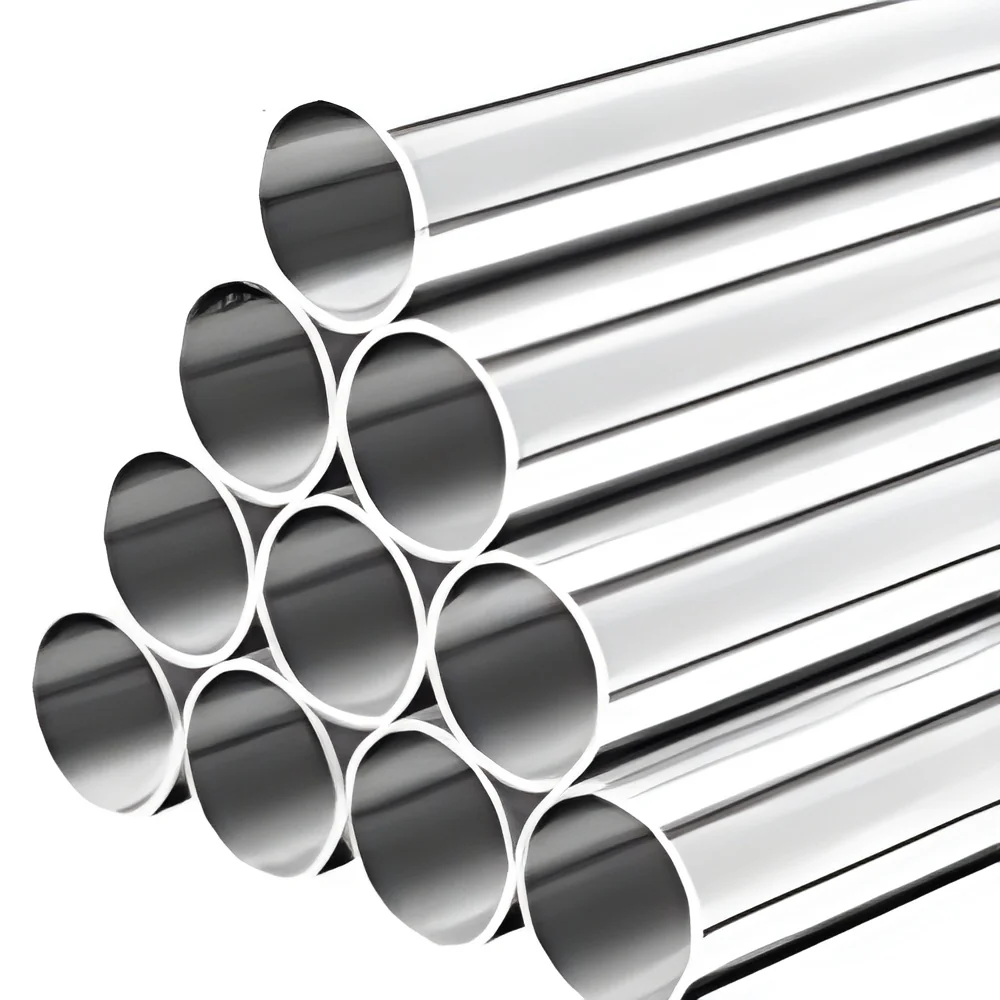
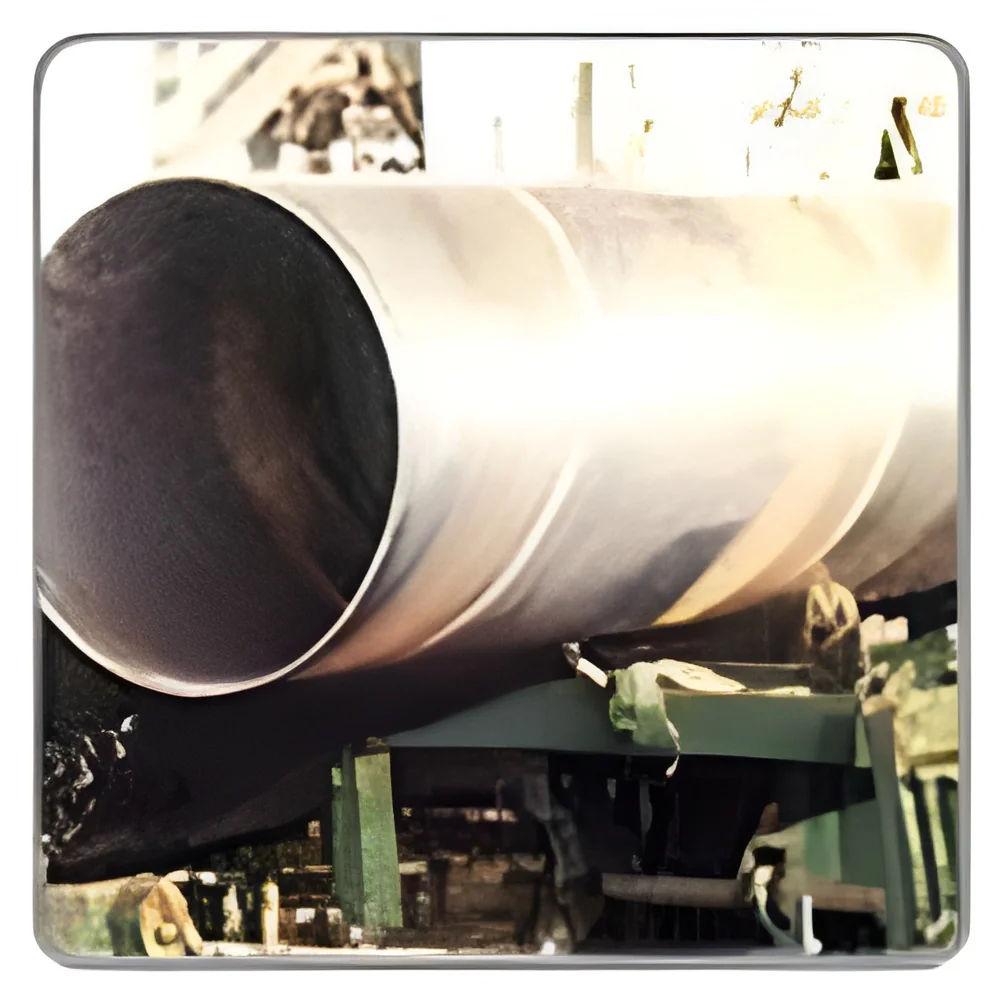
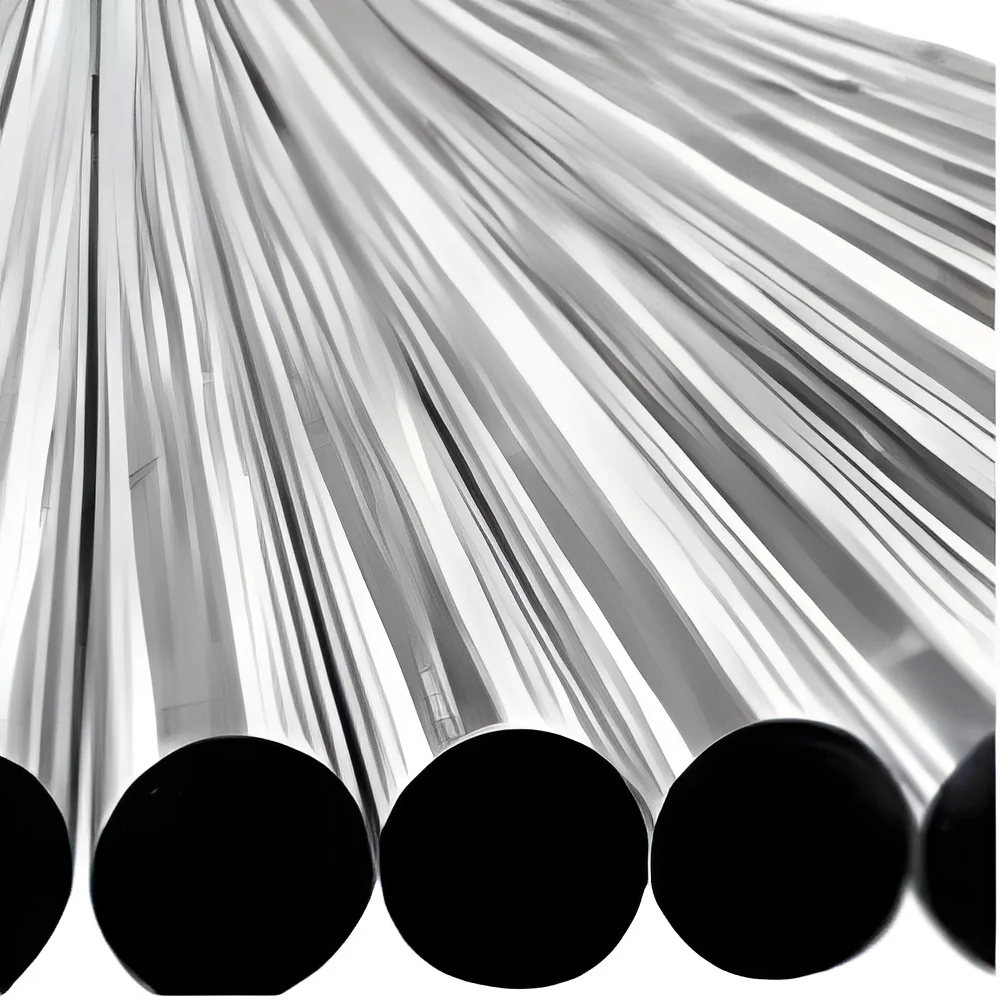
Structural Steel Pipes And Tubes For Construction And Industrial Projects
Premium structural steel pipes and tubes for construction and industrial projects. High-strength, durable components for building frameworks, support columns, and infrastructure. Trusted for reliability and consistent quality in demanding applications.
Min. Order Quantity: 1 unit
Shipping
Shipping fee and delivery date to be negotiated. Contact supplier now for more details.
L G Pipes & Tubes
 Maharashtra, India
Maharashtra, IndiaConstructionManufacturer