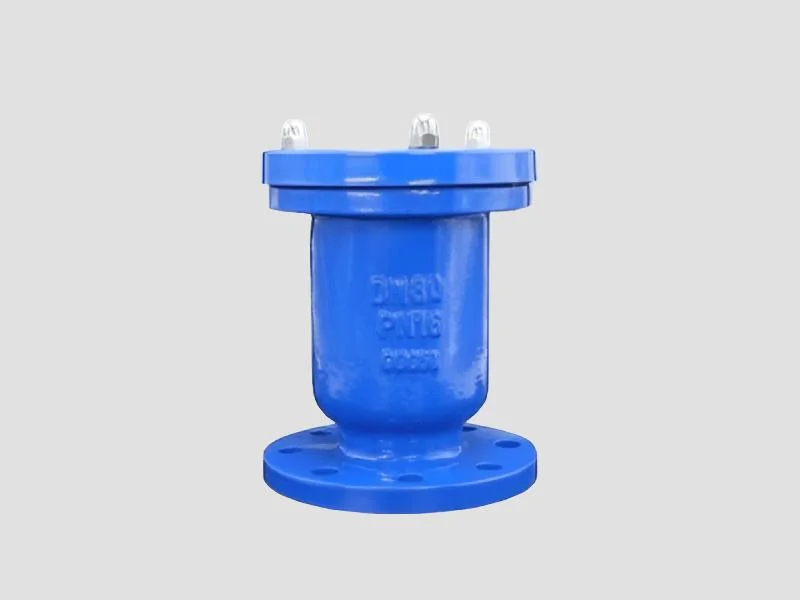
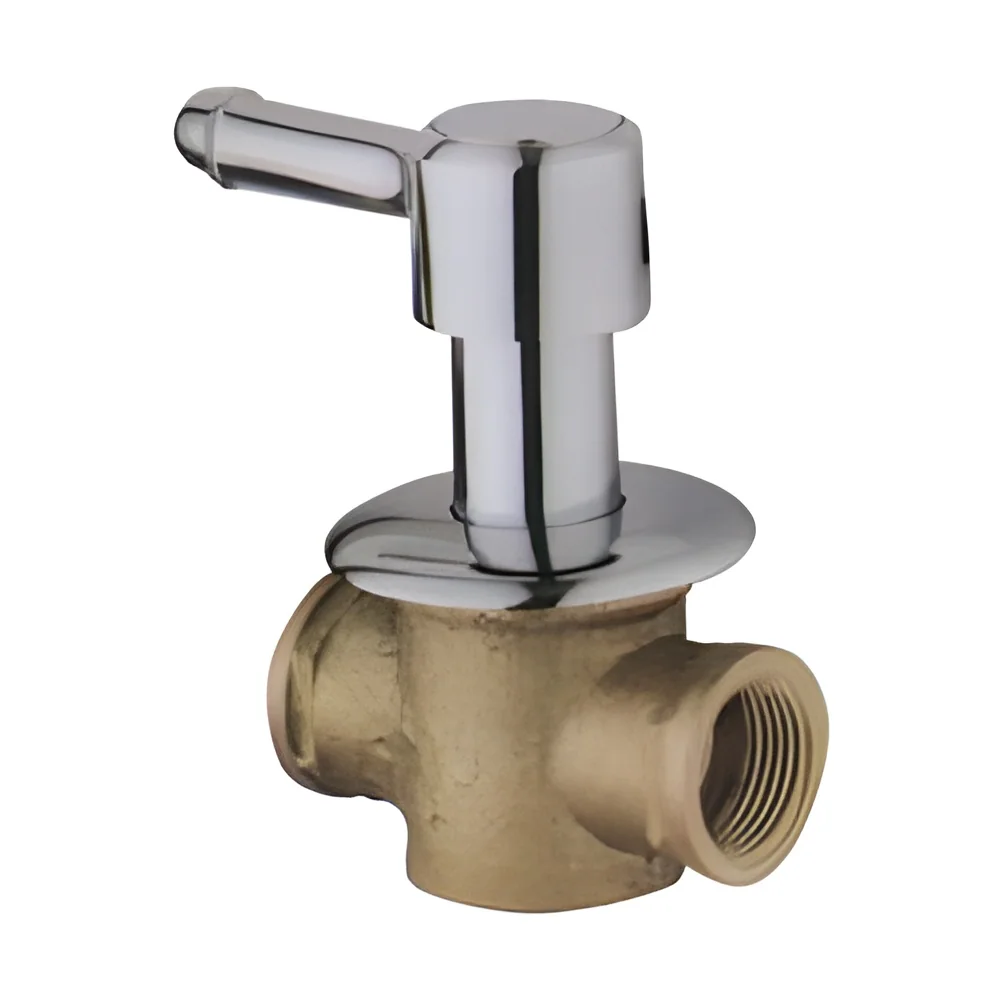
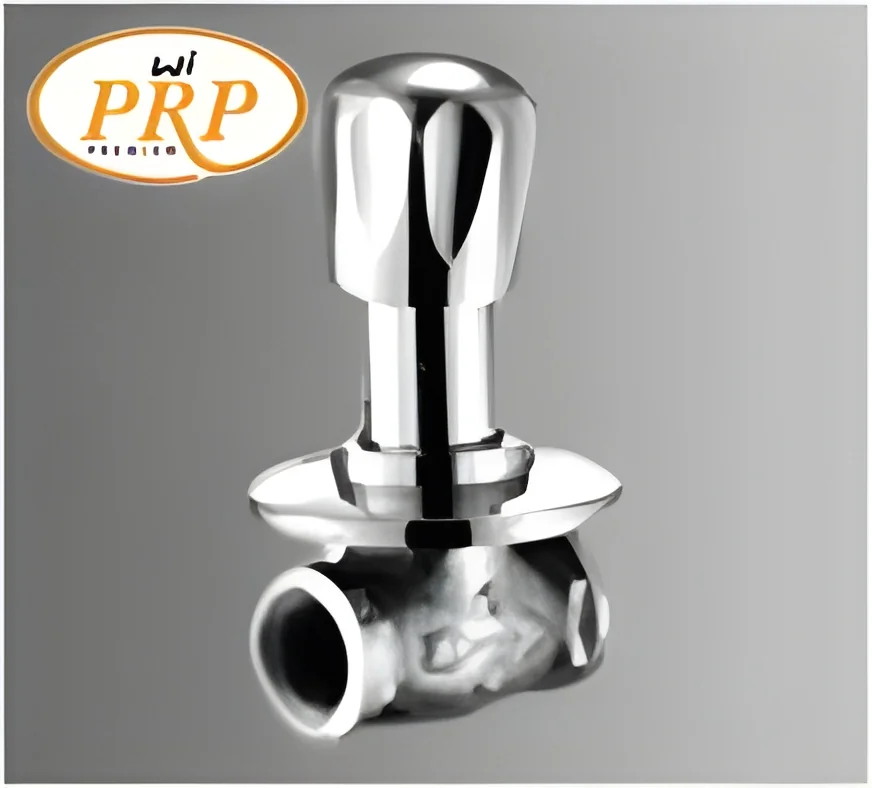
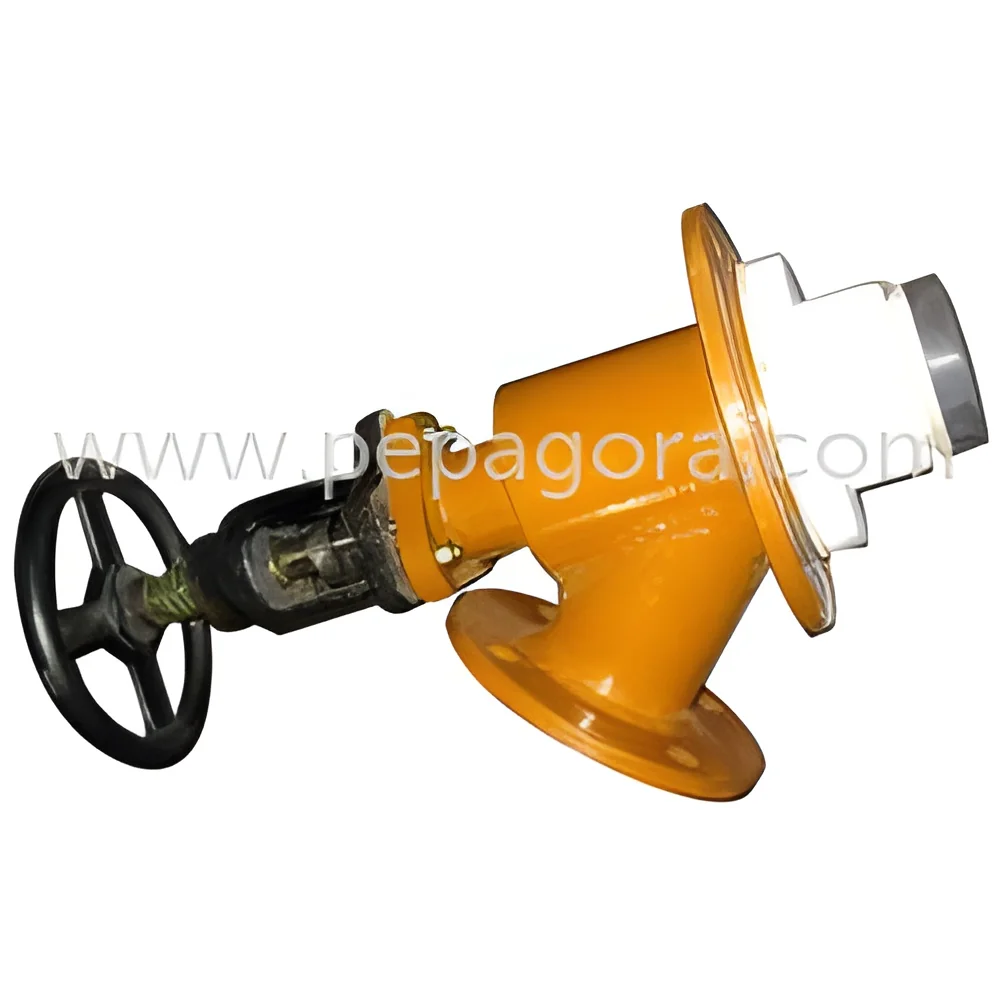
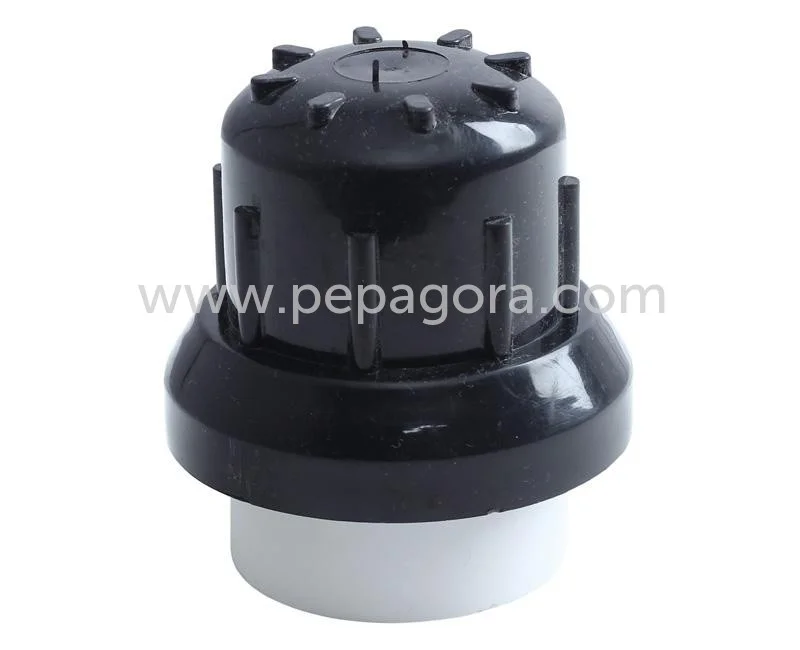
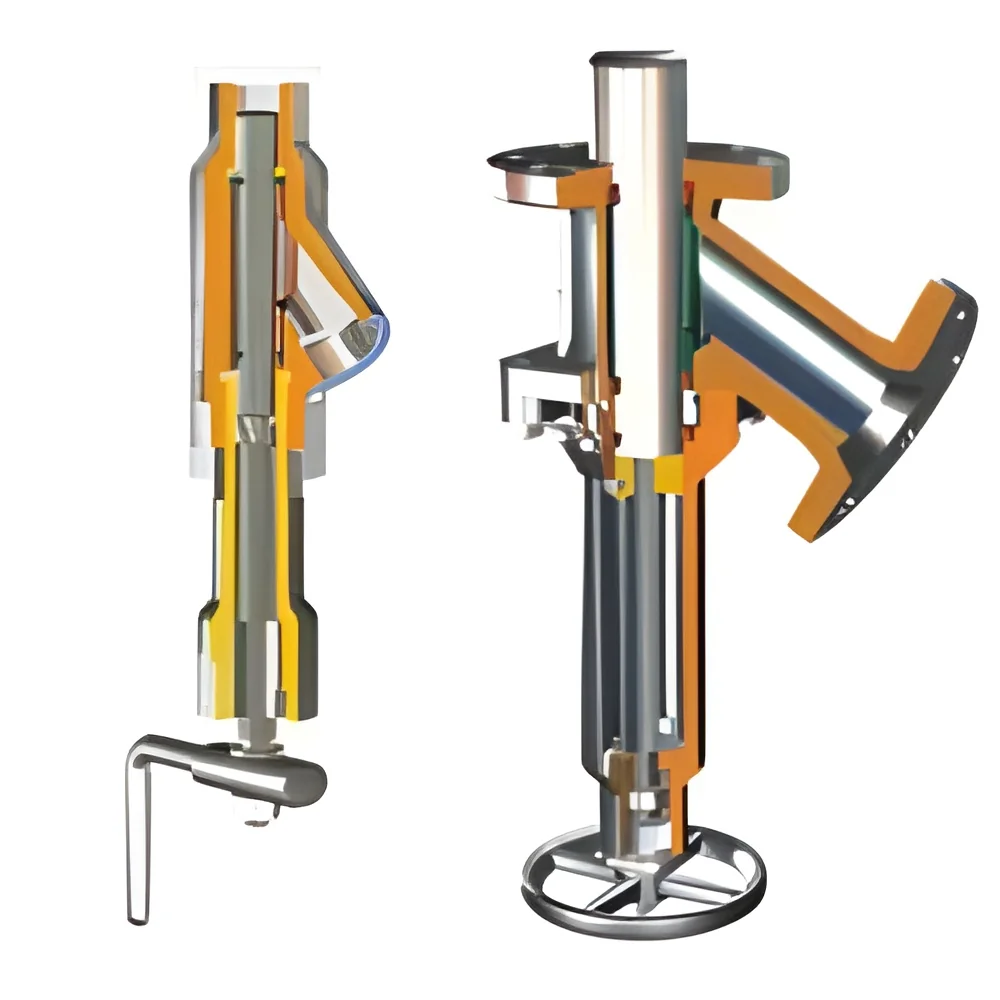
What are Concealed Valves?
Concealed valves are integral components in various plumbing and mechanical systems, designed to be installed within walls or surfaces. This design not only provides a clean and aesthetic appearance but also ensures that the valve is protected from external elements. Concealed valves operate effectively by controlling the flow of liquids and gases, making them essential for maintaining pressure and regulating water distribution in both residential and commercial applications.
These valves are widely utilized in industries ranging from construction to manufacturing. They find application in areas such as bathroom fixtures, kitchen installations, and heating systems. Concealed valves play a crucial role in ensuring the functionality and efficiency of these systems while also contributing to their visual appeal. In today's market, the demand for concealed valves is growing as businesses and homeowners alike seek solutions that combine performance with aesthetic considerations.
Key Features and Specifications
Concealed valves come with a variety of features and specifications that cater to different operational needs in various industries. These specifications ensure that the valves perform reliably and efficiently under specified conditions.
Key specifications include:
1. Material Composition
- Common materials include brass, stainless steel, and plastic.
- These materials are selected based on durability and resistance to corrosion.
2. Pressure Ratings
- Typical pressure ratings range from 1 to 10 bar.
- This rating indicates the maximum pressure the valve can withstand during operation.
3. Operating Temperature Range
- Concealed valves can operate effectively within temperature ranges of -10°C to 90°C.
- This range allows for versatility in various environmental conditions.
4. Connection Types
- Valves may feature threaded, soldered, or push-fit connections.
- These connection types facilitate easier installation and compatibility with existing systems.
5. Flow Control Mechanism
- Valves can include manual or automatic control mechanisms.
- Automatic mechanisms often feature sensors for enhanced operational efficiency.
6. Size Options
- Sizes typically range from ½ inch to 2 inches.
- Selection depends on the specific application and flow requirements.
7. Compliance Certifications
- Concealed valves often meet standards such as CE certification.
- Compliance ensures safety and quality assurance in various applications.
8. Warranty and Service Life
- Most manufacturers provide warranties ranging from 1 to 5 years.
- This reflects the expected longevity and reliability of the valve.
In summary, concealed valves offer a range of specifications that make them suitable for diverse applications while ensuring safety and efficiency.
Common Applications and Use Cases
Concealed valves are utilized across various industries due to their functional and aesthetic benefits.
1. Residential Plumbing: In homes, concealed valves are commonly used in showers, sinks, and toilets, providing a clean look while ensuring reliable water flow.
2. Commercial Buildings: These valves are essential in commercial restrooms and kitchens, where they help maintain the desired water pressure and temperature.
3. Industrial Applications: In factories, concealed valves regulate the flow of fluids in heating systems, boilers, and other machinery.
4. HVAC Systems: In heating, ventilation, and air conditioning systems, concealed valves help maintain the efficiency of airflow and temperature control.
5. Fire Protection Systems: Concealed valves play a critical role in fire suppression systems, controlling the flow of water to fire hoses and sprinkler systems.
6. Medical Facilities: Hospitals use concealed valves in various plumbing systems, ensuring that water supply meets strict hygiene standards.
7. Agricultural Systems: In irrigation systems, concealed valves help manage water distribution effectively, supporting sustainable agricultural practices.
Product Variants and Subcategories
Concealed valves come in various forms to meet specific needs.
Pressure Regulating Valves: These valves automatically adjust the pressure of fluids to ensure consistent flow rates. They are particularly useful in systems where pressure fluctuations can cause issues.
Thermostatic Mixing Valves: These are designed to blend hot and cold water to maintain a consistent temperature, ensuring safety and comfort in residential and commercial applications.
Isolation Valves: Used to shut off the flow of water in specific sections of plumbing systems, these valves are crucial for maintenance and repairs.
Check Valves: These valves prevent backflow in plumbing systems, ensuring that water flows in one direction only, which is essential for system integrity.
Benefits and Advantages
Concealed valves offer significant benefits that enhance their appeal to businesses and consumers alike.
1. Aesthetic Appeal: Concealed installation provides a sleek and modern look, eliminating visible plumbing fixtures that can clutter spaces.
2. Space Efficiency: By hiding the valve within walls or surfaces, more space is available for other fixtures or design elements.
3. Protection from Damage: Concealed valves are less exposed to physical damage, reducing maintenance needs and prolonging service life.
4. Enhanced Safety: With features like pressure regulation and backflow prevention, concealed valves can improve system safety and reliability.
5. Improved Functionality: These valves are designed to operate smoothly, ensuring optimal flow control and system performance.
6. Versatile Applications: Their adaptability makes concealed valves suitable for various industries, from residential to industrial settings.
Buying Guide for B2B Buyers
When sourcing concealed valves, several key factors should be considered to ensure the selection of the right product.
1. Quality Assessment: Evaluate the materials and construction quality of the valves. Look for manufacturers that adhere to recognized quality standards to ensure reliability.
2. Supplier Verification: Conduct thorough research on potential suppliers. Check their reputation, customer reviews, and certifications to ensure they meet industry standards.
3. Pricing and MOQ: Understand the pricing structure and minimum order quantities (MOQ) associated with concealed valves. Compare prices among suppliers to find the best value.
4. Delivery and Lead Times: Consider logistics and the lead times for delivery. Ensure that suppliers can meet your timeline to prevent project delays.
5. Compliance Requirements: Familiarize yourself with industry-specific compliance needs. Ensure that the valves meet local regulations and standards for safety and performance.
Compliance and Certifications
Concealed valves must adhere to various quality standards and certifications to ensure their reliability and safety in application.
ISO 9001: This standard ensures consistent quality management systems, which is critical for manufacturers of concealed valves. Adhering to this standard indicates a commitment to quality and customer satisfaction.
CE Certification: Concealed valves that carry the CE mark comply with European safety and health regulations. This certification assures buyers that the product meets essential requirements for safety and performance.
Safety and Testing Requirements: Valves should undergo rigorous testing procedures to verify their performance under different conditions. This includes pressure testing and durability assessments to ensure they meet operational standards.
Regional Compliance Considerations: Depending on geographical location, specific regulations may apply. Buyers should ensure that the valves comply with local codes and standards to avoid legal issues and ensure safety.
Why Source Concealed Valves from Pepagora?
Pepagora is a trusted platform for sourcing concealed valves, offering several key advantages to B2B buyers.
Verified Supplier Network: Pepagora connects buyers with a network of verified suppliers, ensuring that each vendor meets stringent quality and reliability standards. This reduces the risk of sourcing subpar products.
Streamlined RFQ Process: The Request for Quotation (RFQ) system simplifies the procurement process. Buyers can easily compare quotes from multiple suppliers to find the best deal, saving time and resources.
Trade Assurance and Support: Pepagora provides trade assurance, offering buyer protection and support throughout the procurement process. This assurance builds confidence in purchasing concealed valves.
Regional Coverage: With a strong presence in India, the GCC, and Southeast Asia, Pepagora offers extensive geographic reach. This allows buyers to access a wide range of products and suppliers tailored to their specific market needs.

 IN
IN