
 IN
PEX & Composite Pipes
15 products available
What are PEX & Composite Pipes?
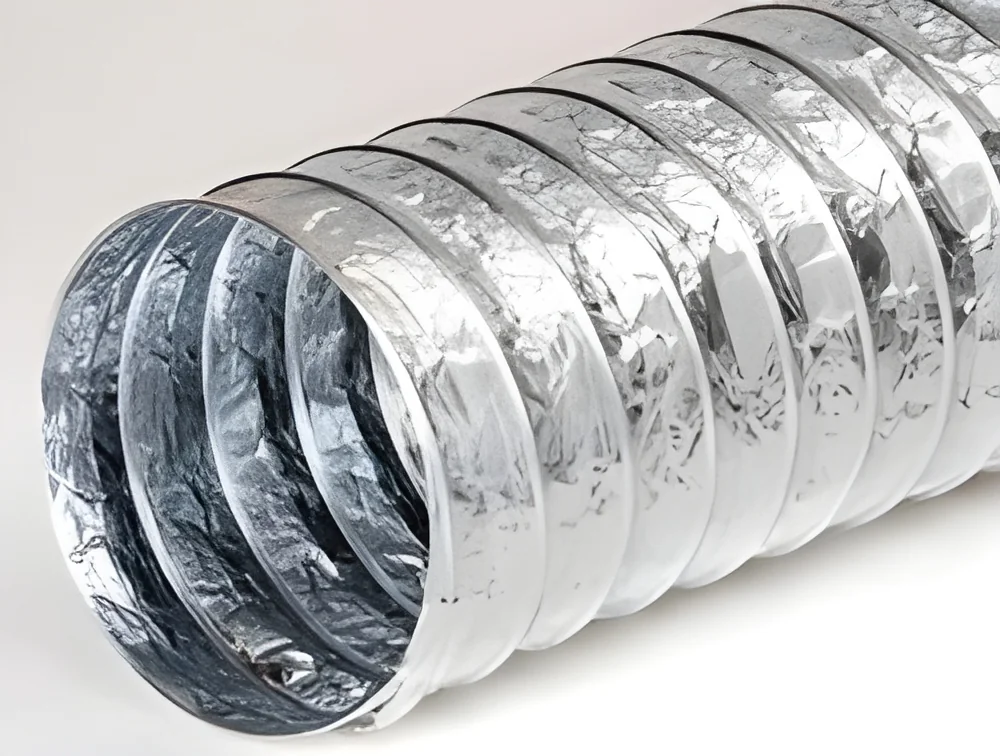
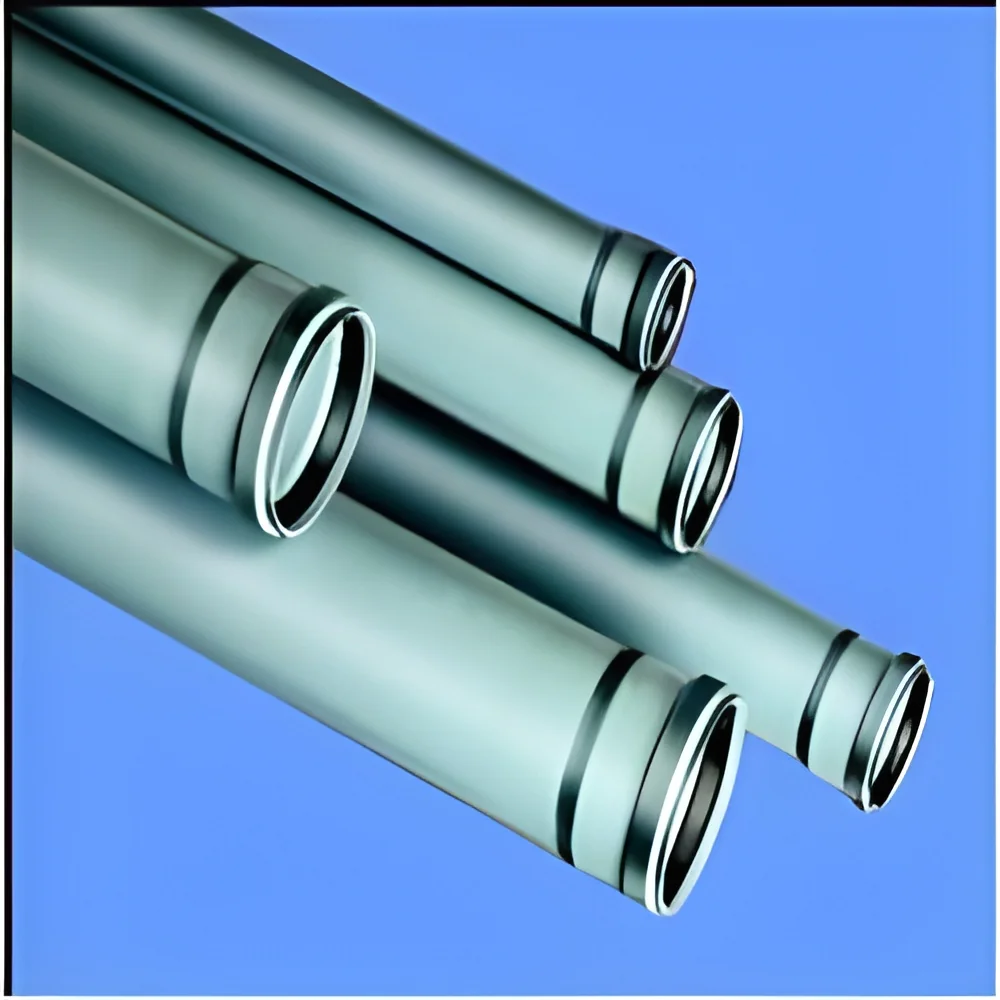
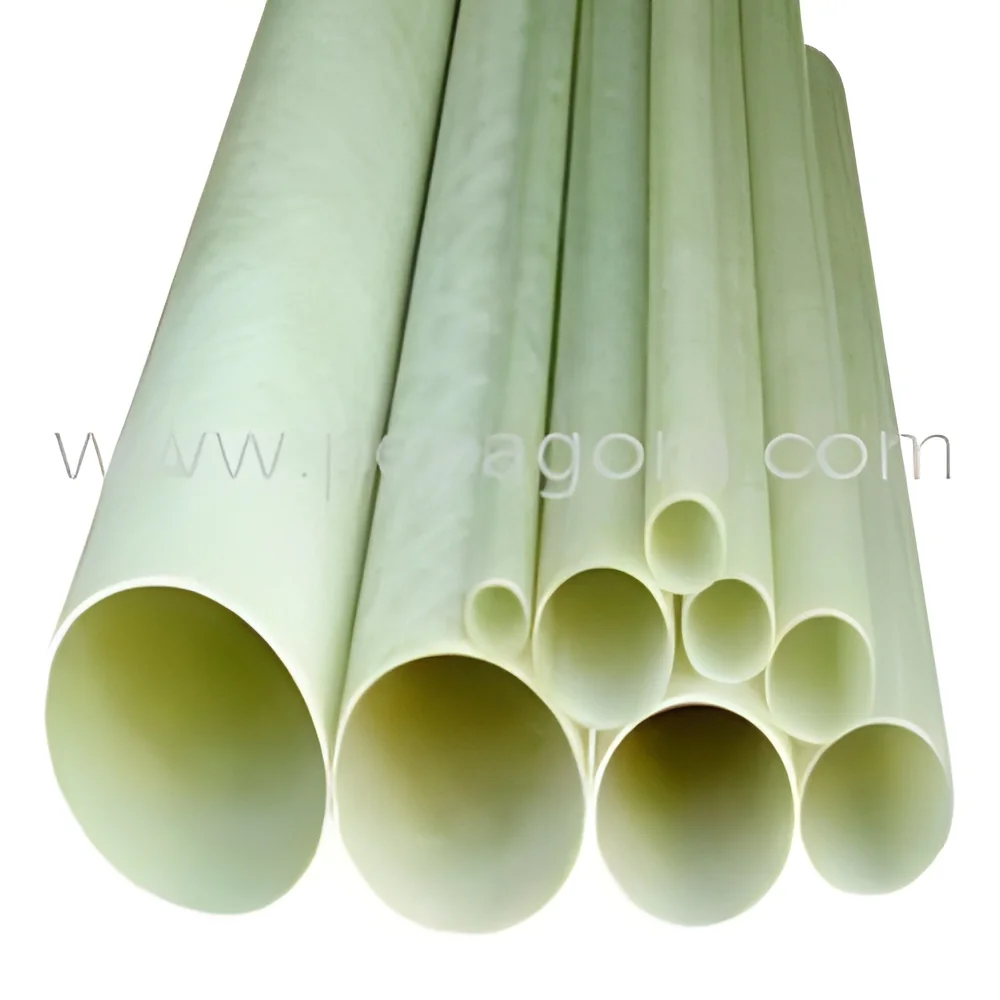
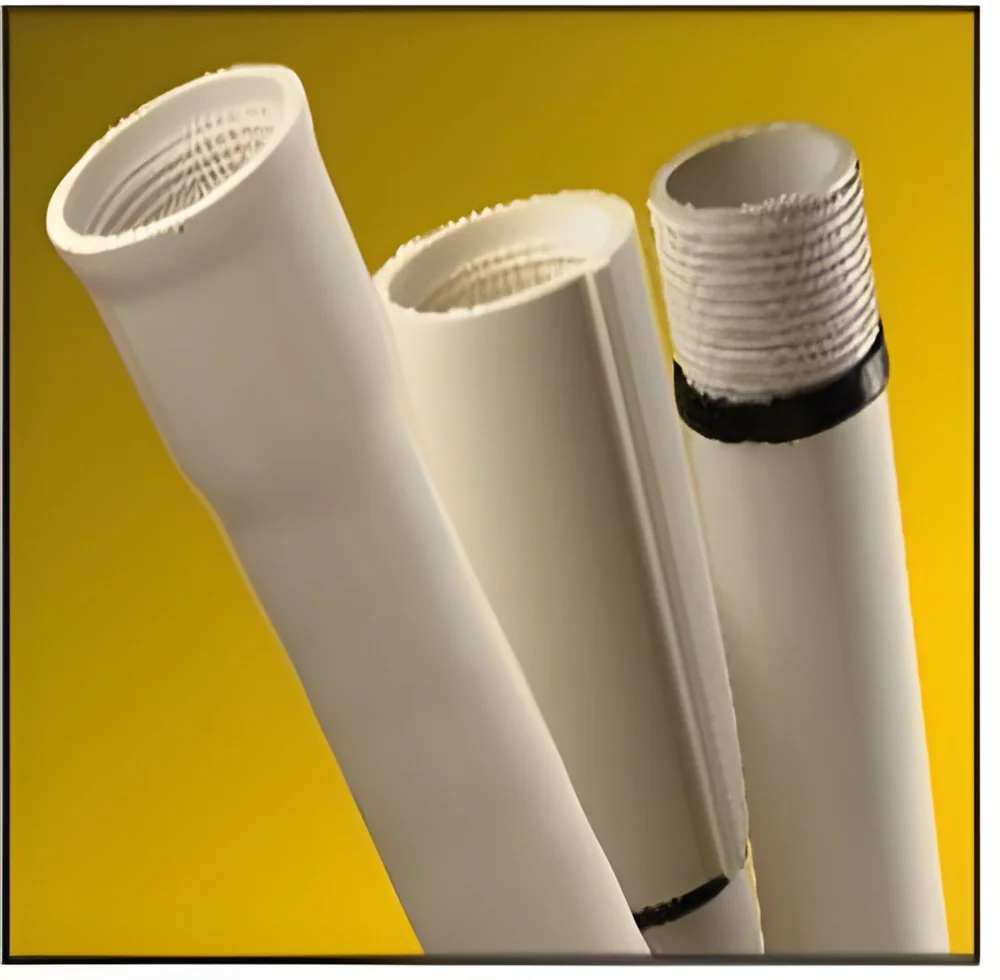
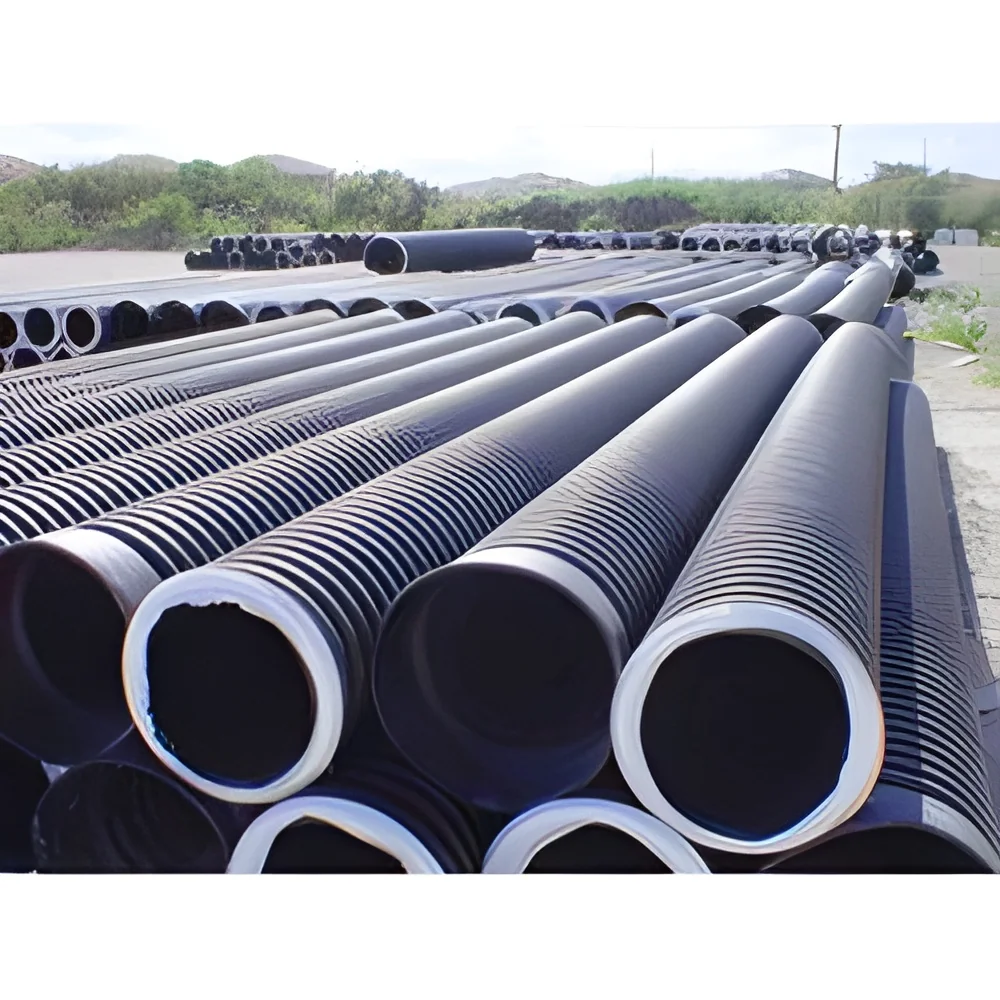
PEX (cross-linked polyethylene) and composite pipes are modern piping solutions engineered for a variety of fluid transport applications. PEX pipes are flexible and lightweight, making them easy to install and resistant to scale and chlorine. Composite pipes combine the advantages of different materials, often featuring a layer of plastic reinforced with aluminum, which enhances strength and durability. These pipes are designed to withstand high pressure and temperature variations, making them suitable for both residential and industrial settings.
The primary uses of PEX and composite pipes include plumbing, heating systems, and various industrial applications. They are particularly favored in areas where traditional piping materials may fail due to corrosion or temperature fluctuations. Industries such as construction, manufacturing, and agriculture utilize these pipes for their reliability and performance. The increasing demand for efficient plumbing solutions has contributed to the growth of the PEX and composite pipe market, making them a vital component in modern infrastructure development.
In the current market context, PEX and composite pipes are gaining traction due to their efficiency and longevity. As industries move towards sustainable practices, these pipes offer solutions that reduce maintenance costs and improve overall system performance. The growing focus on green building and energy-efficient plumbing solutions further underscores the importance of these innovative piping systems in today's industrial landscape.
Key Features and Specifications
PEX and composite pipes come with an array of features that enhance their usability and performance. They are designed to meet the demands of various applications while ensuring compliance with industry standards.
Key specifications include:
1. Material Composition
- PEX pipes are made from cross-linked polyethylene.
- Composite pipes typically consist of layers of plastic and aluminum.
2. Pressure Rating
- PEX pipes can handle pressures up to 160 psi.
- Composite pipes are rated for pressures of up to 200 psi.
3. Temperature Resistance
- PEX pipes can operate effectively within a temperature range of -40°F to 200°F.
- Composite pipes can withstand temperatures from -40°F to 180°F.
4. Flexibility
- PEX pipes are highly flexible and can bend easily for installation.
- Composite pipes offer a balance of flexibility and rigidity.
5. Corrosion Resistance
- Both PEX and composite pipes resist corrosion from various chemicals and minerals.
6. Installation Ease
- PEX pipes often require fewer fittings, simplifying the installation process.
- Composite pipes can be installed using standard tools and techniques.
7. Lifespan
- PEX pipes typically last for over 50 years.
- Composite pipes can also provide a similar lifespan under proper conditions.
8. Certifications
- Both pipe types are generally compliant with CE standards.
In summary, PEX and composite pipes are engineered with a variety of specifications that make them suitable for a wide range of applications, providing durability, flexibility, and ease of installation.
Common Applications and Use Cases
PEX and composite pipes are utilized in a diverse range of industries due to their versatile nature.
1. Plumbing: PEX pipes are commonly used in residential and commercial plumbing systems, providing reliable water supply and drainage solutions.
2. Heating Systems: Both types of pipes are used in radiant heating applications, efficiently distributing warmth in residential and commercial buildings.
3. Agriculture: Composite pipes are often employed for irrigation systems, offering durability and resistance to environmental factors.
4. Industrial Manufacturing: PEX and composite pipes are used in various manufacturing processes where fluid transport is essential.
5. HVAC Systems: These pipes are integral in heating, ventilation, and air conditioning systems, ensuring optimal performance.
6. Food and Beverage: PEX pipes can be utilized in food processing and beverage applications due to their non-toxic properties.
7. Automotive: Composite pipes are used in automotive applications for fluid transport, providing strength and resistance to extreme conditions.
Product Variants and Subcategories
PEX and composite pipes come in various configurations to meet specific application needs.
PEX Pipe
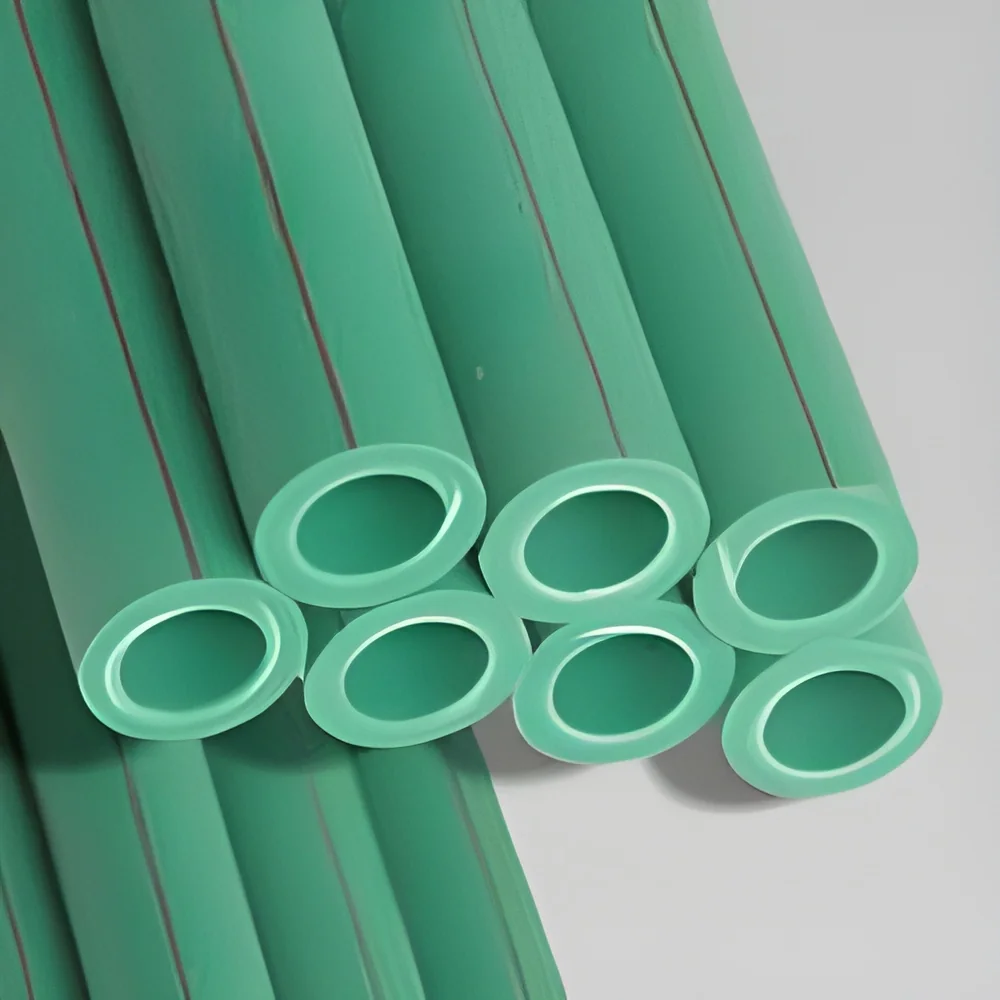
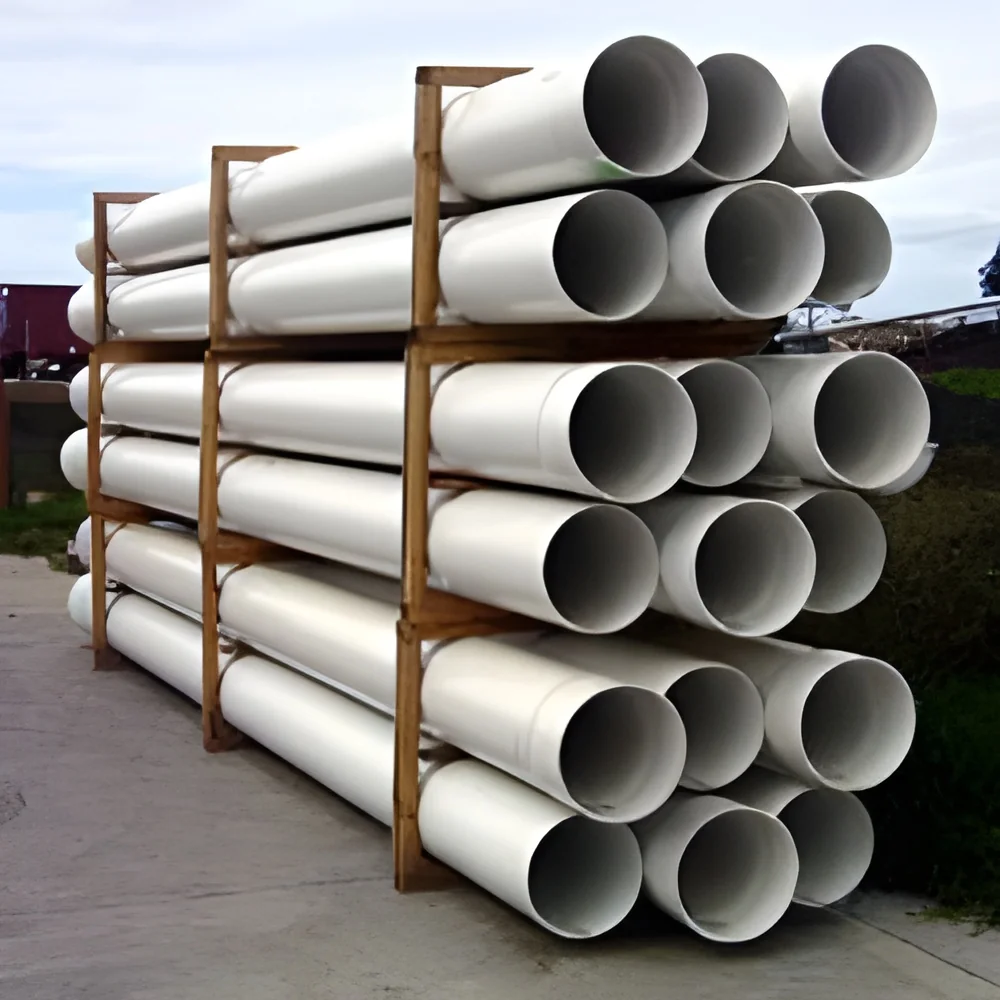
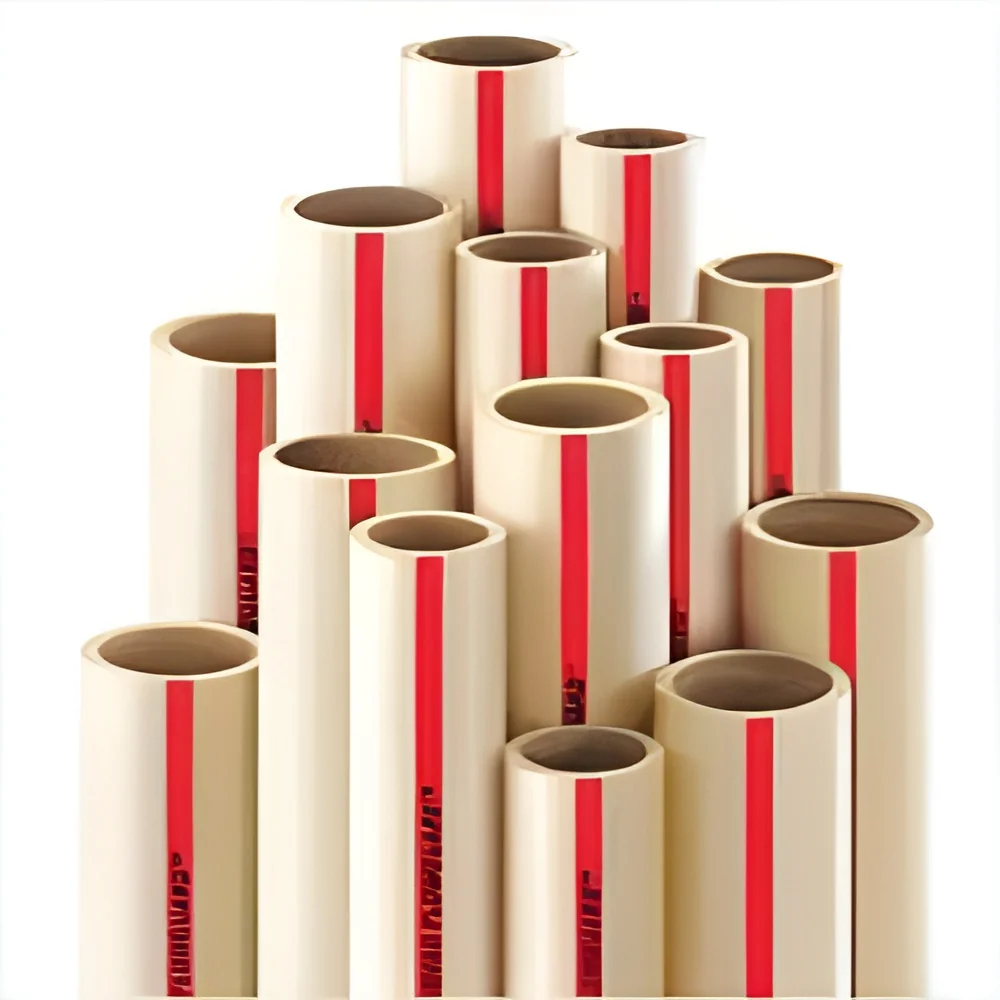
Standard PEX pipes are available in different sizes and colors, making them suitable for residential plumbing and heating systems. Their flexibility allows for easy installation in complex layouts.
Composite Pipe
Composite pipes feature a unique construction that combines plastic and aluminum, providing enhanced strength and durability. They are ideal for high-pressure applications and environments where temperature variations are a concern.
Benefits and Advantages
PEX and composite pipes offer numerous advantages that make them highly sought after in various applications.
Key benefits include:
1. Durability: Both types of pipes are designed to withstand harsh conditions, ensuring long-lasting performance.
2. Flexibility: PEX pipes can navigate around obstacles easily, reducing the need for connectors and improving installation efficiency.
3. Corrosion Resistance: The materials used in these pipes resist corrosion, which prolongs their lifespan and reduces maintenance costs.
4. Lightweight: PEX and composite pipes are lighter than traditional metal pipes, making transportation and installation easier.
5. Reduced Noise: PEX pipes have sound-dampening properties that minimize water hammer and noise in plumbing systems.
6. Energy Efficiency: By maintaining consistent temperatures, these pipes contribute to energy savings in heating applications.
Buying Guide for B2B Buyers
When sourcing PEX and composite pipes for business needs, several factors should be considered to ensure a successful procurement process.
1. Quality Assessment: Evaluate the quality of pipes by checking for certifications and testing standards. Ensure that the pipes meet industry specifications for durability and safety.
2. Supplier Verification: Vet suppliers thoroughly by reviewing their reputation, customer feedback, and compliance with industry regulations. A reliable supplier is crucial for consistent quality.
3. Pricing and MOQ: Compare pricing from multiple suppliers, and be aware of minimum order quantities to ensure that your purchase aligns with your budget and project requirements.
4. Delivery and Lead Times: Discuss logistics with suppliers to understand delivery times and any potential delays. Timely delivery is essential for project completion.
5. Compliance Requirements: Familiarize yourself with the regulatory standards applicable to your industry, ensuring that the pipes you procure meet all necessary compliance requirements.
Compliance and Certifications
PEX and composite pipes must adhere to various quality standards and certifications to ensure safety and reliability.
Relevant quality standards include ISO 9001, which focuses on maintaining quality management systems, and others specific to plumbing and construction. Industry certifications, such as CE, indicate that the products meet European safety and performance standards.
Safety and testing requirements are essential to guarantee that the pipes can handle the pressures and temperatures for which they are intended. It is important to ensure that all products are rigorously tested for performance and safety.
Additionally, regional compliance considerations may vary, so it is crucial to understand local regulations and standards that apply to the installation and use of PEX and composite pipes in specific markets.
Why Source PEX & Composite Pipes from Pepagora?
Pepagora offers a trusted platform for sourcing PEX and composite pipes, providing several key advantages to B2B buyers.
Verified Supplier Network: Pepagora connects buyers with a network of verified suppliers who meet stringent quality and compliance standards. This network ensures that buyers have access to reliable products and services.
Streamlined RFQ Process: The platform features a streamlined request for quotation (RFQ) process, allowing buyers to easily obtain quotes from multiple suppliers. This efficiency saves time and helps in making informed purchasing decisions.
Trade Assurance and Support: Pepagora provides trade assurance, offering protection for buyers throughout the procurement process. This includes support for any issues that may arise, ensuring peace of mind when sourcing products.
Regional Coverage: With a strong presence in India, the GCC, and Southeast Asia, Pepagora's platform facilitates access to a wide geographic market. This coverage allows buyers to find suppliers that cater to their specific regional needs.
By choosing Pepagora for sourcing PEX and composite pipes, businesses can benefit from a reliable, efficient, and supportive purchasing experience.


Frequently Asked Questions
What are PEX & Composite Pipes?
PEX (cross-linked polyethylene) pipes are flexible plastic pipes used in plumbing and heating systems. Composite pipes combine layers of PEX and aluminum to offer durability and resistance to pressure and temperature variations.
What are the different types of PEX & Composite Pipes?
There are primarily three types of PEX pipes: PEX-A, PEX-B, and PEX-C, differentiated by their manufacturing processes. Composite pipes are categorized based on the ratio of their PEX and aluminum layers, which affects their flexibility and pressure handling capabilities.
How do I choose the right PEX & Composite Pipes?
Selecting the right PEX or composite pipe depends on your specific application, such as plumbing, heating, or industrial use. Consider factors like pipe diameter, pressure ratings, temperature resistance, and compatibility with fittings.
What are the standard specifications for PEX & Composite Pipes?
PEX and composite pipes are typically manufactured according to standards such as ASTM F876 and ASTM F877 in the United States. Key specifications include size, pressure rating, temperature range, and chemical resistance.
What is the price range for PEX & Composite Pipes?
The price of PEX and composite pipes can vary significantly based on type, diameter, and supplier. Generally, prices may range from INR 50 to INR 200 per meter, but it's advisable to check with specific suppliers for accurate pricing.
What quality standards apply to PEX & Composite Pipes?
Quality standards for PEX and composite pipes include compliance with national and international specifications like ISO and ASTM. Pipes should be tested for durability, pressure resistance, and chemical compatibility to ensure safety and performance.
Where can I find PEX & Composite Pipes suppliers in India?
You can find PEX and composite pipe suppliers in India through online B2B marketplaces like Pepagora.com, trade shows, and industry-specific directories. It is advisable to verify the supplier's credentials and product quality before making a purchase.
Can PEX & Composite Pipes be customized?
Yes, PEX and composite pipes can often be customized in terms of length, diameter, and specific material requirements based on the project needs. It is best to discuss your customization needs directly with manufacturers or suppliers.
What is the typical minimum order quantity for PEX & Composite Pipes?
The minimum order quantity (MOQ) for PEX and composite pipes varies by supplier but typically ranges from 100 to 500 meters. Always check with the supplier for their specific MOQ requirements.
What is the typical lead time for PEX & Composite Pipes?
The lead time for PEX and composite pipes can vary based on the supplier and order size, usually ranging from a few days to several weeks. It is important to confirm the lead time when placing an order to ensure timely delivery.
Why Businesses Trust Pepagora
Thousands of companies trust Pepagora to source smarter and sell faster
Expand Your Sales Globally

Source Smarter,Grow Faster
