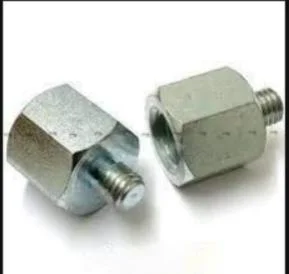
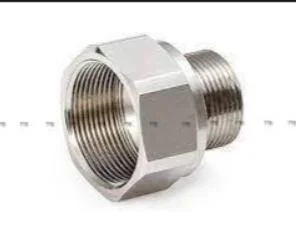
What are Threaded Fittings?
Threaded fittings are mechanical components used to connect pipes, tubes, or hoses in various industrial applications. They feature internal or external threads that allow for a secure and leak-proof connection. These fittings can be made from a variety of materials, including metals like stainless steel and brass, as well as plastics. Their design enables easy assembly and disassembly, which is essential for maintenance and repair operations.
These fittings are primarily used in plumbing, heating, and fluid transfer systems. They are crucial in ensuring the efficient flow of liquids and gases while maintaining system integrity. Threaded fittings are also prevalent in applications such as oil and gas, chemical processing, and construction. Their versatility makes them a staple in many industries, where reliability and performance are paramount.
In a competitive market, the demand for high-quality threaded fittings continues to grow as industries seek to optimize their operations. The rise in infrastructure projects and the expansion of manufacturing capabilities further drive the need for reliable connections in piping systems. As such, threaded fittings play a significant role in maintaining the seamless operation of various industrial processes.
Key Features and Specifications
Threaded fittings are characterized by several key features that enhance their functionality and versatility. Understanding these specifications is essential for selecting the right fittings for specific applications.
Key specifications include:
1. Material Composition
- Common materials include stainless steel, carbon steel, brass, and PVC.
- Each material offers specific benefits such as corrosion resistance or lightweight properties.
2. Thread Standards
- Threads can be classified as NPT (National Pipe Thread), BSP (British Standard Pipe), or metric.
- Standards ensure compatibility across different systems and applications.
3. Pressure Rating
- Threaded fittings are rated for various pressure levels, typically ranging from 150 psi to 3000 psi.
- Higher ratings are suitable for high-pressure applications.
4. Temperature Range
- Suitable for a range of temperatures, data not available for specific values.
- Must be chosen based on the application environment.
5. Size Variations
- Available in various diameters, commonly ranging from 1/8 inch to 4 inches.
- Size determines the flow capacity and compatibility with pipes.
6. Finish Options
- Available in different finishes such as galvanized, polished, or coated.
- Finishes can enhance corrosion resistance and aesthetic appeal.
7. Compliance Certifications
- Many fittings comply with industry standards and regulations, such as CE certification.
- Compliance ensures reliable performance in critical applications.
8. Application Suitability
- Designed for use in various industries, including water supply, oil and gas, and HVAC systems.
- The choice of fitting depends on specific application requirements.
In summary, understanding the key features and specifications of threaded fittings is essential for making informed purchasing decisions. The right choice ensures optimal performance and reliability in diverse applications.
Common Applications and Use Cases
Threaded fittings find extensive use across multiple industries due to their adaptability and reliability.
1. Plumbing: Threaded fittings are commonly used to connect pipes in residential and commercial plumbing systems, ensuring a watertight seal for efficient water flow.
2. Oil and Gas: In the oil and gas industry, these fittings are vital for connecting pipelines and equipment, allowing for the safe transportation of crude oil and natural gas.
3. Chemical Processing: Threaded fittings made from corrosion-resistant materials are crucial in chemical plants, where they facilitate the transfer of various chemicals under high-pressure conditions.
4. HVAC: In heating, ventilation, and air conditioning systems, threaded fittings connect ductwork and piping, ensuring efficient airflow and temperature control.
5. Food and Beverage: These fittings are used in food processing systems, where hygiene and safety are critical, ensuring the secure transport of liquids and gases.
6. Automotive: In automotive manufacturing, threaded fittings connect fuel and coolant lines, playing a critical role in engine performance and safety.
7. Construction: Threaded fittings are essential in construction applications for connecting various piping systems, enabling effective water management and utility services.
Product Variants and Subcategories
Threaded fittings come in various forms, each designed to meet specific needs within different applications.
Elbow Fittings
Elbow fittings are designed to change the direction of a piping system, available in 45-degree and 90-degree angles. They are essential for creating bends in piping layouts without compromising flow.
Tee Fittings
Tee fittings allow for the branching of a pipeline into two directions. They are crucial for systems requiring a split flow, commonly used in plumbing and industrial applications.
Couplings
Couplings join two lengths of pipe or tubing, providing a seamless connection. They are available in various sizes and materials, making them versatile for different applications.
Adapters
Adapters facilitate the connection of pipes with different thread types or sizes. They are essential for compatibility in mixed systems, ensuring proper fittings across varying components.
Benefits and Advantages
Threaded fittings offer numerous advantages that make them a preferred choice in many industries.
Key benefits include:
1. Easy Installation: Threaded fittings are simple to install, allowing for quick assembly and disassembly, which saves time during construction or maintenance.
2. Versatility: They are available in various sizes, materials, and configurations, making them suitable for a broad range of applications across industries.
3. Leak Prevention: Properly threaded connections provide a secure seal that minimizes the risk of leaks, essential for maintaining system integrity and safety.
4. Cost-Effectiveness: Their durability and ease of use contribute to lower long-term costs by reducing maintenance and replacement needs.
5. Strong Performance: Threaded fittings can withstand high pressures and temperatures, making them reliable for demanding applications.
6. Compliance with Standards: Many threaded fittings meet industry standards and certifications, ensuring they are suitable for critical applications.
Buying Guide for B2B Buyers
When sourcing threaded fittings, several factors should be considered to ensure the right choice is made for your specific needs.
1. Quality Assessment: Look for fittings made from high-quality materials that meet industry standards. Conduct inspections and request certifications to verify the quality of the products.
2. Supplier Verification: Vet potential suppliers by checking their reputation, customer reviews, and their ability to meet delivery timelines. A reliable supplier is crucial for maintaining production schedules.
3. Pricing and MOQ: Understand the pricing structure and minimum order quantities (MOQ) required by suppliers. Consider bulk purchasing options for cost savings.
4. Delivery and Lead Times: Evaluate the supplier's logistics capabilities to ensure timely delivery of fittings, especially if you have tight project deadlines.
5. Compliance Requirements: Ensure that the fittings comply with relevant regulations and certifications for your industry. This is vital for maintaining safety and operational standards.
Compliance and Certifications
Threaded fittings must adhere to various compliance standards and certifications to ensure safety and reliability in their applications.
ISO 9001 is a widely recognized quality management standard that ensures manufacturers maintain consistent quality in their production processes. Compliance with this standard indicates that the manufacturer has established effective quality control measures.
CE marking is essential for products sold in the European market, signifying that the fittings meet safety and environmental requirements. This certification assures buyers of the product's compliance with EU directives.
Safety and testing requirements for threaded fittings include pressure and leak testing to ensure they can withstand operational conditions without failure. Manufacturers often conduct rigorous testing to guarantee reliability.
Regional compliance considerations may vary based on local regulations. Buyers should be aware of specific standards applicable in their region to ensure that the threaded fittings they procure are compliant.
Why Source Threaded Fittings from Pepagora?
Pepagora provides a trusted platform for sourcing threaded fittings with several key advantages.
Verified Supplier Network: Pepagora has a robust network of verified suppliers, ensuring that buyers have access to high-quality products. Each supplier undergoes thorough checks to guarantee reliability.
Streamlined RFQ Process: The request for quotation (RFQ) process at Pepagora is designed to be efficient, allowing buyers to quickly compare offers from multiple suppliers. This facilitates informed decision-making.
Trade Assurance and Support: Pepagora offers trade assurance, which protects buyers against risks associated with transactions. This support builds confidence in the purchasing process.
Regional Coverage: With a presence in India, the GCC, and Southeast Asia, Pepagora provides extensive regional coverage, making it easy for businesses to find the right threaded fittings for their specific market needs.

 IN
IN