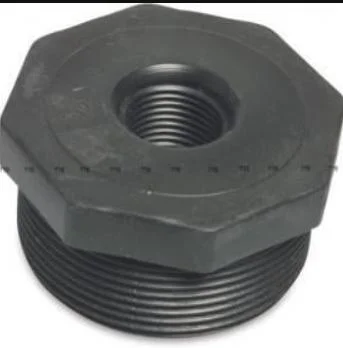
Key Features and Specifications
PPR pipes come with a range of features and specifications that cater to various industrial needs. Their design and material properties ensure longevity and effectiveness in different applications.
Key specifications include:
1. Material Composition
- Made from polypropylene random copolymer
- Offers high resistance to chemicals and corrosion
2. Pressure Rating
- Available in various pressure ratings (PN10, PN16, PN20)
- Suitable for different operational conditions
3. Temperature Resistance
- Capable of handling temperatures up to 95 degrees Celsius
- Maintains performance under high thermal conditions
4. Diameter Range
- Commonly available in diameters ranging from 20 mm to 160 mm
- Allows for flexibility in installation based on project requirements
5. Jointing Methods
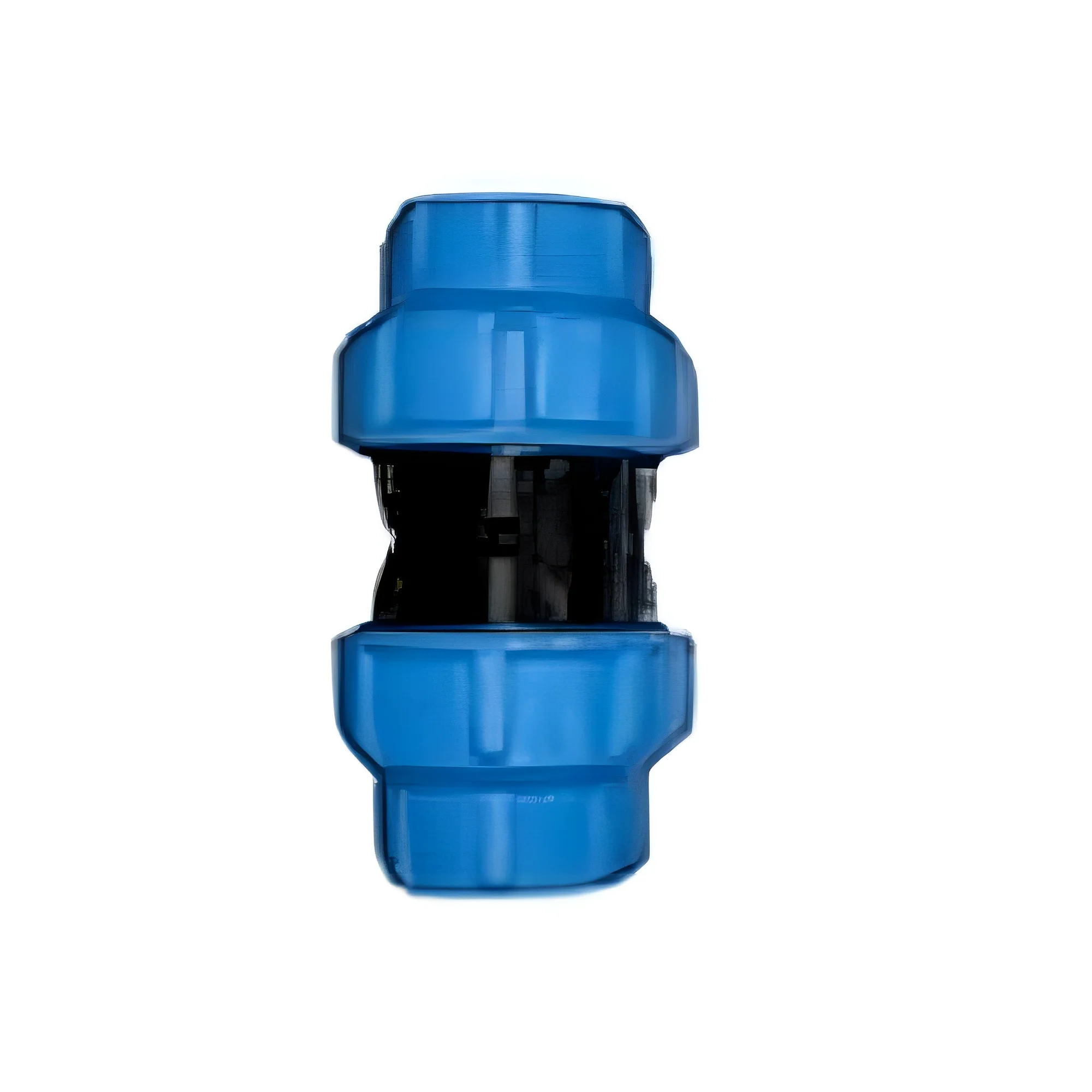
- Can be joined using thermal fusion or mechanical fittings
- Ensures leak-proof connections
6. Lifespan
- Designed for a lifespan of over 50 years under proper conditions
- Reduces maintenance costs over time
7. Lightweight Design
- Significantly lighter than traditional metal pipes
- Eases transportation and installation processes
8. Environmental Compliance
- Recyclable and free from harmful substances
- Contributes to sustainable building practices
In summary, PPR pipes are engineered to meet rigorous standards, providing reliable performance across various applications.
Common Applications and Use Cases
PPR pipes are versatile and used in numerous industries, making them a valuable asset in fluid transportation systems.
1. Plumbing: PPR pipes are commonly used in residential and commercial plumbing systems for both hot and cold water supply due to their non-corrosive nature.
2. Heating: In floor heating systems, PPR pipes are favored for their ability to withstand high temperatures and provide efficient heat distribution.
3. Agriculture: These pipes are utilized in irrigation systems, providing a durable solution for transporting water to crops without degradation.
4. Industrial Processes: PPR pipes are employed in various manufacturing processes for the transport of chemicals and other fluids, thanks to their chemical resistance.
5. Food and Beverage: In food processing facilities, PPR pipes meet hygiene standards while ensuring the safe transport of liquids.
6. HVAC Systems: They are integral in heating, ventilation, and air conditioning systems, offering effective fluid management.
7. Renewable Energy: PPR pipes are used in solar water heater systems, participating in energy-efficient projects.
Product Variants and Subcategories
PPR pipes are available in a range of variants to meet specific application needs.
Standard PPR Pipes
These pipes are designed for general applications where standard pressure and temperature ratings are sufficient. They are versatile and easy to install.
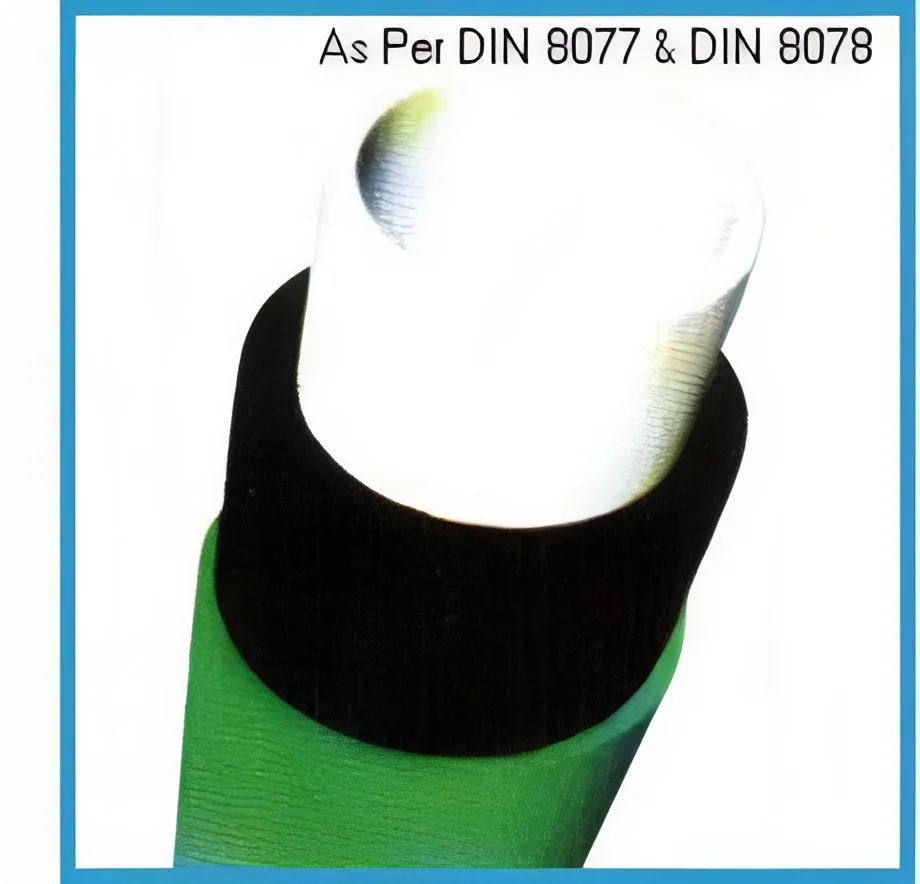
PPR Fiber-Enhanced Pipes
These pipes incorporate a fiber layer that provides additional strength and thermal performance. They are ideal for high-temperature and high-pressure applications.
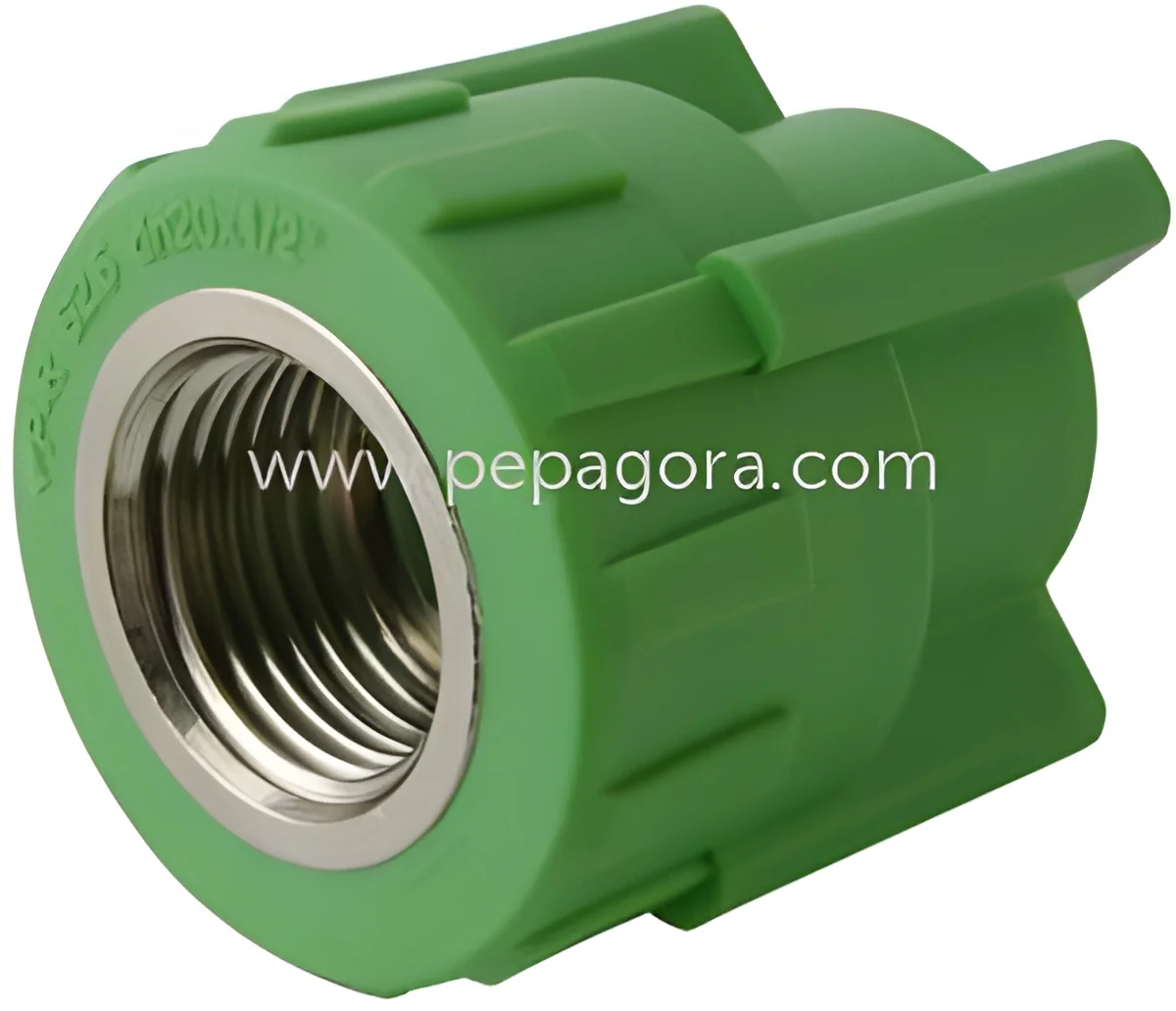
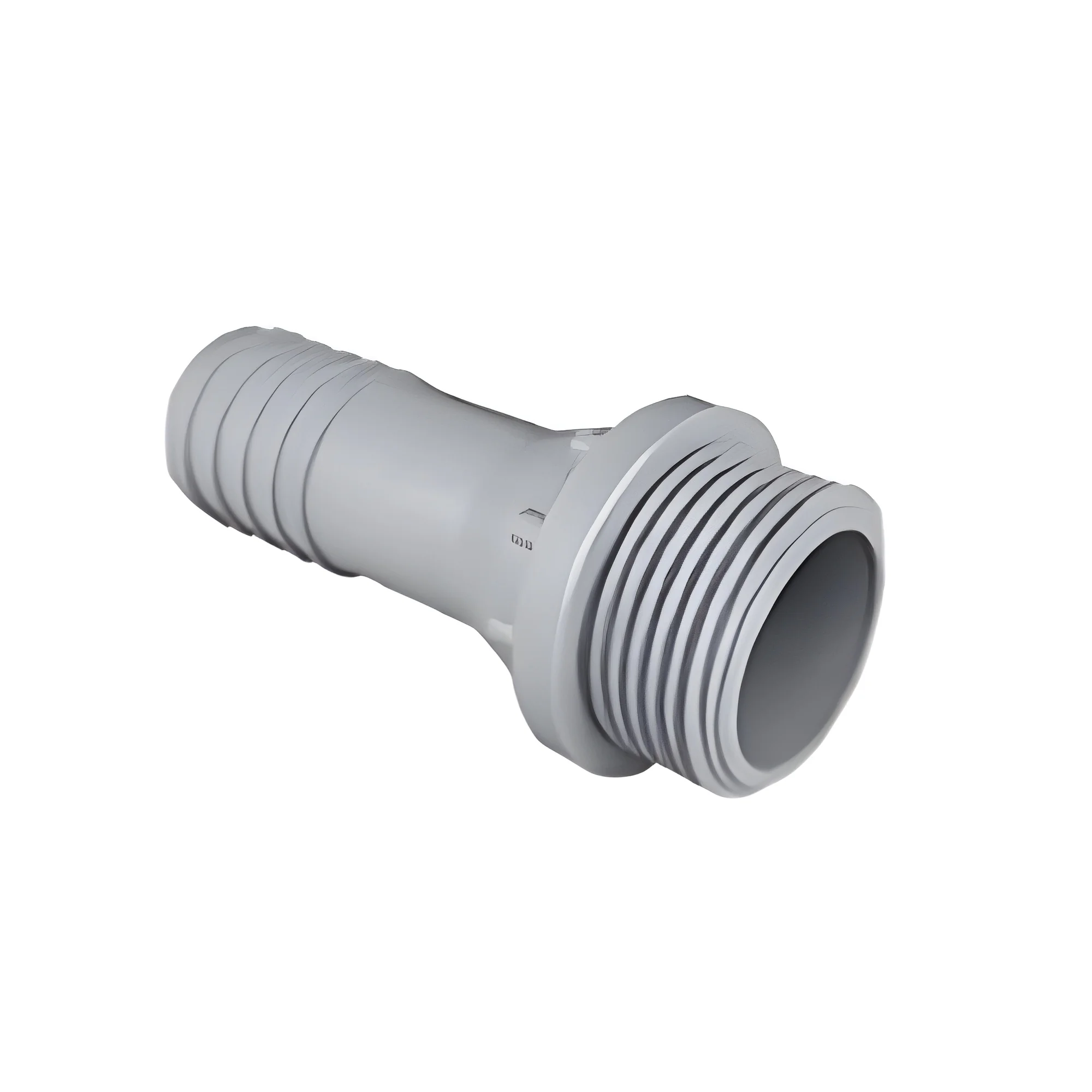
PPR Fittings
PPR fittings complement the pipes, allowing for seamless connections and transitions in plumbing systems. They are available in various shapes and sizes to accommodate different configurations.
Benefits and Advantages
PPR pipes offer a multitude of benefits that enhance their appeal for industrial applications.
Key benefits include:
1. Corrosion Resistance: PPR pipes do not rust or corrode, ensuring a long lifespan and reduced maintenance needs.
2. Cost Efficiency: Their durability leads to lower replacement costs and minimal maintenance, providing value over time.
3. Easy Installation: Lightweight and available in various sizes, PPR pipes are easy to transport and install, saving time and labor costs.
4. Energy Efficiency: Their thermal insulation properties help maintain temperature, leading to energy savings in heating and cooling applications.
5. Non-Toxic Properties: PPR pipes are safe for drinking water applications, as they do not leach harmful chemicals.
6. Environmentally Friendly: They are recyclable, contributing to sustainable practices in construction and manufacturing.
Buying Guide for B2B Buyers
When sourcing PPR Pipes (Polypropylene), it is essential to consider several key factors to ensure a successful procurement process.
1. Quality Assessment: Evaluate the quality of pipes based on material composition and performance standards. Look for suppliers that provide certifications and test results.
2. Supplier Verification: Vet potential suppliers to ensure their credibility and reliability. Check for customer reviews and industry reputation.
3. Pricing and MOQ: Understand the pricing structure and minimum order quantities. Compare prices from multiple suppliers to find the best deal.
4. Delivery and Lead Times: Discuss logistics with suppliers to determine delivery schedules and lead times. Ensure they can meet your project timelines.
5. Compliance Requirements: Confirm that the pipes meet relevant industry standards and regulations. This ensures safety and reliability in your applications.
Compliance and Certifications
PPR pipes are subject to various quality standards and certifications that ensure their safety and performance in industrial applications.
ISO 9001 is a key standard that governs quality management systems. Manufacturers of PPR pipes often adhere to this standard to ensure consistent quality in their products.
Additionally, CE certification indicates compliance with European safety and environmental requirements. This certification reassures buyers that the pipes meet necessary regulatory standards.
Safety and testing requirements are crucial in assessing the performance of PPR pipes. Regular testing for pressure, temperature, and chemical resistance ensures product reliability.
Regional compliance considerations may vary, and buyers should be aware of specific regulations that apply in their geographic location. This ensures that the sourced products are suitable for local applications.
Why Source PPR Pipes (Polypropylene) from Pepagora?
Pepagora offers a trusted platform for sourcing PPR Pipes (Polypropylene), providing several key advantages to B2B buyers.
Verified Supplier Network: Pepagora ensures that all suppliers in its network are thoroughly vetted. This process guarantees that buyers are connected with reliable manufacturers who adhere to quality standards.
Streamlined RFQ Process: The platform features a simplified request for quotation (RFQ) system that allows buyers to easily request and compare quotes from multiple suppliers. This saves time and streamlines the procurement process.
Trade Assurance and Support: Pepagora offers trade assurance, protecting buyers against potential risks. Their support team is available to assist with any inquiries or issues that may arise during the sourcing process.
Regional Coverage: With a strong presence in India, the Gulf Cooperation Council (GCC), and Southeast Asia, Pepagora is well-positioned to serve a wide range of markets. This geographic reach ensures that buyers can find the products they need, no matter their location.

 IN
IN