IN
IN₹
Apparel & Fashion
Description
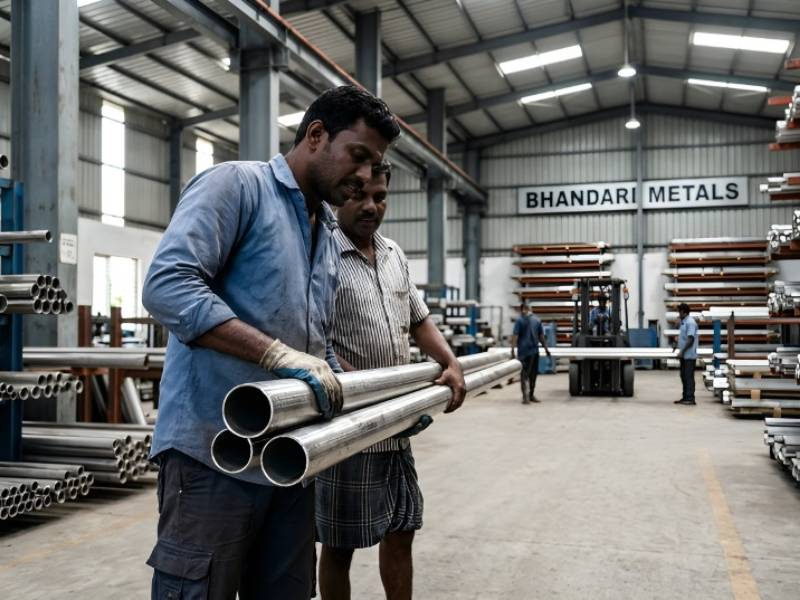
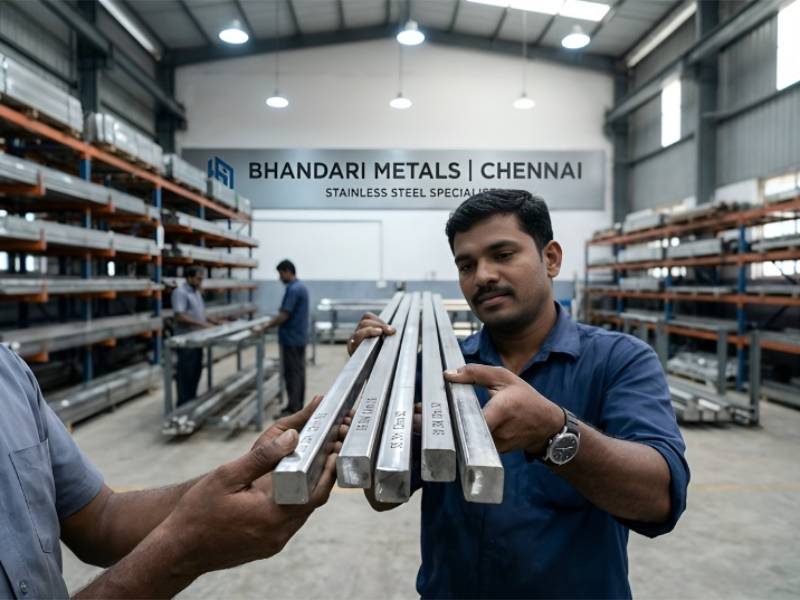
The 316L Stainless Steel Rod is specifically engineered for pharmaceutical equipment and systems, where purity and durability are paramount. Its low carbon content, less than 0.03%, significantly reduces the risk of intergranular corrosion during welding or high-temperature exposure, ensuring long-term structural integrity. This grade offers exceptional resistance to a wide range of corrosive media, including chlorides, acids, and alkalis, making it ideal for environments that require frequent cleaning with aggressive agents. The rod's smooth surface finish facilitates easy sanitation and prevents bacterial growth, meeting stringent hygiene standards in pharmaceutical and biotech facilities. Customization in size and length is available to fit specific equipment designs, providing flexibility for manufacturers.

Industries such as pharmaceuticals, food processing, biotechnology, chemical engineering, and medical device manufacturing rely on this rod for critical components. In pharmace...
The 316L Stainless Steel Rod is specifically engineered for pharmaceutical equipment and systems, where purity and durability are paramount. Its low carbon content, less than 0.03%, significantly reduces the risk of intergranular corrosion during welding or high-temperature exposure, ensuring long-term structural integrity. This grade offers exceptional resistance to a wide range of corrosive media, including chlorides, acids, and alkalis, making it ideal for environments that require frequent cleaning with aggressive agents. The rod's smooth surface finish facilitates easy sanitation and prevents bacterial growth, meeting stringent hygiene standards in pharmaceutical and biotech facilities. Customization in size and length is available to fit specific equipment designs, providing flexibility for manufacturers.

Industries such as pharmaceuticals, food processing, biotechnology, chemical engineering, and medical device manufacturing rely on this rod for critical components. In pharmaceutical production, it is used for tanks, piping, valves, and fittings that must withstand sterilization cycles without corrosion. Food processors use it for conveyors, mixers, and storage vessels that contact acidic or salty products. Biotech companies require it for bioreactors and chromatography systems where material purity affects product quality. Chemical plants employ it in reactors and heat exchangers exposed to harsh chemicals. Medical equipment manufacturers choose it for surgical tools and implants due to its biocompatibility and resistance to bodily fluids.

This product delivers long-term value by reducing maintenance costs and downtime associated with corrosion-related failures. Its superior corrosion resistance extends equipment lifespan, lowering total cost of ownership. The material's compliance with international standards like ASTM A276 and ASTM A479 ensures consistent quality and traceability. Reliable supply chains and strict quality control guarantee that each rod meets exact specifications. By choosing this 316L Stainless Steel Rod, businesses invest in dependable performance for their most critical applications.

Key Features:
- Low carbon content (max 0.03%) prevents intergranular corrosion.
- Exceptional corrosion resistance in chloride and acidic environments.
- Smooth surface finish for easy cleaning and hygiene maintenance.
- Available in customizable sizes and lengths to fit specific requirements.
- Complies with ASTM A276 and ASTM A479 standards for quality assurance.

Benefits:
- Ensures long-term durability and reduced maintenance costs.
- Maintains purity in sensitive pharmaceutical and biotech processes.
- Extends equipment lifespan, lowering total cost of ownership.
- Facilitates easy sanitation, meeting strict hygiene regulations.
- Provides reliable performance in demanding industrial applications.
Specifications
| Additional Information | |
|---|---|
| Country of Origin | India |
Application
This 316L Stainless Steel Rod is essential for industries demanding high purity and corrosion resistance. In pharmaceutical manufacturing, it is used to construct sterile equipment and systems that require easy cleaning and durability against harsh sterilization processes. The food processing industry relies on this rod for food-safe machinery components, ensuring hygiene and longevity even with frequent exposure to acidic or alkaline substances. Biotechno
logy applications benefit from its compliance with strict cleanliness standards, making it suitable for bioreactors and processing tanks. Chemical engineering utilizes the rod in equipment exposed to aggressive chemicals, preventing degradation and maintaining structural integrity. The medical industry incorporates it into devices and instruments that must meet rigorous health and safety regulations, providing reliable performance in sensitive environments.
Real-world applications:
- Sterile pharmaceutical equipment construction for aseptic processing.
- Food processing machinery components requiring corrosion resistance.
- Bioreactor and fermentation tank parts in biotechnology.
- Chemical reactor and piping systems in chemical engineering.
- Medical devices and surgical instrument manufacturing.
Trade Details
| Available Stock | In Stock |
| Sample Availability | No |
Payment Terms
| Payment Terms |
|
| Payment Methods |
|
Company Profile

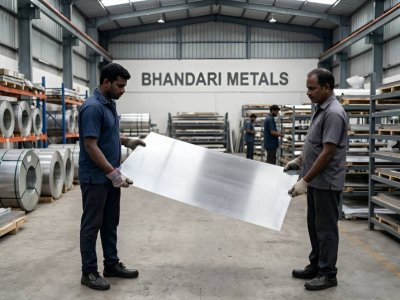
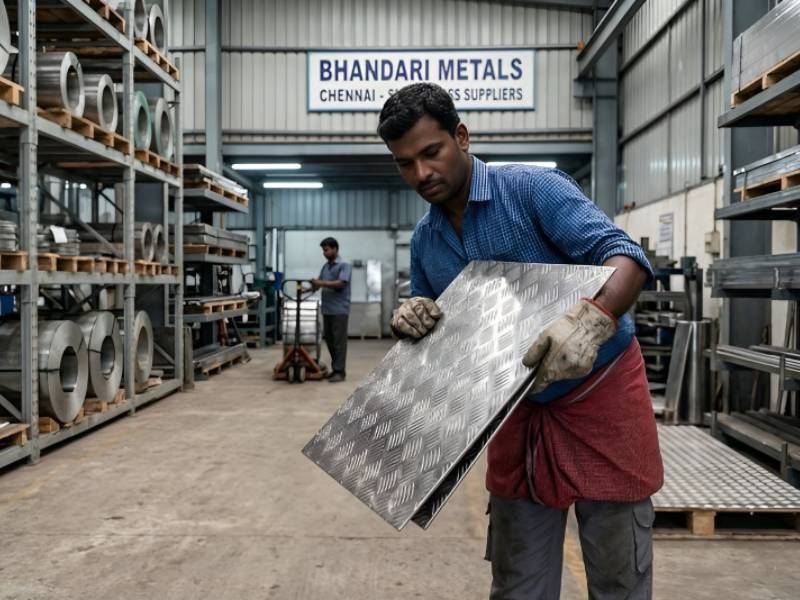
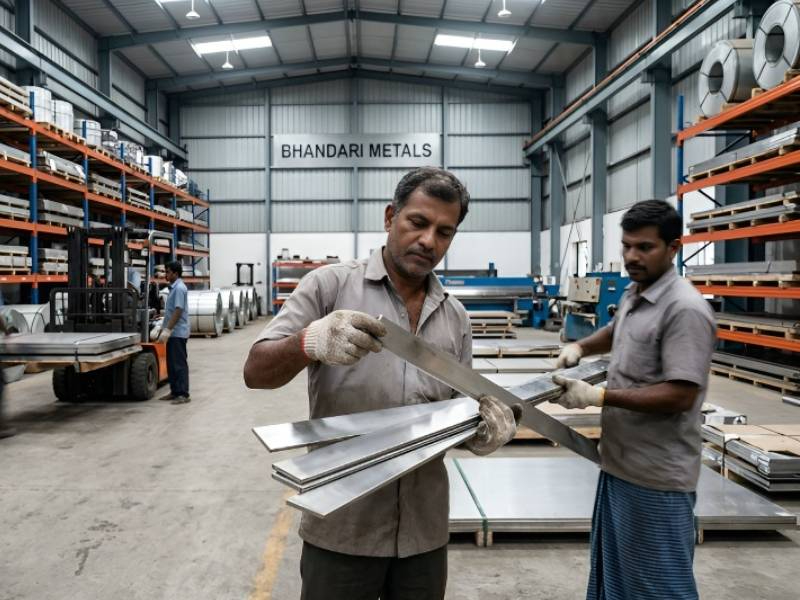
Bhandari Metals, Tamil Nadu
 Tamil Nadu, India
Tamil Nadu, India16 yrs
Distributor / Wholesaler
Turn Over
₹25 Lakhs – ₹1 Crore
Factory Details
Factory SizeBelow 1000 sqm
Contract ManufacturingOEM Service
316L Stainless Steel Rod For Pharmaceutical Equipment And Systems
316L Stainless Steel Rod for pharmaceutical equipment and systems, low carbon content ensures exceptional corrosion resistance and hygiene for critical applications.
Min. Order Quantity: 1 piece
Shipping
Shipping fee and delivery date to be negotiated. Contact supplier now for more details.
Bhandari Metals Tamil Nadu, India
Tamil Nadu, IndiaDistributor / Wholesaler