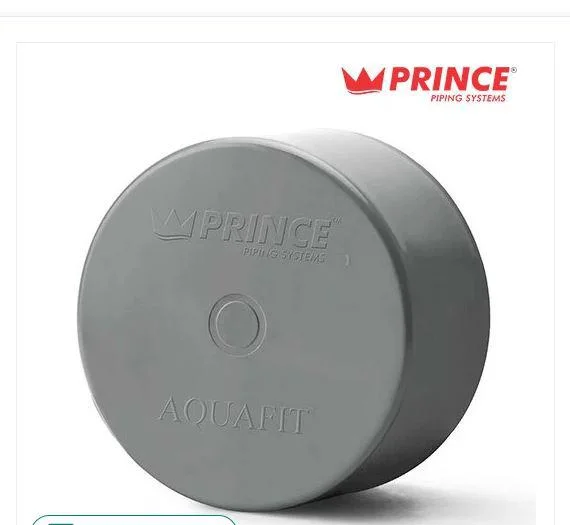
What are uPVC Pipes & Fittings?
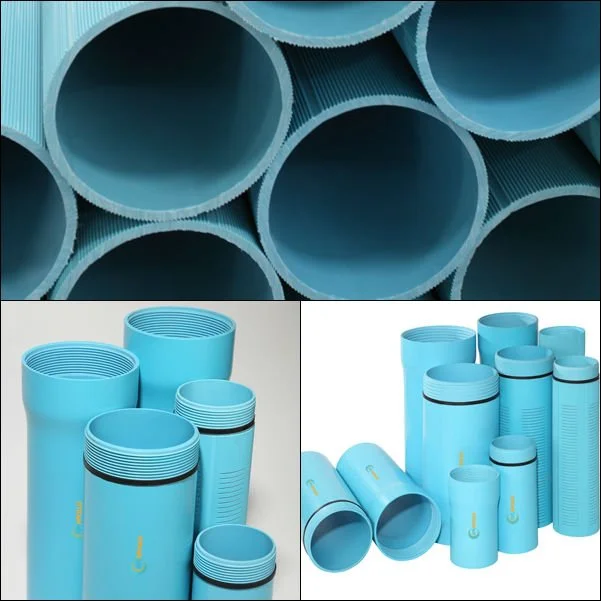
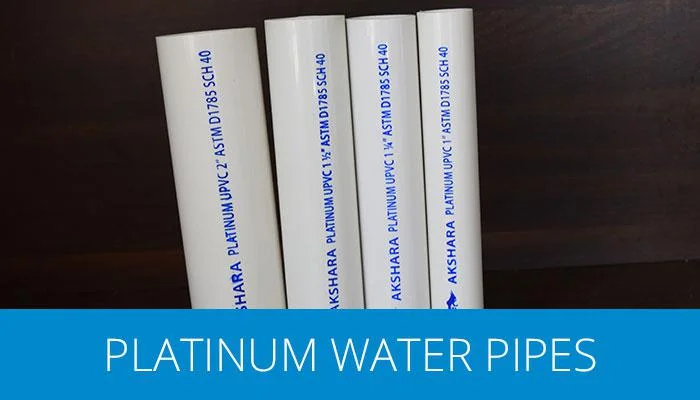
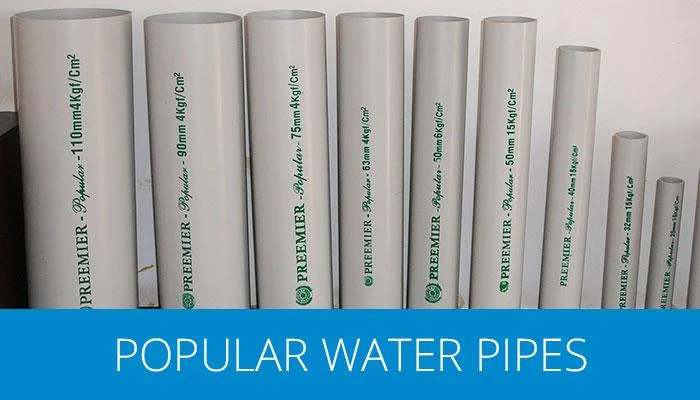
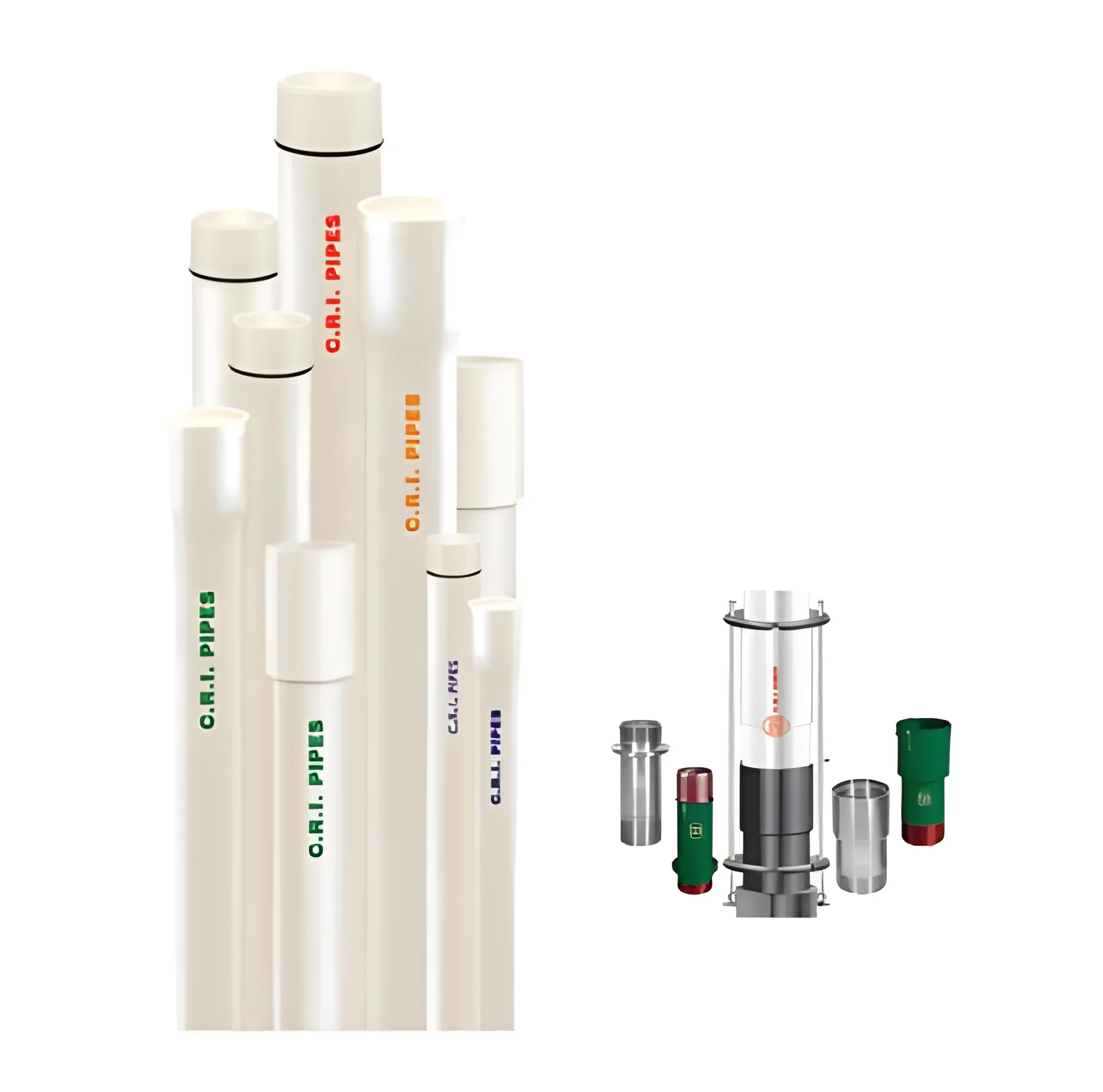
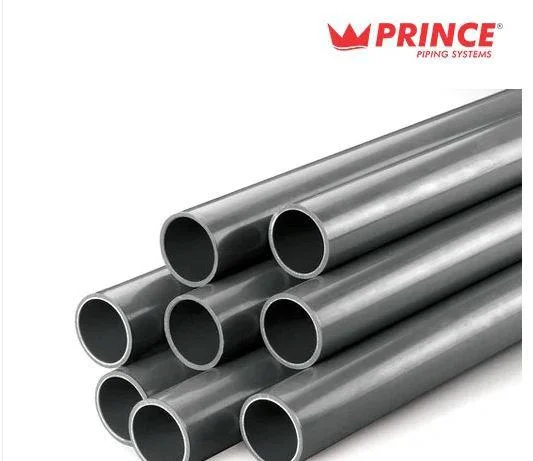
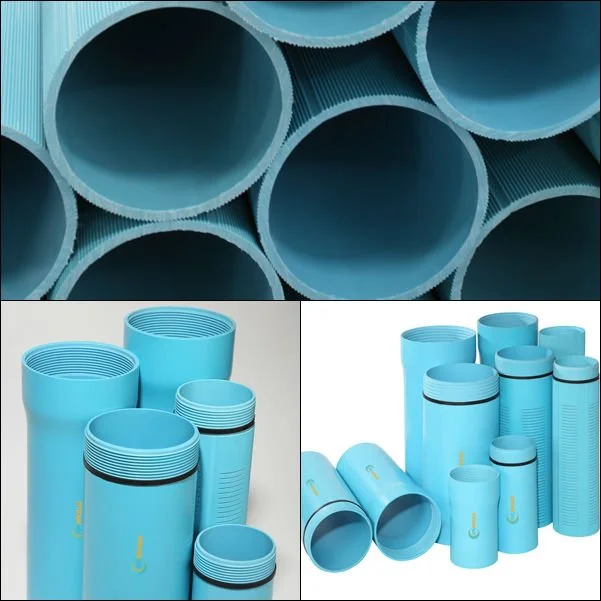
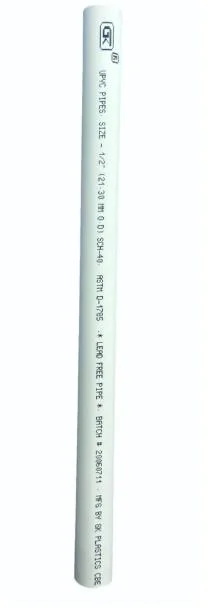
uPVC pipes and fittings are versatile plumbing solutions made from unplasticized polyvinyl chloride, a rigid form of PVC. Unlike traditional PVC, uPVC does not contain plasticizers, which makes it more durable and resistant to corrosion. These pipes and fittings are lightweight, easy to handle, and offer a reliable option for various fluid transportation applications.
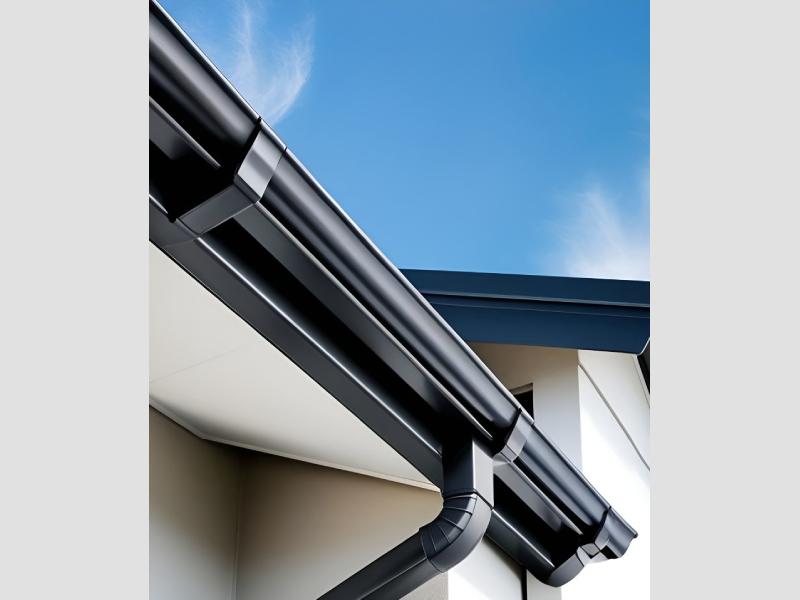
The primary uses of uPVC pipes and fittings include water supply systems, drainage, and waste management. They are widely utilized in both residential and commercial plumbing systems due to their resistance to chemical damage and low maintenance requirements. Additionally, uPVC is increasingly favored in agricultural irrigation systems and industrial applications, given its ability to withstand high pressures.
The relevance of uPVC pipes and fittings in the marketplace cannot be overstated. As industries focus on sustainable practices, uPVC offers a long-lasting and environmentally friendly choice. The growing demand for robust plumbing solutions has led to an expanding market for uPVC products, making them a staple in construction and infrastructure projects across numerous sectors.
Key Features and Specifications
uPVC pipes and fittings come with several key features that make them suitable for various applications. Their specifications ensure they meet industry standards and provide reliable performance.
Key specifications include:
1. Durability
- Resistant to corrosion and chemicals
- Suitable for both cold and hot water applications
2. Lightweight Design
- Easy to transport and install
- Reduces labor costs during installation
3. Pressure Ratings
- Available in various pressure ratings for different applications
- Common ratings include 4 Bar, 6 Bar, and 10 Bar
4. Temperature Tolerance
- Typically operates effectively up to 60 degrees Celsius
- Suitable for a range of climates and environments
5. Jointing Methods
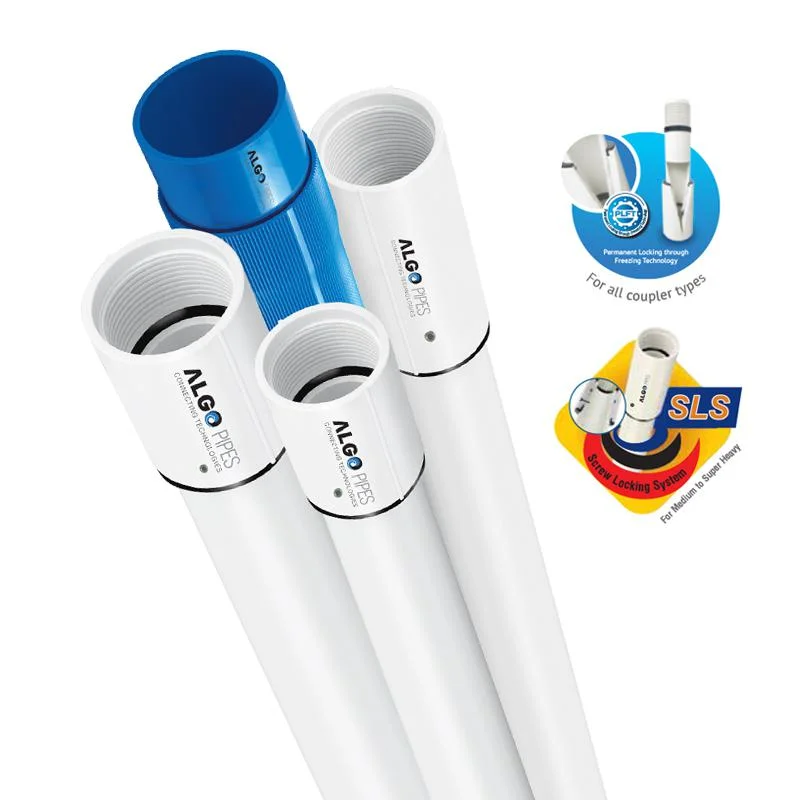
- Compatible with solvent cement, rubber ring joints, and more
- Facilitates easy installation and maintenance
6. Dimensions
- Available in various diameters and lengths to meet project specifications
- Commonly ranges from 20 mm to 400 mm in diameter
7. Non-Toxic
- Safe for drinking water applications
- Complies with health and safety regulations
8. Cost-Effectiveness
- Competitive pricing compared to other materials
- Long lifespan reduces replacement costs
uPVC pipes and fittings provide a reliable and efficient solution for fluid transport needs across various industries.
Common Applications and Use Cases
uPVC pipes and fittings are widely used across multiple industries due to their reliability and performance.
1. Residential Plumbing: Used for water supply lines, drainage systems, and waste management in homes.
2. Commercial Buildings: Utilized in office buildings and retail spaces for plumbing and irrigation solutions.
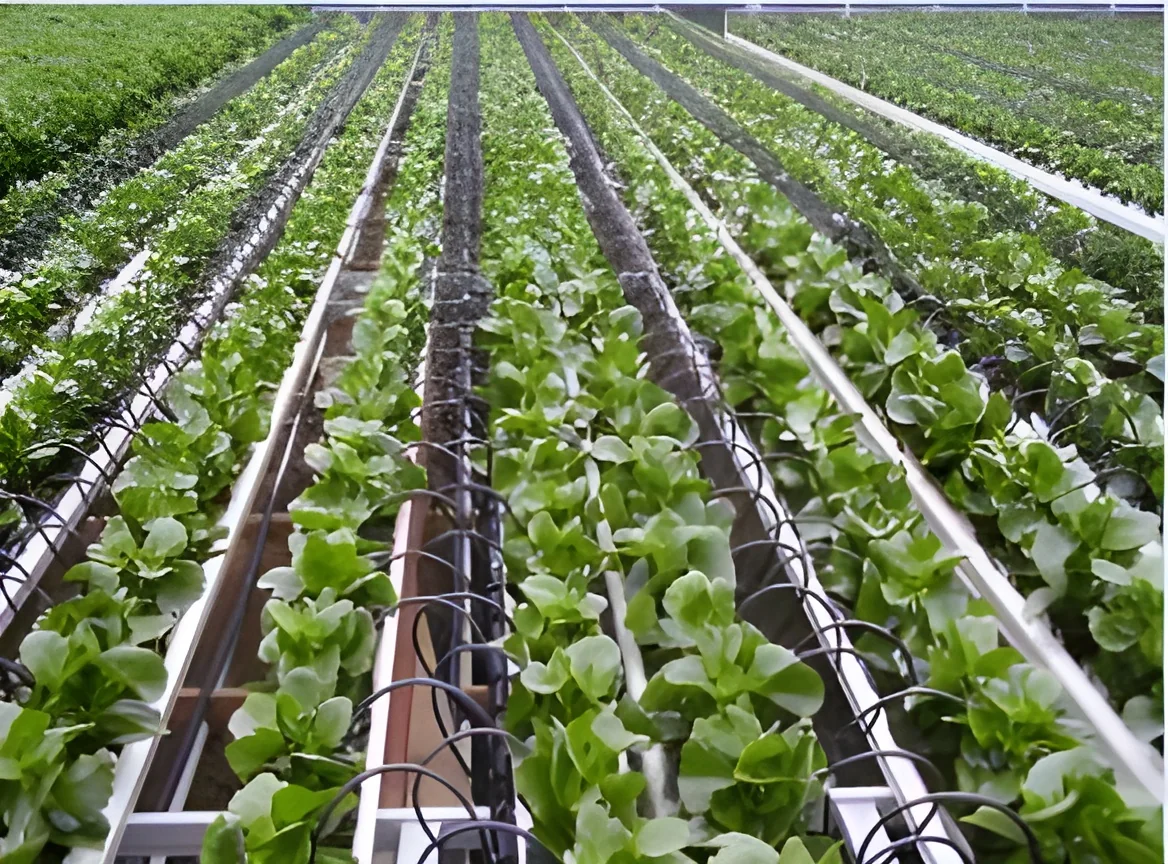
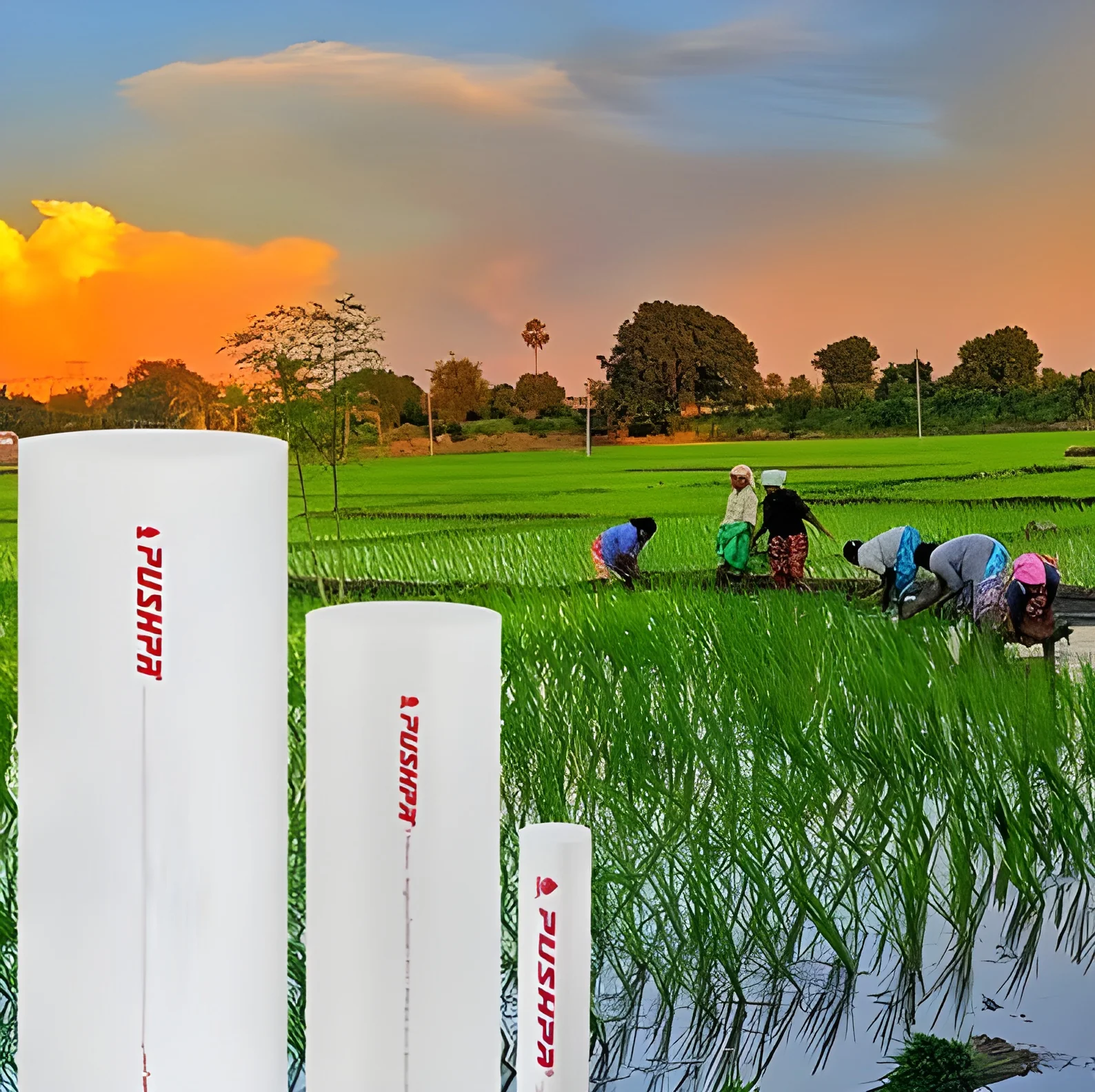
3. Agriculture: Employed in irrigation systems for efficient water distribution in farming practices.
4. Industrial Applications: Suitable for transporting chemicals and fluids in manufacturing and processing plants.
5. Construction: Used in drainage systems and plumbing installations for new buildings and infrastructure projects.
6. Water Treatment Facilities: Essential for transporting treated water efficiently and safely.
7. Fire Protection Systems: Employed as part of fire suppression systems due to their robustness and reliability.
Product Variants and Subcategories
uPVC pipes and fittings are available in various forms to meet specific needs.
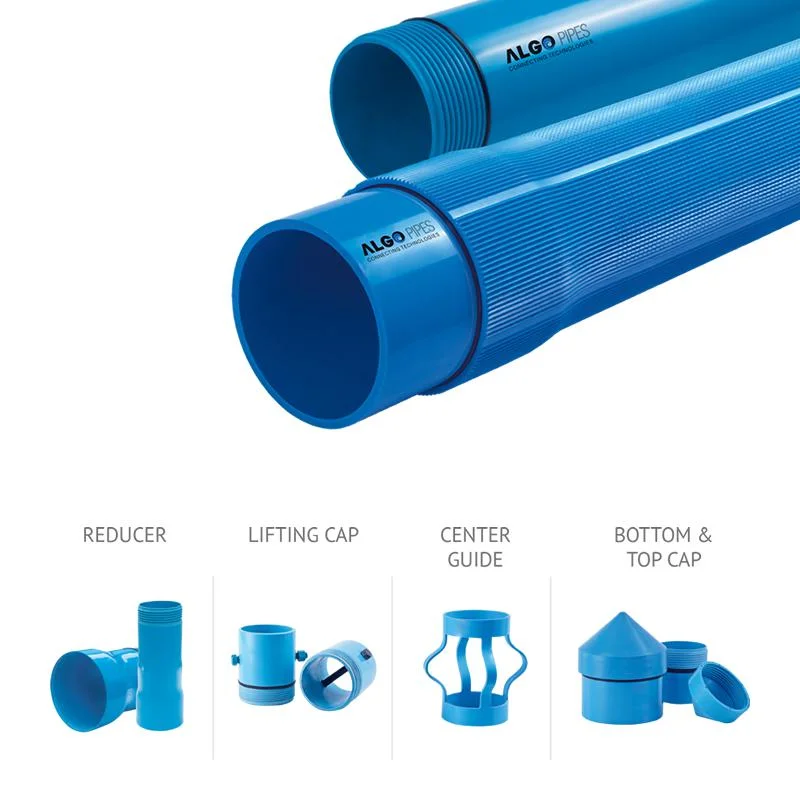
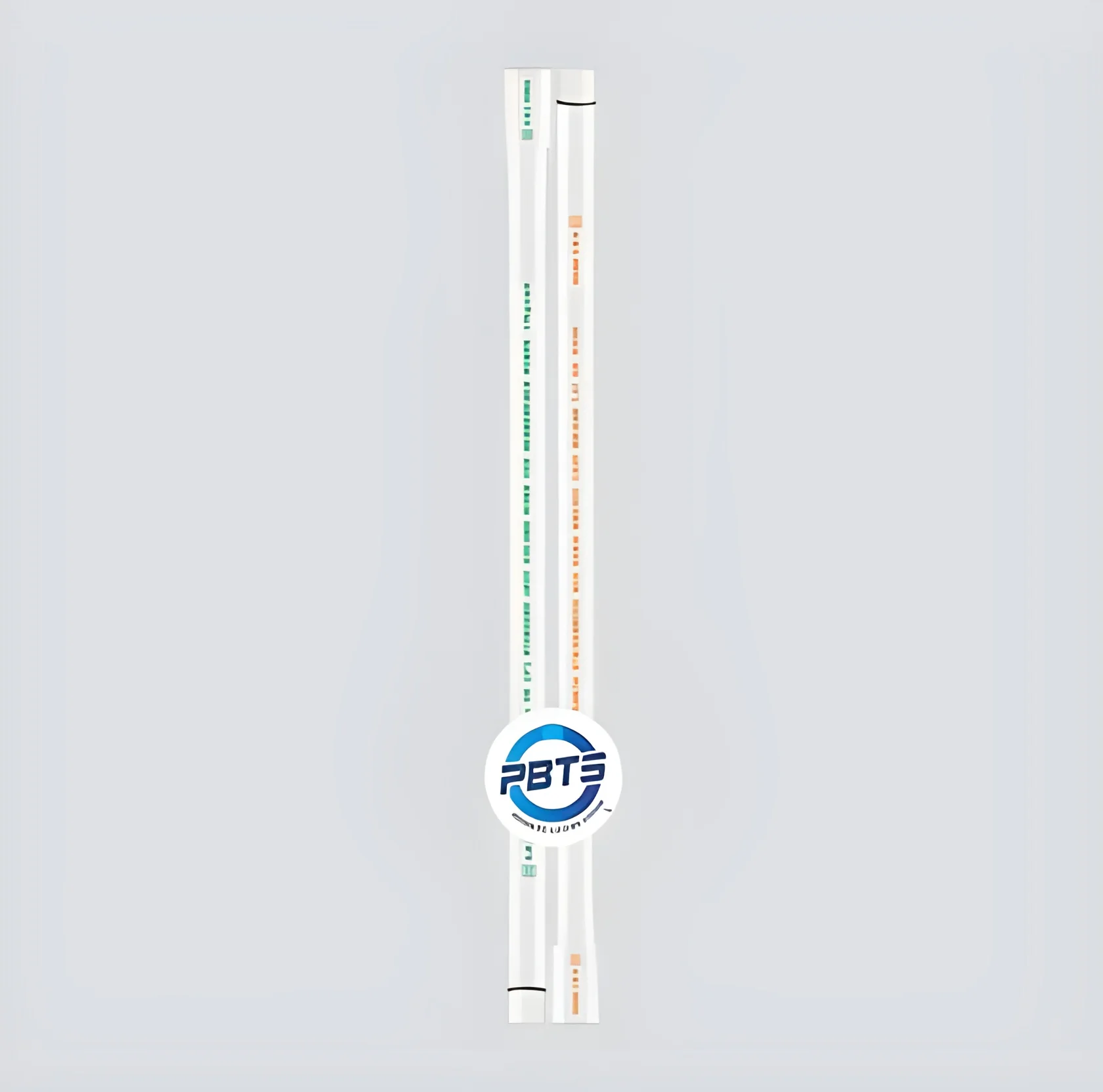
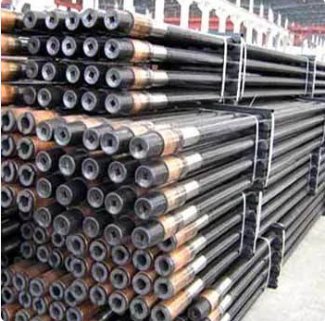
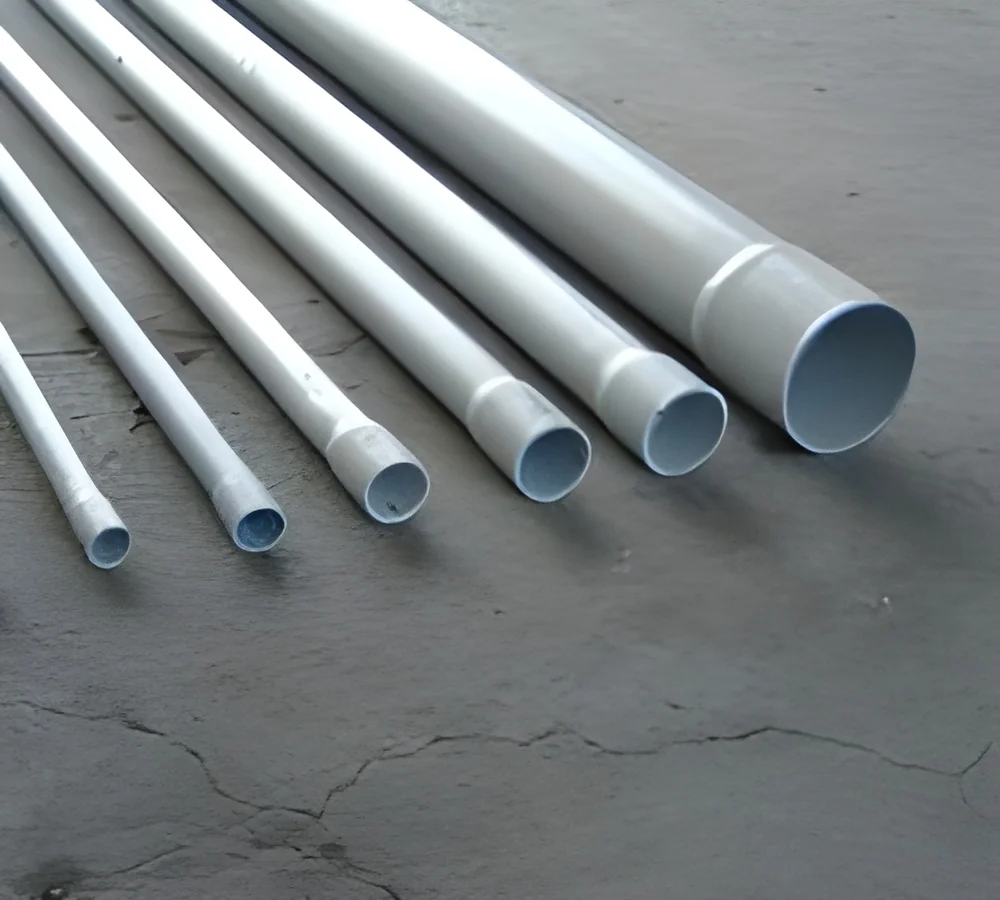
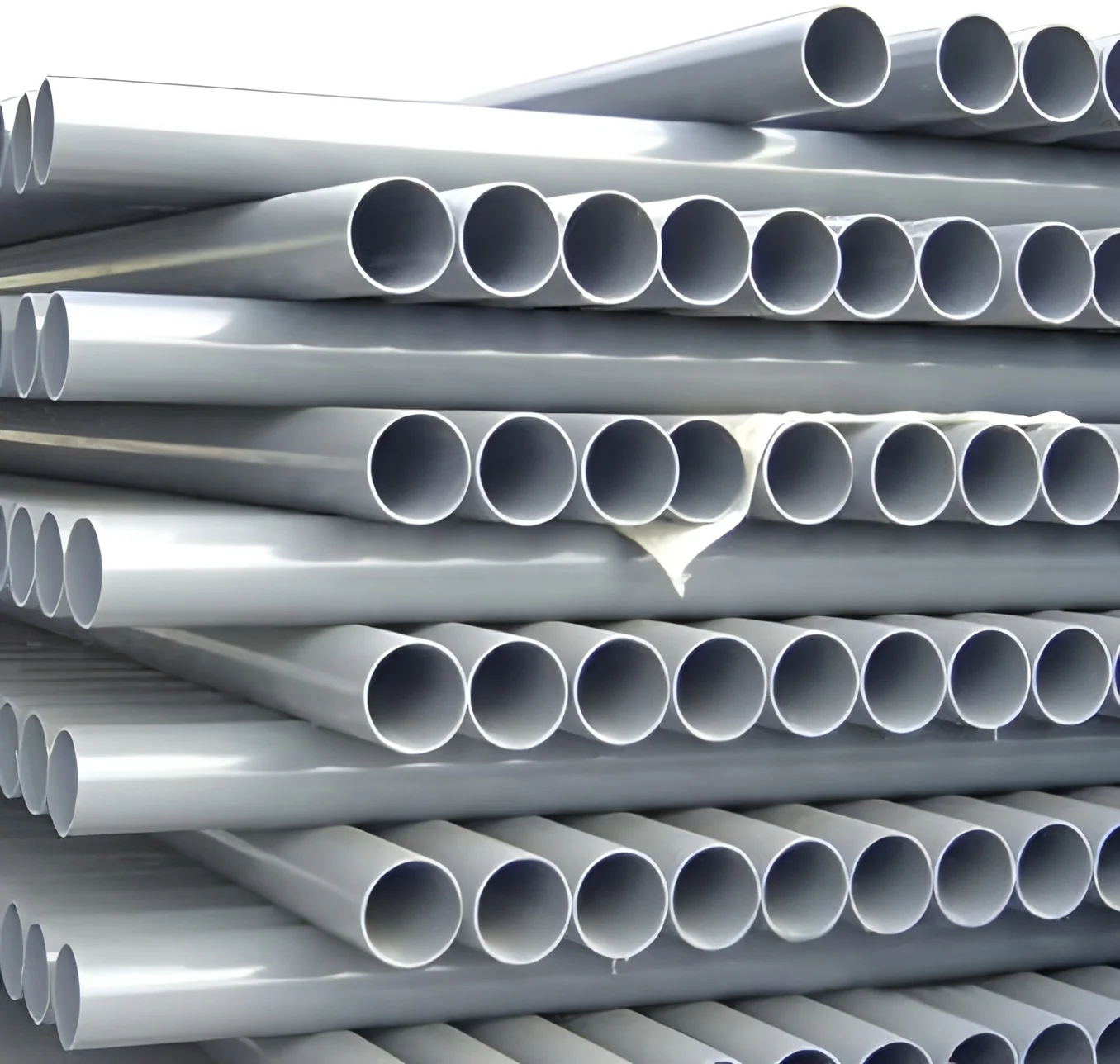
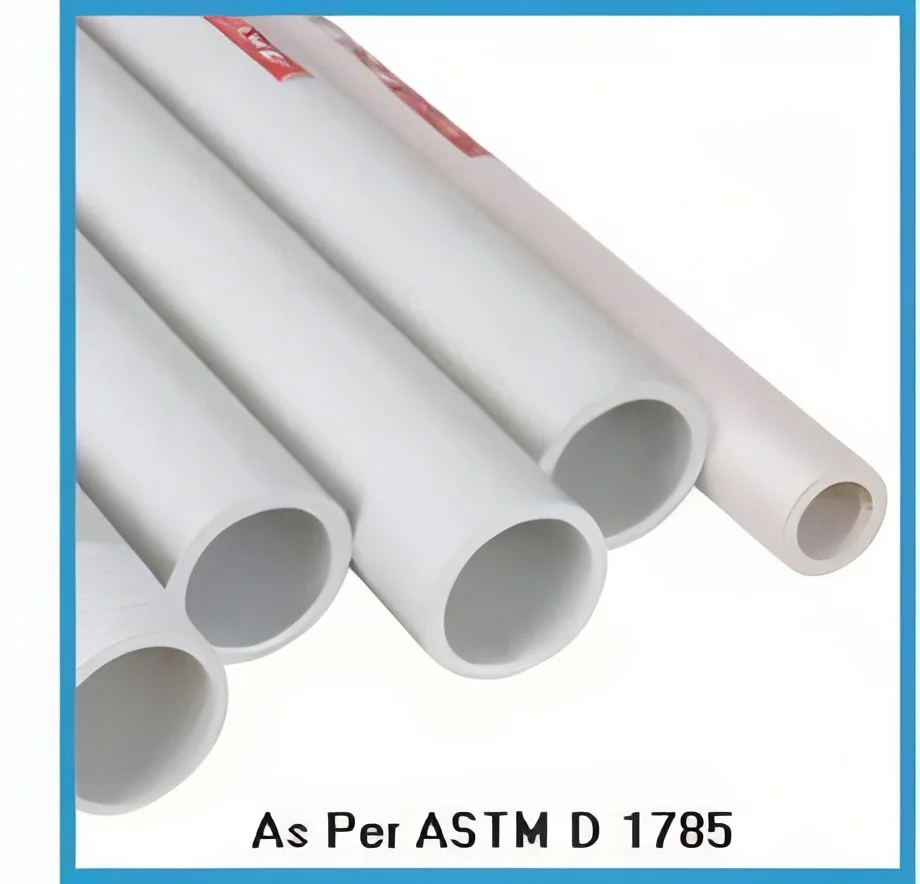
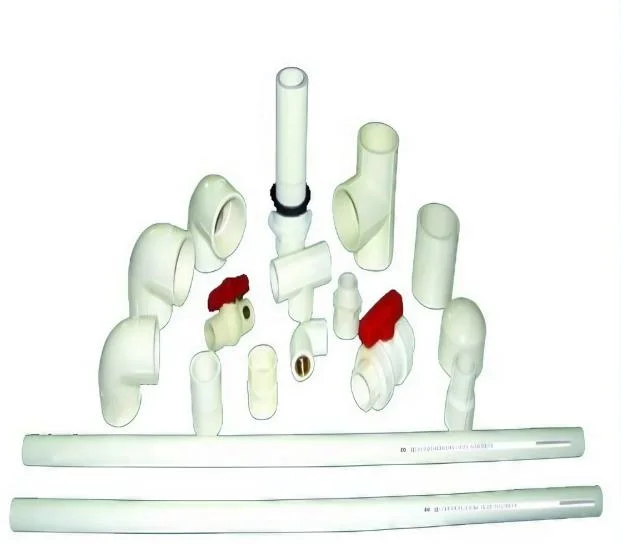
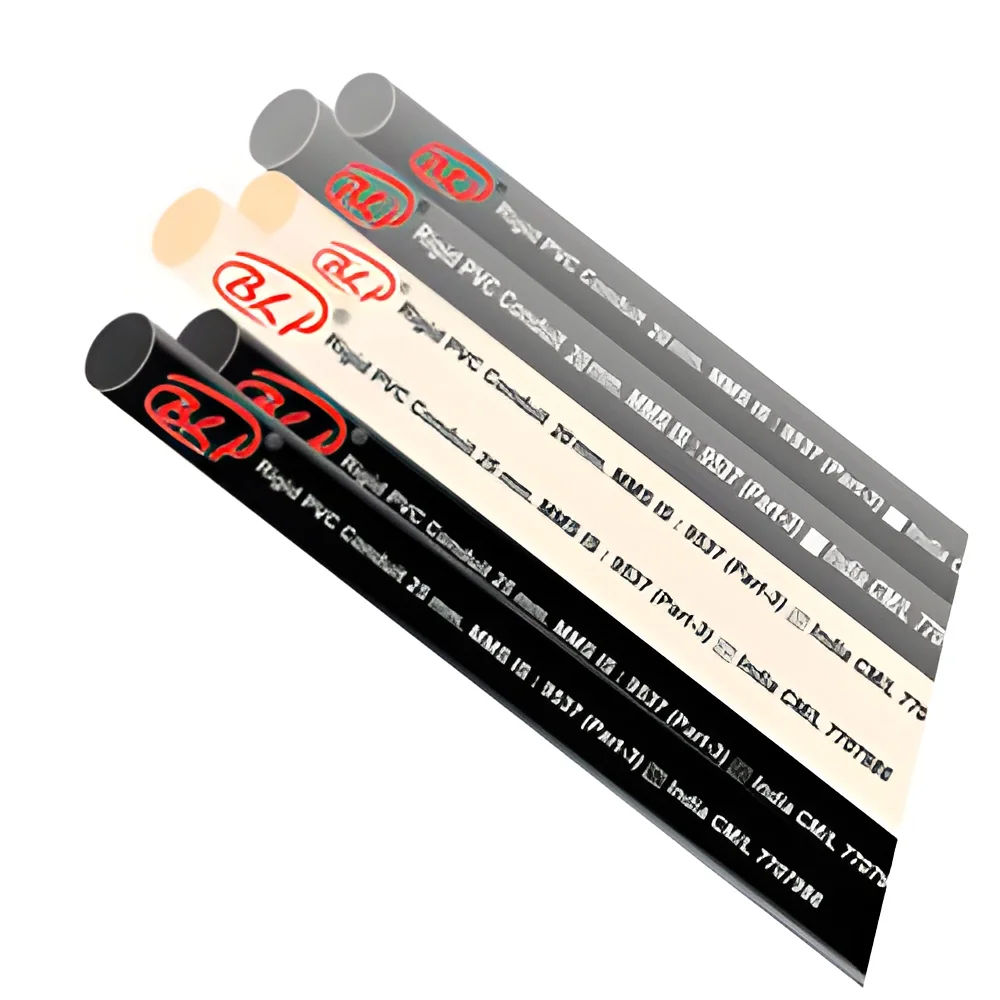
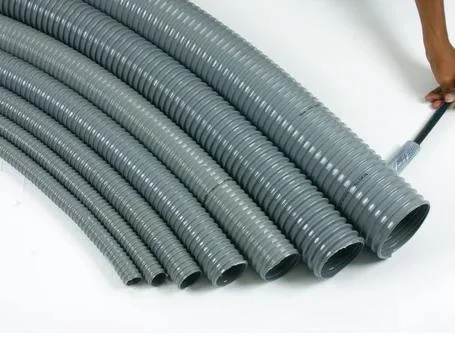
Standard uPVC Pipes: These pipes are commonly used for water supply and drainage applications. They are known for their strength and durability.
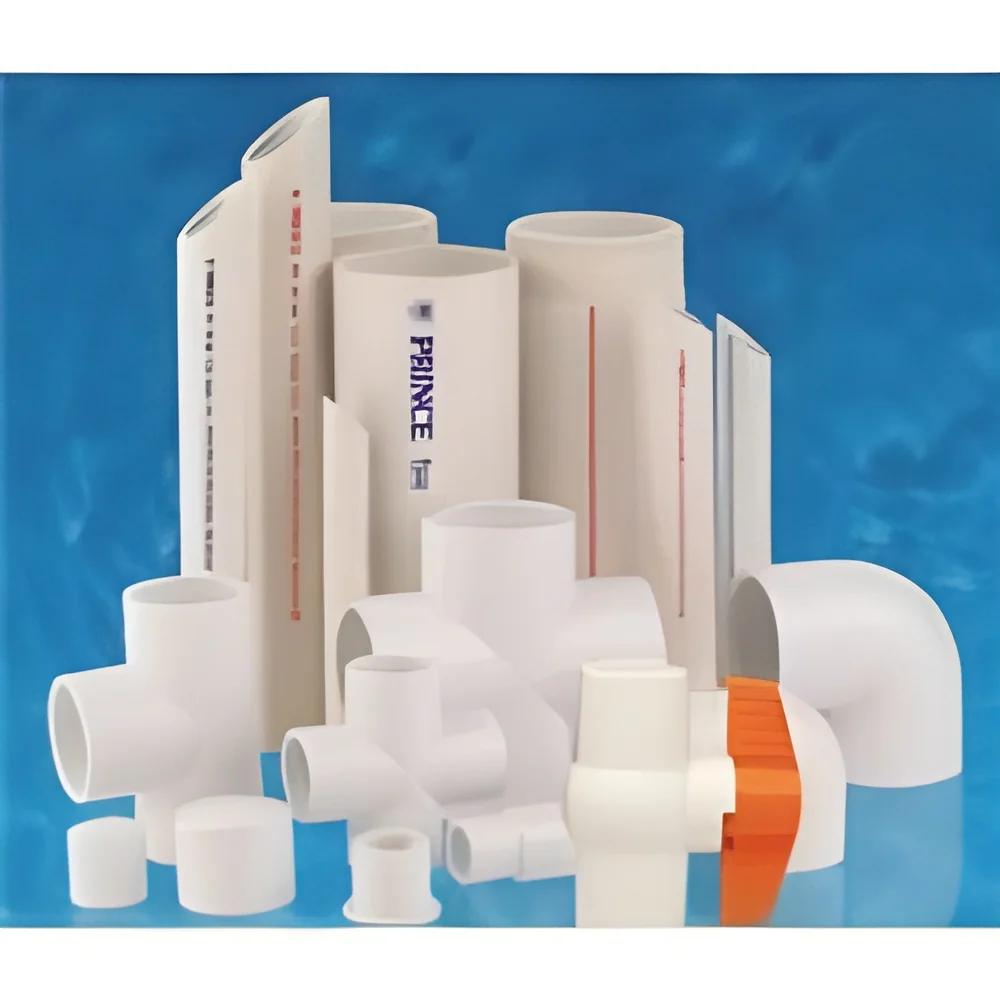
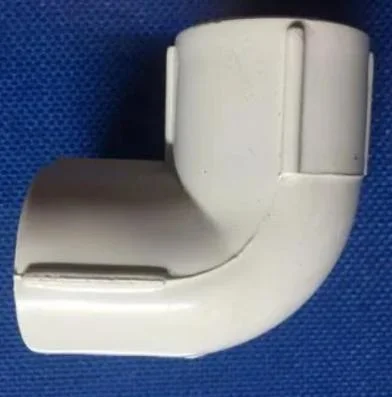
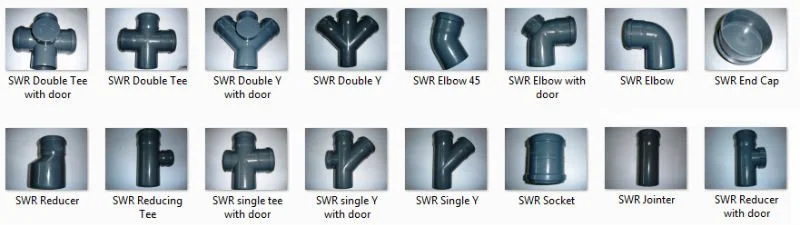
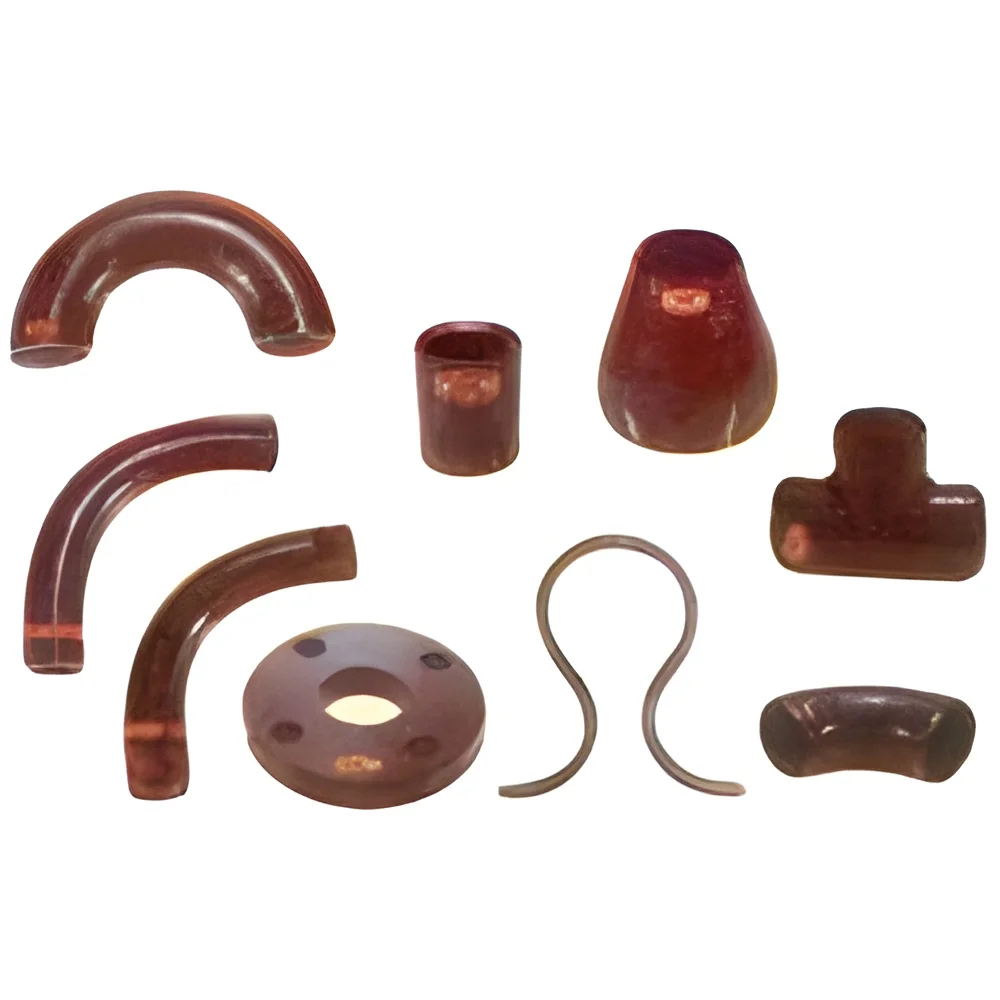
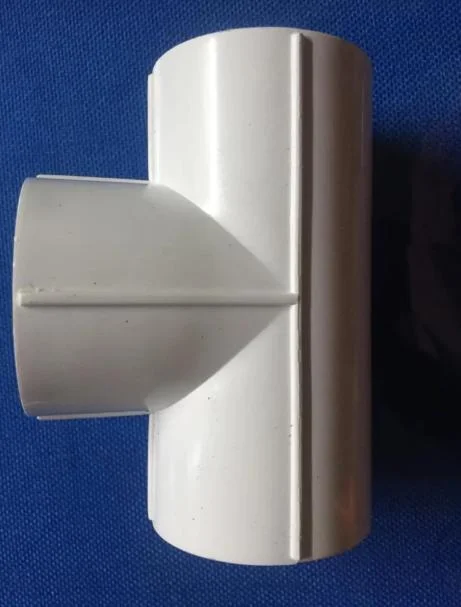
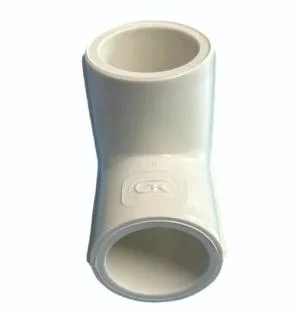
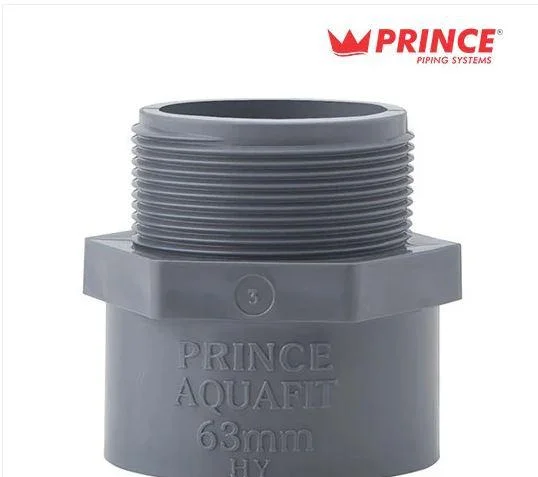
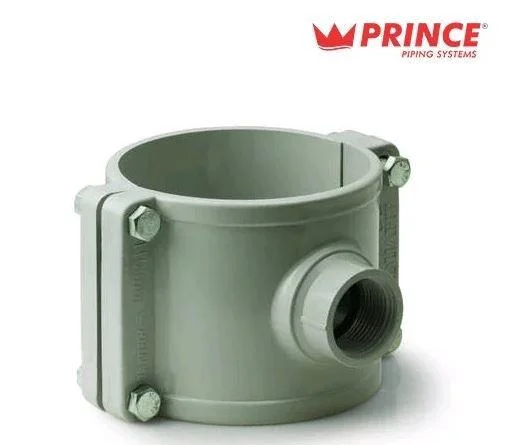
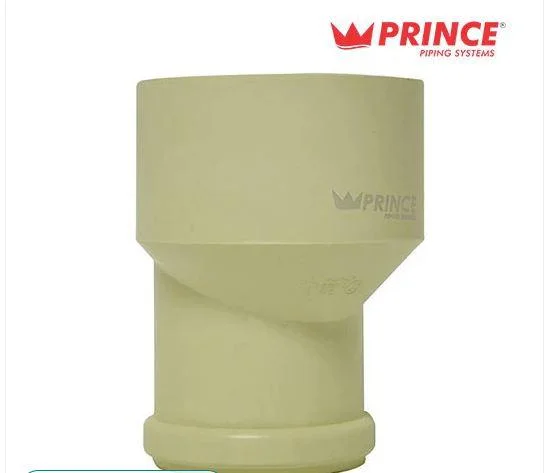
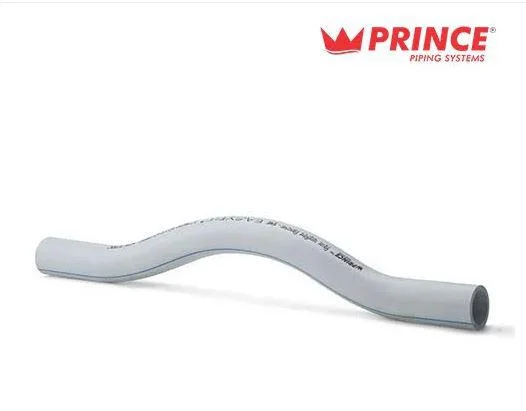
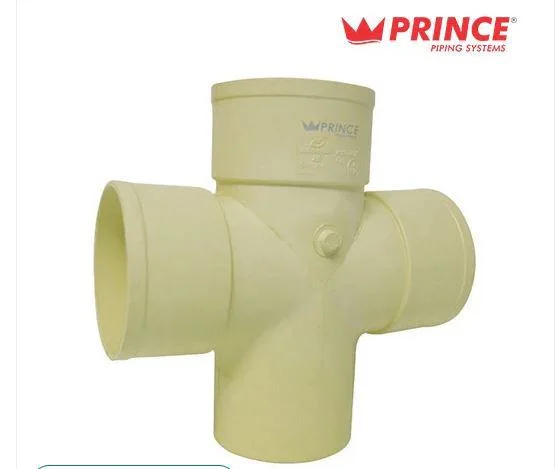
uPVC Fittings: Various fittings like elbows, tees, and reducers are available to facilitate fluid transport and connections in plumbing systems.
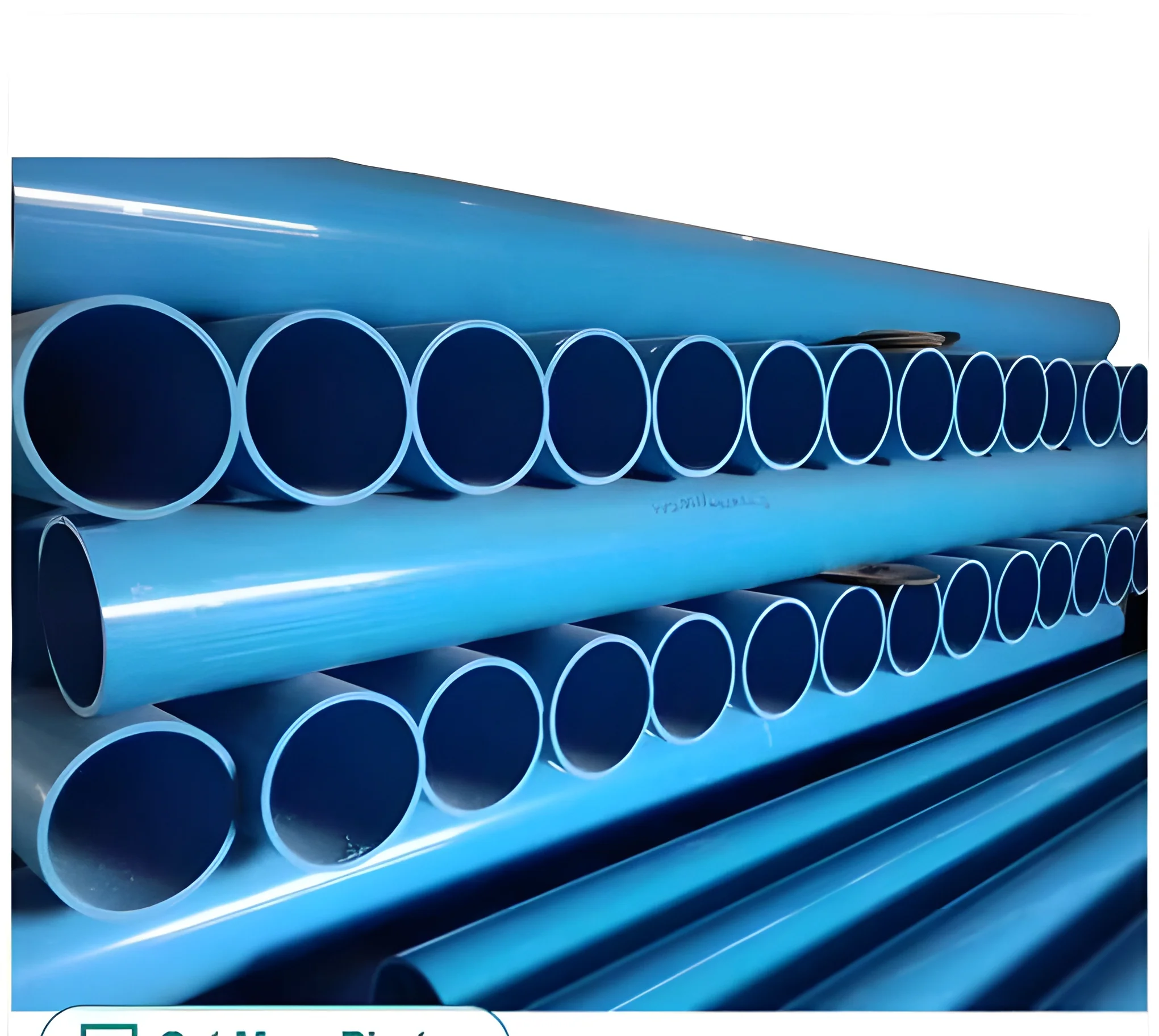
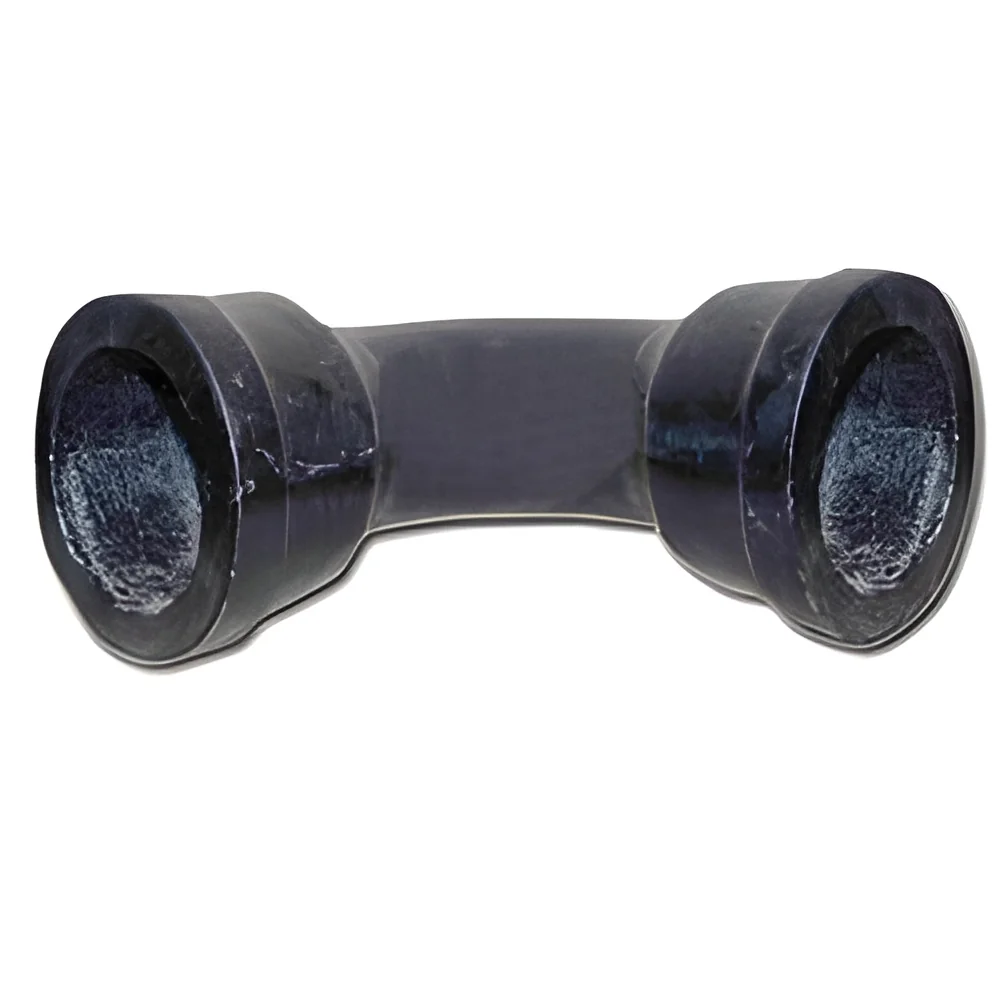
Sewer Pipes: Designed for underground drainage systems, these pipes are engineered to handle wastewater effectively.
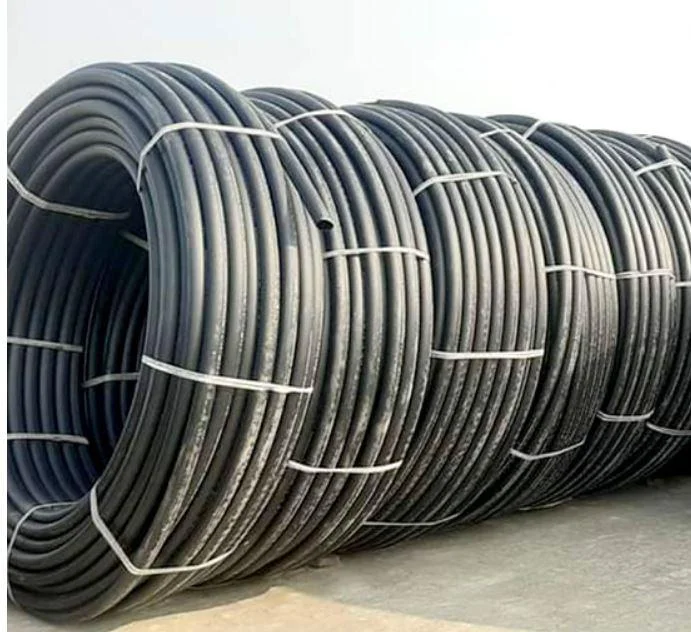
Pressure Pipes: These are designed to withstand high-pressure applications, making them suitable for industrial use.
Benefits and Advantages
uPVC pipes and fittings offer numerous advantages that make them an attractive choice for B2B buyers.
Key benefits include:
1. Long Lifespan: uPVC products have a long service life, reducing the need for frequent replacements.
2. Cost Efficiency: Their durability and low maintenance requirements lead to lower overall costs.
3. Easy Installation: Lightweight and versatile, uPVC pipes and fittings simplify the installation process.
4. Chemical Resistance: They can withstand a wide range of chemicals, making them suitable for various applications.
5. Environmental Benefits: uPVC is recyclable, contributing to sustainable practices in manufacturing and construction.
6. Safety: Non-toxic and compliant with health standards, uPVC is safe for potable water applications.
Buying Guide for B2B Buyers
When sourcing uPVC pipes and fittings, several factors should be considered to ensure you make informed purchasing decisions.
1. Quality Assessment: Look for products that meet industry standards and have undergone rigorous testing to ensure performance and reliability.
2. Supplier Verification: Vet suppliers by checking their certifications, customer reviews, and industry reputation.
3. Pricing and MOQ: Consider the cost of products and inquire about minimum order quantities to align with your project needs.
4. Delivery and Lead Times: Ensure that suppliers can meet your timeline requirements for project completion.
5. Compliance Requirements: Verify that the products adhere to local and international regulations to avoid legal issues.
Compliance and Certifications
uPVC pipes and fittings must comply with various quality standards to ensure safety and performance. Relevant standards include ISO 9001, which focuses on quality management systems, ensuring that manufacturers consistently produce high-quality products.
Industry certifications such as CE mark indicate that products meet European safety and environmental requirements. Compliance with safety and testing requirements is essential for ensuring that uPVC products are safe for use in various applications, especially those involving potable water.
Regional compliance considerations may vary, so it is crucial to be aware of local regulations governing the production and usage of uPVC pipes and fittings. This ensures that products meet the necessary legal and safety requirements for the intended applications.
Why Source uPVC Pipes & Fittings from Pepagora?
Pepagora offers a reliable platform for sourcing uPVC pipes and fittings, providing several key advantages to B2B buyers.
Verified Supplier Network: Pepagora has established a network of verified suppliers, ensuring that buyers can access high-quality products from trusted manufacturers. This reduces the risk associated with sourcing from unknown suppliers.
Streamlined RFQ Process: The platform features a user-friendly Request for Quotation system, allowing buyers to easily compare prices and specifications from multiple suppliers. This facilitates informed decision-making and efficient procurement.
Trade Assurance and Support: Pepagora provides trade assurance, protecting buyers from potential risks associated with transactions. The platform also offers customer support to assist with any inquiries or issues that may arise.
Regional Coverage: With a focus on markets in India, the GCC, and Southeast Asia, Pepagora ensures that buyers can find suitable products tailored to their regional needs. This geographic reach enhances the availability of uPVC pipes and fittings for diverse applications.

 IN
IN