
 IN
IN₹
Apparel & Fashion
Fitting & Valve Distributors
63 products available
What are Fitting & Valve Distributors?
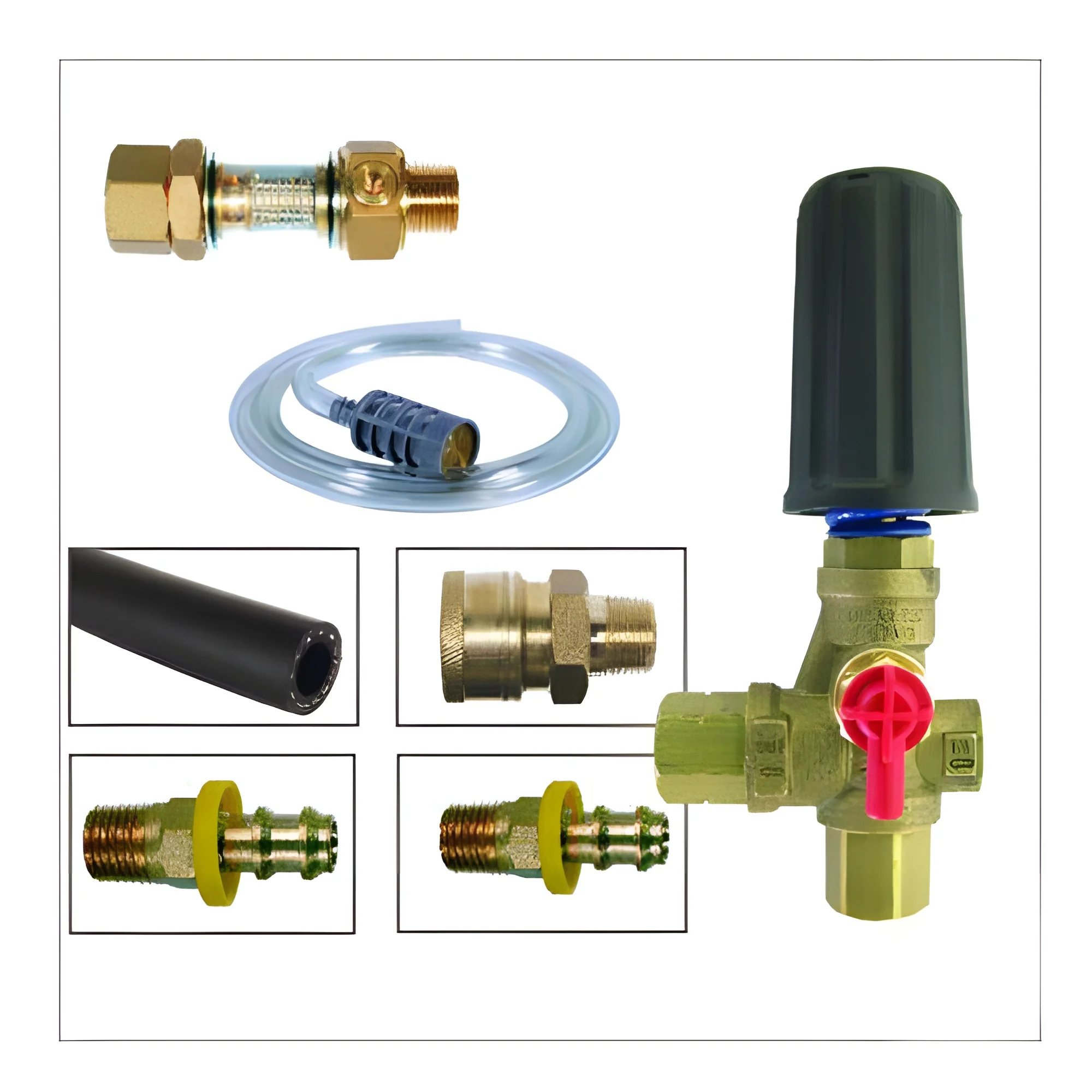
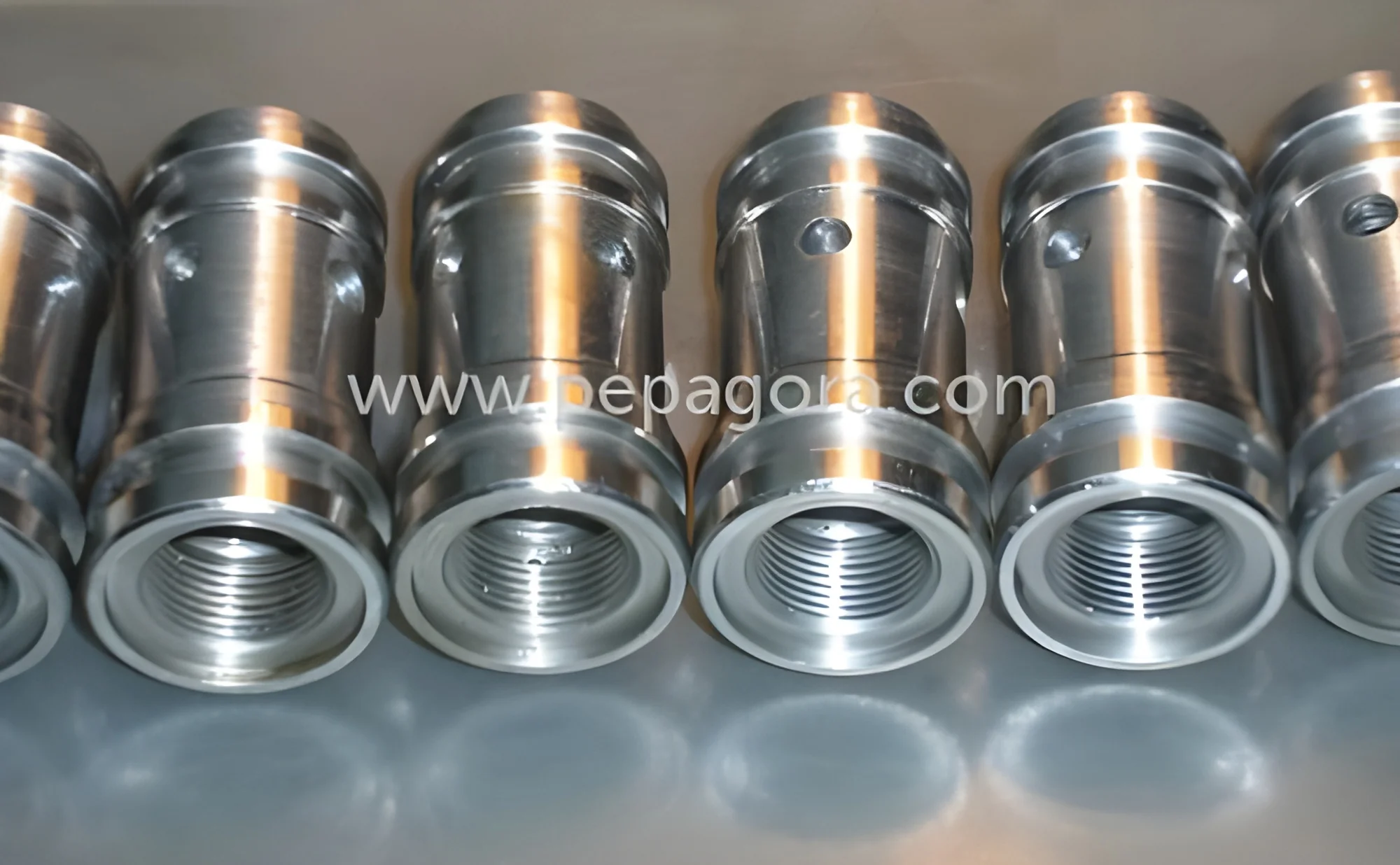
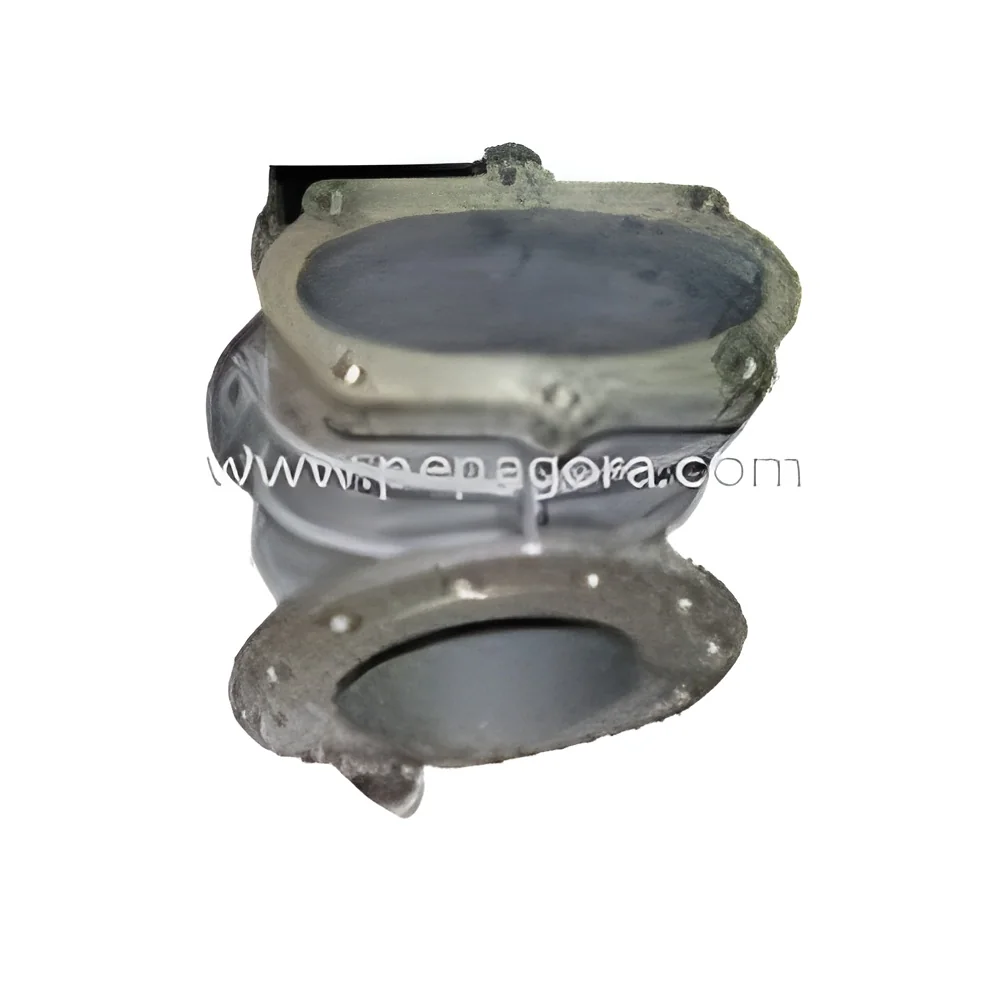
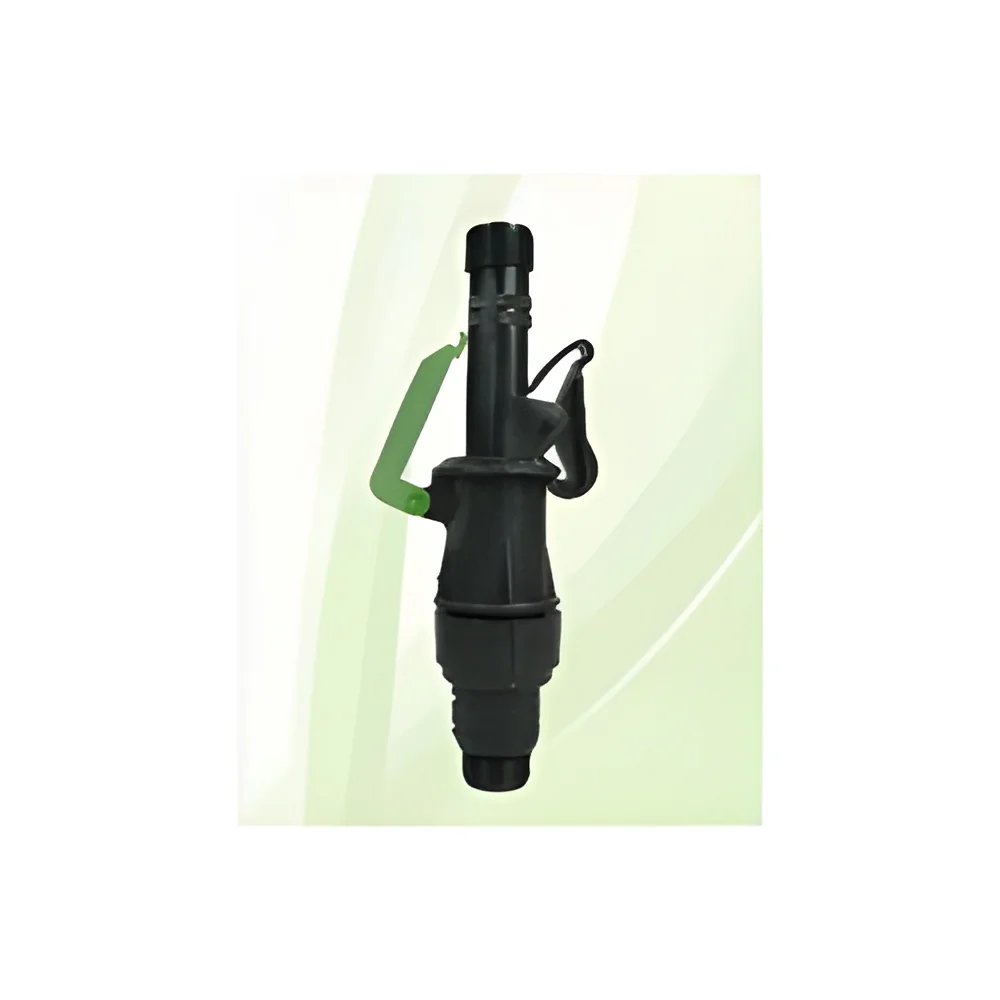
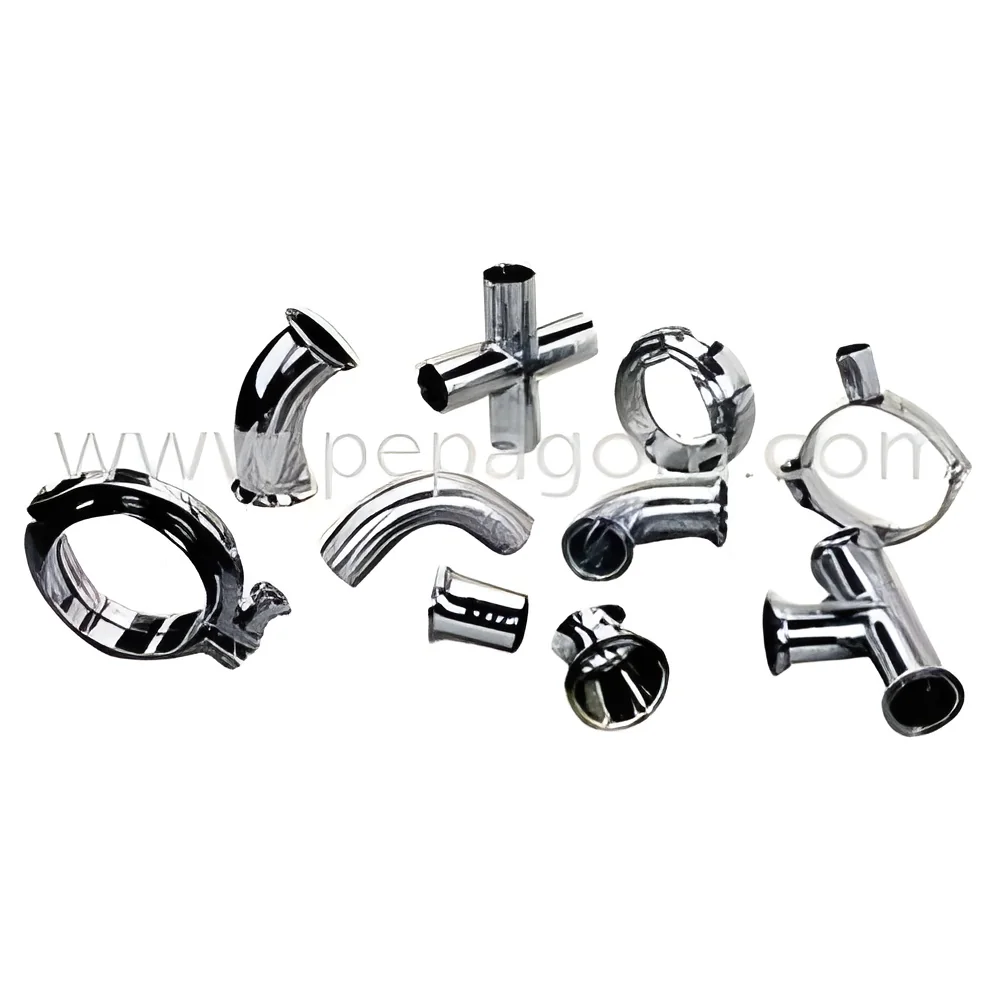
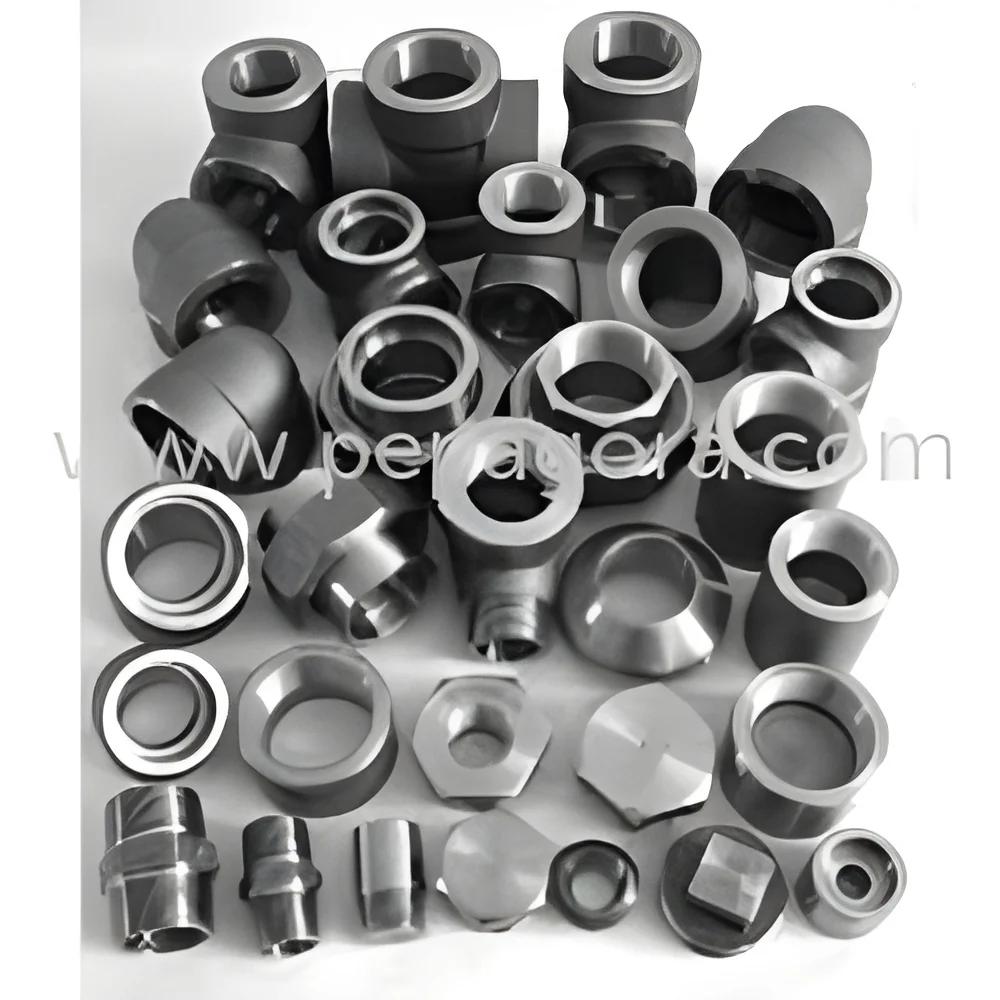
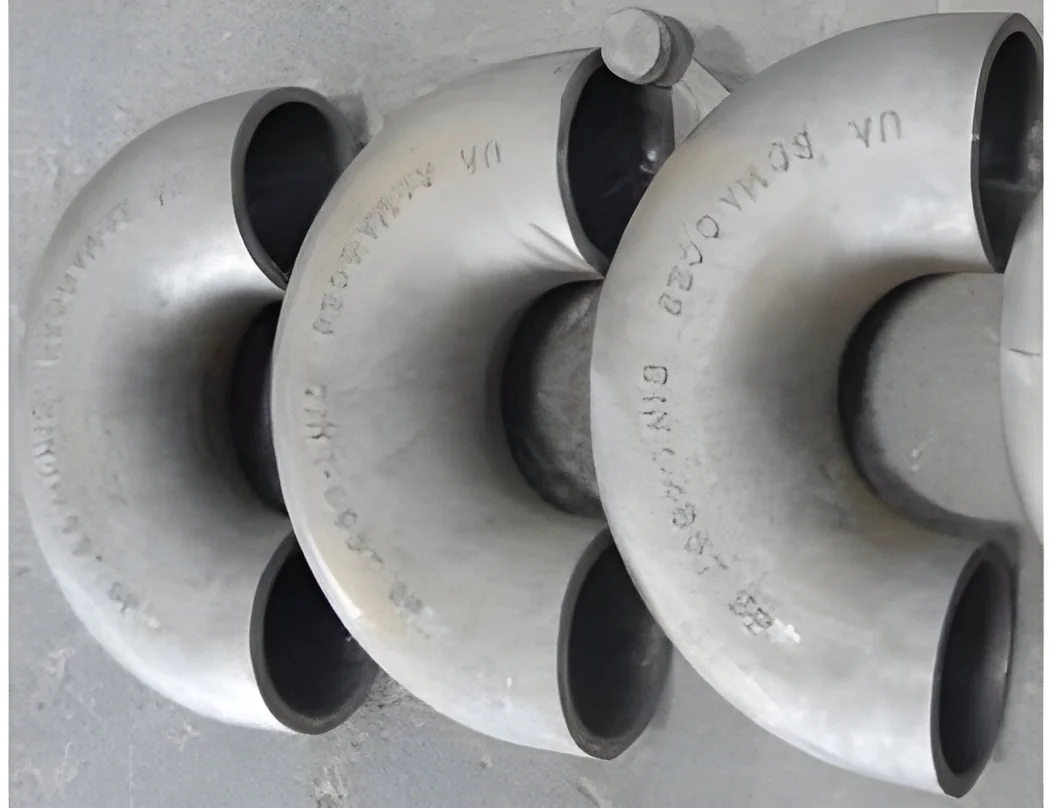
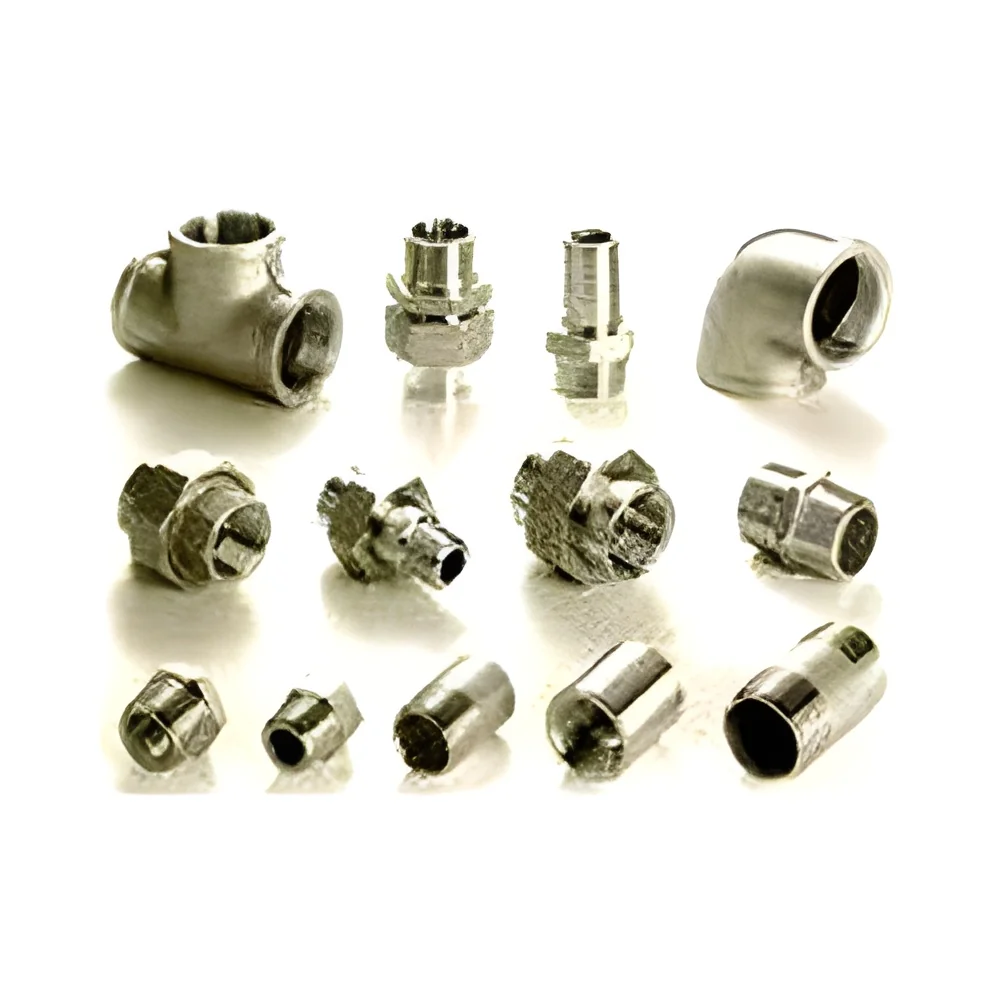
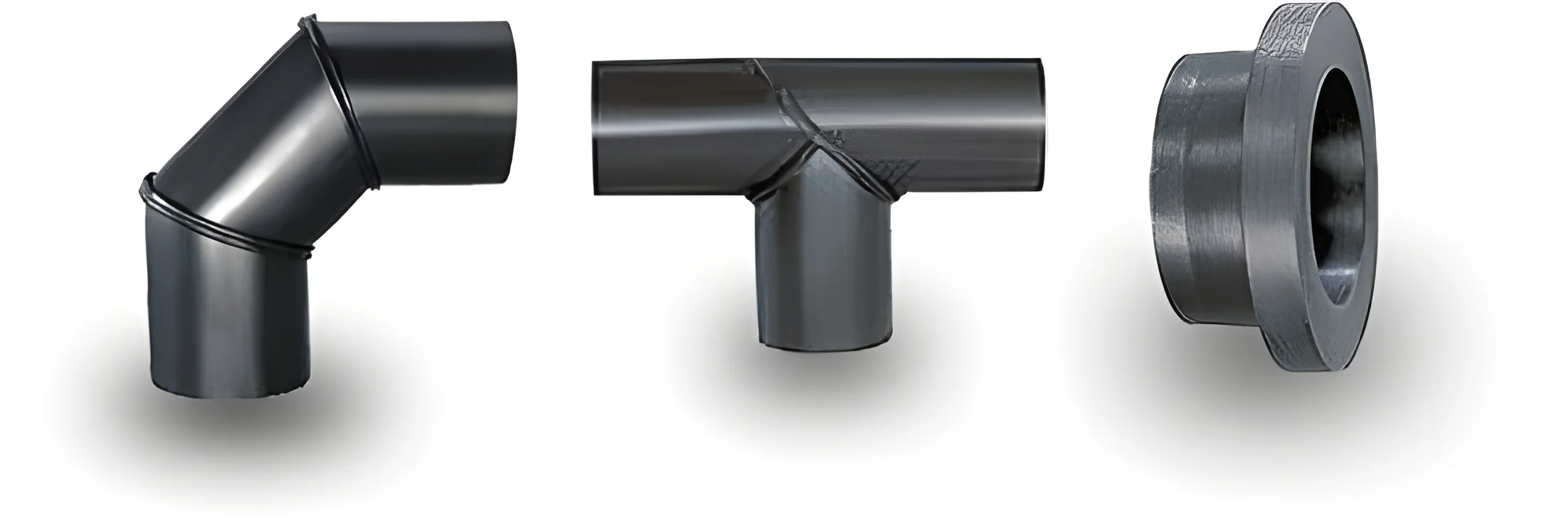
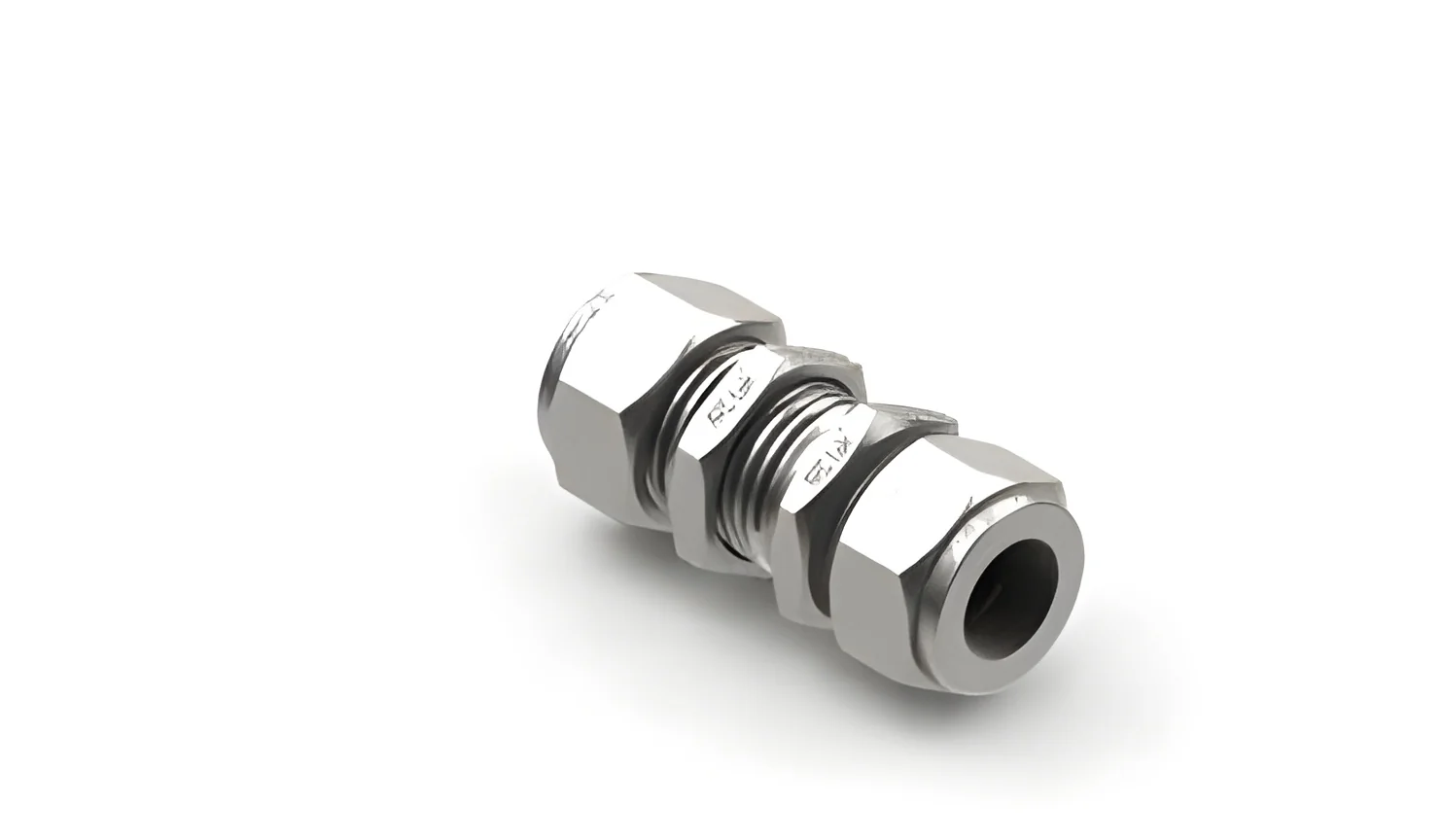
Fitting and valve distributors are essential components in various industrial systems, responsible for managing the flow of fluids and gases in pipelines. These distributors facilitate the connection and disconnection of pipes, ensuring that the flow is directed appropriately within a system. They typically include various fittings, valves, and connectors that enable seamless integration into existing infrastructures.
These products are primarily used in industries such as oil and gas, water treatment, manufacturing, and HVAC. Businesses rely on fitting and valve distributors to maintain operational efficiency and safety. By controlling the movement of liquids and gases, these components help prevent leaks, minimize waste, and optimize resource usage. In an increasingly competitive market, the reliability and quality of these distributors are critical for maintaining the integrity of industrial processes.
The relevance of fitting and valve distributors extends across many sectors, driving innovation and productivity. As industries evolve, the demand for high-quality, durable, and efficient distributors continues to rise. By investing in advanced fitting and valve solutions, companies can enhance their operational capabilities and ensure compliance with industry standards.
Key Features and Specifications
Fitting and valve distributors come with a variety of features and specifications that cater to different industrial needs. Understanding these specifications is crucial for businesses looking to make informed purchasing decisions.
Key specifications include:
1. Material Type
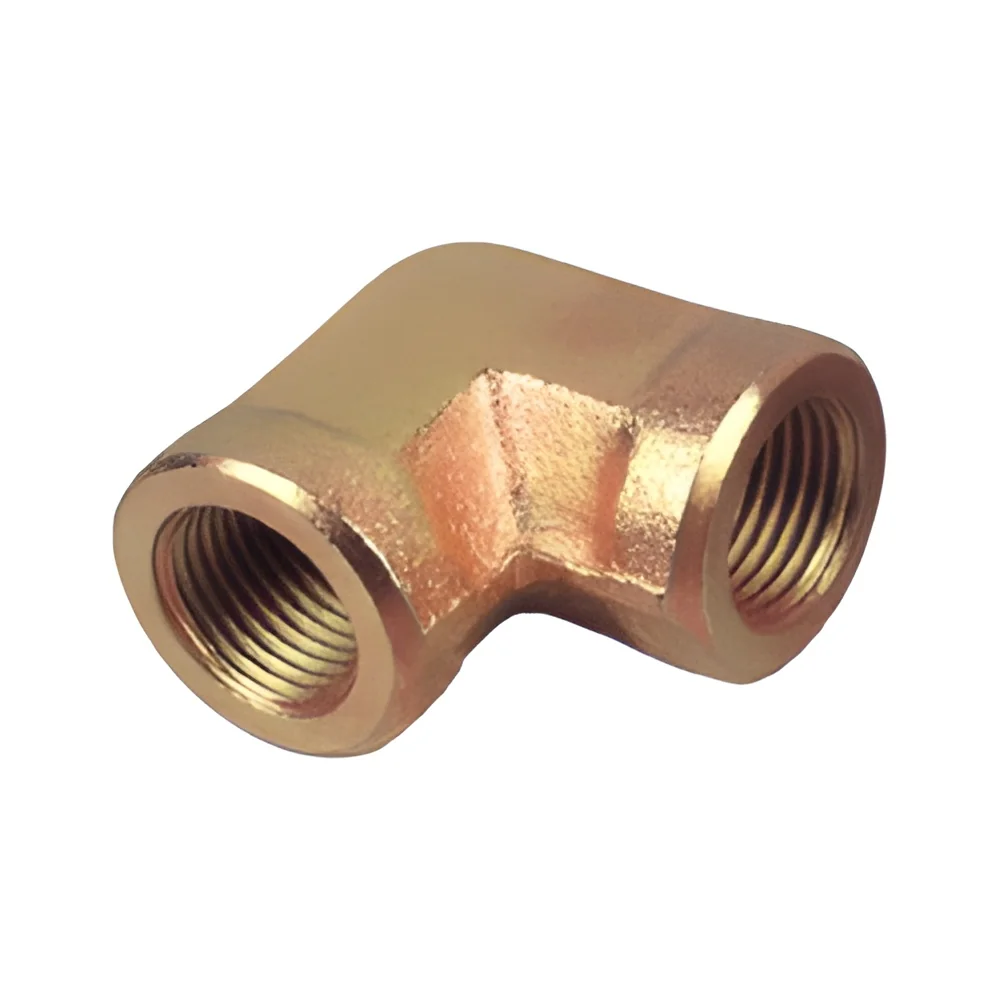
- Common materials include stainless steel, brass, and plastic.
- Each material offers different levels of corrosion resistance and durability.
2. Pressure Rating
- Pressure ratings typically range from low to high pressure.
- Ensures the distributor can handle the operational demands of a specific application.
3. Size Options
- Available in various sizes to accommodate different pipe diameters.
- Enables compatibility with existing systems and installations.
4. Temperature Tolerance
- Products may be rated for specific temperature ranges.
- Critical for applications involving hot or cold fluids.
5. Connection Types
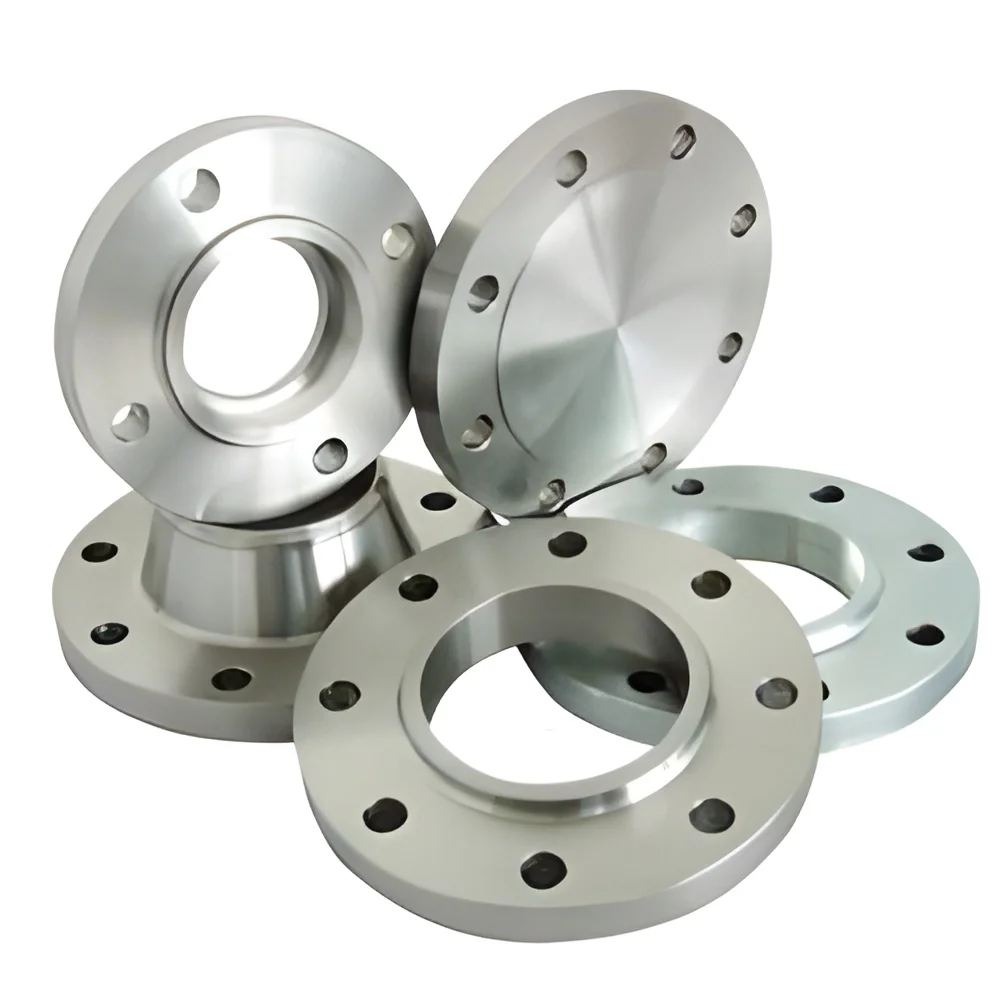
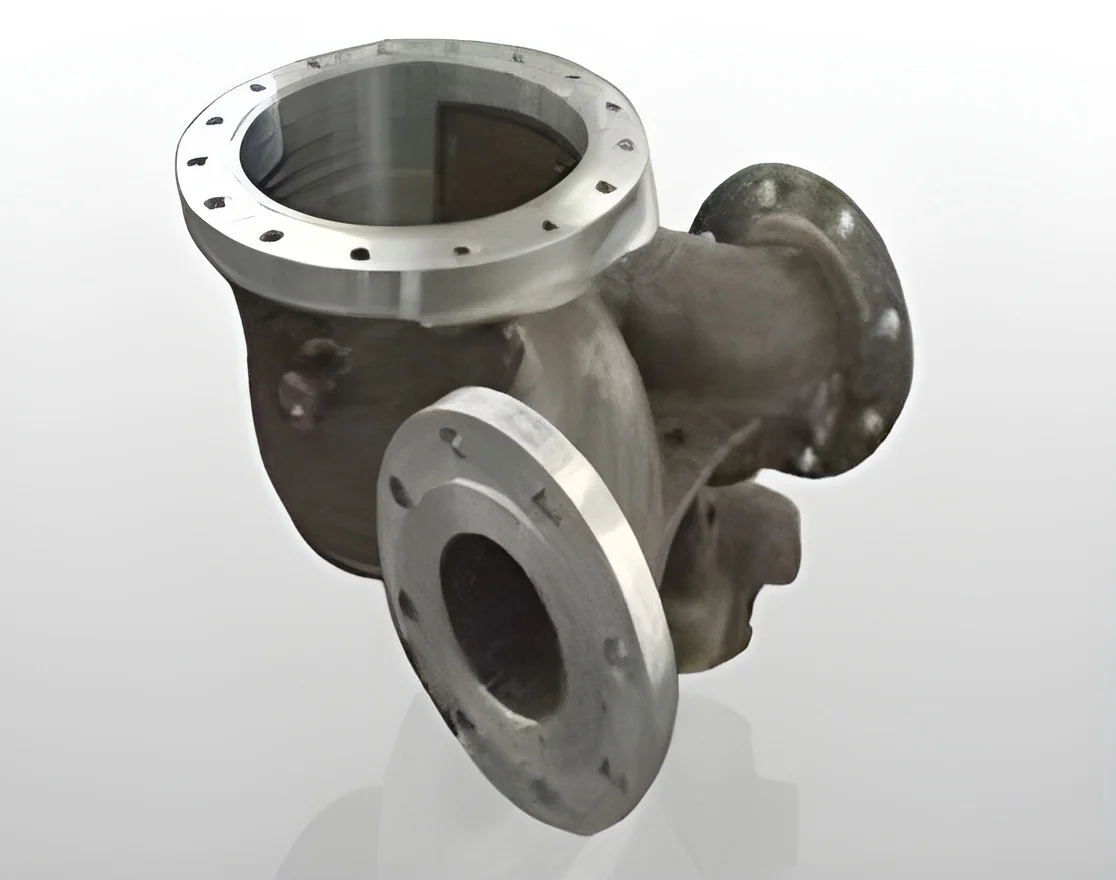
- Includes threaded, welded, and flanged connections.
- Ensures proper installation and integration with other system components.
6. Flow Control Features
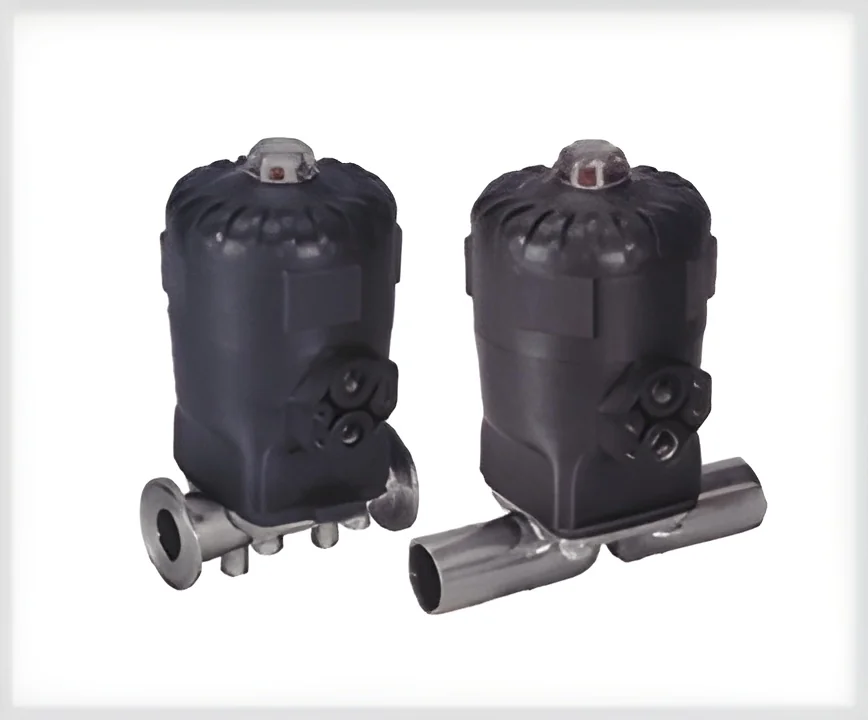
- Can include manual or automated control options.
- Provides flexibility to regulate flow as needed.
7. Compliance Standards
- Adherence to industry standards such as CE certification.
- Ensures products meet safety and quality requirements.
In summary, understanding the key features and specifications of fitting and valve distributors is essential for making the right purchasing decisions and ensuring operational efficiency.
Common Applications and Use Cases
Fitting and valve distributors are utilized across various industries, each with specific applications that highlight their importance.
1. Oil and Gas: Fitting and valve distributors are crucial in managing the flow of crude oil and natural gas through pipelines, ensuring safe and efficient transport.
2. Water Treatment: These distributors control the flow of water in treatment facilities, facilitating processes like filtration and purification to provide clean drinking water.
3. Manufacturing: In manufacturing plants, fitting and valve distributors manage the flow of liquids and gases used in production processes, contributing to efficiency and safety.
4. HVAC: In heating, ventilation, and air conditioning systems, these components help regulate airflow and temperature, crucial for maintaining comfort in buildings.
5. Chemical Processing: Fitting and valve distributors are used to control the flow of chemicals in processing plants, ensuring precise mixing and handling.
6. Food and Beverage: In food processing, they ensure the safe transfer of ingredients and maintain hygiene standards throughout production.
7. Pharmaceuticals: These distributors help manage the flow of liquids in pharmaceutical manufacturing, ensuring compliance with strict regulatory standards.
Product Variants and Subcategories
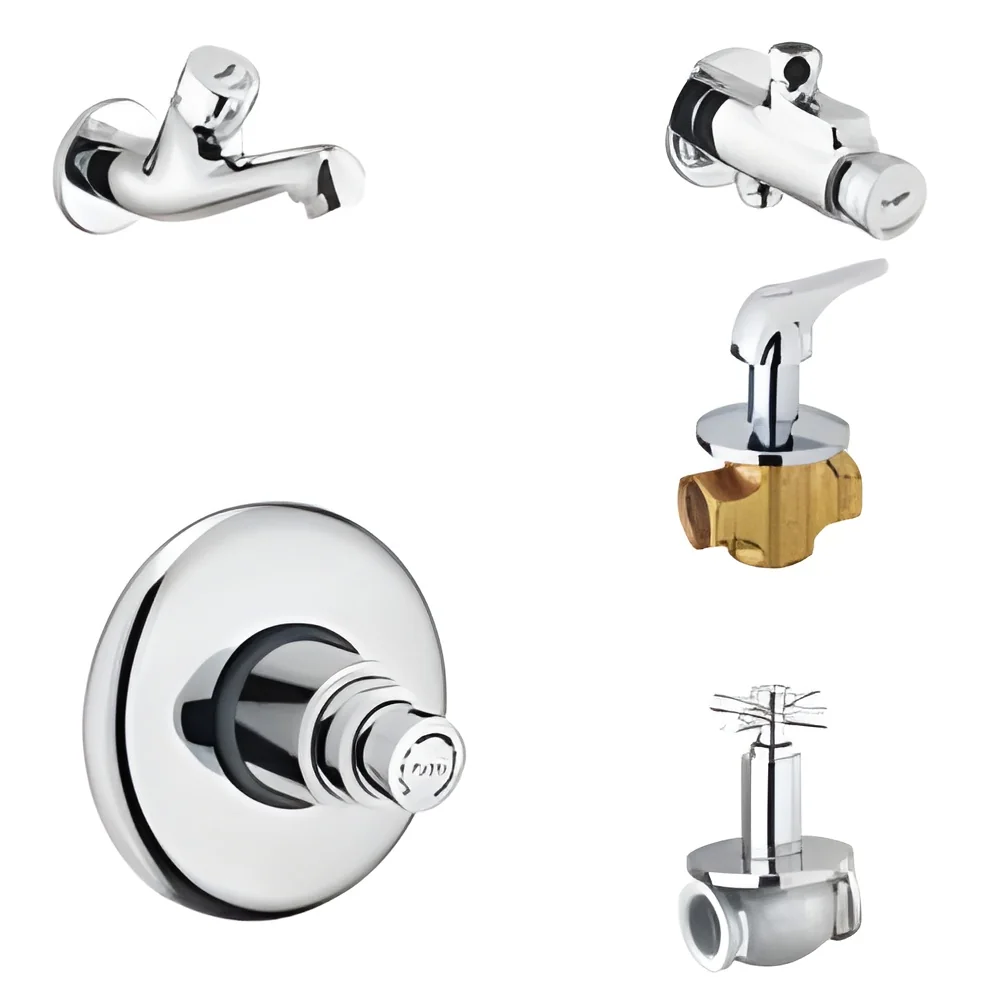
Fitting and valve distributors come in various configurations to meet the diverse needs of different industries. This diversity allows businesses to select the most suitable options for their specific applications.
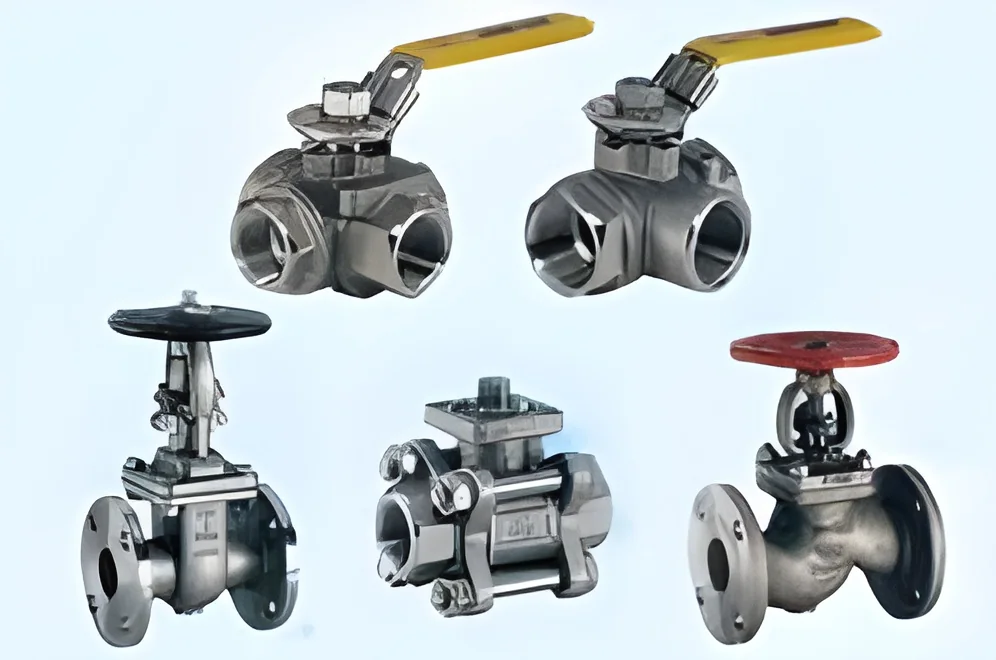
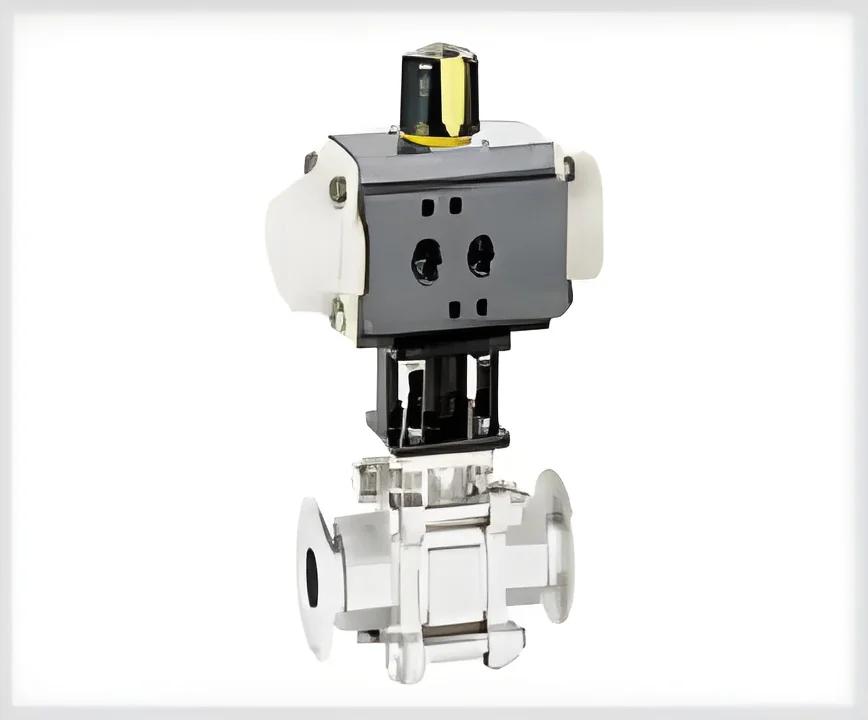
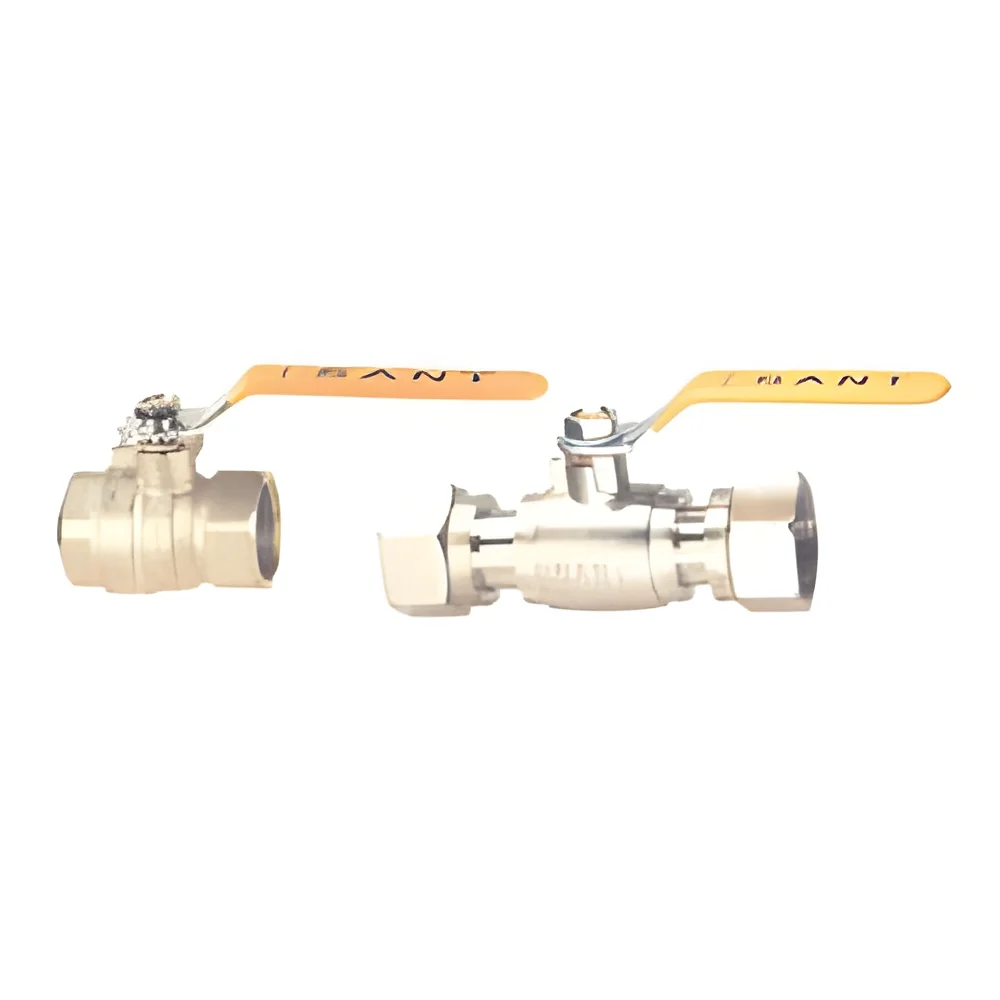
Ball Valve Distributors: These distributors feature ball valves that provide excellent flow control. They are ideal for applications requiring quick shut-off capabilities.
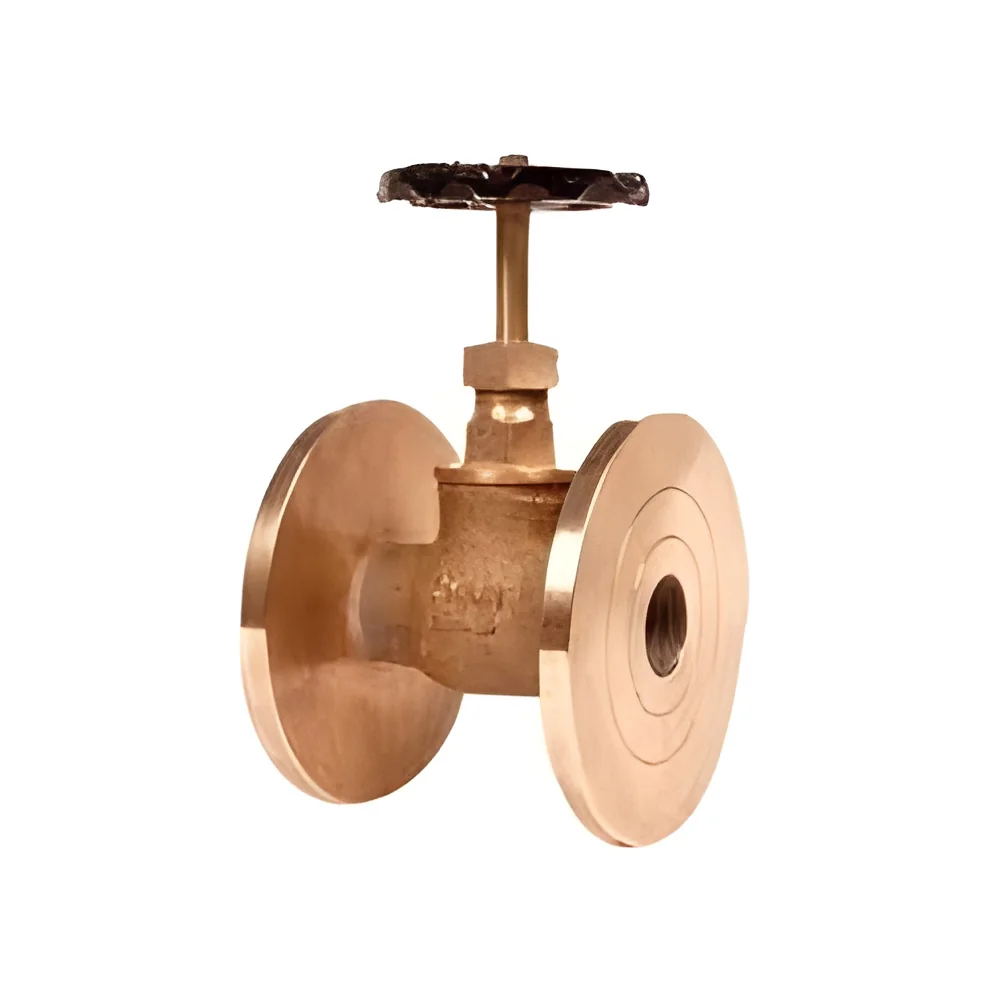
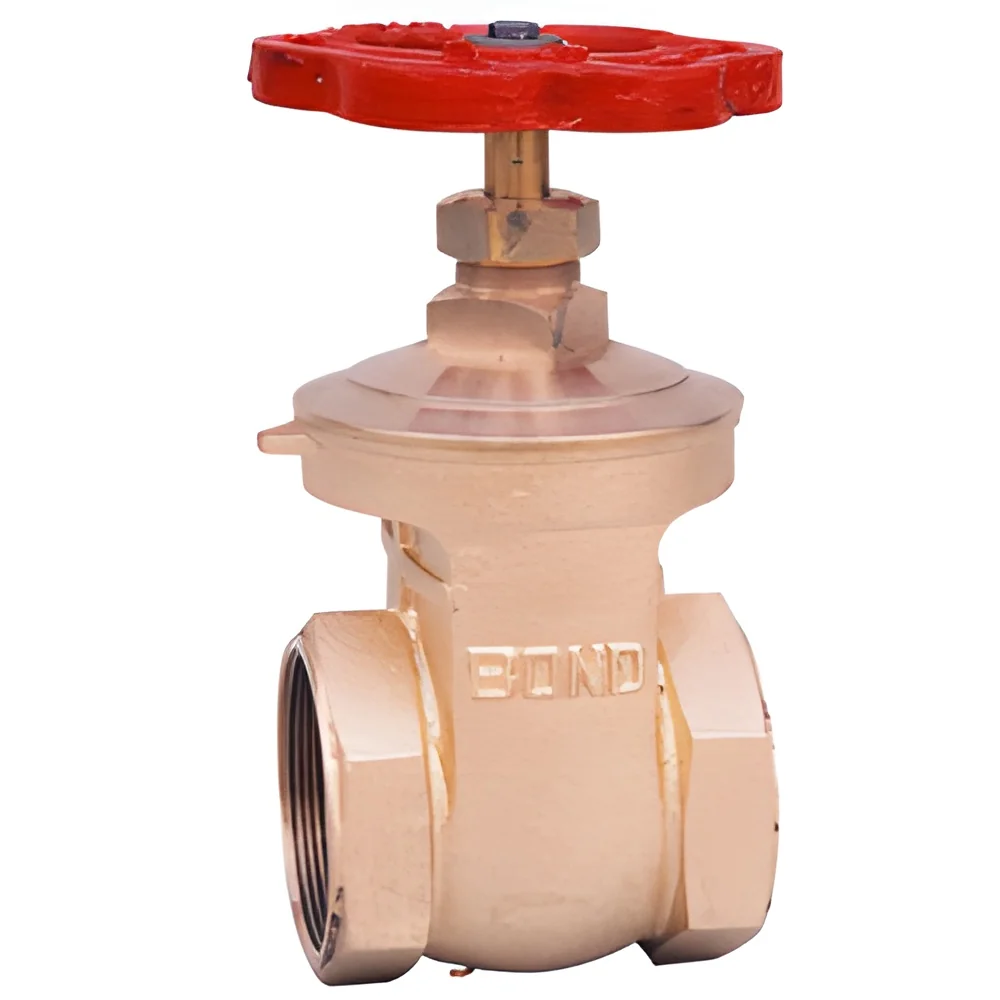
Gate Valve Distributors: Designed for on/off applications, gate valve distributors offer minimal flow resistance when fully opened. They are commonly used in pipelines where flow regulation is essential.
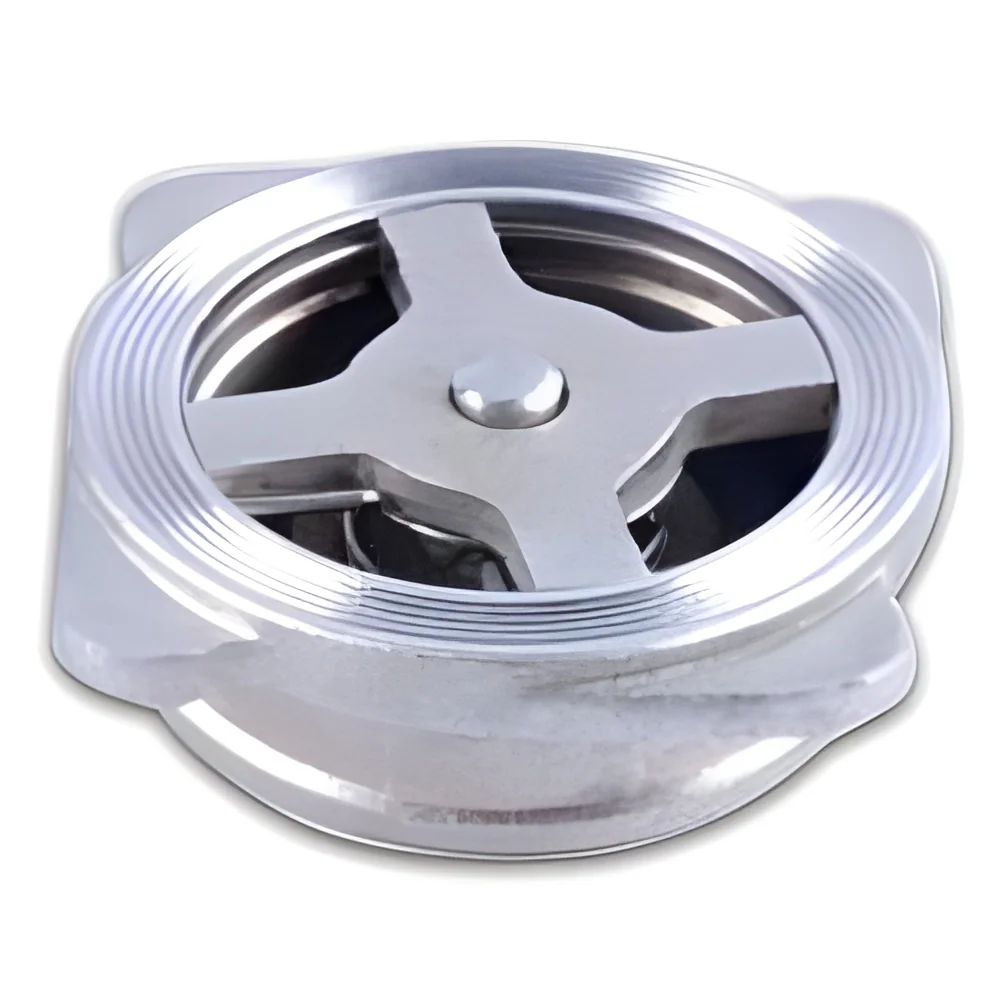
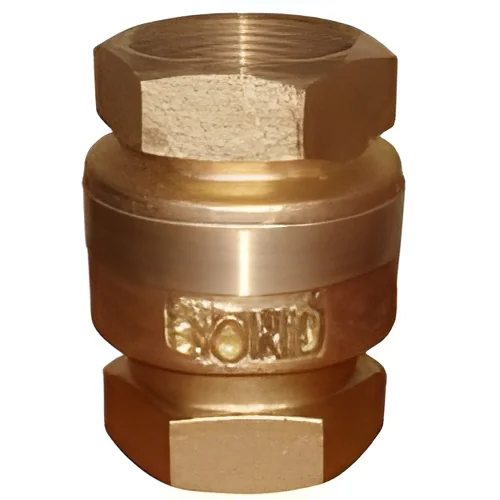
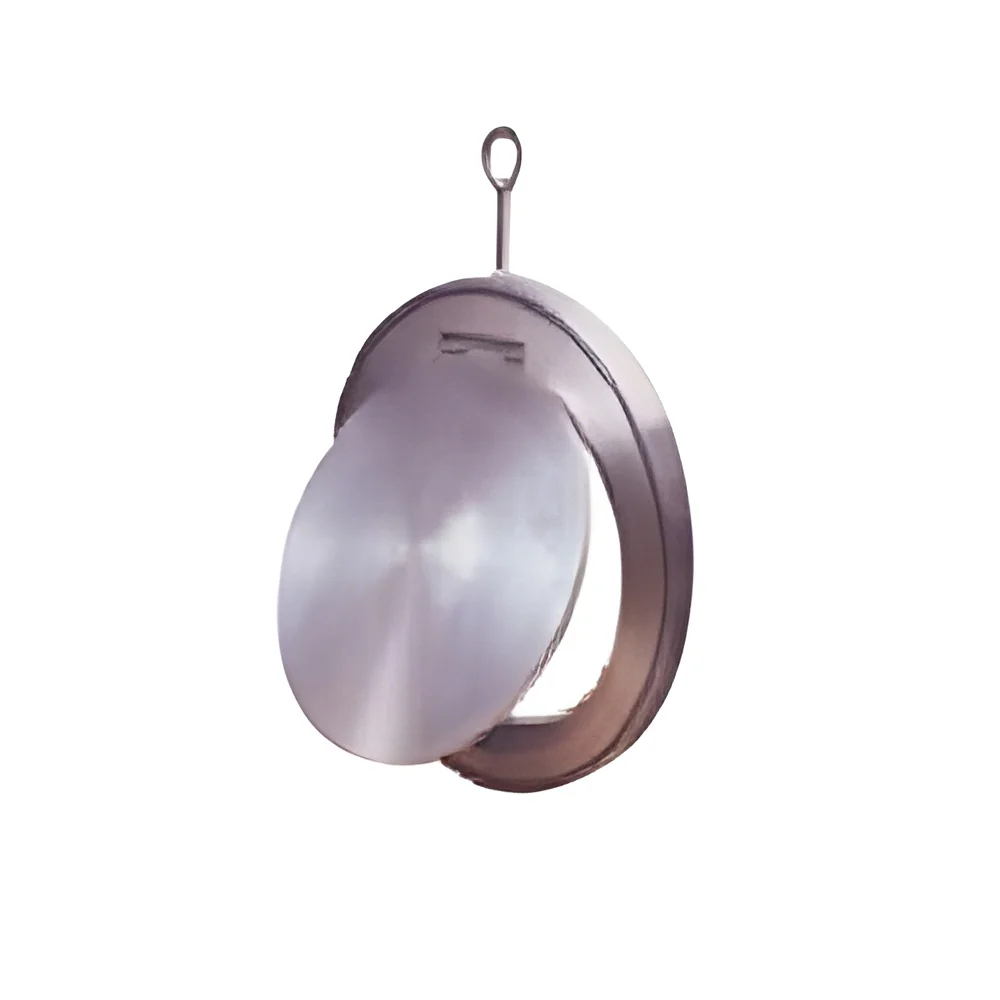
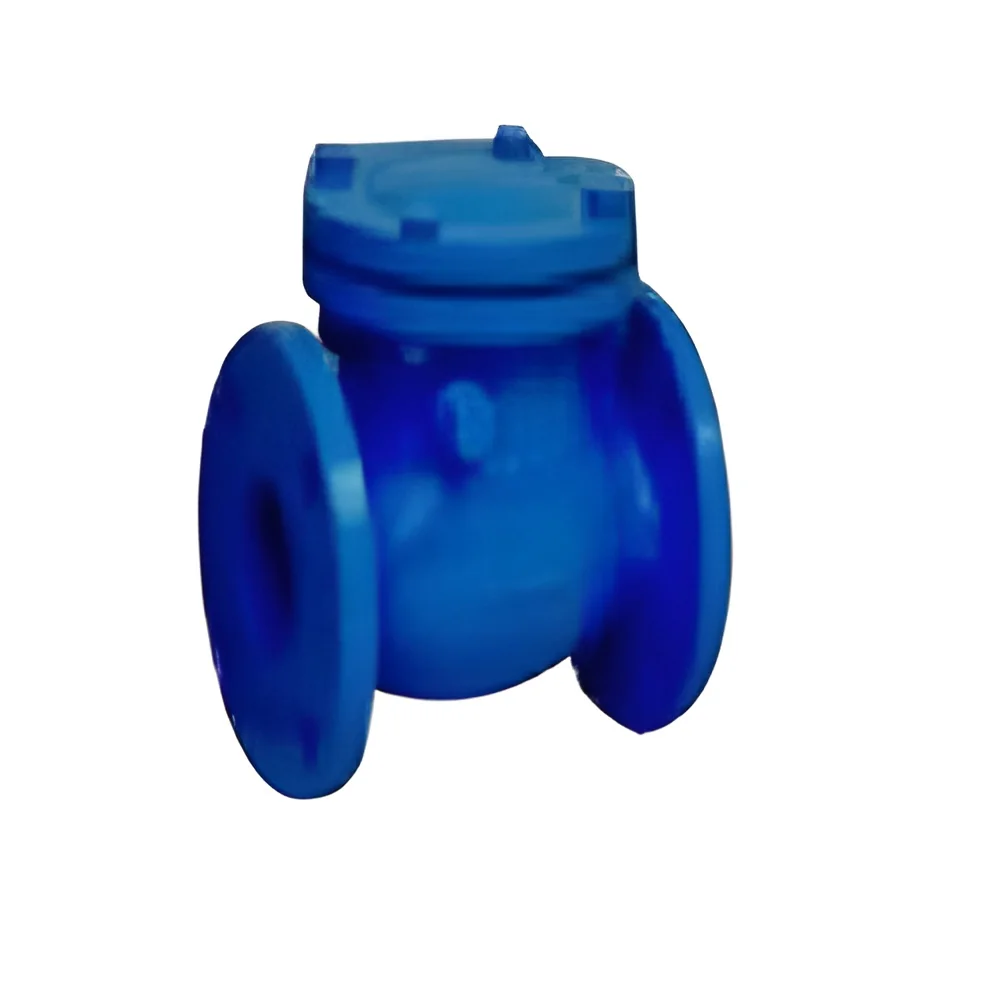
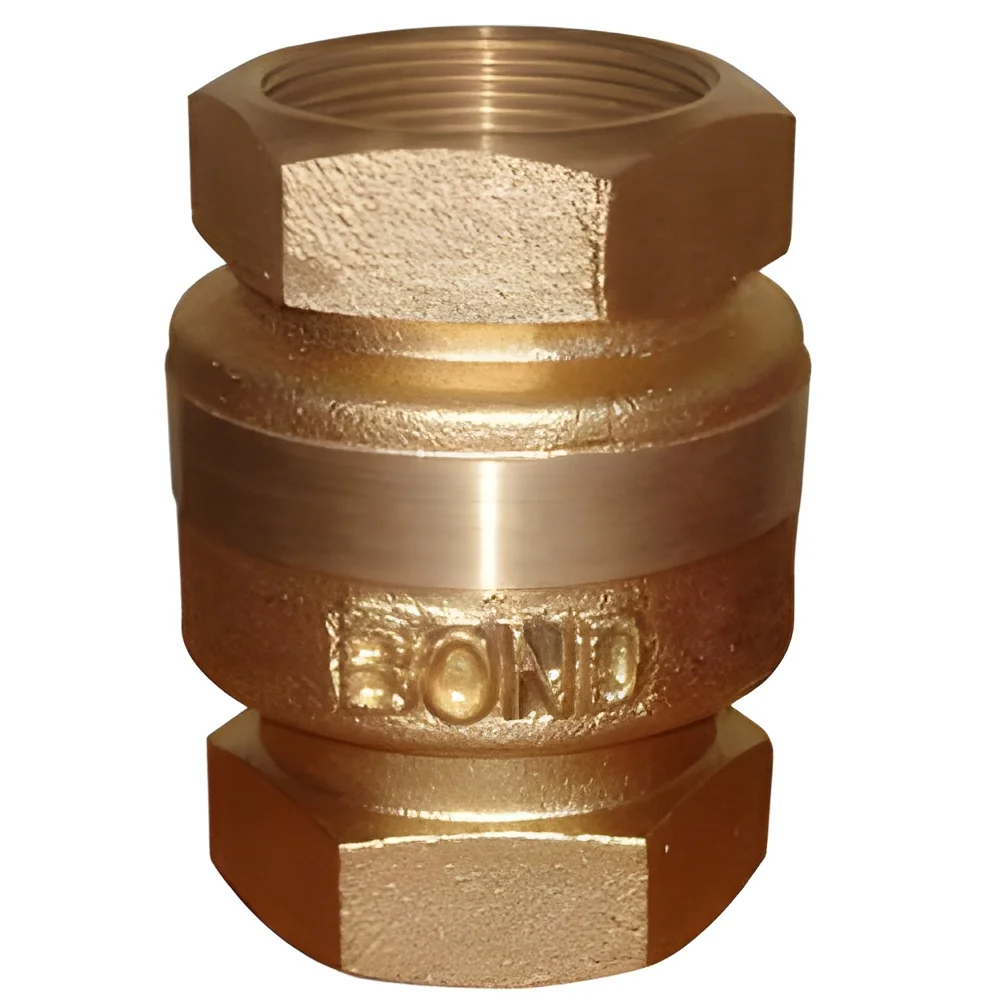
Check Valve Distributors: These distributors prevent backflow in a system, ensuring that fluids flow in one direction. They are crucial in maintaining system integrity.
Butterfly Valve Distributors: These distributors use a rotating disc to regulate flow, making them ideal for applications that require compact design and lightweight solutions.
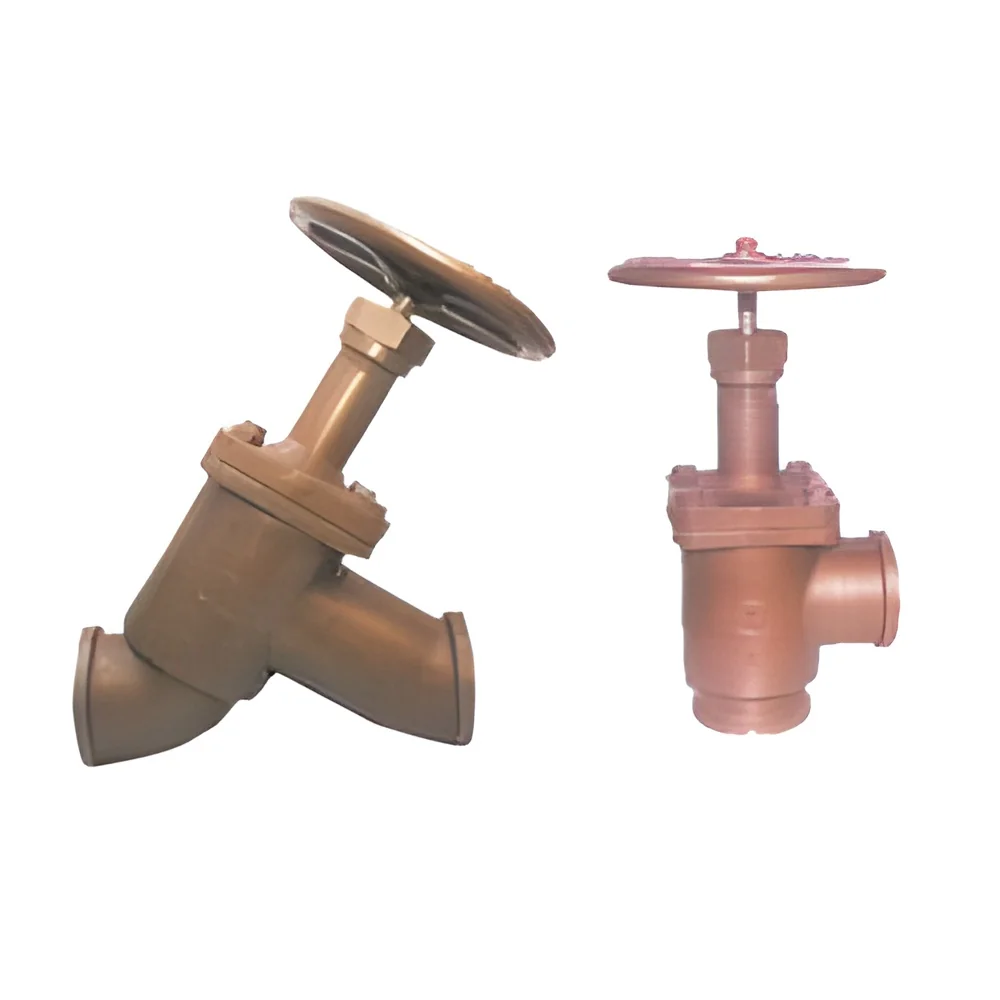
Globe Valve Distributors: Known for their ability to control flow rates, globe valve distributors are often used in applications where precise flow regulation is necessary.
Benefits and Advantages
Investing in high-quality fitting and valve distributors offers numerous advantages for businesses.
1. Enhanced Efficiency: Properly functioning distributors optimize fluid and gas flow, improving overall system efficiency and performance.
2. Safety Assurance: Reliable distributors minimize the risk of leaks and failures, ensuring safe operation in industrial environments.
3. Cost Savings: Efficient flow management can lead to reduced resource waste, resulting in significant cost savings over time.
4. Versatility: With various types available, businesses can find specific distributors tailored to their unique operational needs.
5. Compliance Confidence: High-quality distributors that meet industry standards ensure compliance with regulations, protecting businesses from potential liabilities.
6. Durability: Using robust materials and advanced manufacturing techniques, these distributors offer long-lasting performance, reducing the need for frequent replacements.
Buying Guide for B2B Buyers
When sourcing fitting and valve distributors, several factors should be considered to ensure a satisfactory purchase.
1. Quality Assessment: Evaluate the quality of materials and construction. Look for products that meet industry standards and have a proven track record of reliability.
2. Supplier Verification: Vet potential suppliers by checking their credentials, reviews, and certifications. Ensure they have a solid reputation in the industry.
3. Pricing and MOQ: Understand the pricing structures and minimum order quantities. Compare quotes from different suppliers to find the best deal.
4. Delivery and Lead Times: Inquire about delivery schedules and lead times. Timely delivery is crucial for maintaining project timelines.
5. Compliance Requirements: Assess any regulatory compliance needs specific to your industry. Ensure the distributors meet these requirements to avoid issues.
Compliance and Certifications
Fitting and valve distributors must adhere to several relevant quality standards and certifications to ensure safety and reliability in industrial applications. Key standards include ISO 9001, which focuses on quality management systems, ensuring that manufacturers consistently provide products that meet customer and regulatory requirements.
Additionally, industry certifications such as CE mark indicate compliance with European safety standards, reflecting the product's adherence to health, safety, and environmental protection legislation. Safety and testing requirements are vital in industries where the integrity of fluid and gas control is essential.
Regional compliance considerations may vary, necessitating that businesses familiarize themselves with local regulations governing the use of fitting and valve distributors in their respective areas. Compliance with these standards not only enhances product reliability but also builds trust with end-users and stakeholders.
Why Source Fitting & Valve Distributors from Pepagora?
Pepagora offers a trusted platform for sourcing fitting and valve distributors, presenting numerous key advantages to buyers.
Verified Supplier Network: Pepagora connects buyers with a network of verified suppliers, ensuring that they receive quality products from reputable sources. Each supplier undergoes a rigorous vetting process to maintain high standards.
Streamlined RFQ Process: The request for quotation system simplifies the purchasing process, allowing buyers to easily compare offers from different suppliers. This efficiency helps businesses make informed purchasing decisions quickly.
Trade Assurance and Support: Pepagora provides trade assurance and buyer protection, ensuring that transactions are secure. This support fosters confidence among buyers, knowing they are protected throughout the purchasing process.
Regional Coverage: With a broad geographic reach across India, GCC, and Southeast Asia, Pepagora caters to a diverse range of industries and businesses. This regional coverage ensures that buyers can access fitting and valve distributors tailored to their specific market needs.
Newly Added







Frequently Asked Questions
1
What is Fitting & Valve Distributors?
Fitting & Valve Distributors is a product offered by global suppliers on Pepagora.
2
How do I find suppliers for Fitting & Valve Distributors?
Use Pepagora's search and filter options to find verified suppliers.
3
Can I request a quote for Fitting & Valve Distributors?
Yes, use the RFQ feature to request quotes from multiple suppliers.
4
Is Fitting & Valve Distributors available in multiple languages?
Pepagora supports multilingual catalogs for global buyers.
5
What trust signals are available for Fitting & Valve Distributors?
Look for TruBadge, RFQ, and multilingual support on supplier profiles.
Why Businesses Trust Pepagora
Thousands of companies trust Pepagora to source smarter and sell faster
Expand Your Sales Globally
25000+Products listed.Get discovered by global buyers
Tools to boost visibility
Build your own catalog

Source Smarter,Grow Faster
4000+Active RFQs
100+ Countries served
Easy Sourcing Tools
