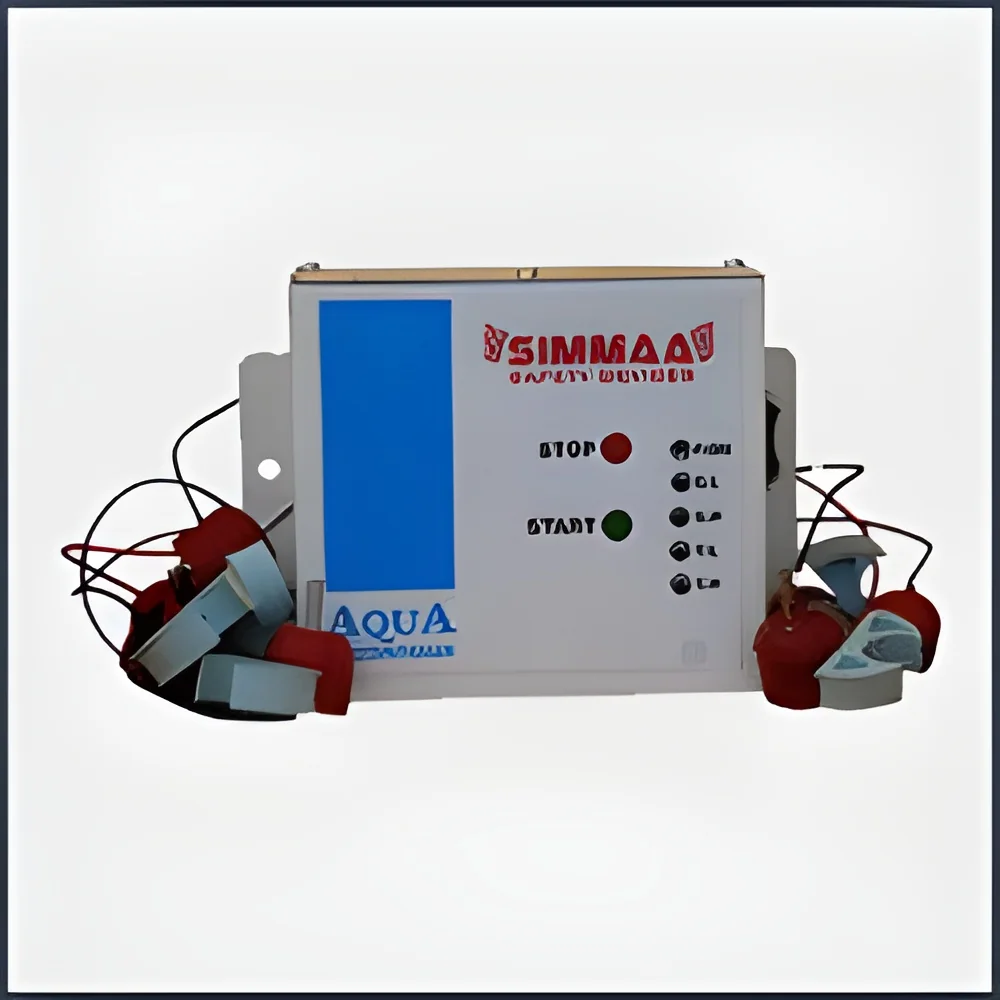
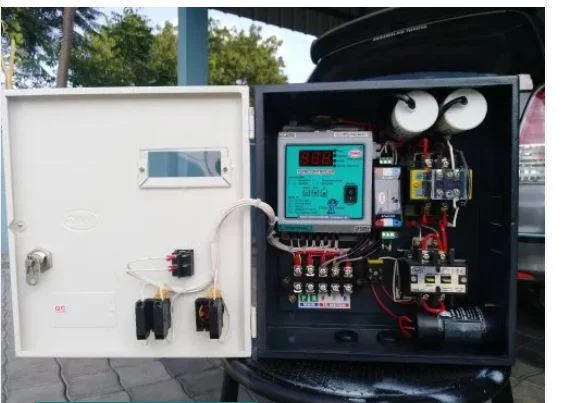
What are Water Level Controllers?
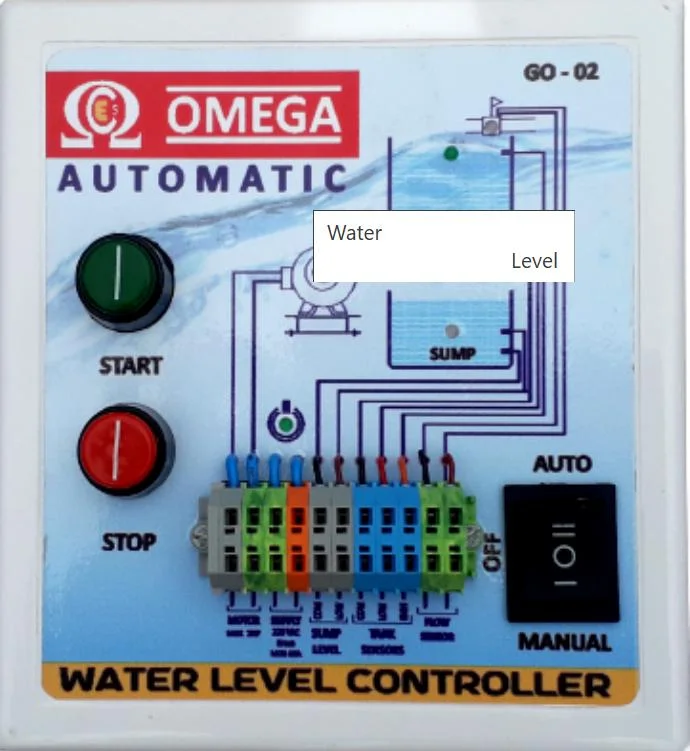
Water Level Controllers are automated devices designed to manage and regulate the levels of water in various storage tanks and reservoirs. They operate by monitoring water levels and controlling the inflow and outflow of water to maintain desired levels. This process is crucial in preventing overflow, reducing wastage, and ensuring efficient use of water resources.
These controllers find primary applications in numerous sectors, including agriculture, manufacturing, and municipal water management. In agricultural settings, they help manage irrigation systems, ensuring crops receive adequate water without flooding. In industrial environments, they are used in cooling systems and process tanks to maintain optimal water levels for efficient operations. As water scarcity becomes a pressing global concern, the relevance of water level controllers in promoting sustainable water management practices continues to grow.
The market for water level controllers has expanded significantly in recent years, driven by increasing awareness of water conservation and the need for automated solutions. With advancements in technology, modern controllers offer enhanced features such as remote monitoring and integration with other smart systems, making them suitable for a wide range of applications.
Key Features and Specifications
Water Level Controllers come equipped with various features and specifications that enhance their functionality and reliability. These specifications are essential for businesses to evaluate the right controller for their specific needs.
Key specifications include:
1. Measurement Range
- Typically from 0 to 10 meters
- Suitable for different tank sizes and applications
2. Power Supply
- Commonly operates on 220V AC or 12V DC
- Ensures compatibility with standard electrical systems
3. Control Method
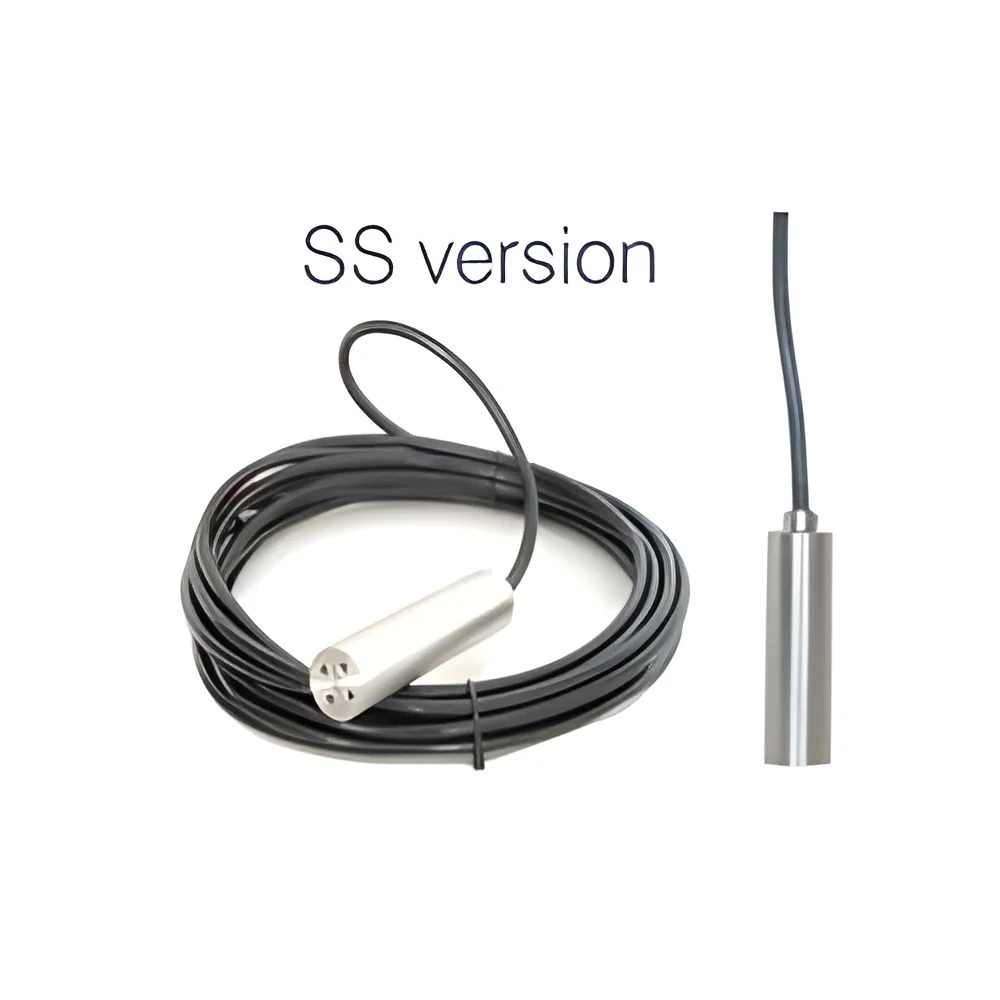
- Can be either float-based or sensor-based
- Provides options for various installation environments
4. Signal Output
- Analog or digital output options
- Facilitates integration with other monitoring systems
5. Enclosure Rating
- Usually IP65 or higher
- Protects against dust and water ingress
6. Temperature Tolerance
- Standard operating temperature range
- Ensures functionality in diverse environmental conditions
7. Alarm Features
- Visual and audible alarms for high or low water levels
- Alerts users to potential issues for proactive management
8. User Interface
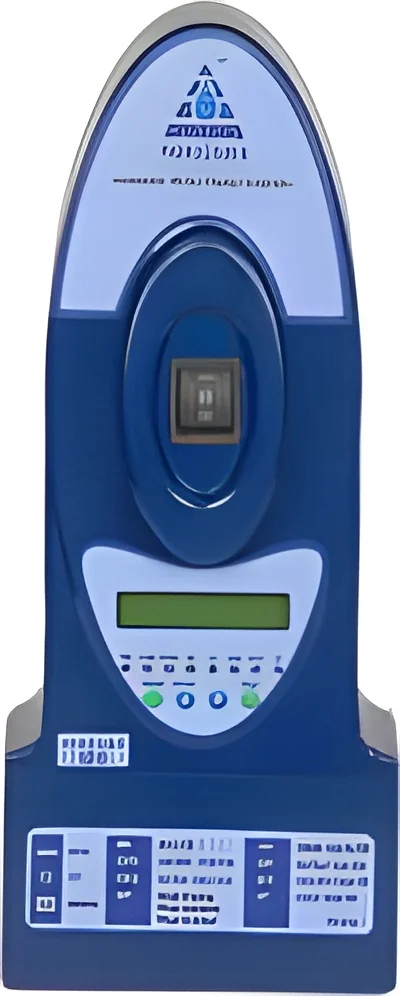
- LCD display for real-time monitoring
- User-friendly controls for easy operation
In summary, understanding these features allows businesses to select water level controllers that best suit their operational requirements.
Common Applications and Use Cases
Water Level Controllers are versatile devices used across various industries to ensure effective water management.
1. Agriculture: In farming, these controllers help automate irrigation systems, ensuring crops receive the right amount of water. This not only conserves water but also enhances crop yield.
2. Manufacturing: In industrial settings, they manage water levels in cooling towers and process tanks, contributing to efficient production processes and reducing downtime.
3. Municipal Water Systems: Municipalities use these controllers in water treatment plants and distribution systems to maintain optimal water levels, ensuring reliable supply to residents.
4. Residential Applications: Homeowners utilize water level controllers in water tanks to prevent overflow and manage household water supply efficiently.
5. Aquaculture: Fish farms rely on these controllers to maintain water quality and levels, essential for healthy fish growth and sustainability.
6. Fire Protection Systems: Water level controllers are crucial in fire suppression systems, ensuring that water supply is always available in case of emergencies.
7. Swimming Pools: They help automate the filling process, maintaining the desired water level without manual intervention.
Product Variants and Subcategories
Water Level Controllers come in various forms to cater to different operational needs.
Float-Based Controllers: These are traditional systems that use a float mechanism to detect water levels. They are simple, cost-effective, and widely used in residential and small-scale applications.
Sensor-Based Controllers: These advanced systems utilize ultrasonic or pressure sensors for accurate water level measurement. They offer more features such as remote monitoring and are ideal for larger installations in industrial settings.
Wireless Controllers: These controllers utilize wireless technology for remote monitoring and control. They are suitable for applications where manual access is challenging, providing flexibility and convenience.
Benefits and Advantages
Water Level Controllers offer numerous benefits that enhance operational efficiency and water management.
1. Water Conservation: By preventing overflow and optimizing water usage, these controllers play a vital role in conserving water resources.
2. Cost Savings: Automated control reduces labor costs associated with manual monitoring and management, leading to significant savings for businesses.
3. Enhanced Efficiency: Maintaining optimal water levels improves the efficiency of processes in industrial and agricultural applications.
4. Reduced Risk of Damage: By preventing overflow and ensuring proper water levels, these controllers protect equipment and infrastructure from potential water damage.
5. Improved Compliance: Using water level controllers helps organizations meet regulatory requirements for water management and conservation.
6. Increased Operational Reliability: Automated systems provide consistent performance, reducing the risk of human error and ensuring reliable water supply.
Buying Guide for B2B Buyers
When sourcing Water Level Controllers, it is essential for buyers to consider several critical factors to make informed decisions.
1. Quality Assessment: Evaluate the build quality and materials used in the controllers. Look for products that meet industry standards and have a proven track record of reliability.
2. Supplier Verification: Conduct due diligence by verifying suppliers' credentials. Check for certifications and customer reviews to ensure they have a good reputation in the market.
3. Pricing and MOQ: Understand the pricing structure and minimum order quantities (MOQ). This information helps in budgeting and ensures that the purchasing process aligns with business needs.
4. Delivery and Lead Times: Assess the supplier's ability to meet delivery timelines. Efficient logistics are crucial for maintaining operational continuity.
5. Compliance Requirements: Ensure that the controllers meet relevant regulatory standards. This may include certifications like CE and adherence to local compliance regulations.
Compliance and Certifications
Water Level Controllers must adhere to various quality standards and certifications to ensure safety and reliability.
ISO 9001 is a widely recognized quality management standard that ensures products are consistently manufactured to meet customer requirements. Compliance with such standards indicates a commitment to quality and operational excellence.
CE certification is crucial for products sold in European markets. It signifies that the controllers meet EU safety, health, and environmental protection standards.
Safety and testing requirements are essential to ensure that water level controllers function correctly under varying conditions. Manufacturers must conduct rigorous testing to guarantee their products' durability and reliability.
Regional compliance considerations may vary based on the geographic market. Buyers should be aware of local regulations and standards applicable to water management devices to ensure compliance.
Why Source Water Level Controllers from Pepagora?
Pepagora offers a reliable platform for sourcing Water Level Controllers, providing several advantages for B2B buyers.
Verified Supplier Network: Pepagora connects buyers with verified suppliers, ensuring that all listed manufacturers meet high standards for quality and reliability. This network simplifies the procurement process.
Streamlined RFQ Process: The platform features an efficient request-for-quotation (RFQ) system that allows buyers to easily compare offers from multiple suppliers. This transparency supports informed decision-making.
Trade Assurance and Support: Pepagora prioritizes buyer protection through trade assurance measures. This includes support for resolving disputes and ensuring timely delivery of products.
Regional Coverage: With a strong presence in India, the GCC, and Southeast Asia, Pepagora facilitates access to a wide range of suppliers, ensuring that buyers find suitable options regardless of their location.

 IN
IN