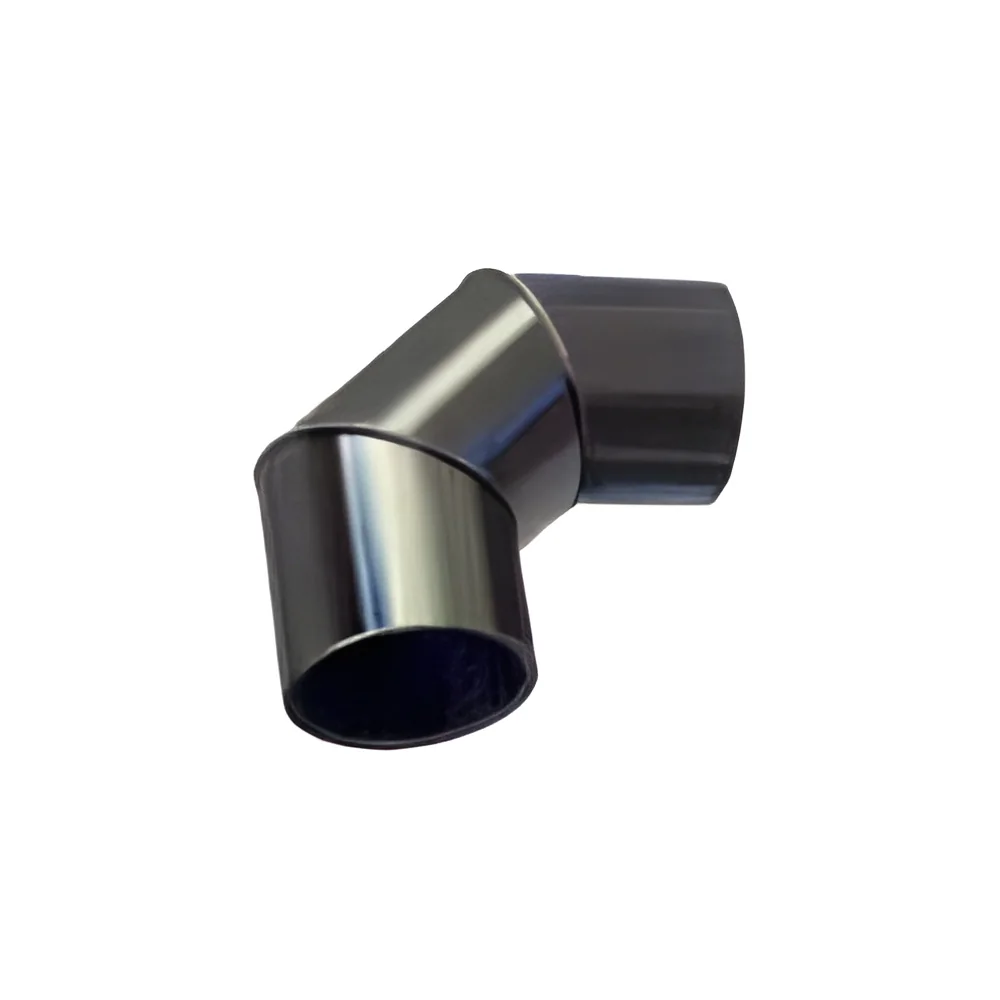
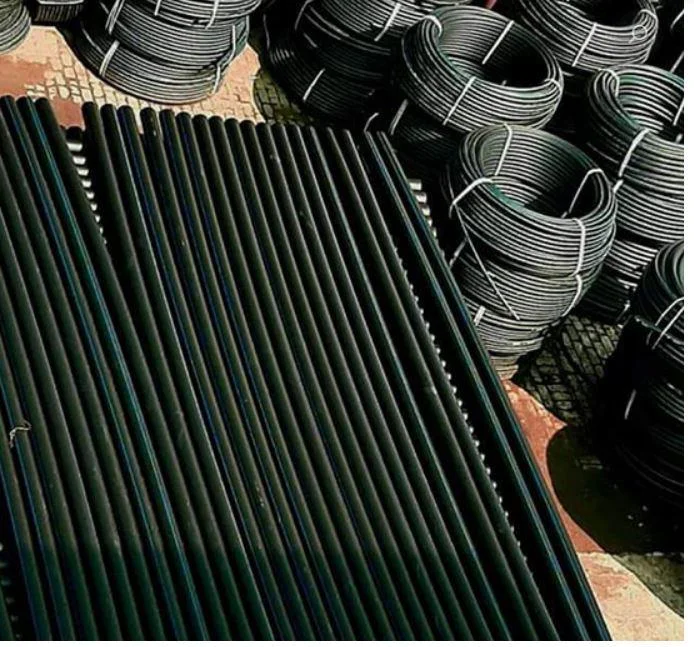
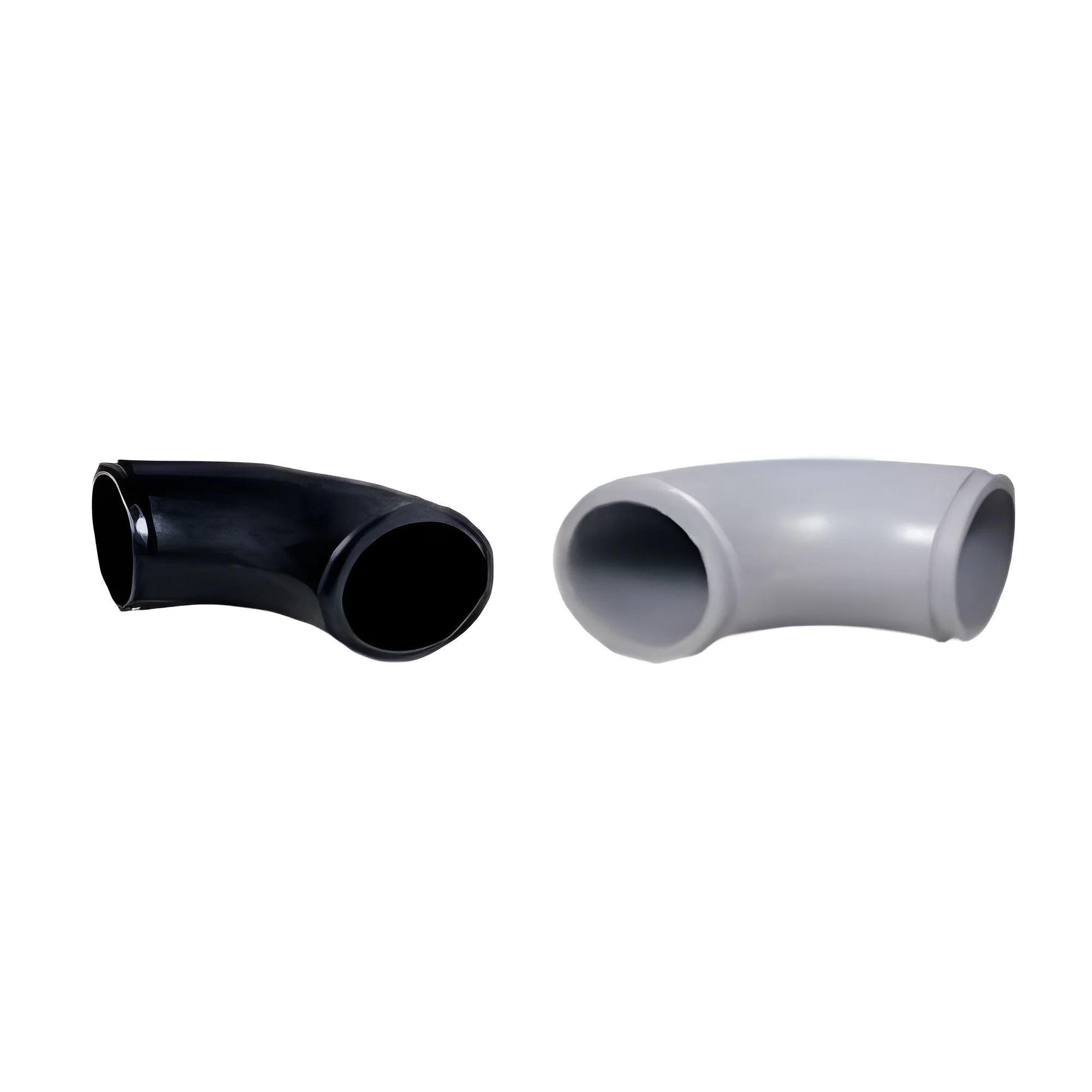
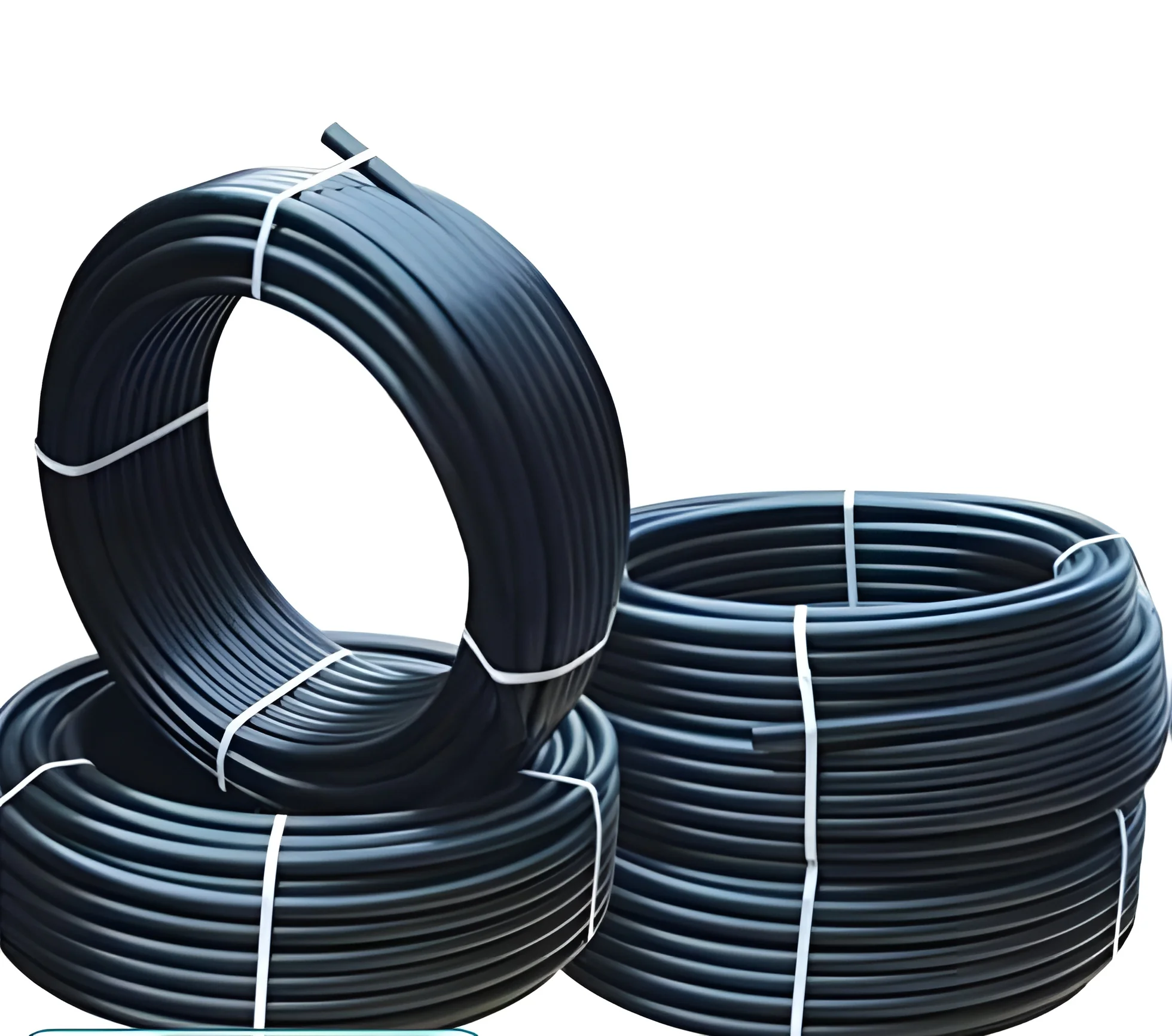
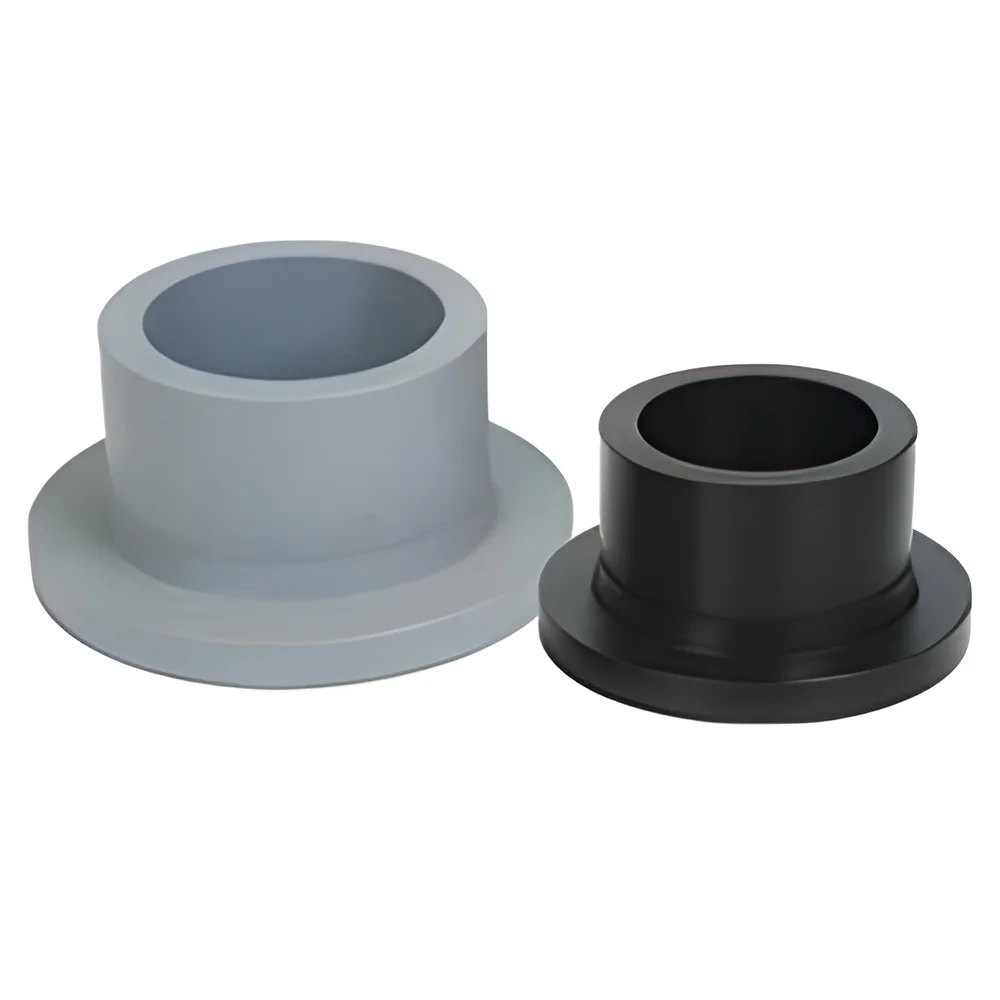
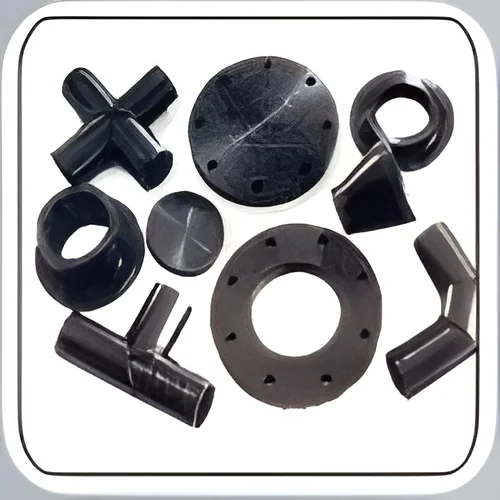
What are HDPE Pipes?
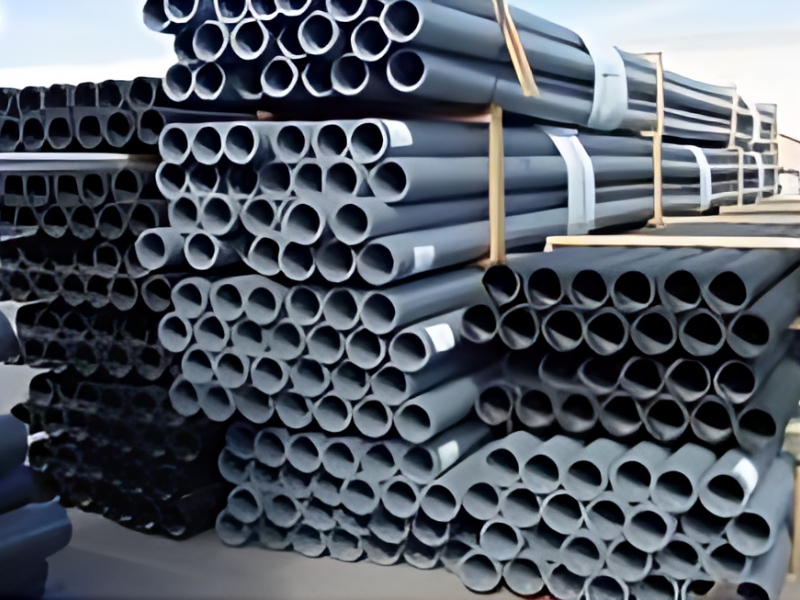
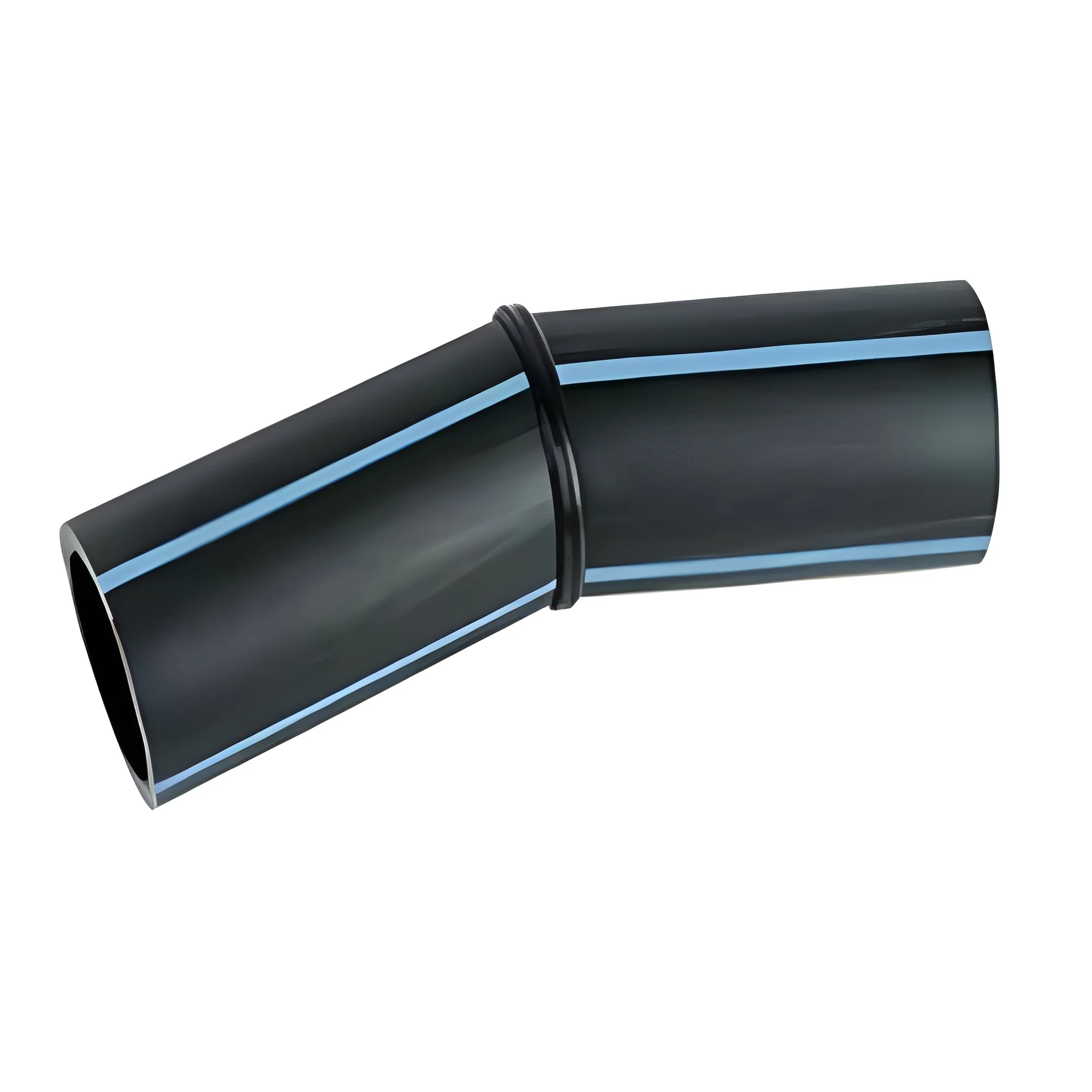
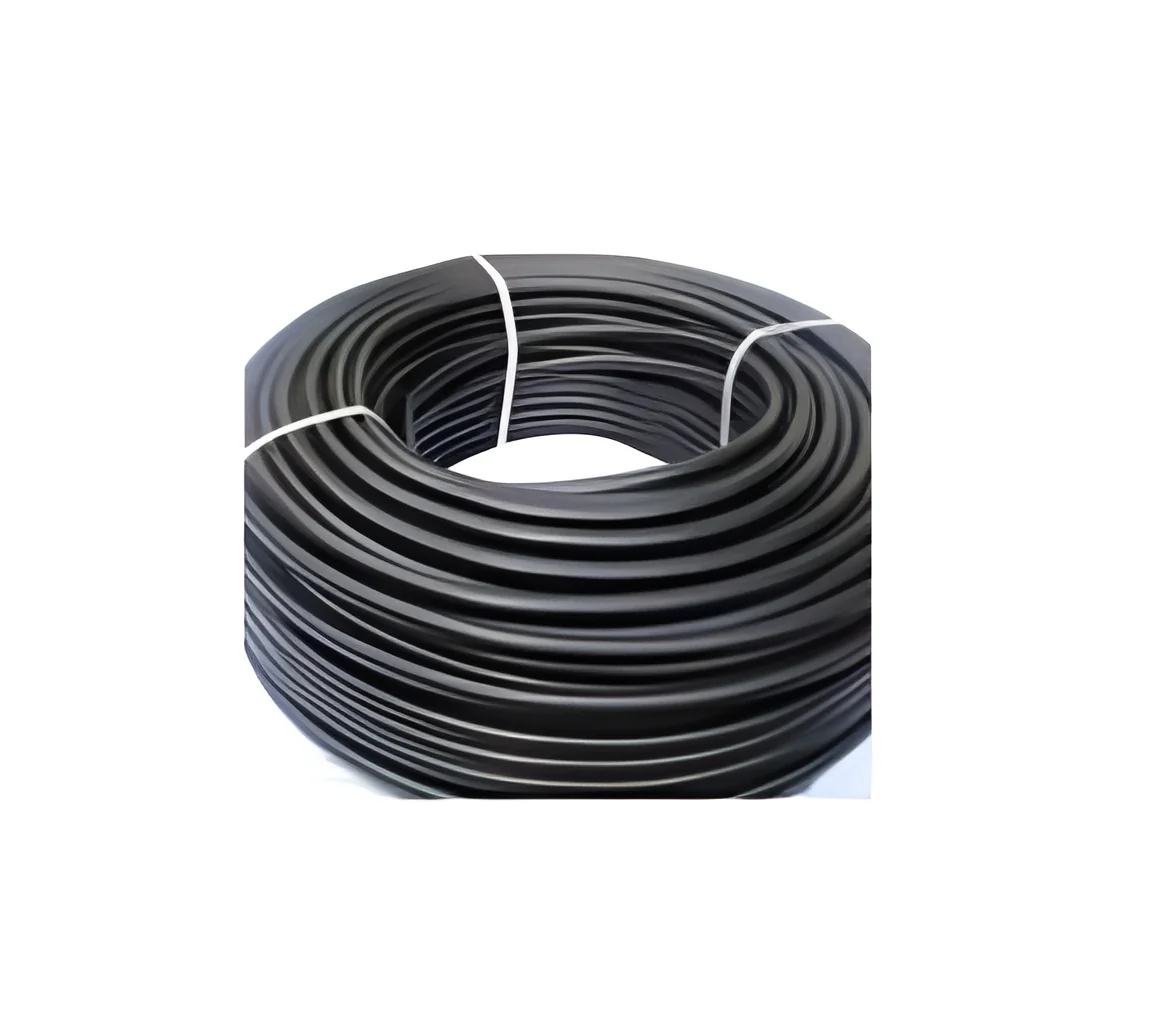
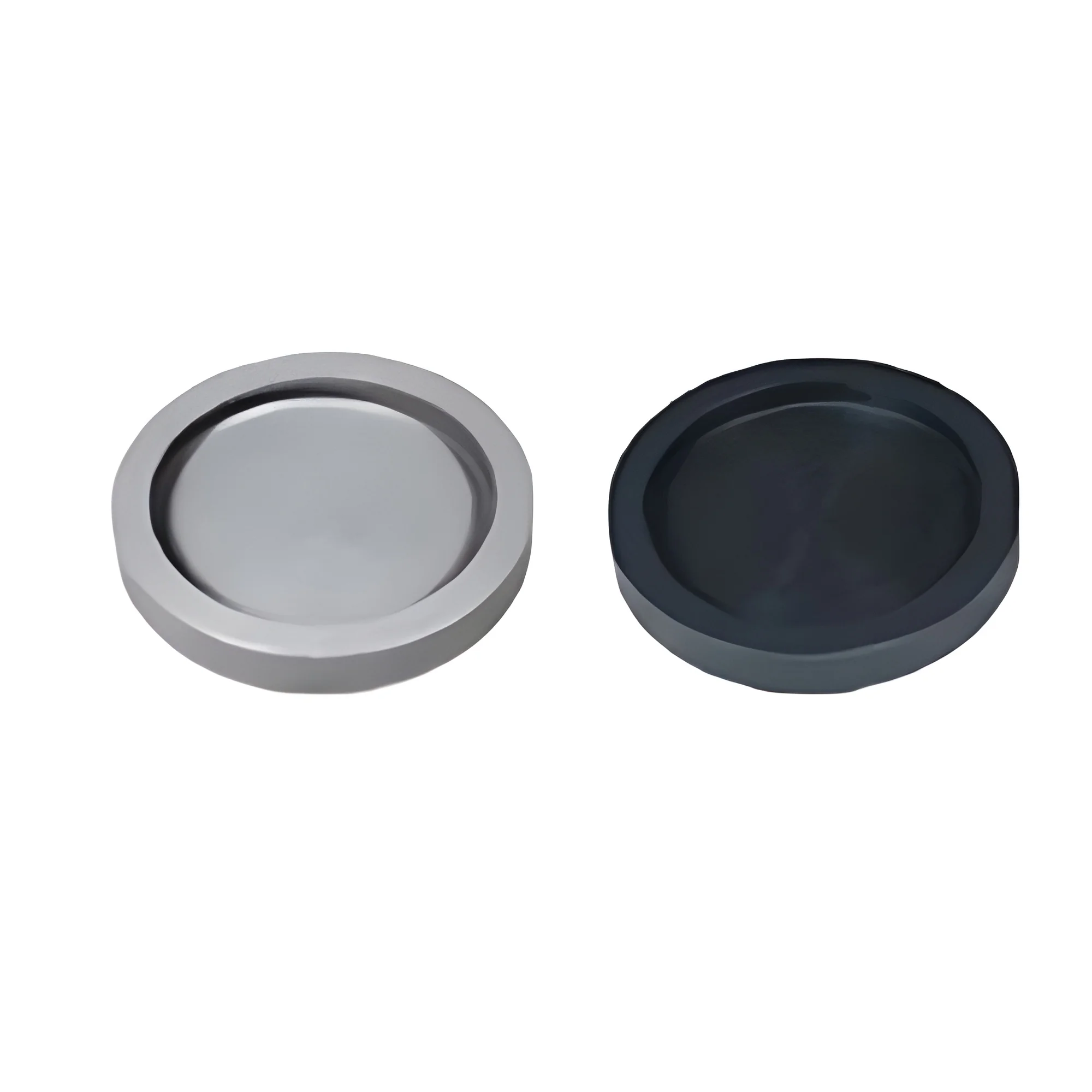
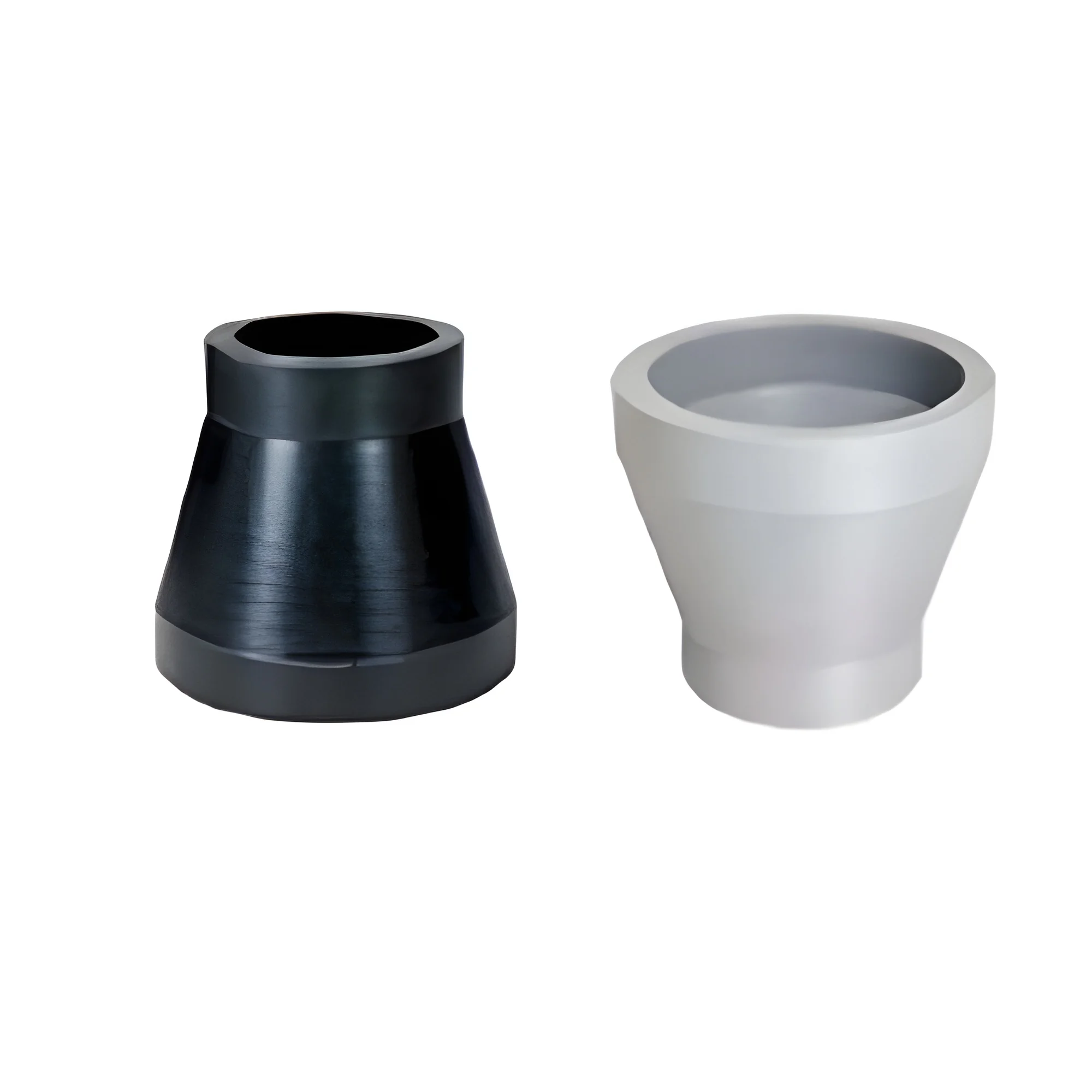
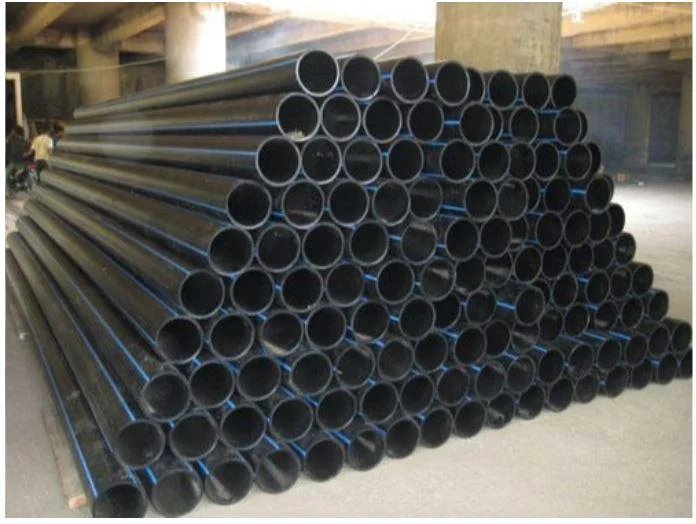
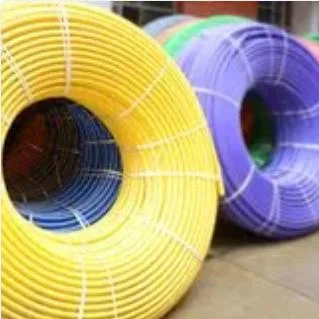
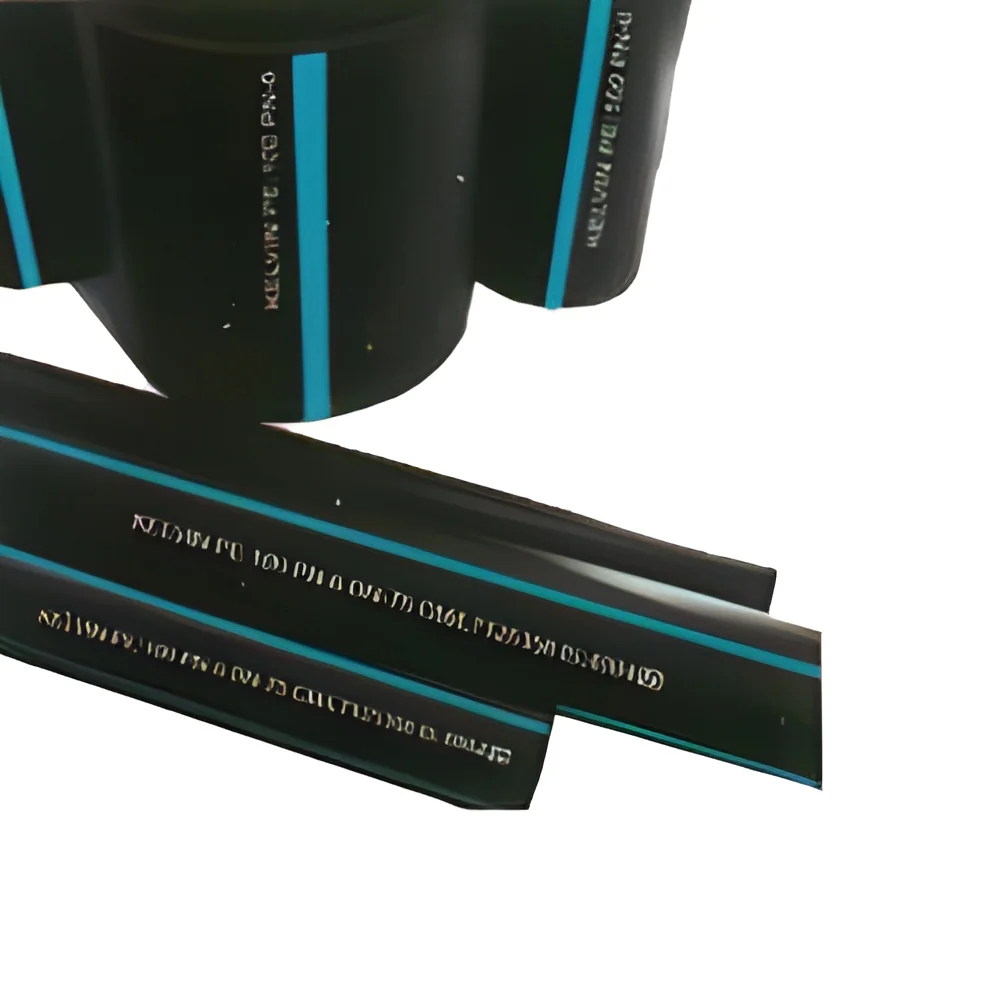
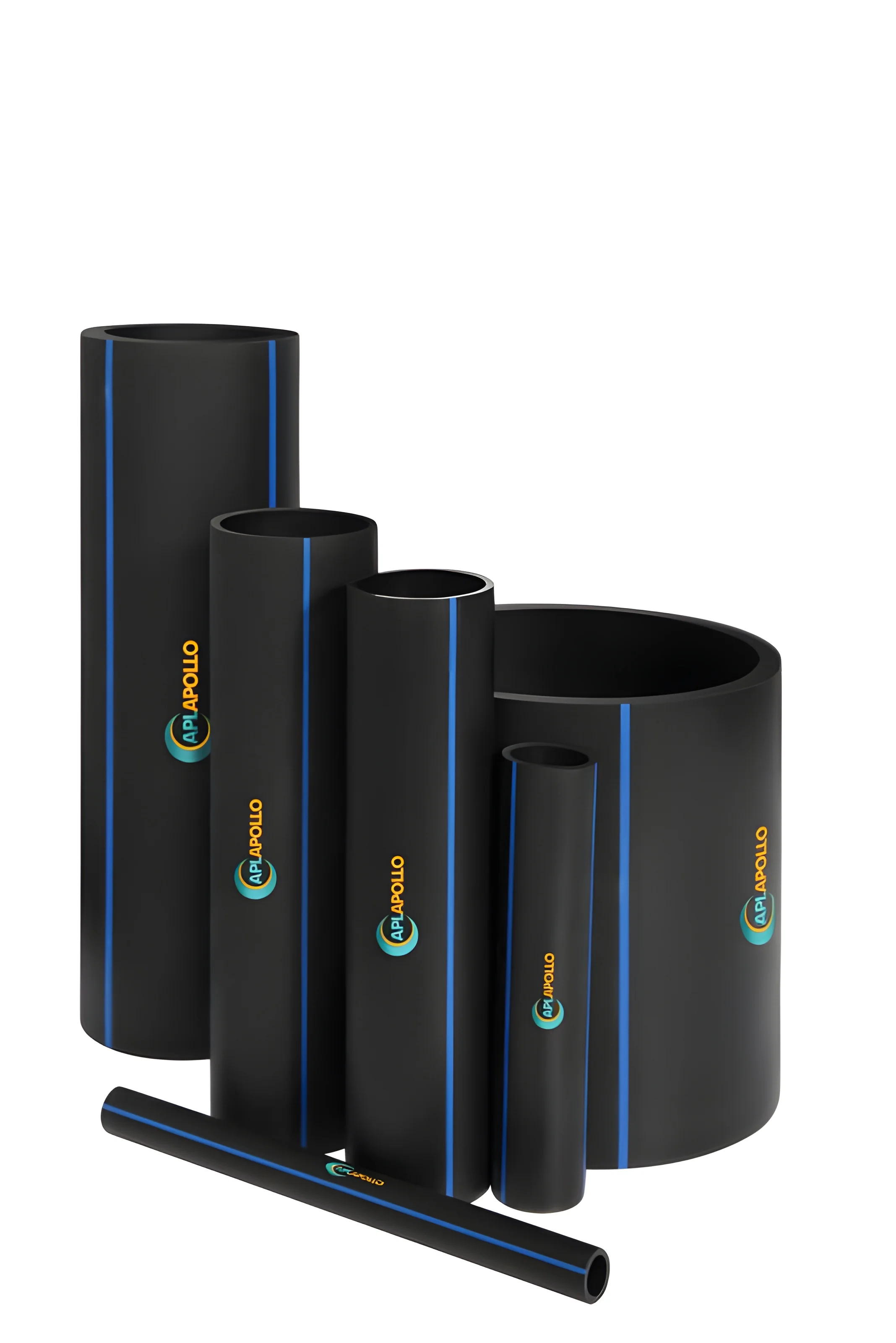
HDPE pipes, or High-Density Polyethylene pipes, are robust, durable plastic pipes made from high-density polyethylene. They are known for their excellent strength-to-density ratio, making them a popular choice in various applications. HDPE pipes are lightweight, flexible, and resistant to corrosion, chemicals, and UV radiation. Their seamless construction allows for smooth internal surfaces, reducing friction and enhancing flow efficiency.
These pipes are widely used in industries such as water supply, sewage systems, irrigation, and gas distribution. They are ideal for both above-ground and underground installations due to their resistance to environmental stress and impact. In recent years, the demand for HDPE pipes has surged, driven by the need for sustainable and efficient infrastructure solutions. Their ability to withstand extreme temperatures and pressures further solidifies their relevance in the market.
Key Features and Specifications
HDPE pipes offer numerous features that enhance their utility in various applications. Their specifications are designed to meet diverse industry needs while ensuring reliability and performance.
Key specifications include:
1. Diameter Range
- HDPE pipes are available in various diameters, typically ranging from 16 mm to 1200 mm.
- This range allows for versatile applications in both small-scale and large-scale projects.
2. Pressure Ratings
- These pipes come with different pressure ratings, commonly up to 16 bar.
- Higher pressure ratings are available for specialized applications.
3. Lengths
- Standard lengths for HDPE pipes are usually 6 meters or 12 meters.
- Custom lengths can be ordered based on project requirements.
4. Material Properties
- HDPE pipes are made from high-density polyethylene, which provides excellent chemical resistance.
- They are also resistant to environmental stress cracking.
5. Temperature Resistance
- HDPE pipes can typically withstand temperatures ranging from -40°C to 60°C.
- This feature makes them suitable for various climates and conditions.
6. Jointing Methods
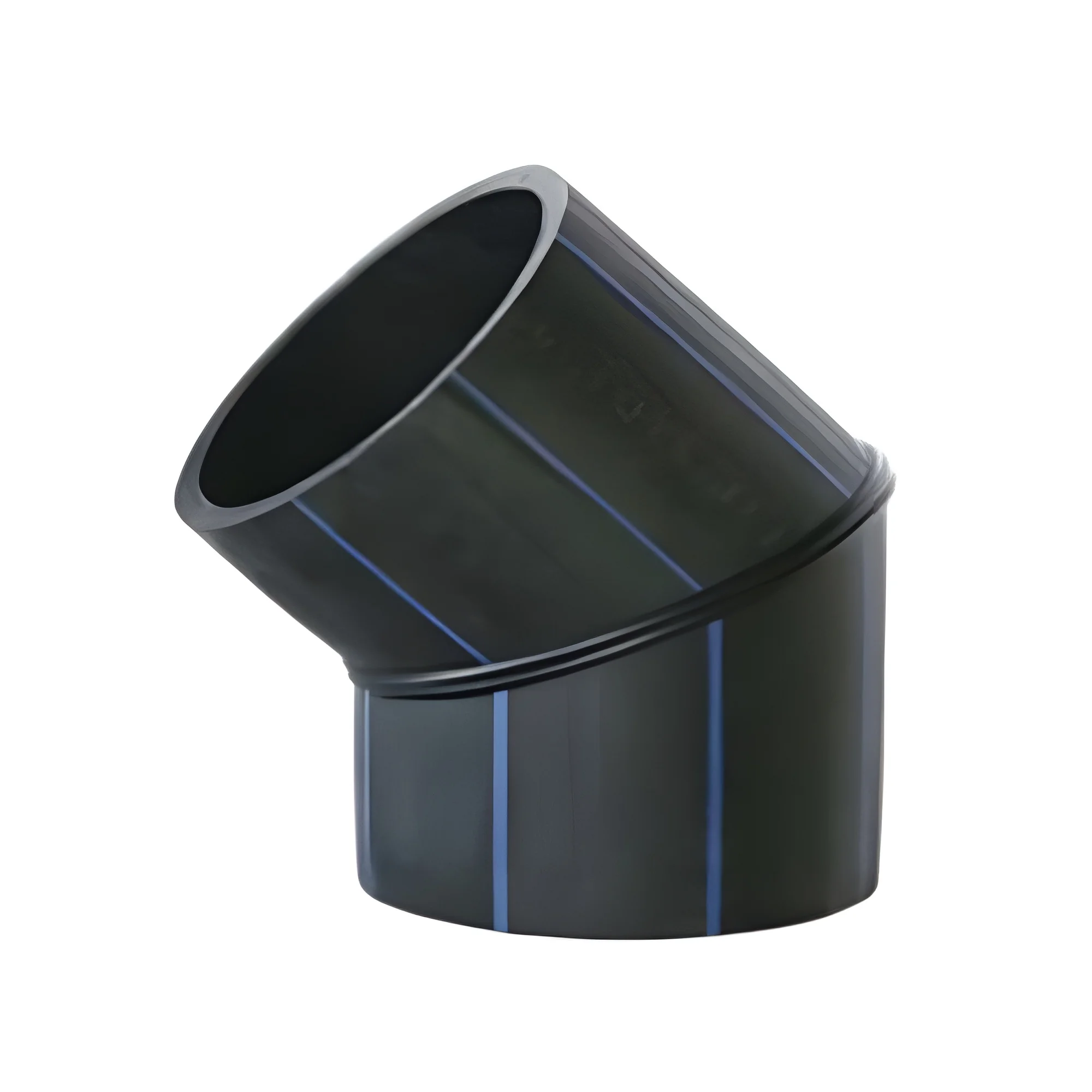
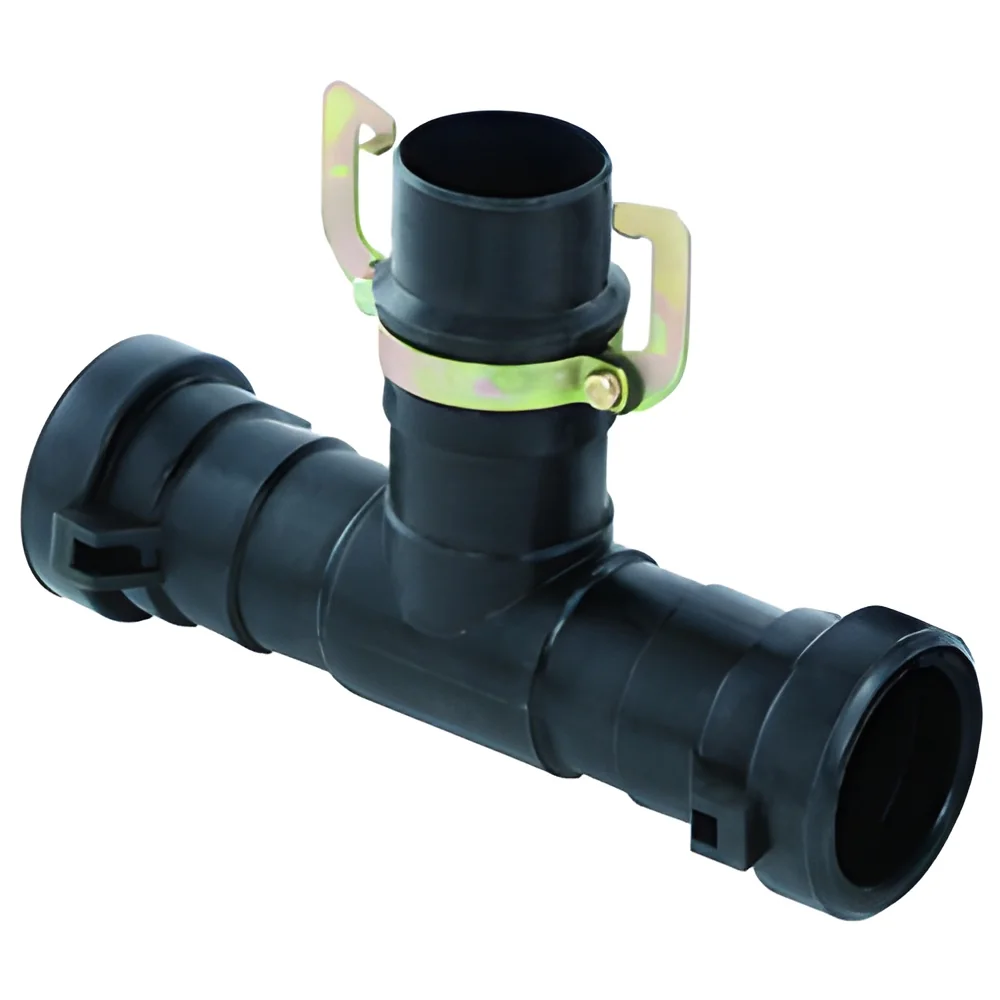
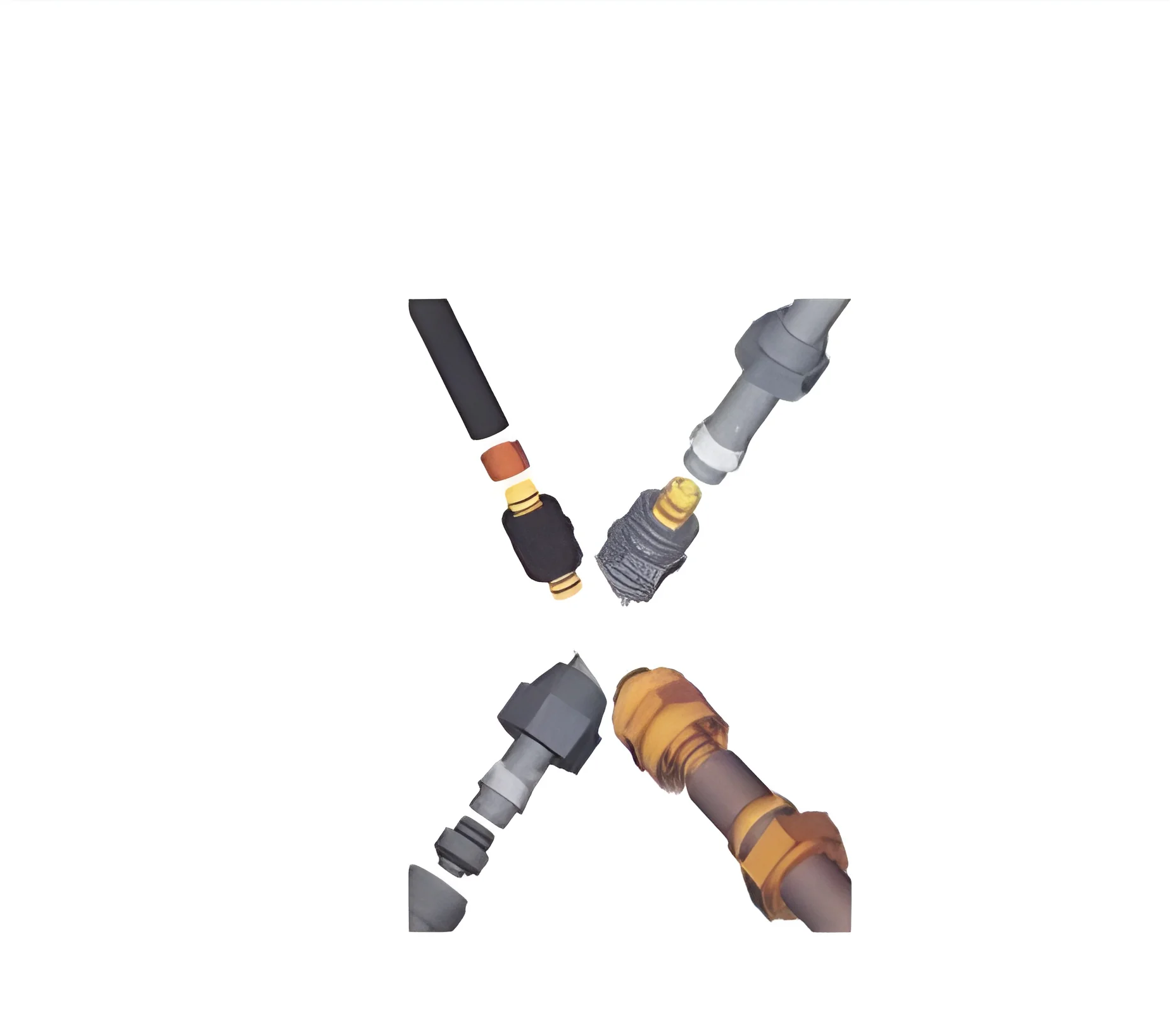
- Common jointing methods include butt fusion, electrofusion, and mechanical fittings.
- These methods ensure secure and leak-free connections.
7. Weight
- HDPE pipes are lightweight, making them easy to handle and install.
- Their low weight reduces transportation costs.
In summary, HDPE pipes are characterized by their versatility, durability, and performance across a wide range of industrial applications.
Common Applications and Use Cases
HDPE pipes serve various industries, providing tailored solutions for specific applications.
1. Water Supply: HDPE pipes are extensively used in municipal water supply systems due to their resistance to corrosion and ability to handle high pressures. They ensure safe and reliable drinking water delivery.
2. Sewage Systems: These pipes are ideal for sewage and drainage applications, offering excellent flow characteristics and durability against chemical exposure.
3. Agricultural Irrigation: HDPE pipes are utilized in irrigation systems, promoting efficient water usage and distribution in agricultural practices.
4. Gas Distribution: The pipes are suitable for transporting natural gas and other gases, ensuring safety and reliability in gas supply networks.
5. Industrial Applications: HDPE pipes are used in various industrial processes, including chemical transportation and wastewater management, due to their chemical resistance.
6. Telecom and Electrical Conduits: These pipes provide protection for telecom and electrical cables, ensuring long-term reliability and reducing the risk of damage.
7. Mining and Dewatering: HDPE pipes are utilized in mining operations for water management and dewatering applications, given their strength and flexibility.
Product Variants and Subcategories
HDPE pipes come in various forms to meet different application needs. The diversity of product variants allows buyers to select the most suitable type for their specific requirements.
Standard HDPE Pipe
This is the most common variant, used for water supply and sewage systems. It features high durability and flexibility, making it suitable for a range of applications.
HDPE Corrugated Pipe
Designed for drainage and sewage applications, this variant features a corrugated structure that enhances strength and reduces weight. It is ideal for underground installations.
HDPE Duct Pipe
This type is specifically designed for telecommunications and electrical conduits. Its smooth interior reduces friction, allowing for easy cable installation.
HDPE Pressure Pipe
Used in applications requiring high-pressure resistance, this variant is ideal for water distribution and industrial processes. It meets stringent pressure rating requirements.
Benefits and Advantages
HDPE pipes offer numerous advantages that make them a preferred choice in various industries.
Key benefits include:
1. Corrosion Resistance: HDPE pipes do not rust or corrode, ensuring a long service life and reduced maintenance costs.
2. Flexibility: Their flexibility allows for easy installation, even in challenging terrains, reducing the need for extensive excavation.
3. Lightweight: The lightweight nature of HDPE pipes makes them easy to transport and handle, leading to lower logistical costs.
4. Cost-Effectiveness: Due to their durability and low maintenance requirements, HDPE pipes can offer significant cost savings over their lifespan.
5. Environmental Impact: HDPE is recyclable, making these pipes an environmentally friendly choice for sustainable infrastructure development.
6. Smooth Flow: The smooth interior surface of HDPE pipes minimizes friction losses, promoting efficient fluid flow.
Buying Guide for B2B Buyers
When sourcing HDPE pipes, it is essential to consider several factors to ensure quality and suitability for your specific needs.
1. Quality Assessment: Evaluate the quality of HDPE pipes by checking for compliance with relevant standards. Look for certifications that verify the manufacturing process and material properties.
2. Supplier Verification: Vet potential suppliers by reviewing their credentials and industry reputation. Ensure they have experience in providing HDPE pipes for your required applications.
3. Pricing and MOQ: Compare pricing from different suppliers while considering the minimum order quantity (MOQ). Ensure that the pricing aligns with your budget without compromising on quality.
4. Delivery and Lead Times: Discuss delivery schedules and lead times with suppliers to ensure timely project execution. Consider logistics capabilities and their ability to meet your deadlines.
5. Compliance Requirements: Ensure that the HDPE pipes meet local and international regulatory requirements. Verify if they have necessary certifications that align with your project specifications.
Compliance and Certifications
HDPE pipes are subject to various quality standards and certifications to ensure their reliability and safety in applications.
Relevant quality standards include ISO 9001, which focuses on maintaining quality management systems in manufacturing processes. This certification ensures that products meet customer and regulatory requirements.
Industry certifications such as CE mark indicate that the HDPE pipes comply with European safety and environmental standards. This is crucial for international trade and ensuring product acceptance in different markets.
Safety and testing requirements are also essential, as they ensure that the pipes can withstand operational stresses and environmental conditions. Regular testing for pressure resistance, material integrity, and chemical compatibility helps maintain industry standards.
Regional compliance considerations may vary, so it is important to understand local regulations and standards that apply to your specific application and geographic location.
Why Source HDPE Pipes from Pepagora?
Pepagora provides a trusted platform for sourcing HDPE pipes, offering several key advantages to B2B buyers.
Verified Supplier Network: Pepagora connects buyers with a network of verified suppliers who meet strict quality and compliance standards. This ensures a reliable sourcing experience.
Streamlined RFQ Process: The platform features a user-friendly request for quotation (RFQ) process, allowing buyers to quickly obtain competitive quotes from multiple suppliers. This facilitates informed decision-making.
Trade Assurance and Support: Pepagora offers trade assurance to protect buyers throughout the sourcing process. Their support team is available to assist with any concerns or queries.
Regional Coverage: With a strong presence in regions such as India, GCC, and Southeast Asia, Pepagora ensures that buyers have access to local suppliers and products tailored to regional requirements. This geographic reach enhances the convenience of sourcing HDPE pipes for various projects.

 IN
IN