What are Soak Pits & Septic Tanks?
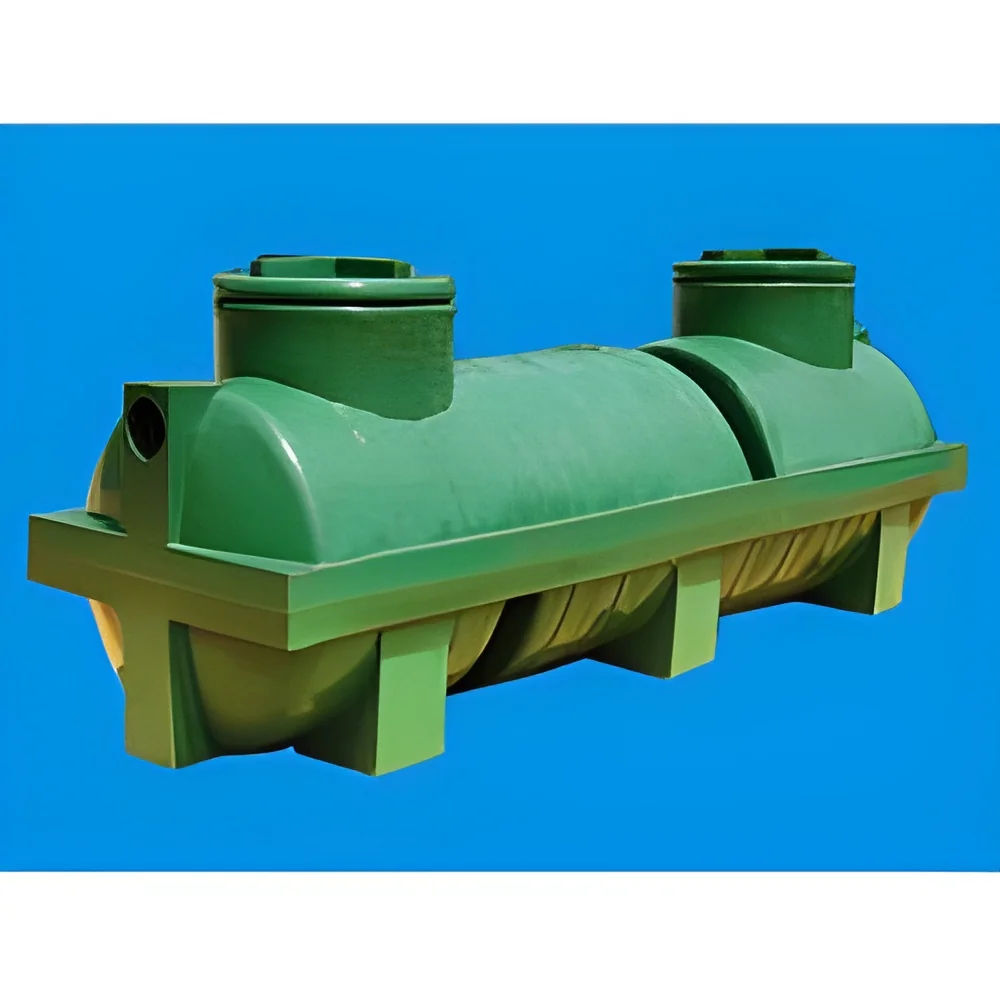
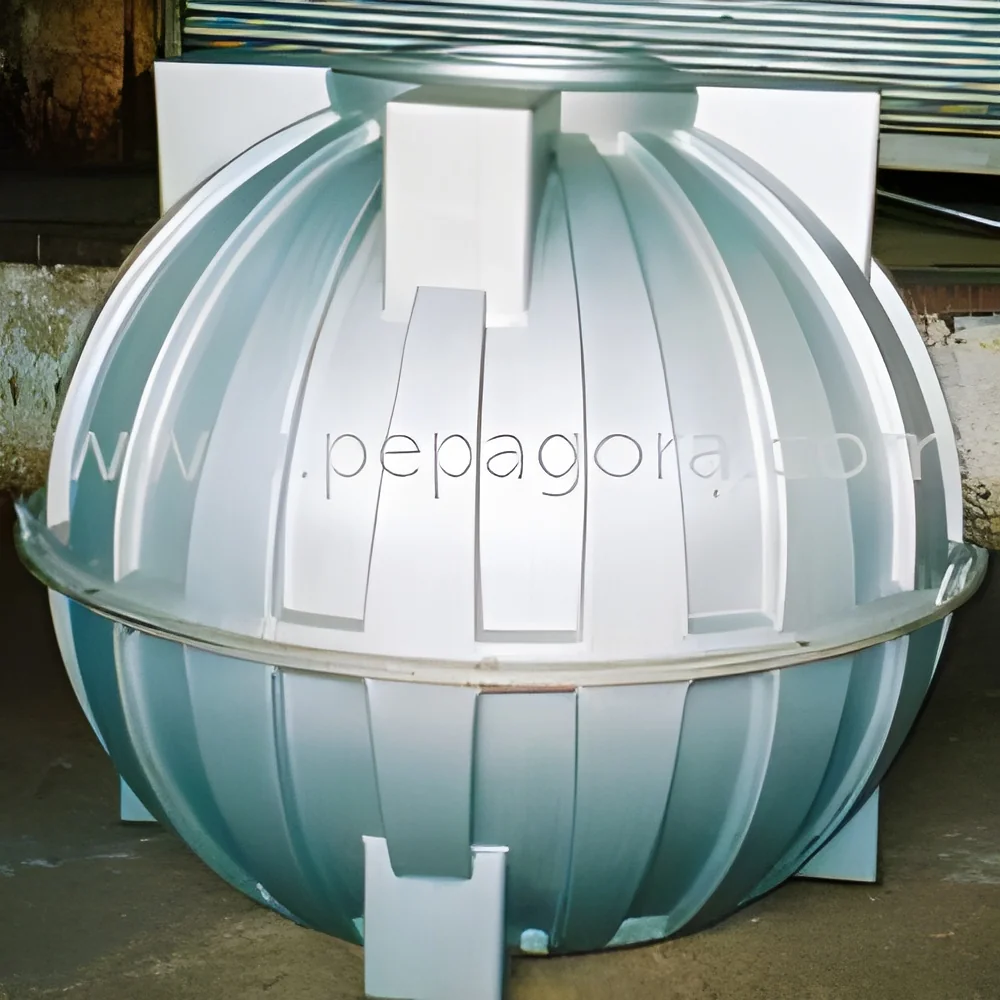
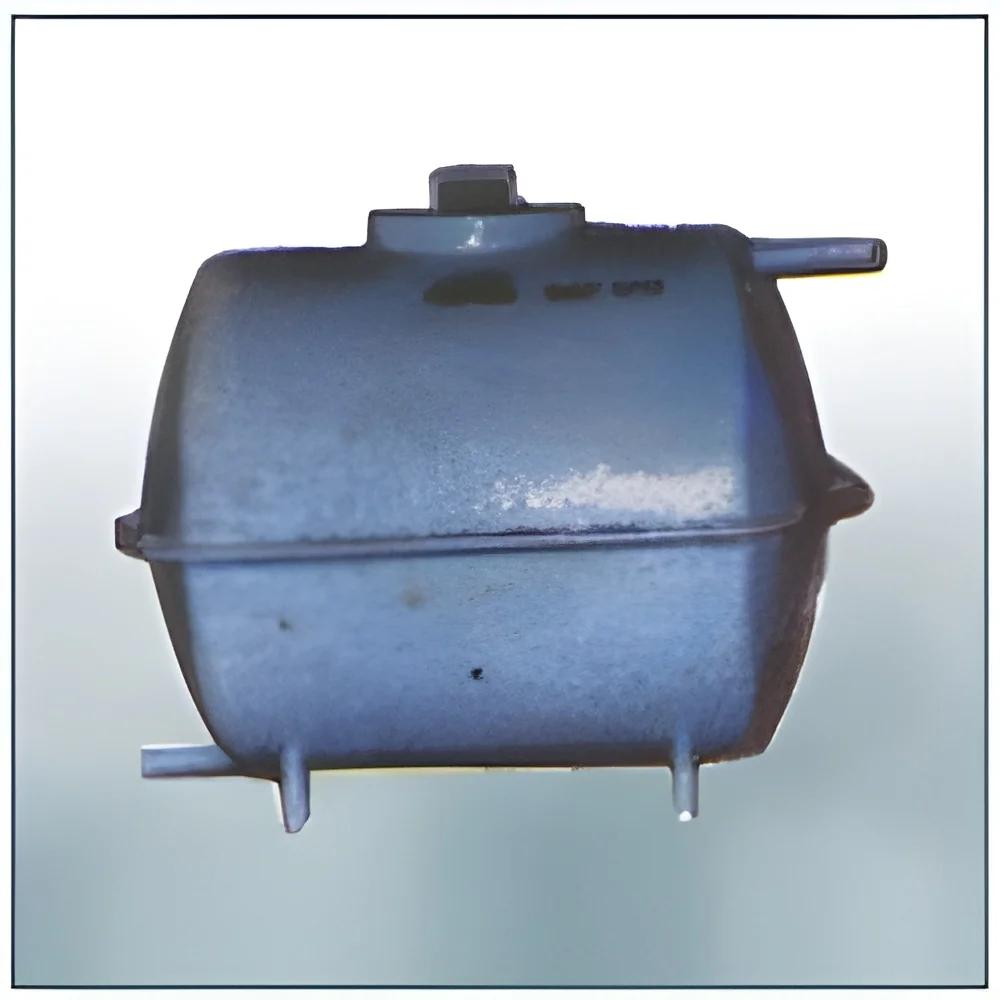
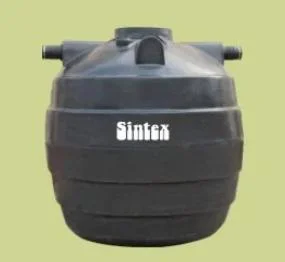
Soak pits and septic tanks are essential components of wastewater management systems used to treat and dispose of effluent from residential and commercial properties. A soak pit is an underground structure that allows wastewater to percolate into the surrounding soil, facilitating natural filtration. On the other hand, a septic tank is a sealed container designed to hold and treat sewage through biological processes, separating solids from liquids for safe disposal.
These systems are primarily used in areas where centralized sewage treatment is unavailable or impractical. They play a critical role in both rural and urban settings, providing effective solutions for managing wastewater. Businesses, construction sites, and agricultural operations utilize these tanks to ensure compliance with health and environmental regulations. Moreover, they help in preserving groundwater quality by preventing contamination.
The relevance of soak pits and septic tanks in today's market is underscored by increasing environmental concerns and stringent regulations regarding waste disposal. As industries expand and urban populations grow, the demand for reliable and efficient wastewater treatment systems continues to rise. Understanding the nuances of these systems is vital for businesses looking to implement sustainable practices in their operations.
Key Features and Specifications
Soak pits and septic tanks come with a range of features designed to enhance their performance and reliability. Selecting the right specifications can ensure optimal operation and longevity of the systems.
Key specifications include:
1. Material Composition
- Typically made from reinforced concrete, plastic, or fiberglass.
- Durability and resistance to corrosion are crucial.
2. Capacity
- Available in various sizes, usually ranging from 1,000 to 10,000 liters.
- Capacity selection depends on the number of users and wastewater generation rates.
3. Inlet and Outlet Sizes
- Standard sizes usually vary from 100mm to 200mm in diameter.
- Proper sizing is vital for efficient flow and treatment.
4. Treatment Efficiency
- Designed to treat wastewater with an efficiency rate of 95% or higher.
- Biological processes aid in breaking down organic matter.
5. Maintenance Requirements
- Recommended maintenance intervals are typically every 1 to 3 years.
- Regular pumping and inspection help ensure optimal performance.
6. Installation Depth
- Installation depth usually ranges from 1 meter to 3 meters.
- Depth may vary based on site conditions and local regulations.
7. Ventilation
- Proper ventilation is essential to prevent gas buildup.
- Air vents are often integrated into the design.
8. Compliance Standards
- Must adhere to local health and environmental regulations.
- Certifications like CE signify compliance with safety standards.
In summary, understanding the key specifications of soak pits and septic tanks is essential for businesses to ensure they select the right system for their specific needs.
Common Applications and Use Cases
Soak pits and septic tanks are versatile solutions applicable across various industries. Their efficient wastewater management capabilities make them ideal for numerous settings.
1. Residential Homes: In residential areas, septic tanks are commonly used to manage sewage. They provide an effective means of treating wastewater in homes that are not connected to municipal sewer systems.
2. Commercial Buildings: Many commercial establishments, such as restaurants and hotels, utilize septic tanks to handle large volumes of wastewater generated from daily operations.
3. Construction Sites: Temporary wastewater management solutions, including portable septic tanks, are often deployed on construction sites to manage effluent from workers' facilities.
4. Agricultural Operations: Farms frequently implement soak pits to manage runoff and wastewater from livestock and crop irrigation, helping maintain environmental standards.
5. Remote Locations: In rural or remote areas without sewer access, soak pits serve as a practical solution for managing wastewater, ensuring environmental safety.
6. Industrial Facilities: Some manufacturing plants use septic tanks to treat process water and wastewater before discharge, ensuring compliance with environmental regulations.
7. Recreational Facilities: Parks and campgrounds often install septic systems to effectively manage sanitary waste from visitors.
Product Variants and Subcategories
Soak pits and septic tanks come in various configurations to meet diverse needs. While specific variants may not be available, the general types serve distinct applications.
Concrete Septic Tanks
Concrete septic tanks are known for their high durability and strength. They are ideal for permanent installations and can handle large volumes of wastewater, making them suitable for commercial and residential use.
Plastic Septic Tanks
Plastic septic tanks are lightweight and resistant to corrosion. They are easier to install and transport, making them a popular choice for smaller residential properties or temporary setups.
Fiberglass Septic Tanks
Fiberglass tanks offer excellent resistance to chemicals and corrosion. They are often used in environments where traditional materials may deteriorate quickly, providing long-lasting solutions.
Benefits and Advantages
Investing in soak pits and septic tanks provides numerous advantages for businesses and property owners.
Key benefits include:
1. Environmental Protection: Properly functioning systems prevent wastewater from contaminating groundwater, safeguarding local ecosystems.
2. Cost-Effectiveness: These systems reduce reliance on municipal sewage treatment, potentially lowering operational costs for businesses and homeowners.
3. Low Maintenance: With proper design and installation, these systems can operate efficiently with minimal maintenance, saving time and resources.
4. Flexibility: Soak pits and septic tanks can be tailored to fit various site conditions and user needs, providing versatile solutions for different applications.
5. Compliance: Using approved systems helps businesses comply with environmental regulations, reducing the risk of fines and legal challenges.
6. Improved Hygiene: Effective wastewater treatment systems promote better sanitation and hygiene, which is particularly crucial in high-traffic areas.
Buying Guide for B2B Buyers
When sourcing soak pits and septic tanks, it is essential to consider several key factors to make an informed decision.
1. Quality Assessment: Evaluate the materials and construction quality of the tanks. Look for certifications and compliance with industry standards to ensure reliability.
2. Supplier Verification: Vet suppliers thoroughly to confirm their credibility and track record. Look for reviews and past project examples to gauge their expertise.
3. Pricing and MOQ: Understand the pricing structure and minimum order quantities. Compare different suppliers to find the best value for your needs.
4. Delivery and Lead Times: Inquire about logistics to ensure timely delivery. Consider lead times in your project planning to avoid delays.
5. Compliance Requirements: Familiarize yourself with local regulations regarding wastewater management. Ensure that the systems you choose meet all necessary compliance standards.
Compliance and Certifications
Soak pits and septic tanks must adhere to various quality standards and regulations to ensure safety and environmental protection. Key standards include ISO 9001, which outlines requirements for quality management systems, ensuring products consistently meet customer and regulatory needs.
Industry certifications like CE signify that the products meet European safety, health, and environmental protection standards. Compliance with these standards assures buyers of the product's reliability and safety.
Additionally, safety and testing requirements are critical in evaluating the performance of septic systems. Regular testing ensures that the systems function as intended and do not pose risks to public health.
Regional compliance considerations may vary, so it is essential for buyers to be aware of local laws and regulations pertaining to wastewater treatment systems.
Why Source Soak Pits & Septic Tanks from Pepagora?
Pepagora provides a trusted platform for sourcing soak pits and septic tanks, offering several key advantages that benefit B2B buyers.
Verified Supplier Network: Our platform features a network of verified suppliers who meet stringent quality and compliance standards. This helps buyers ensure they are working with reputable manufacturers.
Streamlined RFQ Process: Pepagora’s Request for Quotation (RFQ) system simplifies the procurement process. Buyers can easily request quotes from multiple suppliers, allowing for informed comparisons.
Trade Assurance and Support: Buyers are protected through our trade assurance program, which safeguards transactions and ensures that suppliers meet their commitments.
Regional Coverage: With a strong presence in India, the GCC, and Southeast Asia, Pepagora offers extensive geographic reach. This ensures that buyers have access to a wide range of suppliers and products no matter their location.

 IN
IN