
 IN
Drain Traps & Floor Drains
6 products available
What are Drain Traps & Floor Drains?
Drain traps and floor drains are essential components in plumbing systems designed to effectively manage and eliminate wastewater from various environments. Drain traps are specifically engineered to prevent odors from escaping sewer lines by maintaining a water seal, while floor drains are installed at the lowest points of floors to collect excess water and prevent flooding. Both systems are crucial for maintaining hygiene and safety in commercial and industrial settings.
These products find applications across a wide array of industries, including food and beverage, pharmaceuticals, and manufacturing. In food processing, for instance, floor drains help manage spills and clean-up efforts, ensuring compliance with safety standards. In the pharmaceutical sector, drain traps maintain sterile environments by effectively controlling waste and preventing contamination. Overall, the importance of these systems is underscored by their contribution to operational efficiency and regulatory compliance in diverse markets.
Key Features and Specifications
Drain traps and floor drains are characterized by several key features that enhance their functionality and efficiency. These specifications ensure that they meet the needs of different industries while adhering to safety and quality standards.
Key specifications include:
1. Material Composition
- Made from durable materials like stainless steel or PVC.
- Resistant to corrosion, chemicals, and physical impacts.
2. Flow Rate
- Designed to handle specific flow rates, ensuring efficient drainage.
- Flow rates may vary based on the size and design of the drain.
3. Size and Dimensions
- Available in various sizes to accommodate different installations.
- Standard dimensions often range from 2 inches to 6 inches in diameter.
4. Trap Depth
- Depths vary to maintain an effective water seal.
- Typical trap depths can range from 2 inches to 4 inches.
5. Grate Design
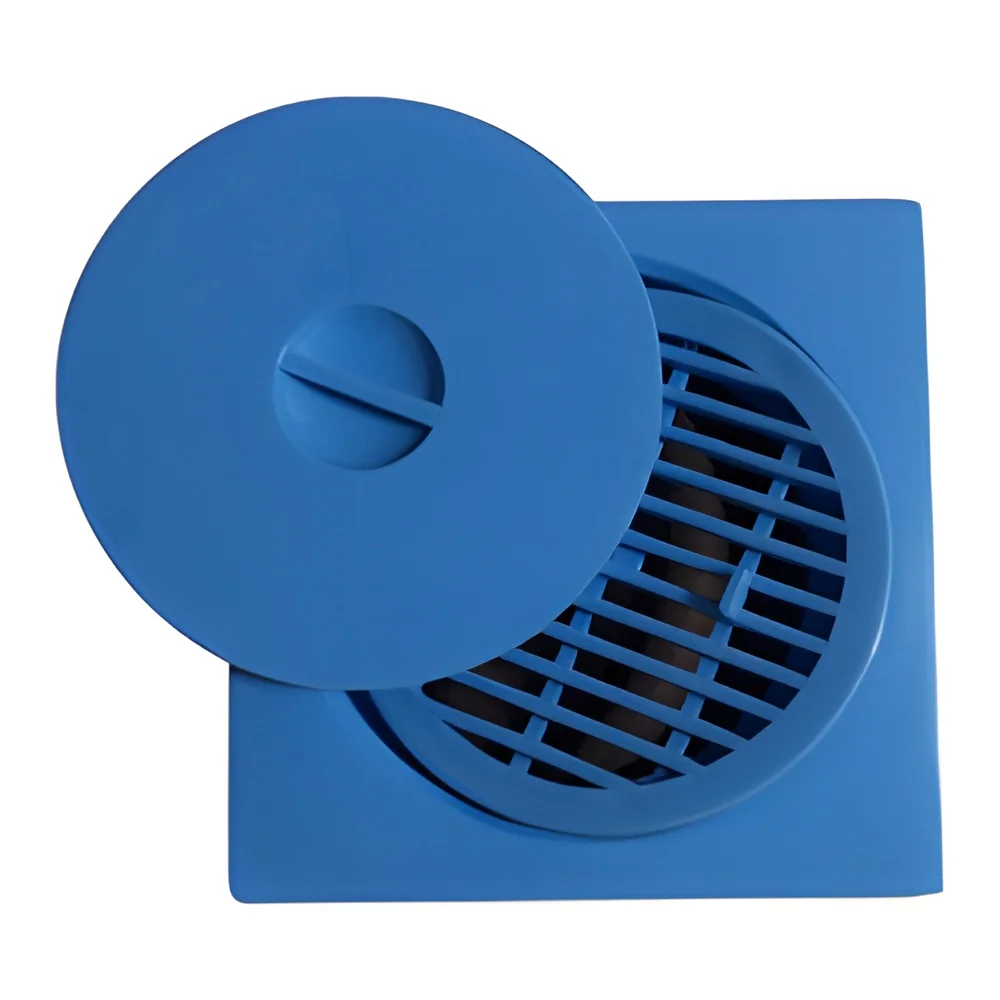
- Features different grate designs to prevent debris from entering the drainage system.
- Options include removable or fixed grates for easy maintenance.
6. Installation Type
- Available in various installation types, including recessed and surface-mounted.
- Selection depends on specific floor configurations and drainage needs.
7. Compliance Standards
- Products often conform to regulatory standards, ensuring safety and reliability.
- Certifications may include CE marking for quality assurance.
In summary, these specifications reflect the versatility and functionality of drain traps and floor drains, making them essential solutions for effective wastewater management in various industries.
Common Applications and Use Cases
Drain traps and floor drains serve a multitude of applications across different sectors. Their design and functionality cater to the specific needs of each industry.
1. Food and Beverage Industry: Essential for managing spills and wastewater in kitchens and processing areas, ensuring compliance with hygiene standards.
2. Pharmaceutical Industry: Used to maintain sterile environments by efficiently managing waste and preventing contamination in cleanrooms.
3. Manufacturing Facilities: Helps control excess water from equipment and cleaning processes, minimizing downtime and enhancing safety.
4. Commercial Kitchens: Integral to preventing water accumulation on floors, reducing slip hazards, and maintaining cleanliness.
5. Hospitals and Healthcare Facilities: Ensures effective drainage in surgical and treatment areas, promoting sanitary conditions.
6. Automotive Workshops: Manages oil and fluid spills, ensuring safety and compliance with environmental regulations.
7. Warehousing and Storage: Prevents flooding and water damage by efficiently draining excess water in loading docks and storage areas.
Product Variants and Subcategories
The diversity in drain traps and floor drains allows businesses to select products that best fit their needs. Various variants cater to specific applications and operational requirements.
Heavy-Duty Floor Drains: Designed for high-traffic areas and industrial environments, these drains are built to withstand heavy loads and harsh conditions. They often feature reinforced grates and larger flow capacities.
Trench Drains: Ideal for larger areas like loading docks and manufacturing floors, trench drains collect water over a long channel. They are effective in managing high volumes of runoff and are customizable in length.
Grease Traps: Specifically designed for use in commercial kitchens, grease traps separate fat, oil, and grease from wastewater. They play a crucial role in preventing blockages and maintaining proper drainage systems.
Benefits and Advantages
Choosing the right drain traps and floor drains offers numerous benefits that enhance operational efficiency and safety.
1. Effective Waste Management: These products facilitate the efficient removal of wastewater, preventing flooding and maintaining hygienic conditions.
2. Odor Control: Drain traps provide a reliable barrier against foul odors from sewer lines, improving indoor air quality.
3. Compliance with Regulations: Adhering to industry standards ensures businesses meet health and safety requirements, minimizing legal risks.
4. Versatility: Available in various sizes and configurations, drain traps and floor drains can be tailored to fit specific operational needs.
5. Low Maintenance: Durable materials and smart designs reduce the need for frequent maintenance, saving time and costs.
6. Safety Enhancement: By preventing water accumulation and ensuring proper drainage, these systems contribute to a safer working environment.
Buying Guide for B2B Buyers
When sourcing drain traps and floor drains, it is essential to consider several factors to ensure you make an informed decision.
1. Quality Assessment: Evaluate the materials and construction quality of the drain traps and floor drains. Look for products that meet industry standards and offer durability.
2. Supplier Verification: Vet potential suppliers by checking their credentials, customer reviews, and certifications. A reliable supplier should have a proven track record in the industry.
3. Pricing and MOQ: Understand the pricing structure and minimum order quantities (MOQ). Compare quotes from multiple suppliers to ensure competitive pricing without compromising quality.
4. Delivery and Lead Times: Confirm the supplier's ability to meet your delivery requirements. Consider lead times to avoid disruptions in your operations.
5. Compliance Requirements: Ensure that the products meet relevant regulatory and safety standards. This includes certifications such as CE marking to ensure quality assurance.
Compliance and Certifications
Compliance with industry standards and certifications is crucial for drain traps and floor drains to ensure safety and reliability. Many products adhere to recognized quality frameworks, such as ISO 9001, which outlines requirements for a quality management system. This certification ensures that manufacturers maintain high production and service standards.
Additionally, food safety regulations like HACCP (Hazard Analysis and Critical Control Points) are often relevant, particularly in industries such as food processing. These standards guide manufacturers in developing products that prevent contamination and promote hygiene.
Regional compliance considerations may also apply, depending on local regulations. For instance, CE marking indicates compliance with European Union directives, ensuring that products meet health, safety, and environmental protection standards.
Why Source Drain Traps & Floor Drains from Pepagora?
Pepagora offers a trusted platform for sourcing drain traps and floor drains, boasting several key advantages that benefit B2B buyers.
Verified Supplier Network: Pepagora connects buyers with a network of verified suppliers, ensuring that all products meet stringent quality standards. This verification process helps buyers make informed decisions and choose reliable partners.
Streamlined RFQ Process: The platform simplifies the request for quotation (RFQ) process, allowing buyers to easily compare products and pricing from multiple suppliers. This efficiency enhances decision-making and reduces sourcing time.
Trade Assurance and Support: Pepagora provides trade assurance to buyers, offering protection throughout the procurement process. This support builds buyer confidence and fosters long-term relationships with suppliers.
Regional Coverage: With a strong presence in India, the GCC, and Southeast Asia, Pepagora ensures that businesses can access quality drain traps and floor drains tailored to their regional needs. This geographic reach facilitates efficient sourcing and distribution, enhancing operational efficiency.

Frequently Asked Questions
What are Drain Traps & Floor Drains?
Drain Traps & Floor Drains are plumbing components designed to manage wastewater from various sources, such as sinks, showers, and floors. They prevent the backflow of sewer gases and help maintain a hygienic environment by directing wastewater to the drainage system.
What are the different types of Drain Traps & Floor Drains?
There are several types of Drain Traps & Floor Drains, including P-traps, S-traps, and floor drains with removable grates. Each type serves specific applications and is designed to accommodate different flow rates and wastewater sources.
How do I choose the right Drain Traps & Floor Drains?
Choosing the right Drain Traps & Floor Drains involves considering factors such as the type of wastewater, flow rate, and installation location. Additionally, it's important to evaluate the materials used for durability and compatibility with existing plumbing systems.
What are the standard specifications for Drain Traps & Floor Drains?
Standard specifications for Drain Traps & Floor Drains typically include dimensions, material types (such as PVC, stainless steel, or cast iron), and flow rate capacities. It's essential to ensure that the selected drain meets specific plumbing codes and regulations.
What is the price range for Drain Traps & Floor Drains?
The price range for Drain Traps & Floor Drains can vary widely based on type, material, and manufacturer. Generally, you can expect prices to range from a few hundred to several thousand Indian Rupees.
What quality standards apply to Drain Traps & Floor Drains?
Quality standards for Drain Traps & Floor Drains often include compliance with Indian plumbing codes and international standards such as ISO and ASTM. Manufacturers should provide certification to ensure product reliability and safety.
Where can I find Drain Traps & Floor Drains suppliers in India?
You can find Drain Traps & Floor Drains suppliers in India through B2B marketplaces like Pepagora, trade directories, or by attending plumbing and construction trade shows. Researching online and checking supplier reviews can also help identify reputable manufacturers.
Can Drain Traps & Floor Drains be customized?
Yes, many manufacturers offer customization options for Drain Traps & Floor Drains to meet specific project requirements. Customization may include size, material, and design features tailored to particular applications.
What is the typical minimum order quantity for Drain Traps & Floor Drains?
The typical minimum order quantity (MOQ) for Drain Traps & Floor Drains can vary by supplier but usually ranges from 50 to 100 units. It's advisable to confirm the MOQ with the manufacturer before placing an order.
What is the typical lead time for Drain Traps & Floor Drains?
The typical lead time for Drain Traps & Floor Drains can range from 2 to 6 weeks, depending on the supplier and order size. Factors such as customization and shipping logistics may also affect delivery times.
Why Businesses Trust Pepagora
Thousands of companies trust Pepagora to source smarter and sell faster
Expand Your Sales Globally

Source Smarter,Grow Faster
