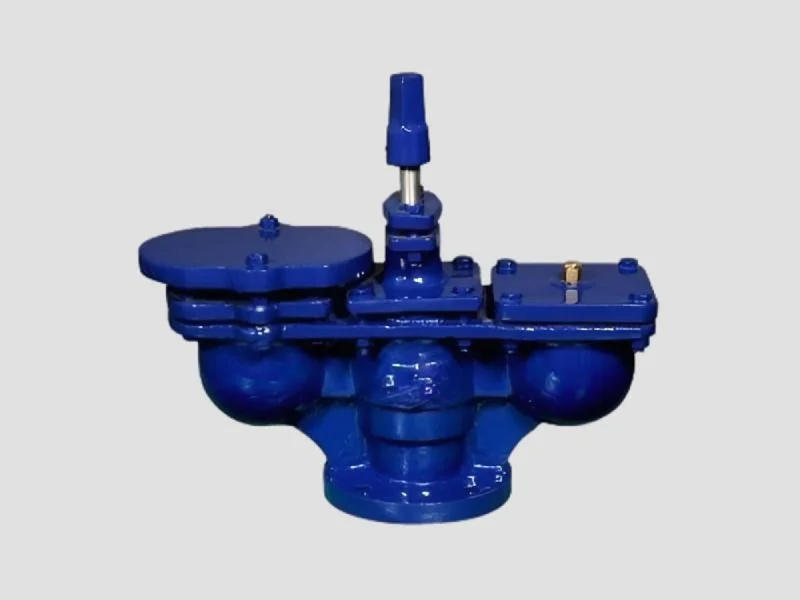
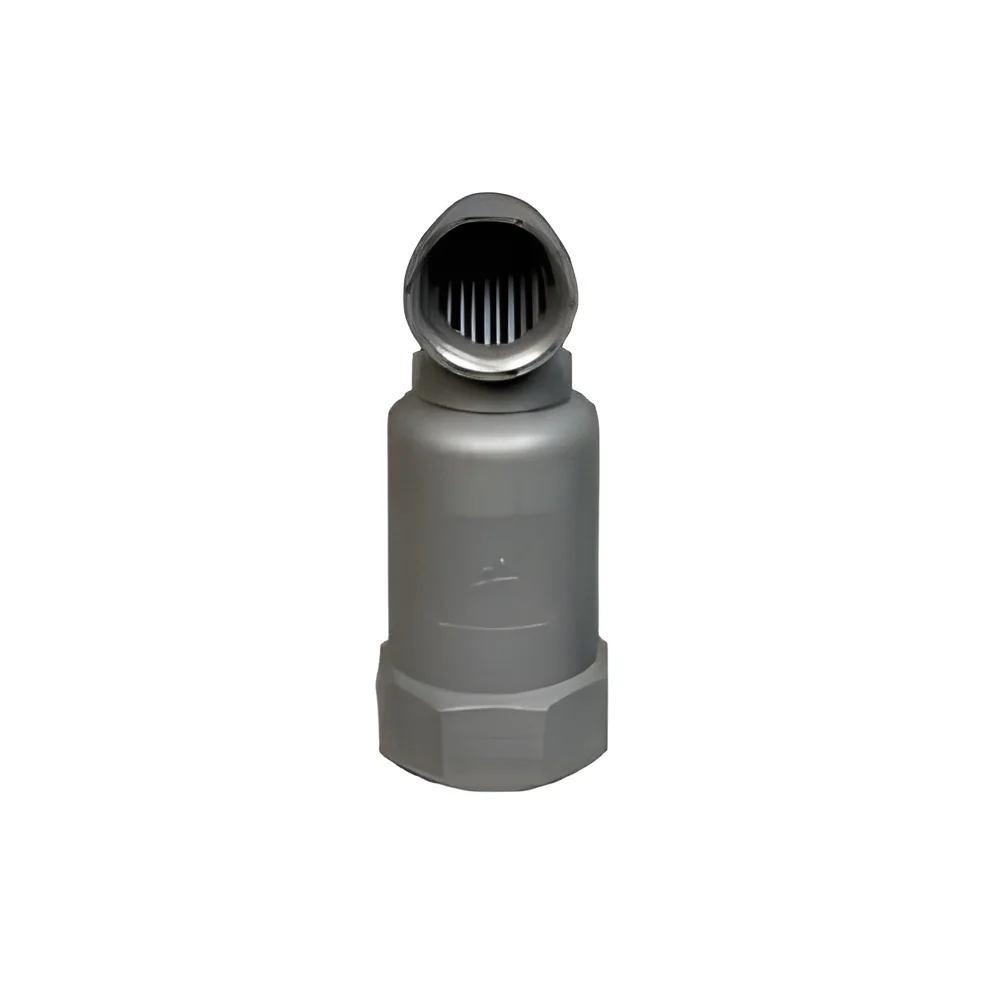
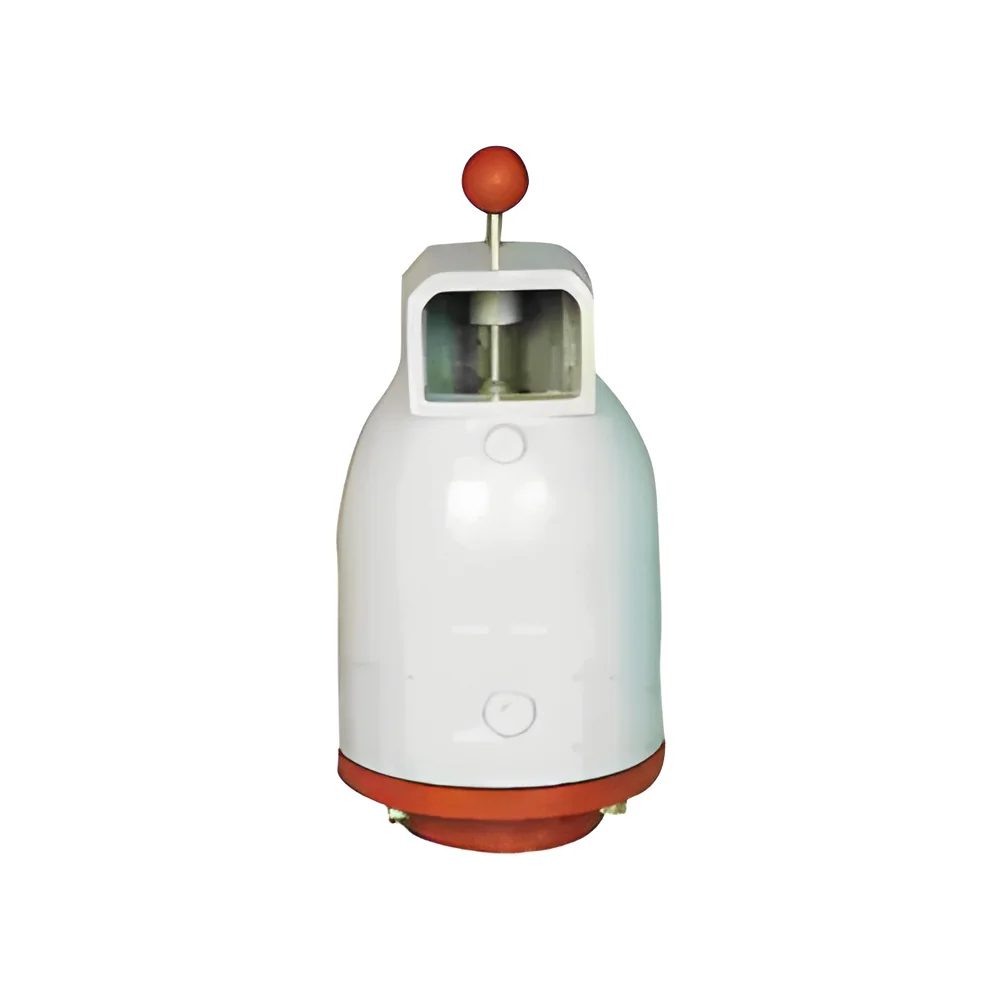
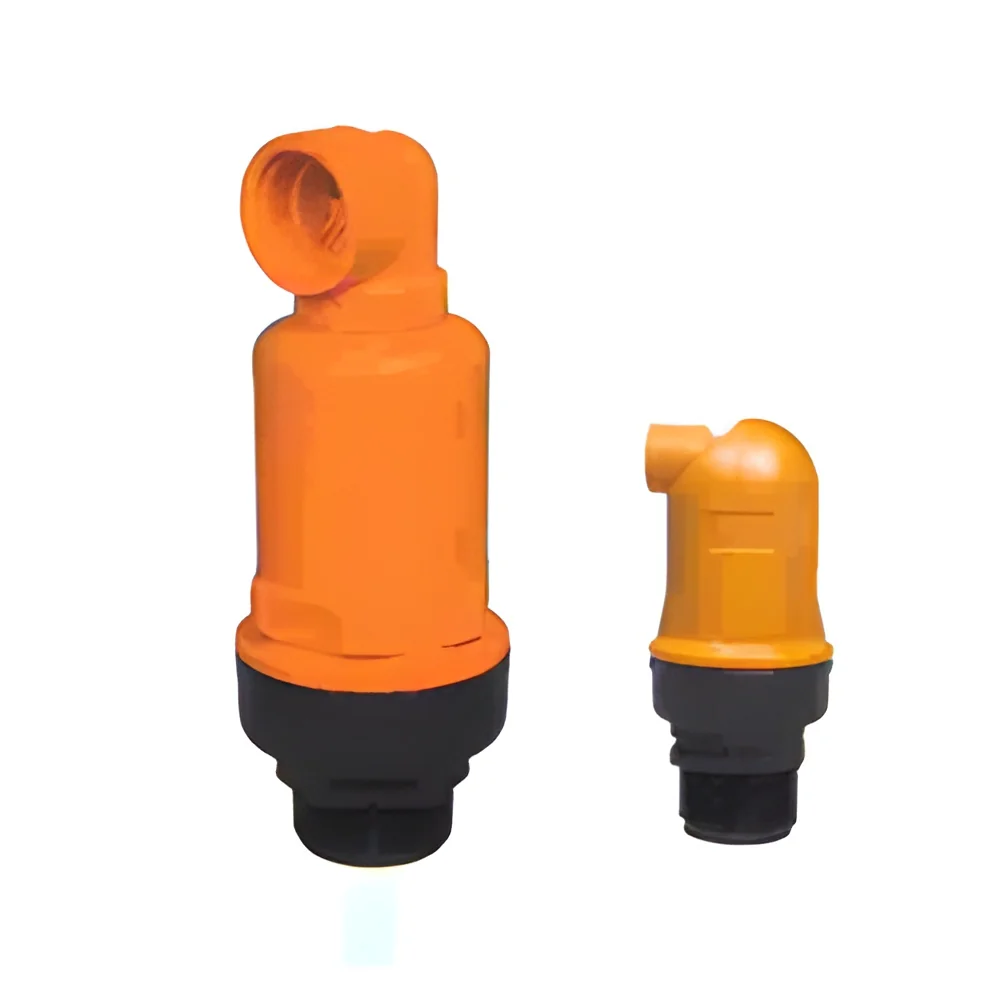
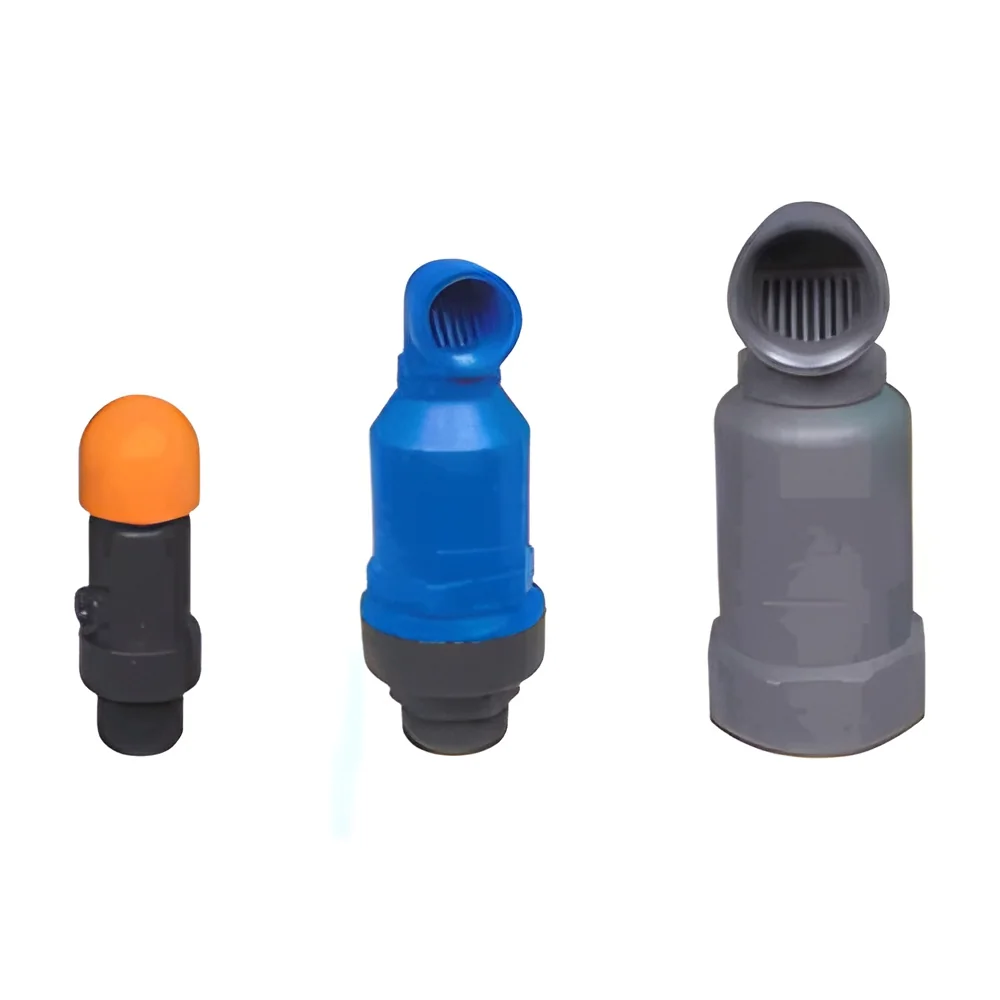
What are Air Release Valves?
Air Release Valves are essential components in various fluid transport systems, designed to release trapped air from pipelines and reservoirs. By allowing air to escape, these valves help maintain the efficiency and reliability of fluid flow. Their operation is crucial in preventing air pockets that can disrupt the system, reduce pressure, and lead to potential damage or inefficiencies.
These valves find extensive application in industries such as water treatment, wastewater management, and irrigation systems. In water distribution networks, for example, they prevent the formation of air locks, ensuring uninterrupted water flow. Additionally, they are used in heating and cooling systems, where managing air within the system is vital for optimal performance. The market for Air Release Valves is growing, driven by increasing demand for efficient fluid management solutions across various sectors.
Key Features and Specifications
Air Release Valves come with a range of features tailored to specific applications. These features ensure optimal performance and reliability under varying conditions. Understanding these specifications is essential for selecting the right valve for your needs.
Key specifications include:
1. Operating Pressure Range
- Typically ranges from 0.5 to 10 bar
- Ensures compatibility with different pipeline pressures
2. Size Variations
- Available in various diameters from 1 inch to 6 inches
- Accommodates different flow requirements
3. Material of Construction
- Commonly made from durable materials like brass, stainless steel, or polymer
- Provides resistance to corrosion and wear
4. Temperature Resistance
- Suitable for operating temperatures typically up to 80 degrees Celsius
- Ensures functionality in various environmental conditions
5. Flow Rate Capacity
- Capable of handling flow rates from 10 to 1000 liters per minute
- Ensures efficient air release during operation
6. Connection Types
- Available with threaded or flanged connections
- Facilitates easy installation in existing systems
7. Actuation Method
- Manual or automatic operation options
- Provides flexibility based on system requirements
8. Compliance Standards
- Often certified to meet relevant industry standards (e.g., CE)
- Ensures reliability and safety in operation
In summary, understanding these specifications helps businesses select the right Air Release Valve that meets their operational demands and ensures system efficiency.
Common Applications and Use Cases
Air Release Valves are widely utilized across various industries, providing critical solutions for fluid management.
1. Water and Wastewater Treatment: In this sector, Air Release Valves are used to prevent air pockets in pipelines, ensuring efficient water flow and treatment processes.
2. Irrigation Systems: These valves help manage air in irrigation lines, preventing pressure build-up and ensuring consistent water delivery to crops.
3. HVAC Systems: In heating, ventilation, and air conditioning systems, Air Release Valves help maintain optimal air and fluid balance, enhancing system efficiency.
4. Chemical Processing: In chemical plants, these valves prevent air contamination during fluid transfer, ensuring product integrity and safety.
5. Oil and Gas: Air Release Valves are essential in oil and gas pipelines to prevent air locks, ensuring smooth operation and flow.
6. Fire Protection Systems: In fire suppression systems, these valves help maintain pressure and ensure effective operation when needed.
7. Manufacturing: In various manufacturing processes, these valves help manage air in hydraulic systems, improving operational efficiency.
Product Variants and Subcategories
Air Release Valves come in various designs, each tailored to meet specific operational needs.
Standard Air Release Valve
This variant is commonly used in water and wastewater applications. It features a simple design that allows for easy installation and maintenance, making it ideal for municipal water systems.
Automatic Air Release Valve
This version operates without manual intervention, automatically releasing air as needed. It is particularly beneficial in large systems where constant monitoring is impractical.
Dual-Function Air Release Valve
This valve combines the functions of air release and vacuum relief. It is useful in systems where both air release and pressure management are critical.
High-Pressure Air Release Valve
Designed for high-pressure applications, this variant can withstand greater pressure ranges, making it suitable for industrial processes.
Benefits and Advantages
Using Air Release Valves provides numerous advantages for industrial applications.
1. Enhanced System Efficiency: By preventing air locks, these valves ensure smooth fluid flow, leading to improved operational efficiency.
2. Reduced Maintenance Costs: Efficient air management minimizes the risk of damage to pipelines and equipment, lowering maintenance and repair expenses.
3. Improved Safety: By maintaining pressure balance, Air Release Valves reduce the risk of blowouts and leaks, enhancing overall system safety.
4. Extended Equipment Lifespan: Proper air management helps reduce wear and tear on pumps and valves, prolonging their operational life.
5. Versatile Applications: These valves are applicable in various industries, making them a flexible solution for fluid management challenges.
6. Compliance with Standards: Many Air Release Valves meet industry certifications, ensuring reliability and safety in operation.
Buying Guide for B2B Buyers
When sourcing Air Release Valves, several factors are critical for making an informed decision.
1. Quality Assessment: Evaluate the materials and construction quality to ensure durability and reliability under operational conditions.
2. Supplier Verification: Research potential suppliers to confirm their legitimacy and reputation in the industry, ensuring they can meet your requirements.
3. Pricing and MOQ: Consider the cost of the valves and minimum order quantities to align with your budget and operational needs.
4. Delivery and Lead Times: Discuss logistics with suppliers to understand delivery schedules and ensure timely availability of products.
5. Compliance Requirements: Ensure that the valves meet necessary regulatory and compliance standards relevant to your industry.
Compliance and Certifications
Air Release Valves must adhere to specific quality standards to ensure their reliability and safety in operation. Common certifications include ISO 9001, which focuses on quality management systems, and CE marking, indicating conformity with health, safety, and environmental protection standards within the European Economic Area.
Safety and testing requirements are crucial, especially in high-demand applications like water treatment and chemical processing. Regular testing ensures that the valves perform effectively under various conditions, minimizing risks associated with air pockets and pressure imbalances.
Regional compliance considerations may vary, and it is essential to understand local regulations governing the use of such valves in specific applications. This knowledge helps businesses avoid legal issues and ensures safe and efficient operation.
Why Source Air Release Valves from Pepagora?
Pepagora offers a reliable platform for sourcing Air Release Valves, providing several key advantages for businesses.
Verified Supplier Network: Pepagora connects buyers with verified suppliers, ensuring that you work with reputable manufacturers who meet quality and compliance standards.
Streamlined RFQ Process: The request for quotation system allows businesses to easily compare prices and specifications, making it simpler to find the right products for their needs.
Trade Assurance and Support: Pepagora provides buyer protection, ensuring that your purchases are secure and that any issues can be addressed promptly.
Regional Coverage: With a presence in India, the GCC, and Southeast Asia, Pepagora offers extensive geographic reach, making it easier to source products no matter where your operations are located.

 IN
IN