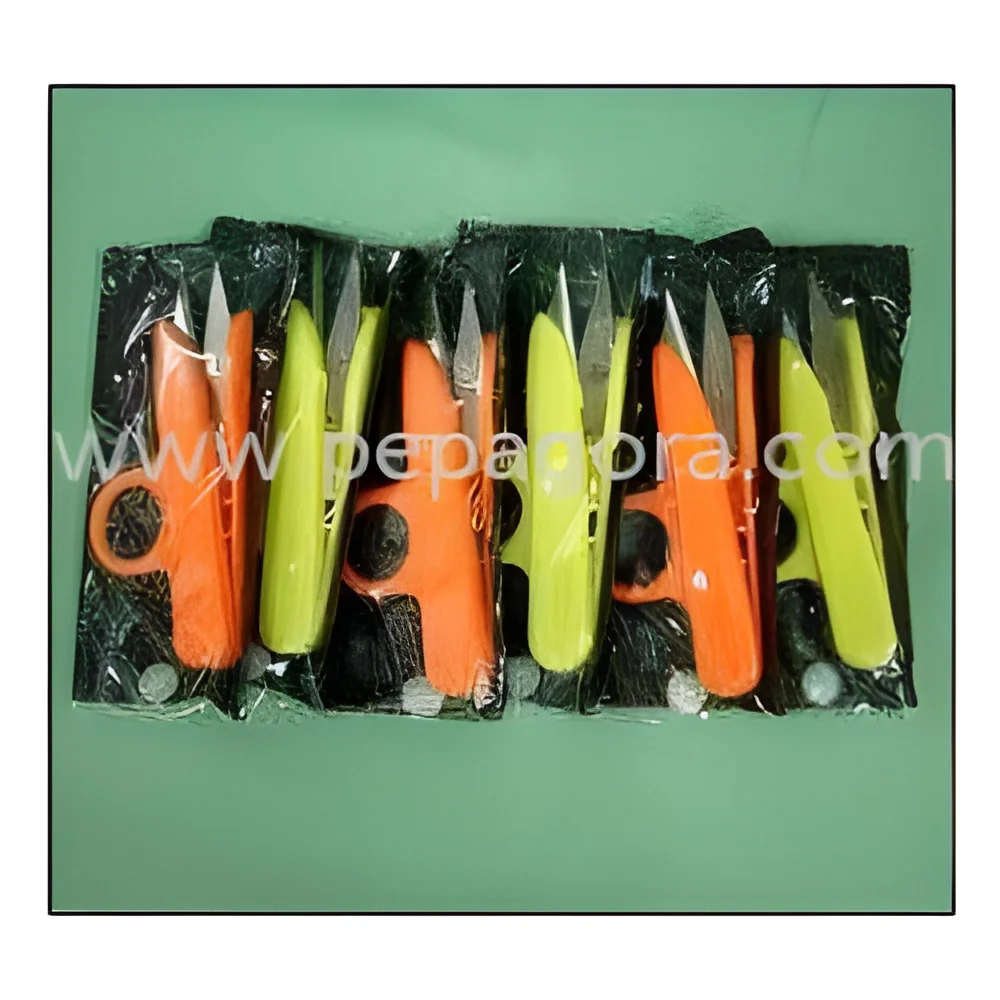
What are Threading Tools?
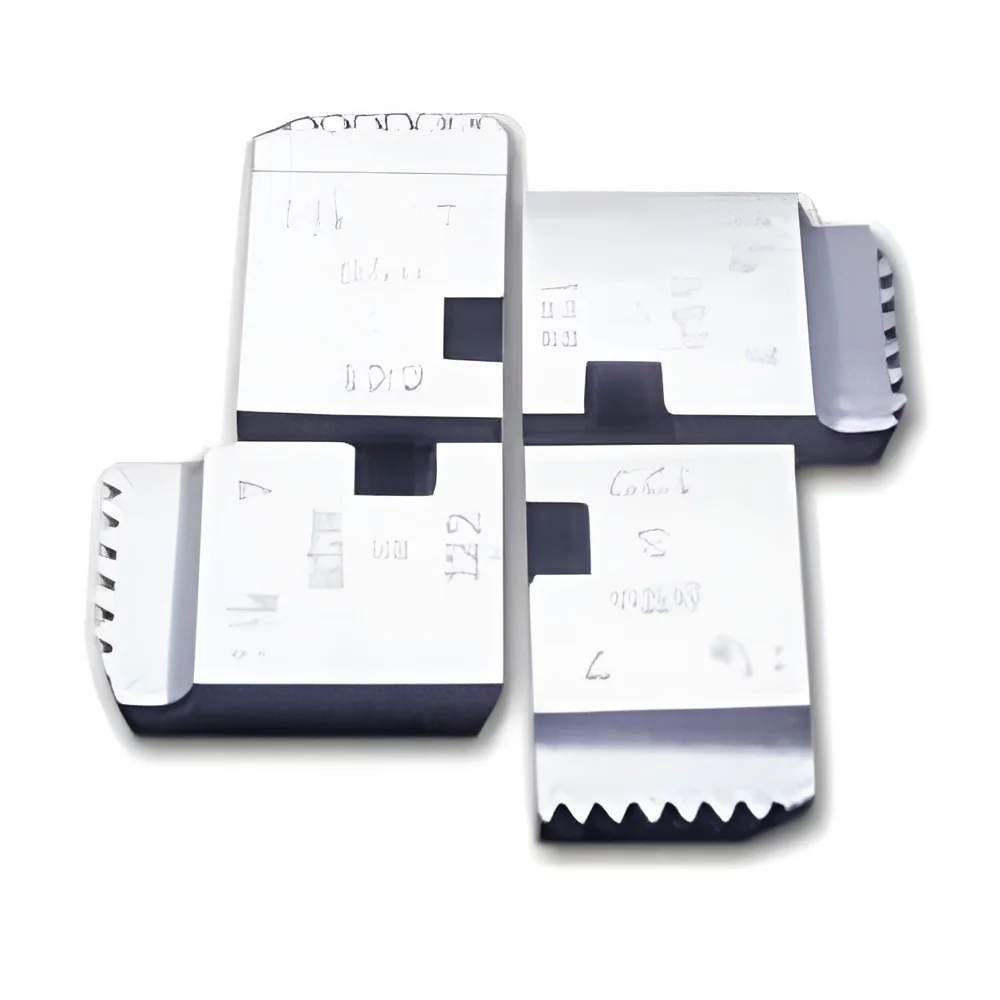
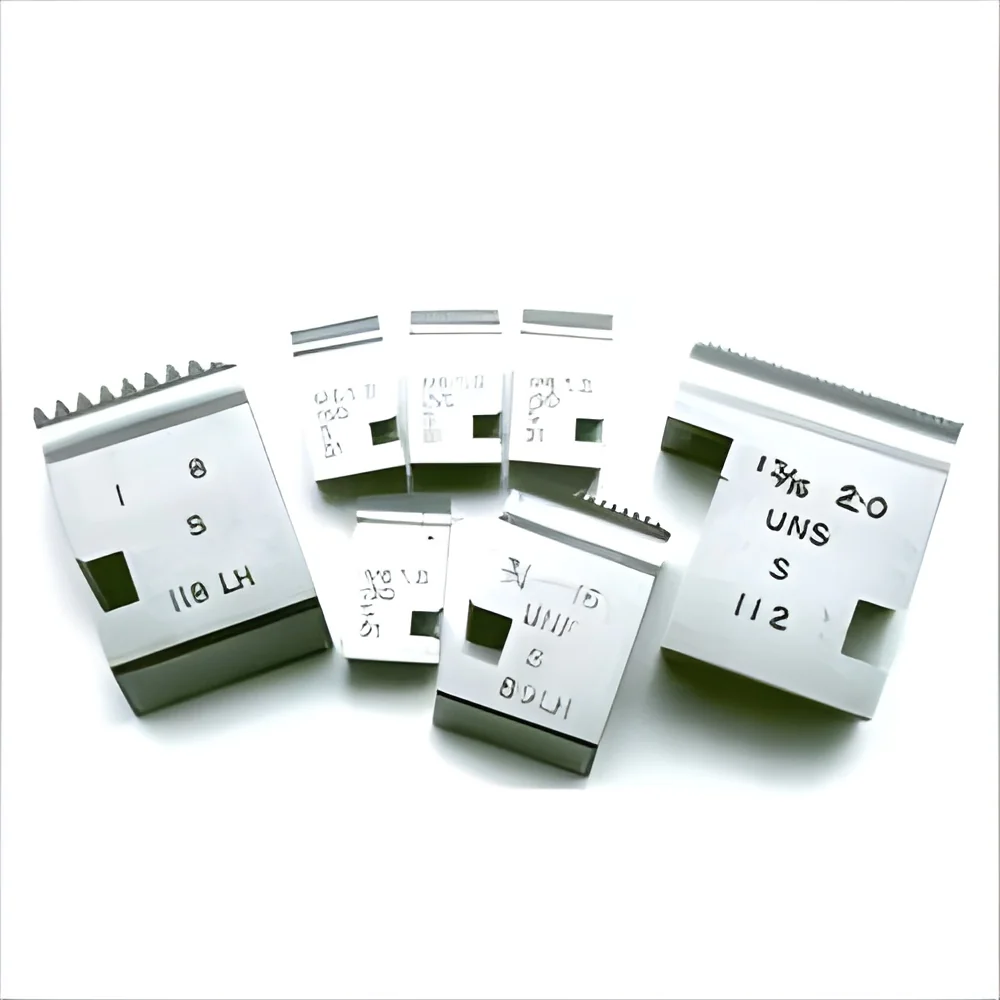
Threading tools are specialized equipment used to create, cut, or shape threads on various materials, primarily metals. These tools are essential for producing threaded fasteners like screws, bolts, and nuts, which are critical in assembling components in mechanical applications. Threading tools come in various forms, including taps, dies, and thread mills, each designed for specific threading tasks.
These tools are widely utilized in manufacturing, construction, and repair sectors. Businesses rely on threading tools for precision engineering and developing strong, reliable joints in machinery and structures. The ability to create durable threads is vital in industries such as automotive, aerospace, and general manufacturing. As a result, threading tools play a crucial role in enhancing productivity and ensuring quality in production processes, making them indispensable in the industrial landscape.
Key Features and Specifications
Threading tools come equipped with various features tailored to meet the needs of different applications. Understanding these specifications can help businesses choose the right tools for their specific requirements.
Key specifications include:
1. Type of Tool
- Common types include taps, dies, and thread mills.
- Each type is optimized for specific threading tasks.
2. Material Composition
- Typically made from high-speed steel (HSS), carbide, or cobalt.
- Material choice affects tool durability and performance.
3. Thread Pitch
- Refers to the distance between threads, measured in threads per inch or millimeters.
- Affects the fit of the fastener in the corresponding nut or hole.
4. Coating Options
- Tools may have coatings like TiN (Titanium Nitride) or TiAlN (Titanium Aluminum Nitride).
- Coatings enhance wear resistance and reduce friction.
5. Cutting Angle
- The angle at which the tool cuts can influence the efficiency of threading.
- Specific angles are designed for different materials and applications.
6. Size Range
- Available in various sizes to accommodate different thread dimensions.
- Sizes can range from tiny precision threads to large industrial threads.
7. Tolerance Levels
- Defined by the permissible limits of variation in dimensions.
- Critical for ensuring compatibility with mating parts.
8. Application Compatibility
- Certain tools are designed for specific materials, such as steel, aluminum, or plastic.
- Choice of tool impacts performance and longevity.
In summary, understanding the key features and specifications of threading tools is essential for selecting the right tools that meet operational needs and enhance productivity.
Common Applications and Use Cases
Threading tools are versatile and serve numerous industries. Understanding their applications can assist businesses in selecting appropriate tools for their specific needs.
1. Automotive Industry: Threading tools are crucial in manufacturing engine components, chassis parts, and transmission systems where precision and reliability are paramount.
2. Aerospace Industry: These tools are used to create threaded connections in aircraft systems, ensuring safety and structural integrity in flight operations.
3. Construction Industry: Threading tools help produce bolts and anchors that secure structures, enabling reliable construction of buildings and infrastructure.
4. Machinery Manufacturing: Used in creating threaded components essential for assembling machines, ensuring their efficient operation.
5. Electronics Industry: Threading tools are utilized for producing small fasteners that hold electronic components together, requiring precision and accuracy.
6. Oil and Gas Industry: These tools are essential for creating threaded connections in pipelines and drilling equipment, ensuring leak-proof operations.
7. Medical Equipment: Threading tools help manufacture devices that require stringent quality standards, ensuring reliability in critical applications.
Product Variants and Subcategories
Threading tools come in various types, each designed for specific tasks and materials. The diversity within this category allows businesses to select tools that best fit their needs.
Taps
Taps are used for cutting internal threads in a pre-drilled hole. They are available in different designs such as spiral point, spiral flute, and straight flute, each suited for specific materials and applications.
Dies
Dies are used for cutting external threads on rods or bars. They provide a precise finish and are often used in repairing or creating custom threaded components.
Thread Mills
Thread mills are versatile tools that can create threads in various sizes and pitches through a milling process. They are particularly useful for producing threads in hard materials and for applications requiring high precision.
Benefits and Advantages
Threading tools offer several advantages that enhance productivity and efficiency in various applications.
1. Precision Manufacturing: Threading tools allow for accurate thread creation, ensuring a perfect fit between components, which enhances overall assembly quality.
2. Increased Durability: Tools made from high-quality materials provide longer service life, reducing the frequency of replacement and maintenance costs.
3. Versatile Applications: With different types and sizes available, threading tools can be used in various industries, accommodating diverse threading needs.
4. Cost-Effectiveness: Investing in reliable threading tools can lead to reduced production costs by minimizing waste and enhancing operational efficiency.
5. Improved Safety: High-quality threading tools ensure that fasteners are securely fitted, reducing the risk of mechanical failure and enhancing safety in applications.
6. Enhanced Productivity: Efficient threading processes lead to faster production cycles, enabling businesses to meet demand and improve turnaround times.
Buying Guide for B2B Buyers
When sourcing threading tools, it is essential to consider multiple factors to ensure that you make an informed purchase.
1. Quality Assessment: Evaluate the materials and manufacturing processes used to produce the tools. Look for reputable brands and consider customer reviews to gauge reliability.
2. Supplier Verification: Ensure that suppliers have a track record of delivering quality products. Check their certifications and industry reputation to mitigate risks.
3. Pricing and MOQ: Understand the pricing structure and minimum order quantities. Compare prices between suppliers to ensure you are getting a competitive deal.
4. Delivery and Lead Times: Confirm delivery schedules and lead times to ensure that tools arrive when needed. This is critical for maintaining production schedules.
5. Compliance Requirements: Be aware of any regulatory standards that need to be met for your specific industry. Ensure that the tools comply with necessary certifications such as CE.
Compliance and Certifications
Threading tools must adhere to various quality standards and certifications to ensure safety and performance in industrial applications. Compliance with ISO 9001 is essential as it indicates that the manufacturer follows quality management principles, ensuring consistent product quality.
In addition to ISO standards, CE certification is crucial for products sold in Europe, indicating compliance with health, safety, and environmental protection standards. This certification assures buyers of the tool's reliability and safety.
Safety and testing requirements are paramount, and manufacturers must conduct rigorous testing to ensure tools can withstand the demands of their intended applications. Regional compliance considerations may vary, so it is essential to be aware of any specific regulations that could impact sourcing decisions.
Why Source Threading Tools from Pepagora?
Pepagora offers a reliable platform for sourcing threading tools, providing several key advantages to B2B buyers.
Verified Supplier Network: Pepagora connects buyers with a network of verified suppliers, ensuring that you source tools from reputable manufacturers who meet industry standards.
Streamlined RFQ Process: The quotation system on Pepagora allows for easy comparison of prices and offerings from multiple suppliers, saving time and ensuring competitive pricing.
Trade Assurance and Support: Pepagora provides buyer protection through trade assurance, reducing risks associated with online sourcing and ensuring that transactions are secure.
Regional Coverage: With a strong presence in India, GCC, and Southeast Asia, Pepagora facilitates sourcing across a broad geographic area, helping businesses access a diverse range of threading tools tailored to their specific needs.

 IN
IN