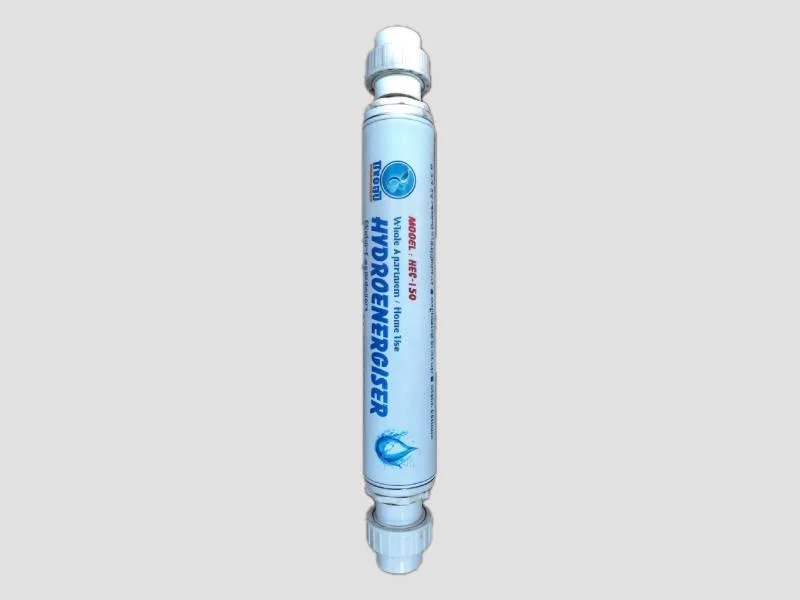
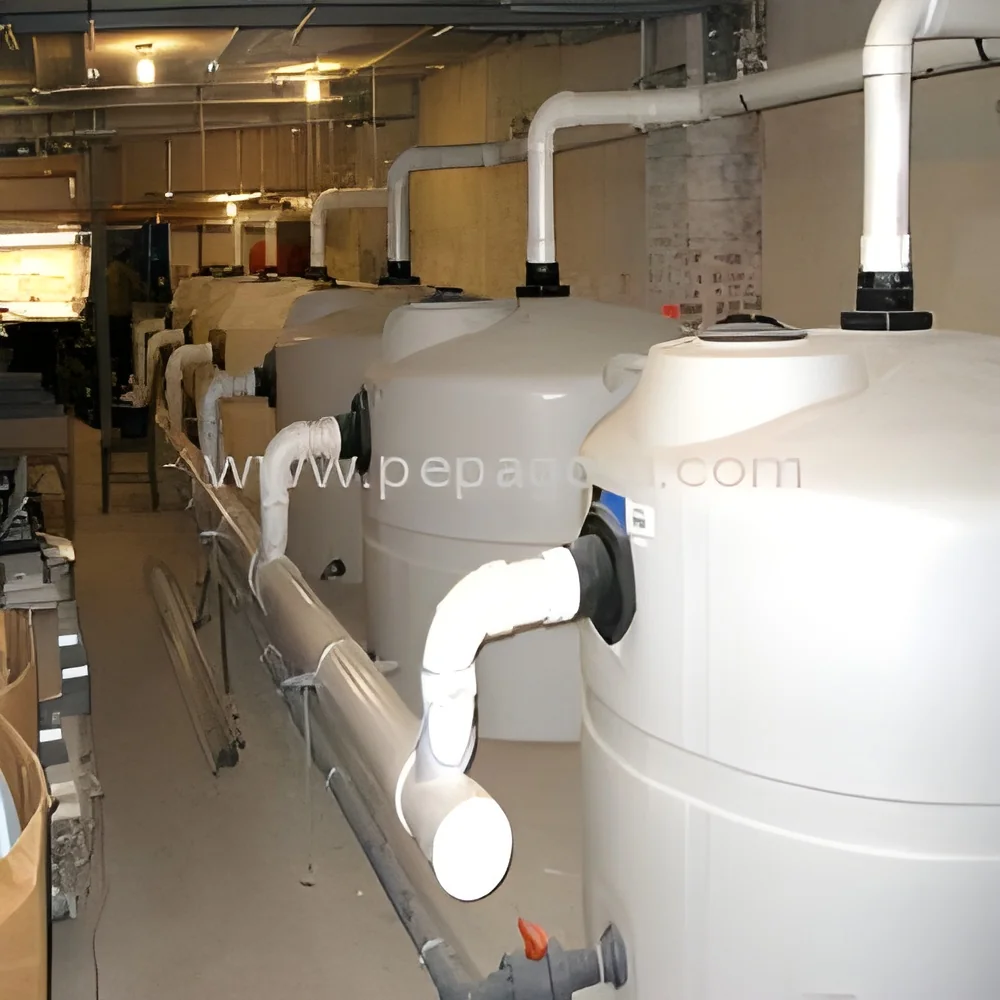
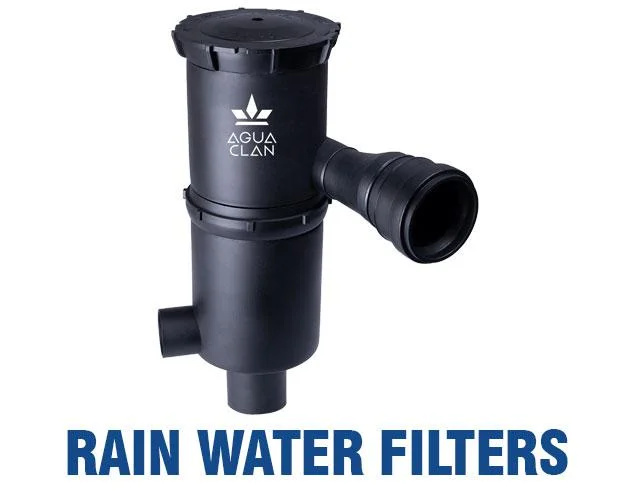
What are Rainwater Harvesting Filters?
Rainwater harvesting filters are specialized devices designed to collect and purify rainwater for various uses. These filters remove contaminants such as leaves, dirt, and debris, ensuring that the harvested water is clean and suitable for applications ranging from irrigation to domestic use. By effectively filtering rainwater, these systems contribute to sustainable water management practices, allowing businesses to utilize a natural resource while reducing dependence on conventional water supplies.
The primary uses of rainwater harvesting filters include agricultural irrigation, landscape watering, and even potable water systems in urban settings. Industries such as agriculture, construction, and hospitality benefit significantly from these systems, as they provide a cost-effective way to harness rainwater. As water scarcity becomes a pressing global issue, the relevance of rainwater harvesting filters in promoting environmental sustainability and resource efficiency is increasingly recognized across various sectors.
In the market context, the rainwater harvesting industry is growing due to heightened awareness about water conservation and the need for sustainable practices. Businesses are increasingly investing in these systems to improve their operational efficiency and meet regulatory requirements related to water use and conservation. As a result, the demand for high-quality rainwater harvesting filters is on the rise, creating opportunities for manufacturers and suppliers in this sector.
Key Features and Specifications
Rainwater harvesting filters are engineered with specific features to enhance their performance and efficiency. Understanding these key specifications can help businesses choose the right filter for their needs.
Key specifications include:
1. Filtration Efficiency
- The ability of the filter to remove particulate matter from rainwater
- Typically ranges from 100 to 500 microns
2. Flow Rate
- The volume of water that can be filtered per minute
- Common rates vary from 20 to 50 liters per minute
3. Material Construction
- Filters are often made from durable materials such as stainless steel or high-density polyethylene
- These materials ensure longevity and resistance to corrosion
4. Maintenance Requirements
- Specifications may include ease of access for cleaning and replacing filter media
- Some models require minimal maintenance, while others may need regular servicing
5. Size and Dimensions
- Filters are available in various sizes to accommodate different installation needs
- Typical dimensions range from small units for residential use to larger systems for commercial applications
6. Connection Types
- Various connection options are available for seamless integration with existing rainwater systems
- Common connection types include threaded, slip, or flange fittings
7. Certification
- Many filters come with industry certifications, such as CE, ensuring compliance with safety and quality standards
In summary, selecting rainwater harvesting filters involves considering factors like filtration efficiency, flow rate, and material construction to ensure optimal performance in diverse applications.
Common Applications and Use Cases
Rainwater harvesting filters find applications across various industries, providing businesses with sustainable water solutions.
1. Agriculture: Farmers use these filters to collect rainwater for irrigation, reducing reliance on groundwater and enhancing crop yield.
2. Construction: Construction sites utilize rainwater harvesting to manage stormwater runoff and supply water for concrete mixing and site maintenance.
3. Hospitality: Hotels and resorts implement rainwater harvesting to water landscapes and gardens, supporting eco-friendly initiatives while reducing water costs.
4. Industrial: Factories and manufacturing plants collect rainwater to use for cooling systems and process water, minimizing operational expenses.
5. Residential: Homeowners employ rainwater harvesting systems equipped with filters to maintain gardens and lawns, contributing to water conservation efforts.
6. Municipal: Cities and towns integrate rainwater harvesting systems in public parks and facilities, promoting community sustainability and reducing drainage issues.
Product Variants and Subcategories
Rainwater harvesting filters come in various types to cater to different needs and applications.
Gravity Filters
These filters utilize gravity to facilitate water flow through the filtration system. They are simple to install and maintain, making them suitable for residential applications.
Pressure Filters
Pressure filters use a pump to push water through the filtration system. They are ideal for larger installations and can handle higher flow rates, making them suitable for commercial and industrial applications.
Sand Filters
Sand filters provide effective filtration by passing water through layers of sand and gravel. They are commonly used in larger systems and require regular maintenance to ensure performance.
Benefits and Advantages
Investing in rainwater harvesting filters provides several advantages for businesses and organizations.
1. Cost Savings: These filters reduce water bills by allowing users to collect and utilize rainwater for various applications, lowering dependence on municipal supplies.
2. Environmental Impact: Utilizing rainwater helps conserve natural resources and reduces the demand on local water sources, supporting sustainability initiatives.
3. Improved Water Quality: Rainwater harvesting filters ensure that collected water is clean and free from contaminants, making it safe for various uses.
4. Regulatory Compliance: Implementing rainwater harvesting systems can help businesses meet local regulations regarding water conservation and environmental protection.
5. Enhanced Resilience: These systems provide a reliable water source during dry spells or water shortages, helping businesses maintain operations.
6. Increased Property Value: Properties equipped with rainwater harvesting systems may see an increase in value due to the added sustainability features.
Buying Guide for B2B Buyers
When sourcing rainwater harvesting filters, it is essential for businesses to consider several factors to ensure they make informed purchasing decisions.
1. Quality Assessment: Assess the quality of the filters by reviewing materials and construction methods. Look for filters that meet industry standards and have positive reviews from users.
2. Supplier Verification: Vet suppliers by checking their credentials, certifications, and customer feedback. Establishing a relationship with verified suppliers ensures reliability and quality assurance.
3. Pricing and MOQ: Understand the pricing structure and minimum order quantities (MOQ) required by suppliers. This information helps in budgeting and managing inventory effectively.
4. Delivery and Lead Times: Inquire about delivery schedules and lead times. Timely delivery is crucial for project planning and execution.
5. Compliance Requirements: Ensure that the chosen filters comply with relevant regulations and quality standards. This consideration is essential for operational sustainability and legal compliance.
Compliance and Certifications
Rainwater harvesting filters must adhere to various quality standards and certifications to ensure safety and performance.
ISO 9001 is a widely recognized standard that specifies requirements for a quality management system. Filters meeting this standard ensure consistent quality and customer satisfaction.
HACCP (Hazard Analysis and Critical Control Points) is essential in industries where water quality is paramount. Compliance with HACCP ensures that filters are safe for potable applications.
CE certification indicates that the filters meet European safety, health, and environmental protection requirements. This certification is crucial for market acceptance in Europe.
Safety and testing requirements vary by region, and manufacturers must conduct appropriate tests to verify the performance and safety of their products.
Regional compliance considerations may include local regulations governing water use, environmental protection, and construction standards. Businesses should stay informed about these regulations to ensure compliance.
Why Source Rainwater Harvesting Filters from Pepagora?
Pepagora provides a trusted platform for sourcing rainwater harvesting filters, offering several key advantages to B2B buyers.
Verified Supplier Network: Pepagora collaborates with a network of verified suppliers, ensuring that businesses access high-quality products from reputable manufacturers. This verification process builds trust and confidence among buyers.
Streamlined RFQ Process: The platform facilitates a streamlined Request for Quotation (RFQ) process, allowing businesses to easily compare offers from multiple suppliers. This efficiency saves time and simplifies procurement.
Trade Assurance and Support: Pepagora offers trade assurance and support services to protect buyers during transactions. This added layer of security instills confidence in the purchasing process.
Regional Coverage: With a presence in India, the GCC, and Southeast Asia, Pepagora provides regional coverage that enables businesses to source rainwater harvesting filters effectively. This geographical reach ensures timely access to products and services tailored to local markets.
In conclusion, sourcing rainwater harvesting filters through Pepagora presents an opportunity for businesses to enhance sustainability efforts, reduce costs, and ensure compliance with industry standards.

 IN
IN