
 IN
Seed Drills
10 products available
What are Seed Drills?
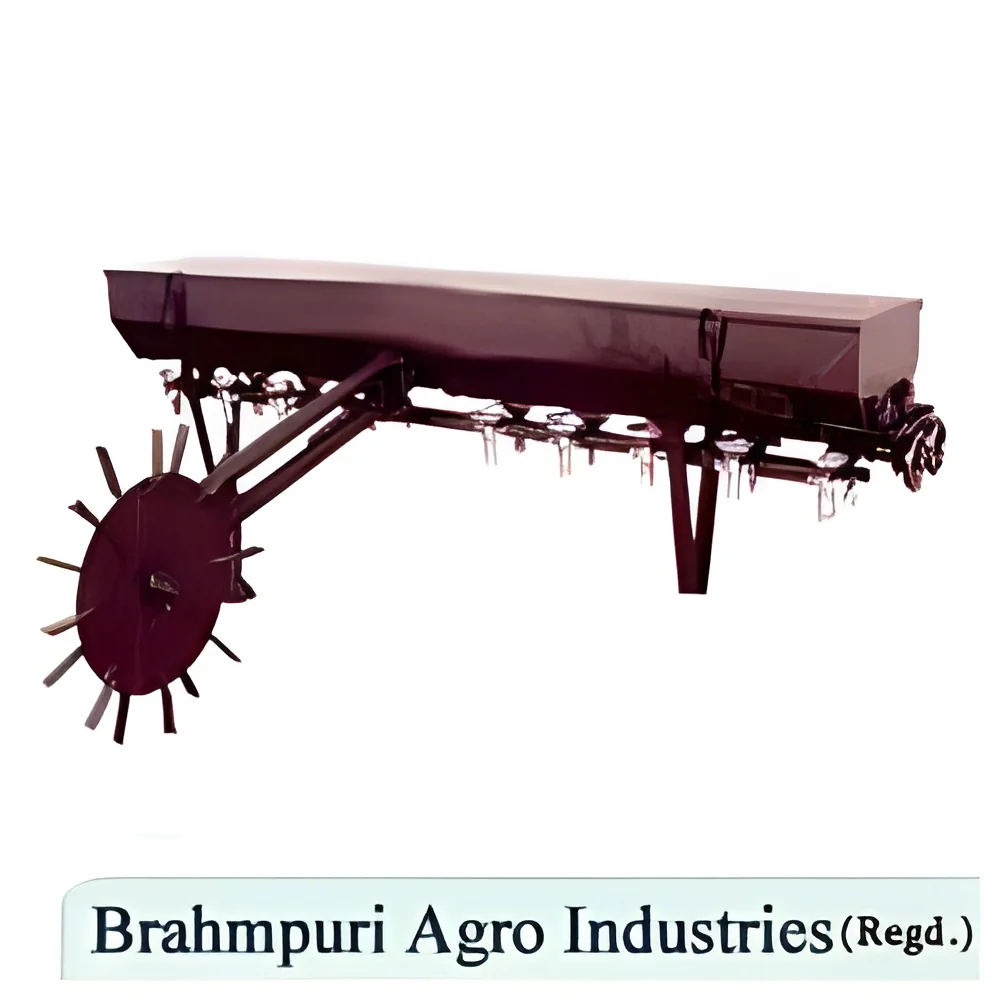
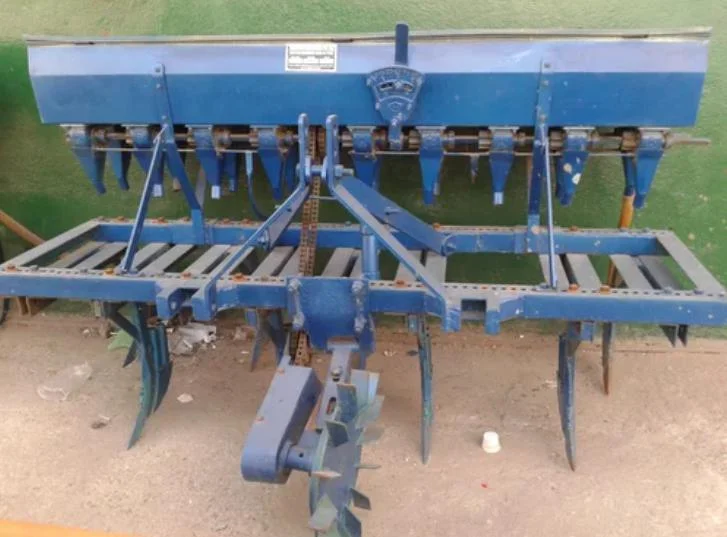
Seed drills are agricultural machinery designed for planting seeds in a precise and efficient manner. These machines create furrows in the soil and deposit seeds at predetermined intervals and depths. By controlling the placement of seeds, seed drills enhance crop yield and reduce waste. The technology behind seed drills has evolved significantly, incorporating advanced features that improve their efficiency and effectiveness in modern farming practices.
Seed drills are primarily used in various agricultural sectors, including large-scale farms and commercial horticulture. They are essential for planting a variety of crops such as grains, vegetables, and legumes. By facilitating uniform seed distribution, seed drills help farmers achieve optimal plant density and healthier crops. In today’s competitive agricultural landscape, the ability to maximize output while minimizing resource consumption is vital, making seed drills an invaluable tool for farmers.
The relevance of seed drills in the agricultural industry cannot be overstated. With the increasing demand for food production and the pressures of climate change, efficient planting technologies are critical. The market for seed drills is expanding as farmers seek innovative solutions to enhance productivity and sustainability in their operations.
Key Features and Specifications
Seed drills come with a range of features designed to optimize planting efficiency and crop management. Understanding these specifications is essential for selecting the right equipment for your agricultural needs.
Key specifications include:
1. Seed Placement Depth
- Adjustable settings for different seed types
- Typically ranges from 1 to 4 inches
2. Row Spacing
- Customizable row widths to accommodate various crops
- Common row spacing options are 6, 7.5, and 12 inches
3. Seed Metering System
- Precision mechanisms for accurate seed distribution
- Options for mechanical or electronic systems
4. Working Width
- Varies by model to cover more ground efficiently
- Ranges from 1.5 meters to over 6 meters
5. Hopper Capacity
- Size of the seed storage compartment
- Typically ranges from 100 to 600 liters
6. Frame Material
- Constructed from durable steel or lightweight alloys
- Ensures longevity and reduces maintenance costs
7. Weight
- Affects maneuverability and stability
- Varies from 300 kg to over 1000 kg depending on size
8. Compatibility with Tractors
- Must match tractor horsepower and hitch type
- Standard categories include small, medium, and large tractors
In summary, selecting a seed drill involves understanding these features and specifications to meet specific agricultural requirements effectively.
Common Applications and Use Cases
Seed drills are versatile tools used across various agricultural sectors. They provide significant benefits in different industries.
1. Agriculture: Seed drills are widely used in grain farming, ensuring precise planting of wheat, barley, and corn. They help in achieving uniform crop emergence.
2. Horticulture: In vegetable farming, seed drills facilitate the planting of carrots, lettuce, and other small seeds, enhancing growth rates and yield quality.
3. Forestry: Seed drills are utilized for reforesting efforts, enabling the efficient planting of tree seedlings in various terrains.
4. Organic Farming: These machines support organic farmers by allowing them to plant seeds without disturbing the soil excessively, promoting soil health.
5. Sports Turf Management: Seed drills are used to establish new lawns and maintain sports fields, ensuring even distribution of grass seeds.
6. Cover Cropping: Farmers use seed drills to plant cover crops, which improve soil health and reduce erosion.
7. Research and Development: Agricultural researchers employ seed drills for experimental planting to study crop varieties and growth conditions.
Product Variants and Subcategories
Seed drills come in various configurations to meet diverse agricultural needs. Each variant offers unique features suited for specific applications.
Conventional Seed Drills
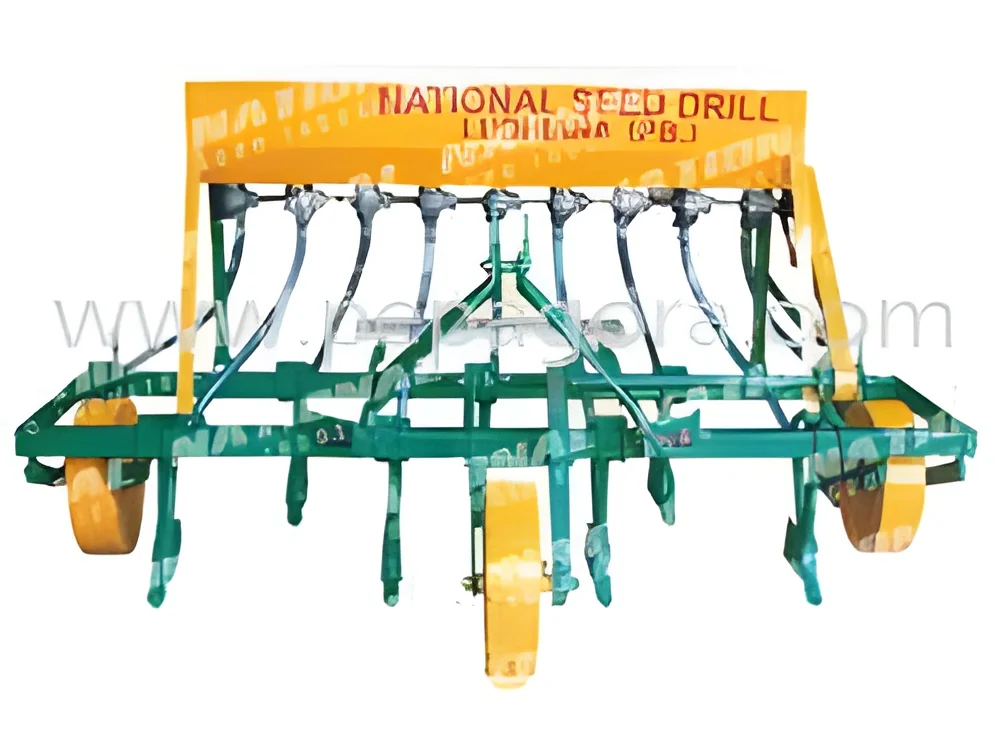
These are traditional models designed for broad-acre farming. They ensure even distribution of seeds and are easy to operate with minimal technology.
Air Seeders
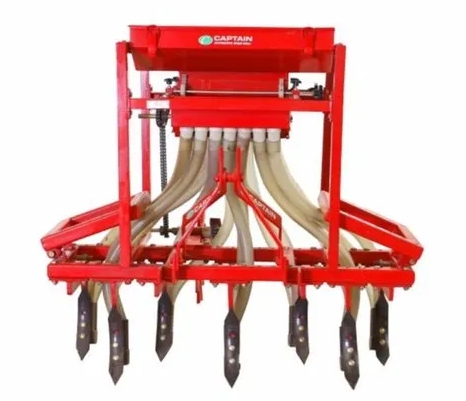
Air seeders utilize pneumatic systems to transport seeds through tubes to the ground. They are ideal for large-scale operations needing high capacity and efficiency.
No-Till Seed Drills
These drills allow planting without tilling the soil, preserving moisture and structure. They are perfect for conservation agriculture practices.
Planter-Drills
These machines combine the functions of seed drills and planters, allowing for precise planting of seeds alongside fertilizer application.
Benefits and Advantages
Seed drills provide numerous advantages that enhance agricultural productivity and sustainability.
1. Precision Planting: Seed drills ensure uniform seed placement, leading to optimal plant density and improved crop yields.
2. Time Efficiency: These machines significantly reduce the time required for planting compared to traditional methods.
3. Resource Conservation: With accurate seed distribution, farmers can minimize seed waste and reduce input costs.
4. Soil Health: By limiting soil disturbance, seed drills help maintain soil structure and improve moisture retention.
5. Versatility: Seed drills can be adapted for various crops and planting conditions, making them suitable for diverse farming practices.
6. Increased Profitability: Enhanced crop yields and resource efficiency contribute to higher profitability for farmers.
Buying Guide for B2B Buyers
When sourcing seed drills, it is crucial to consider several key factors to make an informed decision.
1. Quality Assessment: Evaluate the build quality and durability of the seed drill. Look for models with proven performance in various conditions.
2. Supplier Verification: Ensure that suppliers have a solid reputation and offer reliable customer service. Check for reviews and references.
3. Pricing and MOQ: Understand the pricing structure and minimum order quantities. Compare multiple suppliers to find competitive rates.
4. Delivery and Lead Times: Discuss logistics and confirm lead times for delivery to avoid delays in planting seasons.
5. Compliance Requirements: Review any regulatory compliance needed for agricultural machinery in your region to ensure the selected seed drill meets all standards.
Compliance and Certifications
Seed drills must meet various quality standards and industry certifications to ensure safety and performance.
ISO 9001 is a quality management standard that ensures manufacturers maintain consistent quality in their processes. Compliance with this standard is essential for trust in product reliability.
CE certification indicates that the equipment meets European safety standards, providing assurance of safe operation. This certification is particularly important for markets in Europe and other regions recognizing CE.
Safety testing is crucial to ensure that seed drills operate without risk to users or the environment. Manufacturers should adhere to safety protocols during production.
Regional compliance may vary, with specific regulations in different countries. Buyers should ensure that their selected seed drills comply with local agricultural machinery standards.
Why Source Seed Drills from Pepagora?
Pepagora provides a trusted platform for sourcing seed drills with numerous key advantages that benefit B2B buyers.
Verified Supplier Network: Pepagora connects buyers with a network of verified suppliers, ensuring that all listed vendors meet quality and reliability standards. This verification process helps buyers make informed choices with confidence.
Streamlined RFQ Process: The platform simplifies the request for quotation (RFQ) process, allowing buyers to easily compare offers from multiple suppliers. This efficiency saves time and helps in finding the best deals.
Trade Assurance and Support: Pepagora offers trade assurance programs that protect buyers from potential issues during transactions. This added layer of security fosters trust and encourages smooth business dealings.
Regional Coverage: With a focus on regions like India, the GCC, and Southeast Asia, Pepagora has a broad geographic reach. This enables buyers to access a diverse range of seed drills tailored to local agricultural practices and needs.


 India
 India
 India
 India
 India
 India
 India
Frequently Asked Questions
What are Seed Drills?
Seed drills are agricultural implements designed to sow seeds at a consistent depth and spacing in the soil. They help in ensuring optimal seed germination and crop yield by minimizing seed wastage and improving soil coverage.
What are the different types of Seed Drills?
There are several types of seed drills, including conventional seed drills, air seeders, and precision seeders. Each type is designed to cater to specific farming needs and soil conditions, allowing farmers to select the most suitable option for their crops.
How do I choose the right Seed Drills?
Choosing the right seed drill involves considering factors such as the type of crops being planted, soil type, and the scale of farming operations. It is advisable to consult with experts or suppliers to assess your specific requirements and select an appropriate model.
What are the standard specifications for Seed Drills?
Standard specifications for seed drills typically include seed spacing, row width, working width, and weight. Additionally, features such as adjustable depth settings and seed metering systems may also be important criteria to consider.
What is the price range for Seed Drills?
The price of seed drills can vary significantly based on factors such as type, size, and manufacturer. On average, prices can range from a few thousand to several lakhs of Indian Rupees, depending on the specifications and features.
What quality standards apply to Seed Drills?
Quality standards for seed drills generally include durability, performance efficiency, and compliance with safety regulations. Manufacturers may adhere to national and international quality certifications to ensure their products meet industry standards.
Where can I find Seed Drills suppliers in India?
You can find seed drill suppliers in India through various online B2B marketplaces, agricultural expos, and industry directories. Websites like Pepagora.com offer a wide range of suppliers and manufacturers for seed drills.
Can Seed Drills be customized?
Yes, many manufacturers offer customization options for seed drills to meet specific farming requirements. Customizations may include adjustments in size, features, and attachments based on the unique needs of the buyer.
What is the typical minimum order quantity for Seed Drills?
The minimum order quantity (MOQ) for seed drills can vary by supplier and model. Typically, it can range from one unit for smaller manufacturers to multiple units for larger suppliers, especially for bulk orders.
What is the typical lead time for Seed Drills?
The lead time for seed drills can vary based on the manufacturer, order size, and customization requirements. Generally, it can range from a few weeks to several months, so it's advisable to confirm with the supplier at the time of order.
Why Businesses Trust Pepagora
Thousands of companies trust Pepagora to source smarter and sell faster
Expand Your Sales Globally

Source Smarter,Grow Faster
