
 IN
Pop-Up Sprinklers
3 products available
What are Pop-Up Sprinklers?
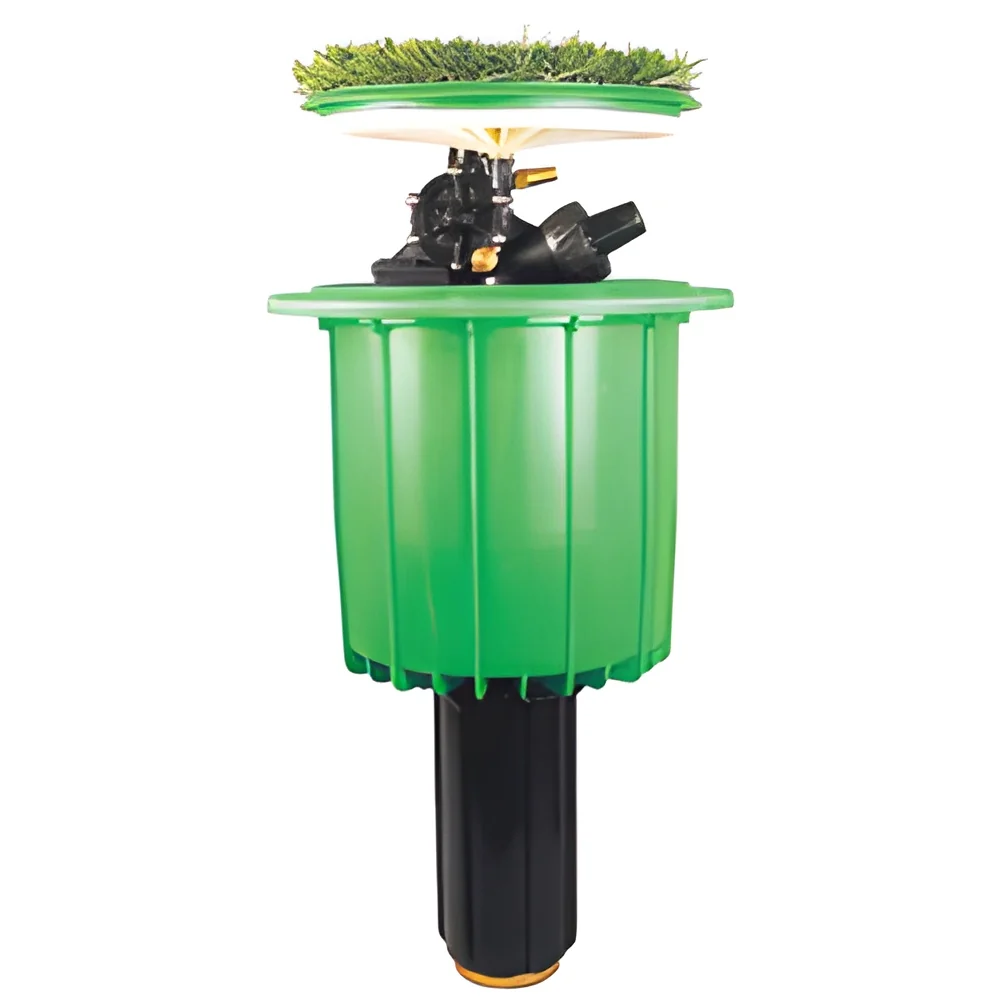
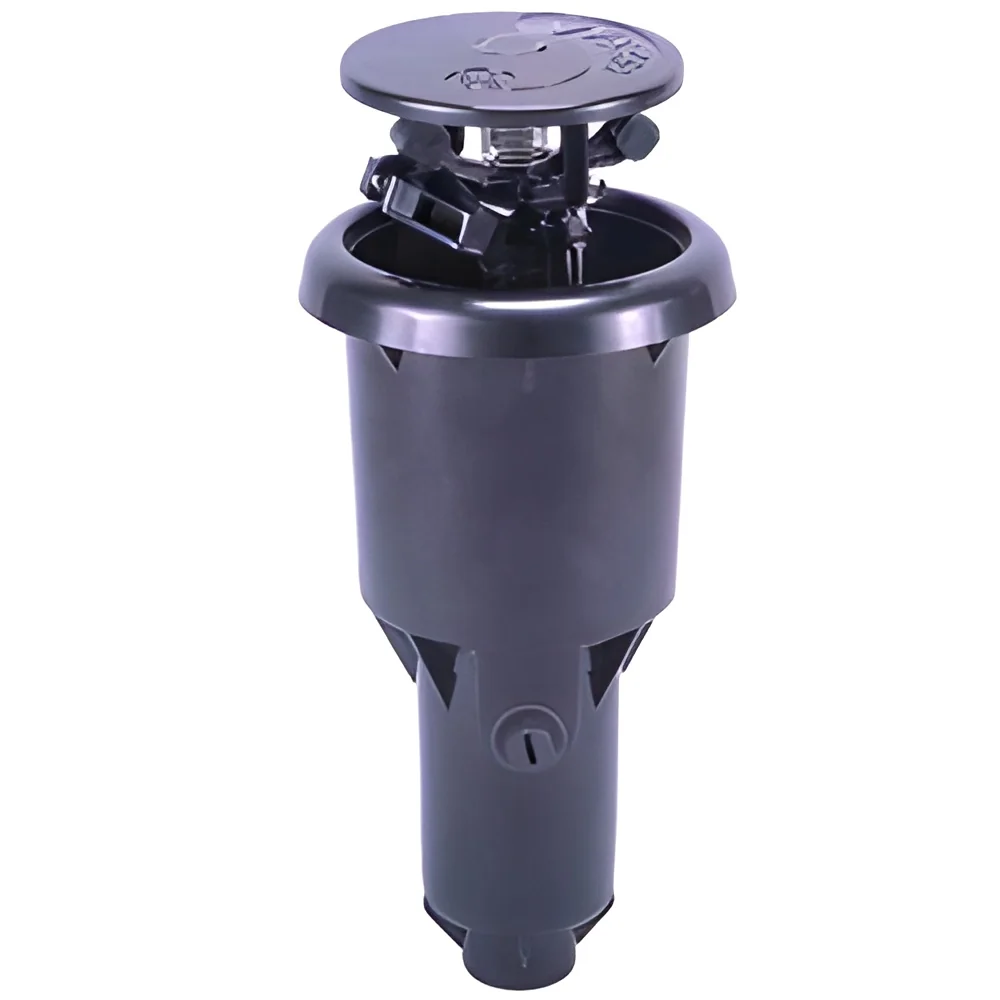
Pop-Up sprinklers are an essential component in modern irrigation systems. These devices are designed to provide efficient water distribution for gardens, lawns, and agricultural settings. When activated, the sprinkler head rises above the ground to spray water in a designated pattern, and then retracts back into the ground when not in use. This design not only conserves space but also prevents damage from foot traffic or mowing.
The primary uses of pop-up sprinklers extend across residential, commercial, and agricultural applications. In residential settings, they are commonly used to maintain lush green lawns and vibrant gardens. In commercial landscapes, pop-up sprinklers help ensure that public parks and recreational areas remain well-watered and aesthetically pleasing. For agricultural purposes, these sprinklers facilitate effective irrigation strategies, promoting healthy crop growth and maximizing yield.
In the context of the industry, pop-up sprinklers have gained significant relevance due to increasing demands for efficient water management. As water scarcity becomes a growing concern, businesses are seeking effective solutions to optimize their irrigation practices. The market for pop-up sprinklers continues to expand, driven by innovations in technology and design, making them a staple in modern irrigation solutions.
Key Features and Specifications
Pop-up sprinklers come with several key features that enhance their efficiency and usability. These specifications help buyers understand the capabilities and performance of different models in the market.
Key specifications include:
1. Spray Radius
- Typically ranges from 15 to 30 feet, depending on the model.
- Determines the area covered by the sprinkler.
2. Operating Pressure
- Generally operates effectively between 20 to 80 PSI.
- Ensures optimal performance and consistent water distribution.
3. Flow Rate
- Varies by model, usually between 1 to 6 gallons per minute (GPM).
- Affects the speed and efficiency of irrigation.
4. Adjustable Nozzle
- Many models feature adjustable nozzles for customizable spray patterns.
- Provides flexibility for different landscape configurations.
5. Construction Material
- Commonly made from durable plastics or metals.
- Ensures resilience against environmental factors.
6. Installation Type
- Can be either pop-up or fixed, with pop-up being the most common.
- Affects ease of installation and maintenance.
7. Warranty Period
- Typically ranges from 1 to 5 years, depending on the manufacturer.
- Provides assurance of quality and durability.
In summary, understanding these specifications can help buyers select the right pop-up sprinkler for their specific needs, ensuring efficient irrigation and effective water management.
Common Applications and Use Cases
Pop-up sprinklers are versatile and can be applied across various industries.
1. Residential Landscaping: Homeowners use pop-up sprinklers to maintain lawns and gardens, ensuring healthy plant growth and vibrant landscapes.
2. Commercial Properties: Businesses and municipalities utilize these sprinklers for maintaining public parks, golf courses, and other recreational areas, enhancing their appeal.
3. Agriculture: Farmers employ pop-up sprinklers for crop irrigation, allowing for precise watering that supports optimal growth and yields.
4. Sports Facilities: Athletic fields benefit from pop-up sprinklers, providing even watering for turf management, which is crucial for performance and safety.
5. Greenhouses: These systems are used to maintain humidity levels and support plant health in controlled environments.
6. Schools and Universities: Educational institutions implement pop-up sprinklers in campus landscaping to ensure aesthetic appeal and environmental responsibility.
7. Industrial Facilities: Companies use pop-up sprinklers in landscape management around facilities to enhance the surrounding environment.
Product Variants and Subcategories
Pop-up sprinklers come in various configurations to meet different needs.
Standard Pop-Up Sprinklers: These are the most common type, designed for general landscaping and irrigation purposes. They typically feature adjustable spray patterns and are suitable for residential and commercial applications.
Pressure-Regulated Pop-Up Sprinklers: These variants include built-in pressure regulation to ensure consistent water flow. They are ideal for sloped landscapes where variations in pressure can affect performance.
Rotating Pop-Up Sprinklers: Equipped with rotating heads, these sprinklers provide a more uniform coverage area. They are particularly useful for large lawns or gardens that require efficient water distribution.
Benefits and Advantages
Pop-up sprinklers offer several advantages that make them an appealing choice for irrigation.
1. Space-Saving Design: The retractable feature allows for unobtrusive installation, making them ideal for areas with foot traffic.
2. Efficient Water Usage: These systems promote water conservation by delivering precise amounts to specific areas, reducing waste.
3. Customizable Coverage: Adjustable nozzles provide flexibility in watering patterns, accommodating various landscape layouts.
4. Low Maintenance: Once installed, pop-up sprinklers typically require minimal upkeep, allowing users to focus on other tasks.
5. Enhanced Plant Health: By providing consistent moisture levels, these sprinklers promote healthier plants and improve overall landscape aesthetics.
6. Versatility: Suitable for various applications, from residential to agricultural settings, pop-up sprinklers can adapt to different watering needs.
Buying Guide for B2B Buyers
When sourcing pop-up sprinklers, several key factors should be considered to ensure a successful purchase.
1. Quality Assessment: Evaluate the materials and construction of the sprinklers for durability and reliability. Look for products from reputable manufacturers.
2. Supplier Verification: Vet potential suppliers to confirm their credibility and track record in providing quality irrigation products. Consider their customer feedback and industry reputation.
3. Pricing and MOQ: Understand the price ranges for different sprinkler models and inquire about minimum order quantities. This helps in budgeting and planning for larger installations.
4. Delivery and Lead Times: Discuss logistics with suppliers to ensure timely delivery of products, especially for larger projects that may have specific schedules.
5. Compliance Requirements: Check for any local regulations or standards that the sprinklers need to meet, ensuring compliance with environmental and safety guidelines.
Compliance and Certifications
Pop-up sprinklers must meet certain compliance and certification standards to ensure quality and safety. Many manufacturers adhere to relevant quality standards, such as ISO 9001, which focuses on maintaining high-quality management systems in production processes. Compliance with safety standards is crucial to ensure that products are safe for use in various environments.
Additionally, pop-up sprinklers may hold industry certifications like CE, indicating that the products meet European health, safety, and environmental protection standards. Testing requirements often include pressure testing and durability assessments to guarantee reliable performance over time.
Regional compliance considerations vary, and it is essential for buyers to be aware of local regulations that may affect the use and installation of irrigation systems. This ensures that all products sourced comply with necessary guidelines, promoting both safety and efficiency.
Why Source Pop-Up Sprinklers from Pepagora?
Pepagora provides a trusted platform for sourcing pop-up sprinklers, offering various key advantages to B2B buyers.
Verified Supplier Network: Pepagora connects buyers with a network of verified suppliers, ensuring that businesses can source high-quality products with confidence. This network is built on trust and industry credibility.
Streamlined RFQ Process: The platform features a user-friendly Request for Quotation process, allowing buyers to easily compare prices and specifications from multiple suppliers. This simplifies decision-making and enhances procurement efficiency.
Trade Assurance and Support: Pepagora offers trade assurance and buyer protection services, providing peace of mind throughout the purchasing process. This ensures that buyers can engage with suppliers securely.
Regional Coverage: With a strong presence in India, the GCC, and Southeast Asia, Pepagora enables buyers to access a wide range of products and suppliers in their respective regions. This geographical reach enhances sourcing options and supports diverse business needs.

Frequently Asked Questions
What are Pop-Up Sprinklers?
Pop-Up Sprinklers are a type of irrigation system designed to automatically pop up from the ground when activated. They provide efficient watering for lawns and gardens by distributing water evenly over a designated area.
What are the different types of Pop-Up Sprinklers?
The different types of Pop-Up Sprinklers include fixed spray sprinklers, rotating sprinklers, and adjustable sprinklers. Each type varies in its method of water distribution, coverage area, and suitability for different landscaping needs.
How do I choose the right Pop-Up Sprinklers?
To choose the right Pop-Up Sprinklers, consider factors such as the size of the area to be irrigated, water pressure, and the type of plants being watered. It’s also important to look for features like adjustable spray patterns and durability.
What are the standard specifications for Pop-Up Sprinklers?
Standard specifications for Pop-Up Sprinklers include height, spray radius, and flow rate. Additionally, materials used for construction, such as plastic or metal, can affect the durability and performance of the sprinklers.
What is the price range for Pop-Up Sprinklers?
The price range for Pop-Up Sprinklers can vary widely, typically starting from around ₹500 and going up to ₹5,000 or more. Factors influencing price include brand, type, and any additional features.
What quality standards apply to Pop-Up Sprinklers?
Quality standards for Pop-Up Sprinklers often include durability tests, performance efficiency, and materials safety. Many manufacturers adhere to industry standards such as ISO certifications to ensure product reliability.
Where can I find Pop-Up Sprinklers suppliers in India?
You can find Pop-Up Sprinklers suppliers in India through online marketplaces, trade directories, and agricultural supply stores. Websites like Pepagora.com can help connect you with reputable manufacturers and suppliers.
Can Pop-Up Sprinklers be customized?
Yes, Pop-Up Sprinklers can often be customized to meet specific requirements such as size, spray pattern, and material. Many manufacturers offer customization options to cater to unique landscaping needs.
What is the typical minimum order quantity for Pop-Up Sprinklers?
The typical minimum order quantity (MOQ) for Pop-Up Sprinklers can vary by supplier, but it generally ranges from 10 to 50 units. It's advisable to check with the specific supplier for their MOQ requirements.
What is the typical lead time for Pop-Up Sprinklers?
The typical lead time for Pop-Up Sprinklers can range from 1 to 4 weeks, depending on the supplier's inventory and order volume. Custom orders may require additional time for production and delivery.
Why Businesses Trust Pepagora
Thousands of companies trust Pepagora to source smarter and sell faster
Expand Your Sales Globally

Source Smarter,Grow Faster
