
 IN
INPloughs (MB, Disc)
2 products available
Key Features and Specifications
Common Applications and Use Cases
Product Variants and Subcategories
Benefits and Advantages
Buying Guide for B2B Buyers
Compliance and Certifications




Frequently Asked Questions
What are Ploughs (MB, Disc)?
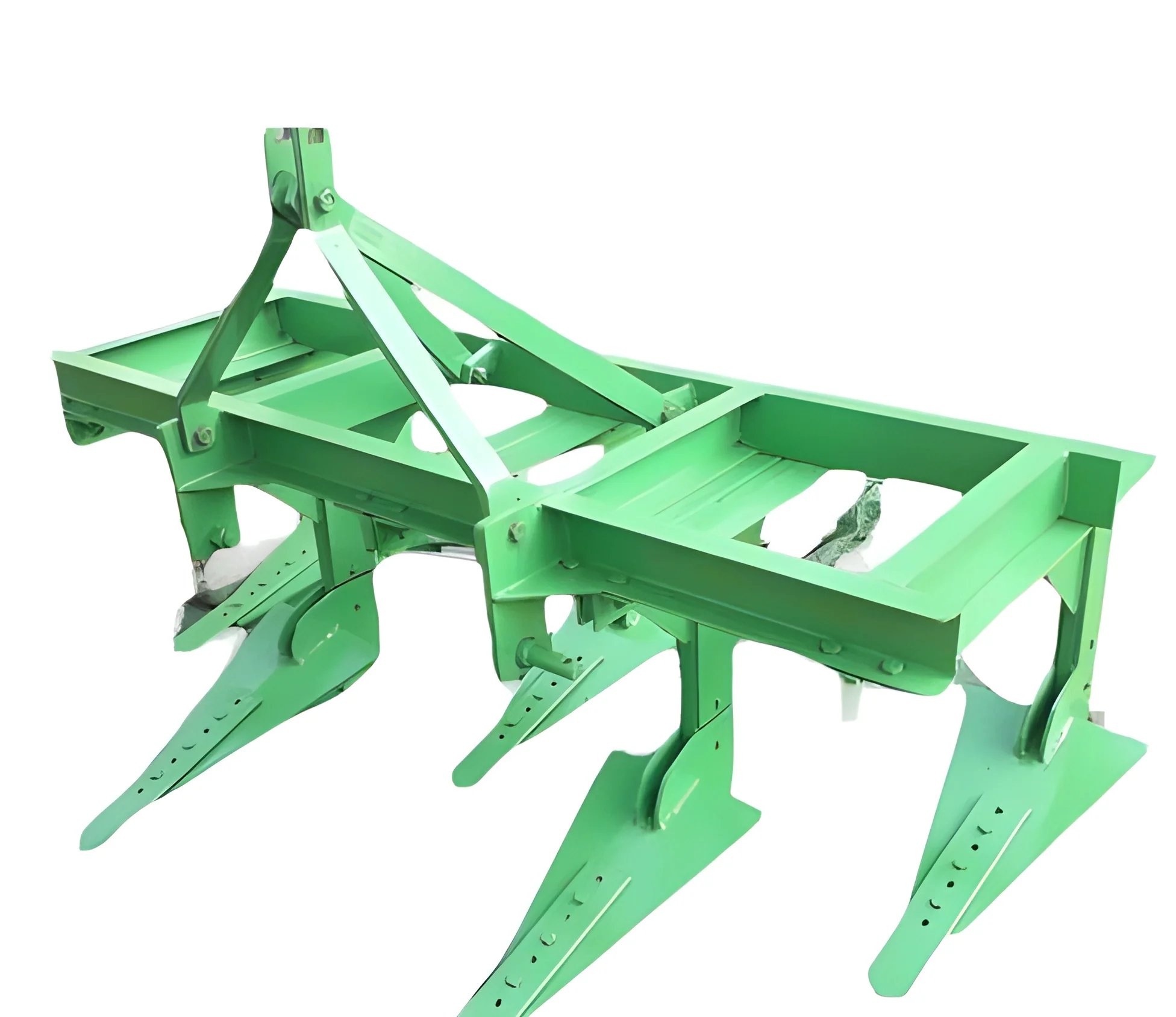
Ploughs (MB, Disc) are agricultural implements used for tilling the soil. The 'MB' stands for Moldboard Ploughs, which are designed to turn the soil over, while Disc Ploughs feature circular blades that cut through the ground. Both types are essential for preparing fields for planting.
What are the different types of Ploughs (MB, Disc)?
The main types of Ploughs (MB, Disc) include Moldboard Ploughs, Disc Ploughs, and Chisel Ploughs. Moldboard Ploughs are ideal for deep tillage, while Disc Ploughs are better suited for hard or rocky soils. Chisel Ploughs are used for minimal tillage, preserving soil structure.
How do I choose the right Ploughs (MB, Disc)?
Choosing the right Ploughs (MB, Disc) depends on soil type, field size, and specific agricultural needs. Consider the plough's design, depth of tillage, and ease of use. Consulting with local suppliers or agricultural experts can also provide valuable insights.
What are the standard specifications for Ploughs (MB, Disc)?
Standard specifications for Ploughs (MB, Disc) typically include the number of shares, working width, and depth of tillage. Moldboard Ploughs usually have 2-5 shares, while Disc Ploughs have varying disc diameters. Ensure to check the manufacturer's specifications for exact details.
What is the price range for Ploughs (MB, Disc)?
The price range for Ploughs (MB, Disc) can vary significantly based on type, size, and manufacturer. Generally, prices can start from around INR 20,000 and go up to INR 100,000 or more for advanced models. It's advisable to compare prices from multiple suppliers.
What quality standards apply to Ploughs (MB, Disc)?
Quality standards for Ploughs (MB, Disc) often include durability, performance, and safety regulations. Many manufacturers follow ISO certifications or local agricultural standards to ensure their products meet industry requirements. Checking for quality certifications can help ensure reliability.
Where can I find Ploughs (MB, Disc) suppliers in India?
You can find Ploughs (MB, Disc) suppliers in India through online B2B marketplaces like Pepagora.com, agricultural exhibitions, and trade shows. Additionally, local agricultural equipment dealers often stock various models. Conducting an online search can also yield several options.
Can Ploughs (MB, Disc) be customized?
Yes, many manufacturers offer customization options for Ploughs (MB, Disc) to meet specific needs. Customizations can include adjustments in size, design, and additional features. It is best to discuss your requirements with the supplier during the ordering process.
What is the typical minimum order quantity for Ploughs (MB, Disc)?
The typical minimum order quantity (MOQ) for Ploughs (MB, Disc) varies by supplier and product type. Generally, MOQs can range from 1 to 10 units, depending on the manufacturer's policies. It is advisable to check with the supplier for their specific requirements.
What is the typical lead time for Ploughs (MB, Disc)?
The typical lead time for Ploughs (MB, Disc) can range from a few days to several weeks, depending on the supplier and customization options. Standard models may have shorter lead times, while customized orders may take longer. Always confirm lead times with the supplier before placing an order.
Why Businesses Trust Pepagora
Thousands of companies trust Pepagora to source smarter and sell faster
Expand Your Sales Globally

Source Smarter,Grow Faster
